
The Role of Ritual and Philosophy in Ancient Indian Culture

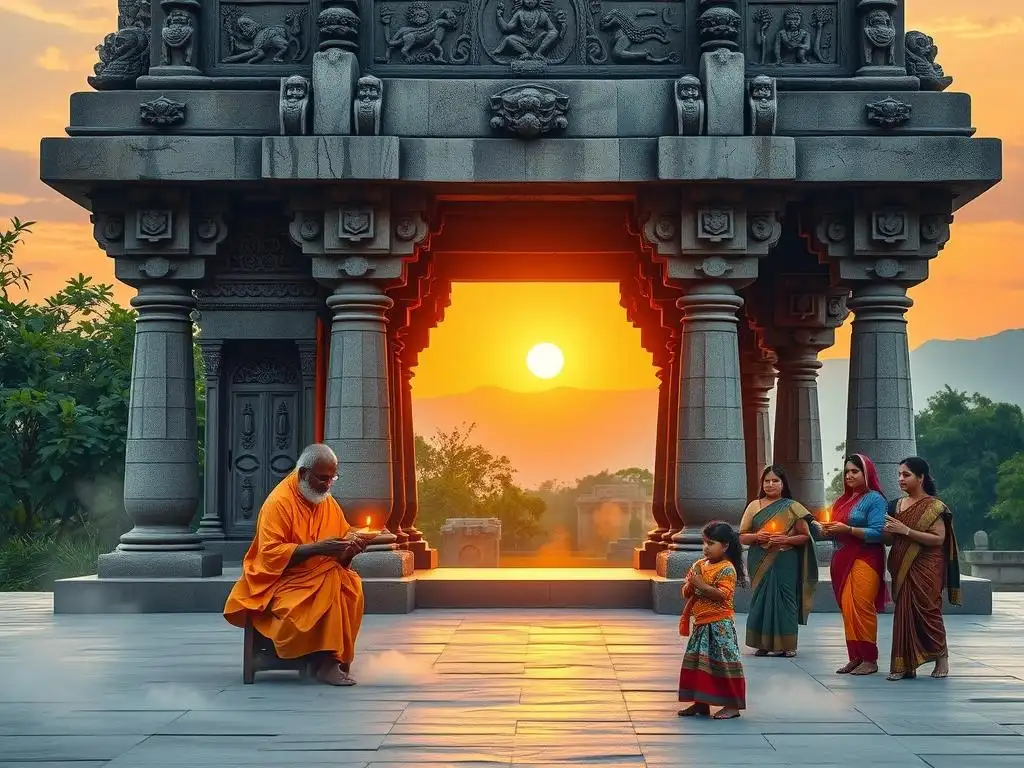
Welcome to Ancient India History, where we embark on a captivating journey through time to uncover the rich tapestry of ancient Indian civilizations. Have you ever wondered how rituals and philosophy intertwined to shape the spiritual landscape of this vibrant culture?
In our featured article, "The Role of Ritual and Philosophy in Ancient Indian Culture," we delve deep into the profound significance of ancient Indian rituals and philosophy, revealing their impact on society, spirituality, and daily life. Join us as we explore the fascinating connections that continue to resonate today, and prepare to be inspired by the wisdom of the past!
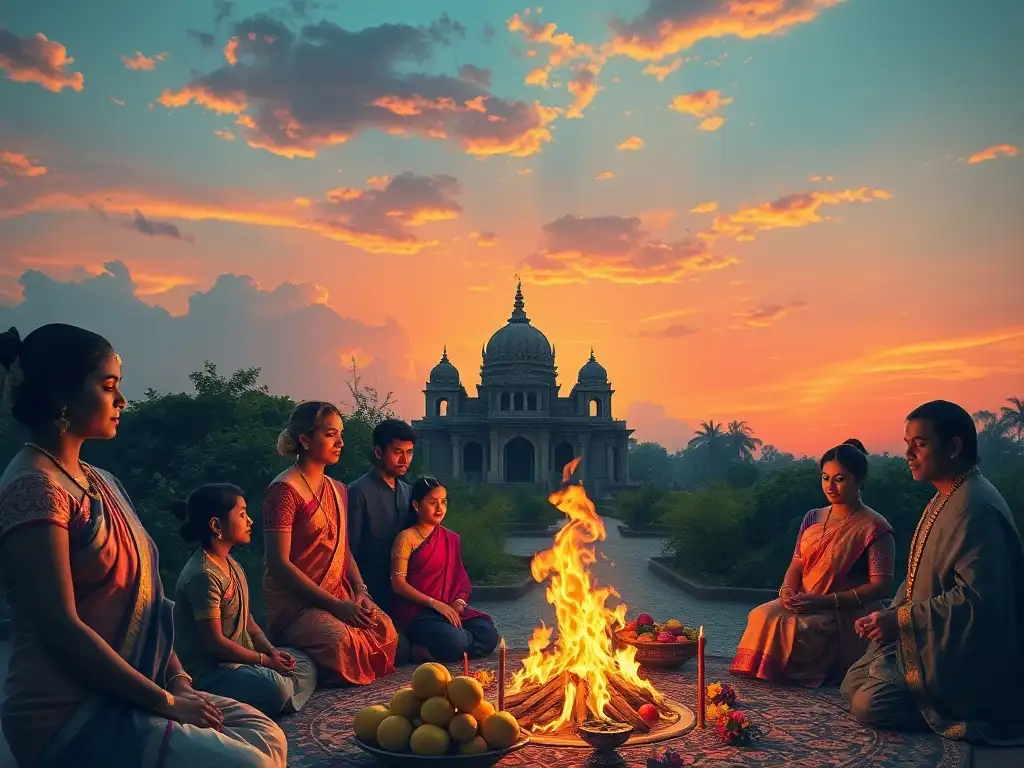
Introduction to Ancient Indian Rituals and Philosophy
The exploration of ancient Indian rituals and philosophy reveals a profoundly intricate tapestry of beliefs and practices that have shaped the fabric of Indian culture for millennia. From the early days of the Indus Valley Civilization to the sophisticated philosophical inquiries of the Gupta Empire, rituals and philosophical thought intertwined to create a unique worldview that influenced not only spiritual practices but also social norms and governance. This article delves into the multifaceted role of rituals and philosophy in ancient Indian culture, highlighting their significance and evolution over time.
Overview of Ancient Indian Culture
Ancient Indian culture is characterized by its diversity and depth, with roots tracing back to various civilizations, including the Harappan, Vedic, and Mauryan societies. The confluence of different cultures led to a rich amalgamation of customs, art, and intellectual pursuits. Central to this cultural framework were rituals and philosophical schools of thought, which provided a means to explore existential questions and the nature of the universe.
- Key Elements of Ancient Indian Culture:
- Religious Diversity: The coexistence of various religions, including Hinduism, Buddhism, and Jainism.
- Art and Architecture: Development of unique artistic expressions, temple architecture, and sculptures.
- Literature and Language: Flourishing of languages like Sanskrit and regional dialects, resulting in a rich literary tradition.
Importance of Rituals and Philosophy in Ancient India
Rituals and philosophy served as pivotal components of ancient Indian societies, offering frameworks for understanding life's complexities.
- Rituals provided structure and meaning to daily life, marking significant events such as births, weddings, and deaths. They fostered community bonds and reinforced social hierarchies.
- Philosophy, on the other hand, encouraged introspection and inquiry into the nature of reality, ethics, and the self. Schools such as Vedanta, Samkhya, and Buddhism contributed diverse perspectives on these fundamental questions.
The interplay between these two elements helped to cultivate a society deeply engaged in both spiritual and intellectual pursuits.
Historical Context of Ancient Indian Rituals
To appreciate the richness of ancient Indian rituals, it is essential to understand their historical context. They evolved alongside the major civilizations that flourished in the Indian subcontinent.
Evolution of Rituals in Ancient Indian Civilizations
Rituals in ancient India underwent significant transformation from the Vedic period (circa 1500-500 BCE) through the later empires. Initially, Vedic rituals were elaborate ceremonies performed by priests, aimed at appeasing deities and ensuring cosmic order.
- Key Phases of Evolution:
- Vedic Period: Emphasis on fire sacrifices (yajnas) and hymns (suktas).
- Post-Vedic Era: Rise of philosophical thought leading to a more introspective approach.
- Gupta Period: Integration of regional practices and local deities into mainstream rituals.
Major Texts and Sources on Ritual Practices
Several ancient texts serve as primary sources for understanding the rituals practiced in ancient India.
- Vedas: The Rigveda, Samaveda, Yajurveda, and Atharvaveda contain hymns and instructions for rituals.
- Upanishads: Philosophical treatises that delve into the meaning and purpose behind rituals.
- Puranas: Texts that narrate the myths, legends, and traditional practices associated with various deities.
These texts not only document rituals but also reflect the evolving philosophical discourse surrounding them.
The Connection Between Rituals and Daily Life
Rituals in ancient India were not confined to religious observances; they permeated daily life and social practices.
- Rituals as Social Glue:
- They fostered a sense of community through shared practices and beliefs.
- Important life events were marked by rituals, reinforcing cultural continuity.
- Influence on Governance:
- Rituals often played a role in legitimizing authority and reinforcing the social order.
The intricate interplay between ancient Indian rituals and philosophy created a rich cultural tapestry that continues to influence Indian society today. As we delve deeper into this topic, we will uncover the nuances of these practices and their lasting impact on the philosophical landscape of ancient India.
Philosophical Foundations of Ancient Indian Thought
Ancient Indian philosophy is characterized by its diverse schools of thought that emerged over millennia, deeply intertwined with spiritual practices and rituals. At its core, Indian philosophy grapples with fundamental questions about existence, consciousness, and the nature of reality. The texts that form the foundation of these philosophical inquiries include the Vedas, Upanishads, and Bhagavad Gita, which not only provide spiritual guidance but also offer profound philosophical insights.
Central to ancient Indian thought is the concept of Dharma, which denotes duty, moral law, and ethics, guiding individuals towards right action in their personal and social lives. Additionally, the ideas of Karma and Moksha play pivotal roles; Karma relates to the law of cause and effect that governs one's actions, while Moksha signifies the ultimate liberation from the cycle of birth and rebirth (Samsara). This philosophical framework encourages individuals to seek harmony between their duties and spiritual aspirations, influencing both personal conduct and communal rituals throughout ancient Indian culture.
Key Philosophical Schools in Ancient India
The landscape of ancient Indian philosophy is marked by several prominent schools, each offering unique perspectives on metaphysics, epistemology, and ethics. The key philosophical schools include:
- Vedanta: Focusing on the nature of reality and the relationship between the individual soul (Atman) and the ultimate reality (Brahman), Vedanta emphasizes self-realization and the pursuit of knowledge as paths to liberation.
- Sankhya: Known for its dualistic approach, Sankhya posits two fundamental realities: Purusha (consciousness) and Prakriti (matter). This school lays the groundwork for understanding the interplay between the spiritual and material worlds.
- Yoga: Closely related to Sankhya, the Yoga school emphasizes practical techniques for spiritual development, including meditation and ethical disciplines, aimed at achieving union with the divine.
- Nyaya: This school focuses on logic and epistemology, providing tools for reasoning and the validation of knowledge. Nyaya philosophers engaged rigorously in debates on perception, inference, and testimony as means of acquiring knowledge.
- Buddhism and Jainism: Emerging as distinct traditions, both Buddhism and Jainism introduced new philosophical concepts, emphasizing ethical conduct, meditation, and the path to enlightenment while critiquing the Vedic rituals.
Each of these schools contributed significantly to the rich tapestry of ancient Indian thought, shaping not only philosophies but also the rituals and practices that permeated Indian culture.
Types of Ancient Indian Rituals
Rituals in ancient India served as vital expressions of cultural identity, faith, and community. They can be categorized broadly into three types, each reflecting different aspects of life and spirituality.
Vedic Rituals: Sacrifices and Offerings
Vedic rituals form the bedrock of ancient Indian sacrificial practices, deeply embedded in the religious texts known as the Vedas. These rituals often involved elaborate ceremonies where offerings were made to deities through fire sacrifices (Yajnas). The primary purpose of these rituals was to maintain cosmic order (Rta) and seek blessings for prosperity, health, and fertility.
Key components of Vedic rituals include:
- Agni: The fire, considered a divine intermediary between humans and gods, played a central role in sacrifices.
- Mantras: Chanted verses that invoke spiritual energies and establish a connection with the divine.
- Ritual specialists: Priests (Brahmins) who performed the rituals with precision and adherence to tradition.
Such rituals were not merely religious acts; they also reinforced social structures and community bonds, allowing participants to engage in shared spiritual experiences.
Domestic Rituals: Family and Community Practices
Domestic rituals reflect the intimate aspects of life, focusing on family and community cohesion. These practices often revolve around significant life events, such as births, marriages, and deaths, and aim to invoke blessings and maintain harmony within the household.
Examples of domestic rituals include:
- Puja: Daily worship rituals performed at home, involving offerings to household deities.
- Samskaras: Sacraments marking important life transitions, such as Namakarana (naming ceremony) and Vivaha (marriage), which underscore the importance of social and familial ties.
- Ancestral veneration: Rituals honoring ancestors, ensuring their blessings and maintaining familial continuity.
These rituals serve not only as acts of devotion but also as expressions of cultural heritage, linking individuals to their community and lineage.
Seasonal and Agricultural Rituals: Festivals and Celebrations
Seasonal and agricultural rituals in ancient India were closely tied to the cycles of nature and agricultural practices. Festivals celebrated the changing seasons, agricultural harvests, and significant natural phenomena, fostering a sense of community and shared cultural identity.
Notable examples include:
- Pongal: A harvest festival celebrated in South India, honoring the sun and the earth for their bounty.
- Makar Sankranti: A festival marking the transition of the sun into the zodiac sign of Capricorn, celebrated with kite flying and communal feasting.
- Navaratri: A nine-night festival dedicated to the goddess Durga, symbolizing the victory of good over evil, marked by fasting, dance, and rituals.
These festivals not only provided a means to express gratitude and reverence for nature's cycles but also strengthened community bonds, reinforcing cultural values and traditions that have persisted through generations.
The Interplay Between Ritual and Philosophy
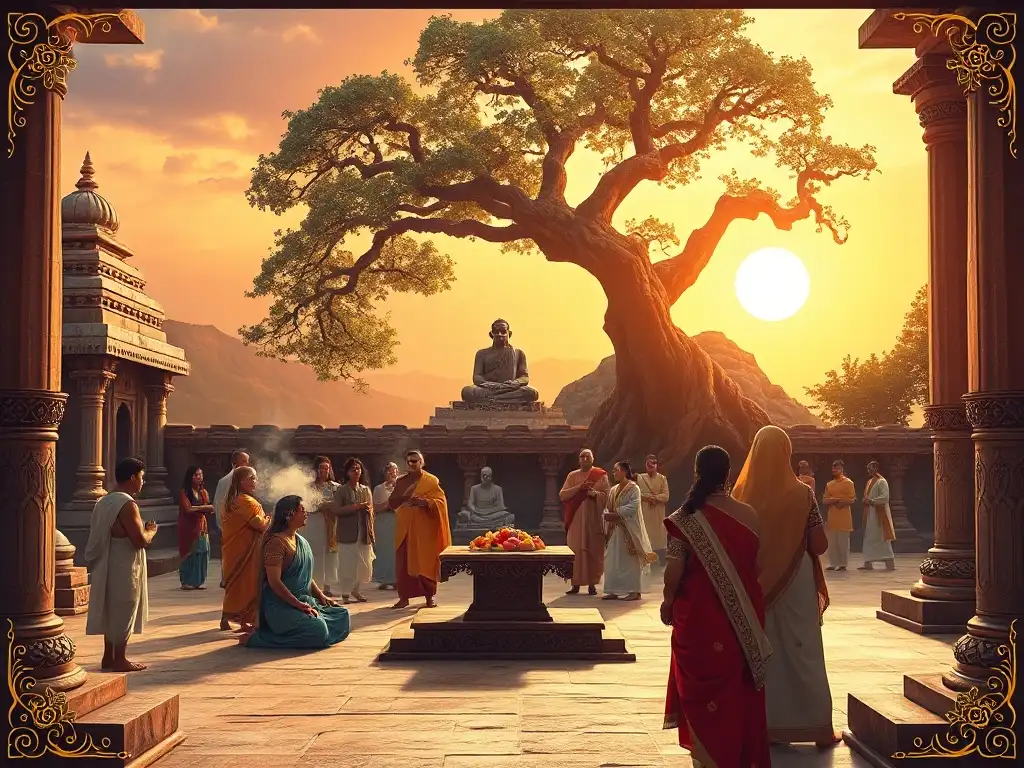
The intricate relationship between ritual and philosophy in ancient Indian culture is a defining feature that shaped its spiritual landscape. Rituals, often seen as the external expressions of internal beliefs, served as a vital mechanism through which philosophical ideas were communicated and implemented in everyday life. Conversely, philosophy provided the intellectual framework that guided these rituals, enriching them with deeper meanings and interpretations.
Rituals in ancient India were not merely acts of tradition; they were imbued with philosophical significance. For instance, the Vedic rituals, which are among the oldest recorded practices, were deeply rooted in the philosophical concepts of Dharma (righteousness) and Karma (action). The underlying belief was that performing these rituals could harmonize the cosmic order and fulfill one's duty in society. This interplay demonstrates that rituals were both a means of connecting with the divine and a pathway to understanding life's greater truths.
How Philosophy Informs Ritual Practices
Philosophy profoundly influenced the development and execution of ritual practices in ancient India. The Upanishads, which are philosophical texts that explore the nature of reality and the self, emphasize the importance of knowledge and meditation. This emphasis shifted the focus of rituals from mere ceremonial acts to a deeper pursuit of spiritual understanding.
For instance, the concept of Brahman, the ultimate reality, and Atman, the individual soul, highlighted the purpose of rituals as not only a means to appease deities but also a way to realize one’s true self. The philosophical idea of unity between Brahman and Atman encouraged practitioners to engage in rituals that promoted introspection and self-awareness, such as meditation and yoga.
Furthermore, the teachings of various philosophical schools, including Samkhya, Yoga, and Vedanta, provided a systematic approach to assessing the efficacy of rituals. They encouraged a rational analysis of ritual practices, leading to adaptations that aligned more closely with the evolving philosophical thought.
The Role of Rituals in Philosophical Teachings
Rituals played a fundamental role in conveying and reinforcing philosophical teachings in ancient India. They acted as a bridge between abstract philosophical concepts and tangible experiences, making complex ideas accessible to the general populace. The use of storytelling, symbolic actions, and communal participation in rituals helped to embed philosophical ideas into the cultural fabric.
For example, the Puja (worship) rituals not only serve as acts of devotion but also embody the philosophical concepts of surrender and reverence towards the divine. Through the ritual of Puja, devotees engage in a physical representation of their philosophical beliefs, creating a holistic experience that integrates mind, body, and spirit.
Moreover, the performance of rituals during significant life events (samskaras), such as birth, marriage, and death, illustrates how philosophy informs the understanding of life cycles. These rituals not only mark transitions but also reflect deeper philosophical principles about existence, mortality, and the continuity of the soul.
Case Studies of Rituals with Philosophical Significance
Several rituals from ancient Indian culture exemplify the profound connection between ritual and philosophy:
- Agni Hotra: This Vedic fire ritual involves the offering of ghee (clarified butter) into the sacred fire. It symbolizes the connection between the material and spiritual worlds and is rooted in the philosophical concept of the sacredness of fire as a purifying agent.
- Samskaras: These life-cycle rituals, including Namakarana (naming), Upanayana (sacred thread ceremony), and Antyesti (funeral rites), are steeped in philosophical significance. They reflect the belief in the soul's journey and the importance of fulfilling one's Dharma at each stage of life.
- Yajna: The ritual of sacrifice, where offerings are made to deities, embodies the philosophical idea of selflessness and the interconnectedness of all beings. It symbolizes the act of giving and the importance of gratitude in one's spiritual journey.
The Influence of Ancient Indian Rituals and Philosophy on Later Cultures
The impact of ancient Indian rituals and philosophy extends beyond its borders, influencing various cultures throughout history. The rich tapestry of ideas and practices that emerged from India has left an indelible mark on neighboring civilizations and beyond.
Legacy of Ancient Indian Thought on Neighboring Civilizations
The philosophical concepts and rituals of ancient India significantly influenced various neighboring cultures, particularly in Southeast Asia. The spread of Buddhism, which emerged from Indian philosophical thought, carried with it a rich tradition of rituals and ethical teachings. The concept of Dharma found resonance in the legal and moral frameworks of countries like Thailand, Cambodia, and Indonesia.
Additionally, Indian art and architecture, characterized by symbolic representations of rituals, inspired regional cultures. Temples built in these regions often incorporated Indian ritual practices, blending them with local beliefs to create unique cultural expressions.
Moreover, ancient Indian texts, such as the Puranas and Mahabharata, traveled along trade routes, spreading ideas about ethics, governance, and spirituality, which shaped the philosophies of other civilizations.
Modern Interpretations of Ancient Rituals and Philosophical Concepts
In contemporary times, the rituals and philosophical concepts of ancient India continue to find relevance and reinterpretation. Modern practitioners and scholars explore these ancient practices to derive lessons applicable to today’s world.
Yoga, once a philosophical pursuit, has evolved into a global phenomenon encompassing physical, mental, and spiritual practices. Its roots in ancient philosophy remind practitioners of the importance of mindfulness and self-awareness.
Similarly, the philosophical tenets of Ahimsa (non-violence) and Satyagraha (truth-force), popularized by figures like Mahatma Gandhi, echo the ancient teachings and have inspired global movements for peace and justice.
As ancient Indian rituals and philosophies are revisited, they provide a rich source of wisdom and insight, proving that their significance transcends time and continues to inspire modern thought and practice.
Conclusion: The Enduring Impact of Ancient Indian Rituals and Philosophy
The legacy of ancient Indian rituals and philosophy profoundly shapes contemporary society, influencing spirituality, ethics, and cultural practices worldwide. The intricate rituals of various ancient civilizations, particularly those stemming from the Vedic traditions, have laid the groundwork for modern Hindu practices and festivals. These rituals foster a sense of community, continuity, and identity, connecting individuals with their heritage and the cosmos.
Moreover, the philosophical schools that flourished in ancient India, such as Vedanta, Buddhism, and Jainism, continue to inspire philosophical discourse and spiritual exploration today. Their emphasis on ethics, morality, and the nature of reality invites ongoing reflection and discussion, fostering a deeper understanding of human existence and our place in the universe. The teachings of these traditions have transcended geographical boundaries, resonating with diverse cultures and contributing to global philosophical thought.
Summary of Key Contributions to Cultural Heritage
Ancient Indian rituals and philosophy have made significant contributions to the cultural heritage of the region and beyond. Key contributions include:
- Spiritual Practices: Rituals such as yoga and meditation, rooted in ancient texts, promote mental well-being and spiritual growth. These practices have become integral to modern wellness and self-care movements.
- Ethical Frameworks: Philosophical teachings from ancient texts, including the Bhagavad Gita and the Upanishads, provide profound insights into ethics, duty, and the moral dilemmas faced by individuals.
- Art and Literature: The intertwining of philosophy and rituals has inspired a vast body of literature, poetry, and art, reflecting the values and beliefs of ancient Indian society. These works continue to be celebrated and studied for their aesthetic and philosophical richness.
- Community and Identity: Rituals have played a critical role in fostering community bonds and cultural identity, preserving traditions that are central to the lives of many today.
Reflection on the Importance of Studying Ancient Indian Rituals and Philosophy
Studying ancient Indian rituals and philosophy is essential for several reasons. Firstly, it allows us to appreciate the depth and diversity of human thought and experience. Understanding the rituals and philosophical systems of ancient India provides insights into the values, beliefs, and practices that have shaped one of the world's oldest civilizations.
Secondly, as we face contemporary challenges, the wisdom embedded in these ancient traditions offers timeless lessons on ethics, sustainability, and community living. By reflecting on concepts such as dharma (duty) and ahimsa (non-violence), modern societies can seek guidance for navigating moral complexities and fostering harmonious relationships.
Lastly, studying these traditions enriches our global cultural tapestry, promoting respect for diversity and encouraging intercultural dialogue. The exploration of ancient Indian rituals and philosophy not only enhances our knowledge but also deepens our understanding of the interconnectedness of human cultures.
References and Suggested Further Reading on Ancient Indian Rituals and Philosophy
To delve deeper into the rich tapestry of ancient Indian rituals and philosophy, the following references and readings are recommended:
Texts for Understanding Ancient Indian Culture
- The Vedas: The foundational texts of Hindu philosophy, encompassing rituals, hymns, and philosophical discussions.
- The Upanishads: Philosophical treatises that explore the nature of reality, the self, and the universe, providing insights into metaphysical concepts.
- The Bhagavad Gita: A dialogue that addresses the moral dilemmas faced by individuals, intertwining philosophy with practical guidance for living a righteous life.
Academic Studies on Philosophy and Rituals in Ancient India
- "Philosophy in Ancient India" by Jonardon Ganeri: This text provides a comprehensive overview of the philosophical traditions that emerged in ancient India.
- "Ritual and Religion in the Making of Humanity" by Roy A. Rappaport: A scholarly work exploring the role of rituals in shaping human culture, including significant insights from ancient Indian practices.
- "The Philosophy of the Upanishads" by Paul Deussen: This book delves into the philosophical ideas presented in the Upanishads, offering a deep understanding of their significance and impact.
Through these texts and studies, readers can gain a nuanced understanding of how ancient Indian rituals and philosophy continue to resonate in contemporary discussions of culture, ethics, and spirituality.
- Introduction to Ancient Indian Rituals and Philosophy
- Historical Context of Ancient Indian Rituals
- Philosophical Foundations of Ancient Indian Thought
- Types of Ancient Indian Rituals
- The Interplay Between Ritual and Philosophy
- The Influence of Ancient Indian Rituals and Philosophy on Later Cultures
- Conclusion: The Enduring Impact of Ancient Indian Rituals and Philosophy
- References and Suggested Further Reading on Ancient Indian Rituals and Philosophy
- What are some key ancient Indian rituals?
- How did philosophy influence ancient Indian society?
- What is the significance of rituals in ancient Indian spirituality?
- How did ancient Indian philosophers view the concept of the self?
- What contributions did ancient Indian civilizations make to philosophy and rituals?
Frequently Asked Questions
What are some key ancient Indian rituals?
Ancient Indian rituals included sacrifices, yajnas, and various festivals that celebrated seasonal changes and honored deities, reflecting the spiritual connection of the people with nature.
How did philosophy influence ancient Indian society?
Philosophy in ancient India, particularly through schools like Vedanta and Buddhism, shaped moral values, social structures, and the understanding of existence, guiding individuals towards enlightenment and ethical living.
What is the significance of rituals in ancient Indian spirituality?
Rituals served as a way to connect with the divine, mark important life events, and promote community bonding, emphasizing the importance of tradition in maintaining social harmony and spiritual growth.
How did ancient Indian philosophers view the concept of the self?
Ancient Indian philosophers explored the nature of the self (Atman), distinguishing between the physical body and the eternal spirit, promoting the idea that true understanding comes from self-realization.
What contributions did ancient Indian civilizations make to philosophy and rituals?
Ancient Indian civilizations contributed significantly to philosophy through texts like the Upanishads and Brahmanas, while their ritual practices laid the groundwork for many contemporary spiritual traditions, influencing cultures worldwide.
Final Reflection: Embracing the Wisdom of Ancient Indian Rituals and Philosophy
In exploring the profound significance of ancient Indian rituals and philosophy, we uncover a timeless legacy that continues to resonate in our modern lives. The intricate tapestry of these practices not only shaped the spiritual and cultural landscape of India but also offers invaluable insights into the human experience. Today, as we navigate a world often marked by chaos and disconnection, the teachings of ancient Indian thought remind us of the importance of mindfulness, community, and the sacredness of our daily actions.
The influence of ancient Indian rituals and philosophy extends far beyond historical significance; it permeates our cultural and social fabric, inspiring countless individuals to seek deeper meaning in their lives. These teachings encourage us to reflect on our values and the interconnectedness of all beings. As Mahatma Gandhi once said, "> The best way to find yourself is to lose yourself in the service of others." This sentiment encapsulates the essence of ancient Indian philosophy, urging us to embrace compassion and service as fundamental aspects of our existence.
As we conclude this exploration, I invite you to reflect on how the wisdom of ancient Indian rituals and philosophy can enrich your own life. Consider incorporating mindful practices into your daily routine, whether through meditation, community service, or simply taking a moment to appreciate the beauty around you. Let these teachings inspire you to cultivate a deeper connection with yourself and others, fostering a sense of purpose and harmony in an ever-evolving world.
Unveil the Wisdom: Embrace Ancient Indian Rituals and Philosophy!
Thank you for taking the time to explore the rich tapestry of ancient Indian culture through its rituals and philosophy. You've delved into a world that shaped not only a civilization but also countless lives. Now, it’s time to take your interest further and immerse yourself in this profound heritage.
Here are some immediate actions you can take:
- Join a local workshop or community group that focuses on ancient Indian philosophy or practices. Experience these teachings firsthand!
- Read a book by a renowned philosopher from ancient India—consider exploring texts such as the Upanishads or the teachings of Mahatma Gandhi. Expand your understanding beyond what you've learned!
- Share this article with friends or family who might be interested in the depth of ancient Indian culture. Spark a conversation and foster a community of learning!
What aspect of ancient Indian rituals or philosophy inspires you the most to explore further?