
The Architectural Heritage of Southern India: From Ancient Temples to Palaces

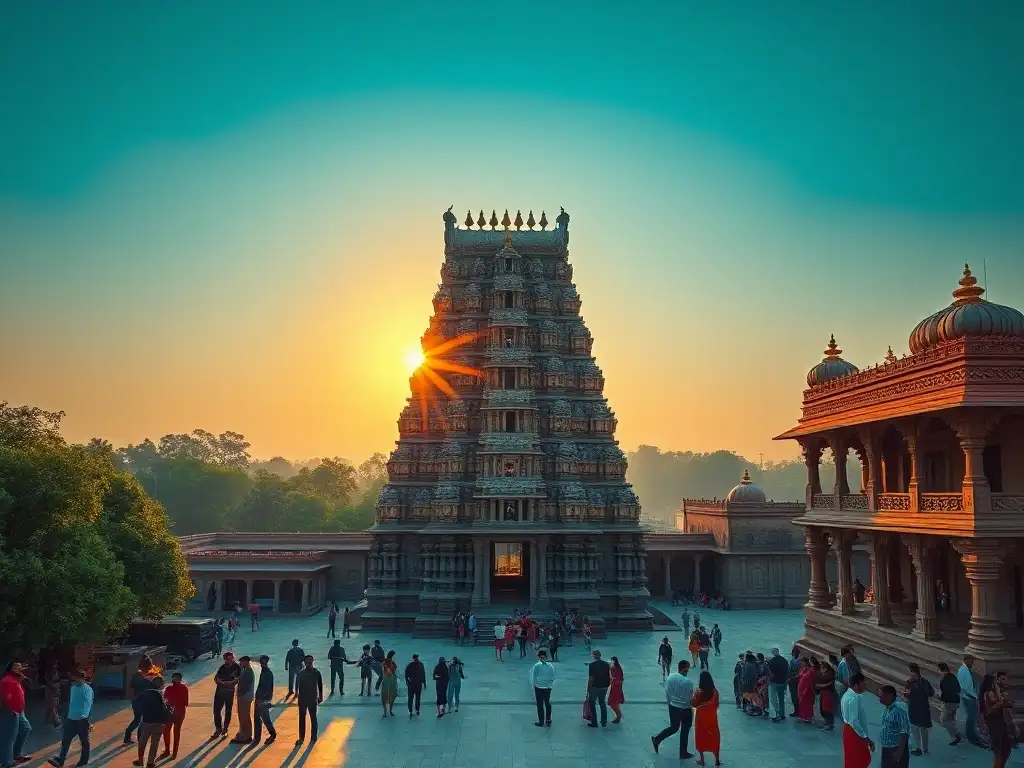
Welcome to Ancient India History, where we embark on a captivating journey through the remarkable tapestry of India's past. In this exploration, we invite you to delve into the intricate world of Southern India’s ancient architecture—a legacy that showcases the brilliance of temple designs and majestic palaces shaped by centuries of culture and creativity. Discover how these architectural wonders not only reflect the spiritual and artistic ethos of their time but also narrate the stories of the civilizations that built them.
Ready to unlock the secrets of this magnificent heritage? Let’s dive deeper into the Architectural Heritage of Southern India and uncover the tales etched in stone!
The architectural heritage of Southern India is a compelling tapestry that reflects the region's rich history, cultural diversity, and artistic brilliance. Spanning thousands of years, this heritage encompasses a variety of structures, from the intricately carved temples of the early dynasties to the grand palaces of later kingdoms. Southern India ancient architecture is not merely a study of buildings; it is a journey through time that reveals the spiritual, social, and political narratives of its civilizations.
As we explore the architectural marvels of this region, we uncover the unique styles and innovations that have emerged over centuries. The influence of various dynasties, including the Cholas, Chalukyas, and the Vijayanagara Empire, has left an indelible mark on the landscape, resulting in a fusion of artistic elements that continue to inspire awe. This article will guide you through the evolution of Southern India's ancient architecture, highlighting key structures, their historical significance, and the enduring legacy they impart to contemporary society.
In the following sections, we will delve into the specific characteristics of temple architecture, the grandeur of royal palaces, and the influence of religion and culture on these magnificent structures. Join us as we embark on this enlightening journey through the architectural wonders of Southern India.
- Introduction to Southern India Ancient Architecture
- Historical Context of Southern India Architecture
- Ancient Civilizations Influencing Southern Indian Architecture
- Key Dynasties and Their Contributions to Architectural Heritage
- Types of Ancient Architecture in Southern India
- Key Features of Southern India Ancient Architecture
- Regional Variations in Southern Indian Architecture
- Preservation of Southern India Ancient Architecture
- Conclusion: The Legacy of Southern India Ancient Architecture
-
Frequently Asked Questions
- What are the key features of Southern India ancient architecture?
- How did the Indus Valley Civilization influence architectural styles in Southern India?
- What are some notable examples of ancient architecture in Southern India?
- How did the Chola Dynasty contribute to architectural advancements?
- What role did religion play in shaping ancient architecture in Southern India?
- Final Reflection: Embracing the Legacy of Southern India's Ancient Architecture
- Unveil the Architectural Treasures of Southern India!
Introduction to Southern India Ancient Architecture
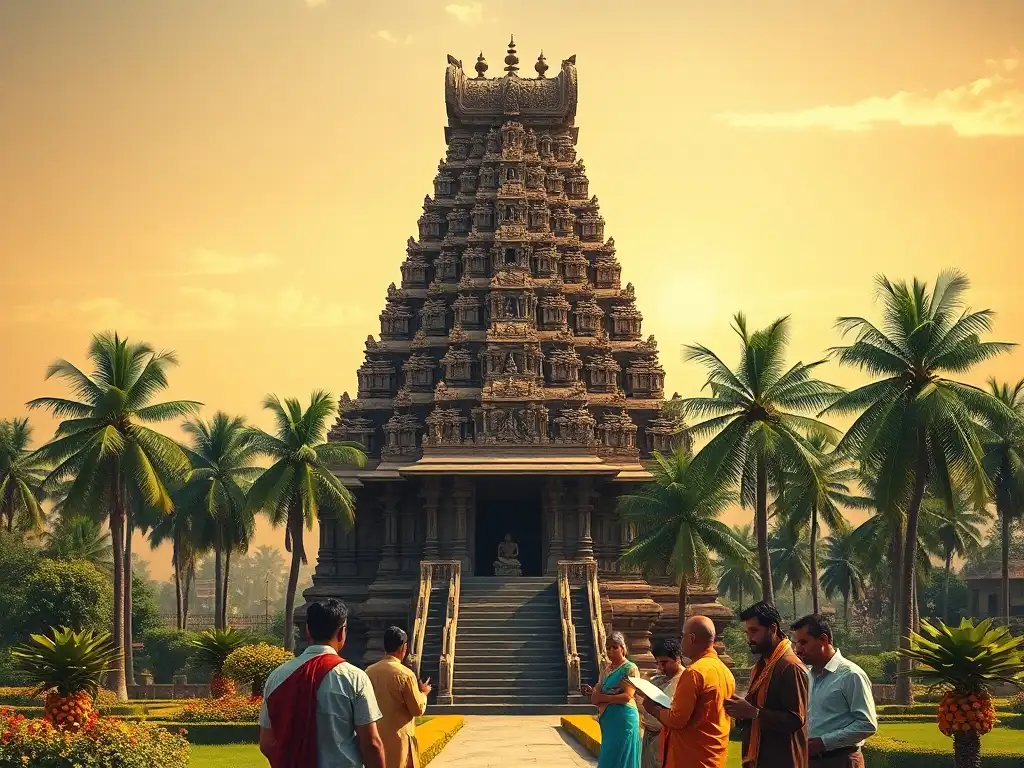
Southern India is renowned for its stunning and diverse architectural heritage, which reflects the region's rich cultural history and artistic achievements. From the intricate carvings of ancient temples to the majestic designs of grand palaces, the architectural legacy of this area showcases a blend of religious devotion, royal patronage, and regional craftsmanship. This section delves into the unique characteristics and historical significance of Southern India's ancient architecture, highlighting its enduring influence on contemporary design and culture.
Overview of Southern India's Architectural Significance
The architectural landscape of Southern India is marked by significant historical periods, each contributing unique styles and innovations. Key elements include:
- Temple Architecture: Southern India is home to some of the most exquisite temples, which are often characterized by towering gopurams (gateway towers), intricate stone carvings, and elaborate sculptures. The Dravidian style, prominent from the 7th century onward, is particularly notable for its grandeur and complexity.
- Palatial Structures: The palaces of Southern India, built by various dynasties such as the Cholas, Pandyas, and Vijayanagar Empire, exhibit a fusion of architectural influences and serve as a testament to the region's political power and cultural wealth. Many of these structures feature large courtyards, spacious halls, and decorative elements that reflect both functionality and aesthetics.
- Regional Variations: The diversity within Southern India's architecture is evident across different states, with each region exhibiting distinct styles influenced by local resources, climate, and cultural practices. For instance, while the temples of Tamil Nadu are known for their towering elements, those in Karnataka may emphasize intricate carvings and detailed facades.
- Preservation and Heritage: Numerous sites in Southern India have been recognized as UNESCO World Heritage Sites, reflecting their global significance. Preservation efforts are crucial to maintaining these architectural treasures, which continue to inspire architects and historians alike.
Importance of Ancient Temples and Palaces in Southern India
Ancient temples and palaces in Southern India hold immense cultural, religious, and historical significance. They serve not only as places of worship and royal residence but also as centers of art, learning, and community life. Key points of importance include:
- Religious Significance: Temples are central to the spiritual life of many communities. They are often dedicated to various deities and serve as venues for rituals, festivals, and pilgrimages. The architectural features of these temples, such as the sanctum sanctorum and the mandapa (pillared hall), are designed to enhance the spiritual experience.
- Cultural Heritage: The intricate carvings and sculptures found in these structures narrate stories from mythology, folklore, and local history, preserving the cultural identity of the region. They also reflect the artisans' skill and the collaborative efforts of various communities in the construction process.
- Political Power and Influence: Palaces served as symbols of power for ruling dynasties. They were designed to impress and intimidate, featuring grand halls for assemblies, luxurious living quarters, and expansive gardens. The architectural choices made by these rulers often aimed to convey their authority and divine right to rule.
- Tourism and Economic Impact: Today, ancient temples and palaces attract millions of visitors, contributing significantly to the local economy. This influx not only supports preservation efforts but also fosters a deeper understanding and appreciation of Southern India's rich history.
The architectural heritage of Southern India is a vital component of its historical narrative, reflecting the region's development, cultural values, and artistic achievements. The study of Southern India ancient architecture provides valuable insights into the complex interplay between religion, politics, and community life in ancient times.
Historical Context of Southern India Architecture
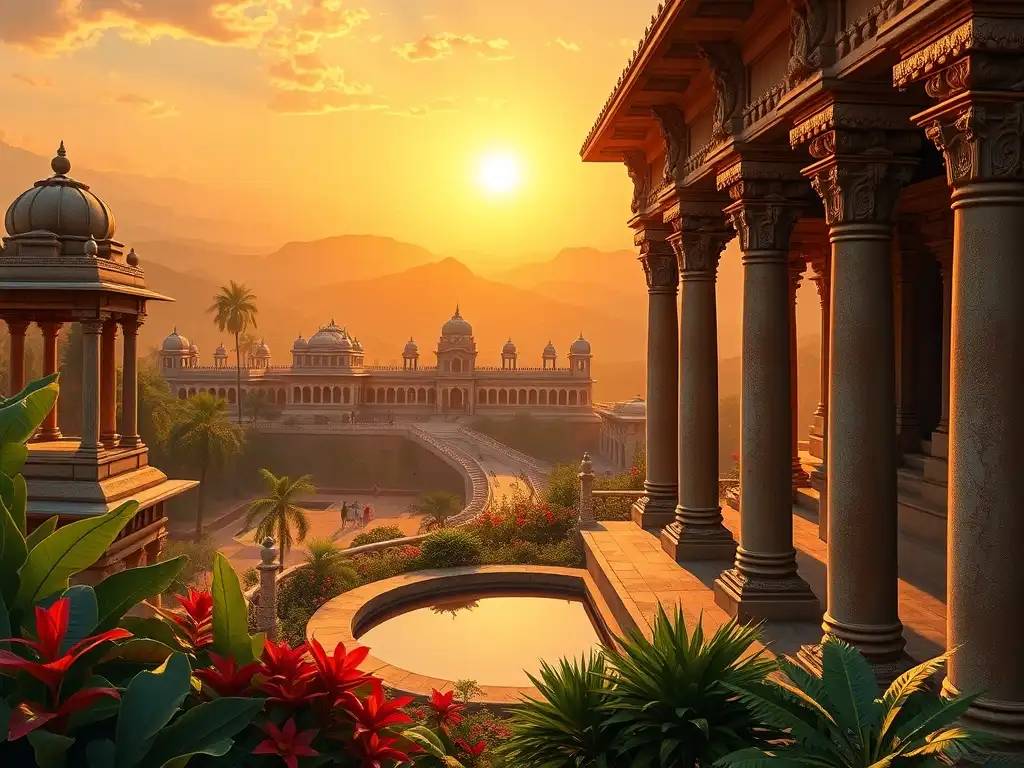
Southern India boasts a rich architectural heritage that reflects the diverse cultural influences and historical developments of the region. The evolution of architecture in Southern India can be traced back to ancient civilizations, with each era contributing unique styles and techniques that have shaped the landscape. Understanding this historical context is crucial for appreciating the intricate designs and monumental structures that characterize Southern India ancient architecture.
Throughout history, Southern India has been a melting pot of various cultures, religions, and artistic expressions. The region's architecture can be seen as a tapestry woven from the threads of indigenous practices, foreign influences, and the creative innovations of local artisans. Temples, forts, and palaces are not merely structures; they are embodiments of the socio-political environment, religious beliefs, and artistic aspirations of their times.
The architectural narrative of Southern India is also intertwined with the geography of the region, which features a mix of coastal plains, fertile river valleys, and rugged mountain ranges. This varied topography has influenced the materials used in construction, the layout of settlements, and the overall design of structures.
Ancient Civilizations Influencing Southern Indian Architecture
Southern India’s architectural heritage can be traced back to ancient civilizations, particularly the Indus Valley Civilization (circa 3300–1300 BCE). While the majority of Indus Valley sites are located in present-day Pakistan, their influence extended into Southern India, particularly through trade and cultural exchanges. The use of baked bricks, urban planning, and drainage systems can be seen as early hallmarks of architectural sophistication that would later evolve in the South.
Dravidian Influence
The Dravidian culture, predominant in Southern India, contributed significantly to the region's architectural identity. Characterized by ornate temple designs, the Dravidian style is marked by towering shikharas (spires) and intricate sculptures depicting deities, animals, and mythological scenes. Temples such as the Brihadeeswarar Temple in Thanjavur exemplify this style, showcasing the artistic ingenuity of the era.
Buddhist and Jain Influences
Buddhism and Jainism also played a pivotal role in shaping Southern Indian architecture. The rock-cut caves at Ajanta and Ellora, along with the Jain temples in Karnataka, display a unique blend of religious symbolism and architectural innovation. The intricate carvings and monolithic structures highlight the region's commitment to artistry and spiritual expression.
Key Dynasties and Their Contributions to Architectural Heritage
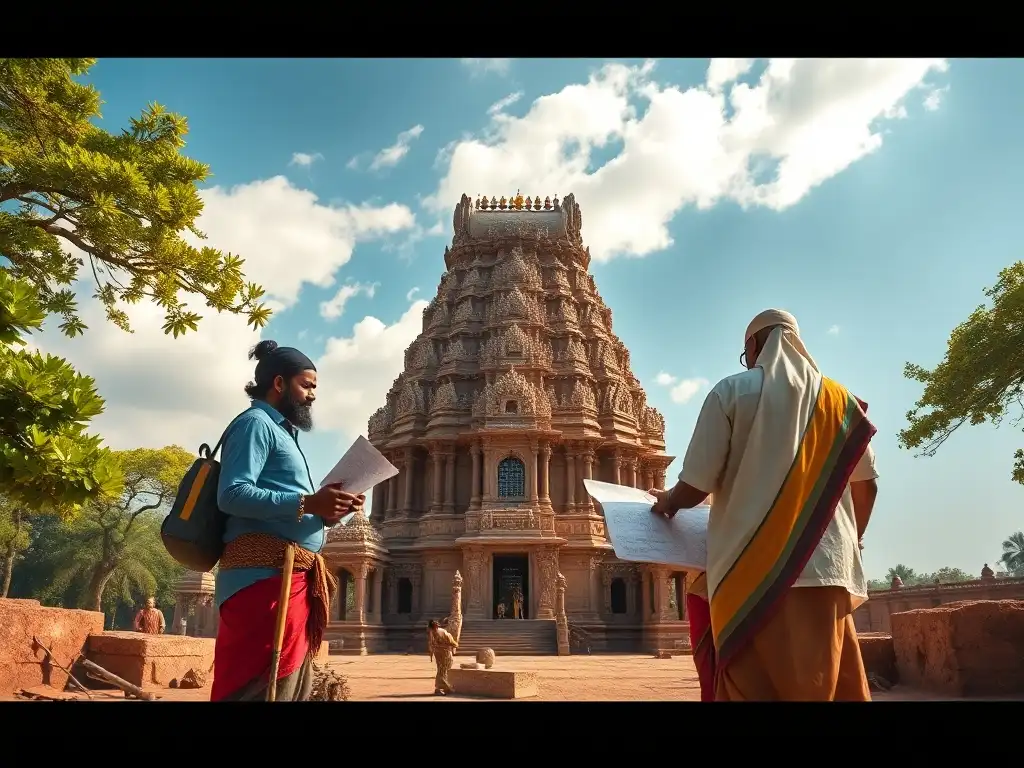
The architectural landscape of Southern India was profoundly shaped by several key dynasties, each leaving an indelible mark on the region's heritage.
The Cholas
The Chola dynasty (circa 300 BCE–1279 CE) is renowned for its monumental temples and advanced engineering techniques. Their contributions include the famous Brihadeeswarar Temple in Thanjavur, a UNESCO World Heritage Site, which showcases the grandeur of Chola architecture with its massive gopurams (gateway towers) and exquisite bronze sculptures. The Cholas also excelled in constructing water tanks and irrigation systems, highlighting their mastery of utility and aesthetics.
The Pallavas
The Pallava dynasty (circa 600–900 CE) is celebrated for its innovations in temple architecture, particularly the transition from rock-cut to structural temples. The Shore Temple at Mahabalipuram is a prime example, featuring intricate carvings that tell stories of Hindu mythology. The Pallavas laid the groundwork for later architectural developments in the region, influencing subsequent dynasties.
The Vijayanagara Empire
The Vijayanagara Empire (circa 1336–1646 CE) marked a golden age for architecture in Southern India. The capital city, Hampi, is home to numerous temples, palaces, and market complexes that reflect the empire's wealth and artistic prowess. The Virupaksha Temple, with its towering gopurams and elaborate sculptures, exemplifies the height of Vijayanagara architecture, blending Hindu traditions with innovative design.
The Nayaks
The Nayak dynasty (circa 1600–1800 CE) further enriched the architectural heritage of Southern India, particularly in Tamil Nadu. They are known for their contributions to temple renovations, and the construction of palaces featuring intricate woodwork and expansive courtyards. The Meenakshi Temple in Madurai, with its vibrant gopurams and colorful sculptures, is a testament to the Nayak's architectural legacy.
The architectural heritage of Southern India is a testament to its rich history and cultural diversity, with each dynasty contributing to a narrative that continues to inspire awe and admiration today.
Types of Ancient Architecture in Southern India
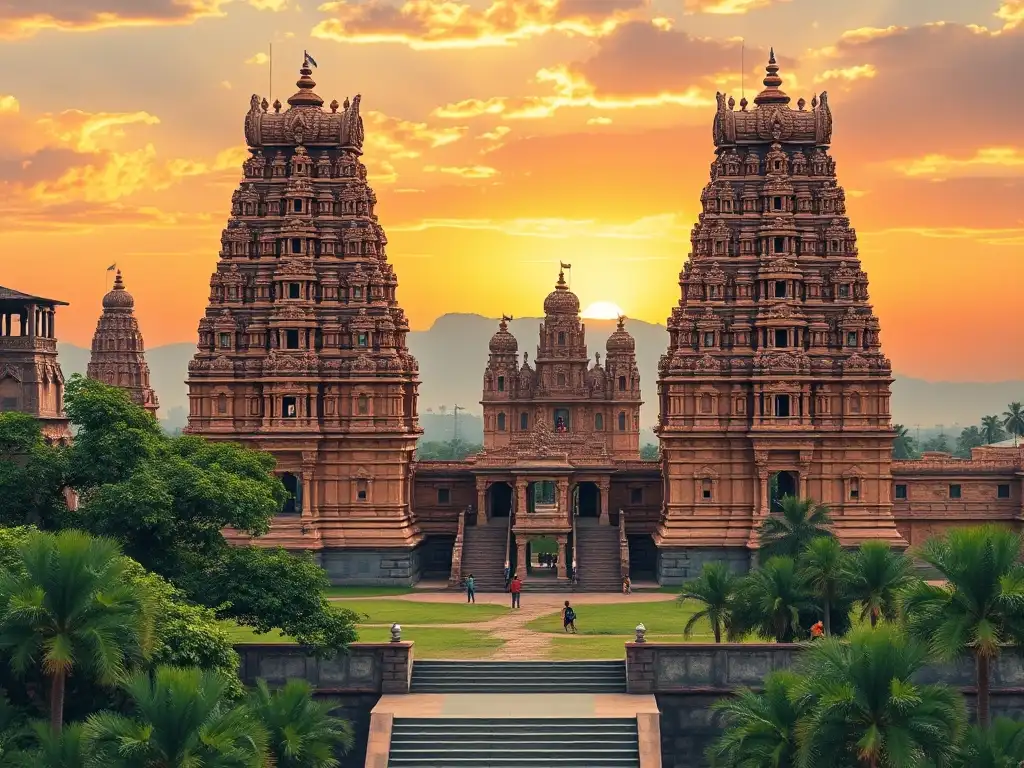
Southern India boasts a rich tapestry of architectural styles that reflect its diverse cultural heritage and historical significance. The interplay of various influences has led to the evolution of distinct types of ancient architecture, primarily categorized into temple architecture and palace architecture. Each category encapsulates unique features that tell the stories of the region's spiritual, political, and artistic developments.
Temple Architecture in Southern India
The temples of Southern India stand as monumental testaments to the artistry and devotion of ancient artisans and architects. This architecture is characterized by intricate carvings, towering gopurams (gateway towers), and complex layouts that often include multiple shrines and courtyards.
Dravidian Style Temples
The Dravidian style of temple architecture is one of the most prominent architectural forms in Southern India, particularly in Tamil Nadu. This style is distinguished by:
- Gopurams: Towering structures that serve as gateways. These are often elaborately adorned with sculptures of deities, mythical creatures, and floral motifs.
- Vimana: The sanctum’s tower, which rises above the central shrine, typically featuring multiple tiers and intricate carvings.
- Mandapas: Pillared halls that serve various purposes, including worship, congregation, and ritual ceremonies.
A prime example of Dravidian architecture is the Brihadeeswarar Temple in Thanjavur, a UNESCO World Heritage Site. This temple showcases the grandeur of Chola architecture with its massive stone structure and exquisite frescoes.
Rock-Cut Temples and Cave Architecture
Rock-cut temples represent a unique aspect of Southern Indian architecture, where natural rock formations were meticulously carved into places of worship. These temples often feature:
- Intricate Carvings: Depictions of deities, scenes from epics, and detailed motifs that reflect the artistry of the period.
- Monolithic Structures: Temples such as the Kailasanathar Temple in Kanchipuram, which are carved from a single rock, exemplify the architectural ingenuity of ancient craftsmen.
Cave architecture, particularly seen in sites like the Ajanta and Ellora Caves, also played a significant role, providing insights into the spiritual practices and artistic achievements of the time.
Palace Architecture in Southern India
Palace architecture in Southern India showcases the grandeur and complexity of royal residences, reflecting the power and sophistication of various dynasties. These palaces were not only homes but also centers of administration and art.
Structural Features of Southern Indian Palaces
Southern Indian palaces exhibit a blend of functional design and aesthetic appeal, characterized by:
- Courtyards: Central open spaces that served as gathering areas, often surrounded by rooms and balconies.
- Chhatris and Pavilions: Elevated structures that provided shade and served as lookout points, often embellished with intricate carvings.
- Arches and Pillars: Decorative arches and robust pillars that supported the structure while adding to its grandeur.
The Mysore Palace, with its Indo-Saracenic architecture, showcases these features effectively, featuring a combination of domes, arches, and vibrant stained glass.
Notable Palaces and Their Historical Importance
Several palaces in Southern India have significant historical importance, serving as cultural and political hubs throughout their existence. Notable examples include:
- The Thirumalai Nayakkar Mahal in Madurai, known for its impressive courtyard and grand arches, representing the architectural prowess of the Nayak dynasty.
- The Rani Mahal in Tanjore, which reflects the lifestyle and artistic patronage of the Maratha rulers.
These palaces not only served as residences but were also instrumental in shaping the cultural and political landscapes of their respective regions, leaving an indelible mark on the history of Southern India.
Key Features of Southern India Ancient Architecture
Southern India is renowned for its ancient architecture, characterized by a rich tapestry of styles, techniques, and cultural influences. The architectural heritage of this region reflects the socio-religious practices and the artistic sensibilities of its time, showcasing a unique blend of aesthetics and functionality. Key features of Southern India ancient architecture include intricate iconography, the use of indigenous materials, and groundbreaking innovations in architectural techniques.
Iconography and Symbolism in Temples
The temples of Southern India are not just places of worship; they are vibrant narratives of mythology and spirituality expressed through intricate iconography and symbolism.
- Deity Representation: Sculptures of deities adorn temple walls, each meticulously crafted to convey specific attributes and stories. For instance, the Brahadeeshwara Temple in Thanjavur features a towering vimana (temple tower) intricately carved with depictions of various Hindu gods, emphasizing the divine presence within.
- Symbolic Elements: Common motifs include the lotus (symbolizing purity and enlightenment), the elephant (representing wisdom), and the snake (denoting protection). Each element serves a dual purpose—decorative and didactic—educating devotees about spiritual concepts.
- Cosmic Layout: The layout of temples often reflects cosmic principles. The orientation, proportion, and spatial design are meticulously planned, embodying the ancient Indian belief in the harmony between the universe and sacred space.
Use of Local Materials in Ancient Architecture
The architectural marvels of Southern India are largely attributed to the strategic use of locally sourced materials. This approach not only reflected environmental adaptations but also contributed to the durability and sustainability of these structures.
- Granite and Stone: The prevalence of granite in Southern Indian architecture is notable, particularly in temples like the Meenakshi Temple in Madurai. The robust nature of granite has allowed many structures to withstand the test of time.
- Brick and Mud: Early structures often utilized sun-baked bricks and mud, which were abundant in the region. For instance, the Indus Valley Civilization employed these materials, laying the foundation for future architectural practices.
- Natural Aesthetics: The use of local materials also influenced aesthetic choices. Temples and palaces often harmonized with their natural surroundings, enhancing the visual coherence of the landscape. The Hampi ruins exemplify this principle, where structures blend seamlessly into the rocky terrain.
Innovations in Architectural Techniques
Southern India’s ancient architecture is marked by several innovations that revolutionized construction techniques and design principles.
- Dravidian Style: The emergence of the Dravidian architectural style, characterized by towering gopurams (gateway towers) and intricate carvings, represents a significant innovation. This style not only emphasizes verticality but also integrates various artistic forms into a cohesive architectural statement.
- Mandapas: The incorporation of mandapas (pillared halls) within temple complexes is another significant advancement. These structures, often adorned with exquisite carvings and sculptures, served both functional and ceremonial purposes, enhancing the spatial experience of worshippers.
- Water Management Systems: Innovations in hydraulic engineering, such as the construction of step wells and tanks, were integral to the sustainability of these architectural endeavors. The Kakathiya dynasty is known for developing sophisticated water management systems that supported agricultural productivity and urban planning.
The architectural heritage of Southern India is a testament to the ingenuity and creativity of its ancient civilizations. The interplay of iconography, material use, and innovative techniques has left a lasting legacy that continues to inspire contemporary architecture and cultural practices in the region.
Regional Variations in Southern Indian Architecture
Tamil Nadu: The Land of Magnificent Temples
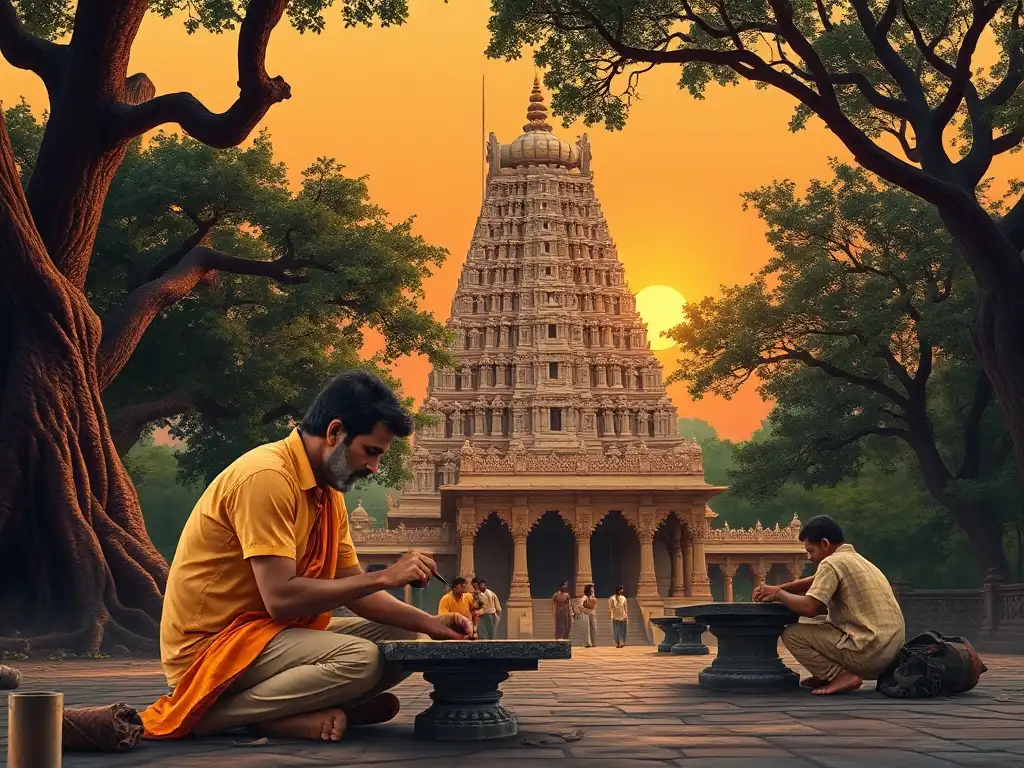
Tamil Nadu is renowned for its ancient temples, which are prime examples of Southern India ancient architecture. These temples not only serve as places of worship but also embody the region's rich cultural heritage and artistic expression. The Dravidian architectural style dominates this region, characterized by towering gopurams (gateway towers) adorned with intricate sculptures and vibrant colors.
Key Features of Tamil Nadu Temples
- Gopurams: Tall and ornate, these entrance towers often have multiple tiers and elaborate carvings depicting deities, celestial beings, and mythological scenes.
- Vimana: The structure above the sanctum sanctorum, typically pyramid-shaped, symbolizes the mythical Mount Meru and is often elaborately decorated.
- Mandapas: Pillared halls used for various religious activities, showcasing exquisite stone carvings and sculptures.
The Brihadeeswarar Temple in Thanjavur, a UNESCO World Heritage Site, exemplifies the grandeur of Tamil architecture. Constructed during the Chola dynasty in the 11th century, it boasts a massive dome and intricate frescoes that narrate stories from Hindu mythology.
Karnataka: Fusion of Styles and Influence
Karnataka's architectural landscape is a testament to its diverse cultural influences and historical transitions. The state is home to several architectural styles, including Hoysala, Chalukya, and Vijayanagara, each contributing unique elements to the region's heritage.
Notable Architectural Styles
- Hoysala Architecture: Characterized by intricate carvings, star-shaped platforms, and detailed friezes, the Hoysala temples, such as the Chennakesava Temple in Belur, showcase remarkable craftsmanship.
- Vijayanagara Architecture: This style displays a blend of Hindu and Islamic influences, evident in the iconic structures of Hampi, where the Virupaksha Temple stands as a symbol of the empire's grandeur.
- Chalukya Architecture: The Badami Cave Temples are a prime example of early rock-cut architecture, featuring splendid carvings and sculptures that depict various deities.
Karnataka's temples reflect a harmonious blend of artistry and devotion, making them a significant part of Southern India ancient architecture.
Andhra Pradesh: Unique Architectural Elements
Andhra Pradesh's architectural heritage is marked by distinct styles, influenced by various dynasties, including the Kakatiyas and the Vijayanagara Empire. This region is known for its unique architectural elements that set it apart from its neighbors.
Distinctive Features of Andhra Pradesh Architecture
- Kakatiya Temples: Known for their intricate sculptures, the Thousand Pillar Temple in Warangal features elaborate carvings and is an architectural marvel of the Kakatiya dynasty.
- Stone Carvings: Andhra Pradesh is famous for its detailed stone carvings, often depicting scenes from Hindu epics and local folklore, as seen in the temples of Srikalahasti.
- Fortifications: The region boasts impressive fortresses, such as the Gandikota Fort, which exhibit a blend of military and residential architecture, showcasing the strategic importance of the area.
The architectural heritage of Southern India is a rich tapestry woven from the contributions of various regions. Each state's unique characteristics and historical influences have created a vibrant legacy that continues to inspire and attract scholars, historians, and tourists alike.
Kerala: Traditional Styles and Influence of Nature
Kerala, known for its lush landscapes and rich cultural heritage, showcases a unique style of architecture that reflects the natural beauty of the region. Traditional Kerala architecture is characterized by its harmonious integration with the environment, using locally sourced materials and techniques that promote sustainability. The architecture here is heavily influenced by the region's climatic conditions, natural resources, and the socio-cultural ethos of its inhabitants.
Key Features of Kerala Architecture
- Wooden Structures: One of the most prominent features of Kerala's architectural style is the extensive use of wood. Traditional homes, known as nalukettu, exhibit intricate wooden carvings and sloping roofs designed to withstand the heavy monsoon rains. The craftsmanship involved in creating these wooden structures is a testament to the skills passed down through generations.
- Sloping Roofs: The roofs of traditional buildings are typically steeply pitched, allowing rainwater to flow off quickly. This design not only protects the structure but also aids in providing ventilation during the hot and humid months. The roofs are often adorned with decorative elements, known as chuttambalam, enhancing their aesthetic appeal.
- Courtyards: Central courtyards are a common feature in Kerala homes, promoting natural light and ventilation. These open spaces serve as communal areas for family gatherings and rituals, reflecting the importance of family and community in Kerala's culture.
- Integration with Nature: The architecture of Kerala is deeply rooted in its natural surroundings. Many homes are designed to blend seamlessly into the landscape, with gardens and water bodies incorporated into their design. This connection to nature is evident in the placement of structures, as they often utilize the natural contours of the land.
Influence of Nature on Architectural Styles
The abundant natural resources available in Kerala have significantly influenced its architectural styles.
- Materials: Local materials such as laterite stone, clay, and wood are predominantly used in construction, making the buildings not only environmentally friendly but also suited to the local climate. The use of laterite stone, known for its thermal properties, helps keep interiors cool during hot weather.
- Feng Shui Principles: Traditional Kerala architecture often incorporates principles similar to Feng Shui, emphasizing balance and harmony with nature. This is evident in the orientation of buildings, which are usually aligned to capture favorable winds and sunlight while providing shelter from harsh weather conditions.
- Cultural Practices: The influence of nature extends to the spiritual and ritualistic aspects of life in Kerala. Many temples and religious structures are situated near rivers, hills, or groves, symbolizing a deep reverence for nature. The architecture of these temples often features intricate carvings that depict local flora and fauna, further reinforcing the bond between the built environment and the natural world.
The architectural heritage of Kerala is a remarkable example of how traditional styles can evolve through a profound respect for nature. The region's unique approach to architecture not only reflects the practical needs of its inhabitants but also embodies their cultural values and environmental consciousness. As Southern India ancient architecture continues to evolve, the influence of Kerala's natural beauty and traditional craftsmanship remains a vital aspect of its identity.
Preservation of Southern India Ancient Architecture
Challenges Faced in Preserving Architectural Heritage
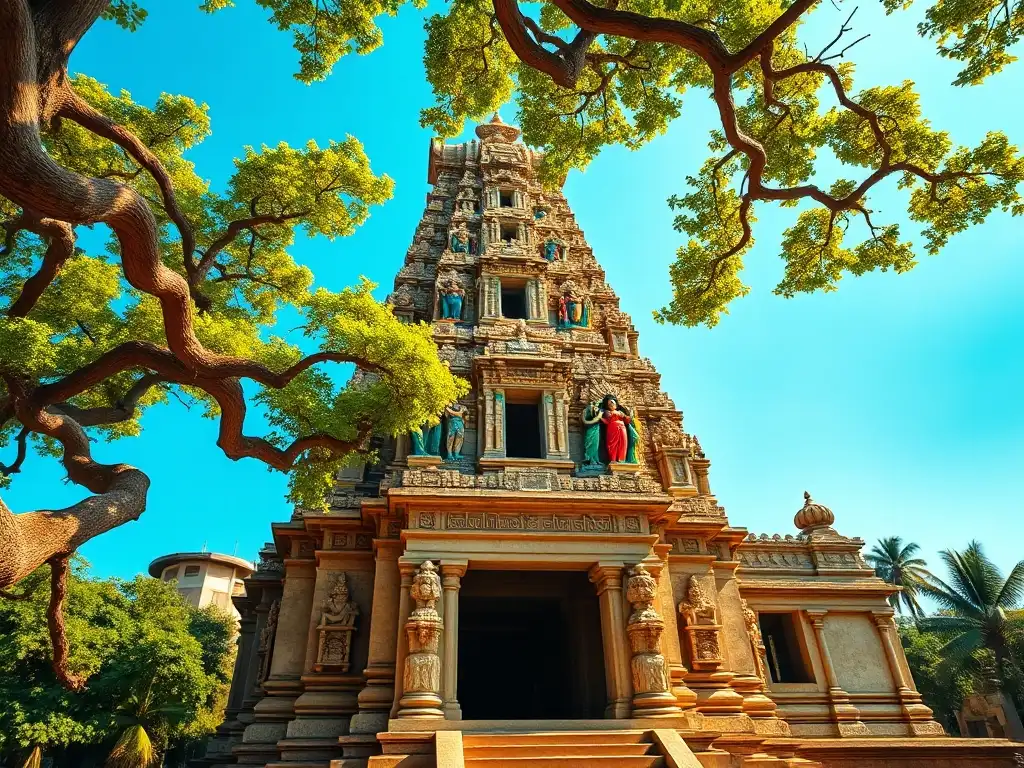
The preservation of Southern India ancient architecture presents a multitude of challenges that can hinder efforts to maintain and protect these invaluable structures. Among the most significant challenges are:
- Natural Disasters: Southern India is susceptible to various natural calamities such as floods, earthquakes, and cyclones. These events can cause significant damage to ancient structures, making it crucial to implement effective disaster management strategies.
- Urbanization and Development: Rapid urbanization has led to encroachment on historical sites. The expansion of cities often results in the demolition of ancient structures to make way for modern infrastructure, posing a severe threat to cultural heritage.
- Environmental Factors: Pollution and climate change contribute to the deterioration of ancient buildings. Acid rain, rising temperatures, and humidity can erode stone and other materials used in construction, compromising the integrity of these historical sites.
- Lack of Funding and Resources: Many preservation projects suffer from inadequate funding and resources. Without sufficient financial support, it becomes challenging to carry out restoration work, leading to neglect of important sites.
- Cultural Neglect: In some cases, there is a lack of awareness or appreciation for the historical significance of these structures among local populations. This cultural disconnect can lead to vandalism and further deterioration of heritage sites.
Efforts and Initiatives for Conservation
To combat the challenges faced in preserving Southern India ancient architecture, various efforts and initiatives have been undertaken by government agencies, NGOs, and local communities. These initiatives include:
- Government Policies: The Indian government has established several policies aimed at heritage conservation, such as the Ancient Monuments and Archaeological Sites and Remains Act. This legislation provides a legal framework for the protection and preservation of historical sites.
- Restoration Projects: Numerous restoration projects have been initiated, focusing on key architectural sites. For instance, the restoration of temples in Tamil Nadu and Karnataka has been prioritized to maintain their structural integrity and artistic value.
- Community Involvement: Local communities are increasingly being engaged in preservation efforts. Educational programs and workshops aim to raise awareness about the importance of cultural heritage, encouraging locals to participate in conservation activities.
- Collaboration with International Organizations: Partnerships with organizations like UNESCO and ICOMOS have facilitated technical assistance and funding for preservation projects. These collaborations help in the implementation of best practices in conservation.
- Documentation and Research: Ongoing research and documentation of architectural styles, building techniques, and historical context are essential for preservation. This knowledge aids in restoring structures accurately and ensuring their historical authenticity.
The preservation of Southern India ancient architecture is a vital endeavor, ensuring that future generations can appreciate and learn from the rich architectural heritage of the region. By addressing the challenges and supporting conservation initiatives, we can safeguard these treasures for years to come.
Conclusion: The Legacy of Southern India Ancient Architecture
Southern India ancient architecture represents an enduring legacy that reflects the region's rich cultural and historical narrative. The temples, forts, and palaces constructed over centuries not only serve as a testament to the architectural ingenuity of their builders but also embody the spiritual, political, and social dynamics of ancient Indian civilizations. From the intricately carved stone temples of the Chola dynasty to the majestic palaces of the Vijayanagara Empire, these structures have profoundly influenced the cultural landscape of Southern India.
The preservation of these architectural wonders is crucial, as they offer invaluable insights into the past and continue to inspire contemporary architecture. The legacy of Southern India ancient architecture is not merely confined to its aesthetic appeal; it is also embedded with stories of devotion, power, and artistry that resonate with people even today.
Reflection on the Cultural Significance of Ancient Structures
The cultural significance of ancient structures in Southern India extends beyond their physical forms. Temples such as the Brihadeeswarar Temple in Thanjavur and the Meenakshi Temple in Madurai are not just places of worship; they are microcosms of the social and religious life that flourished in ancient times. These temples served as centers for art, music, and dance, fostering a vibrant cultural milieu.
Moreover, the architectural styles, like Dravidian and Indo-Saracenic, showcase a blend of local traditions and influences from various dynasties, illustrating the region's ability to assimilate and innovate. The intricate carvings and sculptures found in these structures narrate mythological tales, embodying the beliefs and values of the society that created them.
Preservation efforts have gained momentum in recent years, recognizing that these ancient structures are not just relics of the past but living heritage that continues to shape the identity of Southern India. Their significance is celebrated through festivals, rituals, and cultural events, ensuring that the stories they tell are passed down through generations.
Future of Southern India Ancient Architecture and Its Heritage
The future of Southern India ancient architecture hinges on a delicate balance between preservation and modernization. As urbanization and development continue to expand, there is a pressing need to protect these architectural marvels from degradation and encroachment. Initiatives aimed at restoring and maintaining these sites are crucial for safeguarding their integrity.
Furthermore, the integration of technology in conservation efforts offers promising avenues for the future. Digital documentation, 3D modeling, and virtual reality experiences can enhance public engagement and education regarding these historical structures. By leveraging modern tools, stakeholders can create awareness about the importance of preserving the architectural heritage of Southern India.
Community involvement is also essential in this endeavor. Engaging local populations in heritage conservation efforts fosters a sense of ownership and pride in their historical identity. Education programs that emphasize the value of these ancient structures can inspire future generations to appreciate and protect their architectural heritage.
The architectural heritage of Southern India is a profound testament to the region's historical richness and cultural diversity. By understanding and valuing this legacy, we can ensure that the stories, artistry, and spiritual significance of Southern India ancient architecture continue to thrive for future generations.
Frequently Asked Questions
What are the key features of Southern India ancient architecture?
Southern India ancient architecture is characterized by intricate carvings, grand temples, and majestic palaces that reflect the region's rich cultural heritage and religious significance.
How did the Indus Valley Civilization influence architectural styles in Southern India?
The Indus Valley Civilization laid the groundwork for urban planning and structural techniques that evolved into the temple architecture seen in later Southern Indian dynasties.
What are some notable examples of ancient architecture in Southern India?
Prominent examples include the Brihadeeswarar Temple in Thanjavur and the Hampi ruins, both showcasing distinctive styles and historical significance in the region.
How did the Chola Dynasty contribute to architectural advancements?
The Chola Dynasty is renowned for its temple architecture, particularly the use of granite and sculptural elements, establishing a blueprint for future constructions in Southern India.
What role did religion play in shaping ancient architecture in Southern India?
Religion was a driving force, with many structures like temples built to honor deities, reflecting the spiritual beliefs and artistic expressions of ancient Indian civilizations.
Final Reflection: Embracing the Legacy of Southern India's Ancient Architecture
The architectural heritage of Southern India is not merely a collection of ancient structures; it is a living testament to the region's rich history and cultural evolution. Today, as we navigate an increasingly globalized world, the significance of preserving these architectural marvels becomes ever more critical. These ancient temples and palaces serve as reminders of the ingenuity and artistry of our ancestors, urging us to appreciate and protect the legacies that define our identity.
The influence of Southern India's ancient architecture extends far beyond its physical presence; it shapes our cultural landscape and inspires contemporary creativity. From the intricate carvings of the Brihadeeswarar Temple to the grandeur of the Mysore Palace, these structures continue to captivate and educate.
As the renowned architect Louis Kahn once said, "> A great building must begin with the unmeasurable, must go through measurable means when it is being designed and in the end must be unmeasurable." This quote encapsulates the essence of how these ancient edifices inspire modern design and thought, reminding us that true beauty transcends time.
As you reflect on the architectural heritage of Southern India, consider how these historical treasures can inform your own life and aspirations. Let the stories embedded in these stones inspire you to seek beauty and meaning in your surroundings. Whether you are an architect, a historian, or simply a curious traveler, take the time to explore, appreciate, and advocate for the preservation of these remarkable structures. In doing so, you contribute to a legacy that honors the past while enriching the future.
Unveil the Architectural Treasures of Southern India!
Thank you for diving into the rich architectural heritage of Southern India! You've explored the majestic temples and grand palaces that tell tales of a vibrant past. Now, it’s time to take that knowledge further and engage deeply with this incredible legacy.
Here are some exciting ways to expand your journey:
- Visit a Local Museum: Seek out exhibitions on Southern Indian architecture in your area or plan a trip to the region to experience these remarkable sites firsthand.
- Share Your Discoveries: Tell your friends about your newfound appreciation for Southern Indian architecture on social media. Use the hashtag #SouthernArchitecture to join the conversation!
- Join a Community Forum: Connect with fellow history enthusiasts online and exchange insights or questions about these architectural wonders.
What architectural marvel from Southern India fascinates you the most, and why? We’d love to hear your thoughts!