
Eastern India's Maritime History: Navigating the Seas of Ancient Trade

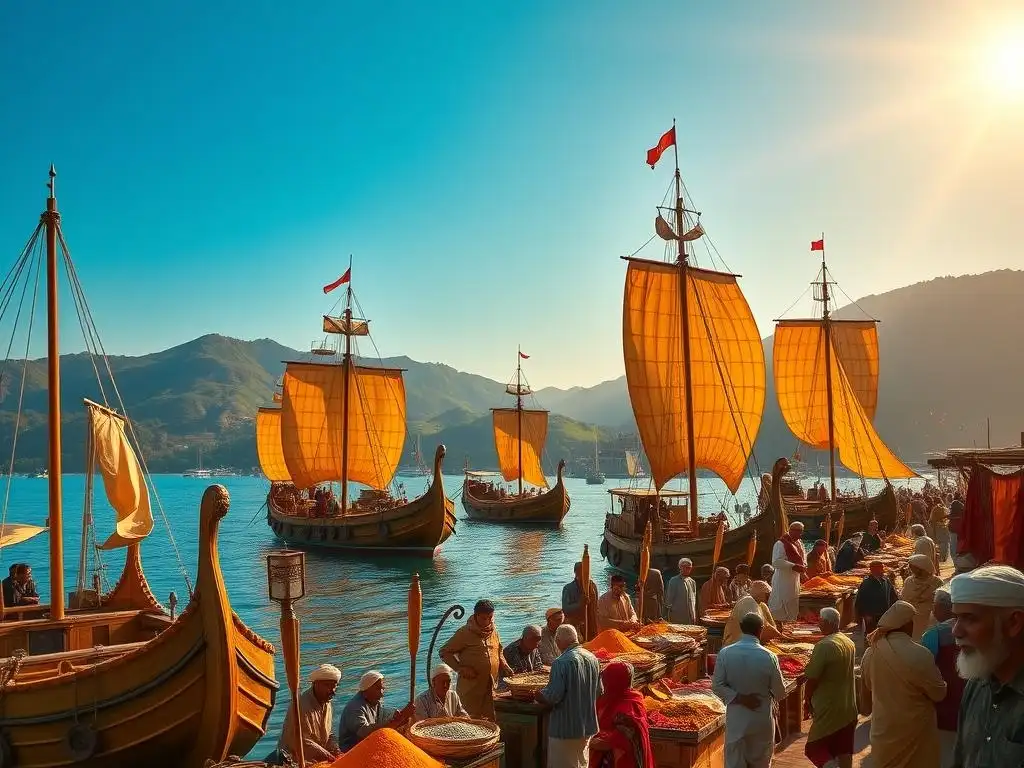
Welcome to Ancient India History, where we embark on a fascinating journey through the tapestry of India's rich and diverse past. In this exploration, we delve into the Eastern India ancient trade routes, revealing how these maritime pathways not only shaped the economic landscape but also fostered cultural exchanges that resonate to this day. Are you curious about how ancient civilizations navigated the seas and what treasures they brought along?
Join us as we uncover the secrets of Eastern India's Maritime History and the profound impact it had on the world. Your adventure into the depths of history begins now!
Eastern India's maritime history is a fascinating tapestry woven from the rich threads of trade, culture, and navigation that characterized the region's interactions with the wider world. From the bustling ports of the Bay of Bengal to the ancient trade routes that connected India with Southeast Asia, this history is marked by significant exchanges that not only influenced commerce but also facilitated the spread of ideas, religions, and technologies. The ancient trade routes of Eastern India played a pivotal role in shaping the economic landscape of the region, making it a key player in maritime trade networks.
As we delve into the depths of Eastern India's ancient trade routes, we will explore the various factors that contributed to the region's prominence in maritime trade. From the geographical advantages that allowed for easy navigation to the thriving port cities that emerged as commercial hubs, this article will illuminate how Eastern India became a vital link in the ancient trading world. By examining historical records, archaeological findings, and cultural exchanges, we aim to provide a comprehensive understanding of the significance of Eastern India's maritime activities in the context of ancient trade.
Let us embark on this journey to uncover the stories of the merchants, sailors, and civilizations that navigated the seas of ancient trade, revealing the intricate connections that shaped the history of Eastern India.
- Introduction to Eastern India's Maritime Trade
- The Historical Context of Eastern India's Trade
- The Development of Eastern India Ancient Trade Routes
- Notable Civilizations Involved in Maritime Trade
- Trade Partners of Eastern India
- The Impact of Maritime Trade on Eastern Indian Society
- Challenges and Changes in Eastern India's Maritime Trade
- Conclusion: The Legacy of Eastern India's Maritime Trade
- References and Further Reading on Eastern India Ancient Trade Routes
- Frequently Asked Questions
- Final Reflection: Navigating the Legacy of Eastern India's Ancient Trade Routes
- Uncover the Treasures of Maritime History!
Introduction to Eastern India's Maritime Trade
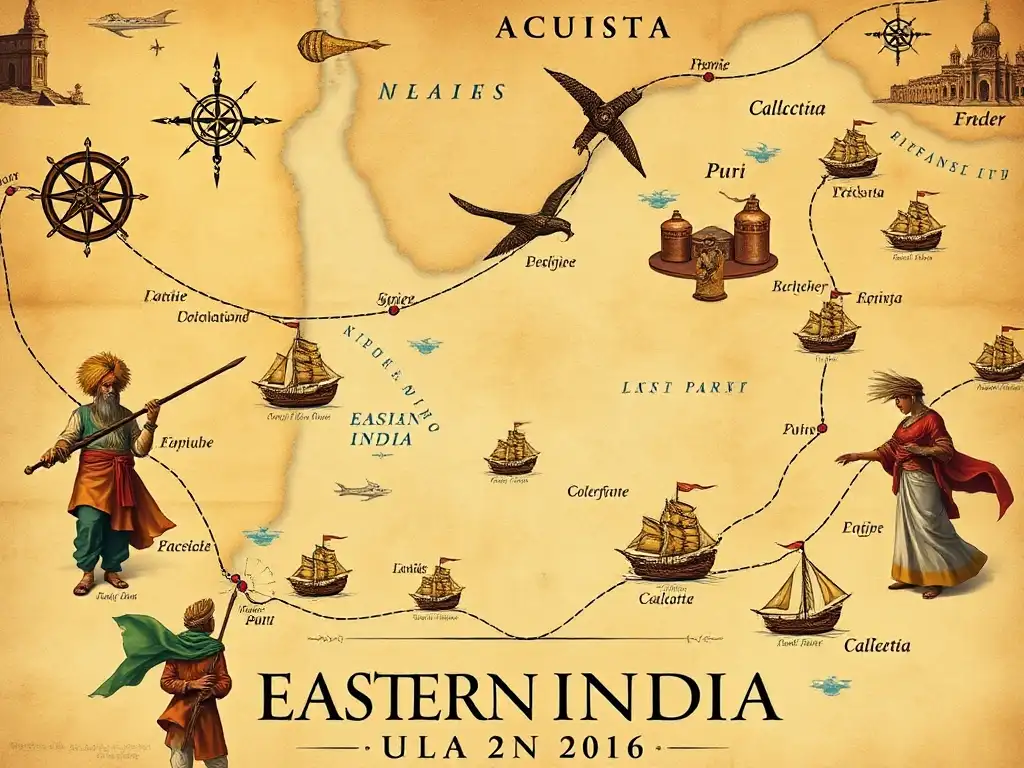
Eastern India's maritime trade has played a pivotal role in shaping the economic and cultural landscape of the region throughout history. This area, enriched by its diverse geography and abundant natural resources, served as a crucial hub for trade and commerce in ancient times. The coastal locations of Bengal, Odisha, and Andhra Pradesh contributed significantly to the establishment of extensive trade networks that connected Eastern India to various global markets, including Southeast Asia, the Middle East, and beyond.
Overview of Eastern India and its Geography
Eastern India encompasses a variety of geographical features, ranging from the lush plains of the Ganges delta to the rugged hills of the Eastern Ghats. This region is characterized by:
- Coastal Zones: The eastern coastline stretches over 800 kilometers, featuring major ports such as Kolkata, Chennai, and Visakhapatnam. These ports facilitated maritime trade, allowing for the exchange of goods, culture, and ideas.
- Rivers and Waterways: The extensive river system, including the Ganges, Brahmaputra, and their tributaries, provided natural routes for inland transport, further enhancing trade capabilities.
- Natural Resources: Eastern India is abundant in resources such as rice, textiles, and spices, which were highly sought after in ancient trade.
The unique geography not only made Eastern India a fertile ground for agriculture but also positioned it as a strategic maritime trade center, linking it to important trade routes across the seas.
Importance of Maritime Routes in Ancient Trade
The maritime routes of Eastern India played a vital role in the establishment of trade networks that transcended regional boundaries. Key points of significance include:
- Trade Connections: Eastern India’s ports were integral to trade with Southeast Asia, the Arabian Peninsula, and even regions as far as Africa. Goods such as:
- Textiles: Cotton and silk fabrics were exported widely.
- Spices: Spices like black pepper and cardamom were highly valued commodities.
- Metals: Iron and copper were traded, enhancing the metallurgical skills of the region.
- Cultural Exchange: These trade routes facilitated not only the exchange of goods but also ideas, religions, and cultural practices. Buddhism and Hinduism spread to Southeast Asia through traders and monks, significantly impacting those cultures.
- Economic Impact: The prosperity brought by maritime trade fostered urbanization and economic development in Eastern India. Cities like Pataliputra and Kalinga thrived as bustling trade centers where merchants from diverse backgrounds congregated.
The maritime routes of Eastern India were crucial to its ancient trade networks, creating a vibrant tapestry of economic and cultural interactions that laid the foundation for the region's historical significance. The legacy of these trade routes continues to be a subject of interest for historians exploring the dynamic history of Eastern India.
The Historical Context of Eastern India's Trade
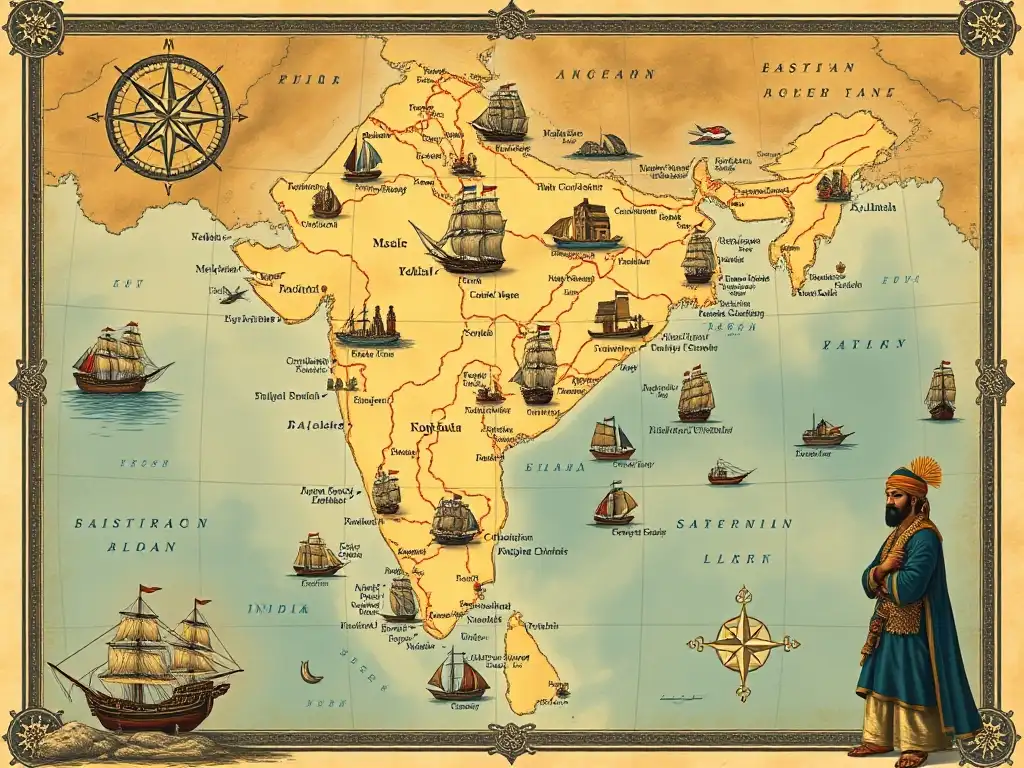
Eastern India has long been recognized as a significant hub of maritime trade, with a history that dates back to ancient civilizations. The region's strategic location along the Bay of Bengal facilitated not only local commerce but also international trade routes that connected Eastern India to Southeast Asia, the Middle East, and beyond. Understanding this historical context is crucial to appreciating how these ancient trade routes shaped the socio-economic dynamics of the region.
Ancient Civilizations and Their Maritime Activities
The maritime activities of ancient civilizations in Eastern India were notable for their sophistication and scale. The Indus Valley Civilization (circa 3300–1300 BCE) is among the earliest known societies to engage in trade over water, leveraging rivers and coastal access for commerce. Archaeological evidence suggests that traders from the Indus Valley established connections with far-off cultures, including Mesopotamia, through maritime routes.
Key Features of Maritime Trade in Ancient India:
- Boat Construction and Navigation: Ancient Indian shipbuilders developed various types of vessels, such as dhows and larger cargo ships, which were essential for long-distance trade.
- Trade Goods: Commodities like textiles, spices, precious stones, and metals were commonly traded. In return, they imported items such as ivory, glassware, and luxury goods from distant lands.
The Maurya Empire (322–185 BCE) also played a significant role in enhancing maritime trade. Under the reign of Emperor Ashoka, trade expanded significantly, with a focus on establishing trade routes that connected to the Silk Road. This period saw an increase in the use of maritime routes for transporting goods to various regions of Asia.
Key Ports and Harbor Cities of Eastern India
Several key ports and harbor cities served as crucial nodes in the Eastern India's ancient trade networks. These ports were instrumental in facilitating both local and international trade.
| Port/City | Significance |
|---|---|
| Tamralipti | Recognized as a major port in the ancient kingdom of Bengal, it was a hub for trade with Southeast Asia and beyond. |
| Puri | A vital center for trade and pilgrimage, linking the coastal regions with inland commerce. |
| Kalinga | Known for its maritime prowess, Kalinga connected India to Southeast Asia and facilitated the exchange of culture and goods. |
| Chandraketugarh | An ancient city that thrived on maritime trade, it served as a significant trading point in the region. |
These cities not only served as commercial hubs but also developed rich cultural exchanges, where traders from different regions interacted, sharing ideas and traditions.
Cultural Exchange through Maritime Trade
The maritime trade routes of Eastern India were not merely conduits for goods but also avenues for cultural exchange. The interaction between traders from different civilizations fostered a blend of ideas, beliefs, and practices.
- Spread of Religions: Buddhism and Hinduism traveled along these trade routes, reaching distant lands such as Southeast Asia, where they established significant cultural footholds.
- Art and Architecture: The influence of Indian art and architecture can be seen in various Southeast Asian structures, such as the temples of Angkor Wat in Cambodia and Borobudur in Indonesia.
The seas were not barriers, but bridges that connected diverse cultures, allowing for the exchange of not just goods, but also philosophies and traditions.
This cultural amalgamation enriched both the Indian subcontinent and its trading partners, leading to a vibrant exchange that is still visible in contemporary societies.
The historical context of Eastern India's ancient trade routes illustrates a complex network of commerce and cultural exchange that significantly influenced the region's development. The strategic ports, the advanced maritime activities of ancient civilizations, and the rich cultural interactions are testaments to the dynamic and interconnected nature of ancient Eastern Indian trade.
The Development of Eastern India Ancient Trade Routes
The ancient trade routes of Eastern India played a significant role in shaping the economic landscape of the region, facilitating not only the exchange of goods but also the mingling of cultures and ideas. These routes were established due to the strategic geographical positioning of Eastern India, which provided access to important waterways and land pathways connecting various civilizations.
Major Trade Routes of Eastern India
Eastern India was home to several prominent trade routes that connected it to other regions, both within the Indian subcontinent and beyond. Among the most notable were:
- The Bay of Bengal Trade Route: This maritime route was crucial for trade with Southeast Asia and the Far East. Ports like Tamralipti (modern Tamluk) served as bustling centers for commerce, enabling merchants to engage in extensive trade with regions such as Burma, Malaysia, and Indonesia.
- The Silk Route: While primarily associated with Central Asia, the Silk Route's branches extended into Eastern India, facilitating trade between the Indian subcontinent and China. This route was instrumental for the exchange of silks, spices, and precious stones.
- The Ganges River Trade Route: The Ganges River provided a vital inland waterway that connected Northern India with the eastern regions. This route allowed for the transport of goods like textiles, grains, and iron, making it an essential artery for trade.
- Land Routes to the Northeast: The ancient pathways leading to the northeastern states of India opened up trade with local tribes and communities, fostering the exchange of unique goods such as local handicrafts and traditional artifacts.
Influence of Geography on Trade Routes
The geographical features of Eastern India significantly influenced the development of its ancient trade routes. The region's extensive coastline along the Bay of Bengal provided easy access for maritime trade, while its rivers facilitated inland transportation.
- Coastal Advantages: The natural harbors along the coast, such as those in Odisha and Bengal, allowed for the docking of large merchant ships, which were pivotal for sea trade. The favorable monsoon winds also enabled predictable sailing schedules, enhancing maritime trade efficiency.
- River Systems: Major rivers like the Ganges, Brahmaputra, and Meghna served as crucial highways for transporting goods. Their navigability allowed merchants to move products inland, connecting rural economies with urban centers.
- Natural Resources: Eastern India was rich in natural resources, including spices, textiles, and minerals. These resources not only attracted traders but also encouraged the establishment of trade networks that spanned vast distances.
Key Goods Traded via Maritime Routes
Eastern India's maritime trade was characterized by a diverse array of goods, reflecting both local resources and the demands of distant markets. Some of the key commodities traded included:
- Spices: Eastern India was renowned for its spices, particularly black pepper and cardamom, which were highly sought after in international markets.
- Textiles: The region was famous for its exquisite textiles, including silk and cotton fabrics. These were exported to various countries, including China and Persia.
- Precious Stones and Metals: Trade in gold, silver, and precious stones like diamonds and rubies was prevalent, with Eastern India serving as a significant source for these valuable commodities.
- Artisan Goods: Crafts such as pottery, metalwork, and intricate wood carvings were also traded, showcasing the artistic skills of local artisans and attracting collectors from afar.
The development of Eastern India's ancient trade routes was a complex interplay of geography, resource availability, and cultural exchange, leaving a lasting legacy that shaped the region's history and economic landscape.
Notable Civilizations Involved in Maritime Trade
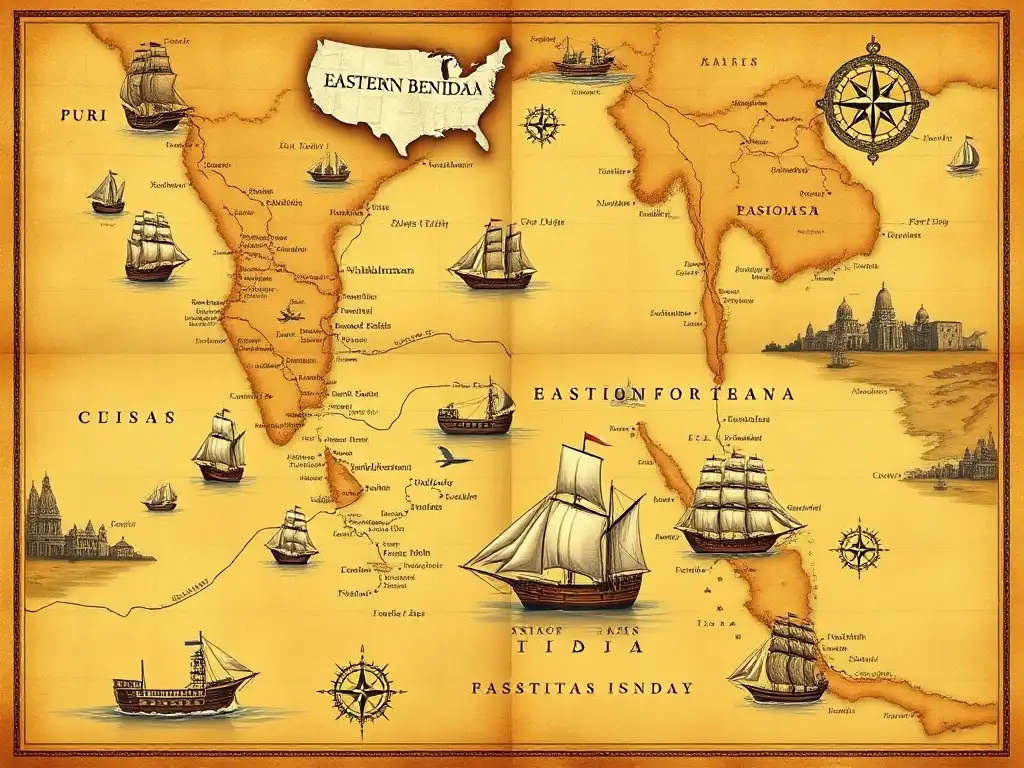
The Maurya Empire and Its Trade Influence
The Maurya Empire, existing from 322 to 185 BCE, was a pivotal point in the maritime trade of Eastern India. Under the leadership of Chandragupta Maurya and later his grandson Ashoka, the empire established extensive trade networks that connected the Indian subcontinent with regions as far as the Mediterranean and Southeast Asia.
- Trade Routes: The Mauryan trade routes included both land and maritime paths. The empire leveraged the natural ports along the eastern coast, such as those in present-day Odisha and Bengal, to facilitate trade with distant lands.
- Goods Traded: Key commodities included spices, textiles, precious stones, and metalwork. The demand for Indian goods in foreign markets significantly contributed to the wealth and power of the Maurya Empire.
- Cultural Exchange: Maritime trade was not just about goods; it also fostered cultural exchanges. The spread of Buddhism, for instance, can be attributed to traders moving between regions, as they carried not only merchandise but also ideas.
The Maurya Empire's strategic utilization of trade routes laid the groundwork for future civilizations, influencing the dynamics of commerce and culture across the Indian Ocean.
The Gupta Empire's Contribution to Trade
The Gupta Empire, flourishing from approximately 240 to 550 CE, is often referred to as a golden age for India. This era saw significant advancements in arts, science, and trade, with maritime activities playing a crucial role.
- Expansion of Trade Networks: The Gupta rulers expanded existing trade routes and established new ones, enhancing connections with Central Asia, the Middle East, and beyond. The empire's influence extended over land and sea, making it a central hub for trade.
- Trade Goods: The Guptas traded in silk, spices, and fine jewelry. Notably, Indian silk became highly sought after in markets like China, while Indian spices found their way into kitchens across the Roman Empire.
- Maritime Infrastructure: The Guptas invested in port development and navigation technology. This not only boosted trade but also attracted merchants from various regions, leading to a cosmopolitan culture along the eastern shores.
The Gupta Empire's emphasis on trade fostered economic prosperity and cultural richness, making it a pivotal player in the maritime history of Eastern India.
Regional Kingdoms and Their Role in Maritime Trade
In addition to the major empires, various regional kingdoms also played significant roles in the maritime trade of Eastern India. These smaller states contributed to the diversity of trade practices and cultural exchanges across the region.
- Kingdom of Kalinga: Located along the eastern coast, the Kingdom of Kalinga was a prominent trading power. Its strategic position allowed it to control maritime trade routes, facilitating commerce not only with other Indian states but also with Southeast Asia.
- Tamralipta: This ancient port city, situated in present-day West Bengal, served as a key trading hub. Tamralipta was known for its thriving market for textiles and spices, attracting traders from distant lands.
- Influence of Local Rulers: Regional rulers often forged alliances with foreign traders, providing protection and infrastructure for maritime activities. These partnerships were essential for the safe passage of goods and the establishment of long-term trade relationships.
The collective efforts of various regional kingdoms significantly enriched Eastern India's maritime trade landscape, contributing to its historical significance in ancient trade routes. The diverse interactions and exchanges that occurred during this period laid the foundation for the rich tapestry of cultural and economic life that characterized ancient Indian civilization.
Trade Partners of Eastern India
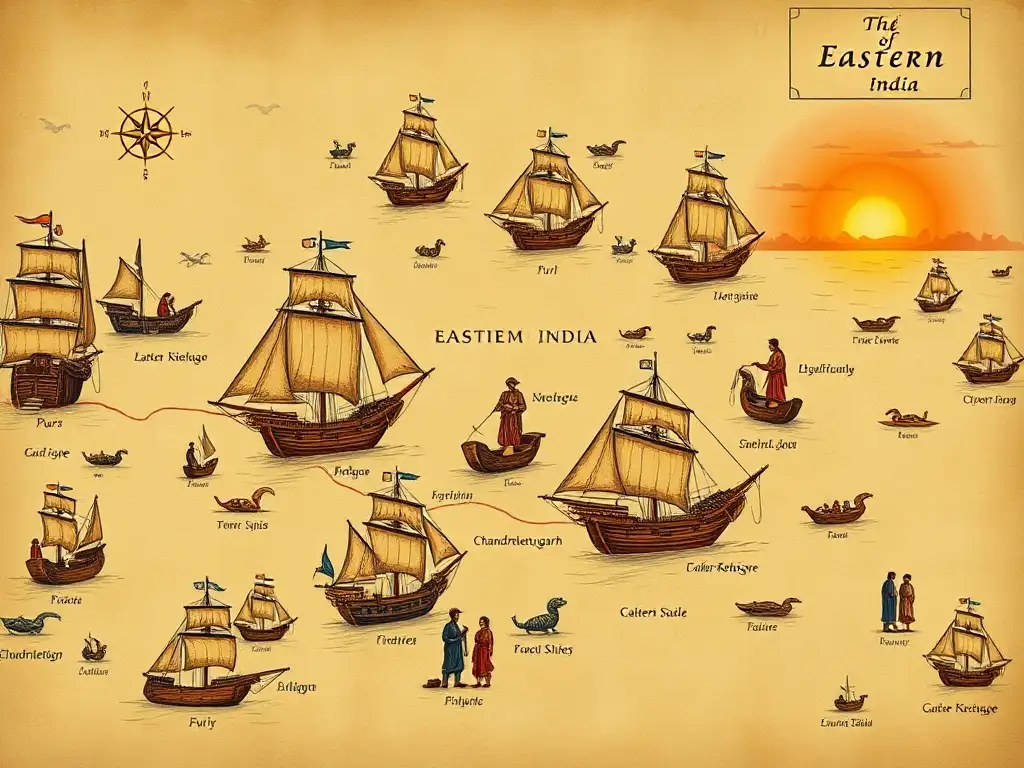
Eastern India, particularly during ancient times, was a vibrant hub of trade and commerce, connecting various civilizations through extensive maritime routes. The region's strategic location along the Bay of Bengal facilitated interactions with multiple trade partners, shaping its economic landscape and cultural exchanges. Understanding the trade partners of Eastern India reveals the intricate web of relationships that contributed to its prosperity and influence.
Interactions with Southeast Asia
The maritime trade routes between Eastern India and Southeast Asia were pivotal for the economic and cultural exchange between these regions. The Sailendra Dynasty of Java and the Srivijaya Empire in Sumatra were notable partners, engaging in trade that included commodities like spices, textiles, and precious stones.
- Key Commodities:
- Spices: Eastern India exported black pepper and cardamom, which were highly prized in Southeast Asian markets.
- Textiles: Fine cotton and silk fabrics from India were sought after, influencing local clothing styles and weaving techniques.
- Metals and Gems: Gold and diamonds from Eastern India found their way into the luxury markets of Southeast Asia.
The Maritime Silk Road played a crucial role in these interactions, allowing for the movement of not only goods but also ideas and cultural practices. For instance, the spread of Buddhism from India to countries like Indonesia and Thailand was significantly facilitated by these trade routes, leading to the establishment of various Buddhist temples in Southeast Asia.
Trade Relations with the Roman Empire
During the height of the Roman Empire, Eastern India established significant trade relations that were instrumental in the exchange of luxury goods. The Roman demand for Indian products created a flourishing trade network, with the port city of Tamralipti (modern-day Tamluk) serving as a key trading hub.
- Key Products Traded:
- Silk: Indian silk was in high demand, and its export to Roman markets contributed to the richness of Roman clothing and fashion.
- Spices: Similar to Southeast Asia, spices from Eastern India were essential in Roman cuisine and preservation.
- Precious Stones: Indian gemstones, particularly diamonds and pearls, were sought after by the Roman elite.
Trade routes traversed the Arabian Sea, connecting India to ports such as Alexandria in Egypt, which acted as a gateway to the Mediterranean. The Roman author Pliny the Elder remarked on the vast wealth of India, highlighting the significance of these trade exchanges. Roman coins found in Eastern India serve as evidence of this thriving economic relationship.
Influence of Chinese Trade on Eastern Indian Markets
The influence of Chinese trade on Eastern India’s ancient markets is another vital aspect of its maritime history. The Silk Road extended its reach to the maritime routes, leading to significant exchanges between China and Eastern Indian kingdoms.
- Chinese Goods:
- Silk and Porcelain: Chinese silk and porcelain were highly valued in Eastern India, often used as luxury items among the elite.
- Tea: Although tea was not a major commodity until later periods, early trade interactions introduced it to Indian markets.
- Indian Exports to China:
- Spices and Medicinal Herbs: Eastern India exported a variety of spices, which were used in Chinese culinary practices and traditional medicine.
- Cotton Fabrics: The quality of Indian textiles attracted Chinese merchants, leading to the establishment of trade routes through the South China Sea.
The cultural interactions between these regions were profound. The spread of Buddhism into China, facilitated by Indian monks traveling along these trade routes, illustrates the significant impact of these exchanges.
Eastern India's ancient trade routes established a complex network of interactions with Southeast Asia, the Roman Empire, and China. These relationships not only fostered economic growth but also contributed to the rich cultural tapestry that characterizes the history of the region. The legacy of these trade connections continues to be a subject of study, revealing the dynamic nature of Eastern India's maritime history.
The Impact of Maritime Trade on Eastern Indian Society
Economic Growth and Prosperity
Eastern India’s maritime trade routes played a pivotal role in fostering economic growth and prosperity throughout ancient civilizations. The region, blessed with a long coastline and favorable monsoons, became a bustling hub for trade, connecting local markets to distant lands such as Southeast Asia, the Middle East, and Africa.
- Trade Goods: Major exports included textiles, spices, and precious stones, while imports often comprised metals and exotic goods. The trade of rice and raw materials further enriched local economies, contributing to a vibrant marketplace.
- Wealth Accumulation: The influx of goods and wealth not only enriched traders and merchants but also led to the emergence of a prosperous merchant class. This class played a critical role in the economic framework of cities like Puri and Chandraketugarh, which became prominent trading centers.
- Taxation and Revenue: Rulers recognized the value of maritime trade, instituting systems of taxation that facilitated infrastructure development, such as ports and roads, further enhancing trade efficiency. This economic strategy resulted in increased state revenues, allowing for the funding of public works and military endeavors.
The economic impact of these trade routes was profound, laying the groundwork for sustained growth and making Eastern India a significant player in ancient global commerce.
Cultural Exchange and Its Implications
The maritime trade routes of Eastern India were not only conduits for goods but also channels for cultural exchange, significantly shaping the social and cultural landscape of the region.
- Cultural Syncretism: As traders and sailors interacted with diverse cultures, they exchanged ideas, religion, and customs. This led to cultural syncretism, where local traditions blended with foreign influences. For instance, the spread of Buddhism and Hinduism across maritime routes illustrated how faith and philosophy traveled alongside trade.
- Art and Architecture: The influx of new ideas facilitated the evolution of art and architecture. Temples and monuments in Eastern India began to reflect a confluence of styles from various regions, resulting in unique architectural masterpieces that showcased both local craftsmanship and foreign influences.
- Linguistic Development: The interactions among various cultures contributed to the evolution of languages and dialects in the region. Trade languages, such as Sanskrit and Pali, became prominent, enabling effective communication and fostering a sense of unity among traders from different backgrounds.
Cultural exchange through maritime trade enriched the tapestry of Eastern Indian society, promoting diversity and fostering a shared identity among its inhabitants.
The Role of Maritime Trade in Urban Development
Maritime trade was instrumental in shaping urban development in Eastern India, leading to the emergence of thriving coastal cities that became centers of commerce and culture.
- Port Cities: Coastal cities like Tamralipta and Bhadravati developed as major ports, facilitating trade and attracting merchants from across the world. These ports were equipped with advanced docking facilities and warehouses, enhancing their capacity to handle significant trade volumes.
- Infrastructure Development: The growth of maritime trade necessitated improvements in infrastructure. Roads, bridges, and marketplaces were constructed to support the increasing flow of goods and people. This infrastructure not only benefited trade but also improved the overall quality of life for urban inhabitants.
- Population Growth: The economic opportunities presented by maritime trade led to population growth in urban areas. As people flocked to these cities in search of jobs and better prospects, a dynamic urban culture emerged, characterized by increased literacy, artistic expression, and social interaction.
The role of maritime trade in urban development was transformative, resulting in some of the most vibrant and prosperous cities in ancient India, which left a lasting legacy on the region’s history and culture.
Challenges and Changes in Eastern India's Maritime Trade
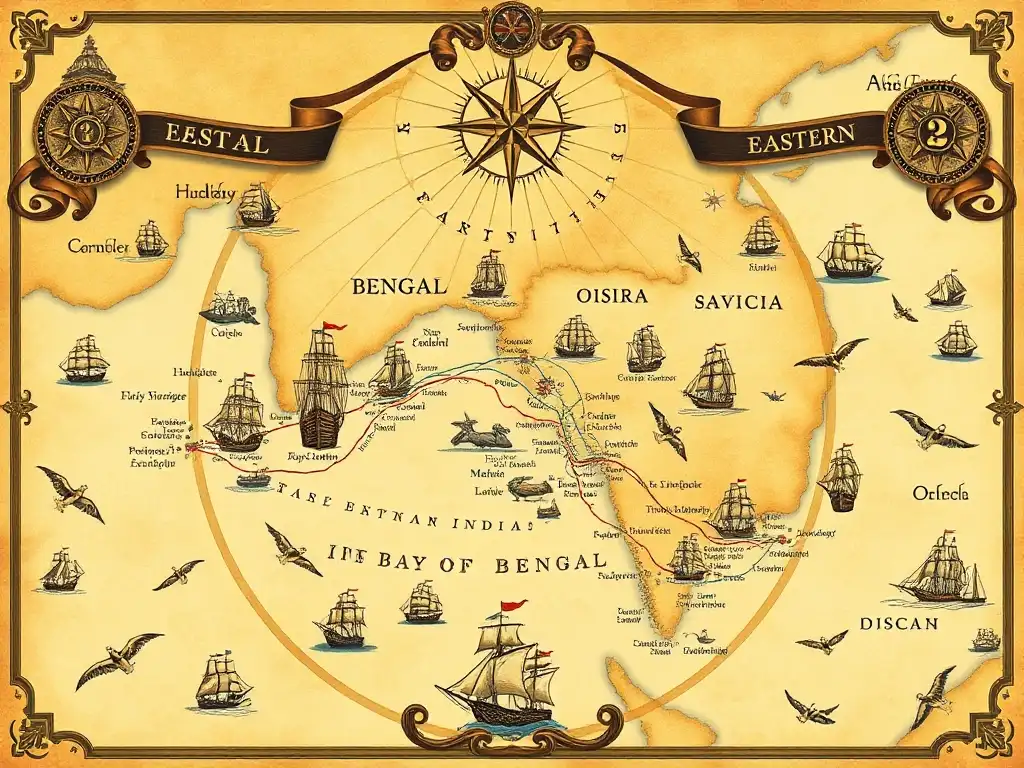
Eastern India's maritime trade has a rich history characterized by both its flourishing commerce and various challenges. Several factors have contributed to the evolution of trade routes, shaping the economic landscape of the region. This section explores the significant challenges faced by Eastern India’s maritime trade, focusing on natural disasters, historical declines, and the implications for modern trade.
Natural Disasters and Their Impact on Trade Routes
Natural disasters have historically posed significant challenges to Eastern India's maritime trade. The region is susceptible to various natural calamities, including cyclones, floods, and earthquakes, which have disrupted trade routes and affected the livelihoods of coastal communities.
- Cyclones: The Bay of Bengal is known for its severe cyclonic storms. For instance, the devastating cyclone of 1833 not only caused immense loss of life but also severely damaged port cities like Kolkata and Chandernagore, which were crucial for maritime trade. These storms can lead to the destruction of ships, harbors, and essential infrastructure, creating long-lasting impacts on trade.
- Flooding: The monsoon season brings heavy rains that can lead to significant flooding in river basins and coastal areas. Historical records indicate that frequent floods in the Ganges delta disrupted the movement of goods and reduced trade activities, as seen during the floods of 1943, which affected transport routes and agricultural production.
- Earthquakes: Seismic activity in Eastern India has also played a role in altering trade routes. The 1934 Bihar earthquake resulted in the destruction of roads and railways, which were vital for connecting inland areas to maritime ports. The disruption of these connections hindered the flow of goods and commerce.
The cumulative effect of these natural disasters has led to a cyclical pattern of trade recovery and decline, forcing traders to adapt their routes and methods continuously.
Decline of Trade During Different Historical Periods
The history of Eastern India's maritime trade is marked by periods of both growth and decline. Several historical events and socio-political changes have influenced these fluctuations.
- Invasions and Political Changes: Invasions, such as those by the Mughals and later colonial powers, disrupted established trade networks. The decline of the Mughal Empire in the 18th century led to the fragmentation of trade routes as regional powers emerged. This decline was exacerbated by the British colonial policies that prioritized their own trade interests over local commerce.
- Shift in Trade Routes: The rise of European maritime powers in the 16th century shifted the focus of trade from Eastern India to other regions. The establishment of direct trade routes to the Americas and the East Indies led to a decrease in demand for Eastern Indian goods, resulting in economic decline for coastal trading hubs like Vishakhapatnam and Puri.
- Global Economic Changes: The Industrial Revolution in the 19th century transformed global trade dynamics, leading to a decline in traditional maritime trade practices in Eastern India. The focus shifted towards raw material extraction and exportation to fuel industrial growth in Europe, neglecting the intricate trade networks that had previously flourished in the region.
These historical declines have had lasting impacts, leading to the gradual erosion of Eastern India's prominence in maritime trade.
Modern Implications of Ancient Trade Routes
The ancient trade routes of Eastern India continue to hold relevance in today's economic landscape. Understanding these historical pathways can provide insights into modern trade practices and regional development.
- Tourism and Cultural Heritage: Ancient trade routes have become focal points for heritage tourism. Cities like Kolkata and Puri, once thriving trading hubs, now attract tourists interested in exploring their rich maritime history. This tourism contributes to local economies and promotes cultural exchange.
- Trade Agreements and Connectivity: Modern policymakers are increasingly recognizing the importance of historical trade routes in establishing new trade agreements. Efforts to enhance connectivity with Southeast Asia and beyond, such as the Act East Policy initiated by the Indian government, aim to revive the spirit of ancient trade.
- Sustainable Practices: The lessons learned from ancient trade can inform modern sustainable practices. By studying how ancient traders navigated environmental challenges and built resilient trade networks, contemporary businesses can adopt strategies that balance economic growth with ecological preservation.
The challenges faced by Eastern India's maritime trade have shaped its historical trajectory. By examining the impacts of natural disasters, historical declines, and modern implications of ancient trade routes, we can better appreciate the complex interplay between trade and regional development. Understanding this historical context is essential for fostering a sustainable and prosperous future for Eastern India's maritime economy.
Conclusion: The Legacy of Eastern India's Maritime Trade
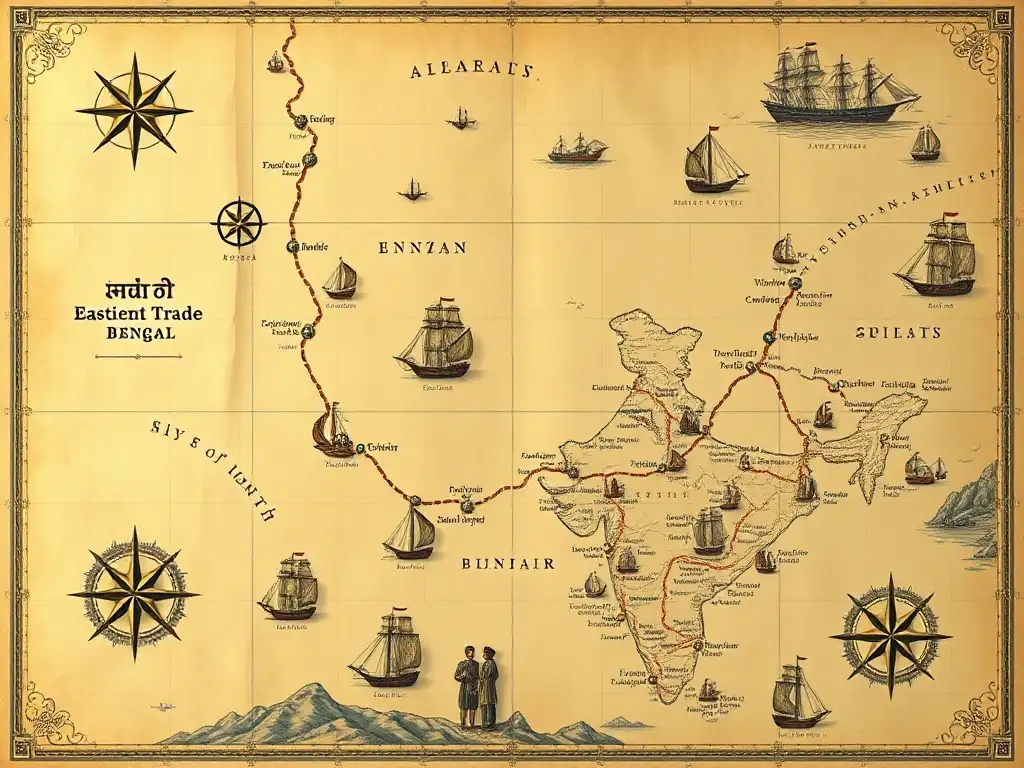
Eastern India’s maritime trade routes have left an indelible mark on the region’s history, culture, and economic development. The legacy of these ancient trade networks extends far beyond mere commerce; they facilitated cultural exchanges, technological innovations, and the spread of ideas across vast distances. With ports like Tamralipta, Puri, and Chandraketugarh serving as bustling hubs, Eastern India not only engaged in trade with neighboring regions but also established connections with far-off lands such as Southeast Asia, the Middle East, and even Africa.
The intricate web of maritime routes enabled the flow of goods, including textiles, spices, precious stones, and agricultural products. This exchange fostered not just economic prosperity but also cultural assimilation, as evidenced by the adoption of various religious and artistic influences throughout the region. The maritime legacy of Eastern India paved the way for subsequent generations to build upon these foundations, ultimately contributing to the rich tapestry of Indian civilization.
Reflections on the Importance of Ancient Trade Routes
Ancient trade routes in Eastern India were pivotal in shaping the socio-economic landscape of the region. These routes provided a framework for:
- Cultural Exchange: The flow of ideas, art forms, and religious beliefs occurred through these trade networks. For instance, the spread of Buddhism from India to Southeast Asia was significantly facilitated by maritime traders.
- Economic Development: Trade routes were the lifeline of Eastern India’s economy. They not only stimulated local economies but also integrated them into a broader global market. The export of silk and cotton textiles, particularly during the Gupta Empire, exemplifies how trade contributed to wealth accumulation and urbanization.
- Technological Advancements: Navigation and shipbuilding techniques were refined and shared among traders, leading to advances that would benefit future generations. The use of the monsoon winds for navigation showcased the ingenuity of ancient mariners and their adaptability to natural elements.
- Diplomatic Relations: Trade routes served as conduits for diplomatic exchanges, allowing for alliances and negotiations that had lasting impacts on regional politics. The establishment of trade relations often laid the groundwork for political partnerships and cultural diplomacy.
Lessons from Eastern India's Maritime History
The maritime history of Eastern India offers several lessons that remain relevant today:
- Interconnectedness of Cultures: The ancient trade routes demonstrate the importance of cultural interactions in fostering mutual understanding and cooperation among diverse societies. In an increasingly globalized world, this interconnectedness is crucial for peace and collaboration.
- Sustainable Trade Practices: The sustainable practices adopted by ancient traders, such as utilizing local resources and respecting maritime ecosystems, remind us of the need for environmentally conscious trade approaches in contemporary times.
- Innovation and Adaptation: The ability of ancient mariners to innovate—whether through the development of new trade routes or advancements in shipbuilding—highlights the importance of adaptability in the face of changing circumstances, a valuable lesson for modern businesses and economies.
- Preservation of Heritage: Understanding and appreciating the historical significance of these trade routes can inspire efforts to preserve maritime heritage sites and promote educational initiatives that celebrate this rich history.
The legacy of Eastern India's maritime trade routes is not only a testament to the region's historical significance but also provides valuable insights for contemporary society. By reflecting on these ancient practices and their impacts, we can better appreciate the intricate connections that have shaped our world.
References and Further Reading on Eastern India Ancient Trade Routes
Suggested Books and Articles
- "The Ancient Maritime Trade Routes of the Indian Ocean" by R. K. Sharma
- This book provides an in-depth analysis of the maritime networks that connected Eastern India with other regions, particularly in the context of ancient trade. Sharma explores the geographical, cultural, and economic aspects of these trade routes, emphasizing their significance in the exchange of goods and ideas.
- "Trade and Traders in the Ancient Indian World" by S. P. Gupta
- Gupta’s work delves into the nature of trade in ancient India, including the specific trade routes that emerged in Eastern India. The book examines the role of traders, their communities, and the various commodities that were exchanged, providing valuable insights into the socio-economic fabric of the time.
- "Maritime History of India: From Ancient Times to the 18th Century" by K. S. Rao
- This comprehensive study offers a broad view of India's maritime history, with particular emphasis on Eastern India. Rao highlights the strategic importance of ports and the maritime trade routes that facilitated commerce with Southeast Asia and beyond.
- "The Indus Valley to the Gupta Empire: A Comprehensive History of Ancient India" by M. N. Dutta
- Dutta's book provides a wide-ranging overview of ancient Indian history, including the development of trade networks in Eastern India. This resource is particularly useful for understanding the broader historical context of trade routes during various dynasties.
- "Goods and Trade in Ancient India" by A. L. Verma
- Verma’s article discusses the types of goods traded along Eastern India's ancient routes, with a focus on the economic implications of these exchanges. It provides valuable data on trade volumes and the impact of trade on local economies.
Online Resources for Further Exploration
- Ancient India History Digital Archive
- A rich repository of texts, maps, and articles dedicated to the maritime history of Eastern India. This archive is an invaluable resource for students and researchers interested in ancient trade routes.
- The Indian Ocean Trade Network: A Historical Overview
- An online platform that details the historical trade networks of the Indian Ocean, including Eastern India's role within these routes. The site features interactive maps and timelines that illustrate the evolution of trade over centuries.
- Virtual Museum of Ancient Indian Commerce
- This virtual museum showcases artifacts, manuscripts, and digital exhibits related to ancient trade in Eastern India. It serves as an excellent educational tool for those interested in the tangible aspects of trade history.
- Eastern India Maritime Routes Forum
- A discussion forum where historians, archaeologists, and enthusiasts share research, findings, and insights related to Eastern India's maritime trade. This platform fosters collaboration and knowledge exchange among experts in the field.
- Podcasts on Ancient Indian Trade
- Various podcasts explore the nuances of ancient Indian trade, including episodes dedicated to Eastern India’s contributions. These audio resources provide engaging narratives and expert interviews that enhance understanding of the subject matter.
By utilizing these resources, readers can gain a deeper understanding of the Eastern India ancient trade routes, their significance, and their enduring impact on the region's history and culture.
Frequently Asked Questions
What were the main ancient trade routes in Eastern India?
Eastern India featured vital maritime trade routes, connecting it with Southeast Asia and beyond, facilitating the exchange of goods like spices, textiles, and precious metals.
How did the Indus Valley Civilization contribute to trade?
The Indus Valley Civilization established sophisticated urban centers with advanced trade networks, using both land and maritime routes to trade with regions as far as Mesopotamia.
What role did the Gupta Empire play in trade?
The Gupta Empire (c. 320-550 CE) fostered a thriving trade environment, enhancing both internal and external commerce, which contributed significantly to the economy and cultural exchanges.
How did geography influence trade in Eastern India?
The geographical position of Eastern India, with its rivers and coastline, allowed for easy navigation and trade, making it a hub for maritime activities and cultural interactions.
What were some key commodities traded in Eastern India's maritime history?
Key commodities included silk, spices, cotton textiles, and precious stones, which were highly sought after in both local and international markets during ancient times.
The exploration of Eastern India's ancient trade routes reveals not only the historical significance of maritime commerce but also its profound relevance in today's interconnected world. As we delve into the rich tapestry of trade that once flourished along these routes, we uncover a striking reminder that the exchange of goods, ideas, and cultures has always been a catalyst for progress and unity. In an era where globalization reigns, understanding these ancient pathways can inspire us to foster connections that transcend borders and promote mutual understanding.
The impact of Eastern India's maritime trade extends far beyond its historical context; it continues to shape our cultural and social landscapes today. The legacy of these trade routes is evident in the diverse cultural exchanges that have enriched the region, fostering a spirit of collaboration and innovation. As we reflect on this enduring influence, we are reminded of the words of historian K. N. Chaudhuri: The Indian Ocean was not merely a body of water; it was a highway of trade and cultural exchange.
This perspective invites us to appreciate how the past informs our present and future, encouraging us to embrace the interconnectedness of our global community.
As we conclude this exploration of Eastern India's maritime history, I invite you to reflect on the lessons it imparts. Consider how the spirit of trade and collaboration can inspire your own journey. Whether through fostering relationships, sharing knowledge, or engaging in cultural exchanges, each of us has the power to navigate our own paths toward unity and understanding. Let us honor the legacy of these ancient trade routes by actively participating in the ongoing dialogue of connection and cooperation that defines our world today.
Uncover the Treasures of Maritime History!
Thank you for journeying through the fascinating maritime history of Eastern India with us! We hope you’ve gained valuable insights into the ancient trade networks that shaped this vibrant region. Now, it’s time to dive deeper and take action!
Here’s how you can continue exploring and engaging with this captivating topic:
- Delve into further research: Explore local museums or libraries for books and artifacts related to Eastern India's maritime history. **You may discover fascinating treasures along the way! **
- Share your discoveries: Invite friends and family to join you in discussing what you’ve learned or share your favorite facts on social media. **Together, we can ignite curiosity and interest! **
- Join a history group or forum: Connect with like-minded enthusiasts who share your passion. Engaging in discussions can provide fresh insights and perspectives. **Enhance your understanding of this rich history! **
What aspect of Eastern India's maritime trade interests you the most, and why? **We would love to hear your thoughts below! **