
The Historical Role of Western India in the Indian Independence Movement

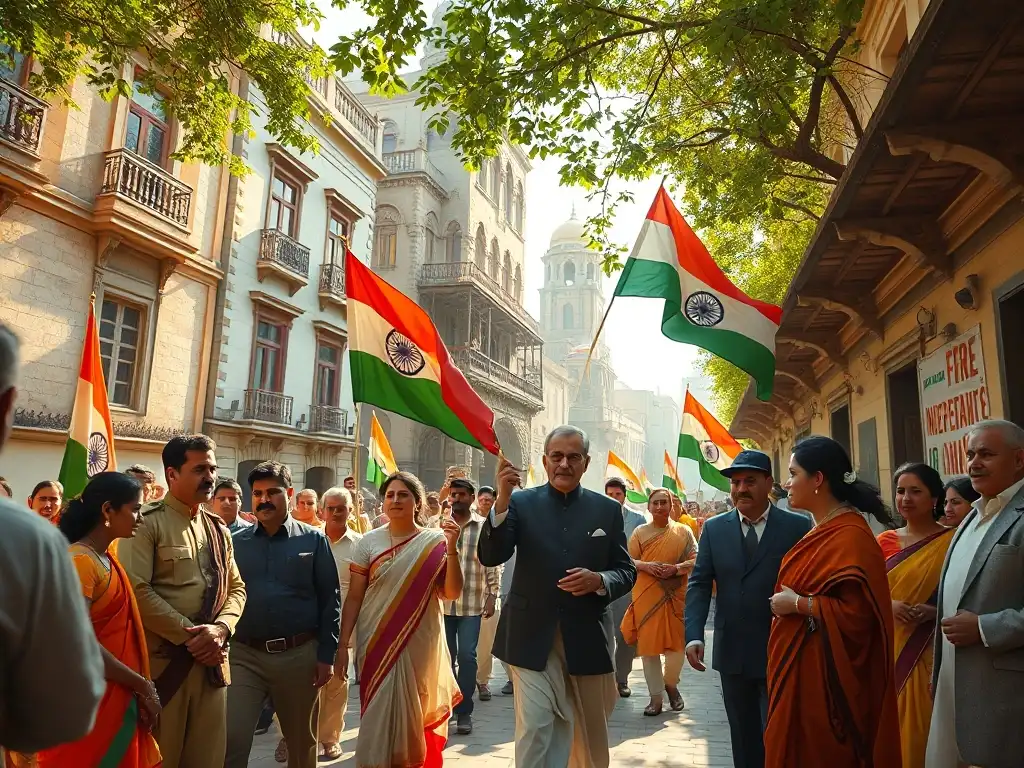
Welcome to Ancient India History, where we embark on an enlightening journey through the rich tapestry of ancient Indian civilizations. From the bustling streets of the Indus Valley to the grandeur of the Gupta Empire, our exploration reveals the profound cultural heritage and remarkable contributions that have shaped the subcontinent. In this edition, we delve into the fascinating history of the Western India independence movement, uncovering the pivotal role this region played in the struggle for freedom.
Prepare to be captivated as you discover the stories, the struggles, and the triumphs that define this significant chapter in India's past. Join us as we unravel the layers of history that await you!
Introduction to Western India and Its Significance in Independence
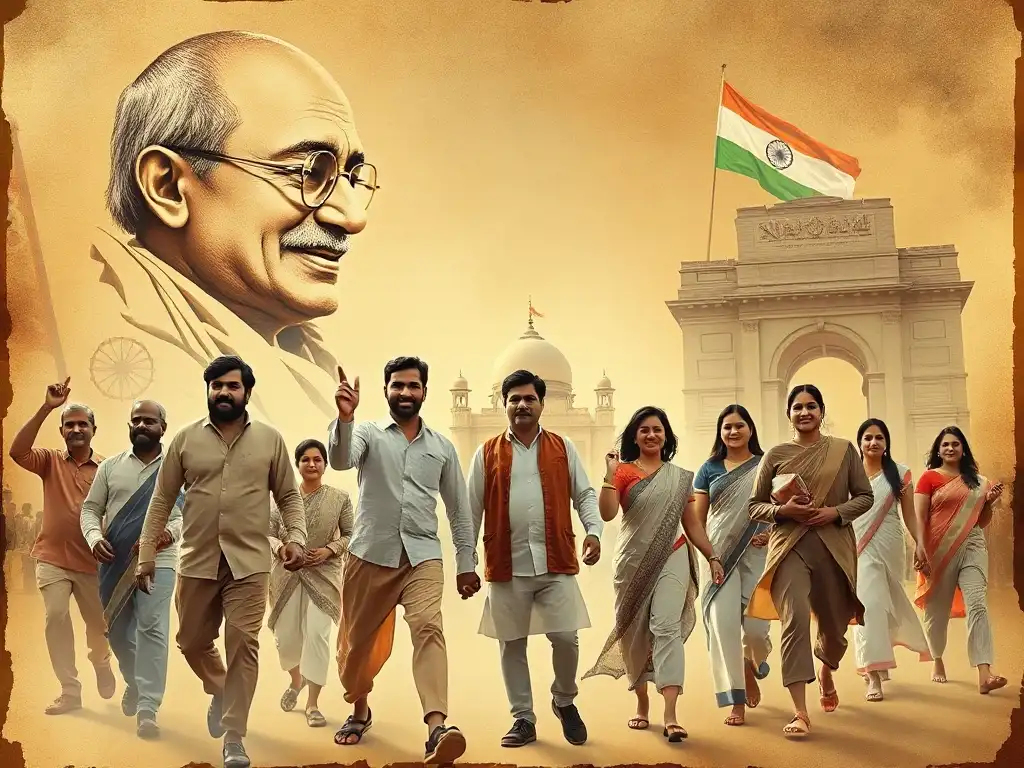
Western India, a region marked by its vibrant cultures, diverse communities, and significant historical events, played a pivotal role in the Indian independence movement. Encompassing states such as Maharashtra, Gujarat, and Rajasthan, this area not only contributed to the political landscape of India but also showcased a rich tapestry of social and economic conditions that influenced the struggle against British colonial rule.
The legacy of Western India in the independence movement is characterized by notable leaders, grassroots movements, and a unique blend of traditional and modern resistance strategies. Understanding this historical role is essential for grasping the broader narrative of India's fight for freedom and the evolution of its national identity.
Historical Context of Western India Before Independence
Colonial Influence in Western India
The arrival of British colonial powers in the 17th century marked a significant turning point for Western India. The region became a focal point for trade and commerce, particularly with the establishment of Mumbai (then Bombay) as a major port city. This economic transformation brought about both opportunities and challenges:
- Economic Growth: The British developed infrastructure, such as railways and roads, facilitating trade and communication.
- Social Changes: Western India experienced significant social restructuring, as Western education and ideologies began to permeate traditional practices.
- Cultural Impact: The introduction of Western values and governance systems led to a cultural renaissance, igniting intellectual movements that questioned colonial authority.
However, the negative impacts of colonialism, such as exploitation of resources and oppressive taxation policies, fueled discontent among the populace, laying the groundwork for resistance movements.
Early Resistance Movements in Western India
The seeds of resistance against British rule were sown early in Western India, as various groups and individuals began to challenge colonial authority. Some key movements and events include:
- The Revolt of 1857: This was one of the first significant uprisings against British rule, with Western India witnessing considerable participation from soldiers and civilians alike.
- Formation of Political Organizations: The Indian National Congress was established in 1885, with many prominent leaders from Western India, such as Bal Gangadhar Tilak, who advocated for self-rule and mobilized the masses.
- Social Reform Movements: Reformers like Jyotirao Phule and Dr. B.R. Ambedkar worked to uplift marginalized communities, intertwining social justice with the fight for political rights.
These early movements not only laid the foundation for the larger independence struggle but also highlighted the region's crucial role in shaping the political consciousness of India.
Key Figures in the Western India Independence Movement
The independence movement in Western India was characterized by a plethora of influential leaders and grassroots activists. These key figures played pivotal roles in shaping the direction of the movement, mobilizing masses, and articulating the aspirations of the people. Their contributions were instrumental in challenging British colonial rule and fostering a sense of national identity among the diverse populations of Western India.
Major Leaders and Their Contributions
- Mahatma Gandhi: While not exclusively a leader from Western India, Gandhi's influence was profound. His return to India in 1915 marked the beginning of a new era in the independence movement. He initiated various campaigns in Gujarat and across the country, advocating for nonviolent resistance and civil disobedience. His leadership during the Salt March in 1930 galvanized support throughout Western India.
- Sardar Vallabhbhai Patel: Hailing from Gujarat, Patel was a key figure in the Indian National Congress and a close associate of Gandhi. His organizational skills were crucial in mobilizing peasants and workers, particularly during the Bardoli Satyagraha in 1928, which earned him the title of "Sardar," meaning leader. Patel later played a significant role in uniting the princely states post-independence.
- Dr. B.R. Ambedkar: As a prominent social reformer and architect of the Indian Constitution, Ambedkar's contributions to the independence movement were significant, particularly in advocating for the rights of the marginalized communities. His participation in the round table conferences in London and his efforts to secure social justice were pivotal in shaping post-independence India.
- Vinoba Bhave: A disciple of Gandhi, Bhave was instrumental in the Bhoodan Movement, which aimed at land redistribution. His efforts in Western India focused on empowering the rural poor and promoting nonviolent methods of struggle against land injustices.
Grassroots Movements and Local Leaders
Grassroots movements in Western India were vital in mobilizing local populations against British rule. Leaders like K. B. Hedgewar, founder of the Rashtriya Swayamsevak Sangh (RSS), played a role in fostering a sense of national identity among Hindus. Local leaders, such as G. D. Birla and M. S. Golwalkar, also contributed to the economic and social aspects of the movement by rallying support from the business community and organizing protests.
Additionally, movements like the Khilafat Movement, which gained momentum in the early 1920s, saw active participation from the Muslim community in Western India, showcasing the unity among different religious groups against colonial rule. Local organizations and associations, such as the Gujarat Provincial Congress Committee, were crucial in organizing protests, strikes, and demonstrations.
Major Events and Milestones in the Western India Independence Movement
Western India witnessed several key events that were instrumental in the broader independence movement. These milestones not only highlighted the regional dynamics of resistance but also contributed significantly to the national struggle for freedom.
The Role of the Non-Cooperation Movement
Launched in 1920, the Non-Cooperation Movement was a significant turning point in the Indian independence struggle, particularly in Western India. Gandhi called for a boycott of British goods, institutions, and honors, which resonated strongly with the masses. In Western India, this movement saw a massive wave of participation from various sections of society, including students, peasants, and professionals.
The movement encouraged the establishment of swadeshi (indigenous) industries and promoted self-reliance. The response in Gujarat was particularly robust, with many villages adopting resolutions to boycott British goods. The movement also led to the formation of numerous local committees, which became platforms for political education and activism.
The Quit India Movement and Western India
The Quit India Movement of 1942 marked a crucial phase in the struggle for independence. Gandhi's call for "Do or Die" resonated deeply across Western India, leading to widespread protests, strikes, and demonstrations. The movement was characterized by its urgency and mass mobilization, with leaders like Patel and his associates taking a prominent role.
In cities like Bombay (now Mumbai) and Ahmedabad, the movement witnessed significant unrest and public demonstrations. The British response was severe, with mass arrests of leaders and activists. Despite the crackdown, the resilience shown by the people of Western India during this period underscored their commitment to achieving independence.
The Quit India Movement also saw the emergence of women in the struggle, with figures like Sarojini Naidu and Kamla Nehru actively participating and leading protests. The collective efforts during this time helped solidify the resolve of the Indian populace to strive for freedom, ultimately contributing to the culmination of the independence movement in 1947.
Cultural Contributions of Western India to the Independence Movement
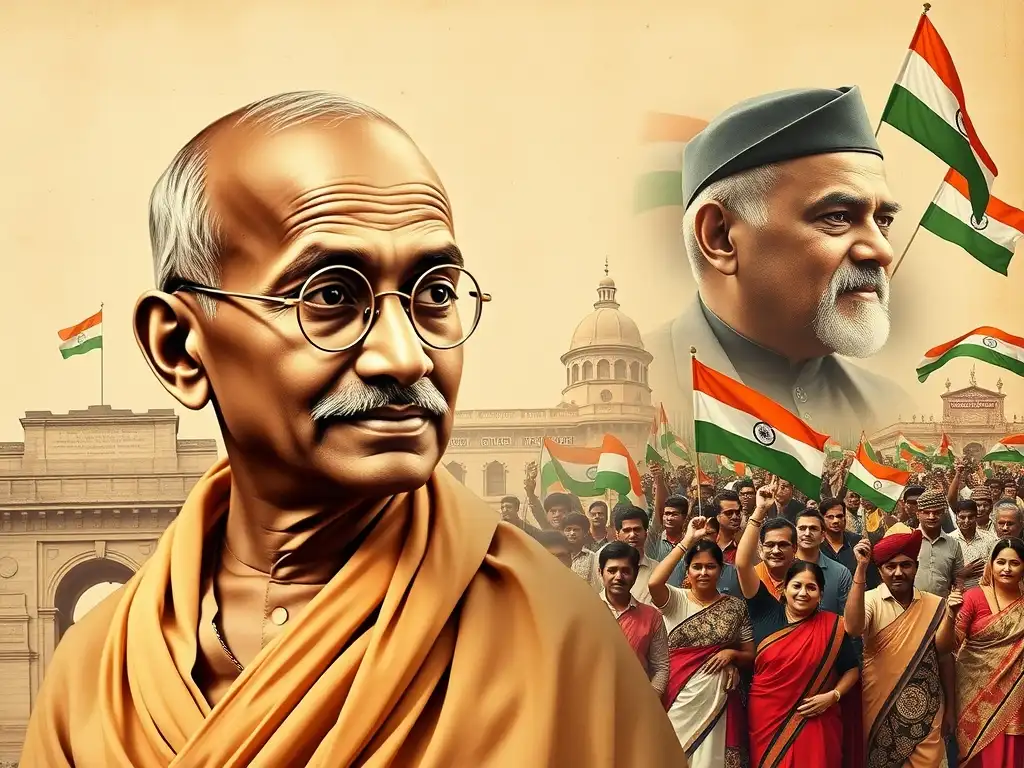
Western India played a pivotal role in the Indian independence movement, not only through its political activism but also through its rich cultural contributions. The region, known for its vibrant traditions, provided a platform for various forms of art, literature, and music that significantly influenced the independence struggle. These cultural elements served as vehicles for resistance, fostering a sense of unity and national identity among the diverse population. The efforts from Western India helped to mobilize public sentiment against colonial rule and inspired many to join the fight for freedom.
Literature and Arts as Tools of Resistance
Literature and arts emerged as powerful tools of resistance during the independence movement in Western India. Prominent literary figures such as R. K. Narayan and M. A. Jinnah used their writings to articulate the aspirations of the Indian populace and to critique British colonial policies. The vernacular literature of the time, particularly in Marathi and Gujarati, played a crucial role in spreading awareness and galvanizing support for the independence cause.
Additionally, plays and poetry became instrumental in conveying the ideals of freedom and self-governance. The works of playwrights like Vishnu Sakharam Khandekar and poets such as Kusumagraj inspired a generation and were often performed in public spaces to rally support. Artists also contributed through visual arts, creating posters and paintings that depicted the struggle against oppression and celebrated the spirit of nationalism.
The Influence of Music and Folk Traditions
Music in Western India, particularly genres like Lavani and Tamasha, played a significant role in the independence movement. These folk traditions not only entertained but also educated the masses about their rights and the importance of resisting colonial rule. Songs that carried messages of freedom and unity became popular, spreading through villages and towns, thus fostering a collective consciousness among the people.
Moreover, the influence of classical music, with its deep historical roots, was harnessed to evoke emotions tied to nationalism. Composers and musicians often infused patriotic themes into their performances, using concerts as platforms for political expression. This blend of music and activism helped to create a cultural battleground, where the fight for independence was not just political but also deeply embedded in the identity of the people.
The Legacy of the Independence Movement in Western India
The legacy of the independence movement in Western India is evident in its continued influence on the region's social, political, and cultural landscape. The sacrifices made by countless individuals during this period have shaped modern Western India, leaving a lasting impact on its identity and values. The spirit of resistance that characterized the struggle for freedom has been carried forward into contemporary times, inspiring new generations to engage in social and political issues.
Post-Independence Developments in Western India
After achieving independence in 1947, Western India underwent significant transformations. The region became a hub for socio-economic development, driven by the ideals of self-governance and empowerment that were instilled during the independence movement. Initiatives in education, industry, and agriculture were launched to uplift communities and promote progress. The legacy of leaders from Western India, like Sardar Vallabhbhai Patel, who played a crucial role in unifying the nation, continues to influence governance and public policy today.
Furthermore, the post-independence era saw the emergence of new cultural movements that drew inspiration from the freedom struggle. Various festivals and events commemorating the independence movement are celebrated in Western India, fostering a sense of pride and continuity in the region's historical narrative.
Commemoration and Historical Memory
Commemoration of the independence movement in Western India is marked by numerous memorials, museums, and educational programs that aim to preserve the historical memory of the struggle. Sites such as the Sabarmati Ashram in Gujarat and the Mahatma Gandhi Memorial in Pune serve as reminders of the sacrifices made by leaders and common people alike.
In addition to physical monuments, various cultural festivals and literary events celebrate the contributions of Western India to the independence movement. These initiatives not only honor the past but also instill a sense of responsibility among younger generations to uphold the values of freedom, equality, and justice. The preservation and promotion of this historical memory ensure that the lessons learned from the independence movement continue to resonate in contemporary society, shaping the ethos of Western India.
Conclusion: The Enduring Impact of Western India’s Role in the Independence Movement
The role of Western India in the Indian Independence Movement is both profound and multifaceted, leaving an indelible mark on the nation's struggle for freedom. The region served as a crucible of political activism, social reform, and cultural renaissance, producing influential leaders and significant movements that galvanized the masses.
Legacy of Leaders and Movements
Prominent figures such as Mahatma Gandhi, who began his political career in the region, and Sardar Vallabhbhai Patel, known as the Iron Man of India, emerged from Western India. Their philosophies and strategies, including non-violent resistance and unity among diverse communities, continue to inspire social and political movements worldwide. The legacy of grassroots movements, such as the Kheda Satyagraha and the Bardoli Movement, exemplified the power of collective action and set precedents for future protests.
Cultural Renaissance and National Identity
Western India was not just a political hub; it also fostered a cultural renaissance that contributed to a burgeoning national identity. The region's rich literary and artistic traditions played a crucial role in shaping the consciousness of the Indian populace. Writers, poets, and artists utilized their crafts to raise awareness about social injustices and foster a sense of unity among various communities. This cultural awakening helped to instill a sense of pride and belonging, which was vital during the struggle for independence.
Economic Factors and Mobilization
The economic conditions in Western India, including the agrarian distress and industrialization, also spurred many to join the independence movement. The plight of farmers and workers highlighted the need for reform, leading to widespread mobilization. Organizations such as the Textile Workers’ Union emerged, advocating for labor rights and social justice, which were integral to the broader independence struggle.
Conclusion
In essence, the historical significance of Western India in the Indian Independence Movement is undeniable. The region's blend of leadership, cultural influence, and economic mobilization created a potent force that not only contributed to India’s freedom but also laid the groundwork for a unified national identity.
The enduring impact of these developments continues to resonate in contemporary India, reminding us of the critical role that regional histories play in shaping national narratives. As we reflect on this legacy, it becomes clear that the story of the Western India independence movement history is a vital chapter in the broader saga of India's quest for freedom.
- Introduction to Western India and Its Significance in Independence
- Historical Context of Western India Before Independence
- Key Figures in the Western India Independence Movement
- Major Events and Milestones in the Western India Independence Movement
- Cultural Contributions of Western India to the Independence Movement
- The Legacy of the Independence Movement in Western India
- Conclusion: The Enduring Impact of Western India’s Role in the Independence Movement
- What was the significance of Western India in the independence movement?
- Which key figures from Western India influenced the independence movement?
- How did the socio-economic conditions in Western India impact the independence struggle?
- What movements originated in Western India during the independence era?
- How did the cultural heritage of Western India contribute to the independence movement?
Frequently Asked Questions
What was the significance of Western India in the independence movement?
Western India played a crucial role in the independence movement, serving as a hub for political activism and social reform, which contributed significantly to the overall struggle against British rule.
Which key figures from Western India influenced the independence movement?
Prominent leaders such as Mahatma Gandhi, Sardar Vallabhbhai Patel, and Bal Gangadhar Tilak emerged from Western India, advocating for civil disobedience and self-rule.
How did the socio-economic conditions in Western India impact the independence struggle?
The economic hardships faced by farmers and the rise of industrialization fueled discontent, leading to organized movements and protests against British policies in the region.
What movements originated in Western India during the independence era?
Several important movements, like the Non-Cooperation Movement and the Salt Satyagraha, were initiated in Western India, highlighting the region's strategic importance in the national struggle for freedom.
How did the cultural heritage of Western India contribute to the independence movement?
The rich cultural heritage of Western India, including literature, art, and music, inspired many activists and fostered a sense of national identity, which was vital for uniting diverse groups in the fight against colonial rule.
Final Reflection: The Enduring Legacy of Western India in the Independence Movement
The historical role of Western India in the Indian Independence Movement remains profoundly relevant today, as it highlights the power of collective action and cultural identity in the face of oppression. The sacrifices and strategies employed by leaders and communities in this region not only shaped the course of India's struggle for freedom but also serve as a reminder of the resilience needed to challenge injustice in any era. The echoes of their courage resonate in contemporary movements for social justice and equality, urging us to recognize that the fight for freedom is ongoing.
The influence of Western India on the independence narrative is a testament to the region's rich cultural tapestry and its ability to inspire change. The stories of figures like Mahatma Gandhi, who emerged from this vibrant landscape, continue to inspire generations, reminding us that the pursuit of liberty is a shared journey. The best way to find yourself is to lose yourself in the service of others.
This quote encapsulates the essence of the sacrifices made by countless individuals during the independence movement, emphasizing that true freedom is intertwined with the welfare of the community.
As we reflect on the lessons from Western India's pivotal role in the independence movement, I invite you to consider how these historical insights can inform your own actions today. What can you learn from their courage and commitment to justice? Let us honor their legacy by actively participating in our communities, advocating for the rights of others, and fostering a spirit of unity and resilience. The past is not merely a collection of events; it is a source of inspiration that calls us to contribute to the ongoing struggle for freedom and equality in our own lives.
Unleash Your Passion for History!
Thank you for joining us on this enlightening journey through the vital contributions of Western India to the Indian Independence Movement. Your interest in understanding the past empowers us all to appreciate the struggles and triumphs that have shaped today's India. Now it’s time to take that newfound knowledge and transform it into action!
Here are a few meaningful ways you can dive deeper and make an impact:
- Engage with local historians: Connect with a community group or attend a lecture to hear inspiring stories about the local heroes of the independence movement.
- Share your insights: Use social media to post about what you've learned, encouraging others to reflect on the significance of history in shaping our identities.
- Visit historical sites: Plan a trip to museums or memorials in Western India that commemorate the struggle for independence, enhancing your appreciation for this rich legacy.
In what ways do you believe that a deeper understanding of our history can influence our approach to current social challenges?