
The Historical Significance of Forts in Southern India: Guardians of Heritage


Welcome to Ancient India History, where we embark on a fascinating journey through the vibrant tapestry of one of the world's oldest civilizations. In this exploration, we uncover the historical significance of southern Indian forts, which stand not just as remnants of a bygone era, but as guardians of heritage that tell tales of valor, culture, and architectural brilliance. What secrets do these majestic structures hold? Dive deeper with us as we unveil the stories behind these fortresses that continue to shape the identity of southern India. Your adventure into the past starts here!
Introduction to Southern Indian Forts
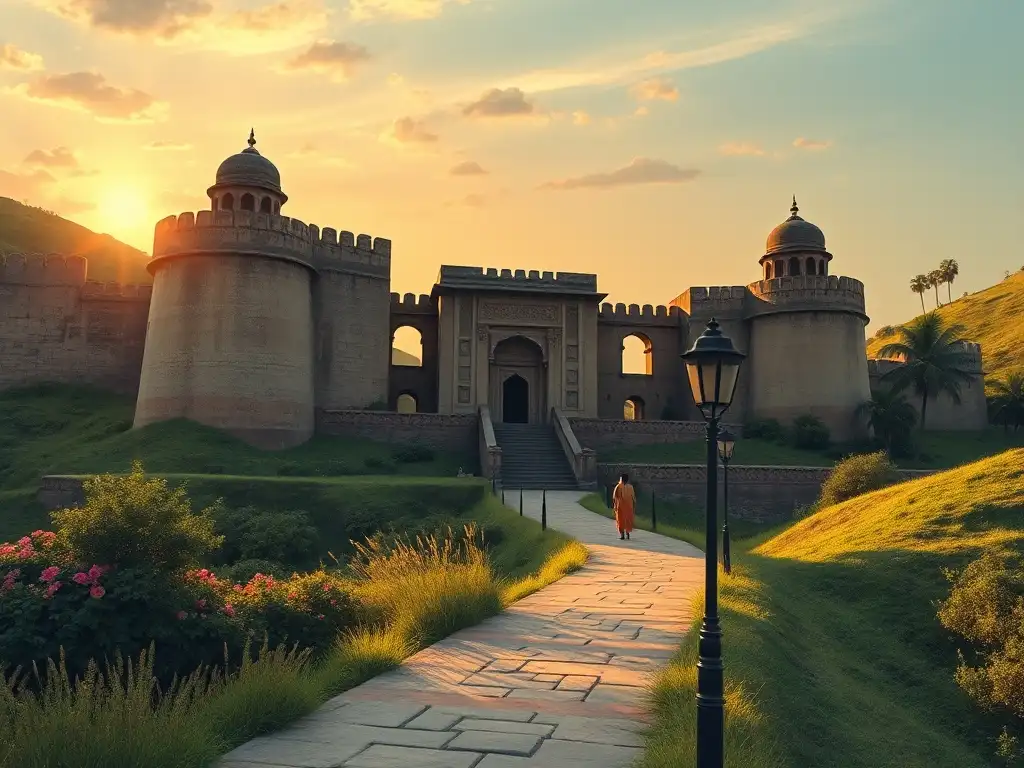
The forts of Southern India stand as monumental testaments to the region's rich history and cultural evolution. These architectural marvels, built over centuries, not only showcase the ingenuity of ancient Indian engineering but also serve as vital symbols of power, defense, and identity for the various kingdoms that once flourished in this region.
From the rugged hill forts of the Deccan Plateau to the coastal bastions overlooking the Arabian Sea, each fort tells a unique story of its time, reflecting the socio-political dynamics and cultural influences that shaped Southern India. Understanding the historical significance of southern Indian forts allows us to appreciate their role as guardians of heritage, preserving the legacy of ancient civilizations.
Overview of Southern India’s Historical Context
Southern India has a complex and diverse history characterized by the rise and fall of numerous dynasties, including the Cholas, Pandyas, Cheras, and Vijayanagara Empire. Each of these powers contributed to the architectural landscape, leaving behind a plethora of forts that served multiple purposes. These structures were not merely military installations; they were also cultural hubs that facilitated trade, governance, and the exchange of ideas. The historical context of these forts reveals the intricate interplay between regional politics, economic activities, and cultural exchanges that defined Southern India from antiquity to the early modern period.
Importance of Forts in Indian History
Forts have always played a pivotal role in Indian history, serving as defensive strongholds against invasions and as bastions of regional power. The strategic placement of these forts often determined the control of trade routes and agricultural lands, underscoring their importance in the socio-economic fabric of ancient India. Moreover, many forts became centers for administration and governance, reflecting the political hierarchies of their time. As custodians of heritage, these forts not only protect historical narratives but also symbolize the resilience and adaptability of Southern Indian civilizations through the ages.
The Role of Forts in Southern India
Forts in Southern India were multifaceted in their roles, contributing significantly to military strategy, political control, and economic prosperity.
Strategic Military Importance of Southern Indian Forts
The geographical diversity of Southern India, with its hills, forests, and coastal areas, made it essential for rulers to establish forts in strategic locations. These forts were designed to withstand attacks and provide safe havens for troops during conflicts. For instance, the Golkonda Fort, known for its advanced acoustic system, served as a formidable defense against adversaries while also facilitating efficient communication among military ranks. The strategic military importance of these forts cannot be overstated, as they were instrumental in safeguarding the territories against invasions from both indigenous and foreign forces.
Political Significance in Regional Control
Forts functioned as centers of political power and influence, serving as the seat of governance for various kingdoms. They were often the residence of kings and their courts, reflecting the political hierarchy and administrative functions of the time. The Mysore Palace, for example, was not just a royal residence but also a fortification that symbolized the authority of the Wadiyar dynasty. The political significance of these forts extended beyond mere governance; they were also crucial in asserting territorial claims and maintaining control over surrounding regions, thus playing a vital role in the political landscape of Southern India.
Economic Role in Trade and Commerce
Forts in Southern India were not just military or political centers; they also served important economic functions. Many forts were strategically located along trade routes, facilitating commerce and the exchange of goods. The Chitradurga Fort, with its extensive network of pathways and storied history, was not only a military stronghold but also a thriving center for trade, contributing significantly to the regional economy. The economic role of these forts highlights their contribution to the prosperity of Southern India, emphasizing their multifaceted importance throughout history.
Architectural Features of Southern Indian Forts
Southern Indian forts are remarkable not only for their historical significance but also for their unique architectural features, which reflect the diverse cultural influences and the skilled craftsmanship of the era. These forts often exhibit a blend of various styles, resulting in structures that are both functional and aesthetically pleasing.
Common architectural elements of these forts include massive stone walls, intricate carvings, and robust bastions that were designed for defense against invasions. The walls are typically constructed from locally sourced granite and often feature a series of strategic openings, such as loopholes and arrow slits, to allow defenders to protect the fort while minimizing exposure. Towers and watchtowers are also prominent, offering elevated viewpoints for surveillance.
Additionally, many forts incorporate elaborate gateways that serve as entrances, showcasing artistic designs and inscriptions. These gateways often lead to expansive courtyards, where various administrative and residential buildings are situated. The layout of these forts was meticulously planned to serve both military and residential purposes, signifying their dual roles as protective bastions and centers of governance.
Distinctive Architectural Styles
Each fort in Southern India boasts distinctive architectural styles that are indicative of the region's history and the dynasties that constructed them. For example, the forts built during the Vijayanagara Empire are characterized by their grandiose structures and intricate stone carvings that depict Hindu deities and mythological scenes. The use of corbelled arches and domes is a hallmark of this style, reflecting the influence of both indigenous and Islamic architectural traditions.
In contrast, forts constructed during the Nayak period often feature a combination of Dravidian and Indo-Islamic elements. The Nayak forts are known for their ornate pillars, elaborate sculptures, and vibrant frescoes that depict scenes from everyday life and mythology. This blend of styles not only showcases the creativity of the artisans but also reflects the cultural exchanges that took place during that period.
Furthermore, the coastal forts of Southern India, such as those in Kerala, exhibit a unique style influenced by maritime architecture. These forts often include features like rounded bastions, thick walls, and strategic placements along the coastline to defend against naval threats. The integration of local materials and techniques in their construction further highlights the diversity of architectural practices in the region.
Influence of Cultural and Religious Elements
Cultural and religious elements have played a significant role in shaping the architectural features of Southern Indian forts. Many forts are adorned with temples, shrines, and other structures that reflect the religious beliefs of the communities that inhabited them. For instance, within the fortifications of Vijayanagara, one can find intricate temples dedicated to Hindu deities, showcasing the empire's devotion to religion and its influence on architecture.
Additionally, the presence of motifs and symbols associated with local traditions can be seen in the decorative elements of these forts. Carvings of elephants, floral patterns, and geometric designs often adorn the walls and gateways, serving not only as decorative features but also as representations of the cultural identity of the region.
The forts also served as centers of cultural exchange, where trade and interaction brought together diverse communities. This melding of cultures is evident in the architectural styles and the incorporation of elements from various religions, including Hinduism, Islam, and Jainism, further enriching the heritage of these structures.
Preservation of Fort Architecture
Preserving the architectural integrity of Southern Indian forts has become increasingly important in recent years, as many of these historical sites face threats from urbanization, neglect, and environmental factors. Efforts to conserve these forts are driven by the recognition of their historical and cultural significance, as well as their potential to attract tourism.
Restoration projects have been initiated by both governmental and non-governmental organizations, focusing on the careful upkeep of stonework, the reinforcement of structural integrity, and the maintenance of the surrounding landscape. Techniques such as traditional stone masonry and the use of local materials are often employed to ensure that restoration efforts are in harmony with the original construction.
Moreover, educational programs aimed at raising awareness about the importance of heritage conservation have been implemented in local communities. These initiatives encourage residents to engage with their history and participate in preservation efforts, fostering a sense of pride in their cultural heritage.
Case Studies of Notable Southern Indian Forts
The Great Fort of Vijayanagara
The Great Fort of Vijayanagara, located near Hampi, is a prime example of the architectural brilliance of the Vijayanagara Empire. Built in the 14th century, this fort complex spans over 26 square kilometers and is known for its massive stone walls, intricate carvings, and a strategic layout that includes temples, palaces, and administrative buildings.
One of the most notable features of the fort is the iconic Virupaksha Temple, celebrated for its towering gopuram (ornate entrance tower) and exquisite sculptures. The fort's design reflects the empire's military prowess, as it was built to withstand invasions while simultaneously serving as a center of culture and commerce. Today, the ruins of Vijayanagara are a UNESCO World Heritage Site, attracting historians and tourists alike.
The Historic Fort of Gingee
The Fort of Gingee, often referred to as the "Troy of India," is renowned for its strategic location and impressive fortifications. Constructed in the late 9th century, it features a series of forts positioned on three hills, offering panoramic views of the surrounding landscape. The fort's architecture is a blend of Dravidian, Islamic, and Maratha styles, showcasing the diverse influences that shaped its design.
Gingee Fort is particularly notable for its elaborate rock-cut temples, massive walls, and intricate gateways that reflect the craftsmanship of the artisans of its time. The fort also played a significant role in the various battles fought in the region, serving as a stronghold for different dynasties, including the Cholas, Nayaks, and Marathas. Today, it stands as a testament to Southern India's rich history and military legacy.
The Coastal Forts of Kerala
The coastal forts of Kerala, such as Fort Kochi and Bekal Fort, are distinguished by their picturesque locations and unique architectural features. Built primarily during the colonial period, these forts showcase a blend of indigenous and European architectural styles. Bekal Fort, for instance, is characterized by its massive laterite walls and strategic positioning along the Arabian Sea, serving as a bastion against maritime invasions.
Fort Kochi, on the other hand, reflects the influences of Portuguese, Dutch, and British colonial architecture, with its charming streets, historic churches, and warehouses. The coastal forts not only served as military outposts but also facilitated trade and cultural exchange along the spice route. Today, they are popular tourist destinations, celebrating the rich maritime history of Kerala while preserving the architectural heritage of the region.
The Cultural Heritage Associated with Forts
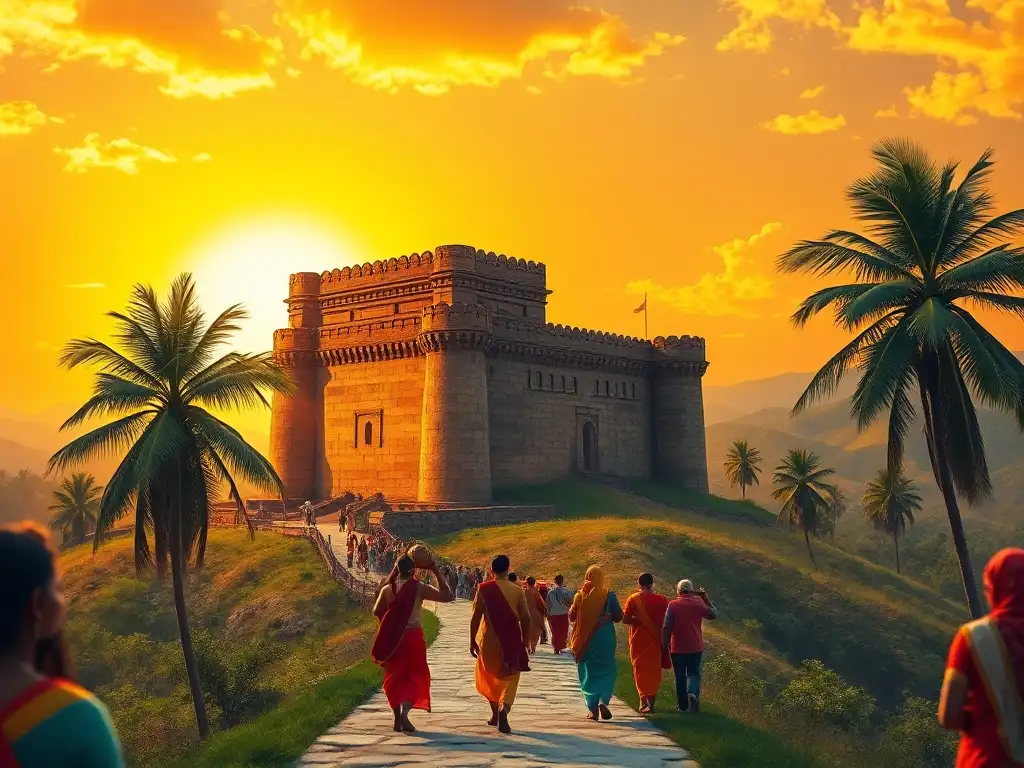
Forts in Southern India are not merely military structures; they are embodiments of the region's rich cultural heritage. These majestic edifices bear witness to the architectural prowess, strategic acumen, and artistic expression of the civilizations that built them. From the intricate carvings and frescoes adorning their walls to the layout of their defensive mechanisms, forts reflect the diverse cultural influences that shaped Southern India over centuries.
The architectural styles of these forts vary significantly, often showcasing a blend of indigenous techniques with influences from various dynasties, including the Cholas, Pandyas, and Vijayanagara Empire. Each fort tells a unique story through its design, serving as a canvas that displays the craftsmanship of local artisans. As such, they are not only historical monuments but also repositories of the region's artistic and cultural narratives, contributing to a collective identity that resonates with the people of Southern India.
Festivals and Traditions Celebrated in Forts
Many Southern Indian forts serve as vibrant venues for local festivals and traditions, reinforcing their role as cultural hubs. Events like Pongal, Makar Sankranti, and Diwali are often celebrated within these historical sites, drawing visitors from far and wide. During these festivals, the forts come alive with colorful decorations, traditional music, and folk dances, thus preserving and promoting local customs.
Additionally, some forts host annual cultural events that highlight traditional arts, crafts, and culinary heritage. For instance, the Karnataka Rajyotsava is celebrated at various forts, showcasing local heritage through performances, exhibitions, and competitions. These celebrations not only foster community spirit but also enhance the historical significance of the forts as active participants in the living cultural practices of Southern India.
Folklore and Legends Surrounding Southern Indian Forts
An integral aspect of the historical significance of Southern Indian forts is the rich tapestry of folklore and legends that surround them. Many forts are steeped in stories of valor, romance, and intrigue, often passed down through generations. These narratives not only add a mystical aura to the forts but also serve to instill a sense of pride and identity among local communities.
For example, the Golconda Fort is associated with tales of the Qutb Shahi dynasty and their legendary treasures, while the Mysore Palace is linked to the valorous exploits of the Wadiyar dynasty. Such stories capture the imagination of visitors, making the forts not just historical sites but also living narratives that connect people to their past.
Challenges to the Preservation of Southern Indian Forts
Despite their historical significance, Southern Indian forts face numerous challenges that threaten their preservation. Addressing these issues is crucial to safeguarding these cultural treasures for future generations.
Environmental Threats to Fort Structures
Natural elements pose significant risks to the integrity of fort structures. Weathering, erosion, and biological growth, such as moss and lichen, can deteriorate stone and plaster, compromising the structural stability of these ancient edifices. Additionally, climate change has led to unpredictable weather patterns, intensifying the effects of rainfall and temperature fluctuations on these historic sites.
Efforts to combat these environmental threats require careful monitoring and innovative conservation techniques that respect the original materials and craftsmanship of the forts.
Urbanization and Its Impact on Heritage Sites
Rapid urbanization is another major challenge faced by Southern Indian forts. As cities expand, many historic sites are engulfed by modern development, leading to encroachment and degradation of the fort's surroundings. This urban sprawl often results in the loss of historical context, diminishing the cultural landscape that these forts once dominated.
Moreover, increased tourism in urbanized areas can strain resources and infrastructure, making it difficult to balance the needs of modern development with the preservation of heritage sites. Effective urban planning and community engagement are essential in mitigating these impacts and ensuring that historical significance is not lost amidst urban growth.
Efforts for Restoration and Conservation
In response to these challenges, various organizations and government bodies have initiated restoration and conservation efforts aimed at preserving Southern Indian forts. These initiatives often involve detailed assessments of structural integrity, followed by targeted restoration projects that utilize traditional materials and techniques to maintain authenticity.
Community involvement plays a crucial role in these conservation efforts. Local populations are encouraged to participate in preservation activities, fostering a sense of ownership and pride in their heritage. Educational programs and awareness campaigns are also essential in promoting the importance of forts as cultural landmarks, ensuring their legacy is appreciated by future generations.
Through collaborative efforts, it is possible to safeguard the historical significance of Southern Indian forts, ensuring that they continue to stand as guardians of heritage for years to come.
Conclusion: The Lasting Legacy of Southern Indian Forts
The forts of Southern India stand as monumental testaments to the region's rich historical tapestry. They not only served as military strongholds but also as centers of administration, trade, and culture. Each fort tells a unique story of the dynasties that built them, the battles fought within their walls, and the architectural innovations that emerged from their construction. As custodians of heritage, these forts enable us to connect with the past, offering insights into the socio-political dynamics of ancient Indian civilizations. Their preservation is vital not only for historical understanding but also for fostering regional pride and identity.
Summary of Historical Significance
The historical significance of southern Indian forts can be categorized into several key aspects:
- Military Defense: Many forts were strategically located to guard trade routes and resources, serving as crucial defensive structures against invasions.
- Cultural Centers: They often became hubs of cultural exchange, showcasing the architectural styles and artistic expressions of the time.
- Administrative Hubs: Forts frequently housed royal courts and administrative offices, playing a vital role in governance.
- Symbol of Power: They represented the might of the ruling dynasties, with their grandeur and fortifications reflecting the wealth and influence of their patrons.
These elements collectively contribute to the understanding of historical narratives in Southern India, making these forts invaluable to the region's heritage.
The Future of Fort Preservation in Southern India
As we move forward, the future of fort preservation in Southern India faces both challenges and opportunities. Urbanization and neglect pose significant risks to many historical sites. However, increased awareness of their cultural importance and the rise of heritage tourism are promising signs for preservation efforts. Collaboration between government agencies, local communities, and heritage organizations is essential to implement effective conservation strategies. Embracing modern technology, such as digital documentation and virtual tours, can also play a pivotal role in fostering appreciation for these historical sites among younger generations.
Call to Action
To safeguard the heritage represented by the forts of Southern India, active engagement from the public and stakeholders is crucial.
Encouraging Heritage Tourism in Southern India
Heritage tourism presents a unique opportunity to promote the historical significance of southern Indian forts. By raising awareness and encouraging visits, we can contribute to the local economy while fostering a deeper appreciation for our cultural roots. Tourists can explore guided tours that highlight not only the architecture but also the stories behind each fort, making history accessible and engaging.
Supporting Conservation Efforts for Southern Indian Forts
Support for conservation efforts is vital to ensure that these historical structures endure for future generations. Individuals and organizations can contribute through volunteer work, donations, or by participating in awareness campaigns. Engaging in community-driven initiatives can help maintain these sites and promote educational programs that emphasize their importance. By taking action, we not only preserve our past but also enrich our present and future cultural landscape.
- Introduction to Southern Indian Forts
- The Role of Forts in Southern India
- Architectural Features of Southern Indian Forts
- Case Studies of Notable Southern Indian Forts
- The Cultural Heritage Associated with Forts
- Challenges to the Preservation of Southern Indian Forts
- Conclusion: The Lasting Legacy of Southern Indian Forts
- Call to Action
- What is the historical significance of southern Indian forts?
- Which dynasties were prominent in building these forts?
- How did the architecture of southern Indian forts reflect their cultural heritage?
- What role did these forts play in regional defense?
- Are there any famous forts in Southern India that embody this historical significance?
Frequently Asked Questions
What is the historical significance of southern Indian forts?
Southern Indian forts are crucial for understanding the military strategies, architectural advancements, and cultural exchanges of the region, showcasing the heritage of ancient Indian civilizations.
Which dynasties were prominent in building these forts?
Forts in Southern India were primarily constructed by the Cholas, Pandyas, Hoysalas, and Vijayanagara Empire, reflecting their political power and artistic achievements during their reigns.
How did the architecture of southern Indian forts reflect their cultural heritage?
The architecture of these forts incorporates intricate carvings, temple designs, and defensive structures, representing the unique blend of art and functionality typical of Southern Indian culture.
What role did these forts play in regional defense?
These forts served as strategic military outposts, protecting against invasions and maintaining regional stability, while also acting as centers for administration and trade.
Are there any famous forts in Southern India that embody this historical significance?
Yes, forts like Mysore Fort, Golconda Fort, and Chittorgarh Fort exemplify the historical significance of southern Indian forts, showcasing their architectural grandeur and cultural narratives.
Final Reflection: The Enduring Legacy of Southern Indian Forts
The historical significance of southern Indian forts is not merely a relic of the past; it serves as a powerful reminder of the cultural resilience and architectural ingenuity that shaped the region. These forts stand as monumental testaments to the rich tapestry of history, reflecting the socio-political dynamics and the artistic expressions of their time. Today, as we navigate a rapidly changing world, the lessons embedded within these ancient walls resonate more than ever, urging us to appreciate and preserve our heritage.
The forts of Southern India have profoundly influenced our cultural landscape, acting as symbols of identity and pride for generations. Their stories continue to inspire artists, historians, and travelers alike, fostering a deeper connection to our roots. As the renowned historian Romila Thapar once said, History is not just about the past; it is about understanding the present and shaping the future.
This perspective invites us to recognize the ongoing relevance of these forts, not just as historical sites but as living narratives that contribute to our collective identity.
As we reflect on the historical significance of southern Indian forts, let us embrace the call to action: to explore, understand, and advocate for the preservation of our heritage. Each visit to these forts is an opportunity to connect with our history and to honor the stories they hold. I encourage you to delve deeper into the narratives of these majestic structures, share their significance with others, and become active stewards of our cultural legacy. By doing so, we ensure that the guardians of our heritage continue to inspire future generations.
Unveil the Legacy: Take Action Today!
Thank you for taking the time to explore the rich history of forts in Southern India! Your curiosity not only enriches your knowledge but also honors the guardians of our heritage. Now, let's transform that knowledge into action with a few simple steps:
- Dive Deeper: Visit a local historical fort to experience its grandeur and uncover the stories behind its walls – each brick has a tale to tell!
- Share Your Insights: Engage with your friends and followers on social media to discuss your discoveries and connect with communities passionate about history. Your voice can inspire others to appreciate our cultural treasures.
- Join a Heritage Walk: Participate in or organize a guided tour of historical sites to explore the significance of these forts firsthand. Engaging with others can spark deeper conversations and forge meaningful connections.
What aspect of fort history fascinates you the most, and how would you like to connect with that part of our heritage?