
The Influence of Islamic Rule in Southern India: A Complex Historical Narrative

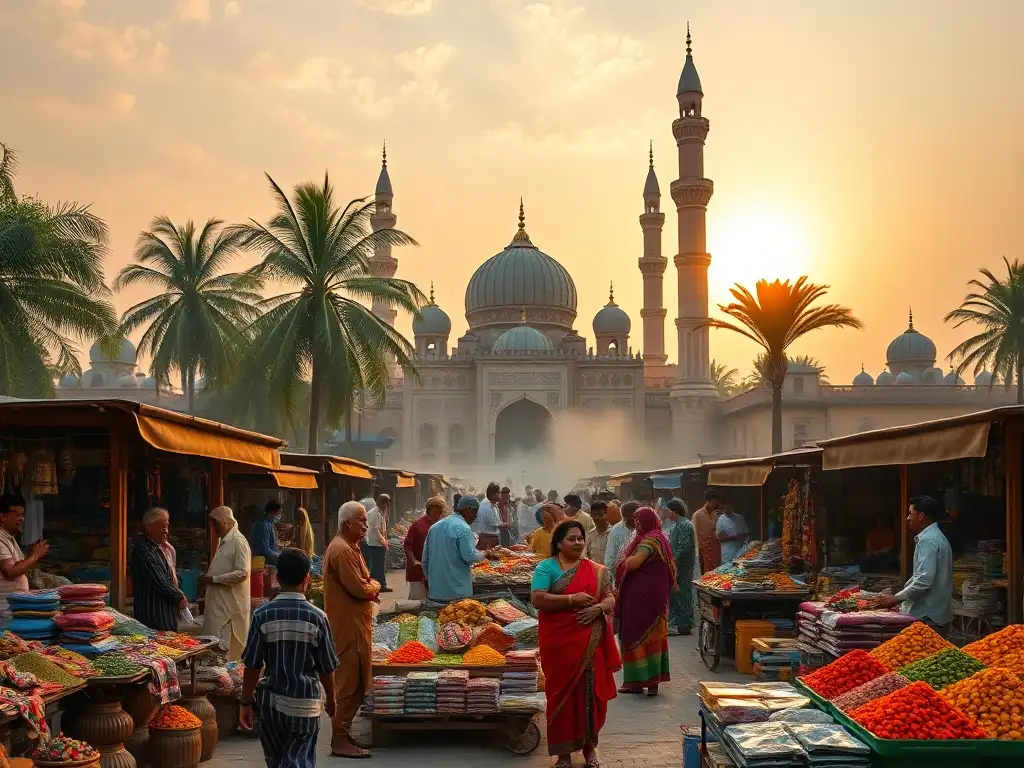
Welcome to Ancient India History, where we embark on a fascinating journey through the rich tapestry of ancient Indian civilizations. In this exploration, we delve into the complex historical narrative of Islamic influence in Southern India, revealing how the confluence of cultures, traditions, and innovations has shaped the region's identity. As you navigate through our insights, you'll uncover the intricate layers that define this pivotal era—an invitation to explore the past that still resonates today. Are you ready to connect the dots of history and discover the profound impacts that continue to echo through Southern India? Let’s dive in!
Introduction to Islamic Influence in Southern India
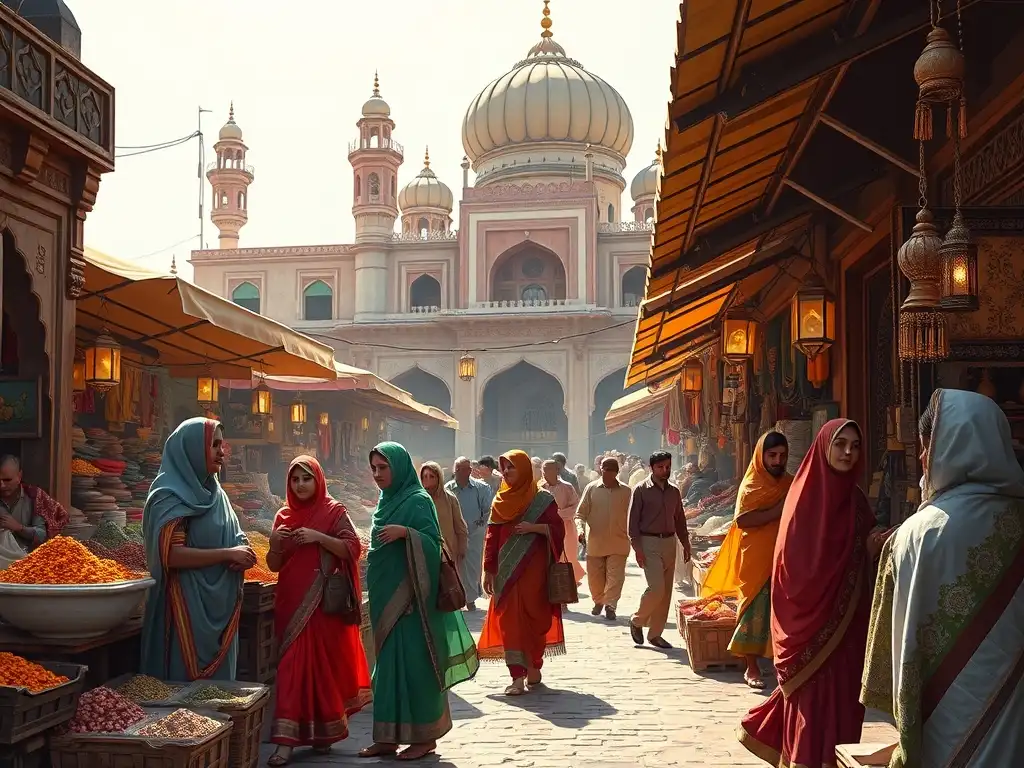
The history of Southern India is a tapestry woven with threads of various cultures, religions, and political entities. Among these, the Islamic influence in Southern India stands out as a significant chapter that reshaped the region's social, cultural, and political landscape. From the early interactions between traders and scholars to the establishment of powerful Sultanates and the intricate relationships formed with local dynasties, Islamic rule left an indelible mark on Southern Indian history. This article aims to explore the multifaceted dimensions of this influence, examining its origins, developments, and lasting impacts on the region.
Overview of Islamic Rule in Southern India
Islamic rule in Southern India can be traced back to the 13th century, marked by the establishment of various Sultanates, including the Delhi Sultanate's southern expeditions and the Bahmani Sultanate. These rulers brought with them new administrative practices, architectural styles, and cultural norms that blended with existing traditions. The Deccan plateau became a melting pot of diverse influences, leading to the emergence of unique art forms, cuisine, and languages that reflected this confluence.
- Key Sultanates:
- Bahmani Sultanate (1347–1527)
- Vijayanagara Empire (1336–1646) - Initially resisted Islamic influence but later incorporated elements.
- Golconda Sultanate (1518–1687)
- Hyderabad State (1724–1948) - A significant culmination of Islamic governance in the region.
Significance of the Topic in Ancient Indian History
Understanding the Islamic influence in Southern India is crucial for several reasons. Firstly, it provides insights into how the region adapted to and integrated foreign cultures while maintaining its indigenous identity. Secondly, it sheds light on the power dynamics of the time, illustrating how Islamic rulers interacted with local kingdoms, often resulting in both conflict and cooperation. Lastly, this narrative is essential for appreciating the rich cultural heritage of Southern India today, where Islamic architectural marvels, literature, and culinary traditions continue to thrive.
Historical Context of Islamic Influence
To fully grasp the extent and impact of Islamic rule in Southern India, it is essential to delve into the historical context that laid the groundwork for this transformation.
Pre-Islamic Societies in Southern India
Before the advent of Islam, Southern India was characterized by flourishing kingdoms such as the Cholas, Pandyas, and Cheras. These dynasties contributed significantly to art, literature, and trade. The region was also known for its diverse religious practices, including Hinduism, Buddhism, and Jainism. The socio-political landscape was vibrant, with extensive trade networks connecting Southern India to the Middle East and Southeast Asia, laying the groundwork for future cultural exchanges.
The Arrival of Islam in Southern India
Islam was introduced to Southern India through various channels, including Arab traders who frequented the coastal regions. By the 7th century, these traders established settlements and began to spread Islamic teachings, particularly along the Malabar Coast. The Kerala region became a significant hub for Islamic scholarship and trade, with the establishment of the Mappila community, which played a crucial role in the dissemination of Islamic culture in the region.
Key Historical Events Leading to Islamic Rule
Several pivotal events marked the transition from local kingdoms to Islamic rule in Southern India:
- The invasion of Malik Kafur (1311) during the reign of Alauddin Khilji, which opened the gates for further incursions.
- The establishment of the Bahmani Sultanate (1347), which was a direct response to the fragmentation of power in the region and marked the beginning of sustained Islamic governance.
- The Battle of Talikota (1565), where the combined forces of the Deccan Sultanates defeated the Vijayanagara Empire, significantly altering the balance of power in Southern India.
These events set the stage for the complex interactions between Islamic rulers and the diverse communities of Southern India, shaping the region's historical trajectory for centuries to come.
Major Dynasties and Their Contributions
The history of Islamic rule in Southern India is marked by the rise of several significant dynasties that played pivotal roles in shaping the region's socio-political landscape. These dynasties not only established military and administrative frameworks but also contributed to the cultural and economic development of Southern India. Each dynasty brought its unique influence, resulting in a rich tapestry of cultural syncretism that still resonates today.
The Delhi Sultanate's Role in Southern India
The Delhi Sultanate, established in the early 13th century, was instrumental in extending Islamic influence into Southern India. Though primarily centered in North India, its rulers sought to expand their dominion southward, leading to military campaigns that brought various Southern kingdoms under their control. The most notable of these campaigns was led by Alauddin Khilji in the early 14th century.
The Sultanate's influence in Southern India was characterized by the introduction of new administrative systems and military strategies. The establishment of local governors or 'subedars' facilitated the integration of Southern territories into the Sultanate's administrative framework. Furthermore, the imposition of Islamic laws and taxation systems altered the existing social dynamics, contributing to the gradual acceptance of Islamic culture among the local populace.
The Bahmani Sultanate: A Cultural Melting Pot
The Bahmani Sultanate, founded in the 14th century, emerged as a prominent Islamic power in Southern India, covering parts of present-day Karnataka, Maharashtra, and Telangana. This dynasty is particularly notable for its cultural patronage, leading to a flourishing of the arts and architecture. The Bahmani rulers embraced a policy of inclusivity, promoting a blend of Persian, Indian, and local traditions.
The capital city of Gulbarga and later Bidar became centers of learning and culture, attracting scholars, poets, and artists. The Bahmani Sultanate's architecture is characterized by its unique style, which combined Indo-Islamic elements, evident in structures like the Gulbarga Fort and the tombs of the Bahmani kings. This blending of cultures laid the groundwork for future dynasties and contributed significantly to the region's historical narrative.
The Deccan Sultanates and Their Influence
Following the decline of the Bahmani Sultanate in the late 15th century, the Deccan Sultanates emerged as independent states, namely Bijapur, Golkonda, Ahmednagar, and Bidar. Each of these Sultanates contributed to the region's Islamic influences through military conquests, trade expansion, and cultural patronage.
The Deccan Sultanates were known for their architectural innovations, including the development of intricate palaces and forts. They also played a critical role in the establishment of regional trade networks that facilitated cultural exchanges with other parts of India and beyond. The promotion of Persian literature and the establishment of courts filled with artists and intellectuals further enriched the cultural landscape of Southern India during this period.
Cultural Syncretism: The Fusion of Traditions
The Islamic rule in Southern India led to significant cultural syncretism, where diverse traditions intertwined to create unique social practices, art forms, and religious expressions. This fusion was not merely a result of conquest but was fostered through trade, intermarriage, and mutual respect among different communities.
Architectural Contributions of Islamic Rule
The architectural legacy of Islamic rule in Southern India is a testament to the syncretic nature of its cultural influences. Structures built during this period exhibit a harmonious blend of Hindu and Islamic architectural styles. Notable examples include the Gol Gumbaz in Bijapur, which boasts one of the largest domes in the world, and the Charminar in Hyderabad, a symbol of the city's rich history.
Islamic architecture in Southern India is characterized by ornate decorations, intricate carvings, and expansive courtyards, often serving both religious and administrative purposes. The use of local materials and techniques alongside Islamic principles of design resulted in a distinctive architectural style that continues to be celebrated today.
Literature and Art: A Blend of Cultures
The period of Islamic rule saw a flourishing of literature and art that was profoundly influenced by both Islamic and indigenous traditions. Persian became the language of administration and high culture, leading to the creation of a vast body of literature, including poetry and prose that reflected the socio-cultural milieu of the time.
In the realm of visual arts, the Deccan Sultanates are particularly known for their miniature paintings, which often depicted court scenes, battles, and religious themes. These artworks combined Persian artistic techniques with local styles, resulting in a unique genre that is highly regarded in the history of Indian art.
The Impact on Local Languages and Dialects
Islamic rule significantly impacted the linguistic landscape of Southern India. The introduction of Persian and Arabic into the region led to the development of various hybrid languages and dialects. Urdu, which emerged as a result of cultural exchanges between Persian speakers and local populations, became a prominent language in Southern India.
Additionally, the influence of Arabic and Persian vocabulary enriched regional languages such as Kannada, Telugu, and Tamil. This linguistic intermingling facilitated communication among diverse communities and fostered a sense of shared cultural identity, further deepening the roots of Islamic influence in Southern India.
Religious Dynamics During Islamic Rule
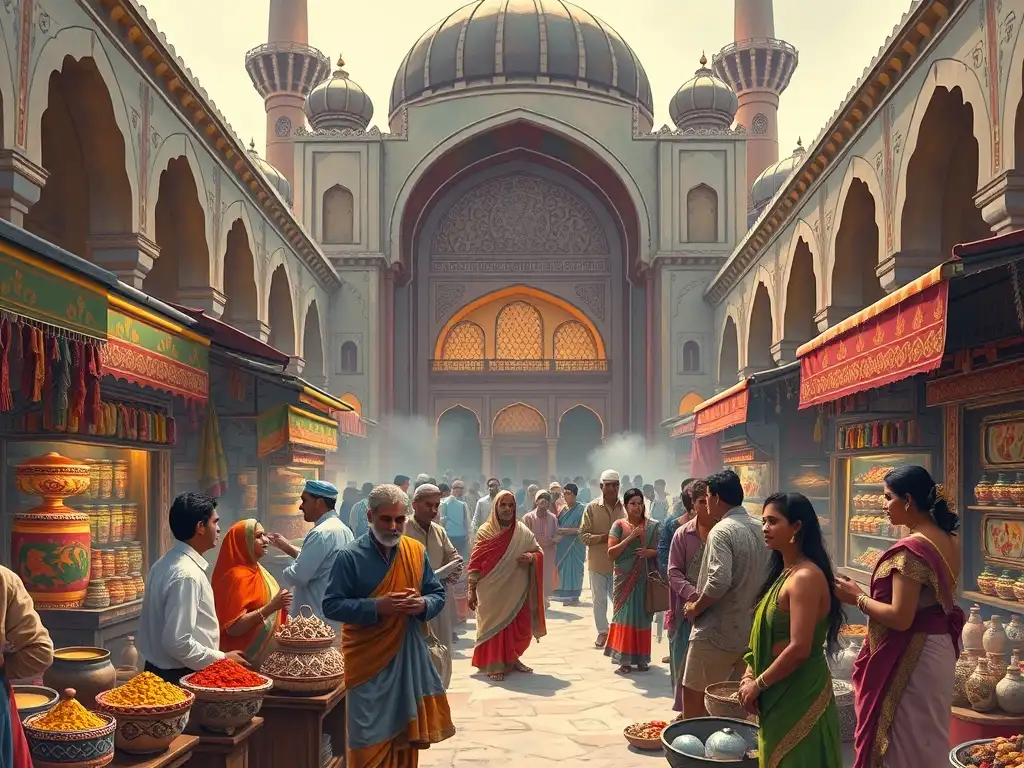
The period of Islamic rule in Southern India marked profound transformations in the religious landscape of the region. The arrival of Islam introduced new beliefs and practices that interacted dynamically with the existing Hindu traditions. This interaction led to a complex tapestry of religious syncretism, where elements of both faiths influenced and enriched each other. The Islamic rulers, particularly during the Sultanate and later the Mughal period, played a significant role in shaping religious dynamics through policies that encouraged both coexistence and conflict.
The Spread of Islam and Conversion Movements
Islam began to spread in Southern India through various means, including trade, military conquests, and the efforts of missionaries. Coastal cities like Calicut and Cochin became important centers for Islamic merchants, facilitating cultural exchanges. The conversion movements were particularly notable during the 14th to 17th centuries when several Sufi orders actively engaged with local populations, promoting Islam through their teachings and community services.
Noteworthy is the role of local rulers who embraced Islam, often for political reasons, leading to increased interest among their subjects. This period saw the emergence of significant converts, particularly among lower castes, who found in Islam a more egalitarian social structure compared to the rigid caste hierarchy of Hinduism.
Interactions Between Hinduism and Islam
The interactions between Hinduism and Islam in Southern India were marked by both conflict and collaboration. While there were instances of tension, particularly during periods of military confrontation, many local communities developed a unique syncretic culture. Temples and mosques often coexisted, and festivals from both religions were celebrated together.
The architectural landscape also reflects this blend, with structures like the Ibrahim Rauza in Bijapur showcasing Islamic aesthetics while incorporating local styles. Additionally, literary works from this era, such as the poems of the Persian poet Amir Khusro, reveal a confluence of cultural elements, highlighting the shared heritage that emerged from these interactions.
The Role of Sufi Saints in Southern India
Sufi saints played a pivotal role in promoting Islamic values and fostering communal harmony in Southern India. Their teachings emphasized love, tolerance, and devotion, transcending religious boundaries. Sufi shrines became important pilgrimage sites for both Muslims and Hindus, symbolizing the spirit of coexistence.
Famous Sufi figures, such as Khwaja Bande Nawaz and Shah Jahan's spiritual mentor, had a considerable influence on local populations, often attracting followers from diverse backgrounds. Their emphasis on personal spirituality and direct connection to the divine appealed to many, facilitating the spread of Islam in a manner that was often peaceful and inclusive.
Economic Changes Under Islamic Rule
The arrival of Islamic rule in Southern India brought significant economic changes. The integration of new trade routes and agricultural practices revitalized the region's economy, leading to increased prosperity and urban development. The Islamic administration introduced various reforms that enhanced trade, agriculture, and urban planning.
Trade Routes and Economic Development
Islamic rule opened up new trade routes that connected Southern India with the broader Indian Ocean trade network. The flourishing trade in spices, textiles, and precious stones attracted merchants from various parts of the world, including the Middle East and Southeast Asia. The establishment of markets and trade fairs under Islamic patronage facilitated commercial growth.
Cities like Madurai, Thanjavur, and Hyderabad became important trade hubs, benefiting from the influx of wealth and cultural exchanges. The development of a sophisticated banking system, including the use of credit instruments like hundis, further stimulated economic activity and trade.
Agricultural Practices and Technological Innovations
Islamic rulers introduced advanced agricultural techniques and irrigation systems, which significantly boosted agricultural productivity. The introduction of new crops such as sugarcane and various fruits diversified the agricultural landscape of Southern India.
Technological innovations, including improved plow designs and water management practices, transformed farming. The establishment of agricultural colleges and the encouragement of scientific inquiry during this time led to a more efficient agricultural economy, benefiting both the rulers and the peasantry.
Urbanization and the Growth of Cities
The economic prosperity during Islamic rule facilitated rapid urbanization in Southern India. Cities expanded both in size and complexity, with the establishment of new administrative and commercial centers. The influx of population into urban areas led to the development of infrastructure, including roads, markets, and public buildings.
Key cities such as Vijayanagara and Hyderabad became vibrant cultural and economic centers, showcasing a blend of Islamic and local architectural styles. The growth of urban centers not only contributed to economic development but also fostered a rich cultural exchange, making Southern India a melting pot of diverse influences during this period.
Challenges and Conflicts During Islamic Rule
The Islamic rule in Southern India, spanning several centuries, was marked by a series of challenges and conflicts that shaped the socio-political landscape of the region. These conflicts arose from a combination of resistance from local rulers, the dynamics of power struggles, and the influence of colonial powers that further complicated the historical narrative. Understanding these challenges is crucial for comprehending the complexities of Islamic influence in Southern India.
Resistance from Local Rulers
Local rulers in Southern India often resisted Islamic incursions, striving to maintain their sovereignty and cultural identity. Notable kingdoms such as the Cholas, Pandyas, and Hoysalas utilized military strategies and alliances to repel Islamic forces. For instance, the Battle of Koppam (circa 12th century) saw the Hoysala king, Vira Ballala II, successfully resisting the invasions led by the Delhi Sultanate. This resistance was not merely military; it also involved cultural and religious reaffirmation as local leaders sought to reinforce Hindu traditions and practices in the face of Islamic influence.
In many cases, the local rulers formed coalitions with other Hindu kingdoms or even sought alliances with the Islamic states to counter common threats, illustrating the intricate political landscape of the time. Such resistance played a significant role in shaping the subsequent interactions between Islamic and local cultures.
Major Battles and Conflicts
Several major battles defined the struggle between Islamic forces and Southern Indian kingdoms, each leaving a mark on the region's history. Among these, the Battle of Talikota in 1565 stands out as a pivotal conflict where the Deccan Sultanates united against the powerful Vijayanagara Empire. The defeat of Vijayanagara not only led to the collapse of a major Hindu kingdom but also ushered in a period of increased Islamic dominance in the Deccan region.
Another significant conflict was the Siege of Madurai in 1310, where the forces of Allaudin Khilji sought to expand their territory into Southern India. The siege highlighted the efforts of local rulers to defend their lands and the shifting power dynamics during this period. These battles were instrumental in transforming the political landscape, leading to the establishment of various Sultanates and the eventual integration of Islamic culture into the region.
The Role of Colonial Powers in the Region
The arrival of European colonial powers in the late 15th century further complicated the Islamic influence in Southern India. The Portuguese, Dutch, and later the British engaged in both trade and military confrontations, often exploiting the existing rivalries between Islamic rulers and local kingdoms. For example, the British East India Company capitalized on the weakened states following the decline of the Mughal Empire and the fragmentation of the Deccan Sultanates.
The colonial powers not only influenced political allegiances but also played a role in shaping the cultural exchanges between the Islamic and Hindu communities. The legacy of Islamic rule was thus further intertwined with the colonial narrative, creating a complex historical tapestry that continues to influence the region today.
Legacy of Islamic Influence in Southern India
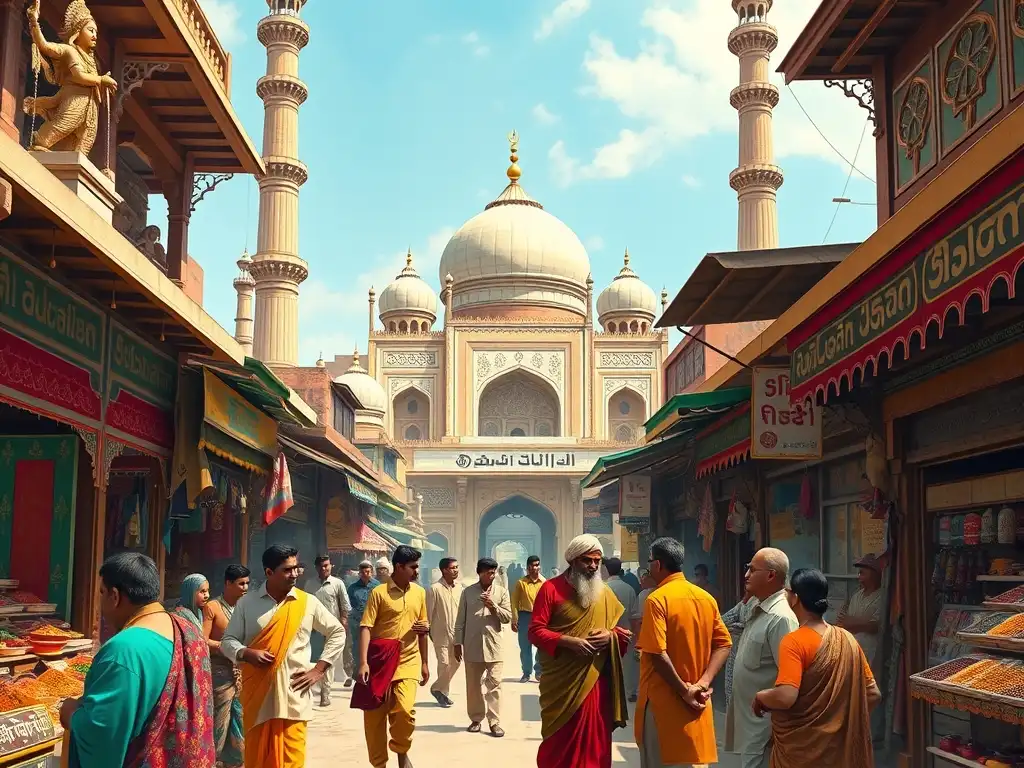
The legacy of Islamic influence in Southern India is profound and multifaceted, impacting various aspects of society, culture, and architecture. This influence can be observed in the arts, cuisine, language, and religious practices that have evolved over centuries, creating a unique cultural synthesis.
Lasting Impacts on Society and Culture
Islamic rule introduced new cultural elements that blended with existing traditions in Southern India. Architectural marvels such as the Gol Gumbaz and Bijapur Fort reflect a unique Indo-Islamic architectural style that emerged from this interaction. Similarly, the introduction of Persian literature and language enriched the local vernaculars, leading to the development of languages like Urdu and Deccani.
Culinary traditions also saw significant changes, with the introduction of spices, cooking techniques, and dishes that blended Islamic and local flavors. The famous Hyderabadi Biryani is a prime example of this culinary fusion, showcasing how Islamic influence has permeated daily life in Southern India.
Modern-Day Reflections of Islamic Heritage
Today, the Islamic heritage in Southern India is visible in numerous festivals, traditions, and architectural sites. Cities like Hyderabad and Mysore are home to a rich array of Islamic structures, including mosques, palaces, and tombs, which attract both tourists and scholars. Additionally, the practice of celebrating festivals such as Eid alongside Diwali reflects the harmonious coexistence and intermingling of cultures that characterize the region.
The arts continue to flourish, with traditional music and dance forms often incorporating elements from Islamic and Hindu traditions, further demonstrating the enduring impact of this historical narrative.
The Importance of Understanding This Historical Narrative
Understanding the Islamic influence in Southern India is vital for a comprehensive view of the region's history. This narrative highlights the complexities of cultural exchanges and the evolution of societal norms that emerged from centuries of interaction. By studying this period, we gain insights into how these influences have shaped contemporary Southern Indian identity and continue to inform the socio-political landscape.
In the modern context, recognizing the shared heritage can foster greater communal harmony and appreciation for the rich tapestry of cultures that exist in Southern India. As such, the historical narrative of Islamic influence is not merely a recount of past events but a crucial component in understanding the present and envisioning a more inclusive future.
Conclusion: The Complexity of Islamic Influence in Southern India
The Islamic influence in Southern India is a multifaceted narrative that encompasses a rich tapestry of cultural, political, and social developments. From the initial incursions of Muslim traders in the early medieval period to the establishment of powerful Sultanates and the subsequent Mughal influence, the Islamic presence in this region has significantly shaped its historical trajectory. This influence is not merely a result of conquest but rather a complex interplay of interactions, adaptations, and integrations between diverse communities.
As we reflect on the layers of Islamic influence, it becomes evident that it has contributed to the evolution of Southern Indian art, architecture, language, and even cuisine. The fusion of Islamic and indigenous traditions has led to unique cultural expressions, making Southern India a vibrant mosaic of heritage that continues to thrive today. This complexity challenges the simplistic notion of domination and emphasizes the need to appreciate the nuanced relationships forged over centuries.
Summary of Key Points
- Cultural Synthesis: The blending of Islamic and indigenous cultures led to distinctive art forms, architectural styles, and culinary traditions in Southern India.
- Political Landscape: The establishment of various Sultanates, such as the Bahmani and Vijayanagara empires, showcased the dynamic political landscape influenced by Islamic governance and administration.
- Economic Impact: Islamic rule facilitated trade networks that connected Southern India to broader global markets, enhancing economic prosperity.
- Religious Interactions: The coexistence and sometimes conflict between Hindu and Muslim communities fostered a complex religious landscape that continues to influence communal relations today.
The Importance of Historical Context in Modern Perspectives
Understanding the Islamic influence in Southern India requires a nuanced appreciation of historical context. Modern interpretations often reflect contemporary socio-political realities, which can lead to skewed perceptions of the past. Recognizing the diverse experiences of various communities during the Islamic period allows for a more balanced view of history.
Moreover, acknowledging the contributions of Islamic culture to Southern India enriches our understanding of its heritage. This historical awareness can foster dialogue and promote communal harmony in a region marked by diversity. By studying the past with a critical lens, we can better navigate the complexities of present-day identities and relationships among different cultural groups.
Further Reading on Islamic Influence in Southern India
Recommended Books and Articles
- "Muslim Rule in Medieval India" by K.A. Nizami - A comprehensive analysis of the political and cultural dynamics during the Muslim rule in India.
- "A History of South India" by K. A. Nilakanta Sastri - This book provides an overview of the historical developments in Southern India, including the impact of Islamic rule.
- "Islamic Architecture in Southern India" by R. S. Sharma - An exploration of the architectural legacy left by Islamic rulers in Southern India.
- "Cultural Interactions in Medieval India: The Case of the Deccan": by Inam Ahmed - This article delves into the cultural exchanges between Islamic and indigenous traditions in the Deccan region.
Notable Museums and Historical Sites to Explore
- The Salar Jung Museum, Hyderabad: Home to an extensive collection of artifacts showcasing the rich cultural heritage influenced by Islamic art and architecture.
- Gol Gumbaz, Bijapur: An architectural marvel, this mausoleum is a testament to the grandeur of the Adil Shahi dynasty and Islamic architectural ingenuity.
- Hampi: The ruins of this UNESCO World Heritage site reflect the cultural synthesis during the Vijayanagara Empire, with significant Islamic architectural influences.
- The Qutb Shahi Tombs, Hyderabad: A complex of tombs that highlights the unique architectural styles of the Qutb Shahi dynasty, blending Persian and Indian elements.
These resources and sites provide valuable insights into the rich legacy of Islamic influence in Southern India, inviting further exploration and understanding of this complex historical narrative.
- Introduction to Islamic Influence in Southern India
- Historical Context of Islamic Influence
- Major Dynasties and Their Contributions
- Cultural Syncretism: The Fusion of Traditions
- Religious Dynamics During Islamic Rule
- Economic Changes Under Islamic Rule
- Challenges and Conflicts During Islamic Rule
- Legacy of Islamic Influence in Southern India
- Conclusion: The Complexity of Islamic Influence in Southern India
- Further Reading on Islamic Influence in Southern India
- What are the primary Islamic influences in Southern India?
- How did Islamic rule affect the social structure in Southern India?
- What role did trade play in the spread of Islam in Southern India?
- Can you name some notable architectural contributions from the Islamic period in Southern India?
- How did the cultural exchange between Muslims and Hindus manifest in Southern India?
Frequently Asked Questions
What are the primary Islamic influences in Southern India?
Islamic influences in Southern India include architecture, art, and literature, which were shaped by the arrival of various Muslim dynasties. These influences are evident in the design of historical monuments and the fusion of cultural practices.
The arrival of Islamic rule led to the integration of diverse communities, impacting the social hierarchy. New classes emerged, and intermarriages between Hindus and Muslims fostered a unique cultural synthesis.
What role did trade play in the spread of Islam in Southern India?
Trade significantly facilitated the spread of Islam through commercial relationships established by Muslim merchants. These connections not only promoted economic exchange but also led to the introduction of Islamic beliefs and practices.
Can you name some notable architectural contributions from the Islamic period in Southern India?
Prominent architectural contributions include the Gol Gumbaz in Bijapur and the Mecca Masjid in Hyderabad. These structures reflect the sophistication of Islamic architecture and their cultural significance in the region.
How did the cultural exchange between Muslims and Hindus manifest in Southern India?
The cultural exchange is evident in cuisine, language, and festivals, where elements from both traditions merged. This fusion enriched the social fabric, leading to a vibrant and diverse cultural landscape in Southern India.
Final Reflection: Embracing the Legacy of Islamic Influence in Southern India
The intricate tapestry of Islamic influence in Southern India remains profoundly relevant today, as it shapes cultural identities, social dynamics, and historical narratives. The echoes of this rich heritage resonate through the diverse traditions, languages, and art forms that define the region. Understanding this complex historical narrative not only enriches our appreciation of Southern India's past but also highlights the enduring impact of Islamic rule on contemporary society.
The influence of Islamic culture has woven itself into the very fabric of Southern Indian society, fostering a unique blend of traditions that continue to thrive. This historical interplay has led to a vibrant cultural landscape where art, music, and cuisine reflect a harmonious coexistence of diverse influences. As noted by historian K. A. Nizami, "The synthesis of cultures is not merely a historical fact; it is a living reality that shapes our identities." This ongoing dialogue between cultures underscores the importance of recognizing and celebrating the contributions of Islamic rule in shaping Southern India's identity.
As we reflect on the lessons of this article, let us embrace the call to honor and explore the multifaceted legacy of Islamic influence in Southern India. Consider how this historical narrative can inspire us to foster inclusivity and understanding in our own communities. By acknowledging the past and its complexities, we can cultivate a future that celebrates diversity, promotes dialogue, and honors the rich cultural heritage that continues to define Southern India.
Unveil the Legacy of Islamic Rule in Southern India!
Thank you for taking the time to explore the fascinating history of Islamic influence in Southern India. You’ve gained insights into the complex narratives that shaped the region and its diverse cultures. Now, let’s keep that momentum going and take actionable steps to deepen your understanding!
Here are some ways you can further engage with this rich historical tapestry:
- Dive deeper into the topic: Explore related historical texts or documentaries that examine the cultural exchanges during the era of Islamic rule.
- Join the conversation: Share your thoughts or questions in the comments below, and engage with fellow history enthusiasts to uncover different perspectives on this significant period.
- Spread the knowledge: Share this article with friends or on social media to spark discussions about the lasting impact of Islamic rule on Southern India.
What aspect of Islamic influence do you find most intriguing, and why do you think it continues to resonate in today's society?