
The Spiritual Journey: Pilgrimages and Sacred Sites in Eastern India

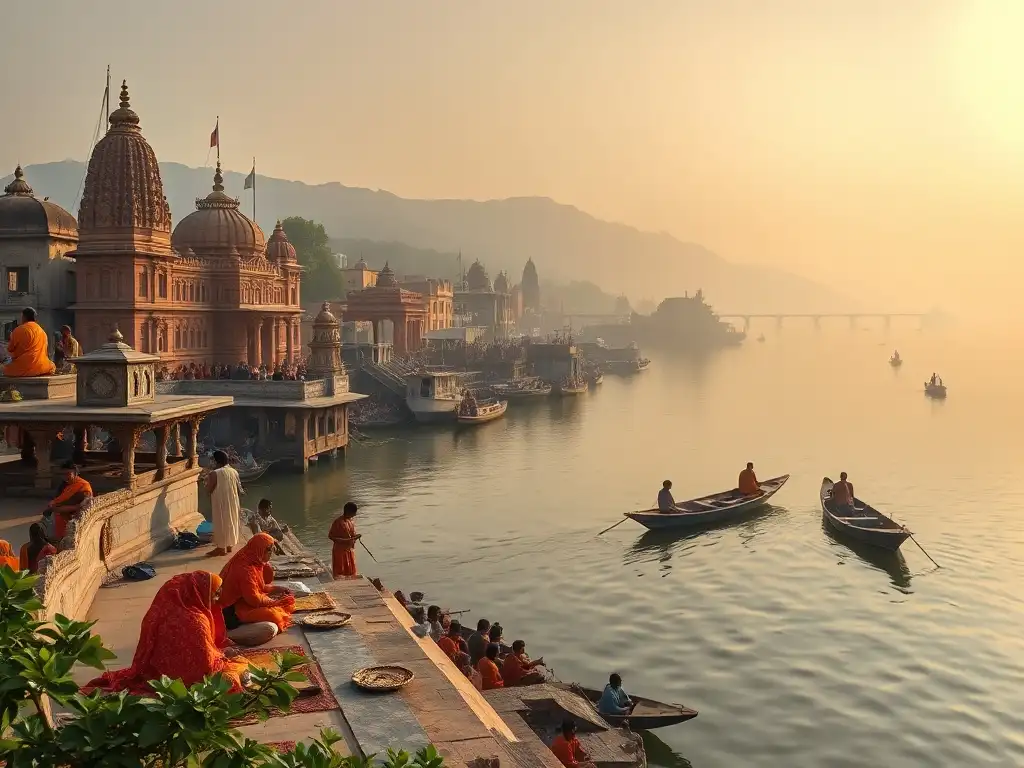
Welcome to Ancient India History, where we embark on a captivating journey through the rich tapestry of ancient Indian civilizations. In our featured article, "The Spiritual Journey: Pilgrimages and Sacred Sites in Eastern India," we delve into the profound significance of spiritual pilgrimages in Eastern India. Discover how these sacred journeys shaped the cultural landscape, connecting millions to their heritage and spirituality.
As you explore the intricate stories of temples, rituals, and the mystique of the past, prepare to be inspired by the enduring legacy of this vibrant region. Your adventure into the depths of ancient history begins now—let's uncover the spiritual treasures that await!
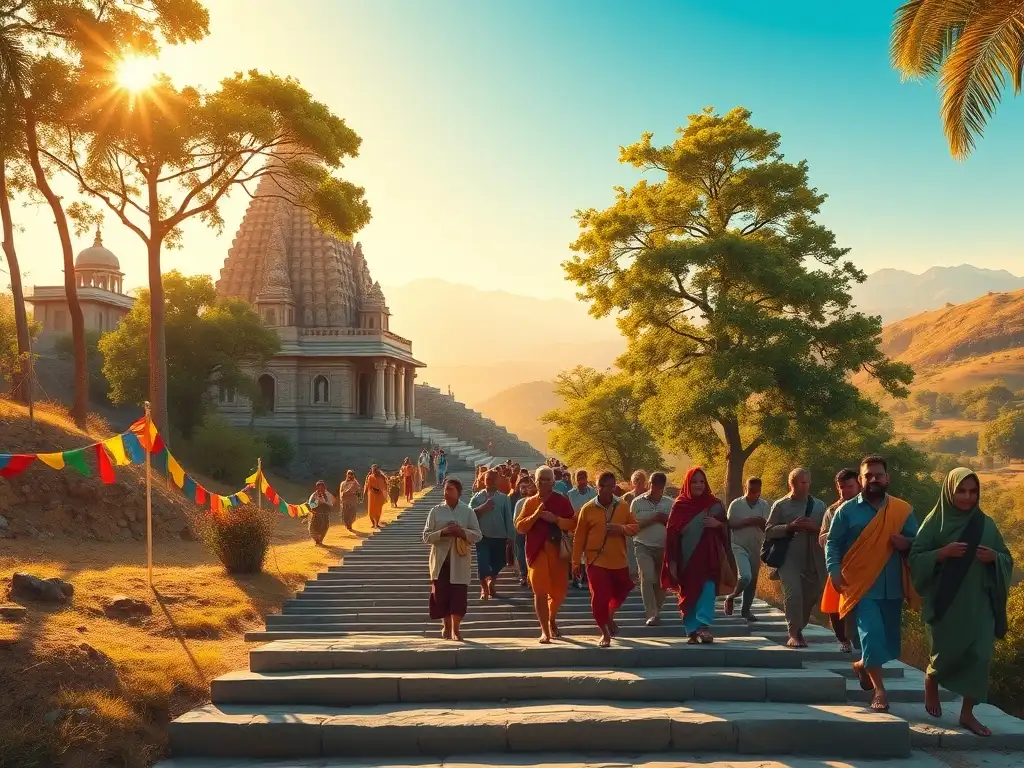
Introduction to Spiritual Pilgrimages in Eastern India
Eastern India, a region steeped in rich heritage and diverse cultural influences, has long been a focal point for spiritual seekers and pilgrims. The concept of spiritual pilgrimages in Eastern India is not merely a journey to sacred sites; it embodies a profound exploration of faith, devotion, and the quest for enlightenment. From the ancient civilizations of the Indus Valley to the flourishing empires of the Gupta period, the spiritual landscape has evolved, leaving a tapestry of sacred places that reflect the deep-seated beliefs and practices of the people.
This article delves into the significance of these pilgrimages, highlighting their historical context and the major sacred sites that have become iconic in the spiritual journey of countless devotees. By understanding the spiritual significance and historical narratives surrounding these sites, we can appreciate how they continue to shape the spiritual fabric of Eastern India.
Overview of Spiritual Significance
The spiritual significance of Eastern India is underscored by its role as a melting pot of various religious traditions, including Hinduism, Buddhism, and Jainism. Pilgrimages to sacred sites serve multiple purposes:
- Religious Obligation: Many devotees undertake pilgrimages as a form of worship and devotion, fulfilling a religious duty.
- Spiritual Growth: These journeys are often seen as a path to personal transformation and enlightenment.
- Community and Culture: Pilgrimages foster a sense of community among participants, creating bonds through shared experiences of faith.
The intrinsic connection between these spiritual sites and the beliefs they represent is vital to understanding the enduring allure of Eastern India as a pilgrimage destination.
Historical Context of Pilgrimages in Eastern India
Historically, pilgrimages in Eastern India can be traced back thousands of years, with roots in ancient texts and oral traditions. The region has witnessed significant events that have shaped its spiritual identity:
- The Rise of Buddhism: The establishment of Bodh Gaya as the site of Buddha's enlightenment in the 6th century BCE marked a pivotal moment in religious history.
- Hindu Practices: The Varanasi, revered as a holy city, has been a place of worship for Hindus since antiquity, with references in sacred texts like the Vedas and Puranas.
- Cultural Interactions: Eastern India has served as a crossroads for various cultures and religions, influencing the development of pilgrimage practices.
These historical milestones underscore the rich tapestry of beliefs and traditions that characterize the spiritual landscape of Eastern India, reinforcing the importance of pilgrimage as a means of connecting with the divine.
Major Sacred Sites and Their Historical Importance
The sacred sites of Eastern India are not just physical locations; they are repositories of history, spirituality, and culture. Each site narrates a unique story, contributing to the broader narrative of India's spiritual heritage.
Bodh Gaya: The Enlightenment of Buddha
Bodh Gaya, located in the state of Bihar, is revered as the birthplace of Buddhism. It was here that Siddhartha Gautama attained enlightenment under the Bodhi tree. This site attracts thousands of pilgrims every year who seek to connect with the profound teachings of the Buddha. The Mahabodhi Temple, a UNESCO World Heritage site, stands as a testament to the enduring legacy of Buddhism in the region.
Varanasi: The Holiest City for Hindus
Varanasi, often referred to as Kashi, is one of the oldest continuously inhabited cities in the world and holds immense significance for Hindus. The sacred Ganges River flows through the city, and its ghats are bustling with pilgrims performing rituals, including the ceremonial immersion of ashes. The Kashi Vishwanath Temple, dedicated to Lord Shiva, is a major attraction for devotees, symbolizing the spiritual heart of Hinduism.
Puri: The Jagannath Temple and Rath Yatra
Puri, located in Odisha, is famous for the Jagannath Temple, one of the Char Dham pilgrimage sites in Hinduism. The annual Rath Yatra, where the deities Jagannath, Balabhadra, and Subhadra are paraded through the streets in grand chariots, draws millions of pilgrims. This event not only showcases the vibrant cultural practices of the region but also reinforces the communal spirit of devotion.
Konark: The Sun Temple and Its Spiritual Legacy
The Sun Temple at Konark, another UNESCO World Heritage site, is renowned for its stunning architecture and intricate carvings. Built in the 13th century, it is dedicated to the Sun God, Surya. The temple's design symbolizes a colossal chariot, with twelve pairs of wheels, representing the passage of time and the divine journey of the soul. Pilgrims visit this site not only for its spiritual significance but also to admire its artistic grandeur.
The exploration of spiritual pilgrimages in Eastern India reveals a profound connection between history, culture, and spirituality, inviting individuals to embark on their unique journeys of faith and discovery.
Types of Spiritual Pilgrimages in Eastern India
Eastern India is a tapestry of varied spiritual traditions, each offering unique pilgrimages that reflect the region's rich cultural and religious heritage. The spiritual pilgrimages in Eastern India can generally be categorized into three main types: Hindu, Buddhist, and Jain. Each type of pilgrimage serves as a pathway for devotees to connect with the divine, seek blessings, and rejuvenate their spiritual selves.
Religious Pilgrimages: Hindu Traditions
Hindu pilgrimages in Eastern India are deeply embedded within the fabric of local culture and history. Key sites such as Bodh Gaya, where Lord Buddha attained enlightenment, and Puri, home to the famous Jagannath Temple, attract millions of devotees each year.
- Bodh Gaya: While primarily associated with Buddhism, it holds significance for Hindus as well, with the ancient peepal tree and nearby temples that commemorate Hindu deities.
- Puri: The annual Rath Yatra (Chariot Festival) draws countless pilgrims, showcasing the deep devotion towards Lord Jagannath, an incarnation of Vishnu.
- Varanasi: Another pivotal site, Varanasi (Kashi) is revered as one of the oldest continually inhabited cities, where rituals along the Ganges River are believed to cleanse sins.
The rituals associated with these pilgrimages often involve communal prayers, offerings, and the chanting of sacred mantras, fostering a sense of unity among devotees.
Buddhist Pilgrimages: Key Sites and Practices
Buddhist pilgrimages in Eastern India primarily revolve around the sites associated with the life of Siddhartha Gautama (Buddha). The region is adorned with several important Buddhist pilgrimage sites that not only attract followers of Buddhism but also visitors interested in the historical aspects of the religion.
- Bodh Gaya: As mentioned earlier, this is the most significant pilgrimage site, where the Mahabodhi Temple marks the spot of Buddha's enlightenment.
- Nalanda: Known for its ancient university, it was an important center for Buddhist learning, with ruins that still inspire awe among today's travelers.
- Rajgir: The site where Buddha delivered many teachings and is known for the Vulture Peak, offering a serene atmosphere for meditation and reflection.
Buddhist pilgrims often engage in meditation, circumambulation of stupas, and the recitation of sutras, emphasizing the inner journey of spiritual awakening.
Jain Pilgrimages: Reverence for Tirthankaras
Jainism, with its profound respect for all living beings, also has a rich tradition of pilgrimage in Eastern India. The journeys undertaken by Jains are often to sites known as tirthas, which are sacred places associated with the Tirthankaras, revered teachers in Jainism.
- Shikharji (Parshvanath Hills): This site is one of the most prominent Jain pilgrimage destinations in India, dedicated to Lord Parshvanath, the 23rd Tirthankara. Pilgrims undertake a challenging trek here to pay homage.
- Khandagiri and Udayagiri Caves: These ancient caves near Bhubaneswar are historically significant for Jains and are adorned with carvings and inscriptions that reflect Jain teachings.
Jain pilgrims typically engage in rituals of penance, fasting, and prayer, embodying the principles of non-violence and asceticism that define their faith.
The Role of Pilgrimages in Eastern Indian Culture
The significance of pilgrimages in Eastern Indian culture extends beyond mere religious observance; they are vital to the social and cultural identity of the region.
Pilgrimages as a Cultural Practice
Pilgrimages serve as a unifying cultural practice, drawing individuals from diverse backgrounds together in shared devotion. They provide an opportunity for the exchange of ideas, traditions, and stories, enriching the communal fabric.
- Community Bonding: The act of pilgrimage fosters a sense of belonging, as families and friends often travel together, creating lasting memories.
- Cultural Transmission: Pilgrimages are also a means of passing down traditions and rituals to younger generations, ensuring the continuity of cultural practices.
Festivals and Celebrations Associated with Sacred Sites
Many sacred sites in Eastern India are the focal points of vibrant festivals and celebrations that attract thousands of devotees and tourists alike. These events often coincide with specific religious calendars and showcase the local culture through music, dance, and food.
- Rath Yatra in Puri: This festival, where the deities are paraded on massive chariots, is a spectacular display of devotion and community participation.
- Buddha Purnima: Celebrated in Bodh Gaya, this festival marks the birth, enlightenment, and death of Buddha, drawing pilgrims from around the world.
Such festivals not only enhance the spiritual significance of the sites but also promote local crafts and tourism.
The Impact of Pilgrimages on Local Communities
The influx of pilgrims has substantial economic and social impacts on local communities surrounding sacred sites.
- Economic Boost: Pilgrimages lead to increased business for local vendors, hotels, and transport services, creating job opportunities and supporting local economies.
- Cultural Exchange: The interaction between pilgrims and local residents fosters cultural exchange, enriching the community's cultural landscape.
However, the surge of pilgrims can also pose challenges, such as environmental degradation and the need for infrastructure development to accommodate the growing number of visitors. Balancing the benefits and challenges of pilgrimages remains crucial for the sustainable development of these sacred sites.
The Journey of Pilgrimage: Experiences and Reflections
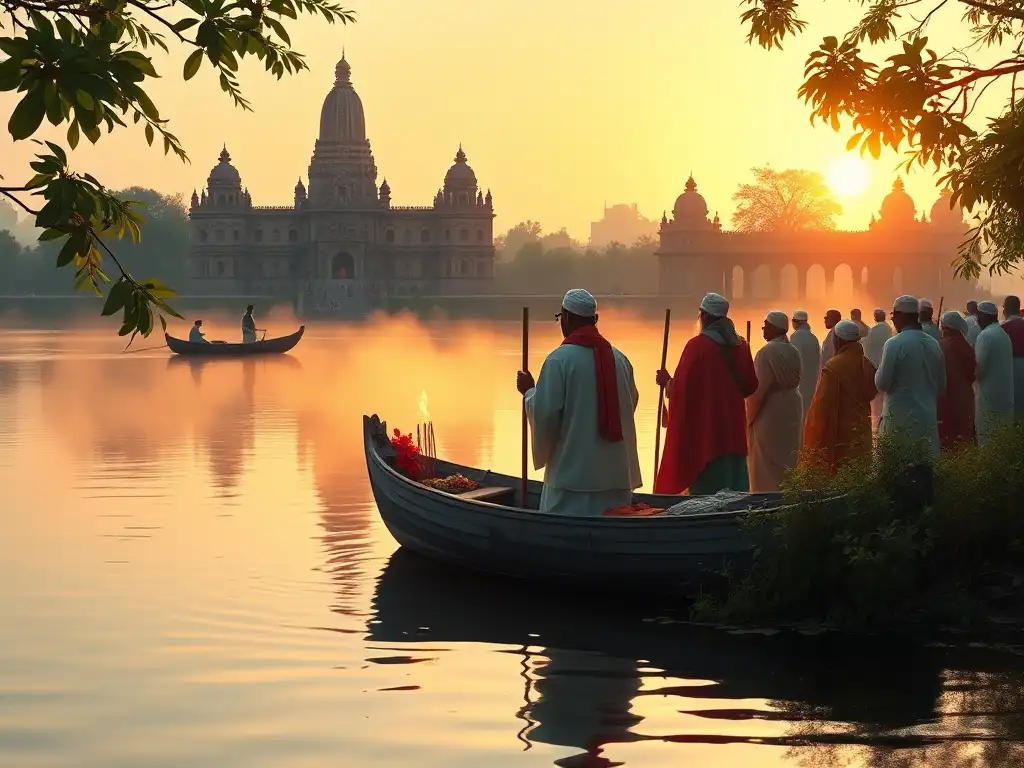
The journey of pilgrimage in Eastern India is a profound experience that transcends mere travel. It is an exploration of the self, a quest for spiritual enlightenment, and a deep connection to the rich tapestry of India's ancient traditions. Pilgrims embark on these journeys not just to visit sacred sites, but to engage with their spiritual heritage, find solace, and reflect upon their lives.
Throughout their travels, pilgrims often recount transformative experiences that reshape their perspectives. The rituals, the communal experiences with fellow travelers, and the serene environments of sacred sites contribute to a sense of unity and peace. These journeys are marked by moments of contemplation, where the hustle and bustle of daily life fades away, allowing for introspection and spiritual growth.
Moreover, Eastern India is home to several revered pilgrimage sites, including Bodh Gaya, where Siddhartha attained enlightenment, and the ancient temples of Odisha. Each site offers unique rituals and practices, enriching the pilgrim's experience. As they traverse these landscapes, pilgrims often reflect on their personal journeys, drawing parallels between their lives and the teachings of revered spiritual leaders.
Personal Transformations During Pilgrimages
The act of pilgrimage often leads to significant personal transformations. Many pilgrims report feeling a renewed sense of purpose, peace, and connection to their faith. The physical challenges of the journey, whether it be long walks, fasting, or navigating crowded sites, serve to purify the mind and spirit.
For instance, a pilgrim walking the path to the ancient temple of Jagannath in Puri might experience moments of exhaustion, but these trials often lead to greater resilience and spiritual clarity. The communal aspects of pilgrimage foster a sense of belonging and shared experience, allowing individuals to bond over mutual aspirations for spiritual growth.
Additionally, the rituals performed at each sacred site, such as offering prayers, lighting lamps, or participating in communal chants, play a crucial role in this transformative process. These practices encourage deep reflection and an emotional release, often resulting in profound insights and life-changing resolutions.
The Pilgrim's Path: Traditional Routes and Modern Adaptations
The pilgrimage routes in Eastern India have evolved over centuries, blending traditional paths with modern adaptations. Historically, these paths were marked by natural landmarks and sacred rivers, guiding pilgrims through the landscapes of devotion. For example, the route to Bodh Gaya from various parts of India was often determined by ancient texts and local traditions.
In contemporary times, these routes have been adapted to accommodate the increasing number of pilgrims and the demands of modern travel. Improved infrastructure, such as roads and accommodations, have made these sacred sites more accessible while still retaining their spiritual essence. Pilgrims today might choose to travel by bus or train rather than on foot, but the underlying intent remains focused on spiritual engagement.
Furthermore, technology has influenced pilgrimage experiences. Mobile applications now offer information about routes, rituals, and local customs, enriching the pilgrim's journey. Social media has also become a platform for sharing experiences, fostering a global community of spiritual seekers connected through their shared journeys.
Challenges and Preservation of Sacred Sites
The growth of spiritual pilgrimages in Eastern India has brought about numerous challenges, particularly concerning the preservation of sacred sites. The influx of tourists and pilgrims can lead to environmental degradation, overcrowding, and a dilution of the spiritual atmosphere that these sites embody.
Environmental Concerns Impacting Pilgrimage Sites
One of the most pressing issues facing pilgrimage sites in Eastern India is environmental degradation. Increased foot traffic can result in soil erosion, littering, and damage to flora and fauna in the surrounding areas. Sites like Bodh Gaya have struggled with waste management, as the number of visitors continues to rise annually.
Additionally, the construction of infrastructure to support tourism, such as hotels and restaurants, can disrupt local ecosystems and alter the natural landscape. As a result, maintaining the sanctity and natural beauty of these sacred sites has become a significant challenge for local authorities and environmentalists alike.
Preservation Efforts: Balancing Tourism and Spirituality
Efforts to preserve these sacred sites while managing the demands of tourism are underway. Local governments and organizations are implementing sustainable practices to ensure that the spiritual integrity of these locations is maintained. Initiatives may include:
- Waste Management Programs: Implementing rigorous waste management systems to minimize litter and promote recycling.
- Guided Tours: Encouraging guided pilgrimages that educate visitors on the importance of preserving the site’s heritage and environment.
- Cultural Sensitivity Training: Training guides and local businesses in cultural sensitivity to enhance the spiritual experience for pilgrims and reduce commercialization.
These measures aim to strike a balance between facilitating spiritual pilgrimages and ensuring that the sacred essence of these sites is preserved for future generations.
The Future of Spiritual Pilgrimages in Eastern India
Looking ahead, the future of spiritual pilgrimages in Eastern India appears to be a blend of tradition and modernity. As spiritual seekers continue to flock to these sacred sites, there is a growing recognition of the need for sustainable practices that protect the spiritual significance and environmental integrity of these locations.
The rise of eco-tourism and responsible travel can lead to a more conscious approach to pilgrimage. By fostering a deeper understanding of the cultural and environmental importance of these sites, pilgrims can engage in practices that honor both their spiritual journeys and the landscapes they traverse.
Moreover, the continued dialogue around the preservation of sacred sites will likely inspire new generations to partake in these spiritual journeys, ensuring that the rich heritage of Eastern India's pilgrimages thrives. The emphasis on sustainability and reverence for tradition will play a critical role in shaping the future of spiritual pilgrimages in this vibrant region.
Conclusion: The Enduring Legacy of Spiritual Pilgrimages
The spiritual pilgrimages in Eastern India have woven a rich tapestry of cultural and historical significance that continues to resonate through the ages. From the sacred banks of the Ganges to the revered temples dotting the landscape, these journeys serve as both a connection to the divine and a testament to the enduring faith of countless devotees. The legacy of these pilgrimages is not merely historical; it is alive and vibrant, influencing contemporary religious practices, cultural events, and communal identities.
The rituals and traditions established over centuries have created a framework through which modern pilgrims can engage with their spirituality. As individuals traverse these ancient paths, they are not only retracing the steps of their forebears but are also participating in a living tradition that adapts to the changing socio-cultural landscape. These sites, imbued with historical narratives and spiritual energy, offer a profound experience that transcends time, allowing pilgrims to connect with both the past and the present.
Reflection on Historical Contributions
The historical contributions of spiritual pilgrimages in Eastern India are multifaceted, influencing various aspects of society, including art, architecture, and literature. Temples built on pilgrimage routes often showcase intricate carvings and sculptures that narrate mythological stories, reflecting the artistic prowess of the era. The establishment of these sacred sites has also spurred the growth of towns and cities, fostering trade and cultural exchanges.
Furthermore, these pilgrimages have played a crucial role in the dissemination of religious philosophies. As pilgrims journeyed to sacred sites, they exchanged ideas and practices, leading to the evolution of spiritual thought in the region. This intermingling of beliefs has enriched the spiritual landscape of Eastern India, resulting in a diverse tapestry of religious expressions that continue to thrive today.
Spiritual Pilgrimages as a Modern-Day Practice
In contemporary society, spiritual pilgrimages in Eastern India have maintained their relevance, attracting not only devotees but also tourists seeking spiritual enrichment and cultural experiences. Modern pilgrims often embark on these journeys for personal transformation, healing, and a deeper understanding of their spiritual roots.
The influx of technology and social media has also transformed the way these pilgrimages are experienced and shared. Pilgrims can now connect with like-minded individuals online, share their stories, and seek guidance, enhancing their spiritual journey. Despite the advancements in modern life, the essence of these spiritual journeys remains unchanged, rooted in the quest for connection, enlightenment, and inner peace.
Call to Action: Embark on Your Own Spiritual Journey
As the allure of Eastern India’s sacred sites continues to beckon, there has never been a better time to embark on your own spiritual pilgrimage. Whether you are seeking solace, knowledge, or a deeper connection to the divine, the paths laid out by ancient sages await your exploration.
Experiencing the vibrant culture and history of Eastern India firsthand can provide profound insights into both the spiritual and historical significance of these sites. Each pilgrimage not only serves as a personal journey but also contributes to the preservation of the rich heritage that has shaped this region.
Planning Your Pilgrimage to Eastern India
To ensure a fulfilling pilgrimage experience, careful planning is essential. Here are some key aspects to consider:
- Research Sacred Sites: Identify the significant pilgrimage locations, such as Bodh Gaya, Puri, and Varanasi, and understand their historical and spiritual contexts.
- Travel Logistics: Investigate travel options, accommodations, and local customs to enhance your journey.
- Cultural Sensitivity: Familiarize yourself with local traditions and practices to show respect and appreciation for the cultural heritage.
- Spiritual Preparation: Engage in practices such as meditation or prayer to prepare your mind and spirit for the journey ahead.
Resources for Pilgrims: Guides and Information
Several resources can assist you in your pilgrimage planning:
- Travel Guides: Books and online resources specifically focusing on Eastern India's sacred sites provide valuable information about historical contexts, travel tips, and personal stories.
- Local Tour Operators: Engaging with local guides can enhance your experience, offering insights that enrich your journey.
- Online Communities: Participate in forums and social media groups dedicated to spiritual pilgrimages, where you can exchange experiences and advice with fellow pilgrims.
- Documentaries and Films: Visual media can also provide a deeper understanding of the spiritual significance and history of these sites, inspiring your pilgrimage journey.
By utilizing these resources, you can embark on a meaningful pilgrimage that honors the ancient traditions of Eastern India while creating lasting memories of your own spiritual journey.
- Introduction to Spiritual Pilgrimages in Eastern India
- Major Sacred Sites and Their Historical Importance
- Types of Spiritual Pilgrimages in Eastern India
- The Role of Pilgrimages in Eastern Indian Culture
- The Journey of Pilgrimage: Experiences and Reflections
- Challenges and Preservation of Sacred Sites
- Conclusion: The Enduring Legacy of Spiritual Pilgrimages
- Call to Action: Embark on Your Own Spiritual Journey
Frequently Asked Questions
What are the main spiritual pilgrimages in Eastern India?
Eastern India is home to several significant spiritual pilgrimages, including the Buddhist sites of Bodh Gaya, the Hindu temples in Puri, and the Shikh shrines in West Bengal. These sites attract countless devotees and tourists each year.
Why is Bodh Gaya considered a major pilgrimage site?
Bodh Gaya is revered as the place where Siddhartha Gautama attained enlightenment under the Bodhi tree. This historical significance makes it a crucial destination for Buddhists worldwide.
What cultural contributions have emerged from Eastern Indian pilgrimages?
Pilgrimages in Eastern India have led to a rich fusion of culture, art, and spirituality. They have inspired literature, music, and dance forms that reflect the diverse traditions of the region.
How do spiritual pilgrimages impact local economies?
Spiritual pilgrimages significantly boost local economies by attracting tourism, providing jobs, and fostering small businesses around sacred sites. This influx supports the preservation of cultural heritage and infrastructure.
What role do festivals play in these pilgrimages?
Festivals associated with pilgrimages, such as the Rath Yatra in Puri, enhance the spiritual experience by bringing communities together. They celebrate traditions, attract visitors, and showcase the vibrant culture of Eastern India.
Final Reflection: Embracing the Sacred Path of Spiritual Pilgrimages in Eastern India
The exploration of spiritual pilgrimages in Eastern India is not merely a journey through landscapes but a profound connection to the essence of human existence. Today, as we navigate a world often overshadowed by chaos and disconnection, the significance of these sacred sites resonates more than ever. They serve as beacons of hope and enlightenment, inviting us to pause, reflect, and reconnect with our spiritual selves. The pilgrimage experience transcends physical travel; it is a transformative journey that nurtures the soul and fosters a deeper understanding of our place in the universe.
The impact of spiritual pilgrimages in Eastern India extends far beyond the individual, shaping cultural narratives and community bonds. These sacred sites are not just destinations; they are living embodiments of faith, history, and tradition that continue to inspire countless seekers. As we walk these ancient paths, we become part of a larger tapestry woven through time, connecting with those who have journeyed before us. The journey of a thousand miles begins with one step.
This timeless wisdom reminds us that every pilgrimage, no matter how grand or humble, is a step towards self-discovery and enlightenment.
As you reflect on the insights shared in this article, I invite you to consider your own spiritual journey. How can you incorporate the lessons of these sacred sites into your daily life? Whether through mindfulness, gratitude, or a simple act of kindness, let the spirit of these pilgrimages inspire you to seek your own path of enlightenment. Embrace the call to explore not just the physical landscapes of Eastern India, but also the inner sanctum of your heart and mind. The journey awaits—will you take the first step?
Embark on Your Own Spiritual Adventure Today!
Thank you for journeying through the fascinating world of spiritual sites in Eastern India. We hope you’ve uncovered new ways to connect with these sacred places and the profound histories behind them. Now it's time to take that inspiration and turn it into action!
- Plan your pilgrimage to a sacred site—whether it’s a weekend trip or a long-term journey, every step counts!
- Share your insights with friends and family by discussing the spiritual significance of these locations.
- Join a local community group that focuses on spirituality and explore group pilgrimages for shared experiences and deeper understanding.
Are you ready to transform your spiritual curiosity into meaningful experiences? Which sacred site are you most excited to explore, and what draws you to it? We’d love to hear your thoughts!