
The Evolution of Eastern Indian Architecture Through the Ages

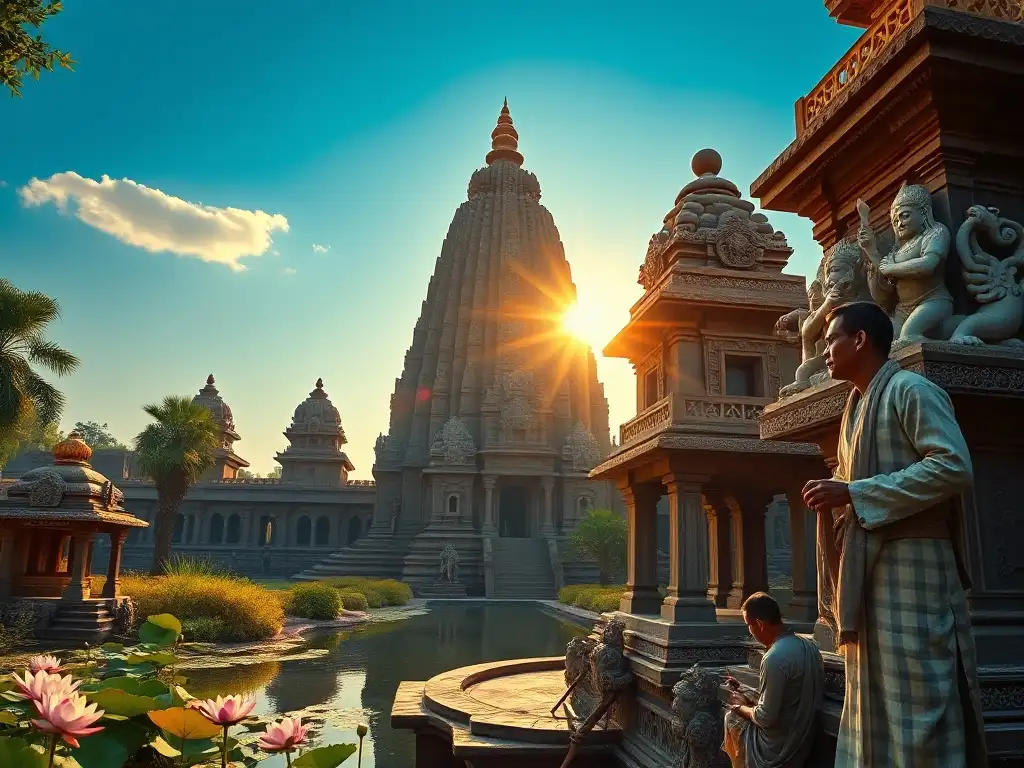
Welcome to Ancient India History, where we embark on a fascinating journey through time, unveiling the rich tapestry of India's diverse past. In our featured article, "The Evolution of Eastern Indian Architecture Through the Ages," we delve into the intricate designs and profound cultural significance of ancient Eastern Indian architecture. How did these monumental structures reflect the beliefs and aspirations of their creators? Join us as we explore the architectural marvels that have stood the test of time, and discover the stories that shaped a civilization. Your adventure into the depths of history awaits!
Introduction to Ancient Eastern Indian Architecture
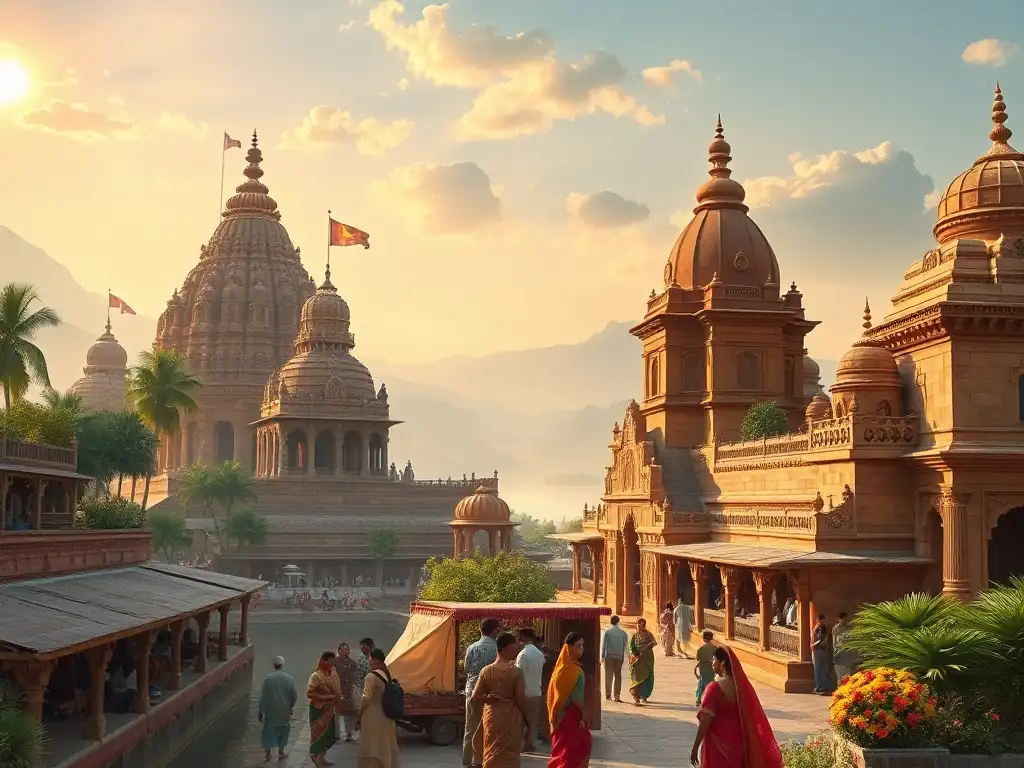
The architectural landscape of ancient Eastern India is a testament to the ingenuity and creativity of its civilizations, showcasing a rich tapestry of styles and influences that evolved over centuries. From the awe-inspiring structures of the Indus Valley to the intricate designs of the Gupta Empire, ancient Eastern Indian architecture not only reflects the technical prowess of its builders but also serves as a window into the cultural, religious, and social practices of the time. Understanding these architectural developments is crucial for appreciating the broader historical narrative of India and the unique contributions of its eastern regions.
Overview of Eastern Indian Architecture
Eastern Indian architecture is marked by its diversity, which can be attributed to the various dynasties and cultures that flourished in the region. Key features often include:
- Material Use: Predominantly brick, stone, and wood.
- Design Elements: Intricate carvings, domes, and elaborate facades.
- Religious Influence: Temples and stupas reflecting Hindu and Buddhist traditions.
The evolution of this architecture is not only a reflection of aesthetic preferences but also of the socio-political dynamics that shaped Eastern India throughout history.
Importance of Architectural Evolution in Eastern India
The architectural evolution in Eastern India holds significant importance for several reasons:
- Cultural Heritage: It preserves the artistic expressions and beliefs of ancient civilizations.
- Technological Advancement: Innovations in construction techniques highlight the region's engineering skills.
- Socio-Political Insights: Architectural styles can reveal information about the prevailing power structures and cultural exchanges.
Understanding these aspects is vital for historians and enthusiasts alike, as they provide context to the achievements and challenges faced by these ancient societies.
Early Influences on Eastern Indian Architecture
The foundations of Eastern Indian architecture were laid during early periods, influenced by indigenous styles as well as significant civilizations that preceded it.
Indigenous Styles and Techniques
Indigenous architectural styles in Eastern India were characterized by their harmony with nature and local materials. Key elements included:
- Earthy Aesthetics: Use of locally sourced materials to create structures that blended seamlessly with their surroundings.
- Functional Design: Structures often served multiple purposes, reflecting the practicality of ancient living.
These indigenous techniques laid the groundwork for more complex architectural forms that would emerge in later periods.
Impact of the Indus Valley Civilization on Architecture
The Indus Valley Civilization, one of the earliest urban cultures, had a profound impact on the architectural practices in Eastern India. Notable contributions included:
- Urban Planning: The grid layout of cities, which influenced future settlement designs.
- Drainage Systems: Advanced drainage and water management systems showcased their engineering expertise.
The legacy of the Indus Valley Civilization can be seen in the meticulous planning and functionality of subsequent architectural developments in the region, setting a precedent for the architectural evolution that followed.
The Mauryan Era: Foundations of Ancient Eastern Indian Architecture
The Mauryan Era, which lasted from approximately 322 BCE to 185 BCE, marked a significant turning point in the history of ancient Eastern Indian architecture. Under the reign of Emperor Ashoka, the Mauryan dynasty laid down the foundational principles of architecture that would influence subsequent styles and structures. This period is characterized by the adoption of stone as a primary building material, which replaced the earlier use of mud and timber. The architectural achievements during this era reflect not only the technical skills of the artisans but also the sociopolitical context of the time, including the spread of Buddhism.
One of the hallmark developments of Mauryan architecture is the construction of stupas, which served as reliquaries for sacred Buddhist relics. These structures were often built with a hemispherical dome and featured a central pillar, symbolizing the axis mundi. The design of stupas was not merely functional; it was deeply symbolic, representing the path to enlightenment. The Mauryan period also saw the establishment of rock-cut caves, particularly in places like Udayagiri and Khandagiri, which served as monastic retreats for Buddhist monks.
Key Architectural Features of the Mauryan Period
Several key architectural features define the Mauryan period:
- Stupas: These large dome-shaped structures housed relics and were often adorned with intricate carvings and gateways known as toranas.
- Rock-cut Architecture: The Mauryans pioneered the art of carving shrines and monastic complexes directly into rock, exemplified by the caves at Barabar and Nagarjuni.
- Pillars: Ashoka's Edicts, inscribed on massive stone pillars, showcased not just religious messages but also artistic finesse. The pillars were characterized by their polished surface and the presence of animal capitals, often featuring lions or elephants.
- Urban Planning: Cities like Pataliputra were meticulously planned, with fortified walls, wide streets, and sophisticated drainage systems, reflecting advanced urban design.
These features illustrate how the Mauryan architecture laid the groundwork for subsequent developments in Eastern Indian architectural styles.
Notable Structures and Sites in Eastern India
Several significant structures from the Mauryan period can be identified across Eastern India:
- Sanchi Stupa: Located in Madhya Pradesh, this stupa is a UNESCO World Heritage site known for its beautifully carved gateways and intricate relief sculptures depicting the life of Buddha.
- Barabar Caves: These rock-cut caves in Bihar are some of the oldest surviving examples of Indian rock-cut architecture, featuring smooth interiors and inscriptions.
- Ashoka Pillars: Scattered throughout the region, these pillars, such as the one at Lauriya Nandangarh, exemplify the artistic and engineering capabilities of the Mauryan builders.
These sites not only highlight the architectural advancements of the time but also serve as critical markers of the cultural and spiritual landscape of ancient Eastern India.
The Gupta Empire: A Golden Age of Architecture
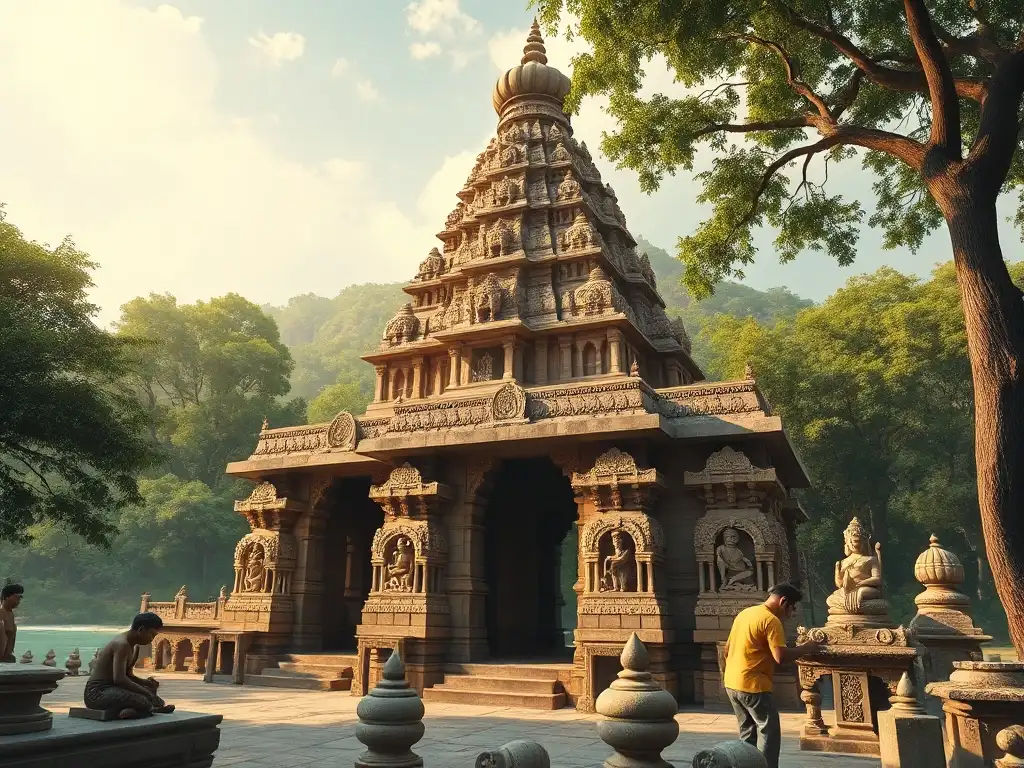
The Gupta Empire, which flourished from around 320 CE to 550 CE, is often referred to as the "Golden Age" of ancient Indian history. This period is marked by significant advancements in various fields, including science, literature, and, notably, architecture. The architectural achievements during the Gupta period built upon the foundations laid by the Mauryan era while introducing new styles and innovations that would define ancient Eastern Indian architecture.
Gupta architecture is characterized by its emphasis on intricate carvings, decorative motifs, and the use of brick and stone in construction. Temples from this era reflect a growing complexity in design, moving towards more elaborate structures with detailed sculptures and a heightened spiritual significance. The period also saw the emergence of the Nagara style of temple architecture in Northern India, which influenced the temple designs in Eastern India.
Characteristics of Gupta Architecture
The distinctive characteristics of Gupta architecture include:
- Temple Construction: Temples became the focal point of religious life, showcasing ornate carvings and sculptures that depicted various deities and mythological stories.
- Shikhara: The prominent tower (shikhara) above the sanctum sanctorum became a defining feature of Gupta temples, often tapering upwards and adorned with intricate sculptures.
- Cave Temples: The Gupta period continued the tradition of rock-cut architecture, exemplified by the famous Ajanta and Ellora caves, which feature stunning frescoes and sculptures.
- Urban Layout: The cities built during the Gupta period were well-planned, with roads, marketplaces, and public spaces, reflecting a sophisticated understanding of urbanism.
These characteristics contributed to the rich architectural legacy of the Gupta period, setting the stage for future developments.
Major Gupta Architectural Achievements in Eastern India
In Eastern India, the Gupta Empire produced several remarkable architectural achievements:
- Dashavatara Temple: Located in Deogarh, this temple is one of the earliest examples of the Nagara style, showcasing intricate carvings and sculptures that narrate stories from Hindu mythology.
- Buddhist Caves at Udayagiri: These caves exhibit fine examples of Gupta artistry with elaborate carvings, including the famous sculpture of the Varaha avatar of Vishnu.
- Sarnath Stupa: Although originally built in the Mauryan period, the Sarnath Stupa was renovated during the Gupta era, reflecting the architectural innovations of the time.
These achievements not only highlight the architectural prowess of the Gupta Empire but also signify the cultural and religious developments that were pivotal in shaping the history of ancient Eastern Indian architecture.
Regional Variations in Ancient Eastern Indian Architecture
Ancient Eastern Indian architecture showcases a rich tapestry of styles and influences, reflecting the diverse cultures and traditions of the region. The evolution of architectural forms across various states such as West Bengal, Odisha, Bihar, and Assam reveals significant regional variations that are shaped by historical contexts, local materials, and socio-religious factors. Each region developed its unique architectural identity, contributing to the broader narrative of ancient Eastern Indian architecture.
Differences in Architectural Styles Across Eastern India
The architectural styles of Eastern India can be broadly categorized into several distinctive forms, each with its unique characteristics. For instance:
- Bengal Style: Known for its terracotta temples, the Bengal style features intricate carvings and a distinctive curvilinear roof. The temples, such as those in the districts of Hooghly and Birbhum, showcase a blend of indigenous and Mughal influences.
- Odisha Style: Characterized by the monumental Kalinga style, Odisha's architecture is epitomized by the grand Jagannath Temple in Puri and the Sun Temple at Konark. These structures are notable for their intricate stone carvings, towering shikharas (spires), and elaborate sculptures that depict various deities and mythological scenes.
- Bihari Style: In Bihar, ancient architecture often reflects the influence of the Mauryan and Gupta periods, with stupas and monasteries, like those found at Nalanda and Bodh Gaya, showcasing a simpler yet profound aesthetic that emphasizes spirituality.
- Assamese Style: The temples in Assam, particularly in the Kamakhya Temple complex, present a unique blend of indigenous and Hindu architectural elements, marked by their thatched roofs and wooden structures, which are adapted to the region's climatic conditions.
These regional styles not only highlight the diversity of ancient Eastern Indian architecture but also illustrate the cultural exchanges and historical developments that have shaped the region over centuries.
Influence of Local Materials and Climate on Design
The architectural designs across Eastern India were significantly influenced by local materials and climatic conditions. The availability of resources like stone, wood, and laterite led to diverse construction techniques and styles.
- Stone and Laterite: In Odisha, the use of granite and sandstone allowed for the construction of grand temples, while laterite was prevalent in coastal areas, facilitating the building of sturdy structures that could withstand the region's heavy monsoon rains.
- Wood: In regions like Assam, wood became the primary material due to the abundance of forests. The traditional wooden temples reflect a unique architectural style that harmonizes with the natural environment and addresses the humid climate of the region.
- Climate Adaptation: The hot and humid climate of Bengal influenced the design of airy, spacious temple structures with high ceilings and ample ventilation. This adaptation is evident in the open courtyards and elevated platforms that characterize many temples in the region.
These elements not only highlight the ingenuity of ancient architects but also demonstrate how architecture was a response to environmental factors, ensuring durability and functionality.
Religious Influences on Eastern Indian Architecture
The spiritual landscape of Eastern India played a crucial role in shaping its architectural heritage. The interplay between different religions—primarily Hinduism, Buddhism, and Jainism—contributed to the evolution of distinct architectural forms that embody the region's religious beliefs and practices.
Hindu Temples: Styles and Symbolism
Hindu temples in Eastern India are profound expressions of religious devotion and artistic creativity. Each temple features distinct architectural elements that symbolize various aspects of Hindu cosmology.
- Shikharas and Mandapas: The towering shikharas exemplify the sacred ascent towards the divine, while the mandapas (pillared halls) serve as spaces for rituals and congregational worship.
- Iconography: The intricate carvings that adorn temple walls often depict deities, mythical narratives, and scenes from Hindu epics like the Ramayana and Mahabharata, reflecting the religious and cultural ethos of the time.
- Sacred Geometry: Many temples are designed according to sacred geometrical principles, symbolizing the universe's structure and the connection between the earthly and the divine. This reflects a deep understanding of architecture as a spiritual journey.
These elements combine to create not only places of worship but also artistic masterpieces that convey the rich symbolism inherent in Hindu spirituality.
Buddhist Architecture: Stupas and Monasteries
Buddhism significantly influenced Eastern Indian architecture, particularly through the construction of stupas and monasteries that served as centers of spiritual learning and community life.
- Stupas: The great stupas, such as those at Sanchi and Bodh Gaya, are architectural marvels that house relics and serve as pilgrimage sites. Their hemispherical domes and ornate gateways (toranas) symbolize the universe and the Buddha's enlightenment.
- Monastic Complexes: Monasteries, like those at Nalanda, not only provided shelter for monks but also served as educational institutions, promoting the spread of Buddhist teachings. The layout of these complexes often reflects a harmonious relationship with the surrounding landscape, emphasizing simplicity and tranquility.
The architectural language of Buddhism in Eastern India is characterized by its emphasis on meditation, community, and the pursuit of enlightenment, leaving a lasting impact on the region's cultural heritage.
Jain Influence on Eastern Indian Architecture
Jainism, with its principles of non-violence and asceticism, also contributed to the architectural landscape of Eastern India. Jain temples are known for their intricate carvings and unique design elements.
- Intricate Carvings: Jain temples, such as those at Ranakpur and Dilwara, feature exquisite marble work with detailed sculptures that depict Tirthankaras (spiritual teachers) and other symbolic motifs. These temples are often adorned with finely crafted pillars and domes that exhibit exceptional craftsmanship.
- Use of Space: Jain architecture emphasizes simplicity and purity, often incorporating open spaces and natural light to create a serene atmosphere conducive to meditation and reflection.
- Symbolism: The design elements of Jain temples reflect the religion's core beliefs, with motifs that signify peace, harmony, and the quest for spiritual liberation.
The influence of Jainism on Eastern Indian architecture highlights the religion's commitment to artistry and spiritual expression, enriching the region's architectural diversity.
Medieval Developments in Eastern Indian Architecture
The medieval period marked a significant transformation in Eastern Indian architecture, largely influenced by regional dynamics and the interactions between various cultures. This era saw the emergence of distinct architectural styles, reflecting the socio-political changes and religious influences that permeated the region. The construction techniques evolved, incorporating both local materials and craftsmanship along with new influences introduced by various dynasties that ruled over Eastern India.
During this time, temple architecture flourished, particularly in Bengal and Odisha, where intricate carvings and elaborate designs became hallmarks of the period. The use of red and yellow sandstone, along with laterite, became prevalent, allowing for more durable and aesthetically pleasing structures. These developments not only showcased the artistic prowess of the time but also signified the growing importance of religious institutions as centers of community life.
Transition to Islamic Architecture
The transition to Islamic architecture in Eastern India began with the arrival of Muslim rulers in the late medieval period. This shift brought about a new architectural language that blended local styles with Islamic elements. The introduction of domes, arches, and intricate jaali work (lattice screens) marked a significant departure from the predominantly Hindu temple architecture that preceded it.
One of the most notable examples of this transition is the construction of the Adina Mosque in Bengal, which exemplifies the synthesis of Islamic and local architectural traditions. The mosque features a fusion of styles, incorporating Hindu motifs alongside Islamic design, showcasing the cultural amalgamation that characterized this era.
This period also saw the establishment of forts and palaces that reflected the grandeur of the time, emphasizing the power and influence of the Muslim rulers in the region. The architectural evolution during this phase laid the foundation for future developments in Eastern Indian architecture.
Key Structures from the Medieval Period
Several key structures from the medieval period serve as prime examples of the architectural advancements of Eastern India.
- Konark Sun Temple (Odisha): Completed in the 13th century, this UNESCO World Heritage site is an architectural marvel dedicated to the Sun God. The temple is designed in the shape of a chariot, featuring intricately carved wheels and horses, symbolizing the solar deity’s journey.
- Vijay Mandir Palace (Bihar): Built during the reign of the Mughal Emperor Shah Jahan, this palace showcases the blend of Mughal and local architectural styles. Its spacious courtyards and elaborate gardens reflect the grandeur of the time.
- Buddhist Stupas at Paharpur (West Bengal): Dating back to the 8th century, these stupas highlight the influence of Buddhism on Eastern Indian architecture. The ruins reveal a complex layout with intricate carvings that adorned the original structures.
These structures not only represent the architectural ingenuity of the medieval period but also serve as a testament to the cultural and religious diversity of Eastern India during this time.
The Colonial Impact on Eastern Indian Architecture
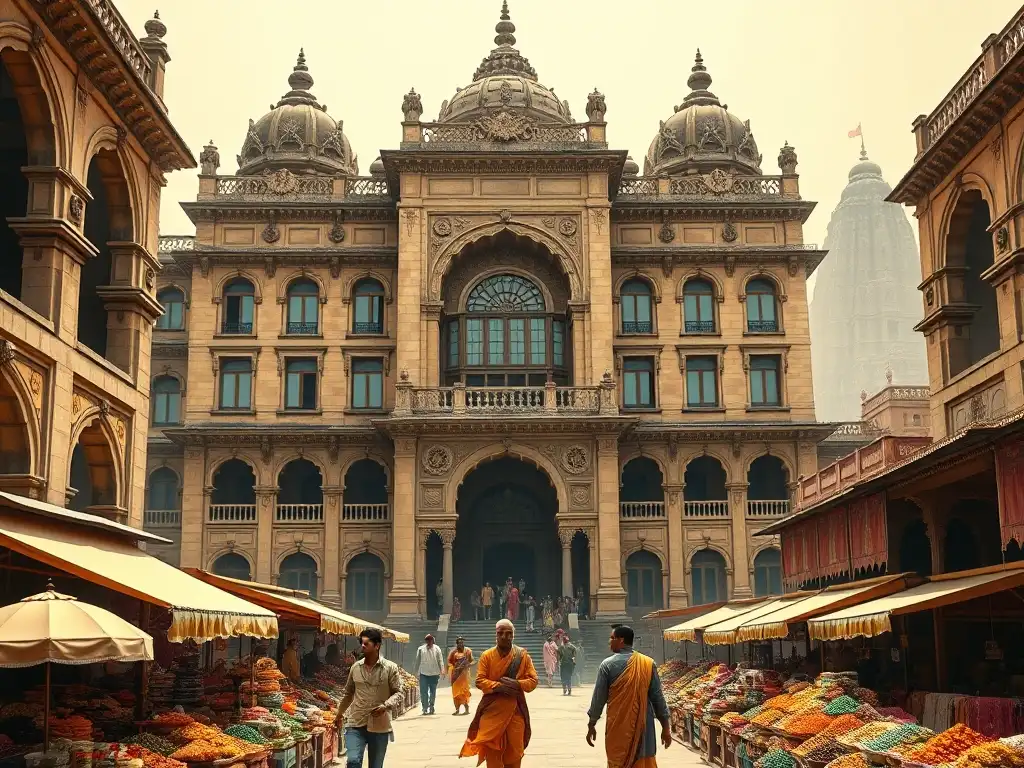
The arrival of colonial powers in Eastern India brought profound changes to the architectural landscape. British colonialism in the 18th and 19th centuries introduced new building styles and techniques that significantly altered the existing architectural norms. The colonial impact manifested in various forms, from government buildings to public infrastructure, reshaping the urban fabric of cities like Kolkata and Patna.
Introduction of European Styles
The introduction of European architectural styles during the colonial period led to the construction of numerous public buildings that featured neoclassical, Gothic, and Indo-Saracenic styles. The blending of these styles with local architectural practices resulted in unique structures that embodied the fusion of Eastern and Western influences.
Prominent examples include the Victoria Memorial in Kolkata, which combines European aesthetics with Indian elements, and the High Court of Calcutta, showcasing a striking Gothic Revival style. These buildings not only served administrative purposes but also became symbols of colonial power and influence in Eastern India.
Hybrid Architectural Forms in Eastern India
The colonial era also gave rise to hybrid architectural forms that reflected the socio-cultural dynamics of the time. This architectural style often included elements from both Indian and European traditions, resulting in structures that were both functional and aesthetically pleasing.
One notable example is the Raj Bhavan in Kolkata, which combines colonial architectural styles with traditional Indian features. This blend is evident in the use of large verandas and courtyards that are characteristic of Indian homes, along with European-style facades and domes.
Furthermore, the spread of railway stations across Eastern India, such as the Howrah Station, illustrated this architectural hybridization. These stations featured grand designs that incorporated local craftsmanship while adhering to modern engineering principles, thus serving as vital transportation hubs and architectural landmarks.
The evolution of Eastern Indian architecture through the ages illustrates the region's rich historical tapestry, influenced by a myriad of cultural interactions and transformations.
Preservation and Restoration of Ancient Eastern Indian Architectural Heritage
The preservation and restoration of ancient Eastern Indian architectural heritage represents a critical endeavor that reflects the region's rich historical narrative. This architectural legacy, spanning from the majestic temples of the Gupta period to the intricacies of Buddhist stupas, embodies the artistic, religious, and cultural ethos of ancient Eastern India. Various conservation efforts have been initiated to safeguard these irreplaceable structures, which are often threatened by urbanization, neglect, and environmental factors.
Efforts to document, preserve, and restore these sites not only aim to maintain their structural integrity but also to enhance their historical significance for future generations. By utilizing modern techniques and traditional craftsmanship, conservationists strive to ensure that the stories etched within these walls continue to resonate. Furthermore, raising awareness about the importance of these sites is essential for fostering a sense of ownership and responsibility within local communities.
Importance of Conservation Efforts
Conservation efforts for ancient Eastern Indian architecture hold substantial importance for several reasons:
- Cultural Identity: Preserving these historical sites strengthens the cultural identity of local communities. They serve as tangible links to the past, helping to foster a sense of pride and continuity among the people.
- Tourism and Economy: Well-preserved architectural heritage attracts tourists, contributing significantly to the local economy. Heritage tourism not only generates income but also creates job opportunities in sectors such as hospitality, guiding, and crafts.
- Education and Research: Ancient architecture provides invaluable insights into historical building techniques, cultural practices, and artistic expressions. Conservation efforts ensure that scholars and students have access to these resources for study and research.
- Sustainability: Preservation contributes to sustainability by promoting the adaptive reuse of historic structures, minimizing the need for new construction and thereby reducing environmental impact.
Notable Restoration Projects in Eastern India
Several notable restoration projects in Eastern India highlight the importance of preserving architectural heritage:
- The Konark Sun Temple: This UNESCO World Heritage Site underwent significant restoration work to stabilize its structures and protect its intricate carvings from weathering and erosion. The efforts focused on both structural integrity and aesthetic restoration, allowing visitors to appreciate its historical significance fully.
- Buddhist Monasteries in Bodh Gaya: The restoration of ancient monasteries, such as the Mahabodhi Temple complex, has included the preservation of murals, sculptures, and architectural features, ensuring that this pivotal site of Buddhist pilgrimage remains intact for future generations.
- The Temples of Bhubaneswar: This city is home to numerous temples showcasing Kalinga architecture. Ongoing conservation initiatives aim to restore these ancient structures, ensuring that their unique style and craftsmanship are not lost to time.
Conclusion: The Legacy of Ancient Eastern Indian Architecture
The legacy of ancient Eastern Indian architecture is a testament to the region's rich historical tapestry. It reflects the diverse influences and innovations that have shaped its architectural landscape over the centuries. The structures not only embody artistic excellence but also serve as cultural symbols that resonate with the spiritual and historical narratives of the communities they serve.
The Influence of Ancient Styles on Modern Architecture
Ancient Eastern Indian architecture has significantly influenced modern architectural practices, particularly in the use of intricate carvings, grand temple designs, and the incorporation of local materials. Contemporary architects often draw inspiration from these historic styles, blending traditional aesthetics with modern functionality. For instance, the revival of traditional motifs and the emphasis on sustainable practices reflect a growing trend to honor heritage while addressing contemporary needs.
Future of Eastern Indian Architectural Studies
The future of Eastern Indian architectural studies is promising, with increased focus on interdisciplinary approaches that combine history, archaeology, and conservation science. As more scholars and practitioners engage in this field, there will be greater opportunities for research and collaboration. Additionally, advancements in technology, such as 3D modeling and virtual reality, will enable more comprehensive documentation and analysis of ancient structures. As awareness of the importance of preserving architectural heritage grows, so too will the commitment to studying and safeguarding these invaluable resources for future generations.
References
The study of ancient Eastern Indian architecture is enriched by various scholarly works and historical texts that provide insights into the region's architectural evolution. Below are some key references that can deepen your understanding of this subject:
-
"The Art and Architecture of Ancient India" by Benjamin Rowland Jr.
This comprehensive book explores the diverse artistic expressions and architectural styles of ancient India, focusing on the evolution from the Indus Valley Civilization through the Gupta period.
-
"Indian Architecture: Buddhist and Hindu Periods" by Satish Chandra
This work delves into the architectural innovations during the Buddhist and Hindu periods, particularly in Eastern India, showcasing temples, stupas, and other significant structures.
-
"The Temples of India: History and Architecture" by V. S. Agarwal
A detailed examination of Indian temples, this book highlights the architectural intricacies and cultural significance of various temple structures across Eastern India.
-
"Buddhist Architecture" by Charles D. S. Oertel
This text focuses on the architectural features of Buddhist monuments in Eastern India, tracing their development and influence on regional styles.
Suggested Reading on Ancient Eastern Indian Architecture
For those eager to explore the topic further, the following suggested readings offer valuable insights into specific aspects of ancient Eastern Indian architecture:
-
"East Indian Architecture: A Historical Overview" by Anjali R. Sharma
This book provides a chronological overview of architectural styles in Eastern India, emphasizing the cultural and religious influences that shaped these structures.
-
"The Architecture of the Gupta Period" by Ravi K. Mishra
A focused study on the Gupta Empire, this book discusses the architectural innovations during this golden age of Indian civilization, including the development of temples and public buildings.
-
"Sculptural Art of Eastern Indian Temples" by Priya Ghosh
This publication highlights the intricate sculptures and relief work found in Eastern Indian temples, illustrating how these elements contribute to the overall architectural narrative.
Key Resources for Further Exploration
To further enhance your understanding of ancient Eastern Indian architecture, consider the following key resources:
-
Online Databases
Several online databases, such as JSTOR and Google Scholar, offer access to academic papers and articles that analyze various architectural aspects of ancient Eastern India. Searching for terms like "ancient Eastern Indian architecture" will yield valuable research materials.
-
Museums and Heritage Sites
Visiting local museums and historical sites in Eastern India, such as the temples in Bhubaneswar or the ruins of Puri, can provide firsthand experience of architectural styles and their historical contexts.
-
Documentaries and Educational Videos
Platforms like YouTube feature a variety of documentaries that explore ancient Indian architecture, providing visual insights into the grandeur and intricacies of these structures.
-
Academic Journals
Journals focusing on archaeology, art history, and cultural studies often publish articles that investigate Eastern Indian architecture, offering researchers and enthusiasts up-to-date findings and discussions in the field.
These resources serve as a foundation for those interested in delving deeper into the rich tapestry of ancient Eastern Indian architecture and its lasting impact on the region's cultural heritage.
- Introduction to Ancient Eastern Indian Architecture
- Overview of Eastern Indian Architecture
- Early Influences on Eastern Indian Architecture
- The Mauryan Era: Foundations of Ancient Eastern Indian Architecture
- Key Architectural Features of the Mauryan Period
- Notable Structures and Sites in Eastern India
- The Gupta Empire: A Golden Age of Architecture
- Characteristics of Gupta Architecture
- Major Gupta Architectural Achievements in Eastern India
- Regional Variations in Ancient Eastern Indian Architecture
- Religious Influences on Eastern Indian Architecture
- Medieval Developments in Eastern Indian Architecture
- The Colonial Impact on Eastern Indian Architecture
- Preservation and Restoration of Ancient Eastern Indian Architectural Heritage
- Conclusion: The Legacy of Ancient Eastern Indian Architecture
- References
- Suggested Reading on Ancient Eastern Indian Architecture
- Key Resources for Further Exploration
- What is the significance of ancient Eastern Indian architecture?
- Which civilizations contributed to the development of Eastern Indian architecture?
- What are some notable architectural features of Eastern Indian structures?
- How did religion influence Eastern Indian architecture?
- What are the lasting impacts of ancient Eastern Indian architecture today?
Frequently Asked Questions
What is the significance of ancient Eastern Indian architecture?
Ancient Eastern Indian architecture reflects the cultural diversity and historical evolution of the region, showcasing a blend of religious influences and regional styles.
Which civilizations contributed to the development of Eastern Indian architecture?
The Indus Valley civilization and later empires like the Maurya and Gupta played significant roles in shaping Eastern Indian architecture, influencing styles, materials, and techniques.
What are some notable architectural features of Eastern Indian structures?
Key features include intricate carvings, stupas, and temples with elaborate sculptures that depict mythological stories and deities, reflecting the region’s rich spiritual heritage.
How did religion influence Eastern Indian architecture?
Religion significantly shaped Eastern Indian architecture, as many structures were built as places of worship, incorporating symbolism and ritualistic elements that reflect the beliefs of Buddhism, Hinduism, and Jainism.
What are the lasting impacts of ancient Eastern Indian architecture today?
Today, ancient Eastern Indian architecture continues to inspire modern designs and attracts tourists, serving as a vital part of the region's cultural identity and historical narrative.
Final Reflection: Embracing the Legacy of Ancient Eastern Indian Architecture
The evolution of ancient Eastern Indian architecture is not just a historical narrative; it is a living testament to the rich cultural tapestry that continues to shape our modern world. Today, as we navigate through rapid urbanization and globalization, the architectural marvels of the past remind us of the profound connection between our heritage and contemporary identity. The intricate designs and philosophies embedded in these structures serve as a bridge linking generations, urging us to appreciate the artistry and wisdom of our ancestors.
The influence of ancient Eastern Indian architecture extends far beyond mere aesthetics; it has woven itself into the very fabric of our societal values and cultural expressions. From temples that embody spiritual devotion to palaces that reflect royal grandeur, these architectural wonders inspire a sense of belonging and continuity. As architect Charles Correa once said, “Architecture is a reflection of the society that creates it.” > This sentiment resonates deeply, emphasizing how our built environment shapes our collective consciousness and identity.
As we reflect on the lessons of ancient Eastern Indian architecture, let us be inspired to honor and preserve this legacy in our own lives. Consider how you can incorporate the principles of harmony, sustainability, and cultural respect into your surroundings. Whether through supporting local artisans, advocating for heritage conservation, or simply appreciating the beauty around you, every action contributes to the ongoing narrative of our architectural heritage. Embrace the past, engage with the present, and envision a future where the wisdom of ancient Eastern Indian architecture continues to thrive and inspire.
Embrace the Heritage: Dive Deeper into Eastern Indian Architecture!
Thank you for exploring the rich tapestry of Eastern Indian architecture with us! Your time spent here enhances your understanding of how history shapes our cultural landscape. Now, let’s take your newfound knowledge a step further!
- Visit a local architectural landmark that exemplifies the beauty of Eastern Indian influences—don’t forget to bring your camera to capture the stunning details!
- Share your experiences on social media using the hashtag #EasternArchitecture to connect with others who share your passion for history.
- Join a local community group or online forum dedicated to architectural history, where you can discuss your ideas and discoveries with fellow enthusiasts.
Which remarkable architectural feature or monument has inspired you the most during your exploration?