
The Art of Ayurvedic Cooking: Recipes Inspired by Ancient Traditions

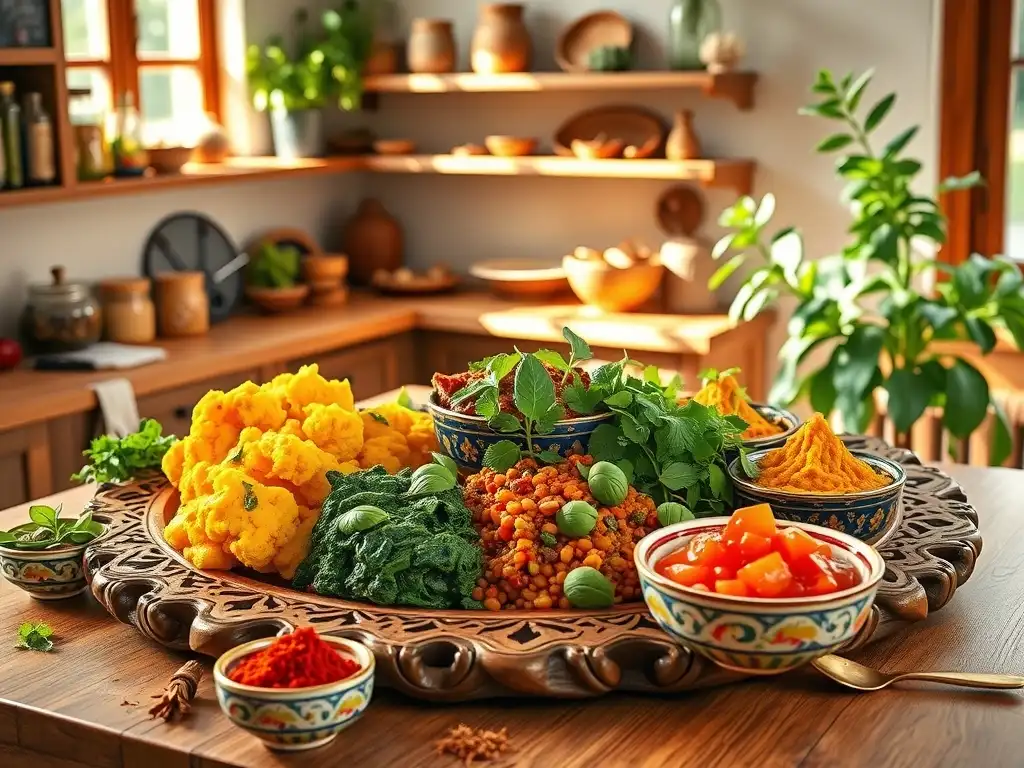
Welcome to Ancient India History, where we invite you to embark on a journey through the rich tapestry of ancient Indian civilizations. As we delve into the art of Ayurvedic cooking, you'll discover ancient recipes that not only nourish the body but also balance the mind and spirit. Curious about how ancient traditions can transform your culinary experience?
Join us as we explore the fascinating intersection of science and medicine in Ayurveda, revealing secrets that have stood the test of time. Your exploration starts here—dive deeper into the wisdom of the past and uncover the culinary treasures waiting for you!
Introduction to Ayurvedic Cooking
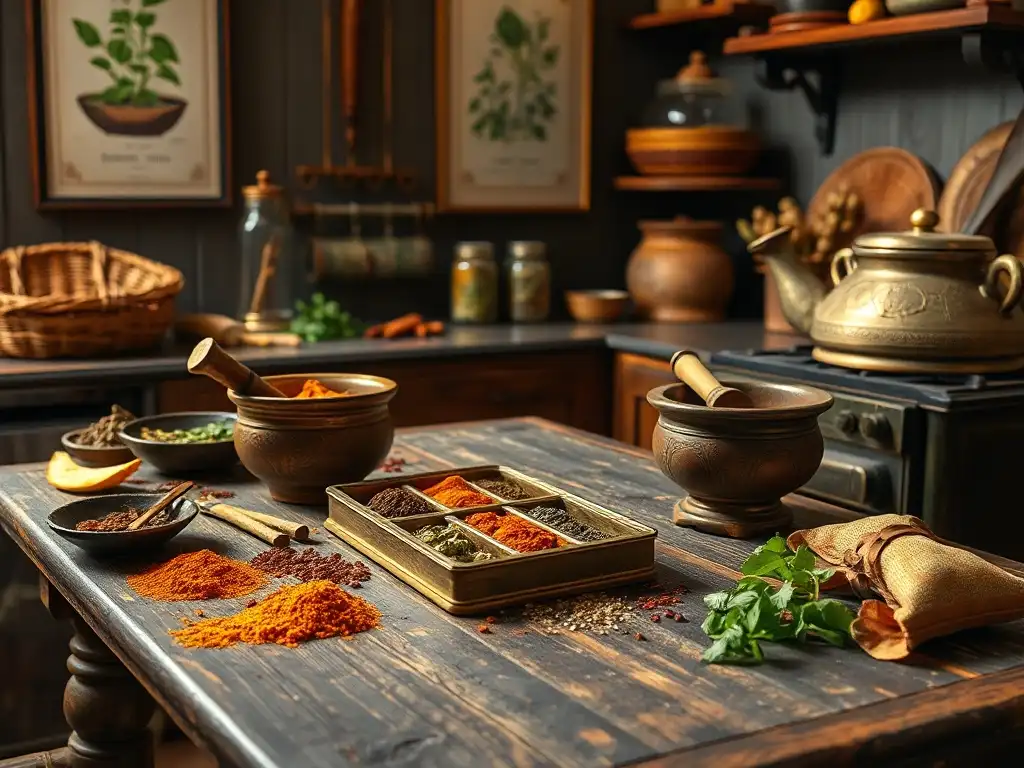
Ayurvedic cooking is a time-honored culinary practice rooted in the ancient wisdom of Ayurveda, a holistic system of medicine that originated in India over 5,000 years ago. This art form not only emphasizes the nutritional aspects of food but also recognizes the profound connection between dietary choices and overall well-being. By integrating the principles of Ayurveda into cooking, practitioners aim to create meals that not only nourish the body but also balance the mind and spirit.
In this article, we will explore Ayurvedic cooking ancient recipes, delving into their historical significance, core philosophies, and the foundational practices that define this unique culinary approach. From the vibrant flavors of the Indus Valley to the refined tastes of the Gupta Empire, Ayurvedic recipes offer a glimpse into the rich tapestry of ancient Indian civilization and its contributions to modern dietary practices.
Understanding Ayurveda and Its Principles
At its core, Ayurveda is based on the belief that health is a balance of the body, mind, and spirit. It categorizes individuals into three primary doshas— Vata, Pitta, and Kapha—each representing different combinations of the five elements: earth, water, fire, air, and ether. Understanding one's dosha is crucial, as it influences dietary choices, lifestyle habits, and even cooking methods.
- Vata: Dominated by air and space, Vata individuals tend to be creative and energetic but can suffer from anxiety and digestive issues. Foods that are grounding and nourishing are recommended.
- Pitta: Associated with fire and water, Pitta individuals are often ambitious and assertive but may experience irritability and inflammation. Cooling foods, such as fruits and leafy greens, are beneficial.
- Kapha: With earth and water as their primary elements, Kapha individuals are calm and steady but can struggle with lethargy and weight gain. Light, spicy foods that stimulate digestion are ideal.
The Philosophy Behind Ayurvedic Cooking
Ayurvedic cooking is not merely about satisfying hunger; it embodies a deeper philosophy that aligns food with nature's rhythms. This culinary practice encourages mindful eating, where each meal is prepared and consumed with intention. Key principles include:
- Sattva (purity): Foods that promote clarity and harmony in the mind and body.
- Rajas (activity): Foods that stimulate energy and action.
- Tamas (inertia): Foods that can lead to lethargy and dullness.
By choosing ingredients that enhance Sattva, Ayurvedic cooking fosters a balanced and harmonious state of being, essential for holistic health.
Importance of Ancient Recipes in Modern Ayurveda
The revival of ancient recipes in Ayurvedic cooking serves as a bridge between the past and present. These recipes, passed down through generations, encapsulate the wisdom of our ancestors who understood the healing properties of food. Incorporating these ancient practices into modern cooking not only preserves cultural heritage but also offers a wealth of health benefits rooted in time-tested traditions.
The Foundations of Ayurvedic Cooking
To truly embrace the art of Ayurvedic cooking, one must understand its foundational aspects, including key ingredients, spices, and the influence of seasonal and regional variations.
Key Ingredients in Ayurvedic Cuisine
The foundation of Ayurvedic cuisine lies in its emphasis on fresh, whole foods that are natural and unprocessed. Key ingredients often include:
- Grains: Such as rice, barley, and quinoa.
- Legumes: Including lentils and chickpeas, which are rich in protein.
- Vegetables: Seasonal and locally sourced to ensure optimal freshness and nutrient density.
- Fruits: Selected based on their doshic properties to enhance balance.
These ingredients are celebrated not just for their taste but for their ability to promote health and harmony.
The Role of Spices in Ancient Indian Cooking
Spices are the heartbeat of Ayurvedic cooking, bringing flavor and medicinal properties to dishes. Some essential spices include:
- Turmeric: Known for its anti-inflammatory properties.
- Ginger: Aids digestion and boosts the immune system.
- Cumin: Improves metabolic health and adds warmth to meals.
Each spice is chosen not only for its flavor but also for its ability to balance the doshas, making them indispensable in Ayurvedic cuisine.
Seasonal and Regional Variations in Ayurvedic Recipes
Ayurvedic cooking is inherently flexible, adapting to the seasons and regional availability of ingredients. This adaptability ensures that meals are not only fresh but also aligned with nature's cycles. For instance:
- Winter: Hearty soups and stews with warming spices.
- Summer: Light salads and cooling smoothies with refreshing herbs.
By embracing these variations, Ayurvedic cooking honors the diversity of ancient Indian culinary traditions while promoting health and well-being throughout the year.
Exploring Ayurvedic Cooking Techniques
Ayurvedic cooking is an art deeply rooted in the principles of Ayurveda, emphasizing harmony between the body, mind, and spirit through food. This ancient practice involves techniques that not only focus on nutrition but also enhance the healing properties of ingredients. The methods of preparation and cooking are designed to maximize the vitality of the food, aligning with the individual’s dosha (body constitution) and seasonal changes.
In Ayurvedic cooking, techniques such as steaming, sautéing, and slow cooking are prevalent. These methods help retain nutrients and flavors while making food more digestible. For instance, lightly sautéing spices in ghee (clarified butter) helps release their essential oils, enhancing both flavor and therapeutic benefits. Furthermore, the timings of cooking and eating are also considered crucial, as they influence digestion and overall health.
Traditional Cooking Methods Used in Ayurveda
Traditional Ayurvedic cooking methods are distinctive and rooted in ancient practices designed to enhance the therapeutic qualities of food. Some common techniques include:
- Steaming: This method preserves the nutrients and natural flavors of vegetables and grains, making them easier to digest.
- Sautéing: Often done with ghee, sautéing spices not only develops their flavors but also aids in digestion by activating their medicinal properties.
- Boiling: Cooking grains and legumes thoroughly ensures they are soft and digestible, crucial for optimal absorption of nutrients.
- Fermentation: This ancient technique is used for preparing foods like idli and dosa, enhancing their probiotic content and aiding gut health.
These methods reflect the Ayurvedic philosophy of cooking, which prioritizes health benefits alongside taste.
The Importance of Cooking Utensils in Ayurvedic Practices
In Ayurveda, the choice of cooking utensils plays a significant role in the overall cooking process. Certain materials are believed to interact with food in specific ways that can either enhance or detract from its nutritional value. Here are some important considerations:
- Copper and Bronze: Traditionally used for their antibacterial properties and ability to enhance the bioavailability of nutrients.
- Clay Pots: Ideal for slow cooking, they impart earthy flavors and retain moisture, which is beneficial for the digestion of food.
- Stainless Steel: Commonly used for its durability and non-reactive nature, making it suitable for a variety of cooking methods without altering the food's properties.
Choosing the right utensils ensures that the food retains its intended therapeutic qualities, aligning with Ayurvedic principles.
Balancing Flavors and Textures in Ayurvedic Dishes
Ayurvedic cooking emphasizes the balance of the six tastes: sweet, sour, salty, bitter, pungent, and astringent. Each taste contributes differently to health and well-being, reflecting the diversity of ingredients used in dishes.
- Sweet: Nourishing and calming, often derived from whole grains and root vegetables.
- Sour: Stimulates digestion, typically coming from fermented foods or citrus.
- Salty: Enhances flavor and aids in hydration but should be used in moderation.
- Bitter: Promotes detoxification and is found in leafy greens.
- Pungent: Stimulates metabolism and digestion, mainly from spices like ginger and black pepper.
- Astringent: Provides a cooling effect, present in legumes and certain fruits.
Balancing these flavors not only makes the meals appealing and satisfying but also aligns with the individual's dosha, fostering overall health.
Ayurvedic Recipes Inspired by Ancient Traditions
Ayurvedic recipes celebrate the integration of health and taste, drawing from ancient traditions that promote holistic well-being. Each recipe is designed to nourish the body while considering the principles of Ayurvedic cooking.
Breakfast Recipes: Nourishing Starts to Your Day
- Kitchari: A wholesome dish made from a balance of rice and mung beans, simmered with spices like cumin, turmeric, and ginger. It aids in digestion and detoxification.
- Spiced Oats: Rolled oats cooked with water and spices such as cinnamon and cardamom, topped with fresh fruits and nuts for added nutrition.
- Ayurvedic Smoothie: A blend of coconut milk, banana, spinach, and a pinch of ginger, providing a refreshing and energizing start to the day.
Lunch Recipes: Wholesome Midday Meals
- Vegetable Sambar: A lentil-based stew with a mix of seasonal vegetables and spices, served with brown rice for a complete meal rich in protein and fiber.
- Quinoa Salad: A colorful salad combining quinoa with fresh herbs, cucumbers, and a lemon-tahini dressing, perfect for a light yet filling lunch.
- Stuffed Parathas: Whole wheat flatbreads stuffed with spiced potatoes or paneer, served with yogurt and pickles for a satisfying meal.
Dinner Recipes: Light and Digestible Options
- Vegetable Soup: A light soup made with seasonal vegetables, flavored with herbs and spices, ideal for evening digestion.
- Mung Bean Pancakes (Cheela): Made from soaked and blended mung beans, spiced with cumin and coriander, served with a side of green chutney.
- Steamed Fish with Herbs: Lightly seasoned with turmeric and coriander, this dish is steamed to preserve its delicate flavors, perfect for a calming dinner.
These recipes reflect the deep-rooted traditions of Ayurvedic cooking, promoting health and balance through mindful eating practices.
Health Benefits of Ayurvedic Recipes
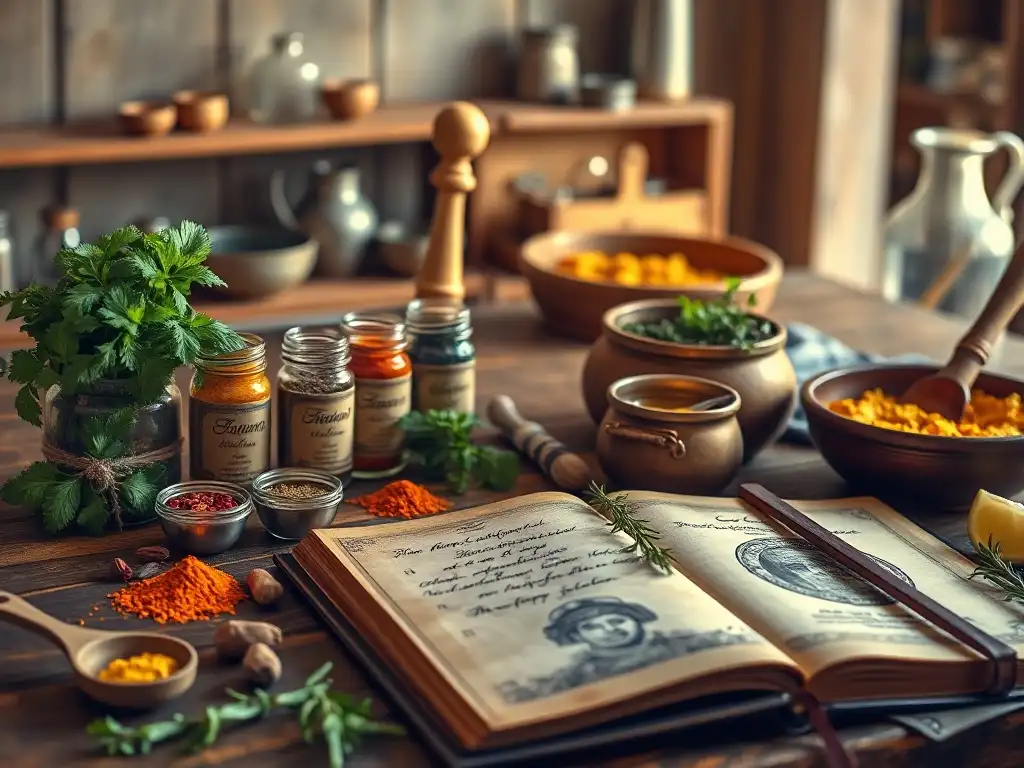
Ayurvedic cooking emphasizes the importance of food not just as sustenance, but as medicine that nurtures the body and mind. Recipes rooted in ancient Ayurvedic traditions are designed to enhance overall health and well-being. The holistic approach of Ayurveda focuses on balancing the body's energies (doshas) through specific food combinations, cooking methods, and seasonal ingredients. By consuming Ayurvedic recipes, individuals can experience a range of health benefits, including improved digestion, enhanced immunity, and a greater sense of balance and harmony within the body.
How Ayurvedic Cooking Enhances Digestion
Ayurvedic cooking is deeply rooted in the belief that digestion is a cornerstone of health. By selecting ingredients that are easy to digest and preparing them in ways that promote optimal absorption, Ayurvedic recipes can significantly enhance digestive health. Key elements include:
- Use of Spices: Spices such as ginger, cumin, and turmeric stimulate digestive enzymes, aiding in the breakdown of food and absorption of nutrients.
- Seasonal Ingredients: Incorporating seasonal fruits and vegetables ensures that meals are aligned with nature, promoting better digestion as the body adapts to the environment.
- Mindful Eating Practices: Ayurvedic cooking encourages mindful eating—focusing on the meal without distractions—which can improve digestion by fostering a relaxed eating environment.
By prioritizing these practices, Ayurvedic cooking can alleviate common digestive issues such as bloating, gas, and indigestion, paving the way for a healthier gut.
The Role of Food in Balancing Doshas
In Ayurveda, every individual has a unique constitution defined by a combination of the three doshas: Vata, Pitta, and Kapha. Each dosha is associated with specific qualities and elemental properties. Ayurvedic cooking utilizes these principles to create meals that balance the doshas.
- Vata: Foods that are warm, moist, and grounding, such as cooked grains and root vegetables, help to pacify the airy qualities of Vata.
- Pitta: Cooling foods, such as cucumber, bitter greens, and dairy, are beneficial for balancing the fiery energy of Pitta.
- Kapha: Light and stimulating foods, including legumes and spicy dishes, can help reduce the heaviness associated with Kapha.
By understanding and incorporating dosha-specific foods into daily meals, individuals can maintain balance, enhance vitality, and promote overall wellness.
Ayurvedic Recipes for Boosting Immunity
Immunity is a vital aspect of health that can be significantly improved through Ayurvedic cooking. Several ancient recipes are designed specifically to enhance immunity:
- Golden Milk (Turmeric Latte): Made with turmeric, ginger, black pepper, and milk or a plant-based alternative, this beverage is known for its anti-inflammatory properties and ability to boost immunity.
- Kitchari: A nourishing dish made from rice and lentils, often spiced with cumin, coriander, and ginger. It is considered a detoxifying meal that supports the digestive system and revitalizes the body.
- Herbal Chai: A blend of spices such as cloves, cardamom, and cinnamon, combined with tea, can enhance circulation and strengthen the immune system.
Incorporating these recipes into the diet can help fortify the body's defenses against illness and promote long-term health.
Integrating Ayurvedic Cooking into Daily Life
Integrating Ayurvedic cooking into one’s daily routine involves a mindful approach to food preparation and consumption. By adopting Ayurvedic principles, individuals can enhance their overall lifestyle, leading to improved health and well-being.
Tips for Incorporating Ancient Recipes into Modern Cooking
To seamlessly blend ancient Ayurvedic recipes with modern cooking techniques, consider the following tips:
- Start Small: Introduce one or two Ayurvedic recipes each week to gradually acclimate your palate and cooking style.
- Adapt Ingredients: Use locally available ingredients to recreate traditional recipes, ensuring freshness and accessibility.
- Experiment with Spices: Get familiar with Ayurvedic spices and herbs, and incorporate them into everyday meals to enhance flavor and health benefits.
These simple adjustments can make Ayurvedic cooking a realistic and enjoyable part of modern life.
Meal Planning with Ayurvedic Principles
Meal planning is a powerful tool to ensure that Ayurvedic principles are consistently applied in daily eating habits. Consider the following strategies:
- Seasonal Menus: Plan meals based on seasonal ingredients to align with nature and enhance nutritional value.
- Balanced Plates: Aim for a balance of all six tastes—sweet, sour, salty, bitter, pungent, and astringent—in each meal to satisfy the body’s needs.
- Preparation Time: Dedicate time each week for meal prep, cooking in batches, and storing meals to facilitate convenient, healthy choices throughout the week.
By following these principles, meal planning can reinforce a holistic approach to nutrition.
Creating an Ayurvedic Kitchen: Essentials and Tools
An Ayurvedic kitchen is designed to support healthful cooking practices and promote a balanced lifestyle. Key essentials include:
- Spice Rack: Stock up on essential Ayurvedic spices such as turmeric, cumin, coriander, ginger, and fenugreek.
- Cooking Utensils: Invest in quality cookware that allows for diverse cooking methods, such as steaming, sautéing, and slow cooking.
- Storage Containers: Use glass or stainless steel containers for storing spices and prepared foods, ensuring minimal exposure to harmful chemicals.
Creating this environment can make the practice of Ayurvedic cooking more accessible and enjoyable, enhancing the overall cooking experience.
Conclusion: Embracing the Art of Ayurvedic Cooking
Ayurvedic cooking is more than just a method for preparing food; it embodies a holistic approach to health and wellness that has withstood the test of time. By understanding the principles behind Ayurvedic cooking, individuals can appreciate the intricate balance of flavors, textures, and nutritional benefits that these ancient recipes offer. Embracing Ayurvedic cooking means adopting a lifestyle that prioritizes well-being, mindfulness, and respect for natural ingredients. As modern society increasingly seeks healthier and more sustainable ways to nourish the body, the wisdom of Ayurvedic traditions provides a valuable framework to guide culinary practices.
The Cultural Significance of Ayurvedic Cooking
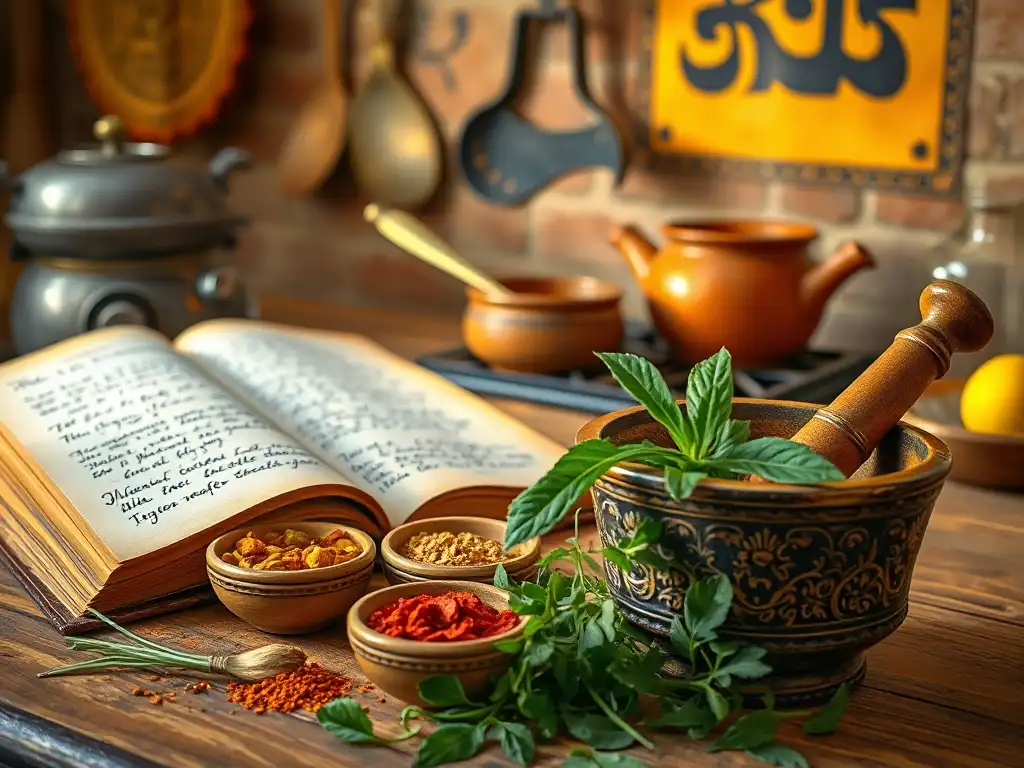
Ayurvedic cooking holds a profound place in the cultural heritage of India. Rooted in the ancient texts of Ayurveda, it reflects the belief that food is not merely sustenance but a vital component of an individual’s health and spiritual well-being. This culinary art emphasizes the use of natural ingredients, seasonal produce, and spices that not only enhance flavor but also promote healing and balance within the body.
Moreover, Ayurvedic cooking fosters communal eating practices, where families and friends come together to share meals that nourish both the body and soul. The rituals surrounding food preparation and consumption are steeped in tradition, highlighting the interconnectedness of food, culture, and community.
The Future of Ayurvedic Recipes in Global Cuisine
As the world becomes more health-conscious, Ayurvedic recipes are finding their way into global cuisine, attracting attention from chefs and food enthusiasts alike. The principles of balance, seasonal eating, and healthful ingredients resonate with contemporary dietary trends, such as plant-based diets and the focus on wellness foods.
Restaurants and culinary schools are increasingly incorporating Ayurvedic concepts into their curricula, promoting dishes that align with the dosha system and emphasize gut health. This growing interest indicates a promising future for Ayurvedic cooking, as it not only preserves ancient traditions but also adapts to modern tastes and health needs.
Call to Action: Discover More Ancient Recipes
Explore the rich tapestry of Ayurvedic cooking by delving into more ancient recipes that honor the tradition and wisdom of this culinary art. From spice blends to comforting dishes, each recipe offers a unique opportunity to connect with the principles of Ayurveda while savoring the flavors of history.
Encouragement to Explore Further into Ayurvedic Practices
We encourage you to deepen your understanding of Ayurvedic practices beyond cooking. Consider exploring topics such as herbal medicine, yoga, and meditation, all of which are integral to the Ayurvedic lifestyle. Engaging with these practices can enhance your culinary journey, allowing you to fully embrace the holistic philosophy of Ayurveda.
Invitation to Share Personal Ayurvedic Cooking Experiences
We would love to hear about your personal experiences with Ayurvedic cooking! Whether you have a beloved family recipe or have recently tried your hand at preparing Ayurvedic dishes, your stories can inspire others to explore this ancient culinary tradition. Share your insights, tips, and recipes, and join a community of enthusiasts who are passionate about the art of Ayurvedic cooking.
- Introduction to Ayurvedic Cooking
- The Foundations of Ayurvedic Cooking
- Exploring Ayurvedic Cooking Techniques
- Ayurvedic Recipes Inspired by Ancient Traditions
- Health Benefits of Ayurvedic Recipes
- Integrating Ayurvedic Cooking into Daily Life
- Conclusion: Embracing the Art of Ayurvedic Cooking
- The Cultural Significance of Ayurvedic Cooking
- The Future of Ayurvedic Recipes in Global Cuisine
- Call to Action: Discover More Ancient Recipes
Frequently Asked Questions
What is Ayurvedic cooking?
Ayurvedic cooking is a holistic approach to food that emphasizes the balance of mind, body, and spirit through the use of natural ingredients and traditional recipes.
How do ancient Indian civilizations influence Ayurvedic cooking?
Ancient Indian civilizations, particularly the Indus Valley and the Gupta Empire, contributed to Ayurvedic principles, promoting the use of spices and herbs for health benefits and culinary traditions.
What are some key ingredients in Ayurvedic recipes?
Common ingredients in Ayurvedic cooking include spices like turmeric, ginger, and cumin, as well as fresh vegetables and legumes, which are believed to support various body types and their unique needs.
Can Ayurvedic recipes be adapted for modern diets?
Yes, Ayurvedic recipes can be easily adapted to suit modern dietary preferences, such as vegetarian or gluten-free options, while still maintaining their traditional health benefits.
What are the benefits of Ayurvedic cooking?
Ayurvedic cooking promotes digestive health, boosts overall well-being, and helps maintain balance in the body, making it a valuable practice for those seeking a healthier lifestyle.
Final Reflection: Embracing the Wisdom of Ayurvedic Cooking
The art of Ayurvedic cooking transcends mere culinary practice; it is a holistic approach to nourishment that resonates deeply in today's fast-paced world. As we navigate the complexities of modern life, the principles of Ayurvedic cooking remind us of the importance of balance, mindfulness, and connection to our food. This ancient wisdom is not just a relic of the past; it is a guiding light that can help us cultivate health and harmony in our lives.
The influence of Ayurvedic cooking extends beyond the kitchen, shaping our cultural and social landscapes by promoting wellness and self-awareness. As more people seek natural and holistic solutions to health, the ancient recipes and practices of Ayurveda are gaining renewed attention. When we cook with intention and awareness, we not only nourish our bodies but also our souls.
This quote encapsulates the essence of Ayurvedic cooking, highlighting its potential to foster a deeper relationship with ourselves and the world around us.
As you reflect on the lessons of Ayurvedic cooking, I invite you to explore how these ancient traditions can enrich your daily life. Consider integrating the principles of balance and mindfulness into your meals, and embrace the opportunity to nourish not just your body, but also your spirit. Let the art of Ayurvedic cooking inspire you to create a more harmonious existence, where every bite is a step toward greater well-being and connection.
Ignite Your Culinary Journey with Ayurveda!
Thank you for diving into the rich world of Ayurvedic cooking with us! You've uncovered the transformative power of this ancient culinary art, and now it’s time to bring these insights into your own kitchen.
Ready to elevate your meals and embrace a holistic lifestyle? Here are some simple steps you can take right now:
- Start Making Your Own Ayurvedic Dish: Choose a recipe that inspires you and prepare it this week. Experience the positive effects on your cooking and overall well-being!
- Explore Unique Ingredients: Visit a local market or health store to discover Ayurvedic spices such as turmeric, cardamom, and ashwagandha. Incorporate these ingredients into your cooking to enhance flavor and enjoy their health benefits!
- Share Your Experience: Capture a photo of your Ayurvedic creation and share it on social media with the hashtag #AyurvedicJourney. Connect with others on this culinary path!
What Ayurvedic dish will you create first, and how do you think it will enhance your health and well-being? We’d love to hear your thoughts in the comments!