
The Ayurvedic Concept of Aging: Embracing Life at Every Stage

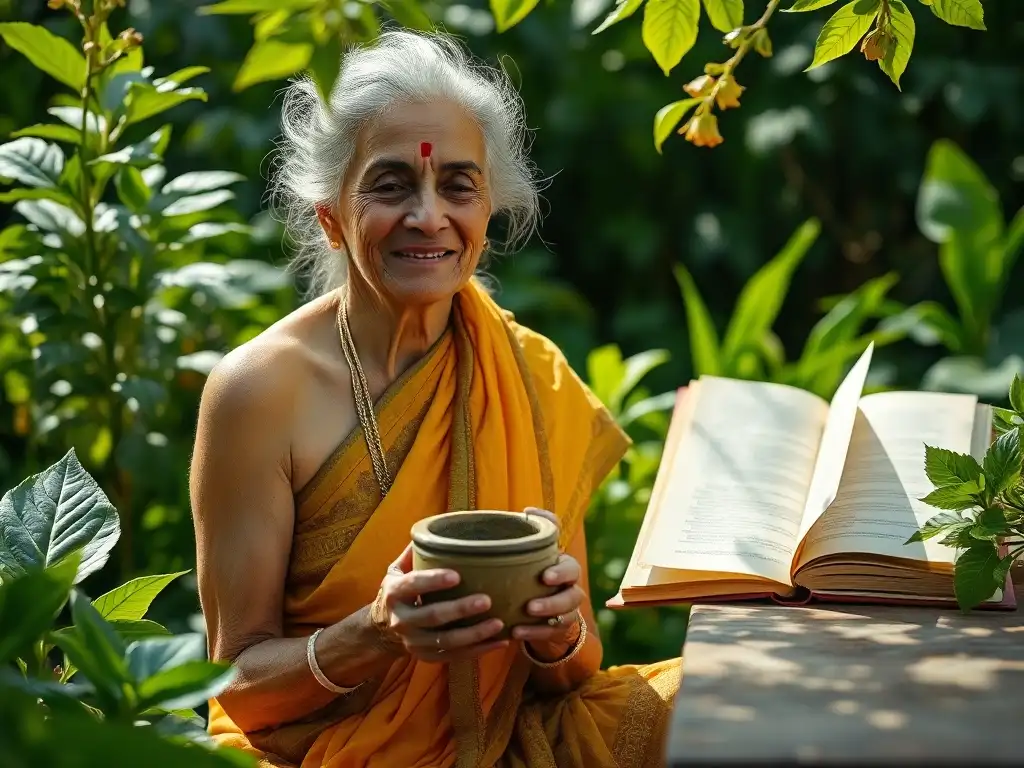
Welcome to Ancient India History, where we invite you to embark on a fascinating journey through the rich tapestry of ancient Indian civilizations. Our exploration delves deep into the wisdom and innovations that have shaped cultures from the Indus Valley to the Gupta Empire. In our featured article, “The Ayurvedic Concept of Aging: Embracing Life at Every Stage,” we unveil the ancient practices that offer profound insights into the Ayurvedic approach to aging.
Discover how these time-honored traditions encourage us to embrace each phase of life with vitality and grace. Join us as we unravel the mysteries of the past and illuminate the path to a healthier, more vibrant future—your adventure into the depths of ancient wisdom begins here!
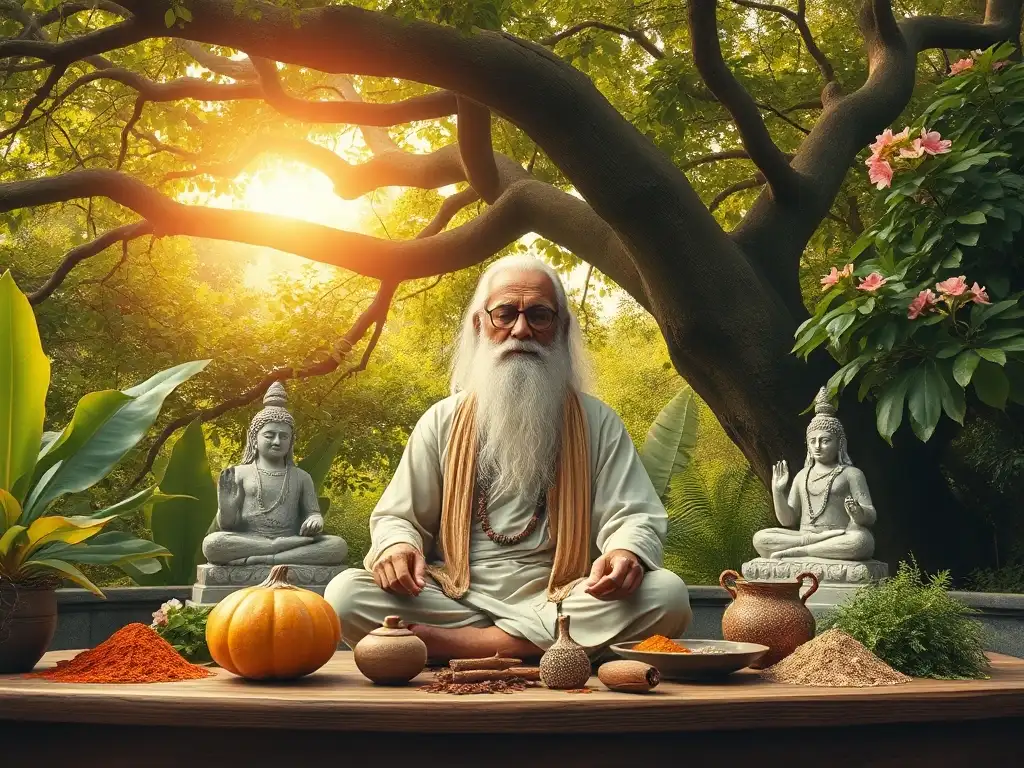
Introduction to the Ayurvedic Approach to Aging
Aging is an inevitable aspect of life that has been contemplated across various cultures and philosophies. In the context of ancient Indian wisdom, the Ayurvedic approach to aging offers a holistic understanding that intertwines health, wellness, and spirituality. Ayurveda, known as the "science of life," emphasizes the importance of balance and harmony within the body, mind, and spirit. This article delves into the Ayurvedic principles surrounding aging, exploring how they can help individuals embrace life at every stage.
Through the lens of Ayurveda, aging is not merely a biological decline but a complex interplay of physical, emotional, and environmental factors. This perspective encourages us to view aging as a natural process filled with opportunities for growth and self-discovery. By understanding the Ayurvedic concepts related to aging, we can learn to navigate this journey with grace and vitality, ensuring that we honor each phase of life with intention and awareness.
Understanding Aging in Ayurveda
Aging, according to Ayurvedic philosophy, is a multifaceted process influenced by various factors, including diet, lifestyle, and emotional well-being. At its core, Ayurveda recognizes that aging can be viewed through two distinct yet interconnected lenses: the definition of aging itself and the role of doshas in this intricate process.
Definition of Aging in Ayurvedic Philosophy
In Ayurveda, aging is defined as the gradual loss of Ojas, the vital energy that sustains life and vitality. Ojas is considered the essence of our health, immunity, and overall well-being. As individuals age, the accumulation of toxins ( ama) and imbalances in the doshas can lead to a depletion of Ojas, resulting in various physical and mental ailments.
The Ayurvedic definition of aging emphasizes not just the physical aspects but also the emotional and spiritual dimensions. It is believed that a clear mind, emotional stability, and spiritual growth can contribute positively to one's aging process. By nurturing these aspects, individuals can enhance their quality of life and maintain a youthful spirit well into their later years.
The Role of Doshas in the Aging Process
The three doshas— Vata, Pitta, and Kapha—serve as the foundational principles in Ayurveda that govern the physiological and psychological aspects of human life. Each dosha has unique characteristics and influences how an individual ages:
- Vata: Often associated with movement and change, an imbalance in Vata can lead to dryness, anxiety, and restlessness, which may accelerate the aging process. Balancing Vata through nourishing foods and calming practices is essential for promoting longevity.
- Pitta: This dosha represents transformation and metabolism. Excess Pitta can result in inflammation and heat, leading to premature aging. Cooling and soothing practices, along with a balanced diet, can help maintain Pitta's equilibrium.
- Kapha: Associated with stability and structure, an excess of Kapha can lead to lethargy and stagnation. Stimulating activities and a light diet can help keep Kapha in check, promoting vitality and energy as one ages.
Understanding the role of these doshas in the aging process allows individuals to tailor their lifestyle choices to support their unique constitution, fostering a more graceful and vibrant aging experience. By embracing the Ayurvedic approach to aging, we can cultivate a deeper appreciation for the wisdom that each stage of life offers.
The Ayurvedic Perspective on Life Stages
The Ayurvedic approach to aging is deeply rooted in the understanding of life as a series of stages, each with its unique characteristics and responsibilities. This perspective emphasizes that aging is not merely a process of decline but a natural progression that should be embraced with awareness and acceptance. Ayurveda categorizes life into four distinct stages, known as Ashramas, each representing different phases of an individual's journey. Each stage is believed to influence not only one's physical health but also mental, emotional, and spiritual well-being, shaping how one experiences the aging process.
The Ayurvedic philosophy posits that by understanding the characteristics of each life stage, individuals can align their lifestyle, practices, and mindset to support their health and longevity. This alignment is viewed as essential for achieving a balanced life and maintaining vitality throughout the aging process. Thus, Ayurveda encourages individuals to cultivate awareness of their current stage, enabling them to make informed choices that promote well-being and prevent age-related ailments.
The Four Stages of Life (Ashramas)
The four stages of life in Ayurveda—Brahmacharya (student life), Grihastha (householder life), Vanaprastha (hermit stage), and Sannyasa (renounced life)—each serve a unique purpose and contribute to holistic development.
-
Brahmacharya:
This stage focuses on education, self-discipline, and spiritual growth. It is primarily concerned with acquiring knowledge and establishing a strong foundation for the future. The emphasis is on cultivating mental clarity and physical health through practices such as yoga and meditation.
-
Grihastha:
During this stage, individuals take on responsibilities, including family life and community involvement. It is a time for productivity, nurturing relationships, and contributing to society. Proper balance in lifestyle, diet, and stress management is crucial during this phase to promote longevity.
-
Vanaprastha:
This transitional stage encourages individuals to withdraw from material pursuits and focus on spiritual development and reflection. It is a time to prepare for the later stages of life, emphasizing inner peace and the sharing of wisdom gained through experience.
-
Sannyasa:
The final stage is characterized by renunciation and detachment from worldly concerns. Individuals seek to attain spiritual liberation and provide guidance to others. This stage emphasizes the importance of mental and spiritual health, which are vital for graceful aging.
How Each Stage Influences Aging
Each stage of life influences the aging process significantly. In Brahmacharya, the foundation for health is established through education and self-discipline, which can lead to a healthier aging process later in life. During Grihastha, the responsibilities and stresses of family life can impact physical and mental health; therefore, maintaining balance is essential to prevent premature aging.
As individuals transition into Vanaprastha, they begin to ease these stresses and focus on self-care and reflection, which can promote emotional and mental well-being. Finally, in the Sannyasa stage, the focus on spiritual health can lead to a sense of fulfillment and peace, which is crucial for a positive aging experience. Recognizing the significance of each stage allows individuals to adapt their Ayurvedic practices accordingly, ultimately fostering a healthier approach to aging.
Key Principles of the Ayurvedic Approach to Aging
The Ayurvedic approach to aging incorporates several key principles that collectively aim to promote health, balance, and longevity. By focusing on these principles, individuals can navigate the aging process with grace and vitality.
Balance of Doshas for Healthy Aging
Central to Ayurveda is the concept of the three doshas—Vata, Pitta, and Kapha—which represent different biological energies in the body. Aging can lead to an imbalance of these doshas, manifesting in various health issues.
- Vata: This dosha is associated with movement and change. As individuals age, Vata tends to increase, leading to dryness and instability. To counterbalance this, it is essential to incorporate grounding practices, nourishing foods, and hydration.
- Pitta: This dosha relates to transformation and metabolism. An excess of Pitta can lead to inflammation and irritability in older adults. Cooling foods, stress management techniques, and moderation in activities can help keep Pitta in check.
- Kapha: This dosha embodies structure and stability. As people age, Kapha may decrease, leading to weakness and lethargy. Stimulating activities, lighter foods, and regular exercise can help maintain a balanced Kapha.
By understanding the unique constitution and current dosha balance, individuals can tailor their diets, exercise, and lifestyle choices to foster healthy aging.
Importance of Nutrition in the Ayurvedic Lifestyle
Nutrition plays a critical role in the Ayurvedic approach to aging. Ayurveda emphasizes a diet tailored to individual constitution (Prakriti) and current needs (Vikriti).
- Whole Foods: Emphasis is placed on consuming whole, unprocessed foods that are seasonal and locally sourced. Fresh fruits, vegetables, whole grains, and legumes are foundational for nourishing the body.
- Digestive Health: Ayurveda highlights the importance of a strong digestive system (Agni). Foods that support digestion, such as ginger, cumin, and turmeric, are encouraged to optimize nutrient absorption and reduce toxins.
- Mindful Eating: Practicing mindfulness during meals—such as eating slowly, appreciating flavors, and listening to hunger cues—can enhance the overall eating experience and support better digestion.
By prioritizing nutrition, individuals can not only enhance their physical health but also support emotional and mental well-being as they age.
Role of Herbal Remedies in Promoting Longevity
Herbal remedies are integral to the Ayurvedic approach to aging, offering natural solutions to promote health and longevity. Several potent herbs are particularly noted for their anti-aging properties:
- Ashwagandha: Known as a powerful adaptogen, Ashwagandha helps manage stress and improve vitality, making it beneficial for overall health and longevity.
- Turmeric: Renowned for its anti-inflammatory and antioxidant properties, turmeric supports joint health and reduces the signs of aging.
- Brahmi: This herb is celebrated for its cognitive-enhancing properties and is believed to improve memory and mental clarity, essential for maintaining mental health in older age.
- Ginger: With its warming properties, ginger aids digestion and circulation, promoting overall vitality.
Incorporating these herbs into daily routines can help individuals harness the benefits of nature to promote longevity and enhance quality of life as they age.
Mind-Body Connection in Aging
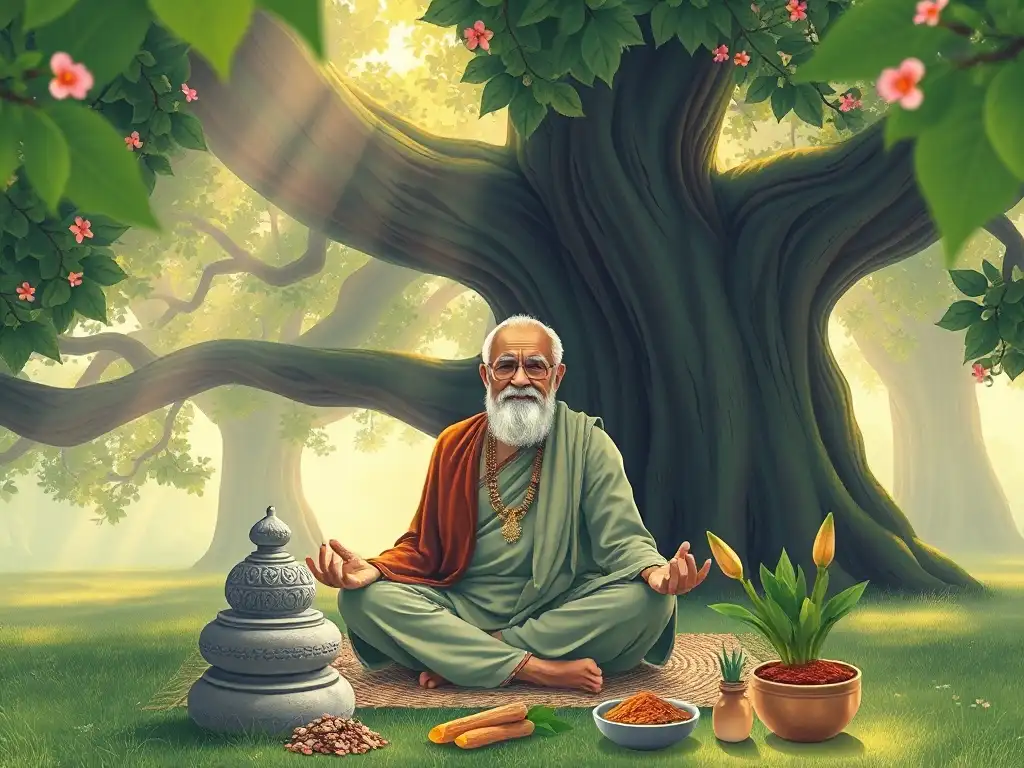
The Ayurvedic approach to aging emphasizes the profound connection between the mind and body, suggesting that mental health significantly influences physical vitality. According to Ayurveda, the body and mind are interdependent; negative mental states such as stress, anxiety, or depression can accelerate the aging process. This holistic perspective recognizes that emotional well-being is crucial for maintaining health and longevity.
In Ayurveda, the concept of Sattva, Rajas, and Tamas reflects different qualities of the mind. A predominance of Sattva (purity, harmony) promotes mental clarity and emotional stability, contributing to a healthier aging process. Conversely, heightened Rajas (activity, restlessness) and Tamas (inertia, darkness) can lead to imbalances, adversely affecting both mental and physical health. Therefore, nurturing a balanced mind through mindfulness and positive thinking is vital in the Ayurvedic framework for embracing aging gracefully.
The Impact of Stress on Aging
Stress is recognized as a significant factor influencing the aging process. In Ayurveda, stress is seen as a Vata imbalance, which can lead to various health issues, including digestive problems, insomnia, and increased susceptibility to diseases. Chronic stress triggers the release of cortisol, a hormone that, when elevated over time, can cause inflammation and accelerate aging at the cellular level.
Moreover, stress affects the Ojas—the vital essence responsible for vitality and immunity. A depletion of Ojas can result in premature aging, decreased energy levels, and a weakened immune system. To mitigate the effects of stress, Ayurveda advocates for practices that promote relaxation and mental clarity, such as meditation, yoga, and deep-breathing exercises. These practices not only help manage stress but also enhance overall well-being, allowing individuals to age with grace and vitality.
Ayurvedic Practices for Mental Well-being
Ayurveda offers a variety of practices aimed at promoting mental well-being, which are essential for a healthy aging process. Key practices include:
- Meditation and Mindfulness: Regular meditation helps calm the mind, reduce stress, and enhance cognitive function. Incorporating mindfulness into daily activities fosters a sense of presence and appreciation for life, which is particularly beneficial in the later stages of life.
- Yoga: This ancient practice integrates physical postures, breath control, and meditation to harmonize the body and mind. Specific yoga poses can help alleviate stress, improve mental clarity, and enhance emotional resilience, contributing to overall health as one ages.
- Herbal Remedies: Ayurvedic herbs such as Ashwagandha, Brahmi, and Tulsi are known for their adaptogenic properties that help the body adapt to stress and promote mental clarity. These herbs can be incorporated into daily routines to support cognitive function and emotional balance.
- Diet and Nutrition: Consuming a balanced diet rich in whole foods, seasonal fruits, and vegetables augments mental health. Foods that nourish the brain, such as nuts, seeds, and omega-3-rich items, are particularly beneficial.
Lifestyle Recommendations for Embracing Aging
The Ayurvedic approach to aging emphasizes lifestyle choices that nurture both body and mind. Integrating specific daily and seasonal routines can significantly enhance health and vitality as one ages.
Daily Routines (Dinacharya) for Healthy Living
Dinacharya, or daily routine, plays a pivotal role in maintaining health and well-being according to Ayurveda. Establishing a consistent daily schedule helps regulate bodily functions and promotes harmony within. Key components include:
- Waking Up Early: Rising with the sun aligns with the natural rhythms of the body, enhancing energy levels and focus throughout the day.
- Hydration: Starting the day with warm water or herbal teas aids digestion and hydrates the body after a night's rest.
- Nourishing Breakfast: Consuming a wholesome breakfast that includes nutrient-dense foods fuels the body for the day ahead.
- Physical Activity: Incorporating daily exercise, such as yoga or walking, supports physical health and boosts mood.
- Mindfulness Practices: Allocating time for meditation or breathwork fosters mental clarity and reduces stress, enhancing overall well-being.
By adopting these daily practices, individuals can promote longevity and a healthy aging process.
Seasonal Routines (Ritucharya) and Their Role in Aging
Ritucharya refers to seasonal routines that align lifestyle choices with the changing seasons. This practice acknowledges that each season affects the body differently and advocates for specific adjustments to maintain balance. For instance:
- Spring: Focus on detoxifying the body with lighter foods and cleansing herbs to combat seasonal allergies and rejuvenate energy.
- Summer: Emphasize hydration and cooling foods, such as cucumbers and yogurt, to counteract heat and maintain balance.
- Autumn: Incorporate grounding foods and warming spices to combat dryness and prepare the body for the colder months.
- Winter: Prioritize nourishing, warming meals and ample rest to support the immune system and combat cold weather fatigue.
By adjusting one’s lifestyle according to the seasons, individuals can better manage their health and enhance their quality of life as they age.
Importance of Sleep and Rest in Ayurvedic Practices
In Ayurveda, sleep is considered a cornerstone of good health and longevity. Quality sleep is essential for the body’s restorative processes, impacting everything from cognitive function to emotional well-being. Key aspects include:
- Sleep Hygiene: Establishing a calming bedtime routine, such as dimming lights and avoiding screens, can significantly improve sleep quality.
- Optimal Sleep Environment: Creating a comfortable and peaceful sleeping environment, free from disturbances, enhances relaxation and promotes deeper sleep.
- Ayurvedic Herbs: Herbs like Ashwagandha and Jatamansi can be taken to promote relaxation and improve sleep quality.
- Balancing the Doshas: Addressing imbalances in the Vata, Pitta, and Kapha doshas through diet, lifestyle, and herbal remedies can lead to better sleep patterns.
Emphasizing the importance of sleep and rest in daily life is crucial for embracing aging, allowing the body to rejuvenate and maintain vitality.
Common Misconceptions About Aging in Ayurveda
Aging is often perceived through a lens clouded by societal norms and misconceptions, especially in the context of Ayurveda. Many believe that aging is solely a physical decline, marked by the deterioration of health and vitality. However, this perspective overlooks the holistic approach that Ayurveda advocates.
Some common misconceptions include:
- Aging Equals Illness: Many assume that growing older means inevitable health issues. Ayurveda, however, emphasizes that aging can be a graceful transition when one adopts a balanced lifestyle.
- Youth as the Ideal State: There is a pervasive notion that youth is the pinnacle of life. In contrast, Ayurveda considers each stage of life valuable, with unique contributions to personal and spiritual development.
- Aging Cannot Be Managed: A belief exists that aging is completely out of one’s control. Ayurveda teaches that by understanding one’s constitution (Prakriti) and imbalances (Vikriti), individuals can proactively manage their health throughout their lifespan.
Debunking Myths Surrounding Aging
To better understand the Ayurvedic approach to aging, it is essential to debunk some of these myths.
- Myth: Aging is a Disease.
- Reality: Ayurveda views aging as a natural process, not a disease. It encourages practices that enhance longevity and quality of life rather than merely combating the signs of age.
- Myth: Only Young People Can Be Healthy.
- Reality: Health can be achieved at any age through proper diet, lifestyle, and self-awareness. Ayurveda promotes customized health plans tailored to individual needs, irrespective of age.
- Myth: Mental Decline is Inevitable with Age.
- Reality: While cognitive functions may change, Ayurveda supports mental agility through practices like meditation and yoga, which can enhance clarity and focus at any age.
Realities of the Ayurvedic Approach to Aging
The Ayurvedic approach to aging is rooted in a deep understanding of human nature and the cycles of life. Here are some key realities:
- Holistic Well-being: Ayurveda emphasizes balance among the body, mind, and spirit. This holistic view fosters resilience against age-related challenges, advocating for a lifestyle that nurtures all facets of health.
- Importance of Rasayana (Rejuvenation): A core principle in Ayurveda is Rasayana, which refers to rejuvenation therapies that enhance vitality and longevity. These can include herbal formulations, dietary adjustments, and lifestyle practices aimed at maintaining youthfulness.
- Personalized Care: Rather than a one-size-fits-all approach, Ayurveda focuses on individual constitution. This allows for tailored recommendations that consider each person's unique needs, leading to more effective aging strategies.
Conclusion: Embracing the Ayurvedic Perspective on Aging
Embracing the Ayurvedic perspective on aging involves recognizing it as a multifaceted journey rather than a mere decline. This view encourages individuals to engage fully in life at every stage.
The Journey of Aging as a Spiritual and Physical Process
In Ayurveda, aging is not just a physical transformation but a profound spiritual journey. Each phase of life brings opportunities for personal growth, wisdom, and understanding. The teachings advocate for mindfulness in aging, encouraging practices like meditation and self-reflection that nurture the spirit alongside the body. This dual focus helps individuals find purpose and joy, enriching their experience as they age.
Final Thoughts on Living Fully at Every Stage of Life
The Ayurvedic approach to aging invites us to celebrate each moment, recognizing the beauty in every age. By understanding and applying Ayurvedic principles, individuals can foster a lifestyle that honors their journey, embraces change, and promotes holistic well-being. Ultimately, aging becomes not a burden but a beautiful continuation of life, filled with potential for growth and fulfillment.
- Introduction to the Ayurvedic Approach to Aging
- Understanding Aging in Ayurveda
- The Ayurvedic Perspective on Life Stages
- Key Principles of the Ayurvedic Approach to Aging
- Mind-Body Connection in Aging
- Lifestyle Recommendations for Embracing Aging
- Common Misconceptions About Aging in Ayurveda
- Conclusion: Embracing the Ayurvedic Perspective on Aging
Frequently Asked Questions
What is the Ayurvedic approach to aging?
The Ayurvedic approach to aging emphasizes holistic well-being, focusing on balancing the body, mind, and spirit to promote a healthy, vibrant life throughout the aging process.
How does Ayurveda view the aging process?
In Ayurveda, aging is seen as a natural progression of life, where each stage brings unique opportunities for growth and wisdom, rather than just decline and physical deterioration.
What practices does Ayurveda recommend for healthy aging?
Ayurveda suggests practices like balanced nutrition, herbal remedies, yoga, and meditation to maintain vitality and enhance the quality of life as one ages.
Yes, Ayurveda offers various treatments such as panchakarma, rasayana therapy, and the use of adaptogenic herbs to address age-related concerns and promote longevity.
How can one start incorporating Ayurveda into their life for aging?
To incorporate Ayurveda, begin with a consultation with an Ayurvedic practitioner, focus on a personalized diet, and integrate lifestyle changes that suit your unique constitution and aging process.
Final Reflection: Embracing Aging Through the Ayurvedic Lens
The Ayurvedic approach to aging offers profound insights into how we can navigate the later stages of life with grace and vitality. In a world that often equates aging with decline, Ayurveda invites us to reframe our understanding, emphasizing that each stage of life is an opportunity for growth and self-discovery. This perspective is not just relevant; it is essential in a society that frequently overlooks the wisdom and beauty that come with age.
Ayurveda teaches us that aging is not merely a biological process but a holistic journey that encompasses our physical, mental, and spiritual well-being. The principles of balance and harmony resonate deeply in our cultural landscape, encouraging us to honor our bodies and minds as we age. As the renowned Ayurvedic practitioner Dr. Vasant Lad once said, Aging is a natural process, and we have the power to influence how we age through our lifestyle choices.
This wisdom reminds us that our approach to aging can significantly impact our quality of life, fostering resilience and joy in our later years.
As we reflect on the teachings of Ayurveda, let us embrace the invitation to cultivate a mindful and intentional approach to aging. Consider how you can integrate these principles into your daily life, nurturing your body, mind, and spirit as you journey through each stage. By doing so, you not only enhance your own experience of aging but also contribute to a cultural shift that celebrates the richness of life at every age. Embrace this journey with open arms, and let the Ayurvedic approach guide you toward a fulfilling and vibrant future.
Embrace Your Aging Journey Today!
Thank you for exploring the transformative insights of Ayurveda and aging with us! You've discovered how this ancient wisdom can help you embrace life's stages with grace and vitality. Now, it’s time to put this knowledge into action!
Here are some steps you can take to enhance your well-being and celebrate your journey:
- Incorporate Ayurvedic Practices: Start a daily routine of self-care, such as an oil massage or meditation, to nurture your body and mind.
- Join a Community: Connect with others who share your passion for Ayurveda—consider joining local wellness groups or online forums to share experiences and gain new insights.
- Share Your Learnings: Spread the wisdom you’ve gained by discussing this article with friends or on social media. Your insights could inspire others on their journey!
As you start this new chapter, ask yourself: What is one Ayurvedic practice you feel excited to incorporate into your life, and why? We would love to hear your thoughts!