
The Influence of Ayurveda on Modern Holistic Health Practices

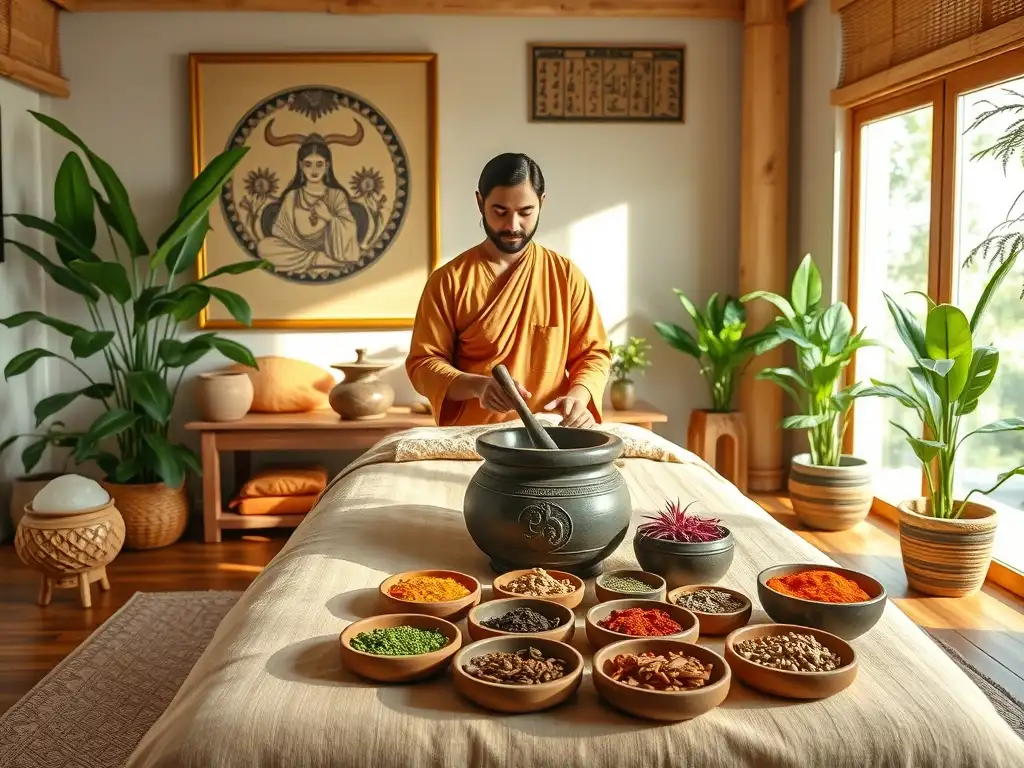
Welcome to Ancient India History, where we embark on a fascinating journey through the rich tapestry of ancient Indian civilizations. From the awe-inspiring Indus Valley to the illustrious Gupta Empire, we uncover the profound contributions that have shaped our world today. In this featured article, we delve into Ayurveda and modern health practices, exploring how this ancient system of medicine continues to influence contemporary holistic health approaches. Get ready to discover the wisdom of the ages and how it resonates in today’s wellness practices—your exploration begins here!

Introduction to Ayurveda and Modern Health Practices
Ayurveda, a time-honored system of medicine originating from ancient India, has significantly shaped the landscape of holistic health practices we see today. Rooted in the Sanskrit words "Ayur," meaning life, and "Veda," meaning knowledge, Ayurveda encompasses a comprehensive approach to health that emphasizes balance within the body, mind, and spirit. As modern health practices increasingly draw from traditional wisdom, the relevance of Ayurveda is more pronounced than ever. This article explores the intricate relationship between Ayurveda and modern holistic health practices, shedding light on how ancient teachings inspire contemporary approaches to well-being.
Understanding Ayurveda: An Ancient Healing System
Ayurveda is much more than a mere collection of herbal remedies; it represents a profound understanding of the human body and its interrelation with the environment. Central to Ayurvedic philosophy is the concept of the three doshas—Vata, Pitta, and Kapha—which are believed to govern an individual's physical and mental characteristics. Practitioners assess these doshas to tailor treatments that restore balance and promote overall health.
Some key components of Ayurveda include:
- Dietary Guidelines: Emphasis on personalized nutrition based on dosha types.
- Lifestyle Practices: Recommendations for daily routines (Dinacharya) to maintain harmony.
- Herbal Medicine: Use of natural substances to treat ailments and prevent disease.
Overview of Modern Holistic Health Practices
Modern holistic health practices encompass a variety of approaches that prioritize the integration of body, mind, and spirit. These practices often include:
- Naturopathy: Focusing on natural remedies and the body's self-healing capabilities.
- Mindfulness and Meditation: Techniques aimed at enhancing mental clarity and emotional balance.
- Yoga: A physical and spiritual practice that promotes flexibility, strength, and mental well-being.
The convergence of these practices with Ayurvedic principles illustrates a growing recognition of the importance of holistic approaches in maintaining health and wellness.
Historical Context of Ayurveda
Origins of Ayurveda in Ancient India
The roots of Ayurveda can be traced back over 3,000 years to the Vedic texts, which lay the foundation for its practices and philosophies. The earliest references to Ayurvedic principles are found in the Rigveda, where it is described as a system of healing and knowledge concerning life and health.
Historically, Ayurveda was practiced by sages and healers who utilized their understanding of nature and human physiology to develop treatments that addressed the root causes of illness. This ancient wisdom has been preserved and transmitted through generations, adapting to cultural shifts while maintaining its core philosophies.
Key Principles and Concepts of Ayurveda
At its core, Ayurveda is built upon several fundamental principles that guide health and healing:
- Holistic Approach: Understanding the individual as a whole and considering physical, emotional, and spiritual aspects.
- Balance of Doshas: The belief that health is achieved through the balance of Vata, Pitta, and Kapha within the body.
- Agni (Digestive Fire): The concept that a strong digestive system is crucial for overall health and well-being.
These principles provide a framework for understanding how lifestyle choices and environmental factors influence health, emphasizing the importance of individualized care.
The Evolution of Ayurveda Through the Ages
Ayurveda has undergone significant transformations throughout history, adapting to the socio-cultural changes in India and beyond. From its roots in the Vedic period, it evolved through various dynasties, absorbing influences from other medical traditions such as Unani, Siddha, and later, Western medicine.
Today, Ayurveda stands as a recognized system of medicine, integrated into modern health practices. Its influence is evident in contemporary wellness programs, where principles of Ayurveda are applied to enhance lifestyle choices and promote preventive health care.
As we delve deeper into the impact of Ayurveda on modern holistic health practices, we will explore specific applications, benefits, and the ongoing relevance of this ancient healing system in today’s health landscape.
Core Elements of Ayurveda

Ayurveda, often referred to as the "science of life," is a holistic system of medicine that originated in ancient India over 3,000 years ago. It emphasizes balance between the mind, body, and spirit, and aims to promote health and well-being through natural remedies and lifestyle choices. The core elements of Ayurveda are built on the understanding of the body’s constitution, the influence of nature, and the interconnection of physical and mental health. Central to this system are the concepts of doshas, digestion, detoxification, and lifestyle.
Ayurveda categorizes individuals into different body types based on their unique combinations of three primary energies or doshas: Vata, Pitta, and Kapha. Each dosha embodies specific physical and psychological characteristics and is influenced by various factors, including diet, environment, and emotional state. Balancing these doshas is essential for maintaining optimal health.
The Three Doshas: Vata, Pitta, and Kapha
The three doshas—Vata, Pitta, and Kapha—are foundational to Ayurvedic practice.
- Vata is characterized by air and space elements. It governs movement, circulation, and communication. Individuals with a dominant Vata dosha tend to be creative and energetic but may also experience anxiety or restlessness when out of balance.
- Pitta is associated with fire and water elements, controlling metabolism, digestion, and transformation. Those with a Pitta constitution are often ambitious and passionate but can become irritable or overheated if their Pitta is excessive.
- Kapha, comprising earth and water elements, is responsible for structure, stability, and lubrication. Kapha types are typically calm and nurturing but may struggle with lethargy or attachment when imbalanced.
Understanding an individual’s dosha is crucial for personalized health recommendations, including lifestyle modifications and dietary choices that promote equilibrium.
Ayurvedic Diet and Nutrition: Balancing the Body
Diet plays a pivotal role in Ayurveda, where food is viewed as a source of nourishment that can either enhance or disrupt one's balance. An Ayurvedic diet is tailored to an individual’s dosha, aiming to balance the three energies through food choices that align with one's constitution and current state of health.
Key principles of the Ayurvedic diet include:
- Seasonal Eating: Consuming foods that are in season helps to align the body with nature's rhythms. For instance, warming spices like ginger and cinnamon are favored in winter, while cooling foods like cucumbers are recommended in summer.
- Taste and Digestion: Ayurveda identifies six tastes—sweet, sour, salty, bitter, pungent, and astringent. Each taste has specific effects on the doshas and overall health. A balanced meal includes a variety of these tastes to promote optimal digestion and satiation.
- Mindful Eating: Eating with awareness, focusing on the food's aroma, texture, and taste, enhances digestion and satisfaction. This practice fosters a deeper connection between the mind and body, supporting overall well-being.
Herbal Remedies: Nature’s Pharmacy in Ayurveda
Herbal remedies hold a prominent place in Ayurvedic medicine, where plants are used for their therapeutic properties to restore balance and promote health. Ayurveda utilizes a wide array of herbs, each with unique benefits and applications.
Some notable herbal remedies include:
- Ashwagandha: Known for its adaptogenic properties, ashwagandha helps combat stress and enhances vitality.
- Turmeric: Valued for its anti-inflammatory and antioxidant properties, turmeric supports joint health and overall immunity.
- Brahmi: This herb is believed to enhance cognitive function and memory, making it a popular choice for mental clarity and focus.
The integration of these herbs into daily routines can enhance health and vitality, showcasing Ayurveda's commitment to natural healing.
Integration of Ayurveda into Modern Health Practices

As the world increasingly embraces holistic health, Ayurveda has found its way into modern health practices, blending ancient wisdom with contemporary approaches. This integration reflects a growing awareness of the importance of treating the body as a whole rather than merely addressing symptoms.
The Rise of Holistic Health: A Global Trend
Holistic health has gained significant traction globally, with people seeking alternatives to conventional medicine that focus on the complete person—mind, body, and spirit. This shift is driven by a desire for preventive care and natural remedies, aligning with the foundational principles of Ayurveda.
Modern wellness trends, such as yoga, meditation, and mindfulness, often incorporate Ayurvedic concepts, emphasizing balance and well-being. The rise of wellness centers and retreats that offer Ayurvedic consultations and treatments further exemplifies this trend, showcasing a robust interest in natural and holistic approaches.
How Ayurveda Influences Contemporary Wellness Approaches
Ayurveda’s emphasis on personalized care has significantly influenced contemporary wellness practices. Many health and wellness programs now incorporate Ayurvedic principles, such as:
- Personalized Nutrition: Tailoring dietary recommendations based on individual doshic profiles is becoming common in wellness coaching and nutritional therapy.
- Mind-Body Practices: Techniques derived from Ayurveda, like yoga and pranayama (breath control), are widely adopted for stress management and physical fitness.
- Detoxification Programs: Ayurvedic cleansing practices, such as Panchakarma, are increasingly popular for rejuvenation and detoxification, promoting holistic health.
This melding of ancient practices with modern understanding has created a rich tapestry of health and wellness strategies that resonate with a diverse audience.
Case Studies: Successful Integration of Ayurvedic Practices
Several case studies illustrate the successful integration of Ayurvedic practices into modern health systems:
- Ayurveda in Hospitals: Some hospitals in India have incorporated Ayurvedic treatments alongside conventional medicine, offering patients a more comprehensive approach to healing. These facilities report improved patient outcomes and satisfaction.
- Corporate Wellness Programs: Companies are increasingly incorporating Ayurvedic principles into their wellness programs, providing employees with stress management tools, dietary guidance, and mindfulness practices, improving overall workplace well-being.
- Holistic Health Retreats: Retreats that offer Ayurvedic treatments and instruction in lifestyle practices are gaining popularity worldwide, attracting individuals seeking rejuvenation and a deeper understanding of health.
These examples demonstrate Ayurveda's adaptability and relevance in today's health landscape, highlighting its potential to enhance modern health practices and promote holistic well-being.
Benefits of Ayurveda in Modern Health

Ayurveda, the ancient Indian system of medicine, offers a wealth of knowledge and practices that have found relevance in contemporary health and wellness. Its holistic approach considers the interconnectedness of body, mind, and spirit, leading to comprehensive benefits for individuals who integrate Ayurvedic principles into their lives. The emphasis on balance, personalized treatment, and natural remedies aligns seamlessly with the growing trend towards holistic health in modern society. Here, we explore the specific benefits of Ayurveda that resonate with current health practices.
Enhanced Physical Health through Ayurvedic Practices
Ayurveda promotes a variety of practices aimed at enhancing physical health, including dietary recommendations, herbal remedies, and lifestyle adjustments. One of the core tenets of Ayurveda is the concept of doshas, which refers to the three biological energies (Vata, Pitta, and Kapha) that govern physiological and psychological functions. Understanding one’s dosha can guide individuals in making informed dietary choices that support their unique physiological makeup.
For example, individuals with a predominant Vata dosha may benefit from warm, nourishing foods that provide grounding, while those with a Pitta dominance may thrive on cooling, hydrating foods to balance their fiery nature. Additionally, Ayurvedic herbs such as turmeric, ashwagandha, and triphala have gained recognition for their anti-inflammatory, adaptogenic, and digestive benefits, respectively.
Moreover, practices such as yoga and pranayama (breath control) enhance physical vitality, flexibility, and overall wellness. These elements collectively contribute to improved physical health and vitality, making Ayurveda an invaluable resource in modern health practices.
Mental Well-being: Stress Relief and Mindfulness
In today’s fast-paced world, mental well-being has taken center stage, and Ayurveda offers effective strategies for stress relief and mindfulness. Techniques such as meditation, mindfulness, and herbal therapies are integral to Ayurvedic practices, promoting mental clarity and emotional balance.
Meditation, a cornerstone of Ayurvedic philosophy, encourages self-awareness and presence, allowing individuals to cultivate a deeper connection with their thoughts and emotions. This practice can lead to reduced anxiety and improved focus, essential qualities for navigating daily challenges.
Furthermore, Ayurvedic treatments often incorporate aromatherapy, utilizing essential oils derived from plants to promote relaxation and emotional stability. Practices like Abhyanga, or Ayurvedic oil massage, not only enhance physical relaxation but also stimulate the nervous system, fostering emotional well-being.
As mental health becomes increasingly prioritized in modern society, Ayurveda’s emphasis on holistic well-being provides valuable tools for managing stress and promoting mental resilience.
Preventative Health: Ayurveda's Role in Disease Prevention
One of the significant contributions of Ayurveda to modern health practices is its preventive approach to health. Ayurveda emphasizes the maintenance of health through balanced living, proper diet, and regular detoxification.
Regular detoxification practices, such as Panchakarma, cleanse the body of toxins ( ama) that accumulate due to poor diet, stress, and environmental factors. This cleansing process enhances immunity and prepares the body to fend off disease.
Moreover, Ayurveda promotes seasonal routines, or Ritucharya, which guide individuals on how to adjust their lifestyle and diet according to the changing seasons. This adaptability not only strengthens the body’s resilience but also minimizes the risk of seasonal illnesses.
By focusing on prevention rather than merely treating symptoms, Ayurveda aligns with modern health trends that prioritize proactive health management, making it an essential component of holistic health practices today.
Challenges and Criticisms of Ayurveda in Modern Medicine
While Ayurveda holds significant promise for enhancing modern health practices, it is not without its challenges and criticisms. The integration of traditional practices into contemporary medical frameworks often faces scrutiny and requires careful navigation to ensure safety and efficacy.
Scientific Scrutiny: Bridging Tradition and Evidence-Based Medicine
The main challenge facing Ayurveda in the context of modern medicine is the need for scientific validation. Many Ayurvedic practices and remedies lack extensive clinical trials that meet the rigorous standards of evidence-based medicine. This gap in scientific scrutiny can lead to skepticism among healthcare professionals and patients alike.
However, an increasing number of studies are beginning to explore and validate Ayurvedic practices. For instance, research on herbal formulations like turmeric has demonstrated their anti-inflammatory properties, gaining recognition in both Ayurvedic and modern medical communities.
Bridging the gap between traditional knowledge and modern science is crucial for Ayurveda’s acceptance and integration into mainstream healthcare. Collaborative research efforts and interdisciplinary approaches can foster a deeper understanding of Ayurveda, while ensuring patient safety and efficacy in treatment protocols.
Misconceptions Surrounding Ayurveda and Its Practices
Another significant challenge faced by Ayurveda is the prevalence of misconceptions and misinformation. Many people may view Ayurvedic practices as unscientific or merely anecdotal, leading to reluctance in adopting these methods.
Furthermore, the diverse interpretations of Ayurveda can create confusion. Practitioners might have varying levels of training and expertise, leading to inconsistent practices and outcomes. This inconsistency can undermine trust in the system as a whole, making it essential for practitioners to adhere to established guidelines and protocols.
Education and awareness are vital in dispelling these misconceptions. By providing accurate information and promoting credible practitioners, the public can gain a clearer understanding of Ayurveda’s potential benefits, paving the way for more widespread acceptance and integration into modern health practices.
The Future of Ayurveda and Modern Health Practices
The future of Ayurveda in the context of modern health practices appears promising, as more people are becoming aware of the holistic benefits that this ancient system of medicine offers. With a growing emphasis on preventive healthcare, Ayurveda's principles of balance and wellness are increasingly relevant. The integration of Ayurvedic practices into mainstream healthcare systems can lead to a more comprehensive approach to health that addresses not just physical ailments but also mental and emotional well-being.
As global interest in alternative medicine rises, practitioners and researchers are exploring ways to validate Ayurvedic treatments through scientific research. This could enhance the credibility of Ayurveda and foster collaborations with modern healthcare providers. Additionally, the emphasis on personalized medicine aligns well with Ayurvedic concepts of individual constitution and lifestyle choices, paving the way for tailored health solutions that draw from both ancient wisdom and modern science.
Innovations in Ayurveda: Combining Tradition with Technology
Innovations in Ayurveda are emerging as technology plays a significant role in how health practices are evolving. Digital platforms are making Ayurvedic knowledge more accessible than ever, allowing individuals to learn about their doshas and receive personalized dietary and lifestyle recommendations. Mobile applications focused on Ayurvedic practices are being developed, providing users with guidance on herbal remedies, yoga sequences, and meditation techniques.
Telemedicine is also transforming the landscape of Ayurvedic consultations, enabling practitioners to reach broader audiences and offer support to those who may not have access to traditional Ayurvedic clinics. Furthermore, research institutions are exploring the pharmacological properties of Ayurvedic herbs, leading to potential new treatments that are grounded in ancient practices but verified through modern scientific methods. This synergy between Ayurveda and technology holds the potential to enhance patient care and broaden the understanding of holistic health.
The Role of Education in Promoting Ayurvedic Knowledge
Education plays a crucial role in promoting Ayurvedic knowledge and practices. Increasing the awareness of Ayurveda among healthcare professionals can lead to an integrative approach that combines the strengths of both traditional and modern medicine. Educational programs that include Ayurveda in their curricula can equip future healthcare providers with the skills to recommend holistic health practices alongside conventional treatments.
Moreover, public education initiatives can inform the general population about the principles of Ayurveda, its benefits, and how to incorporate Ayurvedic practices into their daily lives. Workshops, seminars, and online courses can serve as platforms for sharing knowledge, thus fostering a community that appreciates the value of ancient wisdom in the context of modern health challenges. By bridging the gap between ancient practices and contemporary health education, Ayurveda can continue to thrive and evolve.
Conclusion: The Lasting Impact of Ayurveda on Modern Health
The enduring influence of Ayurveda on modern health practices is evident in the growing embrace of holistic wellness approaches. Its principles resonate with contemporary health trends that prioritize a balanced lifestyle, preventive care, and the interconnectedness of the body, mind, and spirit. As Ayurveda continues to inspire various health modalities, its relevance in modern society is undeniable.
Summary of Ayurveda's Influence on Health Practices
Ayurveda's influence on health practices is multifaceted, encompassing dietary recommendations, herbal medicine, yoga, and meditation. These components contribute to a comprehensive wellness strategy that addresses physical, mental, and emotional health. The holistic approach of Ayurveda aligns well with modern health practices that seek to treat the root causes of illness rather than just the symptoms, making it a valuable complement to contemporary healthcare.
Final Thoughts on the Integration of Ancient Wisdom in Modern Life
Integrating ancient wisdom, such as that found in Ayurveda, into modern health practices offers a pathway to a more balanced and health-conscious lifestyle. By respecting and incorporating the teachings of Ayurveda, society can cultivate a more holistic understanding of health that transcends the limitations of conventional medicine. As we move forward, the collaboration between Ayurvedic traditions and modern health practices may not only enrich individual well-being but also contribute to a broader cultural appreciation for the wisdom of our ancestors.
- Introduction to Ayurveda and Modern Health Practices
- Understanding Ayurveda: An Ancient Healing System
- Overview of Modern Holistic Health Practices
- Historical Context of Ayurveda
- Core Elements of Ayurveda
- The Three Doshas: Vata, Pitta, and Kapha
- Ayurvedic Diet and Nutrition: Balancing the Body
- Herbal Remedies: Nature’s Pharmacy in Ayurveda
- Integration of Ayurveda into Modern Health Practices
- The Rise of Holistic Health: A Global Trend
- How Ayurveda Influences Contemporary Wellness Approaches
- Case Studies: Successful Integration of Ayurvedic Practices
- Benefits of Ayurveda in Modern Health
- Challenges and Criticisms of Ayurveda in Modern Medicine
- The Future of Ayurveda and Modern Health Practices
- Conclusion: The Lasting Impact of Ayurveda on Modern Health
Frequently Asked Questions
What is Ayurveda?
Ayurveda is an ancient Indian system of medicine that emphasizes a holistic approach to health, focusing on balancing the body, mind, and spirit through natural remedies and lifestyle changes.
How has Ayurveda influenced modern health practices?
Ayurveda's principles have significantly impacted modern holistic health practices, integrating concepts like diet, herbal medicine, and mindfulness into contemporary wellness approaches.
What are some key principles of Ayurveda?
Key principles of Ayurveda include the balance of the three doshas (Vata, Pitta, Kapha), the importance of digestion (Agni), and the use of natural therapies to promote health and prevent disease.
Can Ayurveda be used alongside conventional medicine?
Yes, Ayurveda can complement conventional medicine, enhancing overall wellness and aiding recovery, but it is essential to consult with healthcare professionals before combining treatments.
What are some common Ayurvedic practices today?
Common Ayurvedic practices today include dietary adjustments, herbal supplements, yoga, and meditation, all aimed at fostering a balanced lifestyle and improving overall health.
Final Reflection: Embracing Ayurveda in Modern Health Practices
The integration of Ayurveda into contemporary holistic health practices is more relevant than ever, as we seek balance in a fast-paced world. In an age where stress and chronic ailments are prevalent, the ancient wisdom of Ayurveda offers a pathway to wellness that emphasizes prevention, balance, and harmony with nature. The resurgence of interest in holistic approaches underscores a collective yearning for a more mindful and connected way of living.
Ayurveda's influence extends beyond individual practices; it shapes our cultural understanding of health and well-being. As we navigate the complexities of modern life, the principles of Ayurveda remind us that our physical, mental, and spiritual health are intricately linked. This holistic perspective encourages us to honor our unique constitution and embrace personalized wellness strategies. The greatest wealth is health.
– Virgil. This timeless wisdom resonates deeply today, as we strive to cultivate a lifestyle that prioritizes our well-being.
As you reflect on the insights shared in this article, consider how you can incorporate Ayurvedic principles into your daily routine. Take a moment to assess your own health practices and explore ways to harmonize your mind, body, and spirit. Whether through mindful eating, meditation, or herbal remedies, each small step can lead to profound changes. Embrace this opportunity to foster a deeper connection with yourself and the world around you, and let the wisdom of Ayurveda guide you toward a more balanced and fulfilling life.
Embrace the Wisdom of Ayurveda Today!
Thank you for exploring the fascinating influence of Ayurveda on modern holistic health practices. Your commitment to understanding this ancient wisdom can profoundly enhance your well-being. Now, let's put that knowledge into action!
- Start integrating Ayurvedic principles into your daily routine by identifying your unique constitution and tailoring your diet accordingly.
- Explore local Ayurvedic workshops or online resources to deepen your understanding and practice of these traditional techniques.
- Share your journey with friends or on social media to inspire others to embrace holistic health practices!
What aspect of Ayurveda are you most eager to explore in your own life? Share your thoughts and experiences in the comments below!