
Unlocking Innovation: The Ancient Indian Approach to Problem Solving


Welcome to Ancient India History, where we delve into the rich tapestry of civilizations that shaped the subcontinent! In our featured article, "Unlocking Innovation: The Ancient Indian Approach to Problem Solving," we invite you to uncover the intriguing Ancient Indian problem-solving techniques that not only reflect the ingenuity of past thinkers but also offer timeless wisdom for today’s challenges. Get ready to explore how these remarkable strategies can inspire modern innovation and spark your curiosity about the profound legacy of ancient Indian culture. Join us as we journey through time and discover the brilliance that awaits!
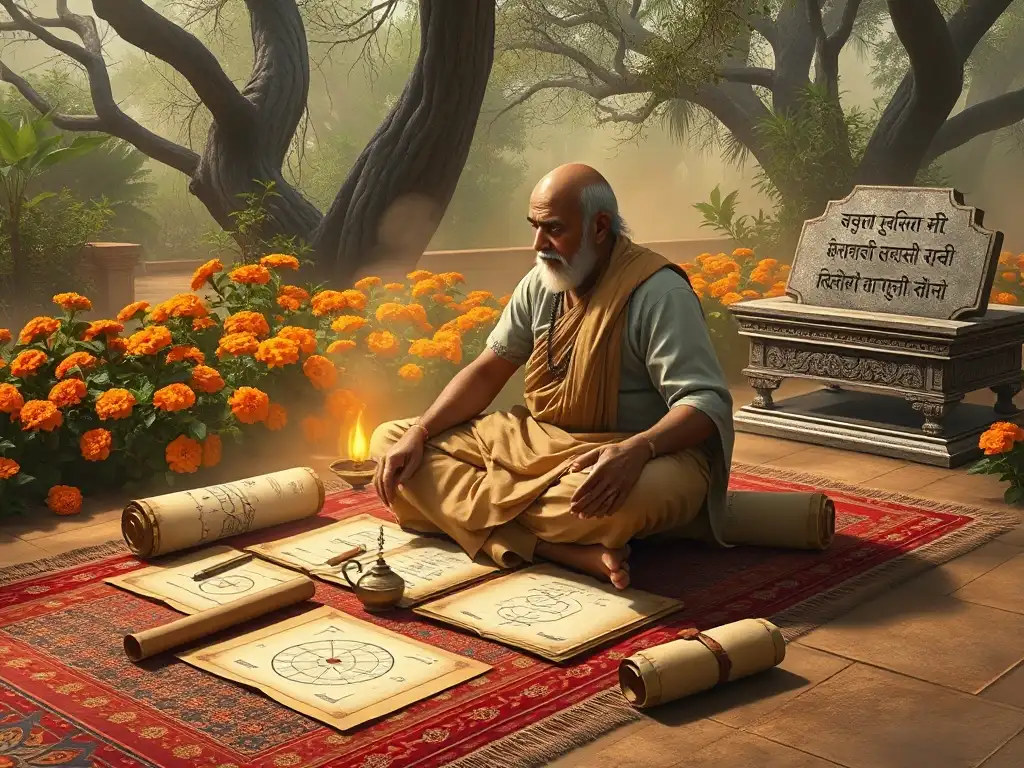
The ancient civilizations of India have always been a wellspring of innovation and creativity, contributing significantly to various fields such as mathematics, astronomy, medicine, and engineering. This article delves into the fascinating realm of ancient Indian problem-solving techniques, exploring how these methodologies have shaped modern approaches to tackling complex issues.
From the ingenuity of the Indus Valley civilization to the intellectual pursuits of the Gupta Empire, the legacy of ancient Indian thinkers provides valuable insights into effective problem-solving strategies that are still relevant today. By understanding these techniques, we can appreciate their impact not only on historical contexts but also on contemporary applications in today's world.
Introduction to Ancient Indian Problem Solving Techniques
The ancient Indian problem-solving techniques are characterized by a unique blend of analytical reasoning, empirical observation, and spiritual insight. These methods were not only theoretical but were also applied practically in various domains, including agriculture, architecture, and governance.
Key Aspects of Ancient Indian Problem Solving
- Holistic Approach: Ancient Indian thinkers often viewed problems in a holistic manner, considering not just the immediate issue but also its broader implications.
- Interdisciplinary Methods: These techniques frequently combined knowledge from multiple disciplines, such as mathematics, philosophy, and astrology, to arrive at effective solutions.
- Empirical Testing: Many ancient scholars emphasized the importance of empirical evidence, conducting experiments to validate their theories before applying them.
Historical Context: The Roots of Ancient Indian Problem Solving
The roots of ancient Indian problem-solving techniques can be traced back to several key periods and texts.
- Indus Valley Civilization (c. 3300–1300 BCE):
- Known for its advanced urban planning and drainage systems, the Indus Valley demonstrates early examples of engineering problem-solving.
- Case Study: The city of Mohenjo-Daro showcases remarkable grid patterns and sophisticated water management, indicating a systematic approach to urban challenges.
- Vedic Period (c. 1500–500 BCE):
- This era introduced philosophical discourses that laid the groundwork for rational thought and inquiry.
- Texts like the Rigveda and Upanishads reflect early attempts to address existential problems through metaphysical reasoning.
- Classical Period (c. 500 BCE–500 CE):
- The Gupta Empire marked a golden age of scientific and mathematical advancements.
- Scholars such as Aryabhata and Varahamihira contributed techniques in mathematics and astronomy that exemplify structured problem-solving approaches.
Through these historical contexts, we can see how ancient Indian civilizations developed innovative techniques to address a myriad of challenges, providing a rich legacy that continues to inspire modern problem-solving methodologies.
Key Ancient Indian Problem-Solving Techniques
Ancient Indian civilizations were known for their unique approaches to problem-solving, which were often rooted in deep philosophical traditions and practical applications. These techniques were not merely academic exercises; they were integrated into daily life, influencing everything from governance to medicine, and even mathematics. The following sections explore some of the key techniques employed by ancient Indians in addressing challenges, providing a framework that can still be relevant today.
1. The Use of Logic and Reasoning
Logic and reasoning were fundamental to ancient Indian thought, particularly evident in texts such as the Nyaya Sutras, which laid the groundwork for formal logic. Scholars like Gautama, the founder of the Nyaya school, emphasized a systematic approach to inquiry, fostering a culture that valued critical thinking.
- Syllogistic Reasoning: Ancient texts describe methods of syllogism, which helped in deriving conclusions from premises. This technique mirrors modern logical frameworks, making it applicable in various contemporary fields, including law and science.
- Debate and Discourse: The tradition of Shastrartha (scriptural debate) encouraged scholars to present arguments and counterarguments, refining their reasoning skills and leading to innovative solutions to complex issues.
The emphasis on logic and reasoning not only nurtured intellectual rigor but also cultivated a problem-solving mindset that prioritized clarity and coherence.
2. The Concept of Interdisciplinary Approaches
Ancient Indian thinkers often transcended disciplinary boundaries, blending insights from various fields such as mathematics, astronomy, philosophy, and medicine. This interdisciplinary approach fostered comprehensive problem-solving strategies.
- Integration of Knowledge: For example, Ayurvedic medicine incorporated principles of astrology and metaphysics, demonstrating how different domains could inform health practices. Such integration is mirrored in modern approaches to holistic health and wellness.
- Collaboration Across Fields: The development of the Sulbasutras for geometry in construction showcased the fusion of mathematics with practical engineering, allowing for innovative architectural designs still admired today.
By embracing interdisciplinary methodologies, ancient Indian scholars laid the groundwork for a more nuanced understanding of problems and solutions, highlighting the interconnectedness of knowledge.
3. The Role of Intuition and Creativity
In addition to logical reasoning, ancient Indian problem-solving techniques also celebrated intuition and creativity as vital components. This duality allowed for innovative solutions that were both analytical and imaginative.
- Intuitive Insights: Texts like the Upanishads emphasize the importance of inner wisdom and intuition, suggesting that profound insights often arise from a deep connection with one’s inner self. This perspective encourages a balance between rational analysis and intuitive understanding.
- Creative Expression: The arts, including music, dance, and literature, were not just forms of entertainment but also means of exploring complex ideas and emotions. This creative exploration led to novel solutions, fostering an environment where new ideas could flourish.
By valuing both intuition and creativity, ancient Indian approaches to problem-solving inspire modern thinkers to look beyond conventional methods and embrace innovative perspectives.
Modern Applications of Ancient Indian Problem-Solving Techniques
The ancient Indian techniques for problem-solving continue to resonate in the modern world, particularly as we encounter increasingly complex challenges. The principles of logic, interdisciplinary collaboration, and creativity can inform contemporary innovation across various sectors.
1. Leveraging Ancient Wisdom in Contemporary Innovation
Today, businesses and organizations are beginning to recognize the value of ancient wisdom in fostering innovation.
- Incorporating Logic and Debate: Companies are adopting structured reasoning and debate techniques to enhance decision-making processes, encouraging diverse viewpoints that lead to better outcomes.
- Holistic Approaches: The integration of various disciplines, much like the ancient Indian approach, is evident in fields such as sustainable development, where environmental, social, and economic factors are considered in tandem.
By integrating ancient Indian problem-solving techniques into modern practices, organizations can cultivate a more innovative and effective problem-solving culture.
2. Real-World Examples of Ancient Problem-Solving
Several contemporary examples illustrate the successful application of ancient Indian problem-solving techniques:
- Ayurveda in Modern Medicine: The resurgence of interest in Ayurvedic practices reflects a growing recognition of holistic health solutions, blending ancient wisdom with modern medical research.
- Mathematical Innovations: The principles laid out in ancient texts have influenced modern mathematical methods, particularly in fields like geometry and calculus, where Indian mathematicians made significant contributions.
These real-world applications show that the foundational techniques of ancient Indian problem-solving remain relevant and can be adapted to meet today’s challenges, paving the way for innovative solutions that honor a rich historical legacy.
Challenges and Limitations of Ancient Indian Problem Solving
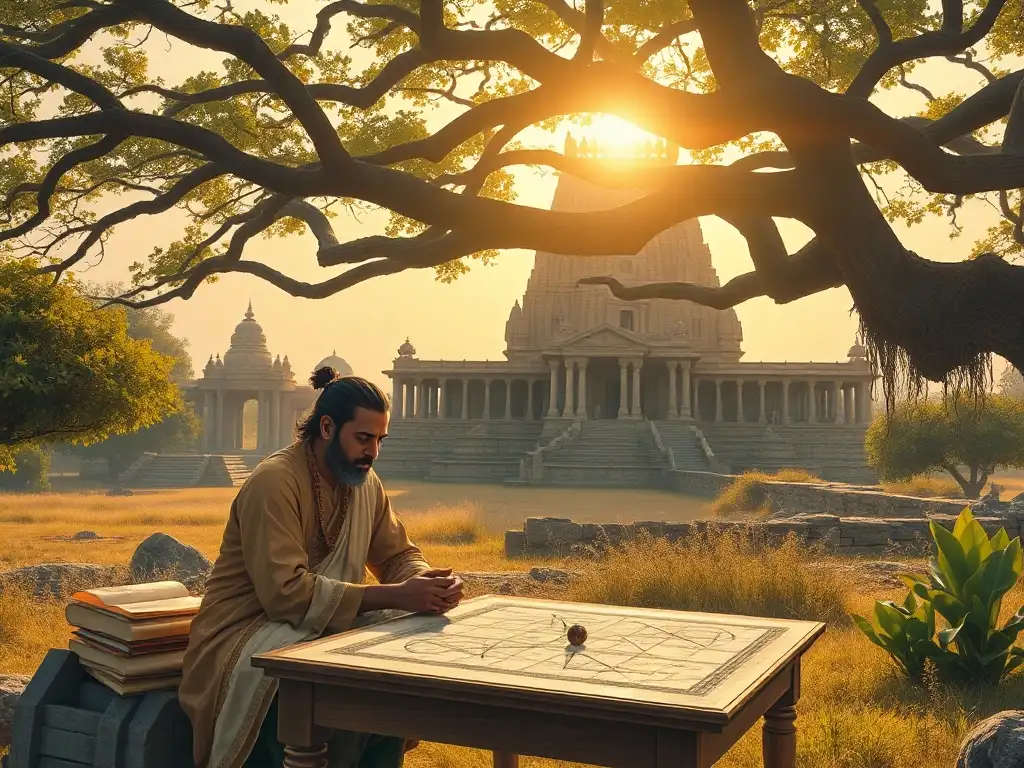
While ancient Indian problem-solving techniques have left a significant mark on various fields, they were not without their challenges and limitations. One of the primary issues was the accessibility of knowledge. Many of the texts, such as the Vedas and Upanishads, were written in complex Sanskrit, which restricted understanding to a select few who were well-versed in the language. This linguistic barrier meant that the innovative ideas and techniques developed were not widely disseminated among the general populace.
Moreover, the reliance on oral traditions and the preservation of knowledge through memory posed additional challenges. While this method was effective in maintaining cultural continuity, it also made the information susceptible to alterations and inaccuracies over generations. The lack of standardized formats for recording and sharing knowledge hindered the evolution of problem-solving techniques that could adapt to changing circumstances and new challenges.
Another limitation was the socio-political context of ancient India, which often influenced the application of problem-solving strategies. For instance, during times of political turmoil or invasions, the focus shifted from innovation to survival, stunting the growth of creative solutions. Furthermore, the rigid caste system sometimes restricted participation in intellectual pursuits to certain groups, leading to a narrow perspective on problem-solving that excluded the insights of a diverse populace.
Conclusion: Unlocking Innovation through Ancient Wisdom
The ancient Indian approach to problem solving, with its emphasis on holistic understanding and integration of various disciplines, offers valuable lessons for contemporary innovators. By studying these age-old techniques, modern thinkers can unlock a treasure trove of ideas that promote collaboration, sustainability, and ethical considerations in problem resolution. For instance, the ancient Indian practice of 'Dharma', which emphasizes duty and righteousness, can inspire current businesses to adopt socially responsible practices that benefit society as a whole.
Moreover, the interdisciplinary nature of ancient Indian sciences encourages a synthesis of knowledge from various fields, fostering creativity and innovation. Techniques such as 'Yukti', or logical reasoning, can be applied in today's data-driven decision-making processes, enhancing the quality of solutions derived from complex problems.
By embracing the wisdom of the past, we can cultivate a more inclusive and innovative approach to problem-solving that not only addresses current challenges but also prepares us for future uncertainties.
Additional Resources for Further Exploration
For those interested in delving deeper into the ancient Indian approach to problem solving, the following resources provide valuable insights:
- Books
- "The Science of Being and Art of Living" by Maharishi Mahesh Yogi
- "Ancient Indian Wisdom for Modern Management" by R. K. Gupta
- "The Vedas: A Historical Overview" by S. S. Bhargava
- Online Courses
- Coursera: Courses on Ancient Indian Philosophy and Science
- edX: Programs focused on Indian Mathematics and its impact on the modern world
- Documentaries
- "The Wonders of Ancient India" – a documentary exploring the scientific innovations of ancient India.
- "Ancient Indian Civilizations – A Quest for Knowledge" – detailing the evolution of thought in ancient India.
These resources not only enhance understanding but also provide practical applications of ancient wisdom in today’s context, paving the way for innovative solutions inspired by the past.
- Introduction to Ancient Indian Problem Solving Techniques
- Historical Context: The Roots of Ancient Indian Problem Solving
- Key Ancient Indian Problem-Solving Techniques
- Modern Applications of Ancient Indian Problem-Solving Techniques
- Challenges and Limitations of Ancient Indian Problem Solving
- Conclusion: Unlocking Innovation through Ancient Wisdom
- Additional Resources for Further Exploration
- What are some ancient Indian problem-solving techniques mentioned in the article?
- How did ancient Indian civilizations contribute to innovation?
- What role did philosophy play in ancient Indian problem-solving?
- Can we see the influence of ancient Indian problem-solving in today's modern practices?
- Why is it important to study ancient Indian techniques in today's context?
Frequently Asked Questions
What are some ancient Indian problem-solving techniques mentioned in the article?
The article highlights techniques such as logical reasoning, mathematical principles, and holistic approaches that were utilized by ancient Indian scholars to tackle various challenges.
How did ancient Indian civilizations contribute to innovation?
Ancient Indian civilizations fostered innovation through their scientific advancements, such as Ayurveda, mathematics, and astronomy, which laid the groundwork for modern practices.
What role did philosophy play in ancient Indian problem-solving?
Philosophy in ancient India emphasized critical thinking and ethical considerations, guiding individuals to approach problems with a balanced perspective and a focus on moral implications.
Can we see the influence of ancient Indian problem-solving in today's modern practices?
Yes, many modern practices in fields like medicine, mathematics, and management still reflect the principles and methods developed by ancient Indian thinkers.
Why is it important to study ancient Indian techniques in today's context?
Studying ancient Indian techniques can provide insights into sustainable practices, interdisciplinary approaches, and cultural wisdom that are relevant in addressing contemporary global challenges.
Final Reflection: Embracing Ancient Wisdom for Modern Innovation
The exploration of ancient Indian problem-solving techniques reveals a profound relevance in today's fast-paced world. As we grapple with complex challenges, the wisdom embedded in these age-old practices offers a refreshing perspective that encourages creativity, collaboration, and holistic thinking. In a time when innovation is often equated with technology, we must remember that true innovation stems from the ability to think differently and embrace diverse methodologies.
Cultural and social landscapes are continually shaped by the ways we approach problems, and ancient Indian techniques provide a rich tapestry of insights that resonate today. These methods emphasize the importance of community, adaptability, and a deep understanding of the context in which problems arise. As Mahatma Gandhi once said, The best way to find yourself is to lose yourself in the service of others.
This sentiment underscores the essence of these techniques, which prioritize collective well-being and sustainable solutions over individual gain.
As you reflect on the lessons drawn from ancient Indian problem-solving techniques, consider how you can integrate these principles into your own life. Challenge yourself to think beyond conventional frameworks, engage with your community, and approach problems with a mindset of curiosity and empathy. By doing so, you not only honor the wisdom of the past but also pave the way for a more innovative and inclusive future.
Embrace Innovation: Transform Your Problem-Solving Skills Today!
Thank you for exploring the rich tapestry of ancient Indian wisdom in problem-solving! You've gained invaluable insights that can revolutionize your approach to challenges. Now, it’s time to harness this knowledge and take bold steps toward innovation.
- Start applying ancient strategies: Choose one technique from this discussion and implement it in your next project. Observe the results and refine your approach!
- Engage with your community: Share your experiences on social media or in our comments section—let’s inspire others to think creatively!
- Explore further: Investigate how various cultures tackle problem-solving and discover what resonates with you.
What unique solutions can you devise today using these ancient techniques? Let’s start a conversation!