
The Ingenious Engineering of Ancient India: Lessons for Modern Infrastructure

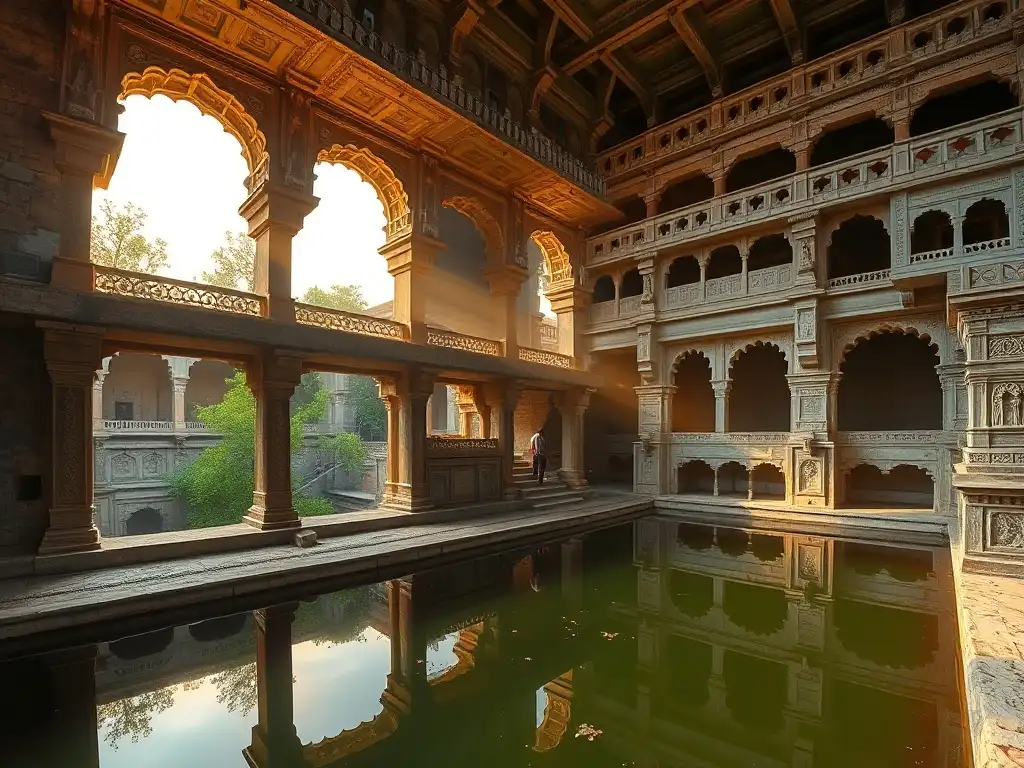
Welcome to Ancient India History, where we embark on an enlightening journey through the vibrant tapestry of ancient Indian civilizations. Here, we delve into the remarkable engineering innovations that not only shaped the past but also hold valuable lessons for our modern infrastructure. From the sophisticated urban planning of the Indus Valley to the awe-inspiring architecture of the Gupta Empire, discover how these ingenious techniques continue to inspire today's technological advancements. Prepare to be captivated as we unravel the brilliance of ancient Indian ingenuity—your exploration starts now!
- Introduction to Ancient Indian Engineering Innovations
- Key Innovations in Ancient Indian Engineering
- Lessons from Ancient Indian Engineering for Modern Infrastructure
- Case Studies of Ancient Innovations in Modern Applications
- The Role of Ancient Indian Engineering in Global Context
- Conclusion: Embracing Ancient Indian Engineering Innovations Today
-
Frequently Asked Questions
- What were some key engineering innovations in ancient India?
- How did ancient Indian engineering influence modern infrastructure?
- What role did ancient Indian texts play in engineering practices?
- Can you name any specific architectural structures that showcase ancient Indian engineering?
- What lessons can modern engineers learn from ancient Indian engineering?
- Final Reflection: Honoring the Legacy of Ancient Indian Engineering Innovations
- Unveil the Wisdom of Ancient Indian Engineering Today!
Introduction to Ancient Indian Engineering Innovations
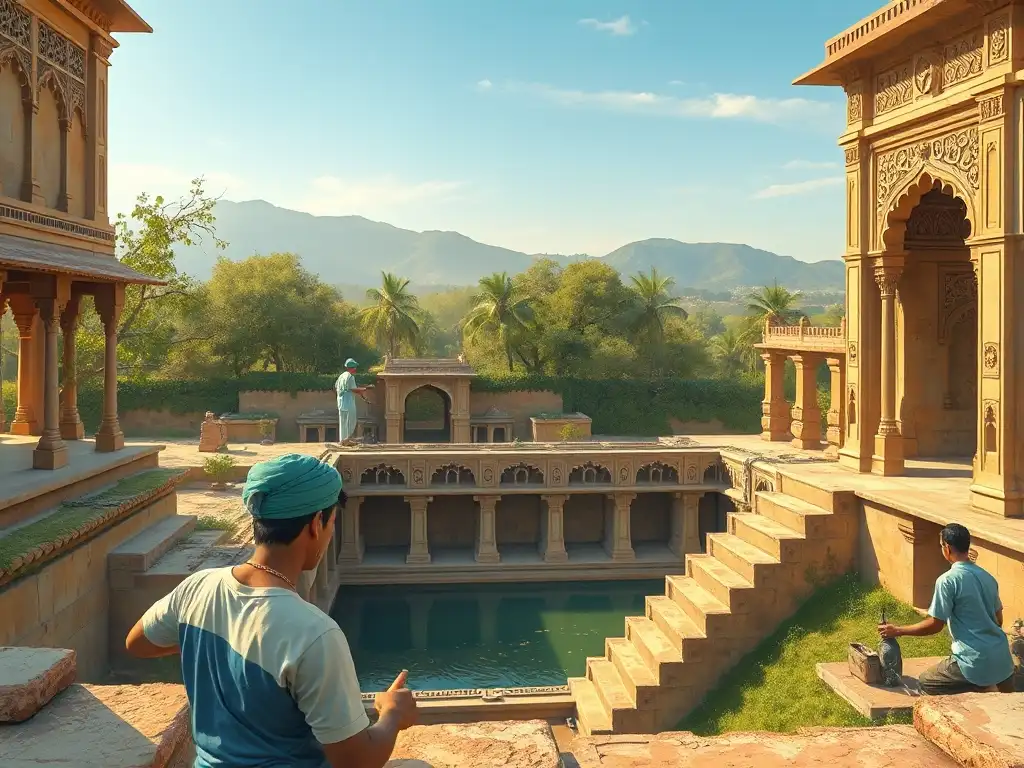
The engineering innovations of ancient India stand as a testament to the remarkable ingenuity and scientific prowess of its civilizations. From the sophisticated urban planning of the Indus Valley Civilization to the architectural marvels of the Gupta Empire, ancient Indian engineers demonstrated a profound understanding of materials, mechanics, and design principles that paved the way for many modern infrastructures.
This article delves into the rich tapestry of ancient Indian engineering innovations, exploring how these time-honored techniques and principles can be harnessed to address contemporary infrastructural challenges. By examining the legacy of these innovations, we can glean valuable lessons that not only honor the past but also guide our future endeavors in sustainable and efficient engineering practices.
Overview of Ancient Indian Engineering
Ancient India was home to a plethora of engineering feats that showcased the advanced technological capabilities of its time. Key examples include:
- Urban Planning: The cities of the Indus Valley, such as Mohenjo-Daro and Harappa, exemplified meticulous urban planning. Streets were laid out in grid patterns, and advanced drainage systems indicated a sophisticated understanding of sanitation.
- Water Management: Ancient engineers excelled in hydraulic engineering, creating extensive networks of canals, reservoirs, and stepwells, such as the famous Baoli of Chand Baori. These innovations ensured efficient water supply and management, essential for agriculture and daily life.
- Architecture: The intricacies of temple architecture, especially during the Gupta period, reflected not only aesthetic values but also precise engineering techniques. The construction of massive stone structures, like the Kailasa temple in Ellora, demonstrated advanced carving, structural integrity, and artistic vision.
- Road Networks: The extensive road systems, including the Grand Trunk Road, facilitated trade and communication across vast distances, showcasing an understanding of logistics and infrastructure that is still relevant today.
These examples illustrate the remarkable capabilities of ancient Indian engineers, who combined creativity with practicality to solve complex problems. The principles derived from these innovations continue to inspire modern engineers and architects, underscoring the relevance of ancient wisdom in contemporary infrastructure development.
Importance of Ancient Engineering in Modern Infrastructure
The engineering innovations of ancient India hold significant lessons for modern infrastructure practices. Understanding these principles can lead to:
- Sustainability: Ancient Indian engineering prioritized local materials and natural resources, promoting sustainability. By adopting similar practices, modern infrastructure can reduce its carbon footprint and environmental impact.
- Resilience: The durability of ancient structures, built to withstand natural calamities, serves as a model for contemporary engineering. Integrating these principles can enhance the resilience of modern buildings and infrastructure against disasters.
- Cultural Relevance: Incorporating traditional engineering techniques into modern designs can enrich cultural identity and heritage. This fosters a sense of community and connection to history, which is increasingly valued in today's globalized world.
- Innovative Solutions: Analyzing ancient engineering practices can offer fresh perspectives and inspire innovative solutions to modern challenges, particularly in urban planning and resource management.
The engineering innovations of ancient India are not merely relics of the past; they are a treasure trove of knowledge that can inform and transform our approach to building the infrastructure of the future. By looking back at these ingenious solutions, we can create a more sustainable, resilient, and culturally relevant built environment.
Key Innovations in Ancient Indian Engineering
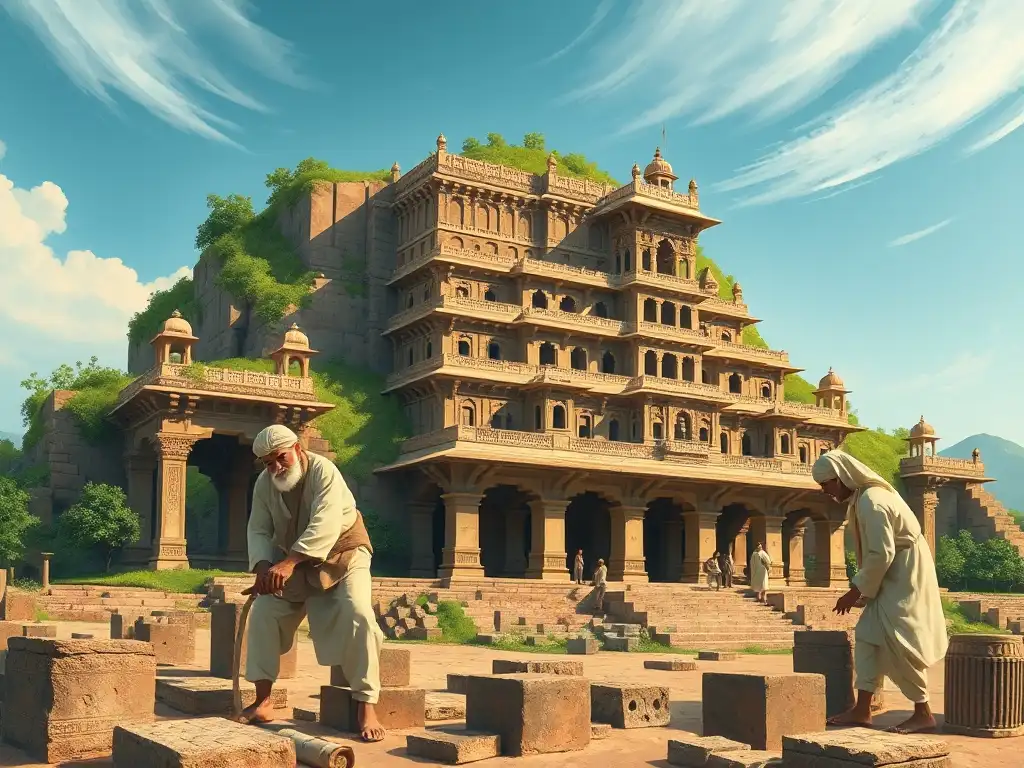
Ancient Indian engineering innovations played a pivotal role in shaping the civilizations that flourished on the subcontinent. From the sophisticated urban planning of the Indus Valley Civilization to the grand architectural feats of later empires, these innovations not only demonstrate remarkable technical skills but also reflect a profound understanding of the natural environment. This section explores some of the key engineering marvels that have influenced both ancient and modern infrastructure.
Hydraulic Engineering: The Marvel of the Indus Valley Civilization
The Indus Valley Civilization, one of the world's earliest urban cultures, showcased remarkable advancements in hydraulic engineering. The strategic management of water resources was crucial for the survival and prosperity of these early cities.
Well Systems and Urban Planning
The cities of the Indus Valley, such as Mohenjo-Daro and Harappa, were characterized by an advanced system of wells and drainage.
- Well Design: The wells were constructed with bricks and were often lined to prevent collapse. They provided a reliable source of water for domestic use, supporting a burgeoning urban population.
- Drainage System: Streets were equipped with covered drains that connected to a larger sewer system, indicating a sophisticated understanding of sanitation and public health.
This meticulous urban planning not only facilitated daily life but also prevented flooding, showcasing the ingenuity of ancient Indian engineers.
Dams and Irrigation Techniques
The Indus Valley Civilization also excelled in creating an intricate network of dams and irrigation systems.
- Dams: Structures were built to control river flow and store water for agricultural use. These dams allowed for the regulation of water supply during different seasons.
- Irrigation Channels: The use of canals helped in distributing water to farmlands, maximizing agricultural productivity and sustaining the population.
These hydraulic innovations laid the groundwork for future civilizations in India, demonstrating the critical role of water management in agriculture and urban living.
Architectural Wonders: Temples and Forts
The architectural achievements of ancient India reflect not only aesthetic values but also engineering prowess that has endured through centuries.
The Engineering Behind the Brihadeeswarar Temple
Constructed during the Chola dynasty, the Brihadeeswarar Temple in Thanjavur is a testament to ancient Indian engineering.
- Structural Integrity: The temple's massive granite blocks were meticulously cut and assembled without the use of mortar, relying on precise interlocking techniques that have withstood the test of time.
- Vimana (Tower): The temple features a towering vimana that stands at approximately 66 meters, making it one of the tallest of its kind. This structure showcases advanced architectural principles, including the use of gravitational forces for stability.
The engineering techniques employed in the Brihadeeswarar Temple not only reflect the spiritual aspirations of the time but also provide insights into the materials and methods used by ancient builders.
Fortification Techniques in Ancient Indian Forts
The forts constructed during various dynasties across India exhibit remarkable engineering strategies designed for defense.
- Thick Walls and Gates: Many forts, such as those in Rajasthan, featured thick walls and strategically placed gates that provided both protection and control over access.
- Moats and Water Systems: Fortifications often included moats and water reservoirs that served as deterrents against invaders while also providing essential resources during sieges.
These fortification techniques illustrate the strategic thinking and engineering capabilities of ancient Indian civilizations, emphasizing their importance in the context of warfare and defense.
Ancient Indian engineering innovations have left a lasting legacy, offering valuable lessons in sustainable practices and architectural excellence that continue to inspire modern infrastructure development.
Road and Transportation Innovations
Ancient India was a hub of innovation, particularly in the realm of road and transportation systems. The engineering prowess of the time is evident in the well-structured roads that facilitated trade, communication, and the movement of armies. These roads were often constructed with significant precision, incorporating advanced techniques that allowed for durability and efficiency. The significance of these innovations extends beyond mere infrastructure; they laid the groundwork for connectivity and economic growth in the subcontinent.
The ancient roadways were designed to accommodate various modes of transport, including foot, horse-drawn carts, and even elephants. This versatility not only enhanced trade but also ensured that goods could traverse vast distances rapidly and efficiently. The integration of rest areas and waystations along these routes indicates a sophisticated understanding of traveler needs, highlighting the importance of comfort and safety in travel.
The Grand Trunk Road: A Historical Perspective
The Grand Trunk Road (GT Road) stands as one of the most remarkable achievements of ancient Indian engineering. Dating back to at least the 3rd century BCE, this road originally connected the eastern and western parts of the Indian subcontinent, spanning from Chittagong in Bangladesh to Kabul in Afghanistan. It was not merely a transportation route but a critical artery for trade, commerce, and cultural exchange.
The GT Road was meticulously constructed, featuring stone-paved surfaces that facilitated all-weather travel. Its construction involved advanced techniques such as drainage systems to prevent waterlogging, making it usable throughout the year. The road saw the passage of caravans, merchants, and armies, serving as a conduit for the exchange of goods like silk, spices, and precious metals. Over centuries, it evolved, receiving enhancements from various rulers, including the Mauryas, Mughals, and British, each contributing to its expansion and maintenance.
The historical significance of the Grand Trunk Road is profound; it played a pivotal role in unifying diverse cultures and fostering economic relationships across regions. Today, it continues to be a vital transportation route, showcasing the enduring legacy of ancient Indian engineering.
Transportation Systems and Trade Routes
Ancient Indian civilization boasted an intricate network of transportation systems and trade routes that were instrumental in facilitating commerce and cultural exchange. These routes spanned land and waterways, enabling the movement of goods, ideas, and innovations across vast distances.
Land routes included not only the Grand Trunk Road but also numerous other highways that interconnected major cities and trade centers. The use of well-planned caravanserais, or resting places for traders, demonstrated an understanding of the importance of hospitality and support for travelers. These establishments provided safety and provisions, fostering an environment conducive to trade.
In addition to land routes, ancient Indians utilized rivers and seas for transportation. The Indus River, for instance, was a significant trade artery, with ancient ports located along its banks. The maritime trade routes connected India to the Mediterranean and Southeast Asia, facilitating the exchange of luxury goods, textiles, and raw materials.
The strategic placement of these routes was crucial for economic development, as they enabled local artisans and farmers to reach larger markets, thus enhancing their livelihoods. Furthermore, the transportation systems contributed to the spread of cultural practices, language, and technology, making ancient India a melting pot of diverse influences.
The transportation innovations and trade routes of ancient India exemplify an advanced understanding of engineering and logistics. These systems not only supported economic prosperity but also played a vital role in shaping the rich tapestry of Indian civilization.
Lessons from Ancient Indian Engineering for Modern Infrastructure
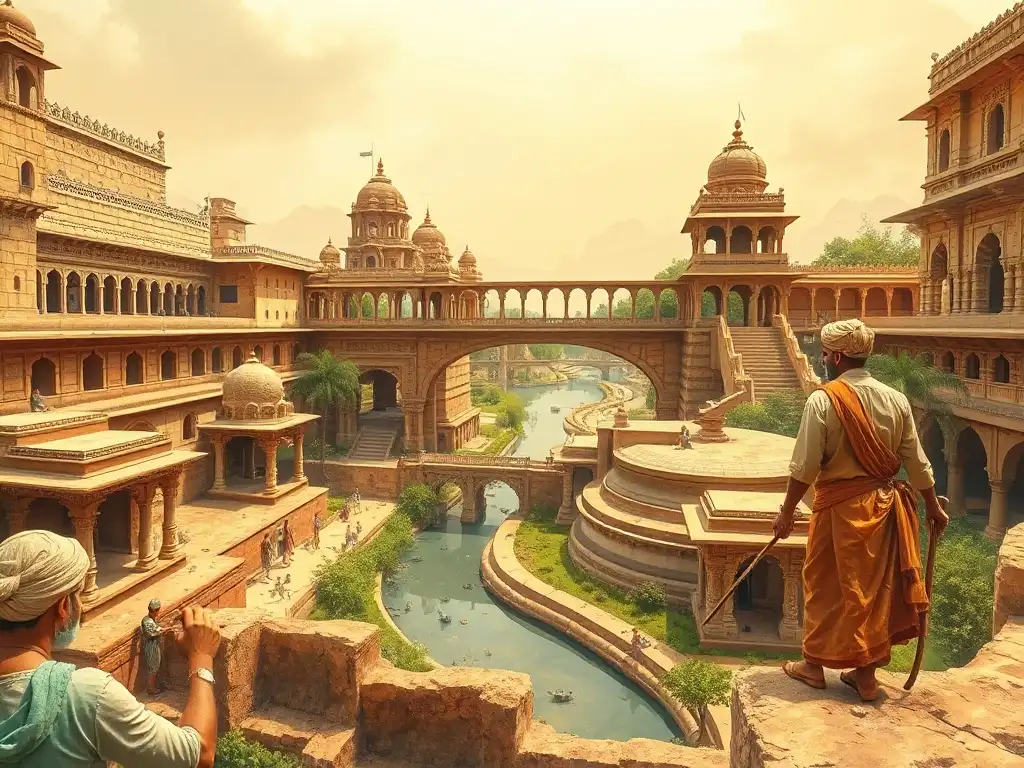
Ancient Indian engineering innovations have left a lasting legacy that continues to inspire modern infrastructure development. These innovations exemplify a deep understanding of sustainable practices, advanced water management systems, and the effective use of local resources. By examining these engineering marvels, modern architects and engineers can glean valuable lessons that are not only applicable but essential in addressing contemporary challenges.
Sustainable Practices in Ancient Engineering
In ancient India, engineers and builders exhibited remarkable foresight in their construction practices, emphasizing sustainability long before it became a modern buzzword. By utilizing local materials and eco-friendly construction techniques, they ensured that their structures harmonized with the environment.
Use of Local Materials
The use of local materials was a hallmark of ancient Indian engineering. Structures were often built using resources that were readily available in the surrounding environment. This practice not only minimized transportation costs but also ensured that the materials were well-suited to the local climate and conditions. For instance:
- Stone from Nearby Quarries: Temples and forts were often constructed using local stones, such as granite and sandstone, which offered durability and aesthetic appeal.
- Bamboo and Wood: In regions where wood was abundant, architects utilized it for constructing homes and bridges, providing flexibility and resilience.
The sustainability of these practices can serve as a model for today's architects, encouraging the use of regional materials to reduce carbon footprints and promote local economies.
Eco-Friendly Construction Techniques
Ancient Indian builders employed eco-friendly construction techniques that prioritized environmental balance and resource conservation. Some notable techniques include:
- Vastu Shastra: This traditional architectural science focused on harmony with nature, emphasizing the alignment of buildings with natural elements, which can enhance energy efficiency.
- Natural Insulation: Structures were designed to utilize natural ventilation and insulation, keeping interiors cooler in summer and warmer in winter without relying heavily on modern heating or cooling systems.
By integrating these practices, modern construction can become more environmentally sustainable, ultimately reducing the strain on natural resources.
Advanced Water Management Systems
Water management was a critical aspect of ancient Indian engineering, with systems designed to ensure efficient use and conservation of water resources. The ingenuity displayed in ancient water management techniques offers invaluable insights for contemporary infrastructure.
Rainwater Harvesting Techniques
Ancient Indian civilizations, particularly in regions with erratic rainfall, developed rainwater harvesting techniques that are exemplary models for modern practices. These techniques included:
- Catchment Areas: Building structures to capture rainwater effectively, directing it into storage systems such as tanks or underground cisterns.
- Percolation Pits: These were dug to allow rainwater to seep into the ground, replenishing groundwater levels and preventing runoff.
Such practices are especially relevant today as urban areas face increasing water scarcity. Implementing rainwater harvesting can significantly alleviate pressure on existing water supplies.
Lessons from Stepwells and Tanks
Stepwells and tanks are remarkable examples of ancient Indian engineering that showcase advanced water management and architectural ingenuity. These structures served not only as sources of water but also as community gathering spaces. Key lessons include:
- Multi-Functional Design: Stepwells were designed to serve multiple purposes, including water storage, bathing, and social interaction. This concept of multifunctionality can inspire modern infrastructure to serve diverse community needs.
- Temperature Regulation: The depth and design of stepwells provided cooler environments, demonstrating an understanding of thermodynamics that can influence modern building designs.
Incorporating such principles can enhance the efficiency and sustainability of contemporary infrastructure projects.
By studying the engineering innovations of ancient India, modern infrastructure can learn to blend sustainability with advanced techniques, ensuring that development is both environmentally responsible and culturally respectful. The lessons drawn from these ancient practices are not only relevant but crucial for creating resilient and sustainable infrastructure in the face of modern challenges.
Case Studies of Ancient Innovations in Modern Applications
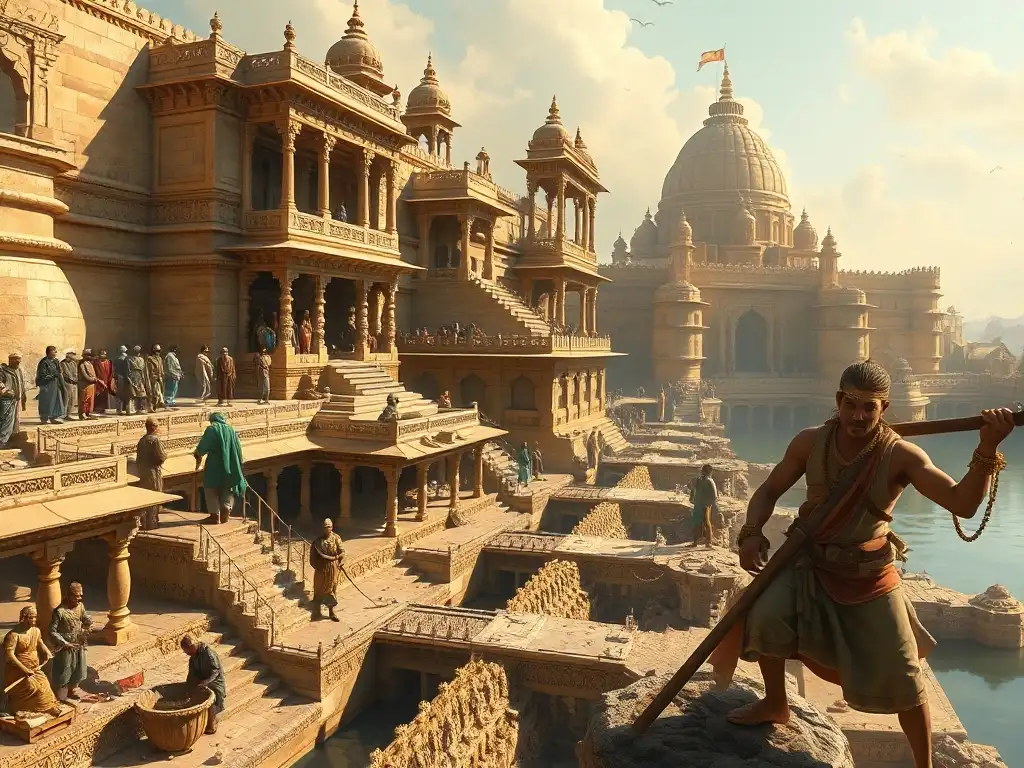
Modern Civil Engineering Inspired by Ancient Techniques
Ancient Indian engineering innovations have laid a profound foundation for modern civil engineering practices. Techniques such as sophisticated water management systems, resilient road constructions, and intricate architectural designs have been rediscovered and adapted to meet contemporary needs. These time-tested methods not only enhance functionality but also promote sustainability—an increasingly vital aspect of today's infrastructure projects.
One of the most notable aspects of ancient Indian engineering is the integration of local materials and climatic considerations into construction practices. For instance, the use of mud, stone, and natural fibers in ancient structures exemplifies how builders utilized their environment effectively. This principle has found modern resonance in eco-friendly construction, where architects and engineers are increasingly prioritizing sustainable resources, reducing carbon footprints, and improving energy efficiency.
The Use of Ancient Methods in Current Urban Development
Modern urban development projects are increasingly looking to ancient techniques for solutions to contemporary challenges. As cities grow and the population density increases, the need for efficient water management systems becomes paramount. The ancient Indian concept of tank systems—large reservoirs designed for rainwater harvesting—offers valuable lessons. These systems not only provide a sustainable water source but also help in managing flood risks in urban areas.
Additionally, ancient Indian towns were often designed with an emphasis on community and accessibility, featuring wide streets and open spaces that encouraged social interaction. This focus on community-centric planning is gaining traction in modern urban designs, where the aim is to create spaces that foster interaction among residents, thus enhancing the quality of urban life.
Examples of Projects Utilizing Ancient Indian Engineering Principles
Several modern projects have successfully incorporated ancient Indian engineering principles to address current infrastructural needs. Here are a few noteworthy examples:
-
Rainwater Harvesting Systems
Inspired by the ancient johads and baoris, modern urban projects are integrating rainwater harvesting systems to combat water scarcity. Cities like Jaipur have implemented these systems widely, demonstrating significant improvements in water conservation.
-
Sustainable Road Construction
The method of using locally sourced materials for road construction, as practiced in ancient India, is being revisited. Projects in rural areas are employing traditional techniques, including the use of stone and compacted earth, which not only reduces costs but also enhances durability.
-
Heritage Structures Rehabilitation
The restoration of ancient temples and forts, such as those in Hampi and Khajuraho, showcases modern engineering's ability to preserve historical architecture while utilizing ancient techniques. These projects often employ traditional craftsmanship alongside contemporary preservation methods to enhance structural integrity without compromising aesthetic value.
-
Urban Planning Inspired by Ancient Cities
The layout of cities like Varanasi, with its intricate network of alleys and public spaces, serves as a model for modern urban planners. Initiatives in cities like Ahmedabad are aiming to incorporate similar designs to enhance connectivity and reduce traffic congestion.
These examples illustrate how ancient Indian engineering innovations continue to inspire and shape modern infrastructure, proving that the wisdom of the past can inform sustainable practices for the future. By embracing these time-honored techniques, we not only honor our heritage but also pave the way for a more resilient and environmentally conscious approach to modern urban development.
The Role of Ancient Indian Engineering in Global Context

Ancient Indian engineering innovations significantly impacted not only the subcontinent but also extended their influence globally. The remarkable feats of engineering, architecture, and urban planning accomplished by ancient Indian civilizations provide a foundation that modern engineers and architects can learn from. By examining the intricate systems and techniques developed in ancient India, we can appreciate their role in shaping engineering practices worldwide.
Influence on Other Civilizations and Their Engineering Practices
Ancient Indian engineering innovations were not isolated phenomena; they played a crucial role in influencing various other civilizations. Techniques and knowledge originating from the Indian subcontinent found their way into the architectural and engineering practices of neighboring regions and beyond.
- Water Management Systems: The sophisticated water management systems developed in the Indus Valley Civilization (c. 3300–1300 BCE), such as the drainage systems and reservoirs, inspired similar practices in regions like Mesopotamia and Egypt.
- Urban Planning: The meticulous urban planning seen in cities like Mohenjo-Daro and Harappa showcased grid patterns and the integration of public baths, which influenced urban layouts in subsequent civilizations, including those in Greece and Rome.
- Architectural Techniques: The use of arches, vaults, and domes in ancient Indian temples and structures contributed to the architectural lexicon of later civilizations, particularly the Islamic architecture that emerged during the medieval period.
Cross-Cultural Exchanges in Engineering Knowledge
The exchange of engineering knowledge between ancient Indian civilizations and their contemporaries was facilitated through trade routes and cultural interactions. These exchanges led to the blending of ideas and practices that enriched the engineering landscape across regions.
- Trade Routes: The Silk Road and maritime trade routes served as conduits for the transfer of technology and engineering practices. Indian merchants and scholars shared innovations in metallurgy and construction techniques with civilizations as far as the Roman Empire and Southeast Asia.
- Cultural Dialogues: The interactions between Indian scholars and those from the Middle East and Far East resulted in the dissemination of mathematical concepts, such as the place-value system and zero, which were foundational for advancements in engineering.
Contributions to Global Engineering Techniques
The engineering achievements of ancient India laid the groundwork for various global techniques that are still relevant today. Several key contributions include:
| Contribution | Description |
|---|---|
| Metallurgy | Advanced techniques in iron and steel production, particularly the creation of high-quality steel known as Wootz steel, influenced metallurgical practices worldwide. |
| Civil Engineering | The engineering of roads, bridges, and irrigation systems in ancient India demonstrated a sophisticated understanding of civil engineering principles. |
| Mathematical Innovations | The development of mathematical concepts, including geometry and trigonometry, provided essential tools for engineers across different cultures. |
Ancient Indian engineering innovations not only served their local context but also left an indelible mark on the engineering practices of other civilizations. The interplay of ideas and techniques across cultures exemplifies the significance of ancient Indian contributions to the global engineering landscape, offering valuable lessons for modern infrastructure development.
Conclusion: Embracing Ancient Indian Engineering Innovations Today

The engineering innovations of ancient India are not just relics of a bygone era; they are a treasure trove of knowledge that can inform and inspire modern infrastructure projects. By studying the sophisticated techniques and methodologies employed by ancient Indian civilizations, contemporary engineers can draw valuable lessons that enhance sustainability, efficiency, and resilience in today's construction practices.
Summary of Key Takeaways
- Innovative Materials: Ancient Indians utilized locally available materials, such as clay, stone, and wood, to create durable structures. This practice emphasizes the importance of sustainable resource management in modern engineering.
- Advanced Water Management Systems: The extensive network of wells, reservoirs, and drainage systems in cities like Mohenjo-Daro and Harappa showcases the ingenuity of ancient water management, which is crucial for addressing contemporary water scarcity issues.
- Architectural Marvels: Techniques used in the construction of temples and forts, such as interlocking stones and precise measurements, highlight the importance of precision engineering. These techniques can greatly enhance the structural integrity of modern buildings.
- Urban Planning: The grid-like layout of ancient urban centers demonstrates a high level of planning and foresight, providing key insights into modern urban development, including traffic management and public space utilization.
- Sustainable Practices: Concepts like eco-friendly construction and the use of natural ventilation in ancient homes reflect sustainability principles that are increasingly relevant in contemporary architecture.
Encouraging Modern Engineers to Learn from the Past
Modern engineers are encouraged to delve into the wisdom of ancient Indian engineering innovations. By integrating traditional techniques with modern technology, engineers can develop solutions that are not only effective but also harmonious with the environment.
- Interdisciplinary Collaboration: Encourage engineers to collaborate with historians and archaeologists to gain insights into ancient practices that can be adapted for modern use.
- Educational Incorporation: Universities and engineering programs should incorporate studies of ancient engineering practices into their curricula, fostering a new generation of engineers who appreciate the value of historical knowledge.
- Research and Innovation: Investment in research that explores ancient technologies can lead to innovative designs that address contemporary challenges, particularly in sustainable infrastructure.
- Cultural Appreciation: Understanding the cultural context of engineering practices can enhance the appreciation of diversity in modern engineering solutions, leading to more inclusive approaches in project design.
By embracing the rich legacy of ancient Indian engineering innovations, modern engineers can contribute to building a more sustainable and resilient future while honoring the profound achievements of their predecessors.
Frequently Asked Questions
What were some key engineering innovations in ancient India?
Ancient India is renowned for its advanced engineering innovations, including the urban planning of the Indus Valley cities, sophisticated water management systems, and the construction of stepwells and temples with intricate architecture.
How did ancient Indian engineering influence modern infrastructure?
The innovative techniques and principles developed by ancient Indian engineers have greatly influenced modern infrastructure. Concepts such as drainage systems and urban design continue to inform contemporary practices in civil engineering.
What role did ancient Indian texts play in engineering practices?
Ancient texts such as the Arthashastra and the Manasara contain valuable information that outlines engineering principles and architectural guidelines, highlighting the importance of scientific knowledge in construction and design during that era.
Can you name any specific architectural structures that showcase ancient Indian engineering?
Notable examples include the Brihadeeswarar Temple in Thanjavur, which features remarkable stone work, and the stepwells of Gujarat, showcasing advanced hydraulic engineering techniques that addressed water scarcity.
What lessons can modern engineers learn from ancient Indian engineering?
Modern engineers can gain insights into sustainable practices, resource management, and community-oriented designs from ancient Indian engineering, emphasizing the importance of harmonizing infrastructure with the environment and local needs.
Final Reflection: Honoring the Legacy of Ancient Indian Engineering Innovations
The ingenuity of ancient Indian engineering innovations resonates profoundly in today's world, where the need for sustainable and efficient infrastructure has never been more pressing. As we navigate the complexities of modern urbanization and environmental challenges, we must recognize that the solutions often lie in the wisdom of our ancestors. The remarkable feats of engineering from ancient India serve not only as a testament to human creativity but also as a guiding light for contemporary practices.
The influence of these innovations continues to shape our cultural and social landscape, reminding us of the importance of harmony between technology and nature. The architectural marvels and sophisticated water management systems of ancient India exemplify a deep understanding of the environment that we can still learn from today. The greatest engineering is not merely about building structures, but about creating a sustainable relationship with the earth.
This perspective invites us to reflect on our current practices and encourages us to seek inspiration from the past to forge a better future.
As we conclude this exploration of ancient Indian engineering, I invite you to reflect on how these lessons can be integrated into your own life and community. Consider the principles of sustainability, innovation, and respect for nature that underpinned these ancient achievements.
Let us strive to embody these values in our modern endeavors, ensuring that we not only honor the legacy of our ancestors but also pave the way for a more resilient and harmonious future. Embrace the wisdom of the past as a catalyst for change, and together, let us build a world that reflects the brilliance of ancient engineering.
Unveil the Wisdom of Ancient Indian Engineering Today!
Thank you for taking the time to explore the remarkable engineering feats of ancient India! You've uncovered invaluable insights that can inspire our modern approaches to infrastructure. Now, it's time to transform that knowledge into action!
Here are some practical steps you can take to dive deeper into this treasure trove of wisdom:
- Boldly apply ancient principles: Consider how you can incorporate sustainable practices inspired by the innovative methods of ancient Indian engineers into your current projects or personal life.
- Explore further: Delve into more articles and resources on engineering and architecture from ancient civilizations to broaden your understanding of their techniques and philosophies.
- Share the knowledge: Discuss what you've learned with friends or colleagues, or even start a community group focused on developing innovative infrastructure solutions.
Now, here’s a thought-provoking question for you: How can the sustainability principles seen in ancient Indian engineering reshape the future of modern infrastructure in your community?