
Ancient Indian Architecture: Timeless Principles for Sustainable Design

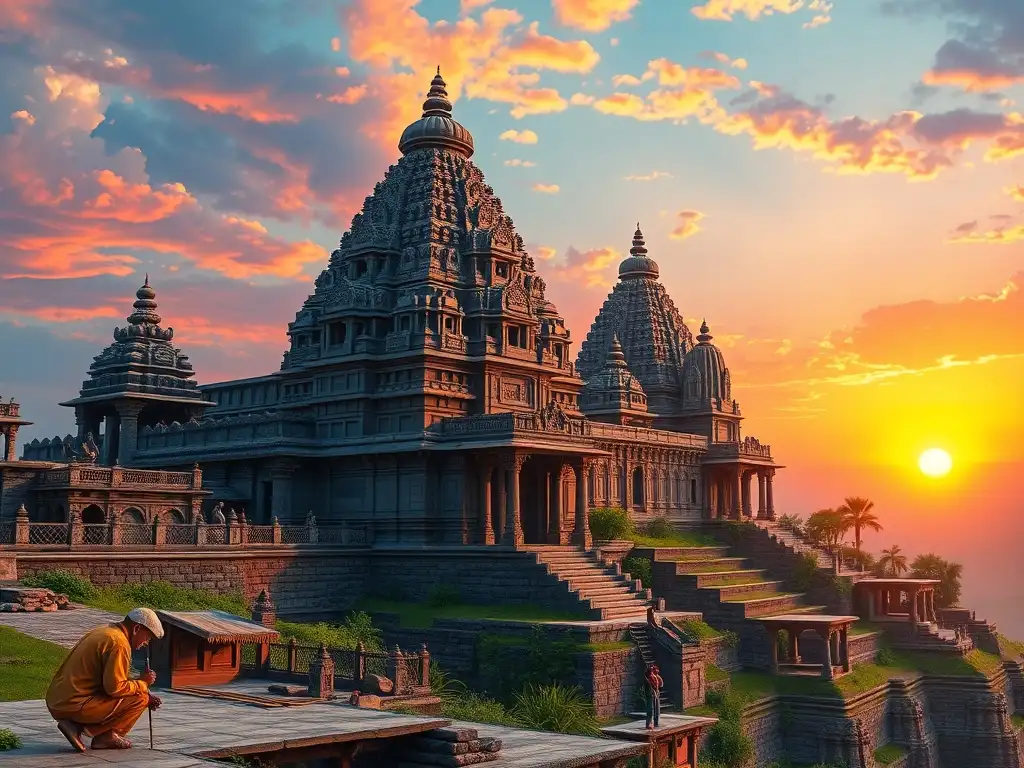
Welcome to Ancient India History, where we invite you to embark on a fascinating journey through time, exploring the rich tapestry of civilizations that shaped the subcontinent. In our featured article, "Ancient Indian Architecture: Timeless Principles for Sustainable Design," we delve into the innovative techniques of ancient Indian sustainable architecture that continue to inspire modern design. Discover how the wisdom of the past can inform our future, as we unravel the secrets behind the enduring structures of the Indus Valley and the Gupta Empire.
Are you ready to uncover the timeless principles that blend beauty with sustainability? Let’s dive in!
- Introduction to Ancient Indian Sustainable Architecture
- Key Principles of Ancient Indian Sustainable Architecture
- Case Studies of Iconic Ancient Indian Sustainable Architecture
- Modern Applications of Ancient Indian Architecture Principles
- Challenges and Misconceptions about Ancient Indian Sustainable Architecture
- Conclusion: Embracing Ancient Indian Sustainable Architecture Today
- Recommended Resources for Further Learning
-
Frequently Asked Questions
- What is ancient Indian sustainable architecture?
- How did ancient Indian civilizations practice sustainability in architecture?
- What are some examples of ancient Indian sustainable architecture?
- How can the principles of ancient Indian architecture be applied today?
- Why is studying ancient Indian sustainable architecture important?
- Final Reflection: Embracing Ancient Wisdom for a Sustainable Future
- Unleash the Wisdom of Ancient Design!
Introduction to Ancient Indian Sustainable Architecture
Ancient Indian architecture is a remarkable testament to the ingenuity and sustainability of civilizations that thrived thousands of years ago. From the intricate urban planning of the Indus Valley Civilization to the majestic temples of the Gupta Empire, the architectural practices of ancient India were not only aesthetically pleasing but also deeply rooted in the principles of sustainability.
This article delves into the rich tradition of ancient Indian sustainable architecture, highlighting its timeless principles that continue to inspire modern design. By examining the methods and materials used by ancient architects, we can uncover valuable insights into creating environmentally friendly buildings today.
Understanding the Concept of Sustainable Architecture in Ancient India
Sustainable architecture in ancient India was characterized by a harmonious relationship between built environments and the natural world. This approach was evident in various facets of design, including:
- Use of Local Materials: Ancient builders predominantly used locally sourced materials such as mud, stone, and wood, minimizing environmental impact and reducing transportation costs.
- Climate Responsiveness: Architectural designs were tailored to the local climate, employing techniques such as high ceilings, thick walls, and strategic orientation to optimize natural ventilation and thermal comfort.
- Water Management: Many ancient structures showcased advanced water management systems, including stepwells and rainwater harvesting methods, which ensured efficient use of water resources.
These principles not only demonstrate an understanding of ecological balance but also reflect a cultural ethos that revered nature.
Importance of Ancient Indian Architecture in Modern Design
The relevance of ancient Indian architecture extends far beyond historical interest; it offers profound lessons for contemporary architectural practices. Here are several key reasons why these ancient designs are significant today:
- Inspiration for Sustainable Solutions: As the world grapples with climate change and resource scarcity, the principles of ancient Indian sustainable architecture provide a framework for developing eco-friendly buildings.
- Cultural Identity: Embracing ancient designs helps revive traditional craftsmanship and promotes a sense of cultural identity within communities.
- Economic Viability: By utilizing local materials and labor, modern architects can create cost-effective solutions that bolster local economies while preserving heritage.
Incorporating these timeless principles into modern design not only honors the legacy of ancient Indian civilizations but also paves the way for a more sustainable future.
Key Principles of Ancient Indian Sustainable Architecture
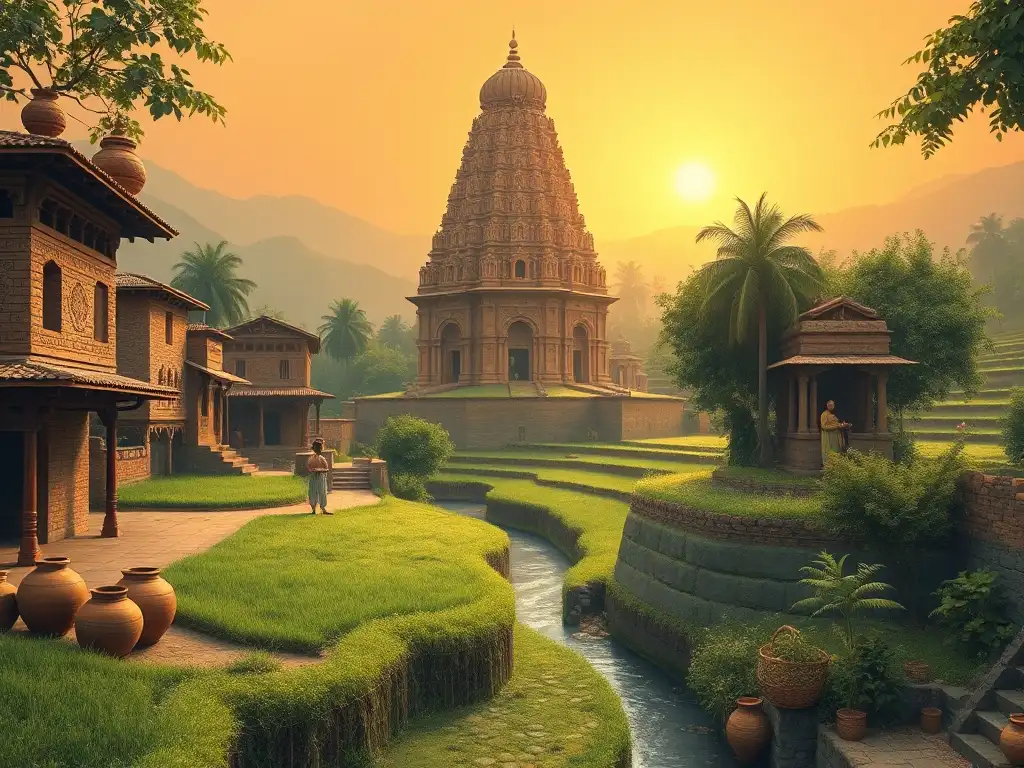
Ancient Indian architecture is characterized by its sustainable design practices that have stood the test of time. Rooted in the principles of harmony with nature, utilization of local resources, and a deep understanding of environmental dynamics, these practices offer invaluable lessons for modern sustainable architecture. Below, we delve into the key principles that underscore ancient Indian sustainable architecture, showcasing their relevance in contemporary design.
Use of Local Materials in Ancient Indian Construction
One of the foundational principles of ancient Indian sustainable architecture is the extensive use of local materials. The choice of materials was influenced by several factors, including availability, climate, and cultural significance.
- Earth and Clay: Many ancient structures, including dwellings and temples, were built using mud bricks and rammed earth. This not only reduced transportation costs but also ensured that the buildings blended harmoniously with their surroundings. For instance, the Indus Valley Civilization is known for its advanced use of baked bricks, which were locally sourced and provided excellent insulation.
- Stone: Various types of stone were used in monumental architecture, such as granite and sandstone, which were abundant in certain regions of India. The intricate carvings of temples like those in Khajuraho exemplify how local stone was utilized not just for structural integrity but also for artistic expression.
- Natural Fibers: Materials such as bamboo, thatch, and palm leaves were extensively used in vernacular architecture. These materials provided sustainable options for roofing and wall construction, showcasing the ingenuity of ancient builders in utilizing what was readily available.
Climate-Responsive Design: The Role of Orientation and Ventilation
Ancient Indian architects were adept at creating buildings that responded effectively to their climatic conditions, prioritizing orientation and ventilation to enhance comfort and reduce energy consumption.
- Orientation: Structures were often oriented to take advantage of natural light and prevailing winds. For example, many traditional homes in Rajasthan are designed with thick walls and small windows facing east to capture the morning sun, while minimizing heat gain during the hotter parts of the day.
- Ventilation: The use of high ceilings, courtyards, and jali (lattice work) allowed for natural ventilation, promoting airflow and cooling. The Havelis of Jaipur, with their open courtyards and strategically placed openings, exemplify how ancient designs optimized cross-ventilation, reducing the need for artificial cooling.
- Thermal Mass: The thermal mass of materials like stone and mud played a crucial role in regulating indoor temperatures. These materials absorbed heat during the day and released it during the cooler nights, creating a comfortable living environment without reliance on modern heating or cooling systems.
Integrating Nature: Landscape and Water Management in Ancient Structures
The integration of nature into architectural design is another hallmark of ancient Indian sustainable architecture. This approach not only enhanced aesthetic appeal but also contributed to resource management.
- Water Harvesting Systems: Ancient Indian civilizations developed sophisticated water management systems, including step wells, tanks, and rainwater harvesting techniques. The Rani ki Vav in Gujarat is an exemplary structure that reflects intricate engineering to collect and store water, serving both functional and decorative purposes.
- Gardens and Green Spaces: The concept of Vastu Shastra, which emphasizes the importance of nature in design, often included gardens and green spaces within the architectural layout. Structures like the Mughal gardens, with their meticulous planning, illustrate the significance placed on integrating greenery to enhance biodiversity and provide recreational spaces.
- Ecosystem Preservation: Ancient architects were aware of the importance of preserving local ecosystems. By using native plants and creating habitats within their structures, they fostered a balanced relationship between built environments and natural landscapes.
The principles of ancient Indian sustainable architecture—ranging from the use of local materials to climate-responsive design and nature integration—provide a blueprint for modern sustainable practices. As the world grapples with environmental challenges, revisiting these timeless principles could inspire innovative solutions grounded in centuries of wisdom.
Case Studies of Iconic Ancient Indian Sustainable Architecture

The Indus Valley Civilization: Urban Planning and Drainage Systems
The Indus Valley Civilization (IVC), flourishing between 3300 BCE and 1300 BCE, is celebrated for its sophisticated urban planning and innovative drainage systems. Cities like Harappa and Mohenjo-Daro exemplify ancient Indian sustainable architecture through their meticulous layout and infrastructure.
- Urban Planning:
- The cities were meticulously planned on a grid system, featuring wide streets and organized blocks. This design not only facilitated movement but also maximized the efficient use of space.
- Buildings were constructed using standardized baked bricks, which enhanced structural stability and durability.
- Drainage Systems:
- A remarkable feature of IVC architecture is its advanced drainage system. Each house had access to a private drainage system, which connected to a larger network of sewers.
- The drainage was designed to prevent flooding and promote hygiene by channeling wastewater away from residential areas, highlighting a deep understanding of sustainable sanitation practices.
- Water Management:
- The civilization also prioritized water management, utilizing wells and reservoirs to ensure a stable water supply. This foresight in water conservation is a testament to their commitment to sustainability.
The Temples of Khajuraho: Aesthetic Beauty and Environmental Harmony
The temples of Khajuraho, built between 950 and 1050 CE, are not only architectural masterpieces but also exemplify principles of sustainability integrated with aesthetic beauty. These temples illustrate how ancient Indian architecture harmonized with the environment.
- Integration with Nature:
- The temples were constructed using locally sourced sandstone, reducing the carbon footprint associated with transportation. This choice of material not only contributes to sustainability but also enhances the aesthetic appeal of the structures.
- Architectural features such as intricate carvings of flora and fauna reflect a deep reverence for nature, promoting environmental consciousness.
- Natural Ventilation:
- The design of the temples includes high ceilings and strategically placed windows, allowing for natural ventilation. This architectural choice reduces the need for artificial cooling, aligning with sustainable living principles.
- Use of Sunlight:
- The layout of the temples is oriented to capture sunlight at different times of the day, illuminating the interiors without reliance on artificial lighting. This design not only saves energy but also creates a spiritually uplifting atmosphere.
The Stepwells of Gujarat: Innovative Water Conservation Techniques
Stepwells, particularly prominent in Gujarat, are a remarkable feature of ancient Indian sustainable architecture that showcase innovative water conservation techniques. These structures were designed to provide access to groundwater while also serving as community gathering spaces.
- Structural Design:
- Stepwells are characterized by their deep, vertical shafts with steps leading down to the water level. This design allows for easy access to water, even in arid conditions, showcasing an efficient use of space and resources.
- The walls of stepwells often feature intricate carvings and sculptures, blending functionality with artistic expression.
- Climate Adaptation:
- The design of stepwells is particularly suited to the hot and dry climate of Gujarat. The depth of the wells helps maintain cooler temperatures, preserving water quality and reducing evaporation rates.
- Some stepwells are multi-storied, providing shaded areas that create a comfortable environment for users, demonstrating a profound understanding of climate-responsive architecture.
- Community Involvement:
- Stepwells served as vital community resources, often used for social gatherings and rituals. This aspect of their design emphasizes the role of architecture in fostering community ties while promoting sustainable water practices.
These case studies illustrate how ancient Indian civilizations have left a lasting legacy of sustainable architectural practices, offering invaluable insights for modern applications in sustainable design.
Modern Applications of Ancient Indian Architecture Principles
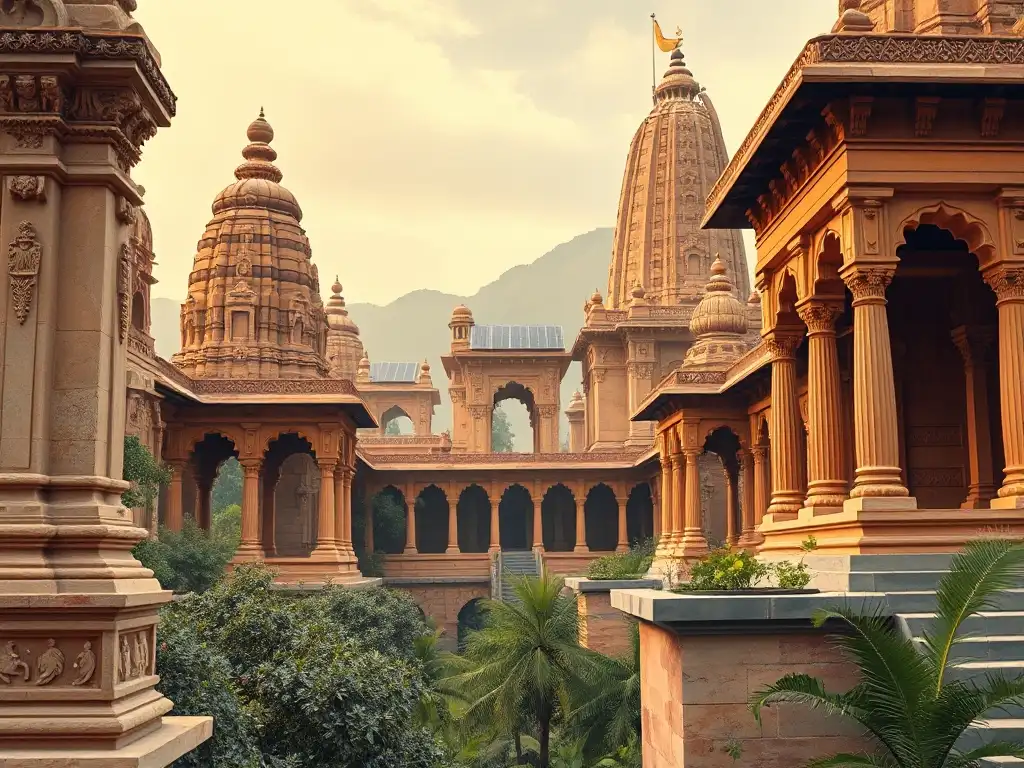
How Ancient Techniques Inspire Contemporary Sustainable Design
Ancient Indian architecture is characterized by its profound understanding of environmental harmony and resource efficiency. The principles laid down in texts like the Vastu Shastra and Shilpa Shastra are increasingly relevant in the context of contemporary sustainable design. These ancient texts provide a framework that emphasizes the relationship between built structures and the natural environment.
- Orientation and Placement: Ancient Indian structures were often oriented to take advantage of natural light and wind patterns. For instance, homes were typically designed to face east, allowing sunlight to illuminate interiors and reduce reliance on artificial lighting. This principle is mirrored in modern sustainable architecture, where site orientation is crucial to energy efficiency.
- Natural Ventilation: The use of courtyards and open spaces in ancient buildings facilitated natural airflow, reducing the need for mechanical cooling systems. This technique, known as passive ventilation, is gaining traction in contemporary designs, proving that traditional methods can lead to significant energy savings.
- Use of Local Materials: Ancient architects utilized locally sourced materials like stone, clay, and wood, which not only minimized transportation costs but also ensured that buildings were well-suited to their climatic conditions. Modern architects are now revisiting this concept, focusing on reducing the carbon footprint associated with construction by sourcing materials locally.
Case Study: The Eco-Sensitive Town Planning of Auroville
Auroville, an experimental township in Tamil Nadu, serves as a prime example of how ancient Indian principles of sustainable architecture can be applied in modern contexts. Founded in 1968, Auroville embodies the ideals of community, sustainability, and harmony with nature.
- Design Philosophy: The layout of Auroville was inspired by ancient Indian town planning, emphasizing a central communal area surrounded by residential zones. This design promotes social interaction while minimizing the need for extensive transport systems.
- Water Management: Auroville employs traditional rainwater harvesting techniques derived from ancient practices. The township's architecture incorporates features such as permeable surfaces and water channels that facilitate groundwater recharge, demonstrating an effective blend of past wisdom and modern technology.
- Biodiversity Preservation: The architects of Auroville have prioritized the preservation of local flora and fauna, creating green belts and natural corridors. This is reminiscent of ancient Indian gardens, which were designed to maintain ecological balance. Such initiatives not only enhance biodiversity but also contribute to the residents' quality of life.
Innovations in Eco-Friendly Building Materials Inspired by Ancient India
The exploration of ancient Indian architecture has led to a resurgence in the use of eco-friendly building materials that are both sustainable and efficient. Several innovations inspired by ancient practices include:
| Material | Ancient Use | Modern Application |
|---|---|---|
| Earth Blocks | Used in ancient fortifications | Sustainable bricks for construction |
| Bamboo | Structural and decorative elements | Lightweight, carbon-negative building material |
| Clay Plaster | Finishing material for homes | Natural insulation and moisture regulation |
| Stone | Foundations of temples | Durable and energy-efficient construction |
- Earth Blocks: Ancient Indian constructions often utilized compressed earth blocks, which are now being revisited due to their low environmental impact and thermal efficiency.
- Bamboo: Revered in ancient architecture for its strength and flexibility, bamboo is now recognized as a sustainable alternative to steel and concrete, offering a renewable resource that sequesters carbon.
- Clay Plaster: Traditionally used for wall finishes, clay plaster is gaining popularity for its natural insulation properties and ability to regulate indoor humidity, enhancing living comfort.
The principles of ancient Indian sustainable architecture are not only timeless but also increasingly relevant in today’s quest for eco-friendly design solutions. By integrating these techniques and materials, modern architects can create spaces that honor the environment while enhancing the quality of life for their inhabitants.
Challenges and Misconceptions about Ancient Indian Sustainable Architecture
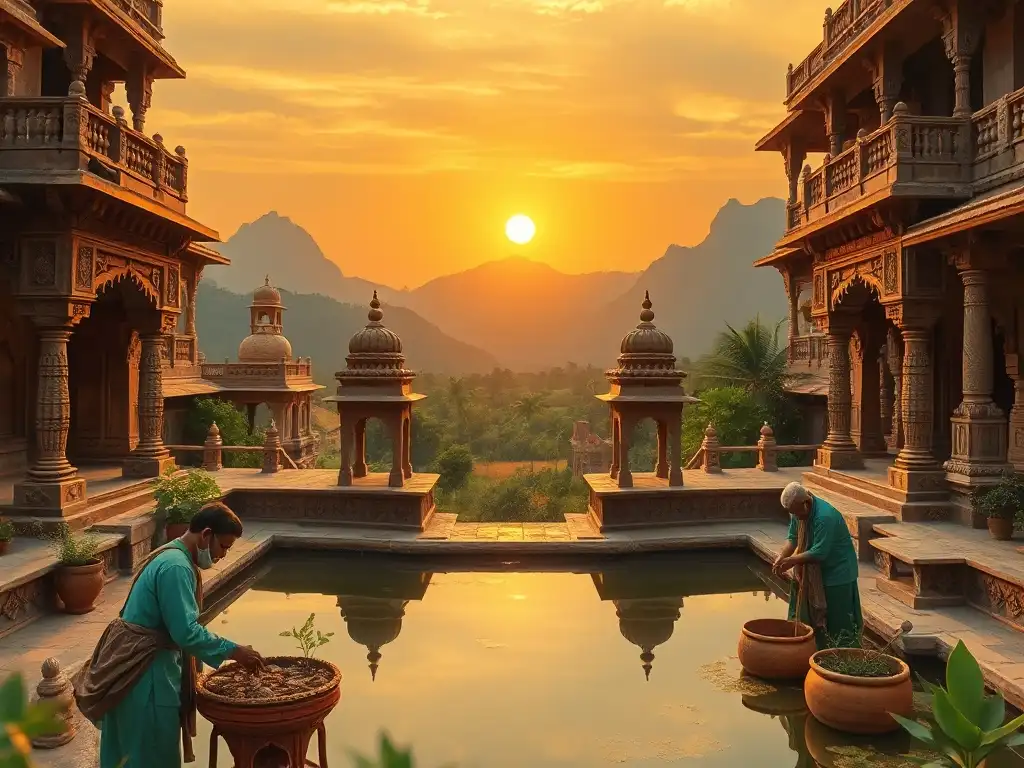
Common Myths Surrounding Ancient Indian Architectural Techniques
Despite the profound wisdom embedded in ancient Indian architecture, several myths have emerged that obscure its true value. One prevalent misconception is that ancient Indian architecture was primitive and lacked sophistication. This view neglects the remarkable ingenuity of builders who utilized available materials and indigenous techniques to create structures that have withstood the test of time.
Another common myth is that sustainable practices were an afterthought in ancient Indian architecture. In reality, sustainability was an integral principle guiding the design process. Structures were often oriented to maximize natural light and ventilation, reducing reliance on artificial energy sources. This alignment with nature is exemplified in the design of traditional havelis and temples, which often included courtyards and water bodies to maintain a cooler microclimate.
Additionally, some argue that the styles and materials used were not suited for modern needs. However, ancient architects had a deep understanding of local climates and ecosystems, which guided their choices of materials. For instance, the use of mud, bamboo, and stone not only addressed immediate environmental conditions but also promoted long-term sustainability.
Reality Check: The Efficiency and Durability of Ancient Structures
Ancient Indian architecture is characterized by its durability and efficiency, which can be observed in various monumental structures that still stand today. The Indus Valley Civilization, for instance, showcased urban planning that prioritized drainage and waste management, reflecting a sophisticated understanding of public health and environmental sustainability.
- Material Resilience: Many ancient structures were built using locally sourced materials like sandstone, limestone, and laterite, which are not only durable but also environmentally friendly. These materials provided excellent thermal insulation, reducing the need for heating and cooling.
- Innovative Techniques: Techniques such as corbel arching and vaulting allowed for the creation of expansive interior spaces without the need for excessive structural supports. This not only enhanced the aesthetic appeal but also optimized the use of materials, contributing to sustainability.
- Adaptation to Environment: Ancient architects employed strategies like elevated platforms and thick walls to protect against flooding and extreme temperatures. Structures like the Ajanta Caves and Khajuraho Temples illustrate how design elements were thoughtfully integrated into their natural surroundings, ensuring longevity and reducing environmental impact.
The Gupta period further exemplifies the evolution of ancient Indian sustainable architecture, with temples designed to harmonize with their surroundings while incorporating intricate carvings and artistic expressions. These structures not only served religious purposes but also functioned as community centers, showcasing the multifaceted role of architecture in society.
The architectural principles of ancient India provide a treasure trove of insights into sustainable design. By debunking myths and acknowledging the efficiency and durability of these ancient structures, we can draw valuable lessons for modern sustainable architecture practices.
Conclusion: Embracing Ancient Indian Sustainable Architecture Today
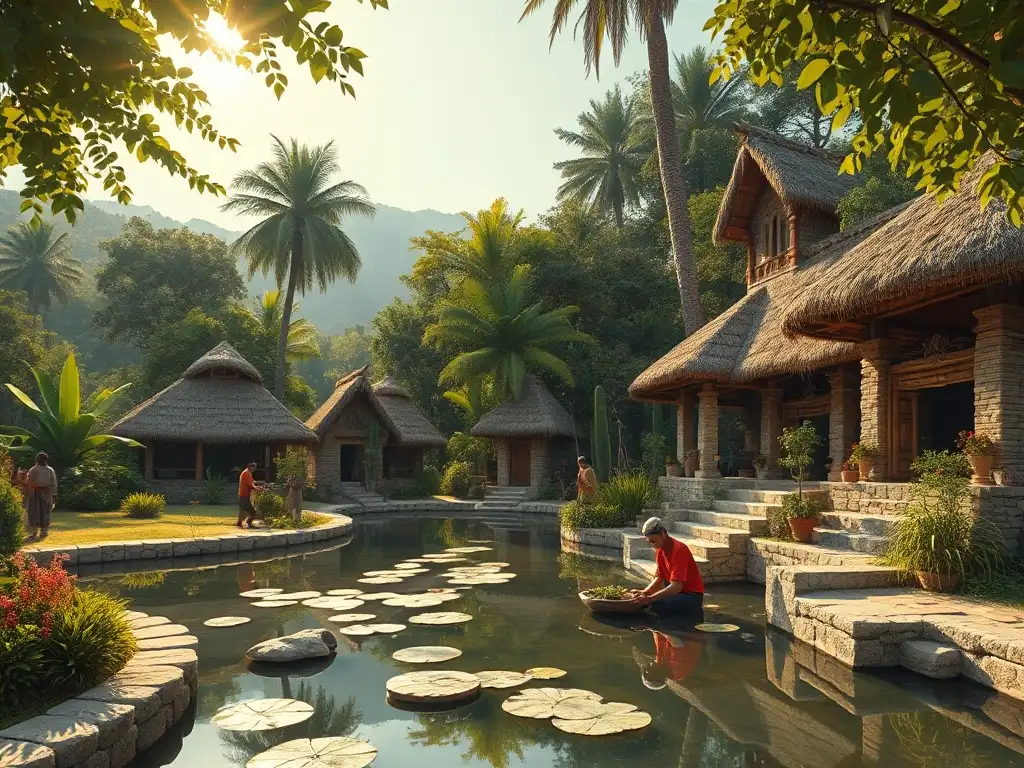
The principles of ancient Indian sustainable architecture offer invaluable insights that can be harnessed in contemporary design practices. As the world faces increasing challenges related to climate change, urbanization, and resource depletion, revisiting these time-tested methods can guide us toward more sustainable living. Ancient Indian architecture emphasized harmony with nature, the use of local materials, and designs that catered to the climatic conditions of the region. By understanding and integrating these principles, modern architects and builders can create structures that are not only functional but also environmentally responsible.
The Future of Sustainable Design: Lessons from Ancient India
Ancient Indian architecture presents a wealth of lessons that are increasingly relevant in today's context:
- Natural Materials: The use of locally sourced materials such as mud, stone, and timber minimizes the carbon footprint associated with transportation and production.
- Example: The traditional adobe structures of Rajasthan utilize sun-dried bricks made from local clay, which provide thermal insulation and are highly sustainable.
- Passive Design: Ancient structures often employed passive solar design techniques, maximizing natural light and ventilation.
- Example: The use of courtyards in homes allowed for natural cooling and light, reducing the dependency on artificial heating and cooling systems.
- Water Management: Ancient Indian civilizations developed sophisticated water harvesting systems, including stepwells and tanks, to manage water resources effectively.
- Example: The stepwells of Gujarat are not only architectural marvels but also exemplify traditional water conservation methods that can inspire modern water management strategies.
- Biophilic Design: Many ancient structures were designed to blend seamlessly with the surrounding landscape, promoting a connection between the inhabitants and nature.
- Example: Temples such as the Brihadeeswarar Temple are positioned in ways that enhance the natural beauty of their surroundings, demonstrating the importance of context in design.
How to Incorporate Ancient Principles in Modern Architecture Projects
Integrating ancient Indian sustainable architecture principles into modern projects involves a thoughtful approach. Here are some actionable strategies:
- Research and Understand Local Context: Conduct thorough research on the local climate, materials, and cultural practices to inform design decisions.
- Utilize Local Materials: Source materials from local suppliers to reduce transportation emissions and support the local economy. Consider using materials like bamboo, rammed earth, or recycled materials that align with sustainable practices.
- Design for Climate: Adopt passive solar design principles by orienting buildings to maximize natural light and ventilation. Use overhangs and shading devices to control heat gain.
- Implement Water Conservation Techniques: Incorporate rainwater harvesting systems, permeable pavements, and greywater recycling to promote efficient water use.
- Promote Community Engagement: Involve local communities in the design process to ensure that the architecture reflects cultural values and meets the needs of its users.
- Educate and Advocate: Share knowledge about ancient sustainable practices with clients and stakeholders to promote awareness and acceptance of these principles in modern design.
By embracing these ancient principles, architects and builders can contribute to a more sustainable future, creating spaces that honor the wisdom of the past while addressing the needs of the present and future. The journey toward integrating ancient Indian sustainable architecture is not just about building structures; it is about fostering a resilient relationship between humanity and the environment.
Recommended Resources for Further Learning
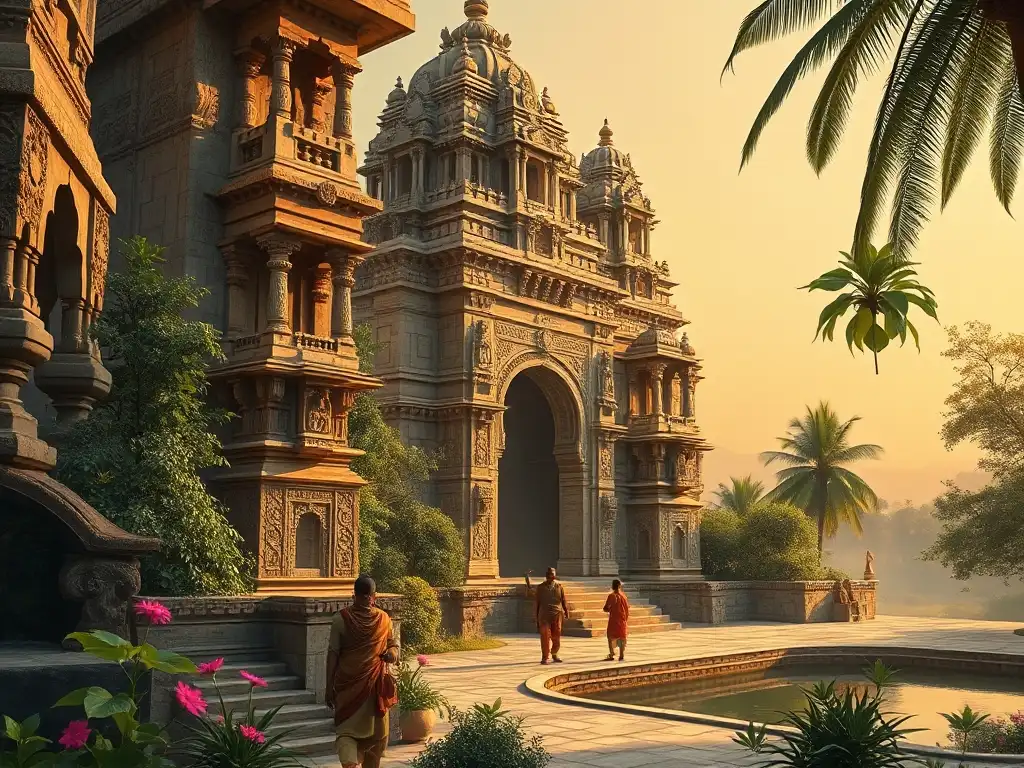
Books on Ancient Indian Architecture and Sustainable Design
For those interested in delving deeper into the principles of ancient Indian sustainable architecture, a variety of books can provide invaluable insights. Here are some recommended titles:
-
"Indian Architecture: Buddhist and Hindu Periods" by James Fergusson
This classic work explores the architectural styles that emerged during ancient India, focusing on the sustainable practices that were inherent in their construction.
-
"The Architecture of the Indian Subcontinent" by James C. Harle
Harle presents a comprehensive overview of the architecture across different periods in India, highlighting how ancient practices can inform modern sustainable design.
-
"Sustainable Architecture in India: Lessons from the Past" by Ranjit Rathi
This book specifically addresses how ancient Indian architecture can inspire contemporary sustainable practices, providing case studies and design principles.
-
"Vastu Shastra: The Ancient Indian Science of Architecture" by B. P. R. Sinha
A detailed examination of Vastu Shastra, this book explains the ancient principles of design and layout that promote harmony with nature, making it a key resource for sustainable architecture.
These resources not only educate on the historical context but also emphasize the sustainable techniques that can be adapted in modern architectural practices.
Online Courses and Workshops: Learning from Ancient Techniques
As interest in ancient Indian sustainable architecture grows, several online courses and workshops have emerged to educate enthusiasts and professionals alike. Here are a few notable options:
-
Coursera: Sustainable Architecture: Lessons from India
This course explores traditional building techniques and their relevance in today's sustainable design landscape. Participants will learn about materials, climate adaptation, and energy efficiency.
-
edX: Ancient Indian Architecture and Its Modern Applications
This platform offers a course where learners can study ancient techniques and their application in modern architecture, emphasizing sustainability.
-
Workshops by the Indian National Trust for Art and Cultural Heritage (INTACH)
INTACH regularly conducts workshops focusing on traditional building practices, including mud architecture and vernacular styles, which are pivotal in understanding sustainable design.
These educational resources provide hands-on experiences and theoretical knowledge, allowing participants to grasp the principles of ancient architecture that can be applied today.
Architectural Firms Embracing Ancient Indian Sustainable Principles
Several modern architectural firms are leading the way in integrating ancient Indian sustainable architecture principles into their designs. Here are a few that stand out:
-
Khosla Associates
Known for their innovative designs, Khosla Associates combines traditional materials and methods with modern architecture, focusing on sustainability and environmental harmony.
-
Sanjay Puri Architects
This firm emphasizes the use of local materials and climate-responsive designs, drawing inspiration from ancient Indian techniques to create sustainable yet contemporary spaces.
-
Nudra
Nudra focuses on sustainable architecture by utilizing traditional Indian techniques and materials. Their projects often reflect a deep understanding of local climates and ecosystems.
These firms exemplify how ancient wisdom can inform modern practices, paving the way for a more sustainable future in architecture. By adopting these time-tested principles, they not only honor the past but also contribute to the ongoing dialogue around sustainability in design.
Frequently Asked Questions
What is ancient Indian sustainable architecture?
Ancient Indian sustainable architecture refers to building practices and designs that prioritize environmental harmony, using local materials and natural resources while respecting the cultural context.
How did ancient Indian civilizations practice sustainability in architecture?
Ancient Indian civilizations employed principles such as passive solar design, effective ventilation, and the use of natural materials to create structures that were both functional and sustainable.
What are some examples of ancient Indian sustainable architecture?
Notable examples include the stepwells, courtyard houses, and temples that utilized local resources, reflected climatic considerations, and embodied a deep connection to nature.
How can the principles of ancient Indian architecture be applied today?
Modern architects can draw inspiration from ancient Indian architecture by incorporating sustainable materials, embracing natural light, and focusing on energy efficiency in contemporary designs.
Why is studying ancient Indian sustainable architecture important?
Understanding ancient Indian sustainable architecture is crucial for promoting sustainability today, as it offers valuable insights into creating eco-friendly solutions that respect both cultural heritage and the environment.
Final Reflection: Embracing Ancient Wisdom for a Sustainable Future
The principles of ancient Indian sustainable architecture resonate profoundly in today's world, where the urgency for eco-friendly design has never been greater. As we grapple with climate change and environmental degradation, the wisdom embedded in these age-old practices offers a beacon of hope and a roadmap for a more sustainable future. The architectural marvels of ancient India not only showcase aesthetic beauty but also embody a deep respect for nature, reminding us that sustainability is not a modern invention but a timeless necessity.
The influence of ancient Indian sustainable architecture extends beyond mere construction techniques; it shapes our cultural and social landscapes, urging us to reconnect with our environment. The intricate designs and thoughtful integration of natural elements in these structures serve as a testament to the harmonious relationship between humanity and nature. As Mahatma Gandhi once said, "> The Earth provides enough to satisfy every man's needs, but not every man's greed." This quote encapsulates the essence of sustainable living, urging us to adopt a mindset that prioritizes balance and respect for our planet.
As we reflect on the lessons from ancient Indian architecture, let us take this opportunity to integrate these timeless principles into our own lives and communities. Consider how you can apply sustainable practices in your daily choices, whether through mindful consumption, supporting eco-friendly initiatives, or advocating for designs that honor our environment. The future of our planet depends on our ability to learn from the past and act with intention today. Together, we can build a legacy of sustainability that honors both our heritage and our responsibility to future generations.
Unleash the Wisdom of Ancient Design!
Thank you for diving into the fascinating world of ancient Indian architecture! You've explored invaluable principles that not only highlight timeless beauty but also emphasize sustainability in design. Now, it’s time to put that inspiration into action!
Here’s how you can embrace these ancient principles in your own life:
- Start by redesigning your space: Take a room in your home and incorporate elements inspired by ancient architecture—consider using natural materials and optimizing for light and airflow.
- Share your journey: Document your design choices and share them with friends and family. Utilize social media platforms to inspire others to rethink their approach to sustainability!
- Join a community: Seek out local workshops or online groups focused on sustainable architecture and design. Engaging with others can provide fresh ideas and valuable insights.
Which ancient architectural principle resonates most with you, and how do you plan to incorporate it into your everyday life?