
How Ancient Indian Innovations in Agriculture Supported the Arts and Crafts

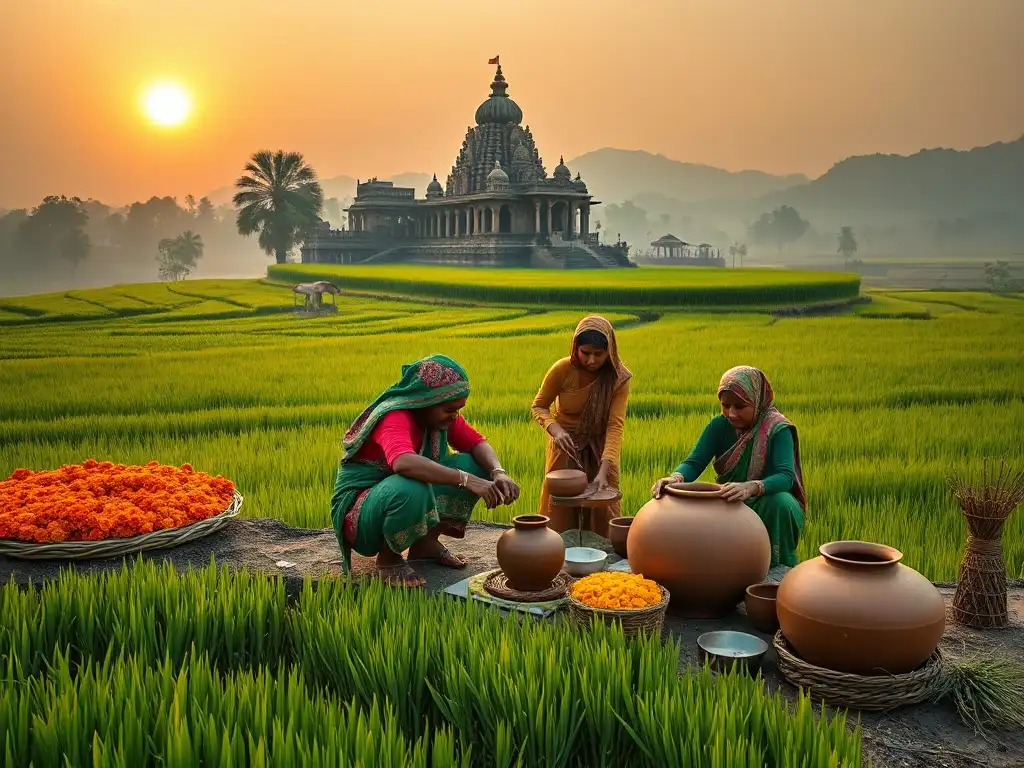
Welcome to Ancient India History, where we delve into the rich tapestry of civilizations that shaped the subcontinent. In our featured article, we explore the fascinating world of Ancient Indian agriculture innovations—discover how groundbreaking techniques not only revolutionized farming but also laid the foundation for flourishing arts and crafts. Prepare to be captivated as we uncover the intricate connections between agriculture and the vibrant cultural legacy of ancient India. Join us on this journey and learn how these innovations continue to inspire modern practices today!
- Introduction to Ancient Indian Agriculture Innovations
- Key Innovations in Ancient Indian Agriculture
- The Relationship Between Agriculture and Arts
- Impact of Agricultural Innovations on Society
- Case Studies of Agricultural Innovations and Arts
- Conclusion: Legacy of Ancient Indian Agricultural Innovations
- References and Further Reading
-
Frequently Asked Questions
- What were some key agricultural innovations in ancient India?
- How did ancient Indian agriculture contribute to arts and crafts?
- What role did the Indus Valley Civilization play in agricultural development?
- How did crop diversity influence ancient Indian society?
- In what ways did the Gupta Empire impact agricultural practices?
- Final Reflection: The Enduring Legacy of Ancient Indian Agricultural Innovations
- Embrace the Legacy of Ancient Innovation Today!
Introduction to Ancient Indian Agriculture Innovations
The history of ancient India is a tapestry woven from the threads of diverse cultures, innovations, and contributions that have significantly shaped the modern world. Among these contributions, agricultural innovations stand out as pivotal in enabling not only sustenance but also the flourishing of arts and crafts. Ancient Indian agriculture was characterized by remarkable advancements, which included sophisticated irrigation techniques, crop rotation, and the introduction of various high-yield crops.
These innovations not only supported the growing population but also provided the economic stability necessary for the proliferation of artistic endeavors and craftsmanship. This article delves into the intricacies of how these agricultural advancements laid the groundwork for a vibrant cultural landscape in ancient India.
Overview of Agricultural Innovations in Ancient India
Ancient Indian civilizations, particularly during the Indus Valley Civilization (circa 3300–1300 BCE), showcased several groundbreaking agricultural practices. The use of irrigation systems, such as canals and wells, allowed for more efficient water management, transforming arid land into fertile fields. Some key innovations include:
- Crop Rotation: Farmers implemented systematic crop rotation, which enhanced soil fertility and reduced pest infestations.
- Selective Breeding: The deliberate selection of seeds for desirable traits led to the cultivation of resilient and high-yield varieties of grains, such as rice and wheat.
- Terracing: In hilly regions, terracing techniques minimized soil erosion and maximized arable land.
These innovations were not merely technical achievements; they reflected a deep understanding of ecological balance and sustainability, which would later influence various aspects of Indian society, including its artistic expressions.
Importance of Agriculture in Supporting Arts and Crafts
The impact of agricultural innovations in ancient India extended far beyond mere food production. A stable agricultural base allowed for the surplus of goods, which was crucial in supporting a thriving economy. This economic stability fostered an environment where arts and crafts could flourish. Here are some ways agriculture supported these cultural expressions:
- Provision of Resources: Surplus agricultural products provided raw materials for crafts, such as dyes from plants and textiles from cotton.
- Economic Stability: With more reliable food sources, communities could invest time and resources into artistic pursuits, leading to the development of intricate sculptures, paintings, and textiles.
- Cultural Exchange: Prosperous agricultural towns became centers of trade, facilitating the exchange of ideas and artistic techniques between different regions.
In essence, the innovations in ancient Indian agriculture were not just crucial for feeding the population; they were instrumental in nurturing a rich cultural heritage that celebrated creativity, artistry, and craftsmanship. The interplay between agriculture and the arts illustrates the holistic nature of ancient Indian civilization, where each aspect of life was interconnected and mutually supportive.
Key Innovations in Ancient Indian Agriculture
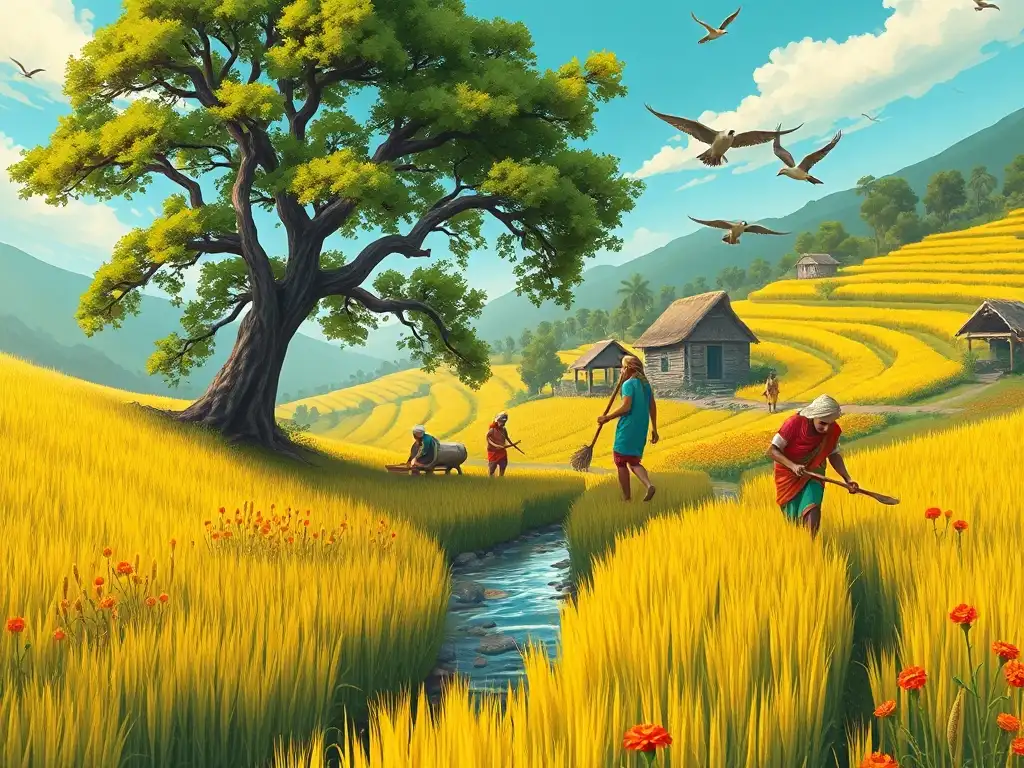
Ancient Indian agriculture was marked by a series of innovative practices that not only enhanced productivity but also supported the flourishing of arts and crafts. These innovations laid the groundwork for sustainable farming and enabled a diverse range of crops to be cultivated, which in turn fed the growing populations and stimulated cultural advancements. Below, we explore some of the key innovations that shaped ancient Indian agriculture.
Irrigation Systems and Techniques
Irrigation was a cornerstone of ancient Indian agriculture, enabling farmers to cultivate crops in regions with erratic rainfall. The early civilizations, particularly in the Indus Valley, developed sophisticated irrigation systems that included canals, wells, and tanks.
- Canal Systems: The Harappans constructed an extensive network of canals to divert water from rivers to their fields. This not only ensured a steady water supply for crops but also allowed for the expansion of agricultural land.
- Wells and Stepwells: The use of wells became prominent, especially in arid regions. Stepwells, which are multi-storied structures built to access groundwater, were ingeniously designed to store water and could be used throughout the year.
- Rainwater Harvesting: Techniques for rainwater harvesting were also employed, where farmers utilized natural depressions and constructed simple reservoirs to collect and store rainwater, maximizing its use during dry spells.
These innovations in irrigation not only boosted agricultural productivity but also supported artistic endeavors, as the surplus of food allowed communities to engage in crafts and cultural activities.
Crop Rotation and Diversity
Ancient Indian farmers practiced crop rotation and cultivated a diverse range of crops, which played a significant role in enhancing soil fertility and increasing yields.
- Crop Rotation: Farmers alternated different crops in the same field from season to season. This practice reduced soil depletion and minimized pest infestations, as certain crops would restore nutrients while others deterred pests.
- Diverse Crops: The cultivation of a variety of crops, including rice, wheat, barley, pulses, and millets, ensured a balanced diet. The introduction of legumes, for instance, helped in nitrogen fixation, enriching the soil.
- Traditional Varieties: Farmers also preserved traditional crop varieties, which were more resilient to local conditions and pests. This biodiversity not only sustained agricultural output but also contributed to the development of local crafts, as different crops necessitated varied tools and techniques for processing.
The focus on crop rotation and diversity allowed ancient Indian agriculture to thrive, providing the necessary sustenance for artistic and cultural expression.
Use of Fertilizers and Soil Enrichment
The ancient Indians were pioneers in the use of organic fertilizers and soil enrichment techniques, which significantly enhanced agricultural productivity.
- Organic Fertilizers: Farmers utilized animal manure, compost, and green manures to enrich the soil. This practice improved soil structure and fertility, facilitating better water retention and nutrient availability.
- Soil Testing and Management: Evidence suggests that ancient Indian agronomists understood the importance of soil health. They would assess soil types and conditions, leading to targeted amendments that improved crop yields.
- Crop Residues: The practice of returning crop residues to the fields after harvest was common. This not only added organic matter to the soil but also promoted a sustainable cycle of nutrients.
These soil enrichment practices were integral to sustaining high agricultural output, which in turn fueled the growth of various crafts, as artisans sought materials and resources to create their works.
The innovations in ancient Indian agriculture—spanning irrigation systems, crop rotation, and soil management—were crucial not only for enhancing productivity but also for supporting the vibrant arts and crafts of the time. These practices laid the foundation for a rich cultural legacy that continues to influence modern agricultural techniques.
The Relationship Between Agriculture and Arts
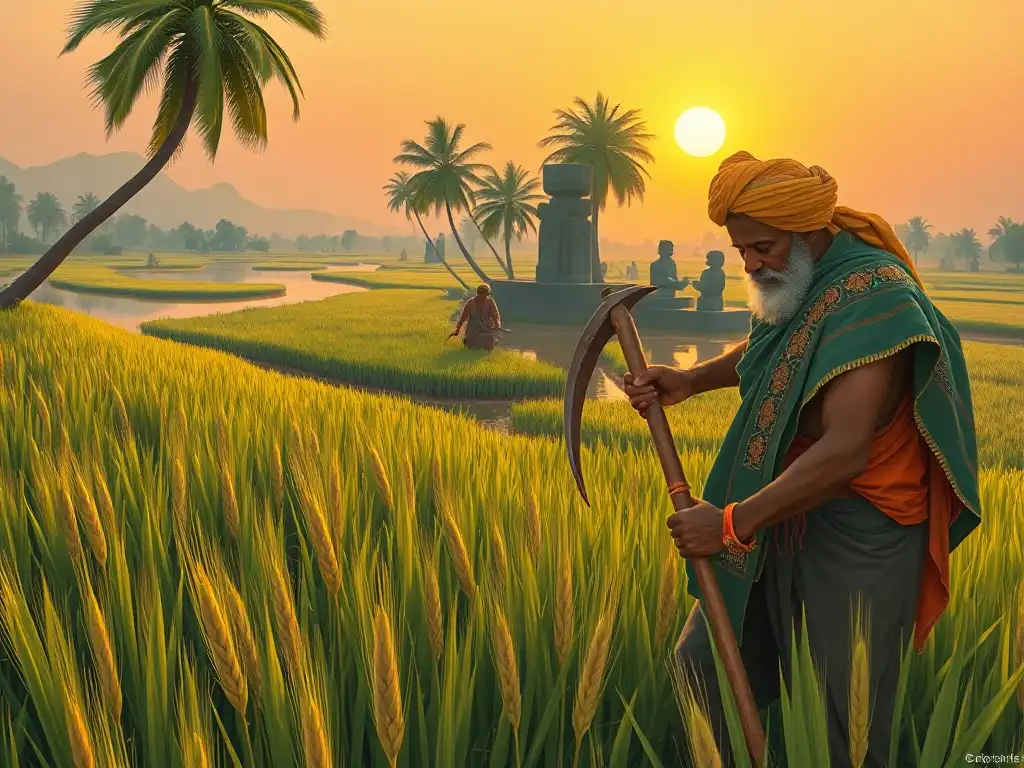
The interconnection between agriculture and the arts in ancient India is a fascinating aspect of the civilization's development. The advancements in agricultural practices not only ensured food security but also created an environment that encouraged artistic expression and craftsmanship. Understanding this relationship sheds light on how ancient Indian agriculture innovations played a pivotal role in fostering the cultural landscape of the time.
How Agricultural Surpluses Supported Artistic Endeavors
Agricultural surpluses were a cornerstone of ancient Indian society, leading to the development of a thriving economy that allowed for the flourishing of the arts. With increased agricultural productivity due to innovations such as irrigation systems, crop rotation, and the use of plows, communities could produce more than what was needed for subsistence. This surplus enabled a segment of the population to engage in artistic and cultural activities.
- Economic Stability: The stability brought by agricultural innovations meant that fewer people were required to work solely in farming. This allowed artisans, musicians, and other creatives to emerge and hone their crafts.
- Patronage of the Arts: Wealth generated from surplus agriculture often led to the patronage of artists by local rulers and affluent families. This resulted in the commissioning of sculptures, paintings, and performances that celebrated religious themes and local culture.
- Cultural Exchange: With trade routes established due to agricultural output, different regions began to exchange goods and ideas. This cross-cultural interaction enriched the arts, leading to diverse styles and techniques being integrated into local practices.
The positive feedback loop created by agricultural surpluses thus served as a catalyst for artistic endeavors, shaping the cultural heritage of ancient India.
Influence of Agriculture on Traditional Crafts
The impact of agriculture on traditional crafts in ancient India is evident through various forms of craftsmanship that evolved alongside farming practices. The materials sourced from agriculture, such as cotton, clay, and wood, were integral to the development of numerous crafts.
- Textile Production: Ancient Indian agriculture innovations led to the cultivation of cotton, which became a primary material for textiles. The flourishing textile industry not only catered to local needs but also became a significant export, showcasing intricate designs and dyeing techniques that reflected the agricultural seasons.
- Pottery and Clay Art: The availability of clay from riverbanks allowed artisans to create pottery that was both functional and decorative. Agricultural themes often featured in the designs, celebrating the harvest and the fertility of the land.
- Woodwork and Sculpture: The abundance of timber from managed forests supported skilled woodworkers who crafted everything from furniture to intricate sculptures. Many of these pieces depicted agricultural scenes, emphasizing the importance of farming in daily life.
In this way, ancient Indian agriculture innovations directly influenced the materials and themes of traditional crafts, leading to a rich tapestry of cultural expression.
The Role of Seasonal Festivals in Promoting Arts
Seasonal festivals in ancient India were significant events that celebrated agricultural cycles and had a profound impact on the arts. These festivals not only marked the changing of seasons but also provided a platform for artistic expression and community participation.
- Harvest Festivals: Festivals such as Pongal and Makar Sankranti celebrated the harvest and often featured music, dance, and dramatic performances that highlighted agricultural themes. These events were rich in artistic expression, with local artisans showcasing their crafts through decorations and performances.
- Religious Significance: Many festivals were intertwined with religious practices, wherein art played a central role. Temples and public spaces were adorned with elaborate decorations, and rituals often involved artistic performances, enhancing the spiritual experience of the community.
- Community Engagement: Festivals fostered a sense of community, encouraging collaborative artistic endeavors. People would come together to create large murals, stage plays, and organize dance performances that celebrated their agricultural heritage.
The role of seasonal festivals in ancient India thus exemplified how agricultural innovations influenced cultural practices, allowing the arts to flourish within the context of communal celebration and gratitude for bountiful harvests.
Impact of Agricultural Innovations on Society
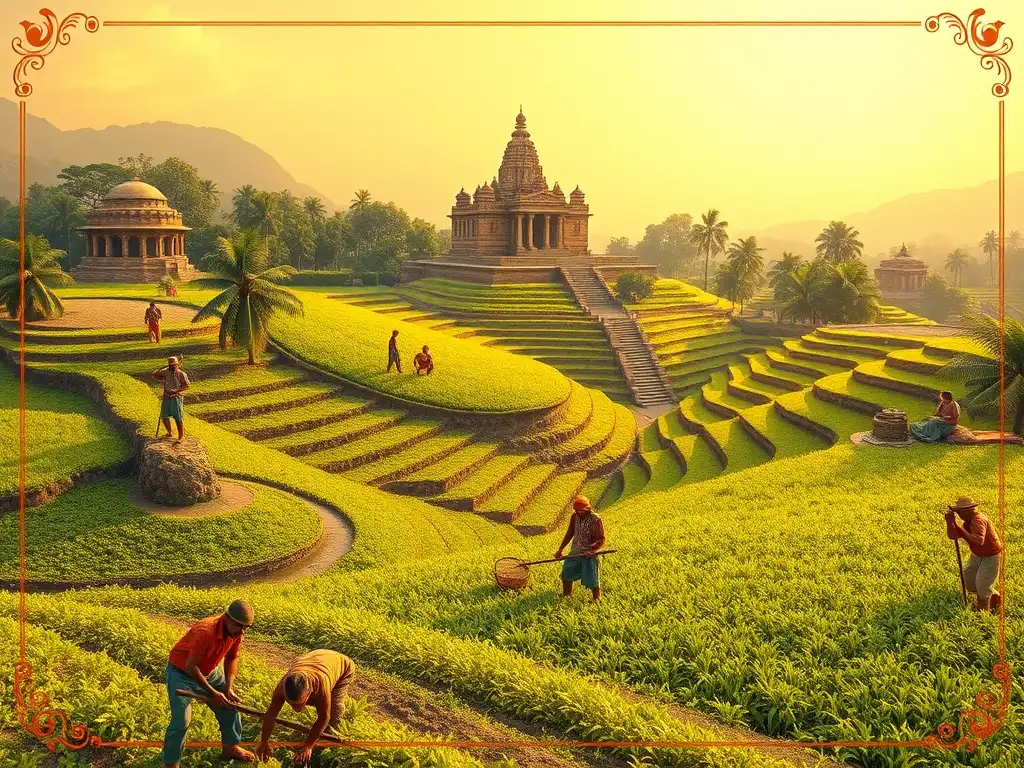
Economic Growth and Stability in Ancient Civilizations
The innovations in ancient Indian agriculture played a pivotal role in fostering economic growth and stability across various civilizations. Techniques such as irrigation, crop rotation, and the domestication of diverse crops not only enhanced food production but also ensured a steady supply of resources. This surplus enabled communities to support larger populations and contributed to the establishment of urban centers.
- Irrigation Systems: The development of sophisticated irrigation systems, including canals and reservoirs, allowed ancient farmers to cultivate crops in arid regions. For instance, the Indus Valley Civilization is renowned for its advanced hydraulic engineering, which maximized agricultural yield. These systems helped mitigate the risks associated with monsoon variability, leading to more consistent harvests.
- Crop Diversity: Ancient Indian farmers practiced polyculture, cultivating multiple crops simultaneously. This diversity reduced dependency on a single crop and improved resilience against pests and diseases. Staple crops such as rice, wheat, and barley were complemented by pulses and oilseeds, contributing to a balanced diet and nutritional security.
- Agricultural Surplus: The resultant agricultural surplus was crucial in establishing trade networks. Surplus production allowed for the specialization of labor, as not all members of society were required to engage in farming. This specialization led to advancements in various crafts and trades, which further stimulated economic growth.
Development of Trade and Craftsmanship
The agricultural innovations in ancient India directly influenced the development of trade and craftsmanship, creating a robust economic framework that supported artistic endeavors. As food production increased, so did the opportunities for trade.
- Trade Networks: Ancient Indian agriculture facilitated the exchange of goods beyond local boundaries. Trade routes such as the Silk Road and maritime paths connected Indian farmers to distant markets, allowing for the exchange of agricultural products, textiles, and crafts. The surplus of goods led to the rise of merchant classes, further enhancing the economy.
- Craft Specialization: As agriculture flourished, artisans began to specialize in crafts such as pottery, weaving, and metalwork. For example, the availability of cotton and silk from agricultural practices contributed to the textile industry, renowned for its intricate designs and quality. This specialization not only provided economic benefits but also enriched cultural expressions through art and craft.
- Cultural Artifacts: The prosperity generated from agricultural innovations enabled communities to invest in cultural artifacts and architecture. Temples, sculptures, and paintings often depicted agricultural themes, reflecting the integral role of farming in daily life. The amalgamation of agriculture and craftsmanship can be seen in the intricate carvings of grain and harvest scenes found in ancient temples.
Cultural Exchange Through Agricultural Practices
Agricultural innovations served as a bridge for cultural exchange between various regions and civilizations. The sharing of techniques, crops, and farming methods enriched the cultural tapestry of ancient India.
- Crop Exchange: The introduction of new crops through trade, such as the arrival of citrus fruits and spices from Southeast Asia, transformed local agricultural practices. These exchanges not only diversified diets but also influenced culinary traditions, contributing to a rich cultural heritage.
- Farming Techniques: Techniques such as terrace farming and the use of plows were disseminated through interactions with neighboring cultures. These innovations improved productivity and allowed for the cultivation of challenging terrains, enabling diverse agricultural practices across regions.
- Cultural Festivals: The agricultural calendar dictated many of the cultural festivals celebrated across ancient India. Harvest festivals, such as Pongal and Makar Sankranti, were rooted in the agricultural cycle and celebrated the bounty of the land. Such festivals fostered community bonds and preserved traditional practices, further enriching the cultural landscape.
The advancements in ancient Indian agriculture were not merely confined to food production; they significantly impacted economic growth, trade, craftsmanship, and cultural exchange, creating a legacy that continues to influence Indian society today.
Case Studies of Agricultural Innovations and Arts
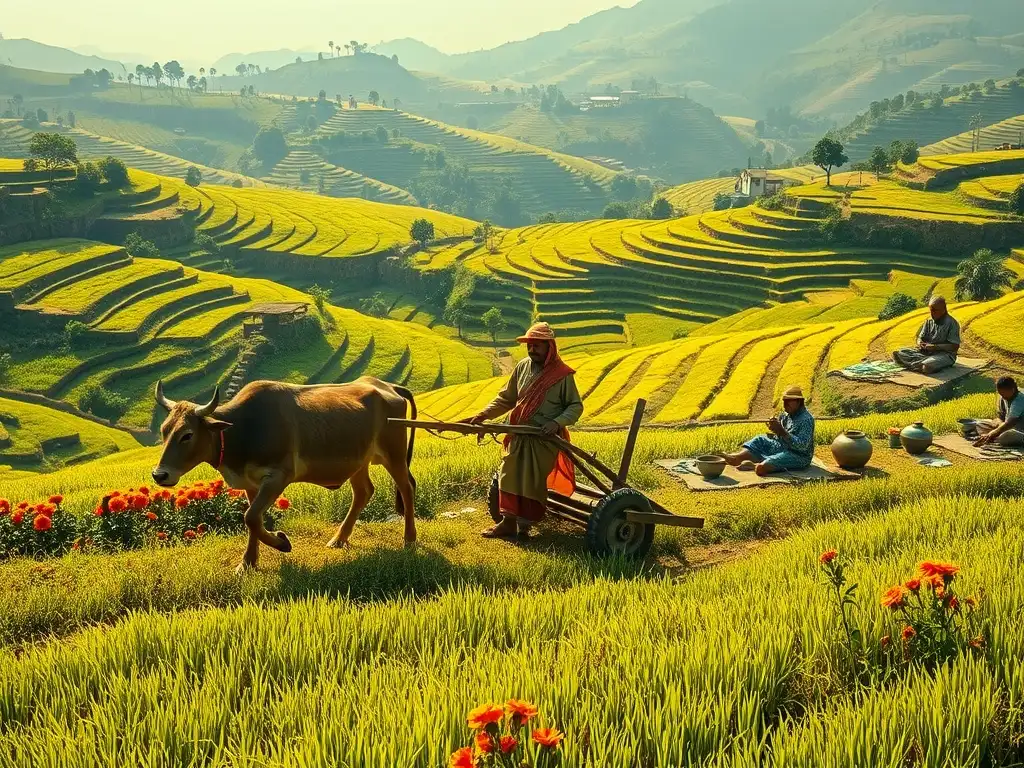
The Indus Valley Civilization: Agriculture and Artisan Crafts
The Indus Valley Civilization, flourishing around 2500 BCE, is renowned for its advanced urban planning and sophisticated agricultural practices. The innovations in agriculture during this period directly influenced the development of various artisan crafts. The civilization practiced advanced irrigation techniques, including the use of canals and wells, which facilitated the cultivation of staple crops like wheat, barley, and cotton. These agricultural innovations not only ensured food security but also provided surplus production, which was essential for the growth of crafts and trade.
The surplus crops allowed artisans to dedicate more time to their crafts, leading to the development of intricate pottery, bead-making, and textile weaving. For instance, the cultivation of cotton enabled the Indus Valley people to produce some of the earliest known cotton textiles, which became a major trade good. This interplay between agriculture and crafts is evident in archaeological findings, where artifacts such as terracotta seals and jewelry showcase the artistic skills of the time.
Moreover, the establishment of trade routes facilitated the exchange of agricultural products and crafts with neighboring regions, enhancing the economic structure of the civilization. The link between agricultural practices and artisanal production laid the groundwork for a vibrant cultural and economic environment that characterized the Indus Valley Civilization.
The Maurya Empire: Agricultural Techniques and Art Forms
During the Maurya Empire (322-185 BCE), agricultural innovations reached new heights, significantly impacting the arts. The introduction of crop rotation and improved plowing techniques increased agricultural yield, which in turn supported a larger population and a thriving urban economy. This agricultural prosperity allowed for the financing of artistic projects, including monumental architecture and sculpture.
The Mauryan period is particularly noted for the creation of the famous Ashoka Pillars and stupas, which were often adorned with intricate carvings and reliefs. The availability of materials, such as stone and clay, was made possible by the enhanced agricultural practices that supported a robust labor force. Additionally, the increased wealth from agriculture allowed patrons to commission artworks, leading to the flourishing of sculptural arts.
Artisans during this period began to utilize new materials and techniques influenced by the agricultural surplus. For example, the availability of high-quality clay led to advancements in pottery, while the surplus of food allowed for the development of more elaborate culinary arts, which were often depicted in frescoes and sculptures. This period exemplifies how agricultural innovations not only provided sustenance but also served as a foundation for cultural and artistic development.
The Gupta Period: Flourishing Arts Linked to Agricultural Prosperity
The Gupta Period (approximately 320-550 CE) is often referred to as the Golden Age of India, characterized by remarkable advancements in art, science, and culture. Agricultural innovations during this time played a crucial role in supporting the arts. The introduction of improved irrigation systems, such as reservoirs and water conservation techniques, significantly boosted agricultural productivity. This increase in food production allowed the population to flourish, leading to enhanced economic stability.
With a stable food supply, the Gupta Empire witnessed a boom in artistic expression. The period is famous for its classical art forms, including sculpture, painting, and literature. Temples adorned with exquisite carvings and intricate murals emerged, showcasing the skill of artisans who were able to dedicate their time and resources to their craft, thanks to the agricultural surplus.
Furthermore, the Gupta period saw the emergence of various art forms that were directly inspired by agricultural life. Themes of nature, fertility, and harvest cycles became prevalent in paintings and sculptures, reflecting the deep connection between agriculture and the artistic expressions of the time. Notably, the famous Ajanta and Ellora caves feature stunning frescoes and sculptures that illustrate the life and culture of the period, emphasizing the significance of agriculture in shaping these artistic narratives.
The relationship between ancient Indian agriculture innovations and the arts is evident across different civilizations. Each period reveals how advancements in farming techniques not only supported economic prosperity but also fostered a rich cultural heritage, demonstrating the profound impact of agriculture on the arts throughout ancient Indian history.
Conclusion: Legacy of Ancient Indian Agricultural Innovations
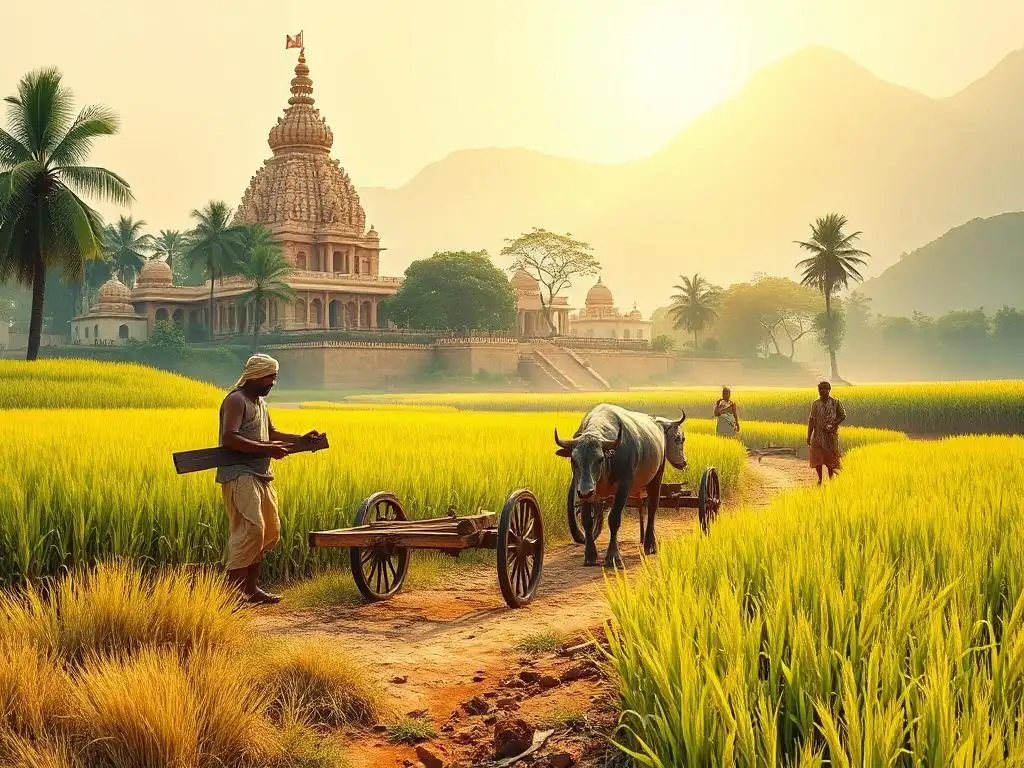
The legacy of ancient Indian agricultural innovations is profound and multifaceted, impacting not only the agricultural landscape but also the cultural and artistic expression of the civilization. The advancements made in agriculture, such as the development of irrigation systems, crop rotation, and the domestication of various plants and animals, laid a solid foundation for societal growth. This allowed populations to flourish, leading to a richness in arts and crafts that echoed through generations.
These innovations contributed to food security, enabling communities to sustain themselves and devote time to artistic pursuits. The specialization of labor became possible as agricultural productivity increased, leading to a vibrant exchange of ideas, techniques, and cultural practices. The intricate relationship between agriculture and the arts is a testament to how these fields are interwoven, with each supporting the other in a cycle of growth and creativity.
Lasting Influence on Modern Agricultural Practices
Ancient Indian agriculture innovations have left an indelible mark on modern agricultural practices across the globe. Techniques such as organic farming, crop rotation, and the use of natural fertilizers can be traced back to the sophisticated methods developed in ancient times.
- Crop Diversity: The ancients understood the importance of cultivating a variety of crops to maintain soil fertility and reduce pest infestations. This knowledge has informed contemporary practices, promoting biodiversity in farming systems.
- Irrigation Techniques: The ingenious irrigation systems, including the use of canals and reservoirs, have inspired modern irrigation methods that prioritize water conservation and efficient use of resources. Today, drip irrigation and other efficient techniques reflect the ancient wisdom of managing water resources prudently.
- Sustainable Practices: The holistic approach to agriculture that ancient Indian civilizations adopted—considering ecological balance and sustainability—resonates with today’s emphasis on sustainable agricultural practices. Farmers are increasingly adopting organic methods to reduce chemical inputs, reflecting the ancient practices of using natural compost and pest control methods.
As modern agriculture continues to evolve, the principles derived from ancient innovations serve as a guiding framework, ensuring that practices remain sustainable and harmonious with nature.
Preservation of Arts and Crafts in Contemporary India
The preservation of arts and crafts in contemporary India is deeply rooted in the agricultural innovations of the past. The stability provided by enhanced agricultural practices allowed communities to flourish and develop rich artistic traditions.
- Material Sourcing: Innovations in agriculture ensured a steady supply of raw materials used in crafts, such as cotton for textiles and clay for pottery. These materials not only supported local economies but also led to the emergence of distinct regional art forms.
- Cultural Festivals: Agricultural practices have historically been celebrated through festivals that honor harvests and seasonal changes. These festivals often showcase traditional arts and crafts, fostering a sense of community and cultural identity.
- Skill Transmission: The stability that agriculture provided facilitated the passing down of skills and techniques in crafts from one generation to the next, ensuring that traditional practices remain alive. The intricate designs of textiles, pottery, and metalwork continue to reflect the agricultural cycles that shaped ancient lifestyles.
The innovations in ancient Indian agriculture did not merely enhance food production; they were pivotal in fostering a rich culture of arts and crafts that continues to thrive today. The interplay between agriculture and artistic expression illustrates a lasting legacy that underscores the significant contributions of ancient Indian civilizations to the world.
References and Further Reading
Suggested Books on Ancient Indian Agriculture
- "The Agricultural History of India" by R. S. Sharma
- This book provides a comprehensive overview of the development of agricultural practices in ancient India, detailing the innovations that shaped the agricultural landscape.
- "Ancient Indian Agriculture: A Historical Perspective" by R. N. Prasad
- Prasad's work focuses on the evolution of agricultural techniques in India, discussing how these innovations influenced economic and social structures.
- "Agricultural Innovations in Ancient India" by M. S. Rao
- This title delves into specific innovations in ancient Indian agriculture, exploring how these advancements contributed to the sustenance of various art forms and crafts.
- "The Indus Valley Civilization: An Interdisciplinary Perspective" by J. M. Kenoyer
- Kenoyer’s book sheds light on the agricultural practices of the Indus Valley Civilization, illustrating the connection between agriculture and the flourishing of arts and crafts in this era.
- "Farming in Ancient India" by V. K. Maheshwari
- This book examines the techniques and tools used in agriculture, emphasizing the relationship between agricultural productivity and cultural development.
Online Resources for Exploring Agricultural Innovations in Ancient India
- Digital South Asia Library
- A rich repository of resources related to South Asian studies, including texts on ancient agricultural practices and their impact on society.
- The Indian Council of Historical Research (ICHR)
- This website features various research papers and articles on ancient Indian history, including topics related to agricultural innovations.
- Ancient History Encyclopedia
- An excellent source for articles on various aspects of ancient Indian civilizations, including their agricultural methods and technological advancements.
- Google Scholar
- A valuable tool for accessing scholarly articles and research papers focused on ancient Indian agriculture and its innovations.
- ResearchGate
- A platform where researchers publish their findings, with numerous papers discussing agricultural techniques and their implications for art and craft in ancient India.
These resources will provide a solid foundation for anyone interested in understanding the intricate relationship between ancient Indian agriculture innovations and their contributions to the arts and crafts.
Frequently Asked Questions
What were some key agricultural innovations in ancient India?
Ancient India saw several innovations such as the plow, which improved farming efficiency, and advanced irrigation systems that supported crop growth in varied climates.
How did ancient Indian agriculture contribute to arts and crafts?
The surplus produced by agricultural innovations allowed communities to focus on arts and crafts, leading to the development of rich traditions in textiles, pottery, and metalwork.
What role did the Indus Valley Civilization play in agricultural development?
The Indus Valley Civilization is known for its sophisticated drainage systems and crop cultivation techniques, which laid the foundation for future agricultural practices in ancient India.
How did crop diversity influence ancient Indian society?
Crop diversity encouraged trade and cultural exchanges, as different regions specialized in various products, enhancing both the economy and the richness of local crafts.
In what ways did the Gupta Empire impact agricultural practices?
During the Gupta Empire, there was a notable emphasis on improved farming techniques and irrigation methods, which not only boosted agricultural output but also supported a flourishing cultural scene.
Final Reflection: The Enduring Legacy of Ancient Indian Agricultural Innovations
**The intricate relationship between agriculture and the arts in ancient India underscores a profound truth: **the innovations in agriculture not only sustained civilizations but also nurtured creativity and craftsmanship. Today, as we grapple with the challenges of sustainable development and cultural preservation, the lessons from ancient Indian agricultural practices resonate more than ever. These innovations were not merely practical solutions; they were the bedrock upon which a vibrant cultural tapestry was woven, reminding us that the roots of our creativity often lie in the very soil we cultivate.
The impact of these agricultural advancements extends far beyond their historical context, shaping the cultural and social landscape of India and beyond. The techniques developed by ancient Indian farmers fostered a sense of community and collaboration, allowing artisans to thrive and express their creativity. As we reflect on this legacy, we can appreciate how these innovations have influenced contemporary practices in agriculture and the arts. Art is the most beautiful of all lies.
– Claude Debussy. This quote encapsulates the idea that the beauty of art often emerges from the realities of life, including the agricultural practices that sustain it.
As we move forward, let us take a moment to reflect on how we can apply the lessons from ancient Indian agricultural innovations in our own lives. Consider how your relationship with the land and your creative pursuits can intertwine. Whether through sustainable practices in your garden, supporting local artisans, or simply appreciating the beauty of handmade crafts, you can contribute to a legacy that honors both innovation and artistry. Embrace the spirit of creativity that flourished in ancient India and allow it to inspire your journey today.
Embrace the Legacy of Ancient Innovation Today!
Thank you for diving into the remarkable legacy of ancient Indian agriculture and its profound influence on arts and crafts. You’ve uncovered the roots of creativity and innovation that intertwined these fields centuries ago. Now, it’s time to harness that inspiration and take action!
Here are some engaging ways you can get involved:
- Explore local craftsmanship: Visit artisanal markets and support local artists who draw inspiration from traditional techniques. Their work breathes new life into age-old practices!
- Start your own creative project: Whether it’s pottery, weaving, or painting, experiment with a craft that resonates with you. Share your creations online to connect with others who appreciate the harmonious blend of history and art.
- Share your knowledge: Organize or participate in community workshops to educate others about the synergy between agriculture and the arts. Your enthusiasm can ignite interest in these enduring traditions!
What unique blend of ancient innovation and modern creativity will you bring to life in your own journey?