
The Significance of Water Management in Ancient Indian Agriculture


Welcome to Ancient India History, where we invite you to embark on a fascinating journey through the vibrant tapestry of ancient Indian civilizations. Today, we delve into the intricate world of water management—a cornerstone of ancient Indian agriculture that not only sustained thriving communities but also showcased remarkable innovations. How did these early societies harness the power of water to cultivate their lands and foster prosperity? Prepare to uncover the secrets behind their ingenious techniques and the profound impact they had on shaping the course of history. Let's dive deeper into this captivating exploration!
Introduction to Ancient Indian Water Management
Water management in ancient India played a pivotal role in shaping the agricultural landscape, directly influencing the productivity and sustainability of farming practices. The civilizations of ancient India, particularly those from the Indus Valley to the Gupta Empire, developed sophisticated systems to harness and manage water resources effectively. This was not merely a matter of irrigation; it involved a comprehensive understanding of hydrology, climatic variations, and the socio-economic conditions of the time.
Farmers and rulers alike recognized that water was the lifeblood of agriculture. Various techniques were employed to collect, store, and distribute water, ensuring that crops received the necessary hydration to thrive. The significance of these practices cannot be overstated, as they laid the foundation for agricultural innovation and contributed to the prosperity of ancient Indian societies.
Importance of Water in Agriculture
Water is essential for life, serving as a critical component in the growth and development of crops. In ancient India, the importance of water in agriculture was underscored by the following factors:
- Crop Growth and Yield: Adequate water supply was crucial for germination, photosynthesis, and nutrient absorption. Irrigation practices allowed farmers to cultivate diverse crops, including rice, wheat, and pulses, even in arid regions.
- Soil Fertility: Water management helped maintain soil health by preventing salinization and erosion, ensuring that the land remained fertile for generations.
- Economic Stability: A well-managed water supply led to increased agricultural output, which in turn supported trade and economic growth. Surplus production allowed ancient Indian societies to engage in commerce, thereby enhancing their overall wealth.
Overview of Ancient Indian Agricultural Practices
Ancient Indian agricultural practices were marked by innovation and adaptability to local environmental conditions. Some key elements included:
- Irrigation Systems: The construction of canals, wells, and tanks demonstrated advanced engineering skills. For instance, the sophisticated drainage systems of the Indus Valley Civilization facilitated effective water management.
- Crop Rotation and Diversification: Farmers practiced crop rotation and planted a variety of crops to optimize land use and maintain soil fertility. This method minimized the risk of crop failure due to pests or diseases.
- Rainwater Harvesting: Techniques such as building reservoirs and check dams were employed to capture and store rainwater, ensuring a reliable water source during dry spells.
- Farming Tools and Technology: The use of plows, sickles, and other tools improved farming efficiency. Additionally, ancient texts like the "Arthashastra" provide insights into agricultural practices and resource management strategies.
Through these practices, ancient Indian civilizations not only managed their water resources effectively but also established a legacy of agricultural innovation that influenced subsequent generations. Understanding the significance of these water management techniques sheds light on the broader cultural and technological advancements of ancient India.
- Introduction to Ancient Indian Water Management
- Importance of Water in Agriculture
- Overview of Ancient Indian Agricultural Practices
- What were the primary methods of water management in ancient India?
- How did ancient Indian water management contribute to agricultural development?
- What role did the Indus Valley Civilization play in water management?
- How did ancient Indian water management practices influence later civilizations?
- Why is the study of ancient Indian water management still relevant today?
Historical Context of Water Management in Ancient India

Water has always been a critical resource for human survival and development, and ancient Indian civilizations were no exception. The significance of water management in ancient India can be traced back to the early agricultural societies that emerged along river valleys. These societies recognized the importance of harnessing and utilizing water effectively to sustain agriculture, which was the backbone of their economy.
The Indus Valley Civilization (c. 3300–1300 BCE) is often highlighted for its advanced water management systems. Archaeological findings reveal a sophisticated network of irrigation canals, reservoirs, and drainage systems. The cities of Harappa and Mohenjo-Daro were strategically located near the Indus River, which provided a reliable water source. The ability to manage water resources allowed these civilizations to support large populations and promote trade.
As we move through history, the Vedic period (c. 1500–500 BCE) marked a shift in agricultural practices and water management techniques. The religious texts of this era reflect a deep reverence for water, highlighting its significance in rituals and daily life. The construction of wells, ponds, and tanks became more common, as communities sought to store water for both agricultural and domestic use.
Water Sources and Their Significance
The primary sources of water in ancient India included rivers, rainwater, and groundwater. Each of these sources played a vital role in supporting agricultural activities:
- Rivers: Major rivers like the Ganges, Yamuna, and Brahmaputra provided steady water flow, essential for irrigation. The floodplains of these rivers were fertile, allowing for the cultivation of crops.
- Rainwater: The monsoon season brought heavy rainfall, which was crucial for agriculture. Rainwater harvesting techniques, such as the construction of check dams and ponds, were developed to capture and store rainwater for dry periods.
- Groundwater: Wells were dug to access groundwater, ensuring a consistent supply of water even during droughts. The use of Persian wheels for lifting water from wells was an innovation that improved the efficiency of irrigation.
The effective management of these water sources was key to agricultural productivity and, consequently, the prosperity of ancient Indian societies.
Ancient Indian Civilizations: A Brief Overview
Ancient Indian civilizations, including the Harappan, Vedic, Mauryan, and Gupta empires, made significant contributions to the development of water management systems.
- Harappan Civilization: Known for its urban planning, the Harappans constructed extensive drainage systems and storage facilities. The use of standardized bricks in these infrastructures reflects a high level of engineering skill.
- Vedic Civilization: This period saw the emergence of more localized water management practices, with communities focusing on building wells and harvesting rainwater. Water was not only vital for agriculture but also held spiritual significance in Vedic culture.
- Mauryan Empire: Under Chandragupta Maurya and his grandson Ashoka, advancements in water management were further developed. Large-scale irrigation projects were initiated, which helped in expanding agricultural lands.
- Gupta Empire: The Gupta period is often referred to as the Golden Age of India, marked by significant agricultural productivity. Innovations in water management included the construction of large reservoirs and improved irrigation techniques, fostering economic growth and stability.
Ancient Indian water management was not merely a practical necessity; it was an integral part of the cultural and economic fabric of society. The innovations and practices developed over centuries laid the foundation for sustainable agriculture, enabling civilizations to thrive and evolve.
Techniques of Water Management in Ancient Indian Agriculture

Irrigation Methods in Ancient India
Ancient Indian civilizations were pioneers in developing sophisticated irrigation methods that significantly enhanced agricultural productivity. The techniques employed varied across regions, influenced by geography, climate, and available resources. Understanding these methods provides insight into how ancient societies adapted to their environment and maximized agricultural output.
Wells and Stepwells
Wells and stepwells were crucial for accessing groundwater, especially in arid regions. These structures were meticulously designed to draw water from underground aquifers.
- Wells typically involved vertical shafts dug into the ground, reaching down to the water table. They were often lined with stones or bricks to prevent collapse and contamination.
- Stepwells were more elaborate, featuring a series of steps leading down to the water source. These not only facilitated water access but also served as community gathering spots. Stepwells like the famous Rani ki Vav in Gujarat exemplify the architectural prowess of ancient India, showcasing intricate carvings and inscriptions.
The use of these structures allowed for irrigation during dry spells, enabling farmers to cultivate crops more reliably.
Channels and Canals
The construction of channels and canals was another innovative water management technique in ancient India. These systems helped redirect water from rivers to agricultural fields, enhancing irrigation efficiency.
- Canal systems were often created by diverting water from rivers through a network of channels. The ancient city of Mohenjo-Daro in the Indus Valley Civilization features evidence of such sophisticated canal systems, which facilitated the irrigation of extensive farmlands.
- Floodwater channels were also developed to manage seasonal floods, channeling excess water to areas needing irrigation. This not only protected crops from flood damage but also optimized water usage.
These methods underscore the ingenuity of ancient Indian engineers in harnessing natural water sources for agricultural benefit.
Rainwater Harvesting Techniques
Rainwater harvesting was a vital practice in ancient India, especially in regions with erratic rainfall. This technique involved collecting and storing rainwater for agricultural use.
- Catchment systems were designed to collect rainwater falling on rooftops and other surfaces, directing it into storage tanks or ponds.
- Percolation tanks were another innovative solution, allowing rainwater to seep into the ground, replenishing groundwater levels. The use of these tanks not only provided a sustainable water source for irrigation but also contributed to groundwater recharge.
These practices highlight the importance of sustainable water management in ancient Indian agriculture, ensuring that farming communities could thrive despite climatic challenges.
Water Conservation Practices
In addition to irrigation methods, ancient Indian civilizations employed various water conservation practices that contributed to sustainable agriculture.
Crop Rotation and Soil Management
Crop rotation was a fundamental practice that not only enhanced soil fertility but also optimized water use. By alternating different crops, farmers could prevent soil depletion and improve moisture retention.
- Leguminous crops, known for fixing nitrogen in the soil, were often rotated with cereals. This practice not only enriched the soil but also reduced the need for chemical fertilizers.
- Soil management techniques, such as mulching and the use of organic compost, further enhanced water retention in the soil. These methods were essential in preventing soil erosion and maintaining moisture levels during dry periods.
Such practices were integral to the resilience of ancient agriculture, allowing communities to adapt to changing environmental conditions.
Use of Check Dams and Tanks
Check dams and tanks were critical in managing water flow and conserving resources in ancient Indian agriculture.
- Check dams were constructed across small streams and rivulets to slow down water flow, allowing it to percolate into the ground and recharge aquifers. This practice was particularly beneficial in hilly terrains, preventing soil erosion while enhancing groundwater availability.
- Tanks, often built to collect and store rainwater, provided a reliable water source for irrigation during dry periods. The extensive network of tanks in South India, such as those in Tamil Nadu, exemplifies this practice.
These water conservation strategies not only ensured a steady water supply for agriculture but also demonstrated the advanced understanding of hydrology possessed by ancient Indian civilizations.
The significance of ancient Indian water management techniques, including sophisticated irrigation methods, conservation practices, and innovative structures, played a crucial role in shaping the agricultural landscape of the time. The legacy of these practices continues to influence modern water management strategies in agriculture today.
Impact of Water Management on Agriculture
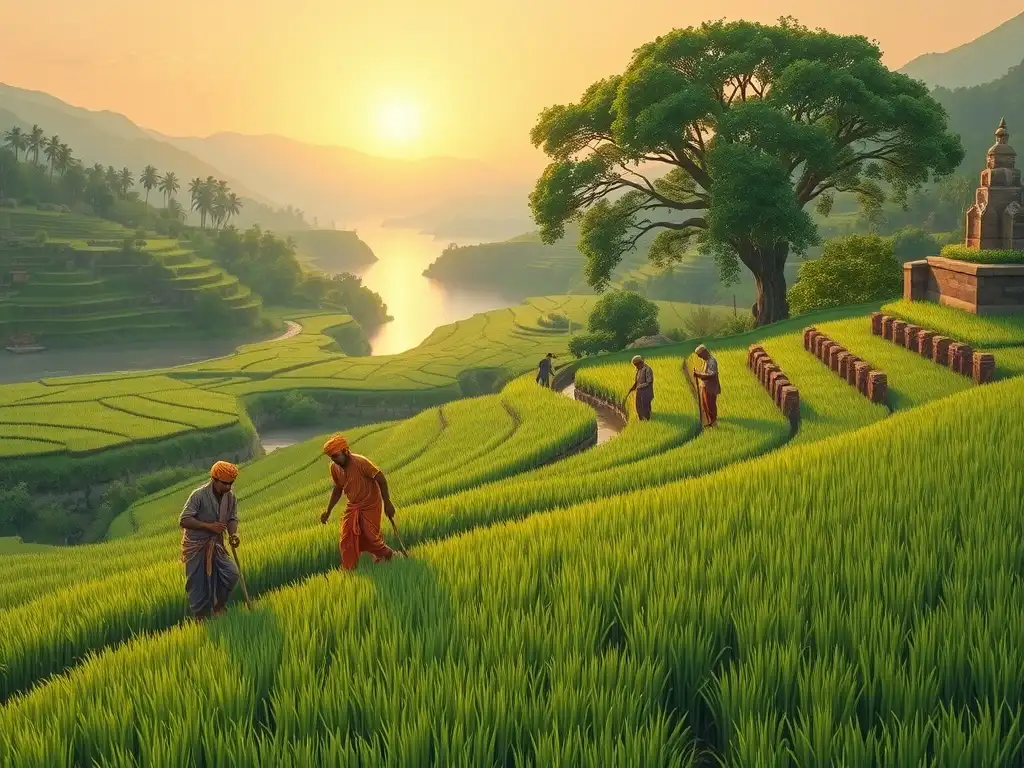
Water management played a crucial role in the agricultural landscape of ancient India, significantly influencing the productivity and sustainability of farming practices. The civilizations that flourished along river valleys, such as the Indus Valley Civilization, developed sophisticated systems to harness and manage water resources, which not only supported their agricultural needs but also contributed to their economic stability and growth.
The strategic utilization of rivers, lakes, and monsoon patterns allowed ancient Indian farmers to cultivate a variety of crops, leading to increased food security and the development of trade networks. Effective water management techniques ensured that irrigation systems were in place to maximize crop yields, while also adapting to the seasonal variations in water availability.
Enhancing Crop Yields through Effective Water Management
The ancient Indian approach to agriculture was characterized by innovative water management techniques that directly enhanced crop yields. This was achieved through:
- Irrigation Systems: Ancient Indians constructed elaborate irrigation channels, wells, and tanks to divert water from rivers and store it for agricultural use. For example, the ancient city of Mohenjo-Daro featured a complex drainage system that allowed for efficient water distribution across fields.
- Crop Rotation and Diversification: Farmers practiced crop rotation and cultivated diverse crops that suited different water availability patterns. This not only improved soil fertility but also minimized the risk of crop failure due to drought or flooding.
- Rainwater Harvesting: Techniques such as bunding and constructing check dams were employed to capture and store rainwater. This ensured a sustainable water supply during dry periods, thereby supporting continuous agricultural activity.
The combination of these practices led to a significant increase in agricultural productivity. For instance, historical records indicate that the cultivation of rice and wheat in regions like the Gangetic plains flourished due to effective water management strategies, which were pivotal in sustaining large populations.
Role of Water Management in Sustainable Agriculture Practices
Sustainability in agriculture was a core principle in ancient India, with water management being integral to this concept. The practices established by ancient civilizations laid the groundwork for sustainable agricultural practices that promoted environmental balance and resource conservation. Key aspects include:
- Soil Conservation: Proper water management techniques helped prevent soil erosion and degradation. By controlling water flow through terraces and bunds, ancient farmers were able to maintain soil health and fertility over long periods.
- Ecological Balance: The ancient Indian water management systems were often designed to work harmoniously with local ecosystems. Farmers understood the importance of maintaining the natural water cycles, which helped preserve biodiversity and foster resilience against climatic changes.
- Community-Based Management: Water management in ancient India was often a communal effort. Villages would collectively manage irrigation systems, ensuring equitable access to water resources and fostering a sense of community responsibility towards sustainable practices.
The significance of ancient Indian water management lies not only in its direct impact on agricultural productivity but also in its contribution to sustainable practices that have relevance even in contemporary agricultural approaches. The lessons learned from these ancient systems can inform modern water management strategies, emphasizing the need for a balanced and thoughtful approach to agriculture in the face of growing environmental challenges.
Case Studies of Ancient Indian Water Management
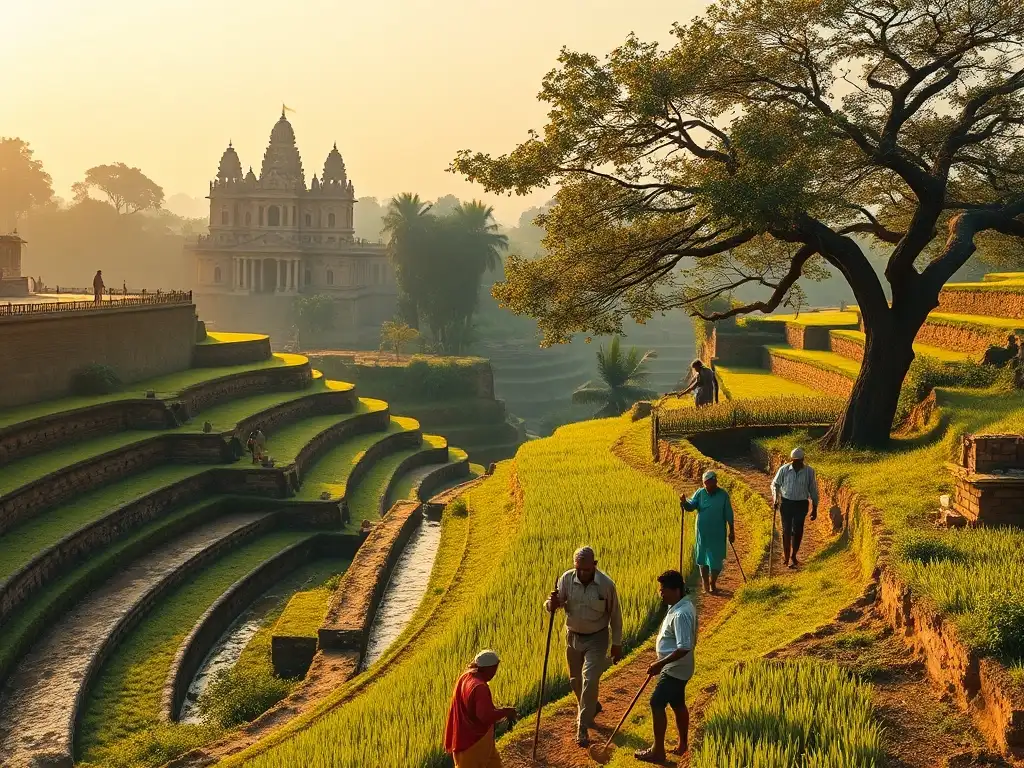
The Indus Valley Civilization: A Model of Water Management
The Indus Valley Civilization (IVC), which flourished between 2600 BCE and 1900 BCE, is renowned for its sophisticated urban planning and remarkable water management techniques. The cities of Harappa and Mohenjo-Daro serve as prime examples of how ancient Indian water management was not only innovative but essential for agricultural productivity and urban sustainability.
Urban Planning and Water Systems
The layout of IVC cities was meticulously designed, showcasing an advanced understanding of hydrology. Streets were often laid out in a grid pattern, facilitating effective drainage. The presence of well-constructed drainage systems is a hallmark of their urban planning.
- Drainage Systems:
- Covered drains lined with baked bricks
- Access points for cleaning and maintenance
- Water Wells:
- Public and private wells, often deep and lined with bricks
- Access to water for both drinking and irrigation purposes
These features not only ensured hygiene and sanitation but also supported agricultural activities surrounding these urban centers.
Agricultural Significance
Water management in the IVC was crucial for agriculture, particularly in the cultivation of crops such as wheat, barley, and cotton. The civilization utilized:
- Canals and Irrigation:
- Canals were dug to divert river water to farmlands, enhancing irrigation efficiency.
- Evidence of extensive irrigation systems suggests the capability to support large-scale agriculture.
This strategic approach to water management allowed the Indus Valley Civilization to thrive in an arid climate, showcasing their ingenuity in adapting to environmental challenges.
Water Management Techniques in the Gupta Empire
The Gupta Empire (c. 320-550 CE) is often referred to as a golden age of Indian culture and science. During this period, water management techniques evolved further, reflecting advancements in agricultural practices and technological innovations.
Innovations in Irrigation
The Guptas implemented several innovative irrigation techniques that significantly improved agricultural productivity:
- Tank Systems:
- Construction of large water tanks or reservoirs to store rainwater, which could then be used for irrigation during dry seasons.
- These tanks often featured sluices that allowed for controlled water release.
- Canal Systems:
- Extensive networks of canals were constructed to channel water from rivers to farmland.
- This method enabled farmers to cultivate larger areas and ensured consistent water supply, even during droughts.
Integration with Agriculture
The integration of water management with agricultural practices during the Gupta period marked a significant advancement. The use of:
- Crop Rotation Techniques:
- Farmers began implementing crop rotation to maintain soil health and optimize water use.
- Fertility Management:
- The use of organic compost and manure improved soil fertility, allowing for a more productive agricultural output.
These techniques not only exemplified the importance of ancient Indian water management but also highlighted the synergy between water resources and agricultural innovation, paving the way for sustained agricultural advancement in the region.
Both the Indus Valley Civilization and the Gupta Empire displayed remarkable foresight and ingenuity in their water management practices, ensuring agricultural sustainability and urban development that would influence future generations.
Challenges in Ancient Indian Water Management

Environmental Factors Affecting Water Supply
Ancient Indian water management faced numerous environmental challenges that significantly impacted agricultural productivity. The diverse geography of the Indian subcontinent, ranging from the arid deserts of Rajasthan to the lush plains of the Ganges, presented both opportunities and obstacles in water resource management.
- Monsoon Variability: The Indian monsoon, while crucial for agriculture, was notoriously unpredictable. Variations in monsoon patterns could lead to either severe droughts or devastating floods. For instance, the Indus Valley Civilization relied heavily on seasonal rains, and any disruption could drastically affect crop yields.
- Soil Erosion: The topography of certain regions contributed to soil erosion, especially in hilly areas. This erosion not only reduced the fertility of the soil but also impacted the ability to retain water. Effective measures were required to combat this issue, such as terracing and the construction of barriers to slow runoff.
- Water Scarcity: In arid regions, water scarcity was a persistent challenge. Ancient civilizations had to develop sophisticated systems like stepwells and reservoirs to store and manage water. For example, the Kund systems in Rajasthan exemplified innovative techniques to harvest rainwater, ensuring a more stable water supply during dry spells.
- Sedimentation: Rivers often carried sediments that could clog irrigation channels and affect water flow. Ancient engineers had to constantly maintain and clean these channels to ensure an efficient water management system.
Socio-political Issues and Their Impact on Water Management
The socio-political landscape of ancient India played a crucial role in shaping water management practices. Various factors, including governance, social hierarchy, and community cooperation, influenced how water resources were utilized and preserved.
- Rulers and Governance: Kings and local rulers often implemented water management systems as a means to demonstrate their power and benevolence. For example, the Mauryan Empire invested in extensive irrigation projects, which not only facilitated agriculture but also solidified the ruler's control over the land and its resources.
- Community-Based Management: In many regions, water management was a community affair. Villages organized collective efforts to construct and maintain irrigation systems, such as canals and ponds. This cooperative approach helped to ensure that water was distributed fairly among all farmers, fostering a sense of unity and shared responsibility.
- Caste System and Resource Allocation: The caste system influenced access to water resources. Certain castes were traditionally responsible for maintaining water bodies, while others were restricted in their access to these resources. This hierarchy could lead to tensions and disputes over water rights, impacting agricultural practices.
- Religious and Cultural Beliefs: Water held significant cultural and religious importance in ancient India, often associated with purity and spirituality. Practices such as ritual bathing in sacred rivers influenced water management policies. Temples often played a role in maintaining water bodies, reflecting the intertwining of spirituality and practical water management.
By understanding these challenges and their implications, we can appreciate the sophisticated strategies employed by ancient Indian civilizations to navigate the complexities of water management, ultimately shaping their agricultural landscapes and sustaining their societies.
Legacy of Ancient Indian Water Management

The legacy of ancient Indian water management is a testament to the ingenuity and foresight of early civilizations in harnessing natural resources for agricultural purposes. Ancient Indians developed sophisticated systems to manage water, which not only supported agriculture but also played a crucial role in urban planning, trade, and social organization.
Influence on Modern Agricultural Practices
The principles of ancient Indian water management continue to influence modern agricultural practices in several ways:
- Irrigation Techniques:
- Ancient Indian civilizations, particularly those in the Indus Valley, utilized advanced irrigation systems, including canals, aqueducts, and reservoirs. These practices laid the groundwork for contemporary irrigation methods.
- For instance, the use of stepwells and kunds (traditional water harvesting structures) has been revived in several regions to improve groundwater recharge and ensure a sustainable water supply.
- Crop Rotation and Soil Management:
- The ancient practice of rotating crops based on water availability and soil health is still relevant today. Farmers are increasingly adopting this method to enhance soil fertility and reduce dependency on chemical fertilizers.
- The understanding of seasonal water dynamics informed ancient farmers about the optimal planting and harvesting times, a technique modern agronomists continue to advocate.
- Community-Based Water Management:
- Ancient Indian societies often operated under a communal system where water resources were managed collectively. This model of community involvement is gaining traction today, particularly in areas facing water scarcity.
- Modern initiatives, such as participatory irrigation management, echo the ancient practices of collective decision-making and resource sharing.
Lessons from Ancient Indian Water Management for Today's Sustainability
Ancient Indian water management practices offer valuable lessons for achieving sustainability in contemporary agriculture:
- Integration of Traditional Knowledge: The use of indigenous knowledge systems, such as rainwater harvesting and the cultivation of drought-resistant crops, is crucial in combating climate change and ensuring food security.
- Biodiversity Conservation: The ancient emphasis on planting diverse crops and maintaining ecosystems has implications for modern sustainable agriculture. Practices such as agroforestry and polyculture can help maintain biodiversity and resilience against pests and diseases.
- Water Conservation Techniques:
- Techniques like percolation tanks and check dams used in ancient times can be revived to combat the challenges of water scarcity. These methods enhance groundwater recharge and reduce soil erosion, promoting sustainable water management.
- Cultural Practices: The rituals and cultural significance associated with water in ancient Indian society highlight the need for a holistic approach to water management that encompasses environmental, social, and economic dimensions.
Conclusion: The Lasting Significance of Ancient Indian Water Management in Agriculture
The significance of ancient Indian water management extends beyond historical interest; it serves as a critical framework for addressing modern agricultural challenges. The innovative methods developed by ancient civilizations offer insights into sustainable practices that can enhance food security and environmental stewardship today. As we face increasing pressures from climate change and population growth, revisiting and integrating these ancient techniques into contemporary agricultural systems is imperative for fostering a resilient and sustainable future.
Through this exploration of Ancient Indian water management, we can appreciate the profound legacy that continues to shape agricultural innovations and practices worldwide.
Frequently Asked Questions
What were the primary methods of water management in ancient India?
Ancient Indian civilizations employed various techniques such as canals, wells, and stepwells to efficiently manage water resources for agriculture.
How did ancient Indian water management contribute to agricultural development?
Effective water management enabled farmers to irrigate crops reliably, leading to improved crop yields and agricultural sustainability in diverse climates.
What role did the Indus Valley Civilization play in water management?
The Indus Valley Civilization is renowned for its advanced drainage systems and water storage techniques, showcasing early innovations in urban water management.
How did ancient Indian water management practices influence later civilizations?
The sophisticated water management techniques developed in ancient India laid the groundwork for future civilizations, influencing agricultural practices and urban planning.
Why is the study of ancient Indian water management still relevant today?
Understanding ancient practices of water management can provide insights into sustainable resource use and inspire modern solutions to contemporary water scarcity issues.
Final Reflection: The Enduring Legacy of Ancient Indian Water Management
The significance of water management in ancient Indian agriculture is not just a relic of the past; it is a vital lesson for our contemporary world. As we grapple with the challenges of climate change and water scarcity, the innovative techniques and philosophies of ancient Indian water management offer us a blueprint for sustainable practices. The wisdom embedded in these practices reminds us that effective resource management is essential for both agricultural productivity and ecological balance.
Cultural and social landscapes are profoundly shaped by how we manage our natural resources. The ancient Indian civilization thrived due to its sophisticated water management systems, which fostered agricultural prosperity and community resilience. Today, as we witness the repercussions of neglecting these lessons, we must reflect on the words of Mahatma Gandhi: The Earth provides enough to satisfy every man's needs, but not every man's greed.
This quote encapsulates the essence of sustainable living, urging us to honor the wisdom of our ancestors and adapt it to our modern context.
As you reflect on the insights shared in this article, consider how you can incorporate the principles of ancient Indian water management into your own life. Embrace the call to action by becoming an advocate for sustainable practices in your community. Whether it's conserving water, supporting local agriculture, or educating others about the importance of resource management, every small effort contributes to a larger movement. Together, we can honor the legacy of ancient wisdom and ensure a sustainable future for generations to come.
Embrace Sustainable Practices from Ancient Wisdom!
Thank you for exploring the fascinating world of ancient Indian agricultural water management! You have discovered the invaluable knowledge our ancestors possessed and its relevance to contemporary practices. Now, it’s time to apply that wisdom to foster a more sustainable future.
Here are some actionable steps you can take:
- Implement water-saving techniques in your gardening or agricultural practices—consider methods like rainwater harvesting or drip irrigation!
- Share this article with friends and family to encourage discussions about sustainable water management and its significance.
- Look for local workshops or online courses focused on sustainable agriculture to enhance your understanding and skills.
Which water management strategies will you incorporate into your life to honor this ancient legacy?