
The Evolution of Agricultural Practices from the Vedic Period to the Gupta Era

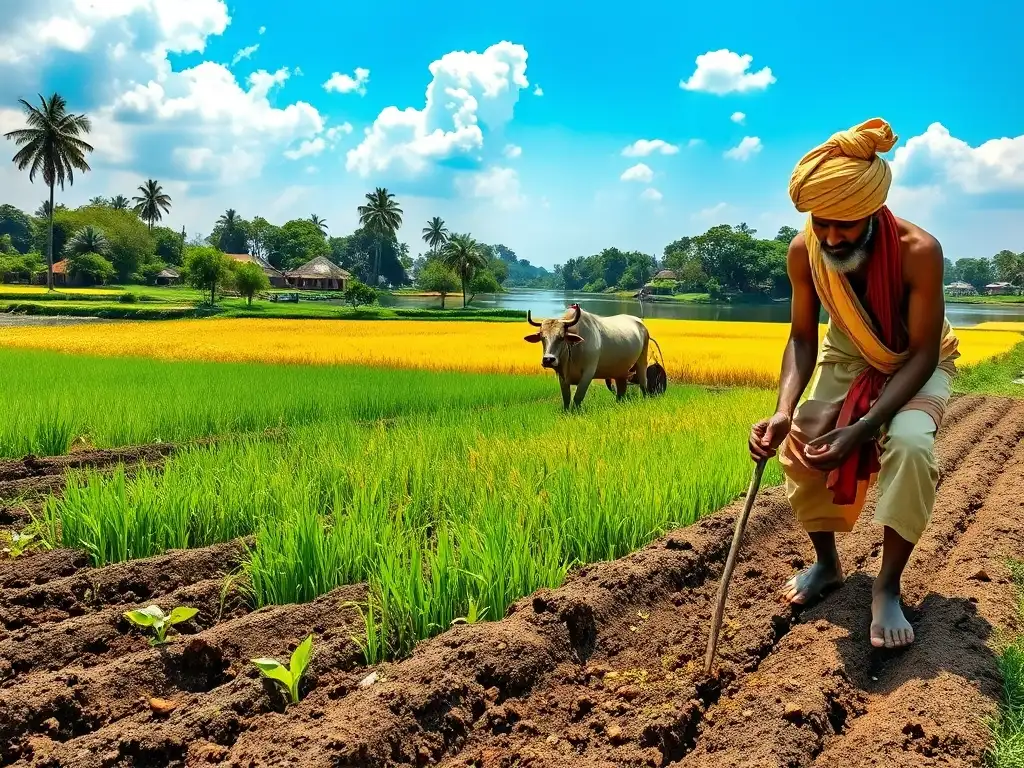
Welcome to Ancient India History, where we embark on a fascinating journey through time to uncover the rich tapestry of ancient Indian civilizations. In our featured article, “The Evolution of Agricultural Practices from the Vedic Period to the Gupta Era,” we delve into the innovative techniques and traditions that shaped the agricultural landscape of this remarkable era. Discover how these practices not only sustained vast populations but also laid the groundwork for advancements in technology and culture.
Curious about how ancient farmers cultivated their land and what innovations emerged? Join us as we explore the profound impact of these practices on the course of history, inviting you to delve deeper into the story of ancient India.
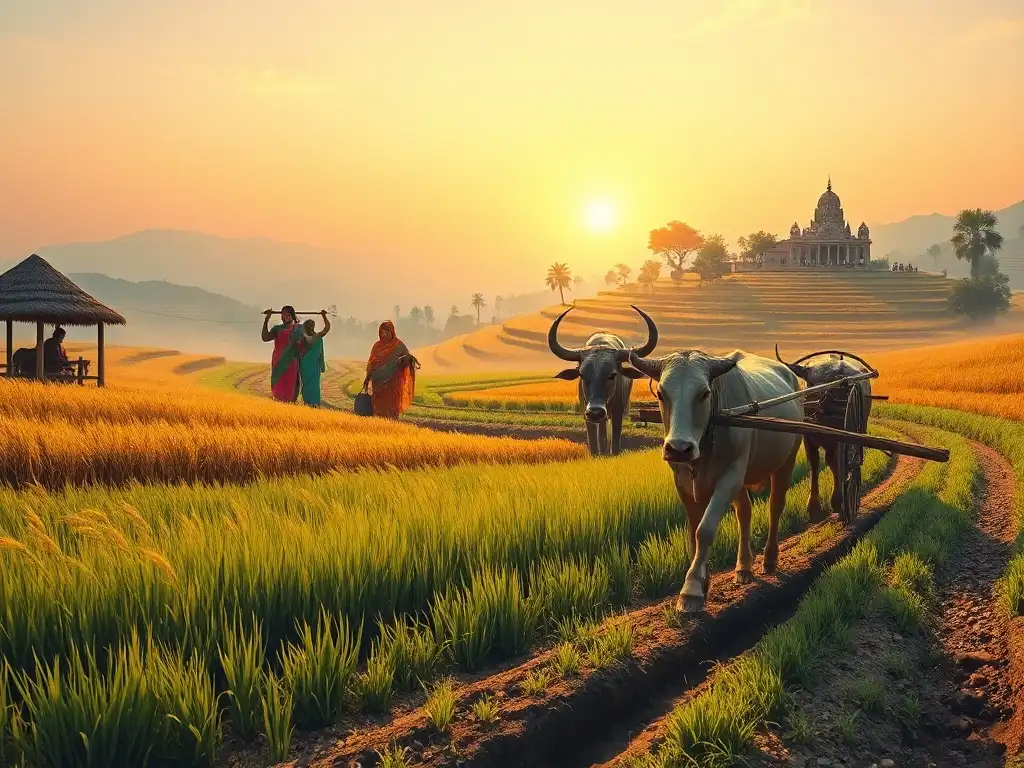
Introduction to Ancient Indian Agricultural Practices
The evolution of agricultural practices in ancient India represents a remarkable journey that reflects the ingenuity and adaptability of its civilizations. From the early settlements in the Indus Valley to the flourishing societies of the Gupta Empire, agriculture was not merely a means of sustenance; it was the backbone of economic stability and cultural identity.
This article delves into the rich tapestry of agricultural innovations that emerged over centuries, highlighting how ancient Indian agricultural practices evolved and shaped the society around them. By examining the techniques, tools, and societal structures that supported these advancements, we gain a deeper understanding of how agriculture influenced the development of one of the world's oldest civilizations.
Overview of Agricultural Practices in Ancient India
Agriculture in ancient India was characterized by a diverse range of practices that varied by region and climate. Key features of these practices included:
- Crop Diversity: Farmers cultivated various crops, including cereals, pulses, and oilseeds.
- Irrigation Techniques: The development of irrigation systems, such as canals and wells, allowed for more effective farming in arid regions.
- Seasonal Farming: The understanding of monsoon patterns led to a calendar of planting and harvesting that maximized yields.
These practices were foundational in establishing a stable food supply, paving the way for urbanization and trade.
Importance of Agriculture in Ancient Indian Society
Agriculture held a vital place in ancient Indian society, underpinning economic prosperity and social structure. Its significance can be highlighted through various aspects:
- Economic Backbone: Agriculture provided the primary means of subsistence and contributed to trade, both domestically and with neighboring regions.
- Cultural Significance: Agricultural cycles influenced festivals, rituals, and the overall rhythm of life within communities.
- Social Hierarchies: The agrarian economy led to the emergence of distinct social classes, including landowners, farmers, and laborers, each playing a crucial role in the societal framework.
Vedic Period: Foundations of Agricultural Innovation
The Vedic Period, approximately 1500 to 500 BCE, marked a significant phase in the evolution of agricultural practices in ancient India. It laid the groundwork for innovations that would shape agricultural methods for centuries to come.
Agricultural Techniques and Tools in the Vedic Era
During the Vedic Era, several key agricultural techniques and tools were developed, including:
- Plows: The introduction of wooden plows enhanced soil cultivation, allowing farmers to till land more efficiently.
- Seed Selection: Farmers began practicing selective breeding, improving crop yields and resilience.
- Crop Rotation: Recognizing the benefits of rotating crops, they improved soil fertility and reduced pest infestations.
These innovations not only increased productivity but also demonstrated an advanced understanding of agronomy.
Crop Cultivation and Farming Methods in Vedic Society
Vedic society emphasized sustainable farming practices, which included:
- Mixed Farming: The integration of livestock with crop cultivation provided natural fertilizers and increased productivity.
- Fallowing: Leaving fields fallow allowed the soil to recover, ensuring long-term fertility.
- Irrigation Practices: Early forms of irrigation were developed, such as the use of wells and channels, to manage water resources effectively.
These methods reflected a deep connection to the land and an understanding of ecological balance.
Role of Religion and Rituals in Agriculture
Religion and rituals played a pivotal role in shaping agricultural practices during the Vedic Period. Key points include:
- Rituals for Fertility: Farmers conducted rituals to appease deities associated with fertility and harvest, reinforcing the spiritual connection to agriculture.
- Offering of First Fruits: The tradition of offering the first fruits of the harvest to the gods highlighted the sacred nature of agricultural bounty.
- Seasonal Festivals: Festivals aligned with the agricultural calendar celebrated planting and harvest, fostering community cohesion and cultural identity.
These elements intertwined agriculture with spiritual beliefs, emphasizing its importance in the lives of ancient Indians.
Post-Vedic Developments: Transition to More Advanced Practices
The transition from the Vedic period to the post-Vedic era marked a significant evolution in agricultural practices in ancient India. As the society became more organized and settled, the need for improved agricultural methods became evident. This period saw an increased emphasis on systematic farming techniques, which included crop rotation and the use of animal labor.
The agrarian landscape transformed as communities began to cultivate larger plots of land, leading to the establishment of more permanent settlements. The use of simple tools made from iron, such as plows, further facilitated farming. The adoption of these advanced practices not only enhanced productivity but also allowed for surplus production, which in turn supported population growth and urbanization.
Influence of Geography on Agricultural Techniques
Geography played a crucial role in shaping agricultural techniques across ancient India. The diverse climatic conditions, from the fertile plains of the Indo-Gangetic region to the arid landscapes of Rajasthan, dictated the crops that could be cultivated.
In the northern plains, the availability of alluvial soil and monsoon rains allowed for the cultivation of rice, wheat, and pulses. Conversely, in the southern regions, where the climate was more tropical, farmers focused on growing millets, rice, and spices. The varying topographies and climates necessitated the development of region-specific agricultural methods, showcasing the adaptability and ingenuity of ancient Indian farmers.
Introduction of New Crops and Varietals
The post-Vedic period witnessed the introduction of new crops and varietals, significantly enriching the agricultural landscape. Alongside traditional staples like rice and wheat, crops such as barley, sesame, and various legumes gained prominence.
The diversification of crops was not merely a response to changing tastes but also a strategic adaptation to different climatic conditions and soil types. This period also saw the introduction of cash crops, such as cotton and indigo, which became integral to trade and commerce. The cultivation of these new crops enhanced food security and provided livelihoods to a growing population, laying the foundation for agrarian wealth in ancient India.
Innovations in Irrigation Systems
Innovations in irrigation systems marked a pivotal advancement in agricultural practices during the post-Vedic era. Understanding the importance of water management for crop production, ancient Indians developed sophisticated irrigation techniques.
These included the construction of canals, wells, and tanks, which allowed farmers to harness seasonal monsoon rains and manage water supply effectively. The use of simple but effective methods, such as the Persian wheel, facilitated the drawing of water from rivers and wells, significantly improving agricultural output. These innovations not only mitigated the risks associated with droughts but also supported multiple cropping seasons, enhancing overall agricultural productivity.
The Mauryan Empire: Agricultural Expansion and Reforms
The Mauryan Empire, spanning from approximately 322 to 185 BCE, witnessed significant agricultural expansion and reforms that were crucial for its economic foundation. Under the reign of Chandragupta Maurya and later Ashoka, agriculture became a central focus of state policy.
The empire’s vast territorial reach facilitated the exchange of agricultural knowledge and practices among diverse regions. The Mauryan state actively promoted agricultural development through various means, ensuring food stability and economic prosperity.
State Regulation and Support for Agriculture
State regulation during the Mauryan Empire played a vital role in enhancing agricultural productivity. The government implemented policies that supported farmers, including the establishment of agricultural tax systems and the provision of loans for farming activities.
The state also took measures to protect farmers from exploitation by landowners and merchants, fostering a more equitable agricultural environment. Through organized efforts, the Mauryan administration encouraged the adoption of advanced agricultural practices and provided necessary resources, such as seeds and tools, to farmers. This support not only improved crop yields but also reinforced the importance of agriculture as a backbone of the economy.
Advances in Agricultural Technology during the Mauryan Era
The Mauryan era was characterized by notable advances in agricultural technology, which further propelled agricultural productivity. The use of iron tools became widespread, allowing farmers to plow fields more effectively and cultivate larger areas.
Additionally, the Mauryan period saw improvements in storage techniques, with granaries being constructed to prevent post-harvest losses. The introduction of crop rotation techniques and the systematic application of manures and fertilizers enhanced soil fertility, ensuring sustainable farming practices. These technological advancements laid the groundwork for a more robust agricultural economy and contributed to the empire's prosperity.
Socio-Economic Impacts of Agricultural Practices
The agricultural practices during the Mauryan Empire had profound socio-economic impacts on society. The increase in agricultural output led to surplus production, which not only supported a growing population but also stimulated trade and commerce.
With the rise of agricultural wealth, there was a shift in social structures, where agrarian classes gained prominence. The prosperity generated from agriculture facilitated the development of urban centers, fostering cultural and economic exchanges. Furthermore, the state’s involvement in agriculture helped stabilize the economy, providing a foundation for subsequent dynasties to build upon. The legacy of these agricultural practices would resonate throughout Indian history, influencing various aspects of life in the subcontinent.
Gupta Era: The Golden Age of Agricultural Innovations

The Gupta Era, often referred to as the Golden Age of India, witnessed remarkable advancements in various fields, including agriculture. This period, approximately from the 4th to the 6th century CE, was characterized by significant agricultural innovations that not only increased productivity but also transformed the agrarian landscape of ancient India. The stability and prosperity during this era allowed for the development of advanced farming techniques, improved irrigation systems, and the cultivation of new crops, paving the way for a flourishing economy based on agricultural output.
One of the most significant innovations during the Gupta period was the introduction of new tools and methods that enhanced agricultural efficiency. The use of iron plows became more widespread, enabling farmers to cultivate more land effectively. Additionally, advancements in water management techniques, such as the construction of canals and reservoirs, facilitated irrigation, particularly in regions that previously struggled with water scarcity. This increased agricultural output supported the burgeoning population and urban centers, allowing trade and commerce to flourish.
Major Agricultural Developments in the Gupta Period
Several key developments marked the agricultural landscape during the Gupta period.
- Crop Diversification: Farmers began to cultivate a wider variety of crops, including staple grains like rice, wheat, and barley, as well as pulses, oilseeds, and cash crops such as sugarcane and cotton. This diversification not only contributed to food security but also allowed for trade in various agricultural products.
- Irrigation Techniques: Enhanced irrigation systems, including the use of wells and water-lifting devices like the Persian wheel, significantly improved crop yields. The development of these systems demonstrated an understanding of hydrology and its application to agriculture, leading to more efficient use of water resources.
- Agricultural Texts and Practices: The period saw the compilation of important texts that documented agricultural practices, including the "Krishi Parashara," which outlined various farming techniques, crop rotation, and pest management strategies. Such texts not only served as manuals for contemporary farmers but also influenced future generations.
The Role of Agriculture in Trade and Economy
Agriculture played a pivotal role in the economic landscape of the Gupta Empire. A surplus in agricultural production allowed for the growth of trade networks, both within the empire and beyond. Agricultural products became essential commodities in local and international markets, fostering economic interactions with regions in Southeast Asia, the Middle East, and beyond.
Trade routes established during this era facilitated the exchange of agricultural goods, contributing to the overall prosperity of the Gupta Empire. Additionally, the agrarian economy supported various crafts and industries, as artisans and merchants relied on agricultural products for their livelihoods. The taxes collected from agricultural production contributed significantly to the state’s wealth, allowing for the funding of public works and cultural initiatives.
Cultural Influences on Agriculture: Literature and Science
The Gupta period was not only a time of agricultural innovation but also one of cultural flourishing. Literature and scientific advancements during this era had a profound influence on agricultural practices.
- Literature: Poets and writers celebrated the bounty of the land in their works, often depicting the agricultural cycle and the importance of nature in their narratives. This cultural appreciation for agriculture helped to elevate its status within society.
- Scientific Innovations: Scholars made significant strides in understanding agricultural science, including botany and soil fertility. The application of scientific principles to agriculture led to improved farming practices, such as the use of organic fertilizers and the study of plant varieties, which enhanced crop yields.
Conclusion: Legacy of Ancient Indian Agricultural Practices
The agricultural practices developed during the Gupta Era laid the foundation for subsequent advancements in Indian agriculture. The innovations in tools, techniques, and irrigation systems not only transformed the agrarian landscape of ancient India but also contributed to the socio-economic stability of the empire.
Summary of Key Agricultural Innovations from Vedic to Gupta Era
From the Vedic period through to the Gupta Era, several key agricultural innovations emerged:
- Introduction of iron plows
- Advanced irrigation methods
- Crop diversification
- Documentation of agricultural practices in texts
- Integration of scientific knowledge into farming
These innovations not only increased productivity but also established a framework for sustainable agricultural practices that would influence future generations.
Lasting Impact on Modern Indian Agriculture
The legacy of ancient Indian agricultural practices continues to resonate in modern agriculture. Many traditional methods, such as organic farming and crop rotation, have their roots in ancient practices. The emphasis on sustainable agriculture, which seeks to balance productivity with environmental preservation, can be traced back to the innovations of the Gupta period.
Furthermore, the rich agricultural heritage of India, characterized by diverse crops and farming techniques, remains a cornerstone of the nation’s economy and culture today. The historical evolution of these practices showcases the significance of agriculture in shaping the social, economic, and cultural fabric of ancient Indian civilization.
References
Key Texts and Sources on Ancient Indian Agricultural Practices
The study of ancient Indian agricultural practices is enriched by a variety of texts and historical sources. Key texts include:
- Vedas: The Rigveda and Atharvaveda contain hymns and rituals that reflect agricultural practices, including references to plowing, sowing, and harvesting.
- Arthashastra: Authored by Kautilya (Chanakya), this ancient treatise provides insights into statecraft, including agricultural management and land revenue systems.
- Mahabharata: This epic not only narrates a grand tale but also offers descriptions of agricultural techniques and the significance of agriculture in ancient society.
- Puranas: Texts like the Vishnu Purana and Bhagavata Purana discuss agricultural practices and the importance of agriculture in sustaining the economy and society.
- Brahmanas: These texts provide explanations of rituals and include references to agricultural practices, emphasizing their spiritual and practical significance.
These texts serve as primary sources that illustrate the agricultural methods, tools, and societal structures surrounding farming during ancient periods.
Suggested Further Reading on Agricultural History in Ancient India
For those interested in delving deeper into the agricultural history of ancient India, the following readings are recommended:
-
"Agricultural History of India" by R. S. Sharma
This book provides a comprehensive overview of agricultural practices across different periods in Indian history, focusing on technological advancements and cultural influences.
-
"From Plough to Plate: Agricultural Changes in Ancient India" by K. N. Chaudhuri
This work examines the transition in agricultural methods from the early Vedic period through the Gupta era, highlighting significant innovations and their impacts on society.
-
"The Indian Economy: From Independence to the 1990s" by B. R. Ambedkar
Although primarily focused on the modern economy, this book includes discussions on the historical context of agriculture in India, tracing its evolution over centuries.
-
"Land and Society in Early India" by D. N. Jha
This book explores the relationship between land use, agriculture, and societal structures in ancient India, offering insights into the socio-economic aspects of agriculture.
-
"Ancient Indian Agriculture: A Historical Perspective" by S. R. Ghosh
This title provides a detailed account of agricultural practices during various ancient periods, emphasizing technological innovations and their effects on productivity.
These texts and resources facilitate a deeper understanding of the evolution of agricultural practices in ancient India, making them invaluable for scholars and enthusiasts alike.
- Introduction to Ancient Indian Agricultural Practices
- Vedic Period: Foundations of Agricultural Innovation
- Post-Vedic Developments: Transition to More Advanced Practices
- The Mauryan Empire: Agricultural Expansion and Reforms
- Gupta Era: The Golden Age of Agricultural Innovations
- Conclusion: Legacy of Ancient Indian Agricultural Practices
- References
- What were the main agricultural practices during the Vedic period?
- How did agricultural techniques evolve during the Gupta Empire?
- What role did religion play in ancient Indian agriculture?
- How did trade impact agricultural development in ancient India?
- What contributions did ancient Indian civilizations make to agriculture?
Frequently Asked Questions
What were the main agricultural practices during the Vedic period?
The Vedic period saw the use of simple tools and techniques for farming, emphasizing the cultivation of crops like barley, wheat, and rice. Irrigation methods began to develop, enhancing crop yields.
How did agricultural techniques evolve during the Gupta Empire?
The Gupta Empire marked a significant advancement in agricultural practices, introducing crop rotation and improved irrigation systems. These innovations led to increased productivity and the cultivation of a wider variety of crops.
What role did religion play in ancient Indian agriculture?
Religious beliefs significantly influenced agricultural practices, with rituals and festivals often linked to planting and harvesting cycles. Farmers would seek the blessings of deities for bountiful harvests.
How did trade impact agricultural development in ancient India?
Trade routes facilitated the exchange of agricultural products and techniques, leading to the introduction of new crops and farming methods. This enhanced the overall diversity and sustainability of agricultural practices.
What contributions did ancient Indian civilizations make to agriculture?
Ancient Indian civilizations pioneered several agricultural practices, such as irrigation, crop rotation, and the domestication of various plants and animals, which laid the foundation for modern agriculture in the region.
Final Reflection: The Timeless Legacy of Ancient Indian Agricultural Practices
The evolution of agricultural practices from the Vedic Period to the Gupta Era underscores the profound connection between humanity and the land, revealing how these ancient techniques remain relevant today. As we face modern challenges such as climate change and food security, understanding the foundations laid by our ancestors can inspire innovative solutions rooted in sustainability and respect for nature.
The impact of these ancient practices extends far beyond mere cultivation; they have shaped the cultural and social fabric of Indian society. The methods developed during these eras not only enhanced agricultural productivity but also fostered community bonds and spiritual connections to the earth. Agriculture is the foundation of civilization and any stable economy.
This quote resonates deeply as we reflect on how the agricultural innovations of the past continue to influence contemporary practices and societal structures.
As we move forward, I invite you to reflect on the lessons gleaned from ancient Indian agricultural practices and consider how they can be applied in our lives today. Embrace the wisdom of the past, and let it guide your actions towards a more sustainable future. Whether through supporting local farming initiatives or adopting eco-friendly practices in your own garden, every small step contributes to a larger movement that honors our heritage while nurturing the planet for generations to come.
Embrace the Legacy: Transform Your Understanding of Ancient Agriculture!
Thank you for journeying with us through the fascinating evolution of agricultural practices in ancient India. You've uncovered valuable insights into how these early methods shaped society, culture, and sustainability. Now, it’s time to put this knowledge into action and explore further!
Here’s how you can deepen your connection with this rich history:
- Dive into the Past: Visit your local library or online archives to discover ancient texts or studies on agricultural practices from the Vedic and Gupta periods, enriching your understanding even more.
- Join the Conversation: Share your thoughts on this topic with friends or in online forums. Engaging with others can open new perspectives and rekindle interest in our agricultural roots.
- Grow Your Own Knowledge: Consider starting a small herb or vegetable garden at home, inspired by traditional farming techniques. This hands-on approach can bring the lessons of ancient agriculture to life!
How do you think the agricultural innovations of the past can influence modern sustainable farming practices? We invite you to share your thoughts below!