
Ancient Indian Metallurgy: A Journey Through Time and Technology

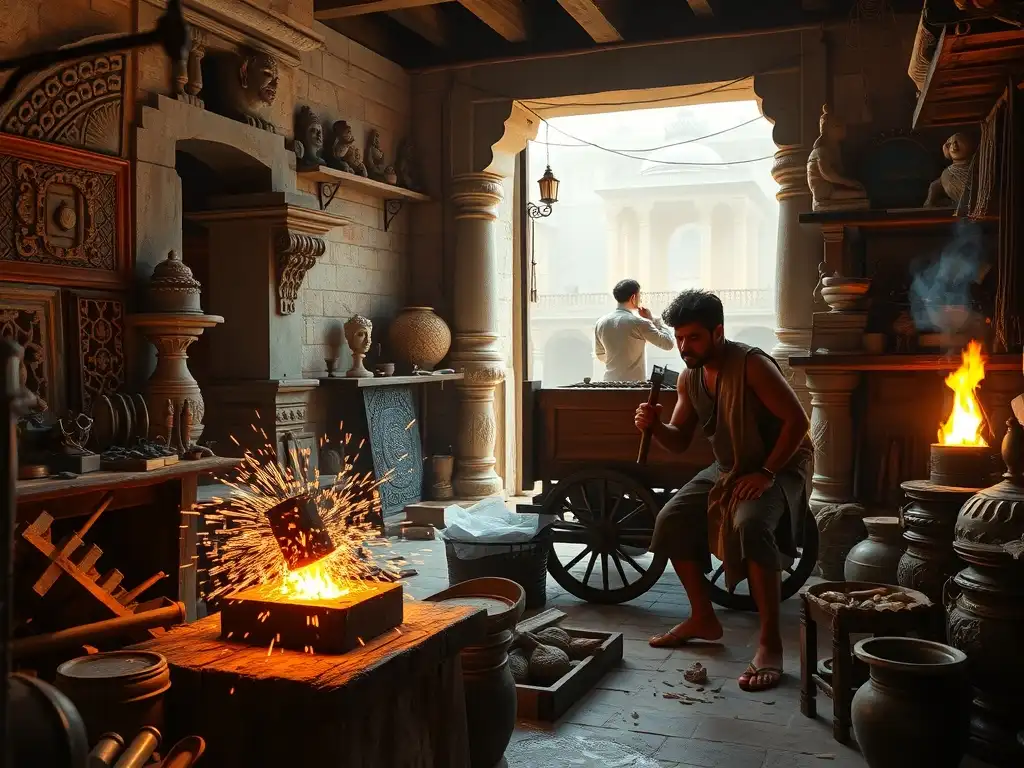
Welcome to Ancient India History, where we embark on an extraordinary journey through the vibrant tapestry of ancient Indian civilizations. Discover the secrets behind the remarkable advancements in technology and innovation, as we delve into our featured article on ancient Indian metallurgy techniques. Uncover how these early artisans shaped not only their society but also laid the groundwork for future generations. Join us in exploring the fascinating interplay of culture and innovation that defined an era, and ignite your curiosity as you read more about the mastery that transformed metals into works of art and utility.
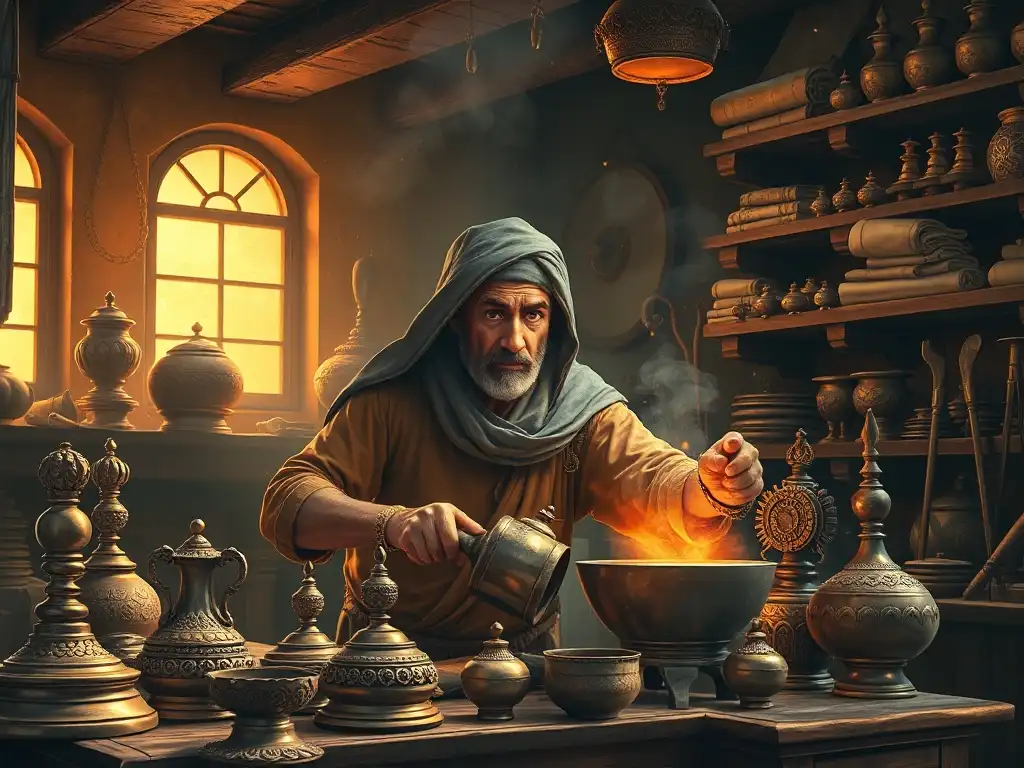
Introduction to Ancient Indian Metallurgy Techniques
Ancient Indian metallurgy is a fascinating subject that reveals the ingenuity and technological advancements of early Indian civilizations. From the sophisticated techniques developed during the Indus Valley Civilization to the remarkable innovations of the Maurya and Gupta Empires, the history of metallurgy in ancient India is not only a testament to the skill of its artisans but also a reflection of the cultural and economic dynamics of the time. This article delves into the various ancient Indian metallurgy techniques, highlighting their significance, evolution, and enduring impact on both regional and global scales.
Overview of Metallurgy in Ancient India
Metallurgy in ancient India encompassed a wide range of practices involving the extraction, refinement, and manipulation of metals. The artisans of this era employed various techniques to produce tools, weapons, ornaments, and other essential items. Key metals such as copper, bronze, iron, and gold were utilized, each contributing to the development of society in unique ways.
Some notable techniques included:
- Smelting: The process of extracting metal from ore by heating it beyond its melting point.
- Alloying: Combining metals to enhance their properties, such as strength and corrosion resistance.
- Casting: Pouring molten metal into molds to create specific shapes and objects.
The evolution of these techniques not only illustrates the technological prowess of ancient Indian craftsmen but also underscores the importance of trade, as these metals were often sourced from various regions.
Importance of Metallurgy in Ancient Civilizations
Metallurgy played a crucial role in the development of ancient civilizations. It was not merely a means of producing tools and weapons; it significantly influenced social structures, economic systems, and cultural practices. The availability and mastery of metallurgical techniques allowed societies to:
- Enhance Agriculture: The production of iron tools improved farming efficiency, leading to increased food production.
- Strengthen Militaries: Advanced weaponry provided military advantages and facilitated territorial expansion.
- Facilitate Trade: The demand for metal goods spurred trade relations, both within and beyond the Indian subcontinent.
In essence, metallurgy was a key driver of progress, shaping the very foundations of society and contributing to the rich tapestry of ancient Indian history.
Historical Context of Metallurgy in Ancient India
The historical context of metallurgy in ancient India is marked by significant milestones that reflect advancements in technology and cultural exchange. This journey can be divided into three prominent periods, each contributing uniquely to the evolution of metallurgical practices.
The Indus Valley Civilization and Early Metallurgy
The Indus Valley Civilization (c. 3300–1300 BCE) is often credited with the earliest developments in metallurgy in ancient India. Archaeological evidence suggests that the people of this civilization were adept at working with copper and bronze, employing techniques such as casting and alloying.
Key features include:
- Copper Tools: Early implements like chisels, knives, and axes were made from copper, which provided a significant advantage over stone tools.
- Bronze Artifacts: The use of bronze, an alloy of copper and tin, allowed for the creation of stronger and more durable tools and decorative items.
- Trade Networks: The metallurgical skills of the Indus Valley craftsmen facilitated trade with neighboring regions, enhancing cultural and technological exchanges.
The Vedic Period: Metallurgical Advancements
The Vedic period (c. 1500–500 BCE) marked a significant evolution in metallurgical practices. The period saw the emergence of iron metallurgy, which transformed various aspects of society.
Notable advancements included:
- Iron Tools and Weapons: The introduction of iron led to the creation of superior tools and weapons, which furthered agricultural and military capabilities.
- Textual References: Ancient texts, such as the Vedas, reference various metallurgical techniques, indicating a growing knowledge base and the importance of metallurgy in society.
- Cultural Significance: The use of metals became intertwined with religious and cultural practices, as metal objects were often used in rituals and ceremonies.
The Maurya and Gupta Empires: Peak of Metallurgical Innovations
The Maurya (c. 322–185 BCE) and Gupta (c. 240–550 CE) Empires represent the zenith of ancient Indian metallurgy. This era witnessed remarkable technological advancements and widespread application of metalworking techniques.
Highlights of this period include:
- Wootz Steel: The development of high-quality steel, known as Wootz steel, which became highly prized in both local and international markets for its strength and durability.
- Sculptural Art: The ability to cast large bronze sculptures and intricate metalwork, showcasing the artistic talents of Indian craftsmen.
- Economic Prosperity: The advancements in metallurgy contributed to the economic growth of these empires, enhancing trade routes and expanding influence.
These historical milestones illustrate the profound impact of metallurgy on ancient Indian civilizations, laying the groundwork for future technological advancements and cultural developments.
Key Ancient Indian Metallurgy Techniques
Ancient Indian metallurgy is renowned for its sophistication and innovation, showcasing a range of techniques that laid the groundwork for advanced metalworking. The key techniques involved in ancient Indian metallurgy included smelting, alloying, and casting. Each of these methods not only reflected the technological prowess of the time but also the cultural significance of metallurgy in shaping the economy and society.
Smelting techniques involved extracting metals from ores, which required a deep understanding of various minerals and their properties. Alloying methods were employed to enhance the physical and chemical properties of metals, allowing for the creation of stronger and more durable materials. Finally, casting processes enabled the production of intricate metal objects, ranging from everyday tools to elaborate sculptures and religious artifacts.
These techniques were not static; they evolved over time, influenced by experimentation and the exchange of knowledge across regions. The advancements in metallurgy were closely tied to the development of trade networks, where ancient Indian metallurgists shared their techniques with other cultures, contributing to a rich legacy of metalworking.
Smelting Techniques Used in Ancient India
Smelting in ancient India was a complex process that involved heating ores to extract metals. Archaeological evidence suggests that the Indus Valley Civilization, one of the earliest urban societies, utilized advanced smelting methods around 2500 BCE. They primarily focused on copper and bronze, which were essential for tools and ornamentation.
The furnaces used were typically clay structures that reached high temperatures, necessary for the reduction of copper ores. The process involved the addition of charcoal to facilitate the reaction, which resulted in the extraction of pure copper. Techniques such as reverberatory furnaces were also employed, allowing for better control of temperature and the quality of the metal produced.
By the time of the Mauryan period (322-185 BCE), smelting techniques had advanced further, incorporating more efficient methods and better craftsmanship. This evolution played a crucial role in the production of superior metals, which were integral to the military, agricultural, and artistic pursuits of the time.
Alloying Methods: The Craft of Combining Metals
Alloying was a hallmark of ancient Indian metallurgy, with the creation of various metal combinations that enhanced strength, durability, and resistance to corrosion. The most notable example is the development of bronze, an alloy of copper and tin, which became prevalent during the Bronze Age.
Ancient Indian metallurgists were skilled in manipulating the proportions of metals to achieve desired properties. For instance, the addition of zinc to copper resulted in brass, which was favored for its aesthetic qualities and workability. These alloys were not only used for tools and weapons but also for intricate jewelry and decorative items.
The knowledge of alloying was often passed down through generations, with craftsmen developing their unique recipes based on local resources and requirements. This tradition of metallurgical craftsmanship contributed to the rich diversity of metal artifacts found in ancient Indian archaeological sites.
Casting Processes in Ancient Indian Metallurgy
Casting was a vital process in ancient Indian metallurgy, enabling the production of complex shapes and designs that were not possible through other methods. The lost-wax casting technique was particularly prominent, where a wax model of the desired object was created and then encased in clay. Upon heating, the wax melted away, leaving a mold into which molten metal was poured.
This technique allowed artisans to create highly detailed sculptures, religious icons, and functional items like tools and vessels. The Chola dynasty (9th to 13th century CE) is famous for its bronze sculptures, exemplifying the artistry and technical skill of ancient Indian metallurgists.
Moreover, the adaptability of casting processes meant that they could be used to produce not just artistic works but also practical items, showcasing the dual role of metallurgy in both utilitarian and cultural contexts. The precision and creativity involved in ancient casting techniques highlight the advanced state of metallurgy in ancient India.
Notable Contributions of Ancient Indian Metallurgists
Ancient Indian metallurgists made significant contributions that advanced the field of metallurgy. Their innovations not only showcased their technical skills but also influenced metallurgical practices across the globe. The legacy of these contributions is evident in the continued appreciation for Indian metalwork and the techniques that were developed during this period.
Prominent Ancient Indian Metallurgists and Their Innovations
Several ancient Indian metallurgists gained prominence for their groundbreaking work. Notably, Vishwakarma, the divine architect in Hindu mythology, is often associated with exceptional craftsmanship in metalworking. While historical records are sparse, it is believed that many skilled craftsmen and metallurgists operated under royal patronage, producing high-quality metal goods.
The Kushana period (1st to 3rd century CE) saw significant advancements with the introduction of new techniques and the refinement of existing processes. Metallurgists during this time were known for their innovations in producing gold and silver coins, which played a crucial role in trade and commerce.
The Discovery of Wootz Steel and Its Significance
One of the most remarkable achievements in ancient Indian metallurgy was the discovery of Wootz steel, renowned for its exceptional quality and ability to be forged into sharp blades. This type of steel was produced using a unique method involving the smelting of iron ore mixed with organic materials, resulting in a high-carbon steel that was both flexible and strong.
Wootz steel became highly sought after, not only within India but also in foreign markets, owing to its superior qualities. The steel was often exported to other regions, where it was used to manufacture swords and other weapons, leading to its reputation as a legendary material. The techniques used to produce Wootz steel laid the foundation for advanced steelmaking processes that would influence metallurgy worldwide.
Impact of Ancient Indian Metallurgy on Global Practices
The impact of ancient Indian metallurgy extended beyond its borders, influencing metallurgical practices globally. The techniques developed in India, particularly in smelting and alloying, spread to other civilizations through trade and cultural exchanges. Indian metal goods, especially Wootz steel, were highly valued in the Middle East and Europe, leading to cross-cultural interactions that enriched metallurgical knowledge.
Furthermore, the artistic methods employed in casting and ornamentation inspired metalworkers worldwide, showcasing the aesthetic and functional aspects of metal artifacts. The advancements made by ancient Indian metallurgists not only contributed to the local economy but also established India as a significant player in the global metallurgy landscape of antiquity.
Tools and Materials in Ancient Indian Metallurgy
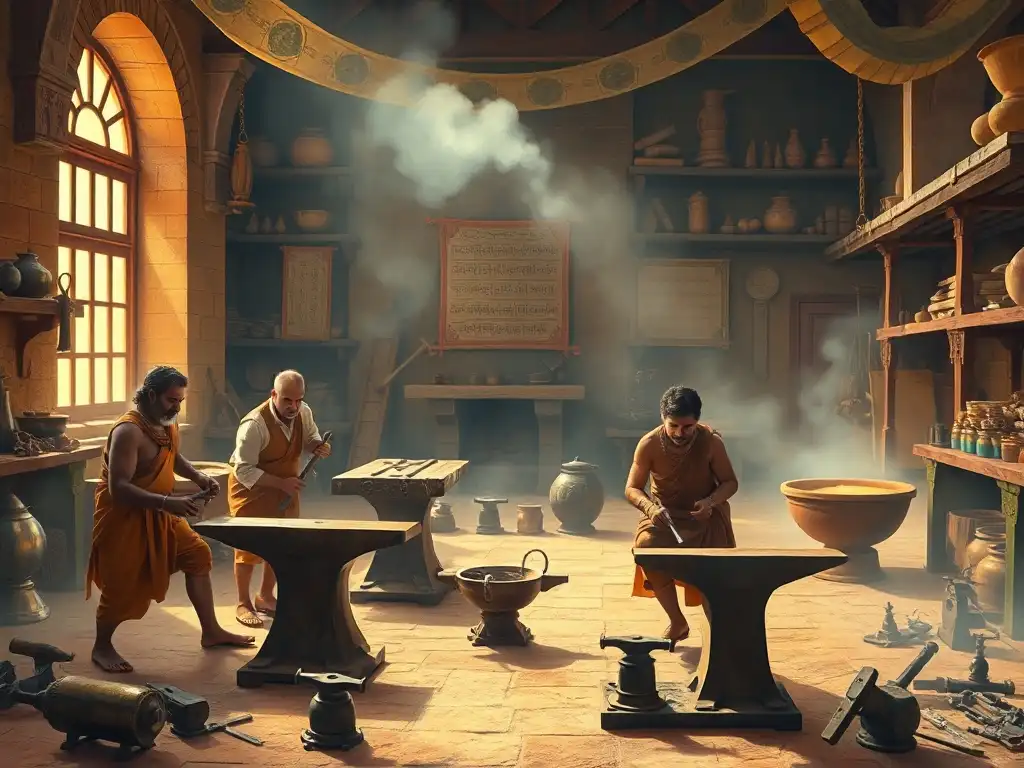
The development of metallurgy in ancient India was significantly influenced by the tools and materials available to artisans and metallurgists. These tools were vital for the extraction, processing, and crafting of metals, allowing for the innovation of various techniques that would define Indian metallurgy across centuries.
Essential Tools Used by Ancient Indian Metallurgists
Ancient Indian metallurgists employed a range of specialized tools to facilitate their work. These included:
- Furnaces: Typically constructed from clay and stone, furnaces were essential for smelting ores. The design varied, with some featuring bellows to increase airflow, thereby enhancing the temperature for efficient metal extraction.
- Hammers and Anvils: These tools were crucial for shaping metals. Hammers were often made from stone or metal, while anvils were usually crafted from hard stone or metal, providing a sturdy surface for forging.
- Crucibles: Used for melting metals, crucibles were made from clay or metal and could withstand high temperatures. They were essential for techniques such as casting and alloying.
- Tongs and Pliers: These tools were necessary for handling hot materials. Metal tongs allowed artisans to manipulate metal pieces safely during the forging and casting processes.
The combination of these tools allowed ancient Indian metallurgists to innovate various techniques, leading to the production of advanced metal artifacts.
Raw Materials: Sources and Their Importance
The success of ancient Indian metallurgy was also heavily reliant on the availability of raw materials. Key sources of metals included:
- Copper: Mined from regions like the Aravalli Range and parts of Madhya Pradesh, copper was one of the first metals utilized by ancient Indian civilizations, forming the basis of many early metal artifacts.
- Iron: The high-quality iron produced in regions such as the eastern and central parts of India, particularly in places like the Iron Pillar of Delhi, showcases the advanced techniques developed for iron smelting and forging.
- Lead and Zinc: These metals were extracted from various locations, with significant deposits found in the Zawar mines of Rajasthan. Their usage in alloys and for specific applications reflects the metallurgists' understanding of material properties.
The strategic sourcing of these raw materials not only supported local metallurgy but also facilitated trade and cultural exchange through the export of metal goods.
The Role of Trade in Advancing Metallurgical Techniques
Trade played a crucial role in the advancement of metallurgical techniques in ancient India. The exchange of ideas, technologies, and raw materials with neighboring civilizations contributed to the evolution of metalworking practices. Key aspects include:
- Cultural Exchange: Interactions with regions such as Mesopotamia, Persia, and Southeast Asia led to the sharing of metallurgical knowledge and techniques, fostering innovation.
- Trade Routes: The establishment of trade routes, such as the Silk Road, allowed for the movement of metals and finished goods. Indian metallurgical products, known for their quality, became sought after in international markets.
- Alloy Development: Exposure to different metalworking techniques through trade led to the development of new alloys, such as bronze, which combined copper and tin, enhancing the durability and functionality of metal objects.
Trade not only enriched the metallurgical landscape of ancient India but also positioned it as a significant player in the global exchange of materials and technologies.
The Influence of Religion and Culture on Metallurgy
The intersection of metallurgy with religion and culture in ancient India is a testament to how these domains informed and shaped technological practices. This influence is evident in both the spiritual aspects of metalworking and its manifestation in art and architecture.
Spiritual Aspects of Metalworking in Ancient India
In ancient India, metalworking was often imbued with spiritual significance. The process of crafting metal was seen not just as a technical endeavor but as a sacred art. Key points include:
- Rituals and Offerings: Metallurgists would often perform rituals before beginning their work, seeking blessings from deities associated with crafts and materials. This spiritual dimension elevated the status of metalworking as a divine vocation.
- Symbolism of Metals: Different metals held specific meanings in various religious contexts. For instance, gold represented purity and permanence, often used in religious artifacts and decorations.
- Tools as Sacred Objects: Many tools used in metallurgy were considered sacred and were treated with respect. Their crafting and usage were often accompanied by chants or prayers, reinforcing the connection between spirituality and craftsmanship.
These spiritual beliefs enhanced the value of metal artifacts, making them integral to both daily life and religious practices.
Metallurgy in Ancient Indian Art and Architecture
The contributions of metallurgy to ancient Indian art and architecture are profound and enduring. Notable aspects include:
- Architectural Marvels: The use of advanced metallurgy techniques allowed for the construction of grand structures, such as temples and forts, which featured intricate metalwork. The use of wrought iron in structures like the Iron Pillar of Delhi exemplifies the technical prowess of ancient Indian artisans.
- Artistic Expressions: Metal was not only used for functional objects but also for artistic creations, including sculptures and decorative items. The detailed craftsmanship visible in bronze statues and metal ornaments reflects the high level of skill possessed by ancient metallurgists.
- Cultural Significance: Metal artifacts often served cultural and religious purposes, embodying the artistic and spiritual values of the society. For example, metal sculptures played crucial roles in rituals and were often placed in temples, connecting the divine to the material world.
The integration of metallurgy into art and architecture illustrates the multifaceted role it played in ancient Indian civilization, showcasing both aesthetic beauty and technological innovation.
Decline and Legacy of Ancient Indian Metallurgy
The decline of ancient Indian metallurgy techniques can be attributed to a variety of socio-economic and political factors that influenced the technological landscape of the region. As we explore this decline, it becomes evident that while ancient Indian metallurgical practices may have waned, their legacy continues to resonate in modern metallurgy and material science.
Factors Leading to the Decline of Metallurgical Practices
Several factors contributed to the decline of metallurgical practices in ancient India:
- Political Instability: The rise and fall of various dynasties led to periods of instability that disrupted trade and technological exchange. The fragmentation of kingdoms often resulted in a decline in local craftsmanship and innovation.
- Colonial Influence: With the advent of European colonial powers in the 18th century, traditional industries faced competition from imported goods. Colonial policies prioritized the extraction of resources over the development of local industries, leading to the stagnation of indigenous techniques.
- Loss of Patronage: Historically, metallurgical practices flourished under royal patronage. As dynasties weakened or changed, many craftsmen lost their financial support, which led to the decline in the transmission of metallurgical knowledge.
- Technological Shifts: The introduction of new technologies from Europe altered traditional practices. The industrial revolution brought about mechanization that overshadowed ancient methods, causing a gradual decline in their relevance.
The Lasting Impact of Ancient Indian Metallurgy on Modern Techniques
Despite the decline, the innovations of ancient Indian metallurgy have left an indelible mark on modern techniques:
- Material Properties: The advanced knowledge of alloying and metalworking in ancient India, particularly in producing high-quality steel (like Wootz steel), has influenced modern metallurgy. Techniques such as heat treatment and forging owe much to these historical practices.
- Cultural Heritage: The craftsmanship and artistry evident in ancient metal artifacts continue to inspire modern artisans and metal workers. The aesthetic principles and techniques developed during this period are still studied and revered.
- Scientific Understanding: Ancient practices laid the groundwork for understanding metallurgical processes. Modern metallurgists often revisit these ancient techniques to gain insights into material properties and processing methods.
Conclusion: The Enduring Legacy of Ancient Indian Metallurgy Techniques
The legacy of ancient Indian metallurgy techniques is not merely a relic of the past; it is a vibrant part of our cultural and technological heritage. By understanding and appreciating these techniques, we can continue to learn from the wisdom of our ancestors.
Reflection on the Importance of Preserving Ancient Knowledge
Preserving ancient metallurgical knowledge is essential for several reasons:
- Cultural Identity: Recognizing and preserving these techniques fosters a sense of cultural identity and pride. Ancient metallurgy is a testament to the ingenuity of Indian civilizations.
- Sustainable Practices: Many ancient techniques were inherently sustainable, utilizing local resources and minimizing waste. Reviving such methods can contribute to modern sustainable practices in metallurgy.
- Educational Value: Ancient metallurgy serves as a rich field of study for historians, archaeologists, and material scientists. By preserving this knowledge, we ensure that future generations can learn from the past.
Future Research Directions in Ancient Indian Metallurgy
The exploration of ancient Indian metallurgy offers numerous avenues for future research:
- Archaeological Studies: Continued excavations and analysis of ancient sites can uncover previously unknown metallurgical artifacts, providing deeper insights into techniques and trade networks.
- Material Analysis: Advances in technology allow for more sophisticated analysis of ancient metals. Techniques such as X-ray fluorescence (XRF) and scanning electron microscopy (SEM) can reveal the composition and manufacturing processes of historical artifacts.
- Revival of Techniques: Research into ancient techniques could lead to the revival of lost methods, potentially offering innovative solutions in modern metallurgy that prioritize sustainability and efficiency.
The exploration of ancient Indian metallurgy techniques not only honors a rich cultural heritage but also paves the way for innovative advancements in modern material science.
- Introduction to Ancient Indian Metallurgy Techniques
- Historical Context of Metallurgy in Ancient India
- Key Ancient Indian Metallurgy Techniques
- Notable Contributions of Ancient Indian Metallurgists
- Tools and Materials in Ancient Indian Metallurgy
- The Influence of Religion and Culture on Metallurgy
- Decline and Legacy of Ancient Indian Metallurgy
- Conclusion: The Enduring Legacy of Ancient Indian Metallurgy Techniques
Frequently Asked Questions
What are ancient Indian metallurgy techniques?
Ancient Indian metallurgy techniques refer to the methods and practices used by civilizations in India to extract and manipulate metals. These techniques include bronze casting, iron smelting, and goldsmithing, showcasing remarkable technological skills.
How did ancient Indian metallurgy influence trade?
The advancements in metallurgy allowed ancient Indian civilizations to produce high-quality metal goods, which became valuable in trade. This contributed to economic prosperity and established India as a key player in regional and international trade networks.
What are some notable achievements in ancient Indian metallurgy?
Some notable achievements include the production of high-quality steel, such as Wootz steel, and the sophisticated casting techniques seen in sculptures and tools. These innovations highlight the expertise and craftsmanship of ancient Indian metallurgists.
How did metallurgy contribute to ancient Indian culture?
Metallurgy had a significant impact on ancient Indian culture by influencing artistic expressions and daily life. It played a crucial role in the creation of decorative items, weapons, and tools, which enriched the cultural heritage of ancient India.
What role did the Gupta Empire play in metallurgy?
The Gupta Empire is often referred to as the Golden Age of India, during which metallurgy flourished. Innovations in metalworking techniques and the production of coins reflect the empire's advanced technological capabilities and its influence on both culture and economy.
Final Reflection: The Enduring Legacy of Ancient Indian Metallurgy Techniques
The exploration of ancient Indian metallurgy techniques reveals not only the ingenuity of past civilizations but also their profound relevance in today's technological landscape. As we navigate a world increasingly driven by innovation, the lessons learned from these ancient practices remind us that the roots of modern technology are deeply intertwined with the wisdom of our ancestors. The sophistication of ancient Indian metallurgical methods challenges us to appreciate the depth of human creativity and the importance of preserving such knowledge for future generations.
The impact of ancient Indian metallurgy extends far beyond historical significance; it continues to shape our cultural and social narratives today. The techniques developed thousands of years ago laid the groundwork for advancements in various fields, from engineering to art.
As we reflect on this rich heritage, we are reminded of the words of the renowned historian, “History is not just about the past; it is a guide to the future.” > This sentiment underscores the importance of understanding and valuing the contributions of ancient civilizations, as they provide essential insights into sustainable practices and innovative thinking that are crucial in our contemporary world.
As we conclude this journey through time and technology, I invite you to reflect on the lessons of ancient Indian metallurgy and consider how they can inspire your own life. Embrace the spirit of innovation that has persisted through the ages, and seek to apply these timeless principles in your endeavors. Whether it’s through fostering creativity in your work, advocating for sustainable practices, or simply appreciating the craftsmanship around you, let the legacy of ancient Indian metallurgy guide you toward a future where tradition and innovation coexist harmoniously.
Unveil the Mysteries of Ancient Metallurgy!
Thank you for joining us on this fascinating exploration of ancient Indian metallurgy! We hope you’ve gained valuable insights into the incredible techniques and innovations that shaped the world as we know it. Now, it’s time to take your newfound knowledge further!
Here are a few steps you can take right now:
- Dive deeper: Research specific metallurgical techniques mentioned in the article and discover how they influenced modern practices.
- Share your thoughts: Engage with your friends and community by sharing this article and sparking a discussion about the significance of ancient technologies.
- Join our community: Subscribe to our newsletter for more captivating articles about ancient India and connect with others who share your passion!
What aspect of ancient metallurgy excites you the most, and how do you think it has influenced contemporary technology?