
The Impact of Ancient Indian Metallurgy on Trade and Economy

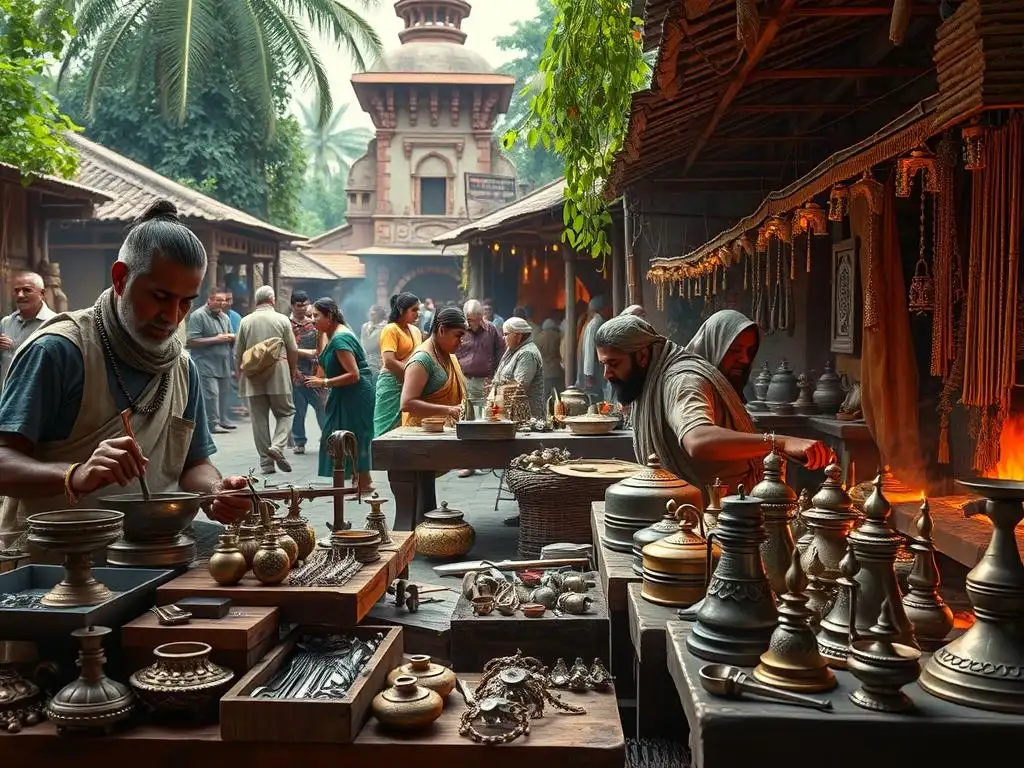
Welcome to Ancient India History, where we delve into the captivating tapestry of a civilization that shaped the world in profound ways. Today, we invite you to explore the remarkable impacts of ancient Indian metallurgy on trade and economy. How did the innovative techniques of metalworking influence not just local commerce but international exchanges? Join us as we uncover the secrets of ancient artisans and their legacies that resonate even in modern times. Your journey into the heart of India’s rich historical narrative begins here—don’t miss out on the treasures waiting to be discovered!
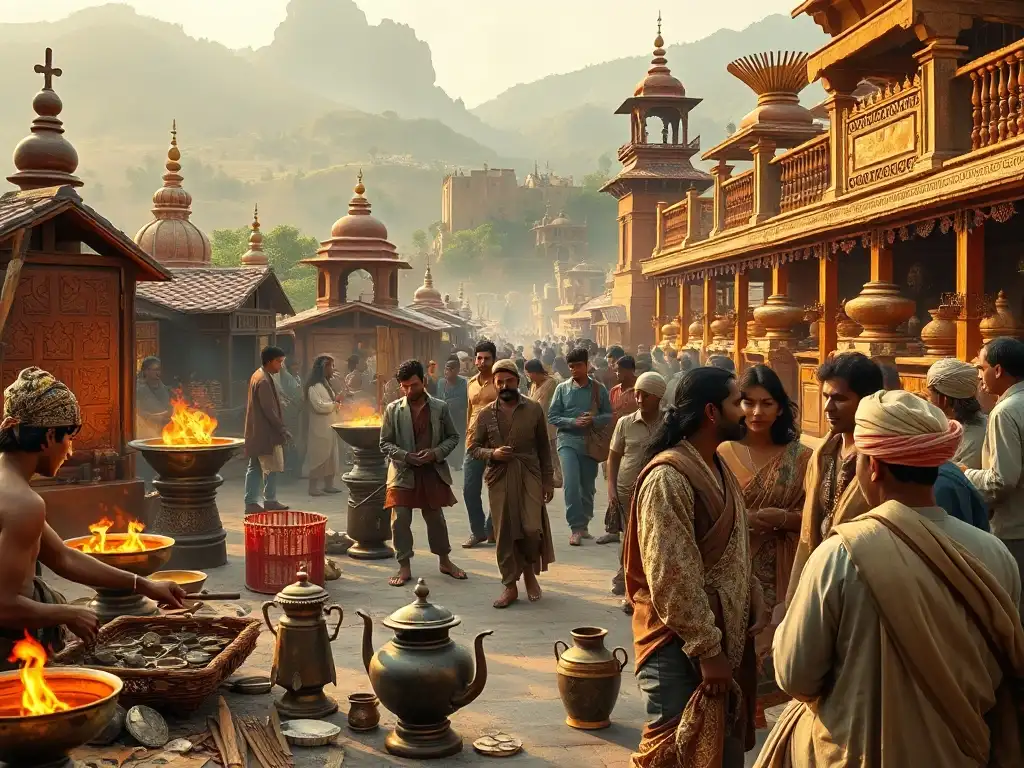
The contributions of ancient Indian metallurgy significantly shaped the trade and economic landscape of the region, influencing not just local industries but also international trade networks. From the innovative techniques used in metalworking to the export of high-quality metal goods, ancient Indian metallurgy played a crucial role in facilitating commerce and cultural exchange. This article delves into the various aspects of ancient Indian metallurgy, exploring its practices, significance, and the historical context of trade during that era, ultimately unveiling the profound impacts these developments had on the economy.
Introduction to Ancient Indian Metallurgy
Ancient Indian metallurgy is a testament to the ingenuity and craftsmanship of early civilizations. The mastery of different metals, particularly copper, bronze, iron, and gold, marks a significant milestone in the technological evolution of the subcontinent. The sophistication of these metallurgical practices not only enhanced the quality of tools and weapons but also allowed for the creation of intricate artifacts that reflected the artistic and functional demands of the time.
Overview of Metallurgical Practices in Ancient India
Metallurgical practices in ancient India were characterized by a rich diversity that varied across different regions and periods. Techniques such as smelting, alloying, and casting were extensively developed, leading to significant advancements in both tools and artistry.
- Smelting: The process of extracting metals from ores was refined, with evidence suggesting the use of furnaces capable of reaching high temperatures.
- Alloying: The creation of alloys, like bronze, showcased an understanding of combining metals to enhance properties such as strength and durability.
- Casting: The lost-wax casting method allowed artisans to produce intricate designs, leading to the creation of sculptures and decorative items.
These practices not only fulfilled local needs but also laid the groundwork for trade relationships with neighboring regions.
Significance of Metallurgy in Ancient Civilizations
The significance of metallurgy in ancient Indian civilizations extends beyond mere utility; it played a pivotal role in social and economic structures.
- Economic Development: The production of metal goods stimulated local economies, providing jobs and fostering trade.
- Cultural Exchange: Metal artifacts often carried symbolic meanings, serving as mediums for cultural exchange and interaction between different societies.
- Military Advancements: The development of superior weaponry contributed to the military strength of various kingdoms, influencing territorial expansions and trade routes.
Historical Context of Trade in Ancient India
Understanding the historical context of trade in ancient India is crucial to appreciate the impact of metallurgy on the economy. Trade routes facilitated not only the exchange of goods but also ideas, technologies, and cultures.
Trade Routes and their Importance in Ancient India
Ancient India was strategically located at the crossroads of several major trade routes, including the Silk Road and maritime routes connecting the Indian subcontinent to the Middle East, Africa, and Southeast Asia.
- Land Routes: These routes allowed for overland trade of goods such as textiles, spices, and metals.
- Maritime Trade: Coastal cities became bustling trade hubs, facilitating the exchange of goods and cultural practices with distant civilizations.
The connectivity provided by these routes was essential for the dissemination of metallurgical innovations, which, in turn, enhanced trade.
Major Trade Commodities in Ancient Indian Economy
The ancient Indian economy thrived on a variety of trade commodities, with metallurgy providing a backbone for several key products.
- Metals: Copper, iron, and gold were not only crucial for domestic use but were also highly sought after in international markets.
- Textiles: Fine textiles, often embellished with metal threads, became a major export, showcasing the intersection of metallurgy and artistry.
- Spices: Renowned for their quality, spices were traded alongside metal goods, enhancing the economic viability of trade routes.
The interplay between ancient Indian metallurgy and trade significantly influenced the economic landscape of the region, fostering growth and cultural exchanges that resonate through history.
Ancient Indian Metallurgy: Techniques and Innovations
Ancient Indian metallurgy represents a remarkable chapter in the history of human innovation, characterized by advanced techniques and a deep understanding of materials. From the early smelting of copper to the sophisticated production of high-quality steel, ancient Indian metallurgists developed methods that significantly influenced both local and international trade. This expertise not only enhanced the economy but also played a crucial role in cultural exchanges across regions, establishing India as a vital hub in the ancient world.
The techniques employed in ancient Indian metallurgy were diverse and evolved over millennia. The use of furnaces and crucibles for melting metals, alongside the application of various alloys, showcased the ingenuity of metallurgists. Notably, the ability to produce high-carbon steel, known as Wootz steel, marked a significant milestone, making Indian metalwork highly sought after globally.
Key Metallurgical Techniques Developed in Ancient India
Ancient Indian metallurgists pioneered several techniques that laid the groundwork for advanced metalworking. Some of the most notable include:
- Smelting: The process of extracting metals from their ores was refined, particularly for copper and iron. The use of bellows to increase furnace temperatures was a significant innovation that improved smelting efficiency.
- Alloying: The creation of various alloys, such as bronze (copper and tin) and brass (copper and zinc), demonstrated a profound understanding of material properties. These alloys were utilized in tools, weapons, and decorative items, enhancing their durability and aesthetic appeal.
- Forging and Shaping: Techniques like hammering and forging allowed artisans to shape metals into intricate designs. The use of anvils and hammers facilitated the production of both functional and artistic objects, showcasing the skill of ancient craftsmen.
- Casting: The lost-wax casting method enabled the creation of detailed metal sculptures and figurines, which were often used in religious contexts. This technique highlighted the artistic capabilities of ancient Indian metallurgists.
- Surface Treatment: Processes such as polishing and plating were employed to enhance the appearance and resistance of metal objects. These techniques not only improved functionality but also added a decorative dimension to metalwork.
Notable Innovations in Metalworking Practices
Beyond basic techniques, ancient Indian metallurgy saw significant innovations that set it apart from contemporaneous practices elsewhere:
- Wootz Steel Production: The creation of Wootz steel, known for its strength and ability to hold a sharp edge, was a groundbreaking achievement. This high-quality steel was produced through a unique method involving the use of specific raw materials and controlled heating processes. Wootz steel became highly prized in various regions, leading to extensive trade.
- Damascus Steel: The influence of Wootz steel extended to the production of Damascus steel, characterized by its distinctive patterns. This innovation not only enhanced the quality of weapons but also contributed to the reputation of Indian metallurgy in global markets.
- Metallurgical Texts and Knowledge Transfer: Ancient Indian texts, such as the "Arthashastra" and "Surya Siddhanta," documented metallurgical knowledge, indicating a sophisticated understanding of both theory and practice. This knowledge was disseminated through trade routes, facilitating the exchange of techniques and practices across cultures.
The Role of Metallurgy in Enhancing Trade
The advancements in metallurgy had profound implications for trade in ancient India. The ability to produce high-quality metal goods not only satisfied local demand but also attracted merchants from distant lands, facilitating robust trade networks. Metals became a significant commodity, contributing to the overall economy and establishing India as a center for metallurgical excellence.
The strategic location of ancient Indian cities along trade routes, combined with their expertise in metallurgy, allowed for the exchange of goods, ideas, and technologies. The export of metal products also fostered relationships with neighboring civilizations, enhancing cultural and economic interactions.
How Ancient Indian Metallurgy Influenced Trade Networks
Ancient Indian metallurgy played a pivotal role in shaping trade networks across Asia and beyond. The following aspects illustrate its impact:
- Trade Routes: The establishment of trade routes, such as the Silk Road and maritime paths, facilitated the movement of metal goods, including weapons, tools, and decorative items. Indian metallurgical products, particularly Wootz steel, became highly sought after, leading to increased trade activity.
- Cultural Exchange: The influx of goods led to a rich exchange of culture and ideas. Metallurgy was not just about commerce; it also fostered relationships between different civilizations, contributing to the spread of technological knowledge.
- Market Demand: As the demand for quality metal goods grew, it incentivized local artisans to innovate further. This cycle of demand and innovation solidified metallurgy's role as a cornerstone of the ancient Indian economy.
Examples of Trade Goods Produced through Advanced Metallurgy
Several trade goods emerged from the metallurgical advancements of ancient India, which were not only functional but also held significant economic value:
- Wootz Steel Swords: Renowned for their sharpness and durability, Wootz steel swords became highly coveted in markets across the Middle East, Europe, and Asia. The reputation of Indian swords influenced military practices in various cultures.
- Bronze and Brass Artifacts: Items such as coins, jewelry, and religious statues made from bronze and brass were extensively traded. These artifacts reflected both artistic craftsmanship and economic value, contributing to trade dynamics.
- Iron Tools and Implements: The production of iron tools, including plows and weapons, revolutionized agriculture and warfare. These tools were integral to the economy, enhancing productivity and trade capabilities.
- Decorative Metalwork: Intricately designed metalwork, including jewelry and ceremonial items, attracted traders and collectors. The artistry associated with these goods elevated their status in trade markets.
The interplay between ancient Indian metallurgy and trade created a vibrant economy that underscored the region's historical significance. The legacy of these practices continues to influence modern metallurgy and global trade dynamics today.
Economic Impacts of Metallurgical Advancements
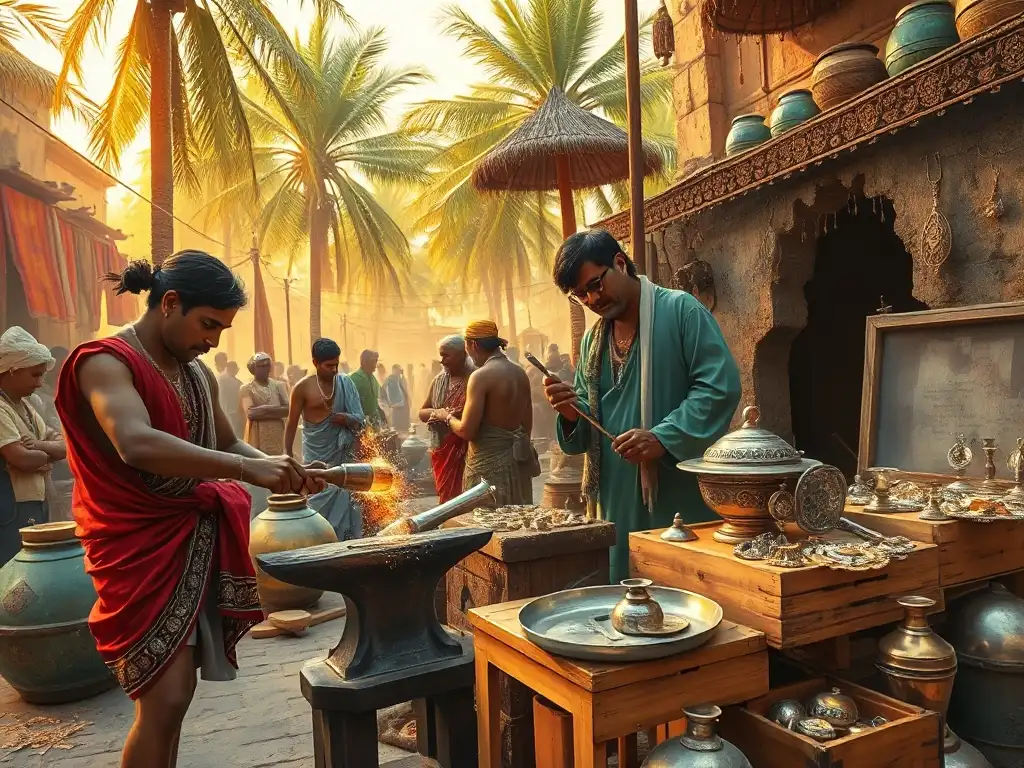
The advancements in metallurgy during ancient India had profound economic impacts that shaped not only the local economy but also facilitated trade networks that extended far beyond its borders. The ability to extract and manipulate metals like copper, bronze, iron, and precious metals was a game-changer for ancient Indian societies. These metallurgical developments led to the production of high-quality tools, weapons, and luxury items, which in turn stimulated various sectors of the economy.
The economic ramifications of these advancements included increased agricultural productivity due to the introduction of better plowing tools and farming equipment. Additionally, the rise of specialized crafts and metallurgy workshops created job opportunities, leading to a more diversified economy. This specialization fostered a culture of innovation and competition, which propelled further advancements in technology and production processes.
Contribution of Metallurgy to Economic Growth in Ancient India
Metallurgy contributed significantly to economic growth in ancient India by enhancing trade capabilities and fostering regional and international commerce. The production of metals allowed for the crafting of durable goods, which were highly sought after in domestic and foreign markets. Notably, Indian iron and steel products, known for their quality, became valuable trade commodities.
The emergence of trading hubs, such as those along the Indus River and later in cities like Taxila and Pataliputra, can be directly linked to metallurgical advancements. These centers not only facilitated local trade but also attracted merchants from distant lands, creating a vibrant marketplace where metallurgy was a key driver of economic activity. As a result, the economy became increasingly interconnected, paving the way for prosperity and cultural exchange.
Metallurgy and Its Role in Urbanization of Ancient Indian Societies
The development of metallurgy played a crucial role in the urbanization of ancient Indian societies. As communities began to specialize in metalworking, urban centers emerged that were dedicated to trade, production, and craft. This shift from agrarian-based societies to urban centers was marked by the establishment of workshops and markets, where metallurgical products were both made and sold.
Cities like Harappa and Mohenjo-Daro showcased advanced urban planning, which included specialized areas for crafts, including metallurgy. The availability of metal tools and weapons contributed to the establishment of a more complex societal structure, encouraging the growth of a merchant class and fostering social stratification. With urbanization came increased population density, which further drove economic activity and necessitated advancements in infrastructure, including roads and transport systems to facilitate trade.
Cross-Cultural Exchange and Metallurgy
The cross-cultural exchange facilitated by metallurgy was vital in shaping the economic landscape of ancient India. As Indian metallurgical products gained fame, they attracted traders and scholars from various civilizations, leading to a rich interchange of ideas, techniques, and materials.
Influence of Ancient Indian Metallurgy on Neighboring Civilizations
Ancient Indian metallurgy had a remarkable influence on neighboring civilizations, such as those in Persia, Central Asia, and Southeast Asia. The techniques developed in ancient India, particularly in iron smelting and the production of high-quality steel (notably Wootz steel), were adopted and adapted by other cultures. This exchange not only enriched the metallurgical practices of these civilizations but also enhanced their military and agricultural capabilities.
Moreover, the reputation of Indian metals and tools traveled along trade routes, such as the Silk Road, prompting demand from foreign markets. This influence is evident in the archaeological findings of Indian metal artifacts in regions far from India, indicating the reach and impact of ancient Indian metallurgical practices.
The Spread of Metallurgical Knowledge through Trade
Trade routes established during ancient times served as conduits for the spread of metallurgical knowledge. Merchants and craftsmen shared techniques, innovations, and cultural practices as they traveled between regions. This exchange was not limited to physical goods but also included the transmission of metallurgical skills and knowledge.
For example, the concept of alloying and the techniques for producing different types of steel were disseminated across borders, leading to advancements in local metallurgical practices. The sharing of knowledge not only enhanced local industries but also contributed to the technological development of various civilizations, fostering a spirit of collaboration and innovation that transcended geographic boundaries. This cross-cultural interaction played a pivotal role in shaping the economic landscapes of regions connected by trade, emphasizing the interconnectedness fostered by ancient Indian metallurgy.
Conclusion: Legacy of Ancient Indian Metallurgy on Modern Trade Practices
The legacy of ancient Indian metallurgy is profound, influencing not only the technological advancements of its time but also setting the stage for modern trade practices. The sophisticated techniques developed by ancient metallurgists laid the groundwork for various industries, particularly in the fields of metalworking and manufacturing. This historical context of metallurgy not only contributed to the economic prosperity of ancient Indian civilizations but also established trade routes that connected India to distant lands, fostering cultural exchanges that continue to resonate today.
The craftsmanship in metallurgy, from the production of high-quality steel (like Wootz steel) to intricate gold and silver works, showcased India's ability to innovate and adapt. These practices facilitated trade relationships with other civilizations, including the Greeks, Persians, and Romans, which were pivotal for the exchange of goods, ideas, and technology. The ripple effects of these historical trade practices are evident in contemporary economic systems that prioritize quality, craftsmanship, and the significance of international trade networks.
Lasting Impacts of Ancient Metallurgy on Contemporary Economic Systems
The impacts of ancient Indian metallurgy on modern economic systems are multifaceted. Firstly, the focus on quality and innovation in metal production has shaped manufacturing standards that persist today. For instance, modern metallurgy continues to draw inspiration from ancient techniques, particularly in the production of alloys and specialized steel, vital in industries ranging from construction to automotive.
Moreover, the trade routes established during ancient times laid the foundations for today's global supply chains. The principles of trade, exchange, and commerce developed through metallurgy have evolved but remain rooted in the same fundamental ideas. Today, countries still engage in the trade of metals and minerals, often revisiting ancient practices to enhance their own industrial capacities.
Additionally, the ancient Indian approach to metallurgy emphasized sustainability and resource management, aspects that are increasingly relevant in contemporary discussions about environmental impacts and sustainable development. By studying these practices, modern economies can learn valuable lessons about responsible resource utilization.
Reflection on the Importance of Studying Ancient Indian Metallurgical Trade Impacts
Studying the impacts of ancient Indian metallurgy on trade is crucial for several reasons. Firstly, it provides insight into the technological advancements of the time, revealing how ancient practices can inform current and future innovations. Understanding these practices enhances our appreciation of the ingenuity and resourcefulness of ancient civilizations, which have often been overlooked in broader historical narratives.
Secondly, examining the trade impacts offers valuable lessons about the interconnectedness of economies. The extensive trade networks established by ancient Indian metallurgists demonstrate how local innovations can have far-reaching effects, influencing global trade patterns. This reflection is particularly significant in today's globalized economy, where the interdependence of markets is more pronounced than ever.
Finally, the study of ancient Indian metallurgy encourages a holistic understanding of cultural heritage and its relevance to contemporary society. By recognizing the significance of ancient metallurgy in shaping trade practices, we reinforce the importance of preserving cultural knowledge and traditions that continue to influence modern practices. This reflection not only honors the past but also paves the way for a more informed and sustainable future in trade and economics.
- Introduction to Ancient Indian Metallurgy
- Historical Context of Trade in Ancient India
- Ancient Indian Metallurgy: Techniques and Innovations
- The Role of Metallurgy in Enhancing Trade
- Economic Impacts of Metallurgical Advancements
- Cross-Cultural Exchange and Metallurgy
- Conclusion: Legacy of Ancient Indian Metallurgy on Modern Trade Practices
- What were the primary materials used in ancient Indian metallurgy?
- How did metallurgy contribute to trade in ancient India?
- What were the economic impacts of metallurgy on ancient Indian civilizations?
- How did ancient Indian metallurgy influence other cultures?
- What role did the Gupta Empire play in metallurgy and trade?
Frequently Asked Questions
What were the primary materials used in ancient Indian metallurgy?
Ancient Indian metallurgy primarily involved the use of copper, bronze, and iron. These materials were essential in crafting tools, weapons, and ornaments, showcasing advanced technological skills.
How did metallurgy contribute to trade in ancient India?
The advancements in metallurgy significantly enhanced the production of metal goods, which were traded extensively. This led to increased economic activity and connected ancient India with various cultures through trade routes.
What were the economic impacts of metallurgy on ancient Indian civilizations?
Metallurgy played a crucial role in the economic development of ancient Indian civilizations by facilitating craftsmanship, boosting trade, and creating jobs for artisans, thereby enhancing overall prosperity.
How did ancient Indian metallurgy influence other cultures?
Ancient Indian metallurgical techniques and goods were highly sought after, influencing neighboring regions. The exchange of knowledge and technology contributed to advancements in metallurgy beyond India's borders.
What role did the Gupta Empire play in metallurgy and trade?
The Gupta Empire is often regarded as a golden age for metallurgy, marked by innovations in metalworking. Their trade networks flourished, allowing for the exchange of metallurgical products, which significantly impacted the economy.
Final Reflection: The Enduring Legacy of Ancient Indian Metallurgy on Trade and Economy
The intricate relationship between ancient Indian metallurgy and trade continues to resonate in today's global economy. The innovations and techniques developed by ancient metallurgists not only revolutionized local economies but also established India as a pivotal player in international trade routes. This historical legacy serves as a reminder of how technological advancements can shape economic landscapes, fostering connections that transcend time and geography.
Cultural and social dynamics have been profoundly influenced by the advancements in metallurgy, which facilitated the exchange of goods, ideas, and cultures. The legacy of these ancient practices is evident in the way they laid the groundwork for modern trade systems. As we reflect on this impact, we are reminded of the words of historian R. S. Sharma: The history of trade is a history of human interaction, where every exchange tells a story of cultural fusion and economic evolution.
This observation underscores the ongoing relevance of ancient practices in shaping contemporary trade relationships and economic strategies.
As we move forward, let us take a moment to reflect on the lessons from ancient Indian metallurgy and its profound impact on trade and economy. Consider how the spirit of innovation and collaboration that characterized this era can inspire us today. Embrace the idea that every small effort in our own communities can contribute to a larger tapestry of economic and cultural exchange. By recognizing and honoring the past, we can forge a brighter future that values creativity, connection, and the shared human experience.
Unleash the Power of Ancient Innovations!
Thank you for diving into the fascinating world of Ancient Indian Metallurgy! Your interest reflects a desire to understand the profound impacts this ancient art had on trade and the economy. Now, it’s time to take what you’ve learned and explore further. Here are some engaging ways to continue your journey:
- Dive Deeper: Research specific ancient metallurgical techniques, such as the creation of wootz steel and its influence on global trade patterns.
- Engage with the Community: Join discussions in forums or social media groups dedicated to ancient history, where you can share insights and learn from others’ perspectives.
- Spread the Word: Share this article with friends who might be interested in the impact of ancient technologies on modern society.
What aspect of ancient metallurgy do you believe had the most significant impact on trade or the economy, and why? Let’s discuss!