
Ancient Texts and Their Insights: Metallurgy in Vedic Literature

Welcome to Ancient India History, where we embark on an enlightening journey through the rich tapestry of ancient Indian civilizations. Here, we delve into the fascinating realms of culture, technology, and innovation that have shaped our world. In our featured article, "Ancient Texts and Their Insights: Metallurgy in Vedic Literature," we uncover the profound connections between ancient texts and the advanced metallurgical practices of the time.
Prepare to be intrigued as we explore how Vedic literature not only reflects the ingenuity of its era but also offers invaluable insights into the technological advancements that laid the groundwork for future innovations. Dive deeper with us and discover the hidden gems of ancient wisdom that continue to inspire today!
- Introduction to Vedic Literature Metallurgy Insights
- Historical Context of Metallurgy in Vedic Literature
- Vedic Literature and Metallurgical Techniques
- Symbolism and Significance of Metals in Vedic Culture
- Innovations and Contributions of Vedic Metallurgy
- Comparative Analysis of Vedic Metallurgy with Other Civilizations
- Challenges and Limitations in Vedic Metallurgy
- Modern Implications of Vedic Metallurgy Insights
- Conclusion: The Legacy of Vedic Literature Metallurgy Insights
- Frequently Asked Questions
- Final Reflection: Unveiling the Timeless Wisdom of Vedic Metallurgy
- Unveil the Secrets of Vedic Metallurgy Today!
Introduction to Vedic Literature Metallurgy Insights
The exploration of ancient Indian civilizations reveals a complex tapestry of knowledge, culture, and innovation that has significantly shaped human history. Among the pivotal areas of study is the intersection of Vedic literature and metallurgy, which provides profound insights into the technological advancements of ancient India.
This article delves into the metallurgical references found within Vedic texts, illuminating how these ancient writings reflect the understanding and application of metalworking techniques in a society that was both resourceful and innovative. By examining the significance of metallurgy in the context of Vedic literature, we can appreciate the contributions of ancient Indian civilizations to the field of material science and technology.
Overview of Vedic Literature
Vedic literature, composed between 1500 and 500 BCE, encompasses a vast corpus of texts that form the foundation of Hindu philosophy and spirituality. It includes the four Vedas— Rigveda, Samaveda, Yajurveda, and Atharvaveda—each comprising hymns, rituals, and philosophical discourses. Key features of Vedic literature include:
- Sacred Hymns: Many verses address various deities, invoking them for blessings and protection.
- Ritual Texts: Detailed instructions for conducting rituals, underlining the importance of ceremonial practices in Vedic society.
- Philosophical Treatises: Speculations about the nature of existence, ethics, and the cosmos, showcasing a rich intellectual tradition.
Amidst these components, metallurgical references can be found, revealing the practical applications of metalworking in daily life.
Importance of Metallurgy in Ancient India
Metallurgy played a crucial role in ancient Indian civilization, impacting various aspects of life, from agriculture to warfare. The Vedic period saw significant advancements in metal production and usage, particularly in iron, copper, and bronze. Key points on the importance of metallurgy include:
- Agricultural Tools: The development of metal tools enhanced agricultural productivity, leading to surplus production and societal growth.
- Weapons and Warfare: The creation of superior weaponry allowed for more effective defense and expansion of territories.
- Cultural Artifacts: Metallurgy facilitated the production of intricate jewelry and ceremonial items, reflecting the aesthetic sensibilities of the time.
The insights gleaned from Vedic literature provide a valuable perspective on these advancements, illustrating how ancient Indians not only harnessed natural resources but also integrated them into their cultural and spiritual practices. By understanding the metallurgical knowledge embedded in these texts, we gain a deeper appreciation of the technological prowess of ancient India and its lasting legacy in the field of material science.
Historical Context of Metallurgy in Vedic Literature
The Vedic period, which spans from approximately 1500 BCE to 500 BCE, marks a significant era in the development of metallurgy in ancient India. This period is characterized by the composition of the Vedas, the oldest sacred texts of Hinduism, which provide insights into various aspects of life, including technology and metallurgy. The early Vedic texts reveal a society that not only valued knowledge and spirituality but also showed remarkable advancements in material science.
Metallurgy in Vedic literature is closely linked to the agricultural and economic practices of the time. The transition from a nomadic lifestyle to settled agriculture led to the increased demand for tools and ornaments made of metals. Copper and bronze emerged as the primary materials used for various implements, often referenced in the Rigveda and other Vedic texts.
Timeline of Metallurgical Practices in Ancient India
The timeline of metallurgical practices in ancient India reveals a gradual evolution from simple techniques to more sophisticated methods. Below is a brief overview:
| Period | Metal Utilized | Practices |
|---|---|---|
| Indus Valley Civilization (3300-1300 BCE) | Copper, Bronze | Advanced metallurgy and metalworking techniques, including casting and alloying. |
| Early Vedic Period (1500-1000 BCE) | Copper, Gold, Silver | Mention of metal tools in texts, indicating their use in agriculture and trade. |
| Later Vedic Period (1000-500 BCE) | Iron | Introduction of iron metallurgy, leading to stronger tools and weapons. |
The mention of various metals in Vedic hymns suggests their importance in daily life and rituals. For instance, the use of gold in religious ceremonies underscores its cultural significance, while references to iron highlight its role in enhancing agricultural productivity and warfare.
Key Texts Influencing Metallurgy in Vedic Literature
Several key texts within Vedic literature provide valuable insights into metallurgy, reflecting both the techniques and the cultural context of the time. Notable among these are:
- Rigveda: One of the oldest texts, it contains hymns that reference tools and weapons made from metals, highlighting their significance in warfare and agriculture.
- Atharvaveda: This text discusses various aspects of daily life, including the use of metals for medicinal purposes and in rituals, indicating an understanding of their properties.
- Shulbasutras: These texts, although primarily focused on geometry and construction, include references to the use of metals in the creation of altars and other ritualistic items.
The insights gleaned from these texts reveal a sophisticated understanding of metallurgy, as ancient Indians explored the properties and applications of various metals. The emphasis on metalwork not only illustrates the technological advancements of the time but also reflects the intertwined nature of culture and science in ancient Indian society.
The exploration of metallurgy within Vedic literature provides a rich tapestry of knowledge that underscores the importance of metals in ancient Indian civilization. The texts not only document the practical applications of metallurgy but also reveal its deep-rooted significance in the cultural and spiritual life of the people.
Vedic Literature and Metallurgical Techniques
The Vedic literature, a cornerstone of ancient Indian texts, offers profound insights into various aspects of life, including metallurgy. These texts, particularly the Vedas and Upanishads, contain references to metalworking practices that illuminate the technological advancements of the time. The descriptions found within these writings not only reflect the metallurgical knowledge of ancient Indian civilizations but also demonstrate their sophisticated understanding of materials and techniques.
Metallurgy in Vedic literature is often intertwined with spiritual and ritualistic contexts, showcasing how closely linked these practices were to the culture of the time. The texts reveal various processes for extracting and working metals, with a focus on the significance of these metals in both everyday life and religious ceremonies.
Descriptions of Metalworking Processes in Vedic Texts
The Vedic texts mention several metalworking processes, including:
- Extraction of Metals: The Vedas refer to the process of mining and refining ores to obtain metals. This includes descriptions of techniques for purifying metals, which indicates an advanced understanding of metallurgy.
- Metal Casting: The texts provide insights into casting methods, where molten metal is poured into molds to create specific shapes. This technique was essential for producing tools, ornaments, and ceremonial objects.
- Forging and Hammering: The process of shaping metals through hammering is also described. This technique allowed artisans to create intricate designs and durable tools, showcasing their skill in manipulating materials.
- Alloying: There are references to the creation of alloys, which indicates a sophisticated understanding of combining different metals to enhance properties like strength and corrosion resistance.
These processes not only highlight the technical acumen of ancient metallurgists but also their ability to innovate and adapt to the needs of their society.
Types of Metals Mentioned in Vedic Literature
Vedic literature mentions several metals, each with distinct properties and uses:
- Gold (Suvarna): Revered for its purity and aesthetic appeal, gold was often used in jewelry and religious artifacts. It is frequently mentioned in contexts that denote wealth and prosperity.
- Silver (Rūpya): Like gold, silver was valued for its beauty and was used in various forms of ornamentation and currency.
- Copper (Tamra): Widely used for its malleability and conductivity, copper was essential for making tools and utensils. The texts describe its use in both practical and ceremonial contexts.
- Iron (Loha): The emergence of ironworking marked a significant advancement in metallurgy. The Vedic texts illustrate the importance of iron for agricultural tools and weapons, reflecting its impact on society.
- Bronze (Kāṅkā): An alloy of copper and tin, bronze is mentioned in contexts related to weaponry and ceremonial items, indicating its critical role in ancient warfare and rituals.
Each of these metals not only served practical purposes but also held symbolic significance within the cultural and spiritual frameworks of Vedic society.
Tools and Equipment Used in Ancient Metallurgy
The metallurgical practices of ancient India were supported by a range of tools and equipment, as described in Vedic literature:
- Furnaces: Primitive furnaces were used for smelting metals. These structures, built from clay or stone, allowed for the high temperatures necessary for metal extraction.
- Molds: Artisans utilized molds made of clay or stone for casting metals. The design of these molds was crucial for achieving the desired shapes and sizes.
- Hammers and Anvils: Tools such as hammers and anvils were essential for forging metal. The design and material of these tools allowed craftsmen to manipulate metals effectively.
- Blowing Devices: Early bellows were used to increase the airflow in furnaces, thereby raising the temperatures needed for smelting and forging.
- Quenching Equipment: The process of quenching, which involves cooling hot metal rapidly, was utilized to enhance the hardness of metal tools and weapons. Vedic texts highlight the importance of this technique in metalworking.
Through the detailed descriptions of tools and processes, Vedic literature provides a glimpse into the sophisticated metallurgical practices of ancient India, showcasing their technological prowess and cultural significance. The insights gleaned from these texts not only enrich our understanding of ancient metallurgy but also illustrate the intricate relationship between technology and culture in Vedic society.
Symbolism and Significance of Metals in Vedic Culture
Metals in Vedic culture are not merely regarded as physical substances; they carry deep symbolic meanings and hold significant cultural weight. The Vedic texts reflect a profound understanding of the properties of various metals, elevating their status beyond utilitarian uses. This section delves into the intricate relationships between metals and their symbolic representations in Vedic literature, particularly focusing on their spiritual, religious, and metaphorical implications.
Spiritual and Religious Significance of Metals
In Vedic literature, metals are often imbued with spiritual connotations that connect them to divine entities and cosmic principles. The four primary metals mentioned in the Vedic texts—gold (śyāma), silver (rajata), copper (tāmra), and iron (āyasa)—each embody specific virtues and attributes.
- Gold (śyāma): Regarded as the most auspicious metal, gold symbolizes purity, wealth, and divine favor. It is frequently associated with the sun (Surya), representing enlightenment and vitality. The reverence for gold is evident in rituals where it is offered to deities, signifying prosperity and health.
- Silver (rajata): Often linked to the moon (Chandra), silver embodies beauty, serenity, and emotional balance. It is believed to enhance intuition and is commonly used in rituals to promote harmony and peace.
- Copper (tāmra): This metal is associated with the goddess Durga and signifies strength and resilience. In Vedic rituals, copper vessels are used for offerings, reflecting its role in purification and protection.
- Iron (āyasa): Symbolizing endurance and stability, iron is often linked to the warrior class (Kshatriyas) and represents courage and strength in battle. Its significance is highlighted in texts that discuss the valor and fortitude of heroes.
The spiritual significance of these metals transcends their physical properties, embedding them within the fabric of Vedic rituals, sacrifices, and everyday life. This multifaceted representation underscores the belief that metals possess transformative powers and can influence the spiritual well-being of individuals and society.
Metallurgy as a Metaphor in Vedic Literature
Metallurgy in Vedic literature serves not only as a depiction of technological advancements but also as a rich metaphor for spiritual growth and transformation. The processes of refining and working with metals are closely paralleled with the journey of self-realization and enlightenment.
- Alchemy and Transformation: The art of metallurgy is often likened to alchemical processes, where base metals are transformed into noble ones. This serves as a metaphor for the human soul's journey from ignorance to knowledge, representing the potential for spiritual evolution.
- Creation and Craftsmanship: The meticulous process of metalworking is celebrated in Vedic texts as a form of divine craftsmanship. Just as a skilled artisan shapes metal into exquisite forms, individuals are encouraged to refine their character and actions to achieve a higher state of being. This craftsmanship is not just limited to physical creation but extends to the cultivation of virtues such as truthfulness, compassion, and wisdom.
- Symbol of Unity and Community: Metallurgy also signifies the interconnectedness of society. The collaboration required in metal production and the sharing of resources reflect the communal values emphasized in Vedic texts. The act of forging metal becomes a metaphor for societal unity, where individual contributions coalesce to create a stronger whole.
The insights gleaned from Vedic literature on metallurgy reveal profound connections between the material and spiritual worlds. The symbolic representation of metals serves as a lens through which we can understand the complexities of human existence, inviting us to reflect on our own journeys of transformation and growth.
Innovations and Contributions of Vedic Metallurgy
Vedic literature holds significant insights into the metallurgy practices of ancient India, revealing a sophisticated understanding of metal extraction, purification, and alloy development. The texts not only document the techniques employed but also provide a glimpse into the technological innovations that laid the groundwork for future advancements in metallurgy.
Advances in Metal Extraction and Purification
The Vedic texts, particularly the Atharva Veda and other associated scriptures, describe various methods for extracting and purifying metals such as gold, silver, copper, and iron. These methods demonstrate a profound knowledge of chemical processes and the properties of different metals.
- Mining Techniques:
- The Vedic civilization utilized surface mining and shallow shafts to extract ores.
- They employed tools made from stone and bronze to assist in this process, indicating an early understanding of the tools necessary for effective mining.
- Smelting Processes:
- Smelting, the process of extracting metal from its ore by heating and melting, is referenced in various texts.
- The use of furnaces, often constructed from clay, allowed for higher temperatures necessary for effective smelting.
- Purification Methods:
- Techniques such as cupellation (a refining process used for separating noble metals) were mentioned, showcasing the ability to produce high-purity metals.
- The use of fluxes, which helped in the removal of impurities, indicates a sophisticated approach to metallurgy that mirrored later practices in the Middle Ages.
These advancements not only highlight the technical skills of Vedic metallurgists but also their experimental nature, as they explored various materials and processes to enhance metal quality.
Contributions to the Development of Alloys
Vedic literature also provides insights into the early development of alloys, which are combinations of two or more metals. This innovation was crucial in enhancing the properties of metals for various applications, including tools, weapons, and ornaments.
- Bronze and Its Alloys:
- The use of bronze, an alloy of copper and tin, is referenced in Vedic texts. The development of this alloy marked a significant technological leap, resulting in stronger and more durable materials.
- Artifacts such as bronze tools and sculptures found in archaeological sites further substantiate the presence of advanced metallurgical practices.
- Gold and Silver Alloys:
- The ancient texts also discuss the creation of gold and silver alloys, often used in jewelry and ceremonial objects.
- Techniques for alloying with copper and other metals allowed for the creation of more visually appealing and robust items.
- Iron Alloys:
- Iron metallurgy is notably mentioned in the later Vedic period, with references to the creation of Wootz steel, an early form of high-carbon steel that gained fame for its quality.
- The ability to produce strong iron alloys contributed significantly to the military capabilities of the time, influencing warfare and trade.
The metallurgical insights documented in Vedic literature reveal a complex understanding of material science that contributed to the technological advancements of ancient Indian civilizations. These innovations in metal extraction, purification, and alloy creation not only reflect the ingenuity of ancient metallurgists but also set the stage for future developments in metallurgy and material science.
Comparative Analysis of Vedic Metallurgy with Other Civilizations
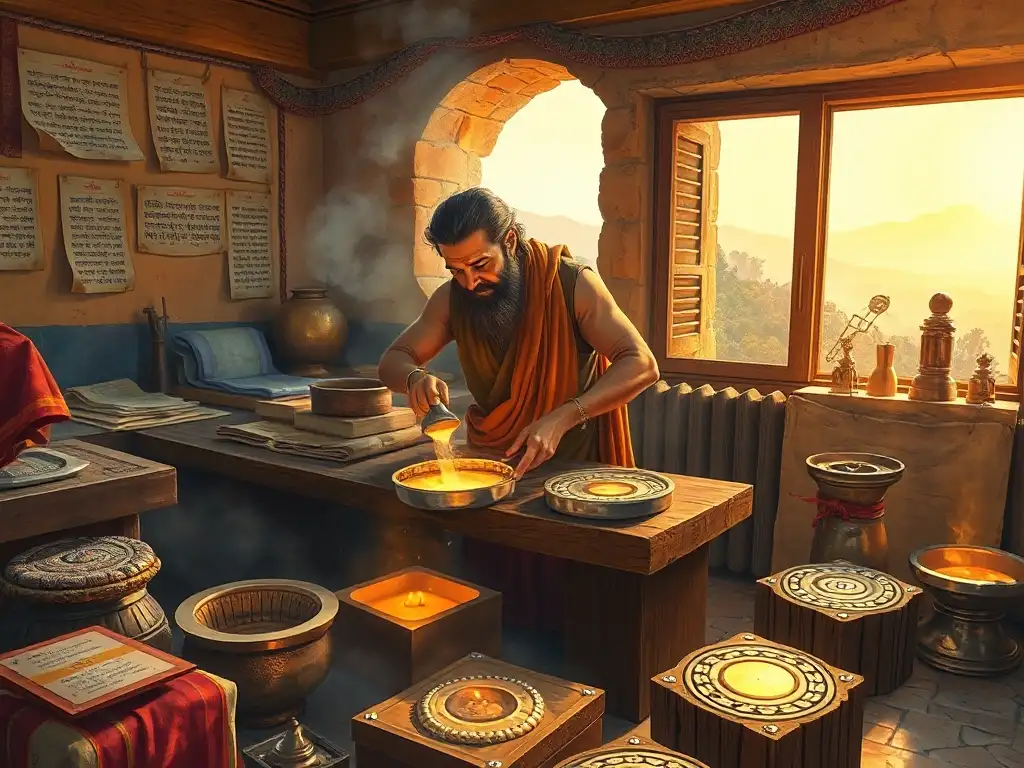
The study of metallurgy in Vedic literature offers a fascinating glimpse into the technological prowess of ancient Indian civilizations. To fully appreciate the advancements made in Vedic metallurgy, it is essential to compare these practices with those of other contemporary civilizations, specifically Ancient Egypt and Mesopotamia. This comparative analysis highlights the distinct characteristics and innovations that define Vedic metallurgy.
Comparison with Ancient Egyptian Metallurgy
Ancient Egypt is renowned for its remarkable achievements in metallurgy, particularly in the crafting of gold and copper artifacts. The Egyptians utilized a variety of techniques, such as casting and forging, to create intricate jewelry, tools, and weapons. Notably, they developed an early form of electroplating, which allowed them to cover objects with precious metals, enhancing both aesthetic appeal and value.
In contrast, Vedic literature metallurgy insights reveal a focus on the spiritual and ritualistic aspects of metalworking. Texts such as the Atharva Veda mention the significance of metals in various religious practices, emphasizing the connection between metallurgy and divine favor. The Vedic approach involved not only practical applications but also philosophical considerations, where metals were often associated with purity and power.
A few key points of comparison include:
- Materials Used:
- Egyptians primarily worked with gold, copper, and bronze.
- Vedic Metallurgy incorporated a broader range, including iron and precious metals, indicating advanced smelting techniques.
- Techniques:
- Egyptians excelled in casting and goldsmithing.
- Vedic metallurgists utilized advanced smelting and alloying techniques, as detailed in texts that discuss the production of superior quality metals.
- Cultural Context:
- Egyptian metallurgy was often tied to burial practices and the afterlife, while
- Vedic practices linked metallurgy to ritual purity and the divine, reflecting a more integrated view of technology and spirituality.
Insights from Mesopotamian Metallurgical Practices
Mesopotamia, often referred to as the cradle of civilization, also made significant contributions to metallurgy. The Sumerians, Akkadians, and Babylonians were adept at working with copper and bronze, and they are credited with some of the earliest uses of metallurgy for tools and weaponry. Archaeological findings indicate that they developed techniques for alloying and casting, leading to innovative uses of metal in warfare and agriculture.
When examining Vedic literature metallurgy insights against Mesopotamian practices, several distinctions emerge:
- Technological Development:
- Mesopotamians primarily used copper and bronze, focusing on military applications and trade.
- Vedic practitioners advanced the use of iron, which played a crucial role in agriculture and infrastructure, as indicated in texts that discuss the benefits of iron tools.
- Philosophical Underpinnings:
- Mesopotamian texts often reflect a more utilitarian approach to metallurgy, with less emphasis on spiritual significance.
- In contrast, Vedic literature imbues metallurgy with spiritual meanings, where metals are seen as gifts from the gods, thus influencing social hierarchies and rituals.
- Innovation and Legacy:
- Mesopotamians laid the groundwork for metallurgical practices that would influence neighboring cultures.
- Vedic metallurgy, with its unique combination of practical and spiritual insights, contributed to the development of metallurgy in the Indian subcontinent, influencing later dynasties such as the Mauryas and Guptas.
The comparative analysis of Vedic metallurgy with that of Ancient Egypt and Mesopotamia reveals not only the technological capabilities of these civilizations but also the cultural and philosophical contexts that shaped their metallurgical practices. The insights gleaned from Vedic literature highlight a unique perspective on metallurgy, interweaving practical applications with spiritual significance, thus enriching the historical narrative of ancient technological innovations.
Challenges and Limitations in Vedic Metallurgy
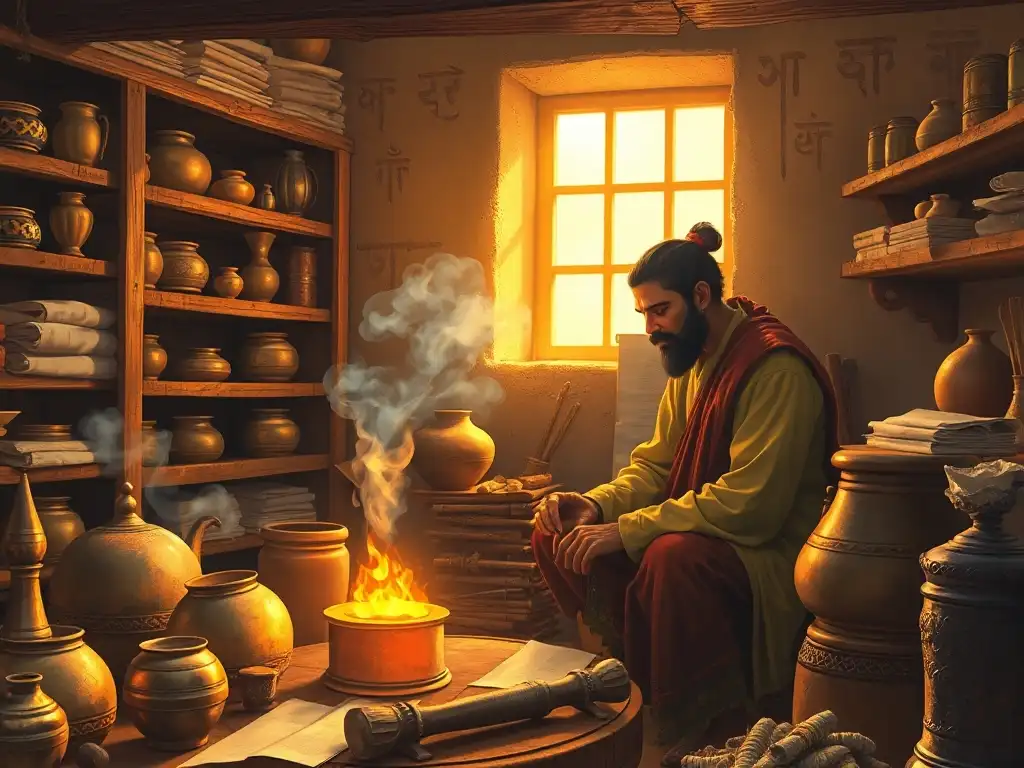
The study of Vedic literature metallurgy insights reveals a complex interplay of various challenges and limitations faced by ancient Indian civilizations in their metallurgical practices. These constraints, ranging from resource availability to technological limitations, significantly influenced the development and application of metallurgical techniques during the Vedic period.
Resource Availability and Geographical Constraints
The geographical landscape of ancient India played a crucial role in determining the availability of metallurgical resources. The Vedic civilization, flourishing around 1500-500 BCE, was primarily located in the northwestern regions of the Indian subcontinent, which featured diverse topographies ranging from the fertile plains of the Indus River to the rugged terrains of the Himalayas. This diversity impacted resource distribution, leading to several key challenges:
- Limited Access to Raw Materials: The availability of essential metals such as copper, tin, and iron was heavily reliant on geographical factors. Regions rich in these minerals were often distant from Vedic settlements, necessitating trade networks that could be precarious and unreliable.
- Environmental Conditions: Seasonal changes, such as the monsoon, affected the extraction processes. Heavy rains could disrupt mining activities and hinder transportation, resulting in sporadic supply chains for metallurgical materials.
- Sustainability of Resources: The methods of extraction and processing employed during the Vedic period were not always sustainable. Overexploitation of local resources could lead to depletion, further complicating the metallurgical landscape.
The table below summarizes the geographical challenges and their implications on resource availability in Vedic metallurgy:
| Geographical Factor | Challenge | Implication |
|---|---|---|
| Distance from Metal Sources | Limited access to necessary raw materials | Increased reliance on trade |
| Seasonal Rainfall | Disruption of mining and transportation | Inconsistent supply chains |
| Mining Techniques | Potential overexploitation of local resources | Risk of resource depletion |
Technological Limitations in Ancient Metalworking
The technological advancements of the Vedic period were remarkable; however, they were still constrained by several limitations that impacted the efficiency and effectiveness of metalworking processes. Key technological challenges included:
- Primitive Tools and Techniques: The tools used for mining and metalworking were often rudimentary. The absence of advanced machinery meant that extraction and refinement processes were labor-intensive and time-consuming. This limitation affected the scale of production and quality of metal artifacts.
- Heat Control and Alloying: Mastery over heat control was crucial for successful smelting and alloying processes. Vedic metallurgists had limited understanding and control over temperature variations required for different metallurgical processes. This constraint often led to inconsistent results in metal quality and properties.
- Knowledge Transfer and Skill Development: The transmission of metallurgical knowledge was often informal and fragmented. As a result, the skills and techniques related to metallurgy may not have been uniformly developed across regions, leading to disparities in metalworking capabilities.
- Lack of Standardization: The absence of standardized practices in metallurgy meant that different communities may have employed varying techniques. This lack of uniformity could lead to difficulties in trade and collaboration among different groups.
While Vedic literature metallurgy insights provide a glimpse into the advanced practices of ancient Indian civilizations, it is essential to acknowledge the challenges and limitations they faced. Understanding these factors not only enriches our historical perspective but also highlights the innovative spirit of those who navigated these obstacles to contribute to the field of metallurgy.
Modern Implications of Vedic Metallurgy Insights
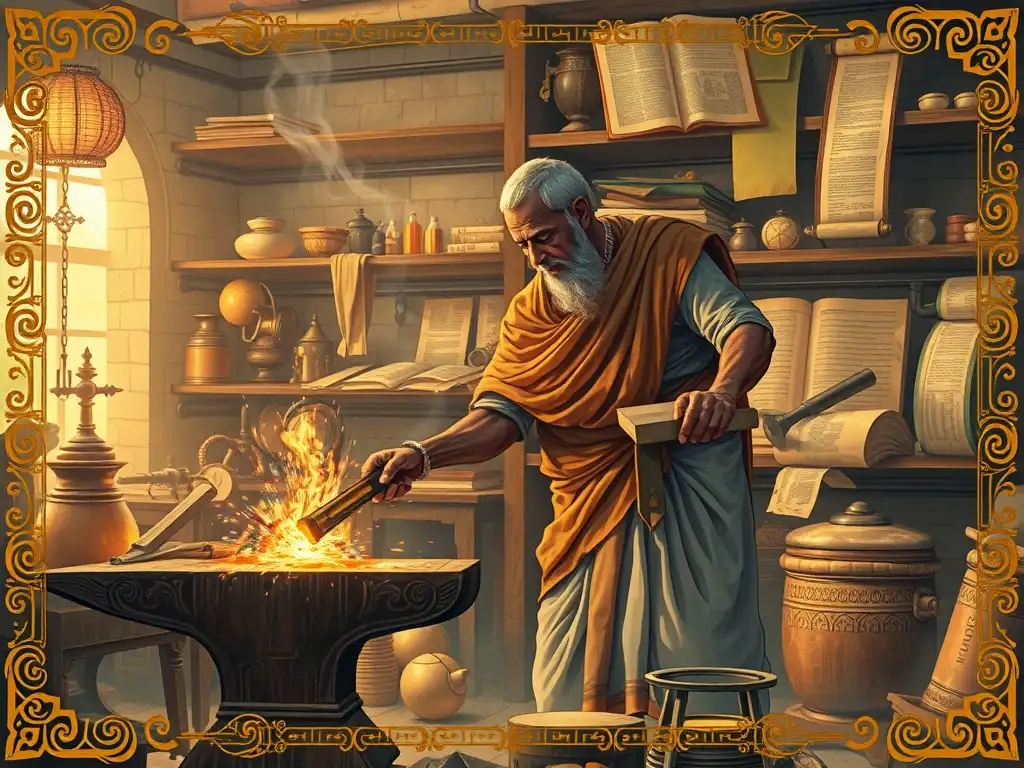
Relevance of Ancient Techniques in Contemporary Metallurgy
The insights gleaned from Vedic literature on metallurgy hold significant relevance in today's industrial practices. The ancient texts, such as the Rigveda and Atharvaveda, mention various metalworking techniques that showcase the sophistication of early Indian metallurgists. These texts not only highlight the materials used but also detail the processes involved in extracting and refining metals, particularly iron, copper, and bronze.
One of the notable aspects of Vedic metallurgy is the method of smelting, which involved intricate techniques to ensure high-quality metal production. For instance, the mention of "Ayas", a term often associated with copper and bronze, indicates a deep understanding of alloying processes. The Vedic texts suggest that ancient metallurgists were skilled in creating various alloys that enhanced durability and resistance to corrosion—properties that are highly sought after in modern metallurgy.
Moreover, the ancient methods of metalworking, such as forge welding and casting, resonate with contemporary practices. Modern metallurgists are increasingly exploring these traditional techniques as they seek eco-friendly and sustainable approaches to metal production. By studying ancient texts, researchers can uncover time-tested strategies that minimize waste and optimize resource use, aligning with current sustainability goals.
Lessons from Vedic Practices for Modern Material Science
The Vedic literature offers invaluable lessons that can be applied to modern material science. One of the critical insights is the emphasis on purity of materials. The ancient texts underscore the importance of using high-quality ores and maintaining cleanliness during the metallurgical process. This principle remains relevant today as researchers focus on enhancing the purity of metals to achieve superior material properties.
Additionally, the Vedic texts discuss heat treatment techniques, which involve the controlled heating and cooling of metals to alter their physical and mechanical properties. These practices laid the groundwork for modern methods such as quenching and tempering, which are pivotal in developing strong and resilient materials. Understanding the rationale behind these ancient procedures can inspire innovative solutions in today's material engineering.
Furthermore, the holistic approach evident in Vedic metallurgy—integrating spiritual and practical aspects—encourages modern scientists to consider the broader implications of their work. This perspective fosters a more conscientious approach to material science, prompting researchers to think about the environmental and societal impacts of their innovations.
The metallurgical insights found in Vedic literature provide a rich tapestry of knowledge that can inform contemporary practices in metallurgy and material science. By revisiting these ancient techniques and philosophies, we can uncover sustainable and effective strategies to enhance modern metallurgical processes.
Conclusion: The Legacy of Vedic Literature Metallurgy Insights
The exploration of metallurgy within Vedic literature provides a profound understanding of the technological advancements and cultural practices of ancient Indian civilizations. This rich body of texts not only reveals the practical applications of metallurgy but also illustrates the philosophical and spiritual dimensions associated with metalworking. The insights gleaned from these ancient scriptures underscore the significance of metallurgy as a foundational element in the development of Indian society.
Summary of Key Findings
- Metallurgical Techniques:
- The Vedic texts document various metallurgical techniques, including smelting, alloying, and the creation of tools and ornaments. They detail the processes of extracting metals such as copper, gold, and iron, showcasing a sophisticated understanding of materials.
- Evidence suggests that ancient Indian metallurgists employed advanced practices, such as the use of furnaces and crucibles, which facilitated the production of high-quality metal artifacts.
- Cultural Significance:
- Metals held a prominent status within Vedic society, symbolizing wealth, power, and divinity. The texts often associate certain metals with deities, emphasizing their sacred nature.
- Rituals and ceremonies frequently incorporated metallic objects, highlighting their role in cultural and religious practices.
- Philosophical Insights:
- Vedic literature reflects a philosophical approach to metallurgy, where the transformation of raw materials into refined products parallels spiritual growth and enlightenment.
- The metaphors used in these texts suggest a deep connection between the material and the spiritual realms, illustrating how metallurgy was viewed as a means to achieve higher consciousness.
By synthesizing these key findings, it becomes evident that Vedic literature provides invaluable insights into the metallurgy of ancient India, revealing not only the technical competencies of the time but also the cultural and philosophical frameworks that shaped these practices.
Future Research Directions in Vedic Metallurgy Studies
To further enhance our understanding of Vedic literature metallurgy insights, several research directions can be pursued:
- Archaeological Investigations:
- Conducting targeted excavations at significant archaeological sites can yield artifacts that complement the textual evidence. These findings can help establish a more comprehensive picture of ancient metallurgical practices.
- Interdisciplinary Studies:
- Collaborating with materials scientists and historians can foster a multidisciplinary approach, allowing for a deeper analysis of the metallurgical techniques referenced in Vedic texts. Techniques such as modern metallography could be employed to study ancient artifacts.
- Comparative Analyses:
- Comparing Vedic metallurgical practices with those of contemporaneous civilizations, such as the Mesopotamian and Egyptian cultures, could reveal cross-cultural exchanges and innovations that influenced the development of metallurgy.
- Digital Humanities:
- Utilizing digital resources and analytical tools to examine Vedic texts can uncover patterns and insights that might be overlooked in traditional studies. Text mining and data visualization techniques can illuminate the relationships between various metallurgical references within the literature.
By pursuing these avenues, scholars can continue to unveil the complexities and richness of metallurgy in Vedic literature, further solidifying its place in the historical narrative of ancient Indian technology and culture.
Frequently Asked Questions
What is Vedic literature?
Vedic literature refers to the sacred texts of ancient India, primarily composed in Sanskrit, which include the Vedas, Upanishads, and other texts that provide insights into spirituality, rituals, and philosophy.
How does Vedic literature relate to metallurgy?
Vedic literature contains references to metallurgy, showcasing ancient techniques and practices, particularly in the use of metals like gold, silver, and copper, which highlight the technological advancements of the time.
What insights into metallurgy can be found in Vedic texts?
The texts reveal knowledge of metalworking, including alloying techniques and the significance of metals in rituals, demonstrating the cultural importance of metallurgy in ancient Indian society.
Why is metallurgy significant in ancient Indian civilization?
Metallurgy played a crucial role in economic development, trade, and artistic expression. It also contributed to advancements in tools and weaponry, which were essential for civilizational progress.
How has the understanding of Vedic metallurgy evolved over time?
Research in archeology and historical studies has expanded our understanding of Vedic metallurgy, revealing innovative techniques and cultural practices that highlight the sophistication of ancient Indian civilizations.
Final Reflection: Unveiling the Timeless Wisdom of Vedic Metallurgy
In exploring the metallurgy insights found in Vedic literature, we uncover a rich tapestry of knowledge that resonates profoundly in today's world. The ancient texts not only reveal the advanced understanding of materials and techniques but also highlight the philosophical underpinnings that connect science and spirituality. This intersection of knowledge serves as a reminder that our quest for understanding the physical world is deeply intertwined with our cultural and spiritual identities.
The influence of Vedic metallurgy extends beyond historical curiosity; it continues to shape our cultural and social landscape. By recognizing the sophistication of ancient practices, we can appreciate the ingenuity of our ancestors and their contributions to modern science. As we delve into these texts, we realize that the wisdom contained within them is not merely a relic of the past but a guiding light for contemporary innovation. The study of ancient texts reveals not just what was known, but how knowledge was revered and passed down through generations.
As we conclude this exploration, I invite you to reflect on the lessons embedded in Vedic literature and consider how they can inspire your own journey. Embrace the idea that knowledge is a living entity, one that evolves as we engage with it. Let the insights of metallurgy from ancient times encourage you to seek connections between the past and present, and to apply these timeless principles in your own life. Together, let us honor the wisdom of our ancestors and harness it to forge a brighter future.
Unveil the Secrets of Vedic Metallurgy Today!
Thank you for taking the time to explore the fascinating insights of metallurgy in Vedic literature. You've gained a unique perspective on how ancient wisdom informs our understanding of materials and crafting techniques. Now, let’s turn your newfound knowledge into action!
Here are some **exciting ways** to deepen your exploration:
- Dive deeper into the past: Research specific Vedic texts that detail metallurgical practices. Consider reading works that provide a broader context of ancient Indian craftsmanship.
- Engage with the community: Share this article with friends or on social media to spark discussions about ancient technologies and their relevance today.
- Experiment for yourself: Try a simple metallurgy project at home using everyday materials to see the principles of ancient techniques applied in real-time.
What ancient practice inspires you most, and how do you envision incorporating its principles into modern life?