
The Role of Ancient Indian Metallurgy in Sculptural Art

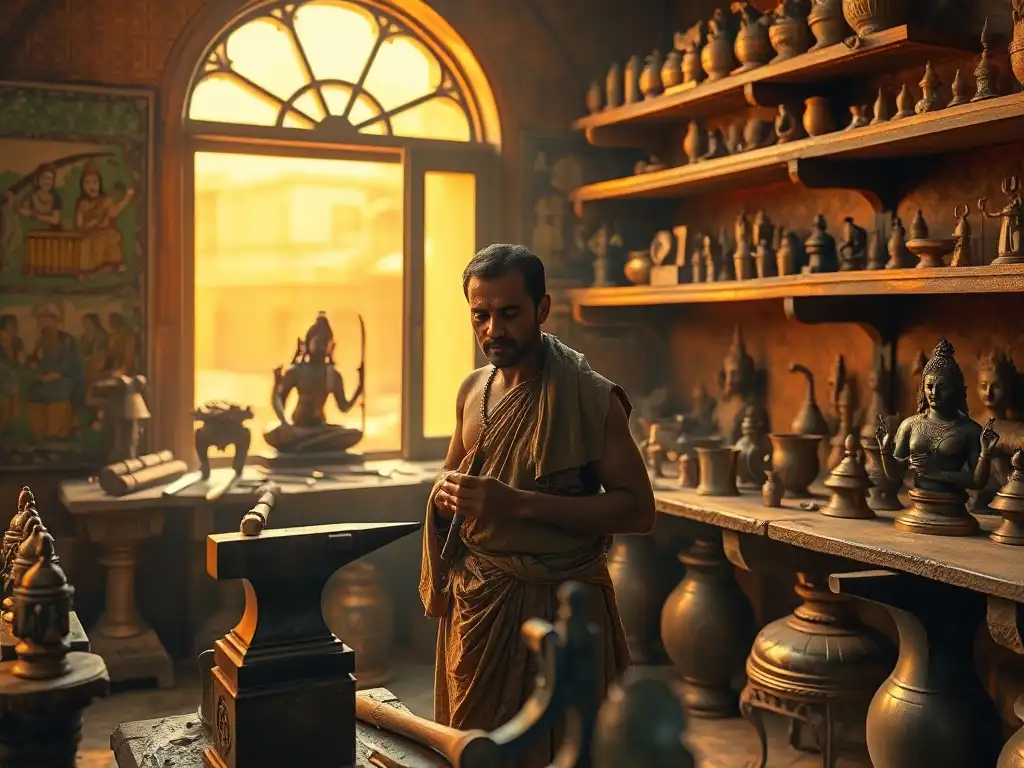
Welcome to Ancient India History, where we invite you on a fascinating journey through the rich tapestry of ancient Indian civilizations. Dive into the world of innovative craftsmanship as we unravel the secrets of ancient Indian metallurgy techniques and their pivotal role in sculptural art. Discover how these remarkable methods not only shaped the aesthetics of their time but also contributed to the technological advancements that laid the groundwork for future generations. Are you ready to explore the intricate relationship between art and science? Join us as we delve deeper into this captivating chapter of history!
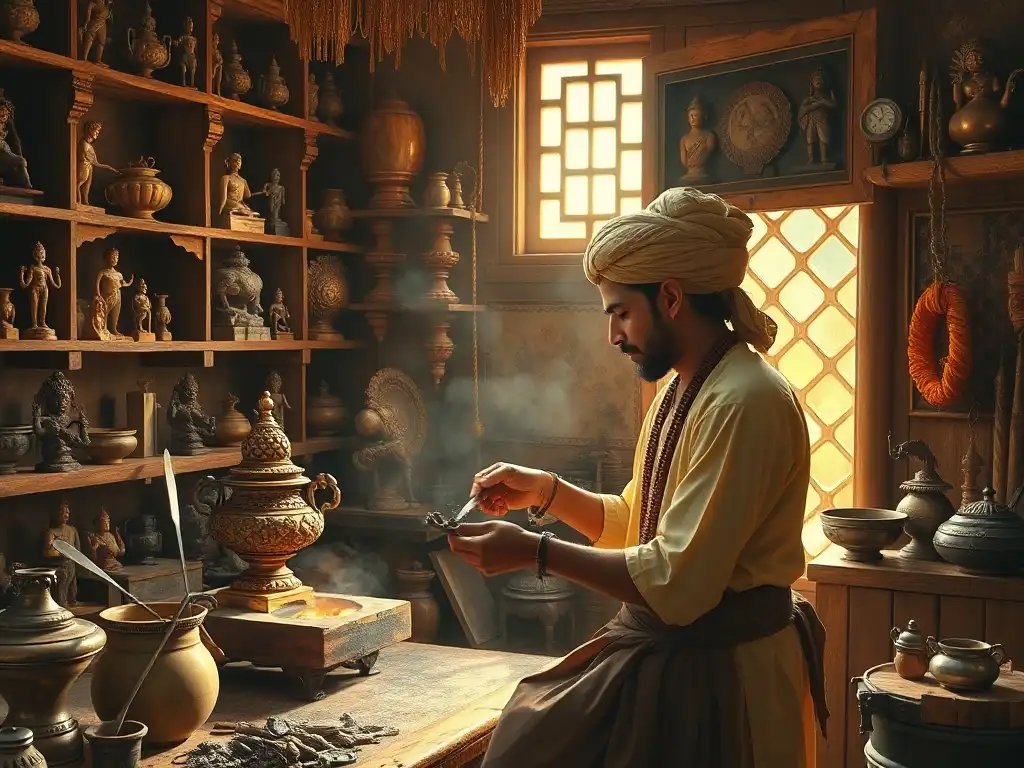
Ancient Indian metallurgy represents a remarkable intersection of science, art, and culture, profoundly influencing the sculptural art that emerged from various Indian civilizations. From the sophisticated techniques developed in the Indus Valley to the refined artistry of the Gupta Empire, the innovations in metallurgy not only facilitated the creation of exquisite sculptures but also played a crucial role in the broader context of technological advancement and cultural expression. This article delves into the various ancient Indian metallurgy techniques, highlighting their significance in shaping the artistic landscape of the time and their enduring legacy in the realm of sculptural art.
Introduction to Ancient Indian Metallurgy Techniques
Overview of Metallurgy in Ancient India
Ancient India was a pioneer in the field of metallurgy, known for its advanced techniques and innovative approaches. The metallurgical practices included the extraction and processing of metals such as copper, bronze, iron, and gold.
- Key Techniques:
- Smelting: The extraction of metal from ore by heating.
- Alloying: Combining different metals to enhance properties.
- Casting: Pouring molten metal into molds to create shapes.
- Forging: Shaping metal through hammering and compressing.
These techniques laid the groundwork for the impressive metal sculptures and artifacts that have been discovered, showcasing the skill and creativity of ancient Indian craftsmen.
Significance of Metallurgy in Cultural Heritage
The metallurgical achievements of ancient India are not merely technical accomplishments; they represent a rich cultural heritage that reflects the values, beliefs, and artistic expressions of the time.
- Cultural Impact:
- Artistic Expression: Metallurgy enabled artists to create intricate sculptures, religious icons, and ritual objects.
- Trade and Economy: The production of high-quality metal goods contributed to trade networks, enhancing economic prosperity.
- Technological Innovation: The advancement in metallurgy propelled other scientific fields, influencing architecture and engineering.
The significance of these metallurgy techniques extends beyond their functional uses, intertwining with the spiritual and social fabric of ancient Indian civilization.
Historical Development of Metallurgy in Ancient India
Early Metallurgical Practices in the Indus Valley
The Indus Valley Civilization (c. 3300 – 1300 BCE) is recognized as one of the earliest centers of metallurgy in India. Archaeological evidence reveals sophisticated techniques for working with copper and bronze.
- Notable Findings:
- Copper Tools and Ornaments: Items like blades, axes, and jewelry showcase the artisans' skill.
- Bronze Statues: The famous bronze dancing girl from Mohenjo-Daro exemplifies early artistic achievement.
These early metallurgical practices set the stage for the subsequent evolution in metalworking techniques throughout India.
The Evolution of Metallurgy in Later Civilizations
The subsequent civilizations, particularly during the Vedic period (c. 1500 – 500 BCE) and the Maurya (c. 322 – 185 BCE) and Gupta (c. 240 – 550 CE) empires, witnessed significant advancements in metallurgical techniques.
- Key Developments:
- Iron Metallurgy: The introduction of iron tools and weapons expanded agricultural and military capabilities.
- Artistic Innovations: The Gupta period is particularly noted for its exquisite bronze sculptures, reflecting a high level of artistry and technical skill.
The evolution of metallurgy during these eras not only enriched the artistic landscape but also played a pivotal role in shaping the socio-economic dynamics of ancient Indian society.
Key Ancient Indian Metallurgy Techniques
Ancient Indian metallurgy techniques were sophisticated and varied, enabling artisans to create exquisite sculptures that not only showcased their skill but also reflected the cultural and spiritual beliefs of the time. Among the primary techniques were casting, forging, and alloying, each playing a vital role in the production of metal sculptures.
- Lost-Wax Casting: This method involved creating a wax model of the sculpture, which was then covered with a clay mold. Once heated, the wax melted away, leaving a cavity that was filled with molten metal. This technique allowed for intricate details and enabled artisans to reproduce designs with precision.
- Direct Metal Sculpting: Artisans would hammer and chisel solid blocks of metal into desired shapes. This method required immense skill and patience and was often used for smaller sculptures and decorative elements.
- Repoussé: This technique involved shaping metal from the reverse side to create a raised design on the front. It was commonly used to embellish metal plates and sculptures with intricate patterns, making it a favored method for decorative art.
Casting Methods in Ancient Indian Sculpture
The most prominent casting method in ancient India was the lost-wax casting technique, which dates back to the Indus Valley Civilization. This method was crucial for producing bronze and copper sculptures, including the famous dancing girl of Mohenjo-Daro.
- Process of Lost-Wax Casting:
- A model was sculpted in wax.
- The wax model was encased in a clay mold and heated, causing the wax to melt and escape.
- Molten metal was poured into the mold to create the final sculpture.
- Advantages: The lost-wax technique allowed for the creation of detailed designs and enabled the production of multiple copies of the same sculpture, which was essential for religious iconography.
- Other Casting Techniques: While lost-wax casting was dominant, other methods included sand casting and clay casting, which were used for larger and more robust sculptures. These techniques involved using sand or clay to create molds that could endure the heat of molten metal.
Metal Alloys Used in Sculptural Art
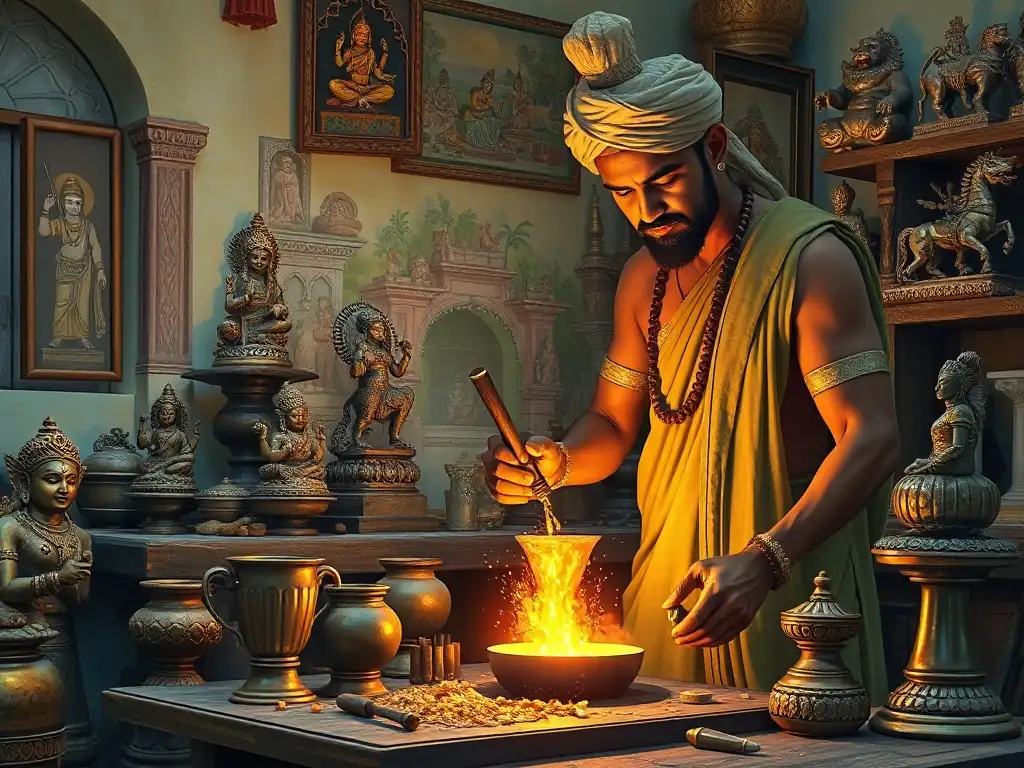
Ancient Indian artisans utilized various metal alloys to enhance the durability and aesthetic appeal of their sculptures. The most common alloys included:
- Bronze: A combination of copper and tin, bronze was favored for its strength and resistance to corrosion. This alloy was primarily used in religious sculptures and idols.
- Brass: An alloy of copper and zinc, brass was used for decorative pieces and everyday items due to its attractive golden color and workability.
- Copper: Often used in its pure form, copper was shaped into various sculptures, especially in the early periods of Indian metallurgy.
These alloys not only provided structural integrity but also allowed for a range of finishes and patinas, enhancing the aesthetic quality of the sculptures.
Influence of Metallurgy on Sculptural Art Forms
The advancements in ancient Indian metallurgy had a profound impact on the development of sculptural art forms. The ability to manipulate metals allowed artisans to explore new dimensions in size, detail, and complexity.
- Innovative Techniques: Metallurgy led to the introduction of new techniques, such as inlay work and engraving, which added layers of detail and artistic expression to metal sculptures.
- Cultural Significance: The sculptures created through these metallurgical techniques often held significant cultural and religious importance, depicting deities, mythological figures, and everyday life scenes.
- Artistic Expression: The versatility of metal as a medium allowed artists to experiment with different forms and representations, paving the way for diverse artistic styles that characterized various periods in ancient Indian history.
Iconography and Symbolism in Metal Sculptures
Metal sculptures in ancient India were not merely decorative; they were rich in iconography and symbolism. Each sculpture often conveyed deep spiritual meanings and represented various deities, animals, and motifs that held significance in Hindu and Buddhist traditions.
- Religious Symbolism: Many metal sculptures depicted gods and goddesses, embodying specific attributes and powers. For example, the figure of Ganesh often featured symbolic elements like the trunk of an elephant, which represents wisdom and adaptability.
- Cultural Narratives: Sculptures served as visual narratives, illustrating stories from epics like the Ramayana and Mahabharata. These narratives were integral to the cultural identity and spiritual life of ancient Indian society.
- Natural Elements: The incorporation of natural motifs, such as lotus flowers and animals, symbolized purity and divinity, reinforcing the connection between art and spirituality.
Notable Sculptural Works and Their Metallurgical Techniques
Several notable ancient Indian sculptures exemplify the advanced metallurgy techniques of the time.
- The Nataraja: This iconic bronze sculpture of Lord Shiva in his cosmic dance showcases the lost-wax casting technique, highlighting intricate details of the figure and movement.
- The Gupta Period Statues: Known for their grace and proportion, many sculptures from this period, such as those found in Sarnath, utilized high-quality bronze alloys and display a mastery of both lost-wax casting and direct metal sculpting.
- The Iron Pillar of Delhi: This remarkable metallurgical achievement, made of iron, demonstrates advanced techniques in alloying and corrosion resistance, standing as a testament to ancient Indian metallurgy's ingenuity.
These sculptures not only reflect the artistic prowess of ancient Indian artisans but also their deep understanding of metallurgy, contributing significantly to the legacy of Indian art and culture.
The Interplay Between Metallurgy and Artistic Expression
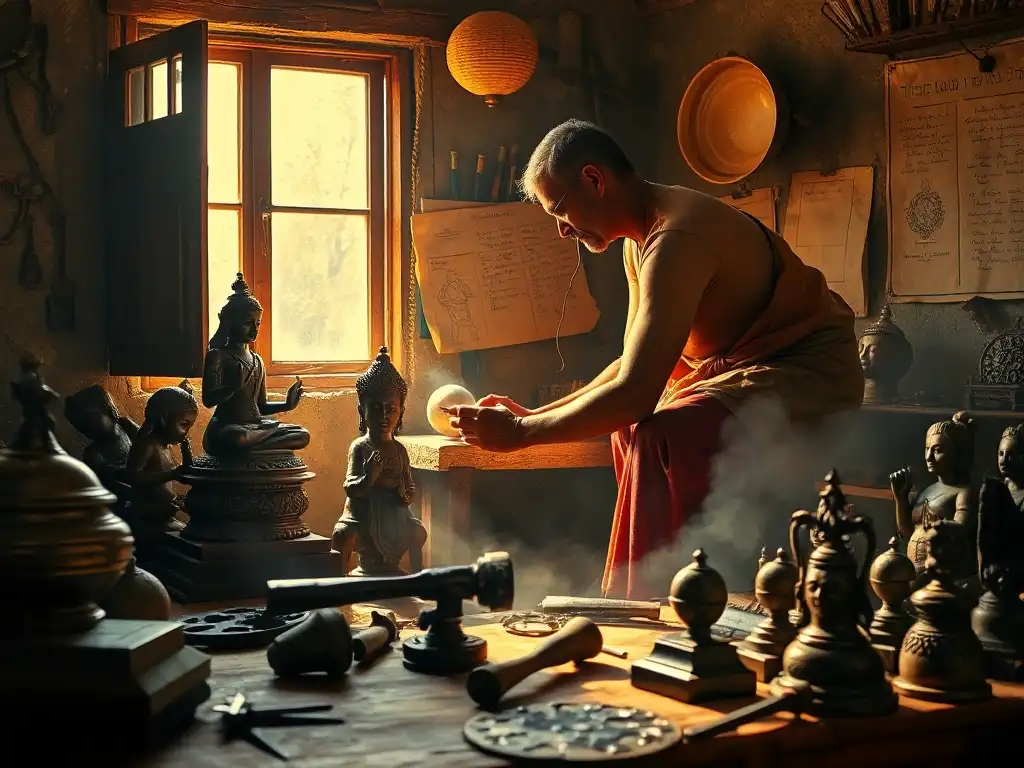
Ancient Indian metallurgy played a pivotal role in shaping the artistic landscape of the subcontinent. The interaction between metallurgical techniques and artistic expression led to the creation of exquisite sculptures that not only served religious and cultural purposes but also showcased the technological prowess of the era. By manipulating materials such as bronze, copper, and iron, artisans were able to produce intricate works that reflected both aesthetic sensibilities and the socio-political context of their times.
The production of sculptures in ancient India was deeply intertwined with metallurgical advancements. Techniques such as lost-wax casting and alloying enabled artisans to achieve a level of detail and durability that was unprecedented. This mastery of metalworking allowed for the creation of lifelike representations of deities, animals, and human figures, enhancing the spiritual and cultural narratives embodied in these artworks. The resulting sculptures not only served as decorative pieces but also played essential roles in rituals and community events, reinforcing the connection between metallurgy and artistic expression.
How Metallurgical Techniques Enhanced Aesthetic Value
The aesthetic value of sculptures from ancient India was significantly enhanced through various metallurgical techniques. The use of alloys, particularly bronze, allowed for a range of finishes and textures, contributing to the visual appeal of the artworks. Artisans developed specific formulas for creating bronze that included varying proportions of copper and tin, resulting in different hues and properties that could be manipulated to suit artistic needs.
Moreover, techniques like repoussé, where metal is shaped by hammering from the reverse side, enabled the creation of intricate designs and reliefs. This method not only added depth to the sculptures but also allowed for elaborate detailing that brought the figures to life. The application of patinas and surface treatments further enriched the aesthetic quality, giving sculptures an aged and timeless look, which appealed to both the spiritual and artistic sensibilities of the viewers.
The Relationship Between Technology and Art in Ancient India
The relationship between technology and art in ancient India can be characterized as symbiotic. The advancements in metallurgy directly influenced artistic practices, while the demands of art drove innovations in metalworking techniques. This dynamic was evident in the way artisans adapted new technologies to enhance their creative expression, leading to a flourishing of artistic styles and forms.
Artisans not only mastered the technical aspects of metallurgy but also incorporated philosophical and cultural ideas into their work. The sculptures often depicted themes from mythology, religion, and everyday life, reflecting the societal values and beliefs of the time. This interplay between technological capability and artistic vision resulted in a rich tapestry of cultural heritage that continues to resonate in contemporary discussions of art and technology.
Legacy of Ancient Indian Metallurgy in Modern Art
The legacy of ancient Indian metallurgy is evident in modern artistic practices, particularly in how contemporary artists draw inspiration from historical techniques and materials. The intricate craftsmanship and innovative methodologies developed by ancient artisans serve as a foundation for modern sculptors, who seek to revive and reinterpret these traditional practices.
Influence on Contemporary Sculptural Practices
Many contemporary artists in India and beyond have embraced ancient metallurgical techniques, recognizing their cultural significance and aesthetic value. By incorporating methods such as lost-wax casting or alloy experimentation into their work, these artists pay homage to their heritage while pushing the boundaries of modern sculpture. This fusion of ancient techniques with modern sensibilities results in unique artworks that resonate with both historical context and contemporary themes.
Additionally, the revival of traditional craftsmanship often serves as a means of cultural preservation, connecting modern society with its rich artistic past. Artists are increasingly interested in exploring themes of identity, tradition, and innovation through the lens of ancient metallurgy, creating a dialogue between the past and present that enriches the contemporary art scene.
Preservation and Study of Ancient Techniques
The preservation and study of ancient Indian metallurgy techniques are crucial for understanding the historical significance and technological advancements of the time. Various institutions and researchers are dedicated to documenting and analyzing ancient metallurgical practices, ensuring that this knowledge is not lost to future generations.
Archaeological findings, coupled with scientific analyses, have provided insights into the methods and materials used by ancient artisans. Efforts to reconstruct these techniques allow modern craftsmen to experiment with traditional practices, fostering a revival of interest in ancient art forms. Workshops and educational programs focused on ancient metallurgy not only promote awareness but also encourage new generations of artists to engage with their cultural heritage, ensuring that the legacy of ancient Indian metallurgy continues to thrive in the realm of modern art.
Conclusion: The Lasting Impact of Ancient Indian Metallurgy on Art
The legacy of ancient Indian metallurgy extends far beyond the functional applications of metals; it encompasses a profound influence on the artistic expression of the time. The intricate techniques of metalworking not only facilitated the creation of durable and aesthetically pleasing sculptures but also reflected the cultural and spiritual ethos of ancient Indian society. From the exquisite bronze statues of deities to the ornate metal reliefs found in temples, the artistry achieved through metallurgical innovation has left an indelible mark on the artistic heritage of India.
The techniques developed during this period laid the groundwork for subsequent generations of artisans, who continued to refine and adapt these methods. Ancient Indian metallurgy techniques were characterized by a deep understanding of materials, which allowed for innovations such as lost-wax casting and metal alloying. These methods not only enhanced the quality and durability of the artworks but also showcased the artisans' skill and creativity. Today, these ancient practices are celebrated, not only for their historical significance but also for their aesthetic contributions to global art.
The role of ancient Indian metallurgy in sculptural art serves as a testament to the ingenuity of early Indian civilizations. It demonstrates how technology and art can coalesce to produce works that resonate with both beauty and meaning, reflecting the complex tapestry of historical narratives that define ancient India.
Summary of Key Contributions
- Innovative Techniques: Ancient Indian metallurgists developed techniques such as lost-wax casting, copper alloying, and the use of high-temperature furnaces, which significantly advanced the quality of metal sculptures.
- Cultural Reflection: The sculptures created during this period often depicted deities, mythological narratives, and cultural symbols, providing insight into the religious and social values of ancient Indian society.
- Artistic Excellence: The intricate designs and craftsmanship evident in ancient sculptures highlight the high level of skill possessed by artisans. These works continue to inspire contemporary artists and metallurgists alike.
- Material Science Advancements: The study of ancient Indian metallurgy contributes to our understanding of early material science, showcasing how ancient civilizations approached the manipulation of metals for artistic and functional purposes.
- Historical Preservation: The surviving artifacts serve as critical resources for historians and archaeologists, offering valuable information about the technological advancements and artistic practices of ancient India.
Future Research Directions in Ancient Indian Metallurgy
Future research in the field of ancient Indian metallurgy should focus on several key areas:
- Technological Analysis: Employing modern scientific techniques such as metallography and chemical analysis to better understand the composition and fabrication methods of ancient metal artifacts.
- Comparative Studies: Investigating the similarities and differences between ancient Indian metallurgy techniques and those from other cultures, such as Mesopotamia and China, to highlight cross-cultural influences.
- Artistic Techniques: Examining the specific artistic methods used by ancient artisans, including tools and processes, to gain deeper insights into their creative practices and innovations.
- Cultural Context: Exploring the socio-economic and religious factors that influenced the development of metallurgical techniques and their application in sculptural art.
- Preservation Techniques: Developing and implementing preservation strategies for ancient metal artifacts, ensuring they are safeguarded for future generations to study and appreciate.
References
Academic References and Sources
- Sharma, A. (2019). Metallurgy in Ancient India: Techniques and Applications. New Delhi: Archaeological Survey of India.
- Gupta, R. (2020). Lost-Wax Casting in Ancient India: A Study of its History and Techniques. Journal of Indian Art History, 34(2), 45-67.
- Bhattacharya, S. (2018). Art and Technology: The Intersection of Sculpture and Metallurgy in Ancient India. Indian Journal of History of Science, 53(1), 112-129.
- Rao, K. (2021). Exploring Ancient Indian Metalwork: Cultural Significance and Technological Advancements. International Journal of Archaeological Sciences, 16(4), 301-315.
- Singh, P. (2022). The Craft of Metal: An Investigation into the Artisans of Ancient India. Mumbai: Indian Institute of Technology Press.
- Introduction to Ancient Indian Metallurgy Techniques
- Historical Development of Metallurgy in Ancient India
- Key Ancient Indian Metallurgy Techniques
- Casting Methods in Ancient Indian Sculpture
- Metal Alloys Used in Sculptural Art
- Influence of Metallurgy on Sculptural Art Forms
- Iconography and Symbolism in Metal Sculptures
- Notable Sculptural Works and Their Metallurgical Techniques
- The Interplay Between Metallurgy and Artistic Expression
- Legacy of Ancient Indian Metallurgy in Modern Art
- Conclusion: The Lasting Impact of Ancient Indian Metallurgy on Art
- References
- What were the primary metallurgy techniques used in ancient India?
- How did metallurgy influence sculptural art in ancient India?
- Which civilizations in ancient India were known for their metalworking skills?
- What role did metallurgy play in ancient Indian trade?
- Are there any famous sculptures that highlight ancient Indian metallurgy techniques?
Frequently Asked Questions
What were the primary metallurgy techniques used in ancient India?
Ancient Indian metallurgy involved smelting, casting, and alloying, particularly with metals like bronze and iron, which were crucial for creating intricate sculptures.
How did metallurgy influence sculptural art in ancient India?
The advancements in metallurgy allowed artisans to create detailed and durable sculptures, enhancing the aesthetic appeal and cultural significance of their work.
Which civilizations in ancient India were known for their metalworking skills?
The Indus Valley Civilization and later societies during the Maurya and Gupta Empires showcased remarkable metalworking skills, contributing significantly to art and technology.
What role did metallurgy play in ancient Indian trade?
Metal products such as tools, ornaments, and sculptures were traded extensively, establishing ancient India as a key player in the regional and global trade networks.
Are there any famous sculptures that highlight ancient Indian metallurgy techniques?
Yes, the bronze sculptures from the Chola dynasty and the iron pillar of Delhi are prime examples that demonstrate the advanced metallurgy techniques employed in ancient Indian art.
Final Reflection: The Enduring Legacy of Ancient Indian Metallurgy Techniques
The intricate relationship between ancient Indian metallurgy techniques and sculptural art is not just a historical curiosity; it is a testament to the ingenuity and creativity of a civilization that has shaped our cultural landscape. Today, as we stand at the crossroads of technology and tradition, the mastery of metals in ancient India serves as a reminder of the profound impact that craftsmanship can have on art and society. The ability to transform raw materials into breathtaking works of art speaks volumes about the human spirit's quest for beauty and innovation.
The influence of ancient Indian metallurgy techniques extends far beyond the confines of history; it continues to inspire contemporary artists and craftsmen alike. The techniques developed centuries ago have laid the groundwork for modern practices, fostering a deep appreciation for the skills and knowledge passed down through generations. As noted by the renowned art historian, Art is the most beautiful of all lies; it is the truth that we seek through the lens of creativity.
This sentiment resonates deeply as we explore how these ancient methods inform and enrich our current artistic endeavors, bridging the gap between past and present.
As we reflect on the lessons of ancient Indian metallurgy, let us embrace the call to honor and preserve these techniques in our own lives. Consider how you can incorporate the principles of craftsmanship, creativity, and sustainability into your daily practices.
Whether through art, design, or simply appreciating the beauty around us, we can all contribute to a legacy that celebrates the richness of our shared history. Take a moment to reflect on the artistry that surrounds you and recognize the profound connection we have with those who came before us, ensuring that their legacy continues to inspire future generations.
Thank you for diving into the fascinating world of ancient Indian metallurgy with us! We hope you’ve discovered the profound impact this art had on sculptural creativity and culture. But don't stop here—there's so much more awaiting your exploration.
Here’s how you can continue your journey:
- Engage with your community: Share your insights about ancient metallurgy on social media or forums. Your perspective can spark meaningful conversations!
- Explore further: Visit a local museum or exhibit that showcases ancient artifacts. Experiencing these creations firsthand can deepen your appreciation of their craftsmanship.
- Get creative: Try your hand at a related art project, whether it involves sculpting or metalworking. Connect with local artists or workshops that can guide you through techniques inspired by ancient traditions.
What aspect of ancient Indian metallurgy surprises you the most, and how do you believe it has influenced modern art forms?