
The Mystique of Ancient Indian Agricultural Rituals and Their Innovations


Welcome to Ancient India History, where we embark on a fascinating journey through the rich tapestry of India's past. Dive deep into the mystique of ancient Indian agricultural practices, a cornerstone of civilization that not only sustained communities but also spurred innovations that resonate to this day. From the ingenious irrigation techniques of the Indus Valley to the agrarian rituals of the Gupta Empire, this exploration unveils the profound relationship between culture and agriculture.
Curious about how these practices shaped society and influenced modern techniques? Join us as we unravel the remarkable stories behind these ancient innovations and their enduring legacy.
Introduction to Ancient Indian Agricultural Practices
Ancient Indian agricultural practices are a fascinating blend of tradition, innovation, and spirituality that have profoundly shaped the subcontinent's socio-economic fabric. From the fertile plains of the Indus Valley to the lush landscapes of the Gangetic basin, agriculture has been the backbone of civilization in India for thousands of years. The agricultural rituals, often intertwined with religious and cultural beliefs, reflect a deep respect for nature and the cycles of life. These practices not only ensured the sustenance of communities but also laid the groundwork for technological advancements in farming techniques, crop management, and irrigation systems.
The significance of these agricultural rituals can be seen in their holistic approach, where farming was not merely a means of survival but a way to honor the earth and its bounty. The ancient agrarian societies utilized a variety of methods, including crop rotation, organic fertilizers, and innovative irrigation techniques, which contributed to the sustainability of their agricultural practices. As we delve into the mystique surrounding these rituals, it becomes evident that they encapsulate not only the practical aspects of farming but also the rich cultural ethos of ancient Indian civilization.
Historical Context of Agricultural Innovations in Ancient India
To understand the evolution of agricultural practices in ancient India, we must first explore the historical backdrop that fostered these innovations. The early agricultural communities in India, particularly those in the Indus Valley Civilization (circa 3300–1300 BCE), demonstrated advanced farming techniques that were revolutionary for their time. Archaeological finds reveal evidence of sophisticated irrigation systems, granaries, and tools that indicate a high level of agronomic knowledge.
In addition to these practical advancements, the socio-political landscape played a crucial role in shaping agricultural practices. The establishment of trade routes and urban centers during the Maurya and Gupta Empires facilitated the exchange of agricultural innovations across regions. This period saw the introduction of new crops, such as rice and sugarcane, along with the development of various farming instruments, including the plow and sickle, which enhanced productivity.
The integration of agrarian rituals with seasonal cycles also underscored the importance of agriculture in daily life. Festivals and ceremonies were often aligned with planting and harvest times, reinforcing communal bonds and cultural identity. These practices not only celebrated the agricultural calendar but also invoked blessings for fertility and prosperity, showcasing the deep interconnection between spirituality and sustenance in ancient Indian society.
By examining the historical context of these agricultural innovations, we gain insight into how ancient Indian civilizations ingeniously adapted to their environment, ensuring food security while laying the groundwork for future advancements in agriculture.
Major Agricultural Rituals in Ancient India
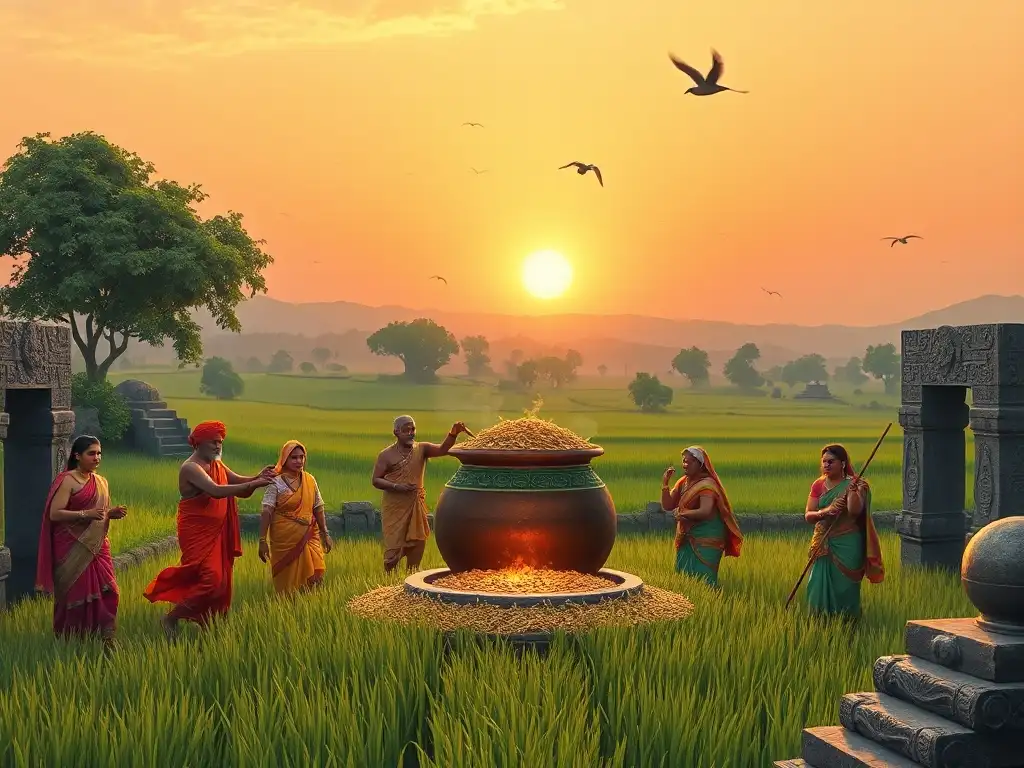
Ancient Indian agricultural practices were deeply intertwined with rituals and ceremonies that aimed to ensure successful harvests and sustain the fertility of the land. These rituals were not merely superstitions; they were rooted in the community's understanding of seasonal cycles, environmental changes, and the spiritual realms. The agrarian society of ancient India revered nature and sought blessings from deities to protect their crops and secure prosperity.
Rituals often included offerings, prayers, and communal festivities, fostering a sense of unity among farmers. Each ritual was tailored to specific agricultural needs, reflecting the agricultural calendar and varying regional practices. The significance of these rituals extended beyond agriculture; they were crucial in shaping cultural identities and traditions, marking the relationship between humans and nature.
1. Rituals for Fertility and Prosperity
Rituals aimed at fertility and prosperity were central to agricultural practices in ancient India. Farmers would conduct ceremonies to invoke blessings from deities associated with agriculture, such as Goddess Annapurna, the deity of food and nourishment. Offerings of grains, fruits, and flowers were commonly made to ensure that the earth remained fertile and bountiful.
One notable ritual was the "Kharif Pooja," performed before the monsoon season. Farmers would pray for adequate rainfall and favorable weather conditions to ensure successful sowing and growth of crops. Similarly, the "Rabi Pooja" was conducted at the end of the harvest season to express gratitude and seek blessings for the next sowing cycle. These rituals reinforced the belief in divine intervention in agricultural success and were vital for fostering community ties.
2. Seasonal Festivals and Their Agricultural Relevance
Seasonal festivals in ancient India were intricately linked to agricultural cycles, representing a blend of cultural celebration and agrarian practices. Festivals like Makar Sankranti, Pongal, and Baisakhi symbolized the harvest season and were marked by joyous festivities, rituals, and communal feasting.
Makar Sankranti, celebrated in January, marked the transition of the sun into the zodiac sign of Capricorn and was associated with the harvest of winter crops such as rice and sugarcane. Farmers would prepare traditional sweets and share them with their neighbors, reinforcing community bonds.
Pongal, observed in southern India, is a festival dedicated to the Sun God and signifies gratitude for the harvest. The festival includes the cooking of a special dish made from newly harvested rice, symbolizing the abundance of the earth. These seasonal festivals not only celebrated agricultural success but also served to educate younger generations about the importance of agriculture in sustaining life and culture.
Innovations in Ancient Indian Agricultural Techniques
Ancient Indian agricultural practices were marked by several innovations that contributed significantly to the efficiency and productivity of farming. These techniques demonstrated a sophisticated understanding of the environment and a commitment to sustainable practices.
1. Crop Rotation and Diversification
Crop rotation and diversification were fundamental practices in ancient Indian agriculture, aimed at maintaining soil fertility and enhancing crop yields. Farmers would alternate the cultivation of different crops in a systematic manner, allowing the soil to recover and preventing the depletion of nutrients.
For instance, legumes were often planted after cereal crops, as they helped restore nitrogen levels in the soil, promoting healthier growth for subsequent crops. This practice not only improved agricultural output but also reduced the risk of pest infestations and crop diseases, showcasing the innovative approach of ancient farmers to sustainable agriculture.
2. Irrigation Techniques and Water Management
The development of irrigation techniques was crucial for the success of agriculture in ancient India, particularly in regions prone to irregular rainfall. Ancient civilizations, such as those in the Indus Valley, implemented sophisticated irrigation systems, including canals, reservoirs, and wells, to efficiently manage water resources.
The use of techniques such as "step wells" and "tank irrigation" allowed farmers to store and distribute water effectively, ensuring a reliable water supply for crops. These innovations not only enhanced agricultural productivity but also demonstrated an advanced understanding of water management, which was vital for sustaining livelihoods in agrarian societies.
3. Use of Organic Fertilizers and Natural Pest Control
Ancient Indian farmers employed organic fertilizers and natural pest control methods long before the advent of chemical fertilizers. They utilized animal manure, compost, and plant residues to enrich the soil, promoting healthier crop growth and enhancing soil structure.
Additionally, the use of natural pest control methods included planting certain companion plants that repelled pests or attracted beneficial insects. For example, marigolds were often planted alongside vegetable crops to deter nematodes. This holistic approach to farming not only ensured sustainable agricultural practices but also exemplified the ancient understanding of ecological balance and biodiversity.
The agricultural rituals and innovations of ancient India reflect a profound relationship between culture, spirituality, and the environment. The practices developed by ancient civilizations laid the foundation for modern agricultural techniques, demonstrating the enduring legacy of ancient Indian agricultural practices.
The Influence of Religion and Culture on Agricultural Practices

Ancient Indian agricultural practices were deeply intertwined with the religious and cultural fabric of society. These practices were not merely economic activities; they were imbued with spiritual significance that dictated the rhythms of farming life. The interplay of religion, culture, and agriculture can be seen in various rituals, festivals, and community engagements that sought divine blessings for successful harvests, reflecting a profound respect for nature and its cycles.
The agricultural calendar was punctuated by numerous festivals that not only celebrated the harvest but also reinforced community bonds. Rituals often involved offerings to deities believed to govern fertility and abundance, which showcases how spirituality influenced the methods and timing of agricultural activities. As a result, farming was perceived not just as a means of sustenance, but as a sacred duty that connected the farmers with the cosmos.
1. Spiritual Beliefs and Farming
Spiritual beliefs played a pivotal role in shaping ancient Indian agricultural practices. Farmers engaged in various rituals to invoke the blessings of gods and goddesses associated with fertility, rain, and harvest. For instance, Sankranti and Pongal are significant festivals celebrating the harvest, during which offerings of newly harvested grains are made to deities.
The reverence for certain animals, like cows, further influenced agricultural practices; cows were considered sacred and integral to farming life. Their dung was used as fertilizer and fuel, while their milk provided nourishment. Additionally, the practice of Vastu Shastra, which is the traditional Indian system of architecture, guided farmers in situating their fields and homes in a way that harmonized with spiritual principles, enhancing productivity through favorable energies.
Moreover, the concept of Ahimsa (non-violence) impacted farming techniques, leading to the promotion of sustainable and organic practices. This belief system fostered a holistic approach to agriculture that aimed to maintain the balance of ecosystems while ensuring the prosperity of the community.
2. Folklore and Agricultural Knowledge Transfer
Folklore served as a vital medium for passing down agricultural knowledge through generations. Stories, songs, and proverbs encapsulated practical farming wisdom, ensuring that techniques and innovations were preserved and adapted over time. This oral tradition was particularly crucial in agrarian societies where formal education was limited.
Local folklore often included narratives that explained the significance of certain crops, seasonal changes, and techniques for soil management. For example, tales surrounding the monsoon season not only celebrated the life-giving rains but also imparted knowledge about the best times for planting and harvesting.
Furthermore, community gatherings and festivals became platforms for sharing agricultural practices, allowing farmers to learn from one another. This collective knowledge transfer ensured that innovations, such as crop rotation and mixed farming, were widely adopted and improved upon. The integration of spiritual beliefs within these stories reinforced the importance of agriculture in daily life, creating a rich tapestry of cultural identity that persisted through the ages.
Conclusion: The Legacy of Ancient Indian Agricultural Practices
The legacy of ancient Indian agricultural practices is a testament to the intricate relationship between culture, spirituality, and innovation. The rituals, beliefs, and folklore that surrounded agriculture not only enhanced productivity but also fostered a sense of community and continuity. These practices laid the foundation for sustainable agriculture, influencing modern farming methods even today.
As we explore the advancements and intricacies of ancient Indian agricultural innovations, it becomes clear that these practices were not merely about growing food; they were about nurturing a way of life that respected the environment and honored the divine. The echoes of these ancient practices resonate in contemporary agricultural methodologies, reminding us of the wisdom embedded in our cultural heritage.
References and Further Reading
To delve deeper into the enchanting world of ancient Indian agricultural practices and their rituals, a variety of resources are available, ranging from scholarly articles to historical texts. These references provide valuable insights into the methodologies, innovations, and cultural significance of agriculture in ancient India.
- Books:
- The History of Agriculture in India by S. R. Sharma: This comprehensive text explores the evolution of agricultural practices in India, detailing the techniques and tools used throughout history.
- Rituals and Agriculture in Ancient India by R. K. Sharma: This book discusses the interplay between agricultural rituals and community life, highlighting how these practices shaped social structures.
- Academic Journals:
- Journal of Indian History: This journal often publishes articles focusing on ancient agricultural methods, including seasonal rituals and their impacts on crop yields.
- Indian Journal of Agricultural Sciences: Offers research articles that explore traditional agricultural practices, their sustainability, and their relevance in modern times.
- Online Resources:
- The Digital South Asia Library: A treasure trove of resources, featuring digitized texts, maps, and images related to ancient Indian history and agriculture.
- The Indian Council of Agricultural Research (ICAR): Provides insights into traditional agricultural practices and their relevance in contemporary agriculture.
- Documentaries and Films:
- Seeds of Tradition: A documentary that explores the ancient agricultural practices of India, focusing on the rituals and festivals associated with sowing and harvesting.
- The Green Revolution: A Historical Perspective: While primarily focused on modern agricultural movements, this film touches on the roots of agricultural innovations in ancient India.
These resources serve as a foundation for understanding the complexities and innovations of ancient Indian agricultural practices, offering a holistic view of how these rituals have influenced both historical and contemporary agricultural methods. Through these readings, one can appreciate the rich tapestry of culture, technology, and spirituality that characterized agriculture in ancient India.
- Introduction to Ancient Indian Agricultural Practices
- Historical Context of Agricultural Innovations in Ancient India
- Major Agricultural Rituals in Ancient India
- Innovations in Ancient Indian Agricultural Techniques
- The Influence of Religion and Culture on Agricultural Practices
- Conclusion: The Legacy of Ancient Indian Agricultural Practices
- References and Further Reading
- What were some key agricultural practices in ancient India?
- How did agricultural rituals influence farming in ancient India?
- What crops were commonly cultivated in ancient India?
- How did the Indus Valley Civilization contribute to agricultural knowledge?
- What was the impact of the Gupta Empire on agriculture?
Frequently Asked Questions
What were some key agricultural practices in ancient India?
Ancient Indian civilizations employed innovative techniques such as crop rotation, irrigation, and organic farming to enhance productivity and sustainability.
How did agricultural rituals influence farming in ancient India?
Agricultural rituals played a central role in ensuring bountiful harvests, connecting communities to their land, and invoking blessings from deities for crop prosperity.
What crops were commonly cultivated in ancient India?
Farmers primarily grew rice, wheat, barley, and pulses, with regional variations influenced by the climate and soil fertility of different areas.
How did the Indus Valley Civilization contribute to agricultural knowledge?
The Indus Valley Civilization demonstrated advanced farming techniques, including sophisticated irrigation systems and the use of drainage to manage water effectively for crop cultivation.
What was the impact of the Gupta Empire on agriculture?
The Gupta Empire saw significant advancements in agricultural practices, including the introduction of new crops, improved farming tools, and the promotion of agricultural literature that guided farmers.
Final Reflection: Embracing the Wisdom of Ancient Indian Agricultural Practices
The exploration of ancient Indian agricultural practices reveals a profound connection between tradition and innovation that remains relevant in today's world. As we face modern challenges such as climate change and food security, the wisdom embedded in these rituals offers invaluable insights into sustainable farming methods. The intricate balance of nature and human effort showcased in these practices serves as a powerful reminder that our ancestors understood the importance of harmony with the environment long before the advent of modern science.
The influence of these ancient practices continues to resonate in our cultural and social landscapes, shaping not only agricultural techniques but also community values and identities. The rituals surrounding planting and harvesting foster a sense of belonging and collective responsibility that is often lost in today's fast-paced world. As Mahatma Gandhi once said, "> The future depends on what you do today." This sentiment underscores the importance of integrating these time-honored practices into our contemporary lives, ensuring that we honor the legacy of our ancestors while adapting to the needs of the present.
As you reflect on the lessons gleaned from ancient Indian agricultural practices, consider how you can incorporate these principles into your own life. Take a moment to appreciate the interconnectedness of nature and your role within it. Whether it's adopting sustainable practices in your garden, supporting local farmers, or simply being mindful of your consumption, every small action contributes to a larger movement towards sustainability. Let the mystique of these ancient rituals inspire you to cultivate not just crops, but a deeper respect for the earth and its resources.
Unveil the Secrets of Ancient Agriculture!
Thank you for diving into the fascinating realm of ancient Indian agricultural rituals! You've uncovered a rich history and remarkable innovations that have shaped not only India but also the world. Now, it's time to take that knowledge and transform it into action.
Here are a few ways you can deepen your connection to this incredible topic:
- Explore traditional Indian farming techniques in your local area or community gardens, and consider incorporating these ancient practices into your gardening.
- Share this article with friends or on social media to spark discussions about the significance of agriculture in cultural heritage.
- Join online forums or groups dedicated to sustainable farming practices, where you can learn and contribute insights inspired by ancient rituals.
How do you think ancient agricultural practices can inspire modern sustainable farming methods in your own life?