
The Cultural Significance of Trade Festivals in Ancient India

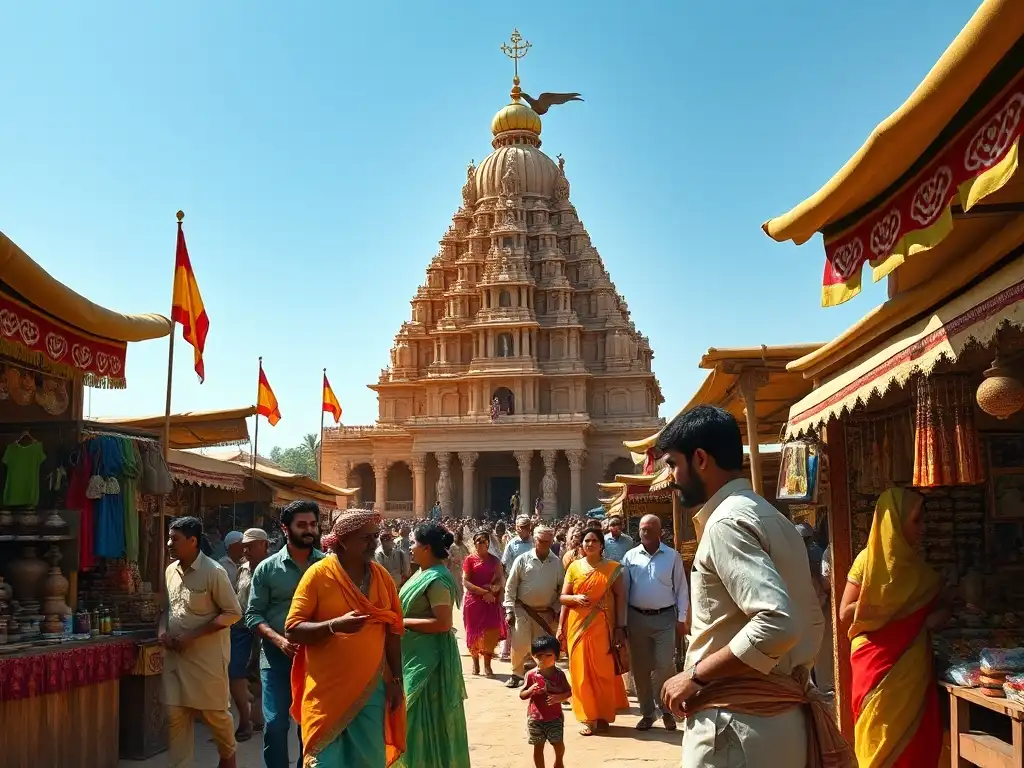
Welcome to Ancient India History, where we embark on a journey through time to uncover the profound legacies of ancient Indian civilizations. In our featured article, "The Cultural Significance of Trade Festivals in Ancient India," we delve into the intriguing interplay between commerce and culture, revealing how trade shaped not only economies but also the very fabric of society.
As you explore the vibrant tapestry of festivals that celebrated trade, you'll uncover stories of innovation, connection, and cultural exchange that continue to resonate today. Join us as we navigate the bustling marketplaces of the past and discover the lasting impact of ancient Indian trade on our world!
Introduction to Trade Festivals in Ancient India
Trade festivals in ancient India served as vibrant intersections of commerce, culture, and community life. These festivals were not merely occasions for merchants and traders to showcase their goods; they were significant cultural events that fostered social bonds, facilitated the exchange of ideas, and promoted artistic expression. From the bustling bazaars of the Indus Valley Civilization to the grand fairs of the Gupta Empire, trade festivals played a crucial role in shaping the cultural landscape of ancient India.
Ancient trade routes, such as the Silk Road and the Spice Route, linked India to distant lands, allowing not only the exchange of commodities but also the mingling of diverse cultures. As a result, festivals became platforms for cultural diffusion, where various traditions, languages, and religious beliefs coexisted and enriched each other. The vibrant colors, sounds, and aromas of these festivals showcased the rich tapestry of Indian culture, further highlighting the importance of trade in fostering cultural interconnectedness.
Overview of the Cultural Impact of Ancient Indian Trade
The cultural impact of ancient Indian trade extended beyond economic transactions; it significantly influenced art, religion, and social structures. Here are some key aspects of this cultural significance:
- Artistic Expression: Trade festivals were often marked by performances of local music, dance, and theater, reflecting the artistic heritage of the region. The exchange of goods also led to the exchange of artistic techniques and styles, resulting in the development of unique regional art forms. For example, intricate textiles and pottery adorned with motifs from various cultures became popular during trade fairs.
- Religious Interactions: Trade festivals provided opportunities for the mingling of different religious communities. Merchants and travelers from various backgrounds brought their beliefs and practices, leading to a rich tapestry of religious traditions. Temples and shrines often became focal points during these festivals, where rituals and celebrations took place, showcasing the syncretism of beliefs.
- Social Cohesion: These festivals acted as crucial social gatherings, strengthening community ties and fostering a sense of belonging among participants. The mingling of diverse groups created a vibrant atmosphere of collaboration and mutual respect, essential for maintaining social harmony in a culturally diverse society.
- Economic Development: The trade festivals also had a significant economic impact, stimulating local economies by attracting visitors and generating revenues for artisans and traders. The bustling market environment facilitated the exchange of not just goods but also knowledge and skills, contributing to the economic prosperity of ancient Indian civilizations.
The cultural impact of ancient Indian trade was profound and multifaceted. It shaped artistic expression, facilitated religious interactions, promoted social cohesion, and spurred economic development, making trade festivals an integral part of the rich cultural heritage of ancient India.
- Introduction to Trade Festivals in Ancient India
- Overview of the Cultural Impact of Ancient Indian Trade
Historical Context of Trade Festivals
Evolution of Trade in Ancient India
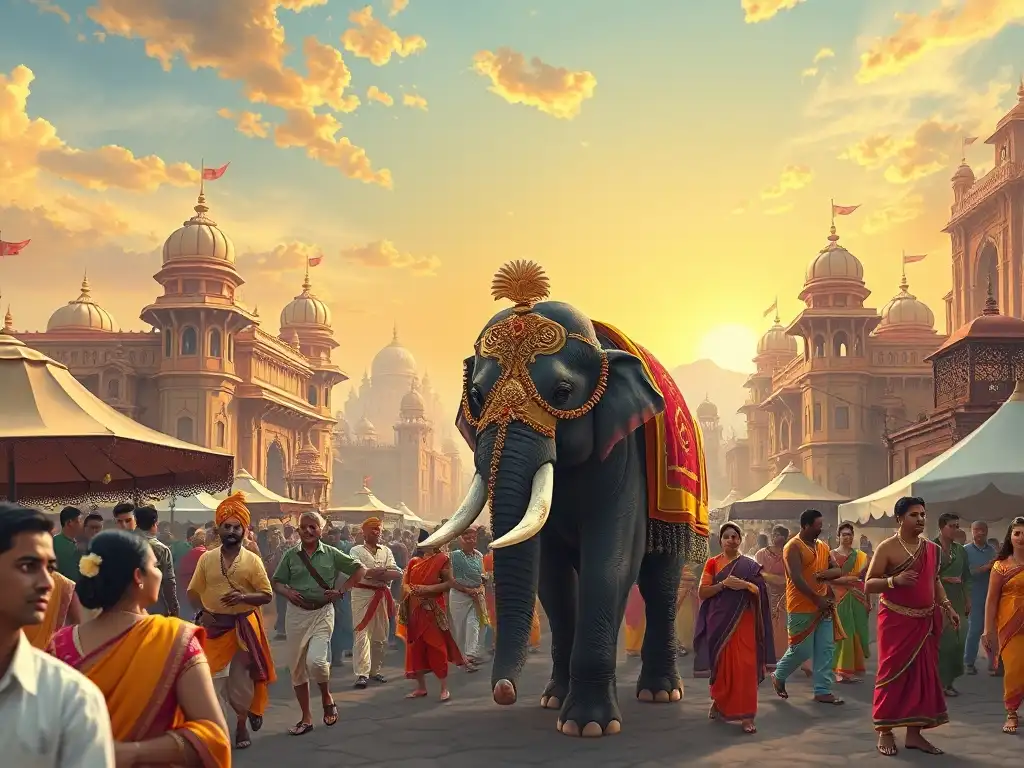
The evolution of trade in ancient India is a testament to the ingenuity and adaptability of its civilizations. The roots of trade can be traced back to the Indus Valley Civilization (c. 3300–1300 BCE), where archaeological findings indicate an extensive trade network with regions such as Mesopotamia. The Indus Valley cities, like Harappa and Mohenjo-Daro, were equipped with advanced urban planning and sophisticated goods, which included beads, textiles, and pottery. These goods were traded not only locally but also with distant lands, showcasing the early integration of trade into the socio-economic fabric of the region.
As India transitioned into the Vedic period (c. 1500–500 BCE), trade began to shift from barter systems to more structured forms involving currency. The use of metals, particularly silver and gold, as mediums of exchange marked a significant evolution in trade practices. Additionally, with the rise of various kingdoms, such as the Mahajanapadas, trade became essential for sustaining economies, leading to the establishment of trade guilds which played a crucial role in regulating commerce.
By the time of the Maurya Empire (c. 322–185 BCE), trade had expanded significantly, with the state actively promoting commerce through policies that facilitated trade routes and provided security for merchants. The famous Silk Road and Maritime trade routes saw Indian merchants engage with cultures from the Mediterranean to Southeast Asia, leading to a rich exchange of goods, ideas, and cultural practices. The period also witnessed the emergence of trade festivals, which not only facilitated commerce but also fostered cultural exchange, further solidifying the cultural impact of ancient Indian trade.
Key Trade Routes and Their Influence on Culture
The ancient trade routes of India were more than mere pathways for goods; they were conduits of cultural exchange that significantly influenced the societal landscape of the region. Two primary types of trade routes can be identified: overland routes and maritime routes.
Overland Routes
- Silk Road: This extensive network connected India to Central Asia, the Middle East, and beyond. Indian merchants traded spices, textiles, and precious stones, while also exchanging cultural and religious ideas, particularly Buddhism, which spread along these routes.
- Grand Trunk Road: One of the oldest trade routes, it facilitated trade between the eastern and western parts of the Indian subcontinent, enhancing cultural interactions among diverse communities.
Maritime Routes
- Indian Ocean Trade Network: Indian ports such as Lothal, Cambay, and Cochin became bustling centers of commerce. Ships carried goods to Africa, the Arabian Peninsula, and Southeast Asia, leading to the establishment of trade diasporas that influenced local cultures through the introduction of Indian customs, languages, and religious practices.
The cultural impact of ancient Indian trade can also be observed in the proliferation of artistic styles, cuisine, and technology across regions. For instance, the intricate designs of Indian textiles influenced fashion in distant lands, while Indian numerals and mathematical concepts spread to various cultures, contributing to global knowledge.
Trade festivals became focal points for these interactions, where merchants and local populations gathered to exchange goods and ideas. These festivals not only boosted the economy but also served as platforms for cultural expressions, including music, dance, and art, reflecting the rich tapestry of ancient Indian civilization and its profound influence on neighboring cultures.
The historical context of trade festivals and the evolution of trade routes reveal the intricate connections between commerce and culture in ancient India, highlighting the lasting legacy of its trade practices on contemporary societies.
The Role of Trade Festivals in Society
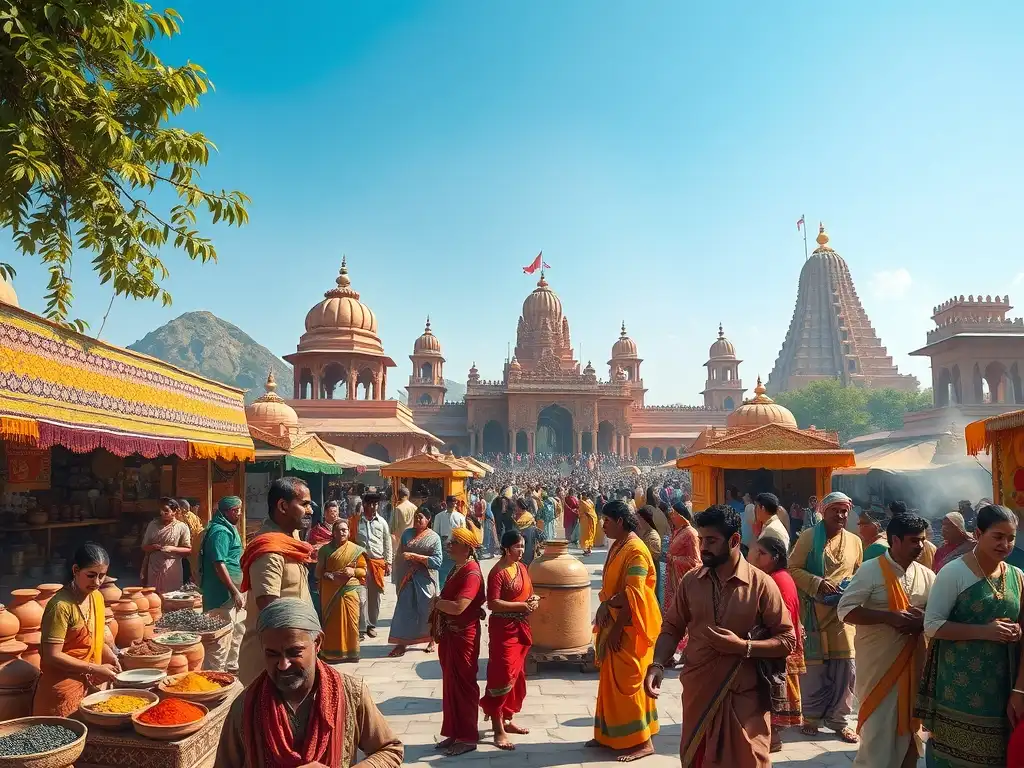
Trade festivals in ancient India served as crucial social events that transcended mere economic transactions. They were vibrant gatherings where commerce intertwined with cultural practices, demonstrating the profound cultural impact of ancient Indian trade. These festivals not only facilitated trade but also reinforced social ties among various communities, highlighting their multifaceted role in society.
Trade festivals were inherently communal events that fostered social cohesion among diverse groups. They provided a platform for people from different regions, cultures, and backgrounds to come together, share experiences, and build relationships. The following elements illustrate how these festivals contributed to community building:
- Gathering of Merchants and Artisans: Merchants, artisans, and traders from various parts of the country came together in these festivals, creating a melting pot of ideas, traditions, and practices. This interaction promoted mutual respect and understanding among different communities.
- Cultural Performances: Festivals often included cultural performances such as dance, music, and drama, which not only entertained but also educated attendees about different cultural heritages. Such performances helped in preserving and promoting regional traditions.
- Exchange of Ideas: Beyond goods, trade festivals facilitated the exchange of knowledge and ideas. Traders shared information about agricultural practices, new technologies, and market trends, which contributed to community development.
- Strengthening Local Economies: The influx of visitors during trade festivals boosted local economies, providing opportunities for small-scale vendors and craftsmen. This economic empowerment enhanced the community's social fabric.
The communal aspect of these festivals created a sense of belonging and identity among participants, reinforcing the importance of trade festivals in fostering social interactions and community spirit.
Trade Festivals as Cultural Exchange Platforms
Trade festivals in ancient India were not only economic hubs but also vital cultural exchange platforms. They highlighted the rich tapestry of Indian civilization, showcasing how trade facilitated cultural diffusion and integration. Key aspects include:
- Diverse Goods and Cultural Artifacts: Festivals showcased a variety of goods such as textiles, spices, metals, and art. The presence of these diverse products not only indicated the economic prosperity but also the cultural richness of different regions.
- Intermingling of Traditions: As traders from different regions interacted, they exchanged cultural practices, languages, and beliefs. This intermingling led to the evolution of new cultural forms, blending regional traditions into a collective heritage.
- Religious and Spiritual Exchange: Trade festivals often coincided with religious events, allowing for the sharing of spiritual beliefs and practices. This integration of commerce and spirituality enriched the cultural landscape of ancient India.
- Culinary Exchange: Food stalls at trade festivals introduced attendees to diverse culinary traditions. The sharing of recipes and cooking techniques fostered appreciation for different cuisines, contributing to a more integrated cultural identity.
The cultural impact of ancient Indian trade festivals was profound, as they served as essential venues for community building and cultural exchange. They not only facilitated economic transactions but also enriched the social fabric and cultural landscape of ancient Indian society. Through these gatherings, diverse communities found common ground, creating a vibrant and cohesive cultural identity that has influenced generations.
Economic Aspects of Trade Festivals
Impact on Local Economies and Commerce
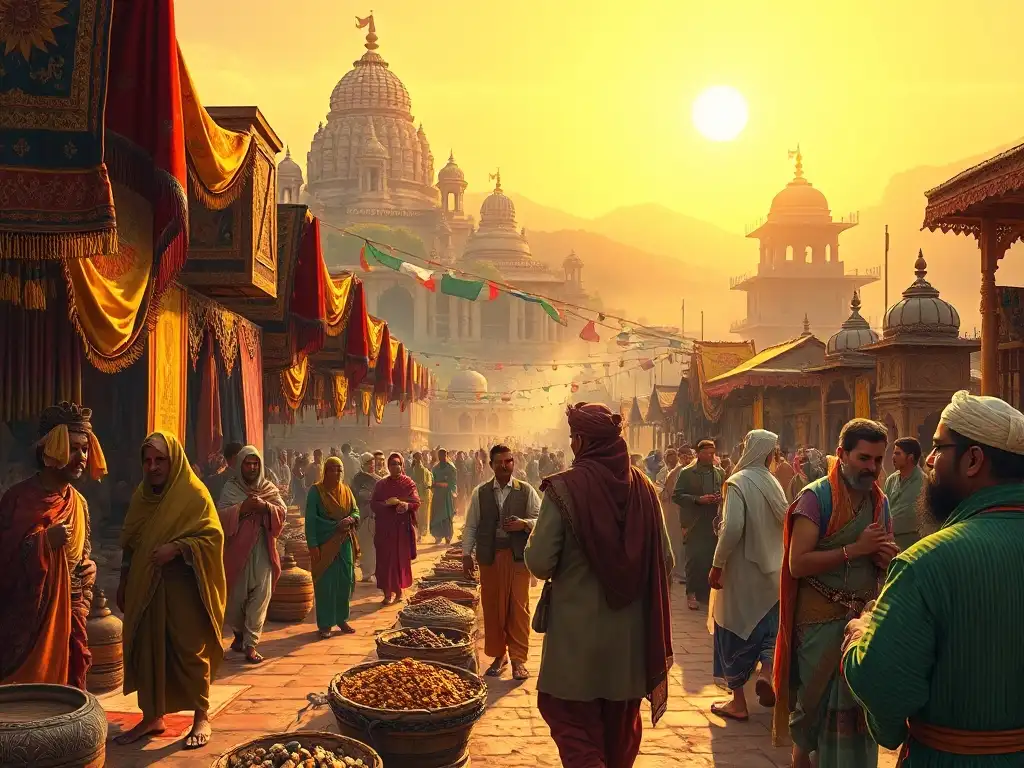
Trade festivals in ancient India served as vibrant hubs of economic activity, significantly influencing local economies and commerce. These festivals were not merely social gatherings; they were essential events that facilitated trade among diverse cultures and regions. The influx of merchants, artisans, and buyers created a dynamic marketplace that stimulated local economies in several key ways:
- Boosting Local Markets:
- Trade festivals attracted merchants from various regions, leading to increased demand for local goods. This surge in commerce often resulted in a temporary but significant economic boom for host towns and cities.
- Local artisans benefited from heightened exposure, allowing them to showcase their craftsmanship and sell their products to a broader audience.
- Cultural Exchange and Economic Diversification:
- The interaction between different cultural groups fostered the exchange of ideas, goods, and technologies, which in turn diversified local economies. For instance, the introduction of new spices, textiles, and techniques influenced local production and consumption patterns.
- This exchange not only enriched the local economy but also contributed to cultural blending, enhancing the overall social fabric of communities.
- Infrastructure Development:
- The regular occurrence of trade festivals necessitated improvements in infrastructure, such as roads, marketplaces, and accommodations. These developments facilitated not only the festival activities but also everyday trade, benefiting the local economy long-term.
- The need for transport and storage services led to the growth of ancillary businesses, further stimulating economic activity.
- Employment Opportunities:
- Trade festivals created numerous job opportunities, from vendors and artisans to laborers and service providers. The seasonal influx of visitors required additional workforce, allowing many individuals to earn a livelihood during these peak periods.
- This temporary employment could have lasting effects by enabling families to invest in education and other economic ventures.
The economic significance of trade festivals in ancient India extended beyond immediate commercial activities. They played a pivotal role in shaping local economies, fostering cultural exchanges, and laying the groundwork for future economic development.
Trade Goods and Their Cultural Significance
The trade goods exchanged during ancient Indian trade festivals were not just commodities; they were integral to the cultural identity and social practices of the time. The diverse array of goods traded reflected the rich tapestry of ancient Indian civilization and contributed to the cultural impact of ancient Indian trade in several notable ways:
- Textiles and Weaving Traditions:
- Ancient India was renowned for its textiles, particularly silk and cotton fabrics. The trade of these goods at festivals not only showcased the region's craftsmanship but also facilitated the spread of weaving techniques across different cultures.
- The popularity of Indian textiles, such as muslin and brocade, led to their incorporation into various cultural practices and attire in other regions, influencing fashion and social customs.
- Spices and Culinary Influence:
- Spices were among the most sought-after trade goods, with India being a hub for exotic flavors like black pepper, cardamom, and turmeric. Their availability at trade festivals allowed for culinary exchanges that shaped regional cuisines.
- The demand for Indian spices in foreign markets established a cultural and economic connection, leading to the global appreciation and incorporation of Indian flavors and cooking techniques.
- Art and Artifacts:
- Goods such as pottery, jewelry, and metalwork not only served functional purposes but also held cultural significance. The trade of these artifacts at festivals allowed for the sharing of artistic styles and motifs, enriching the cultural heritage of various communities.
- The exchange of artistic ideas often led to the evolution of local art forms, inspiring new creations that reflected a blend of influences.
- Religious and Ritual Items:
- Trade festivals often featured religious artifacts, such as idols and ceremonial items, which played a crucial role in the spiritual lives of the communities involved. The availability of these goods facilitated the spread of religious practices and beliefs.
- This exchange fostered a sense of unity among different cultural groups, as shared religious items often transcended local boundaries, contributing to a collective cultural identity.
The trade goods exchanged during ancient Indian trade festivals were emblematic of the region's cultural richness. They not only represented economic value but also played a crucial role in the cultural exchange and integration of diverse traditions, highlighting the profound cultural impact of ancient Indian trade.
Religious and Spiritual Dimensions of Trade Festivals
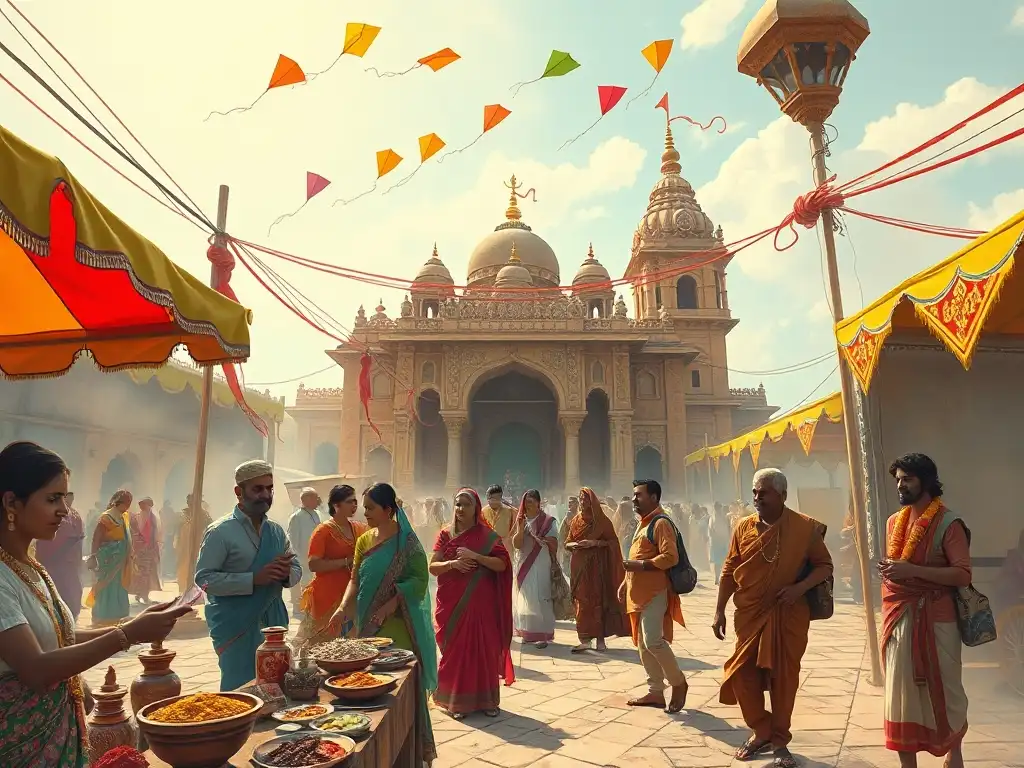
Trade festivals in ancient India were not merely commercial events; they were deeply intertwined with the religious and spiritual fabric of society. These festivals served as platforms for communities to come together, express their collective beliefs, and reinforce social cohesion. The cultural impact of ancient Indian trade is reflected in how these festivals were marked by religious observances, rituals, and the invocation of deities, thereby embedding spirituality within the economic activities of the time.
Festivals Linked to Agricultural Cycles
Agricultural cycles were fundamental to the rhythm of life in ancient India, and trade festivals often coincided with key agricultural events. These festivals celebrated harvests, sowing, and seasonal changes, thereby linking the agrarian economy to the spiritual and communal practices of the people.
- Harvest Festivals: Events like Makar Sankranti and Pongal were not just celebrations of the harvest; they also served as trade festivals where surplus produce was traded. Farmers and merchants would gather to exchange goods, showcasing the bounty of the land. These festivals symbolized gratitude towards deities for a successful harvest, reinforcing the agricultural community's connection to the divine.
- Sowing Festivals: The onset of the sowing season was marked by festivals like Baisakhi. Communities would engage in rituals to seek blessings for a fruitful crop. Traders participated by supplying seeds and farming tools, fostering economic relationships that were vital for agricultural prosperity.
- Impact on Trade: The intertwining of agricultural festivals and trade fostered a robust economy. Merchants capitalized on the influx of farmers and villagers during these celebrations, creating a vibrant marketplace that promoted the exchange of not only goods but also ideas and cultural practices.
Role of Deities and Rituals in Trade Celebrations
The role of deities and rituals in trade celebrations highlights the profound spiritual dimensions of these festivals. Each trade festival was typically marked by specific rituals aimed at invoking the blessings of various deities to ensure prosperity and success in trade.
- Deities of Prosperity: Deities such as Lakshmi, the goddess of wealth, played a crucial role in trade festivals. Merchants often performed rituals to seek her blessings before embarking on significant trading ventures. This belief in divine favor was integral to the mindset of traders, influencing their business practices and decisions.
- Ritual Offerings: Rituals included offerings of fruits, grains, and flowers to deities, symbolizing the interdependence of commerce and spirituality. These offerings served as a means for traders to express gratitude and seek protection against potential losses, emphasizing the sacred nature of the trade activities.
- Community Gatherings: The rituals surrounding these festivals fostered community engagement and solidarity. People from various backgrounds came together, reinforcing social bonds while simultaneously engaging in trade. This communal aspect was essential for the cultural impact of ancient Indian trade, as it promoted unity and shared identity among diverse groups.
The religious and spiritual dimensions of trade festivals in ancient India were pivotal in shaping the cultural landscape. By linking agricultural cycles and the role of deities to trade celebrations, these festivals not only facilitated economic exchanges but also reinforced the spiritual and communal identities of ancient Indian society. The cultural impact of ancient Indian trade, therefore, cannot be fully appreciated without acknowledging the sacred underpinnings of these vibrant festivals.
Case Studies of Notable Trade Festivals
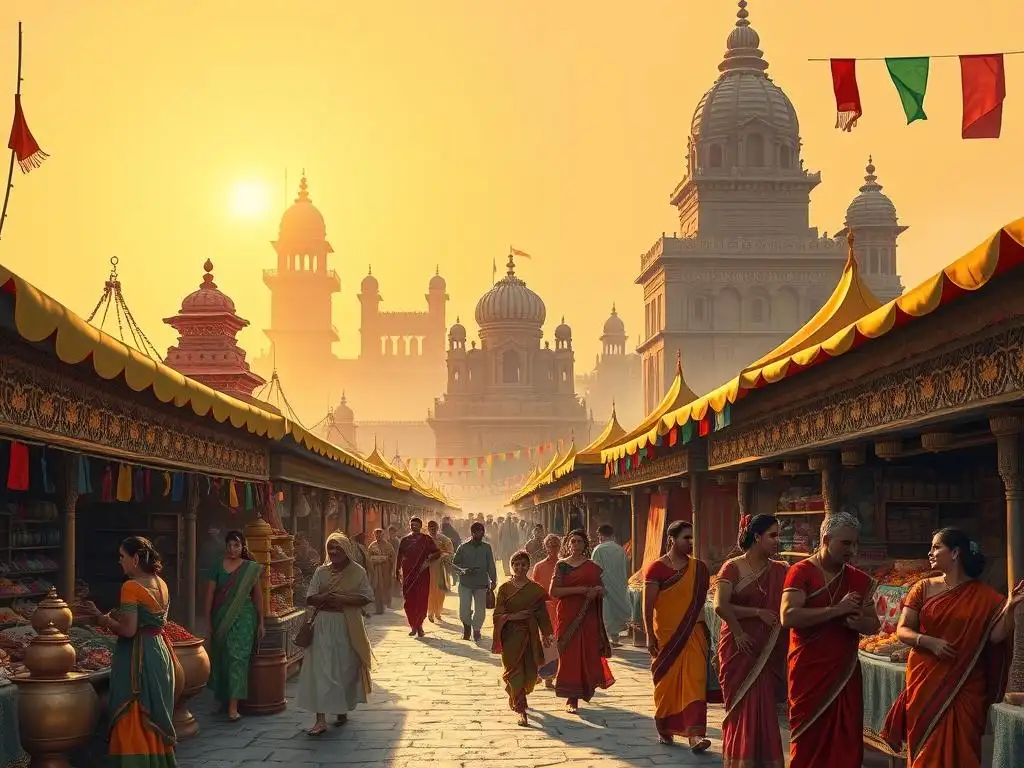
Trade festivals in ancient India were not merely economic events; they were vibrant cultural gatherings that showcased a rich tapestry of social interaction, religious practices, and artistic expressions. Here, we delve into two prominent examples that exemplify the cultural impact of ancient Indian trade.
The Kumbh Mela: A Convergence of Commerce and Culture
The Kumbh Mela, one of the largest religious gatherings in the world, is an ancient festival that serves as a testament to the cultural impact of ancient Indian trade. Held every twelve years at four locations—Haridwar, Allahabad, Nashik, and Ujjain—the festival is a confluence of spiritual fervor and commercial activity.
- Historical Context: The origins of the Kumbh Mela can be traced back to the myths surrounding the churning of the ocean (Samudra Manthan), where nectar (amrita) was said to have spilled at these locations. Over centuries, the festival evolved into a significant pilgrimage, attracting millions.
- Cultural Exchange: The festival is a melting pot of diverse cultures, where traders, artisans, and pilgrims from various regions converge. This cultural exchange is evident in the variety of goods sold—ranging from textiles and jewelry to religious artifacts. The interaction among different communities fosters mutual understanding and strengthens social bonds.
- Economic Impact: The Kumbh Mela also has substantial economic implications. It generates a significant influx of revenue for local economies, with estimates suggesting that the festival can generate billions in trade. Local businesses thrive, as vendors cater to the needs of millions of visitors, creating a bustling marketplace that combines spirituality with commerce.
- Cultural Practices: Beyond trade, the Kumbh Mela is steeped in rituals, performances, and art. Traditional music, dance, and food add layers of cultural significance, transforming the festival into an immersive experience. The presence of sadhus (holy men) and the performance of sacred rituals further enhance its cultural richness.
The Pushkar Camel Fair: Traditions and Trade
The Pushkar Camel Fair, held annually in Rajasthan, is another prime example of the cultural impact of ancient Indian trade. Originally a livestock trading event, it has evolved into a vibrant festival that attracts traders, tourists, and locals alike.
- Historical Significance: Rooted in ancient traditions, the Pushkar Camel Fair dates back to the 19th century, when it began as a platform for traders to buy and sell camels, cattle, and other livestock. Today, it is celebrated during the full moon in November, coinciding with the Hindu pilgrimage to the sacred Pushkar Lake.
- Cultural Activities: The fair is famous not only for its trade but also for its rich cultural activities. This includes folk dances, music performances, and traditional arts and crafts exhibitions. Visitors can witness authentic Rajasthani culture, reflected in the colorful attire, local cuisine, and artisanal crafts.
- Economic Contributions: The fair has a significant impact on the local economy. Beyond livestock trade, it provides a platform for various local industries, including handicrafts, textiles, and food. The economic activity generated during the fair supports local artisans and boosts tourism, making it a vital component of the region's economy.
- Community Engagement: The Pushkar Camel Fair also strengthens community ties. It fosters interactions among different social groups, promoting unity and cultural exchange. The festival serves as a reminder of the enduring traditions of trade and the importance of cultural heritage in shaping the identity of the region.
Both the Kumbh Mela and the Pushkar Camel Fair illustrate how trade festivals in ancient India were pivotal in shaping cultural identities, promoting economic activity, and fostering social cohesion. These events not only facilitated trade but also served as vital platforms for the exchange of ideas, traditions, and values, highlighting the profound cultural impact of ancient Indian trade.
The Legacy of Trade Festivals in Ancient India
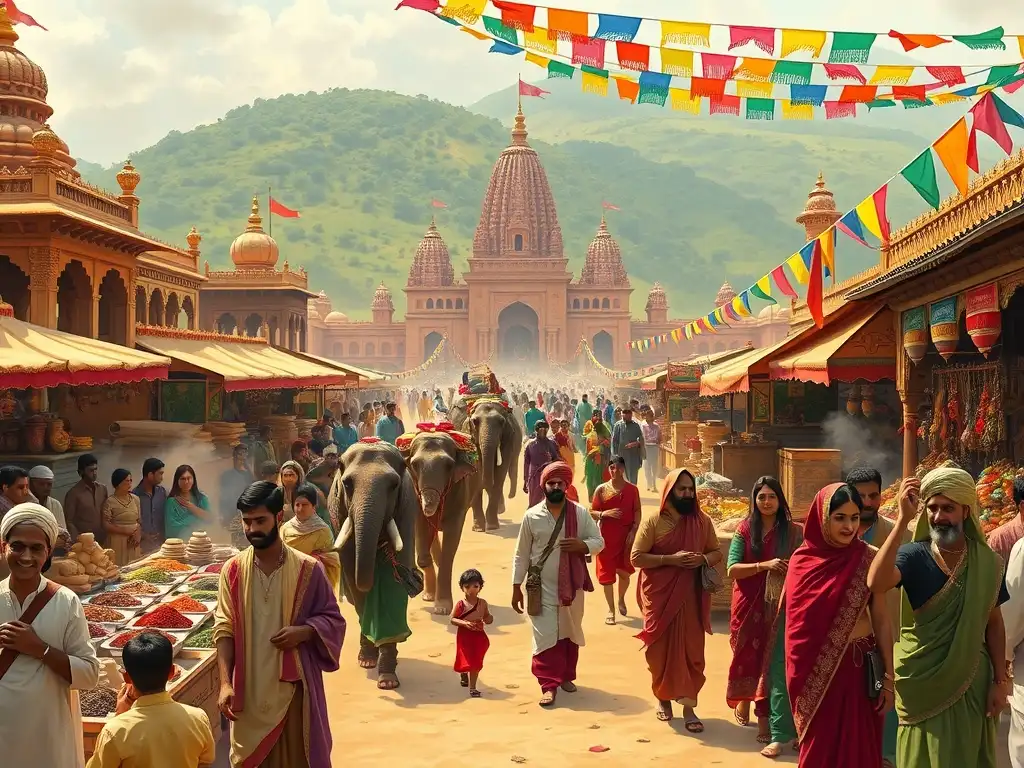
Trade festivals in ancient India represented not only economic transactions but also significant cultural events that enriched the social fabric of the time. These festivals served as a vibrant platform for merchants, artisans, and communities to converge, exchanging not just goods but also ideas, traditions, and cultural values. The bustling markets during these festivals were characterized by a diverse array of products, from spices and textiles to precious stones and crafts, reflecting the vast trade networks established across the Indian subcontinent and beyond.
The legacy of these trade festivals persists today, influencing modern trade practices and community celebrations. Understanding the historical context and cultural impact of ancient Indian trade festivals allows us to appreciate their role in shaping not only economic exchanges but also the cultural identities of different regions within India.
Influence on Modern Trade Practices and Festivals
The influence of ancient Indian trade festivals can be seen in various modern trade practices and events. Many contemporary festivals, such as Diwali and Makar Sankranti, incorporate elements reminiscent of ancient trade celebrations, including vibrant markets, food stalls, and cultural performances.
- Market Dynamics:
- Bazaars and Fairs: The tradition of bazaars and seasonal fairs can trace its roots back to ancient trade festivals. These events continue to thrive in modern India, promoting local artisans and fostering economic growth.
- Cultural Exchanges: Modern trade fairs often celebrate cultural diversity, similar to ancient festivals where traders exchanged not just goods but also customs and traditions.
- Promotional Strategies:
- Festive Discounts and Offers: Retailers often align their promotional strategies with traditional festivals, offering discounts and special deals reminiscent of ancient practices, thus driving consumer engagement.
- Globalization of Trade:
- International Trade Shows: The essence of ancient trade festivals can be observed in international trade shows, where countries showcase their cultural heritage and products, fostering global connections.
Lessons from Ancient Trade Festivals for Contemporary Society
The lessons derived from ancient Indian trade festivals hold significant relevance for contemporary society. These festivals were a reflection of community spirit, cooperation, and innovation, providing valuable insights for today's social and economic frameworks.
- Community Building:
- Trade festivals encouraged collaboration among various communities, fostering a spirit of unity and shared purpose. Modern societies can learn the importance of coming together to support local economies and cultural identities.
- Sustainability Practices:
- Ancient festivals often emphasized sustainable practices by promoting local goods and crafts. This can inspire contemporary businesses to adopt eco-friendly practices and prioritize local resources.
- Cultural Preservation:
- The rich tapestry of traditions celebrated during ancient trade festivals serves as a reminder of the importance of cultural preservation in a rapidly globalizing world. Encouraging cultural exchanges through modern festivals can help maintain this diversity.
Conclusion: The Enduring Cultural Impact of Ancient Indian Trade Festivals
The cultural impact of ancient Indian trade festivals is profound and enduring. These events were not merely economic gatherings; they were celebrations of life, culture, and mutual respect among diverse communities. The legacy of these festivals continues to shape modern trade practices and societal values, emphasizing the importance of cultural heritage in economic exchanges.
The cultural significance of trade festivals in ancient India highlights the interconnectedness of trade and culture, showcasing how these festivals fostered community ties, facilitated cultural exchange, and contributed to the social fabric of the time. As modern society navigates the complexities of globalization and cultural homogenization, the lessons learned from ancient trade festivals remain relevant, reminding us of the importance of celebrating diversity, fostering cooperation, and preserving our rich cultural heritage.
Frequently Asked Questions
What were the main trade routes in ancient India?
Ancient India had several significant trade routes, including the Silk Road and maritime routes connecting to Southeast Asia and the Middle East. These routes facilitated the exchange of goods and ideas.
How did trade festivals influence ancient Indian culture?
Trade festivals played a crucial role in promoting cultural exchange, where merchants and locals shared traditions, arts, and religious practices. This helped in shaping a diverse cultural landscape.
What goods were commonly traded in ancient India?
Ancient Indian traders dealt in various commodities, including spices, textiles, gemstones, and metals. These goods were highly sought after, contributing to India's economic prosperity.
What was the role of trade in ancient Indian society?
Trade was vital for the economic development of ancient Indian civilization, fostering urbanization and the growth of markets. It also encouraged social interactions and cultural diffusion among different communities.
How did the Gupta Empire contribute to trade?
The Gupta Empire enhanced trade through political stability and the establishment of standardized weights and measures. This period saw a flourishing of both internal and external trade, impacting the overall cultural landscape of ancient India.
Final Reflection: The Enduring Legacy of Ancient Indian Trade Festivals
The cultural impact of ancient Indian trade resonates profoundly in today's globalized world, where the exchange of goods is not merely an economic transaction but a vibrant tapestry of cultural interactions. The trade festivals of ancient India were more than just marketplaces; they were dynamic hubs of cultural exchange, fostering relationships between diverse communities. As we navigate an increasingly interconnected society, the lessons from these historical gatherings remind us of the importance of cultural dialogue and understanding in our modern trade practices.
The influence of these ancient festivals can still be felt in contemporary society, where cultural exchanges continue to shape our identities and social landscapes. The way ancient traders celebrated their diversity and shared their traditions serves as a powerful reminder of the potential for commerce to unite rather than divide. Trade is not just about goods; it is about the exchange of ideas, cultures, and values.
This quote encapsulates the essence of how trade festivals were instrumental in weaving the rich cultural fabric of ancient India, a legacy that continues to inspire us today.
As we reflect on the significance of these ancient trade festivals, I invite you to consider how you can embrace and promote cultural exchange in your own life. Whether through supporting local artisans, participating in cultural events, or simply engaging in conversations that celebrate diversity, each of us has the power to contribute to a more interconnected world. Let us honor the past by fostering a future where cultural impact thrives through our shared experiences and mutual respect.
Unveil the Legacy: Embrace the Spirit of Trade Festivals!
Thank you for exploring the vibrant world of trade festivals in ancient India with us! By uncovering their rich cultural significance, you've gained insight into the intricate tapestry of our history that shaped communities and fostered connections. Now, it’s time to take that understanding and inspire others!
Here are some engaging actions you can take to continue your journey:
- Dive deeper: Research and read about specific trade festivals that caught your interest. Consider exploring various resources, such as books or documentaries, that delve into their historical practices.
- Share your discoveries: Discuss your newfound knowledge with friends and family or share it on social media. Engaging conversations can spark further exploration and appreciation of ancient cultures.
- Attend a local festival: Seek out local markets or events that celebrate cultural diversity and connect with fellow enthusiasts to foster a community spirit reminiscent of those ancient gatherings.
Which trade festival resonates with you the most, and how do you believe it reflects our contemporary values? Let's spark a discussion!