
The Decline of Ancient Indian Trade: Causes and Consequences


Welcome to Ancient India History, where we embark on a fascinating journey through the rich tapestry of India’s past. In this exploration, we delve into the intricate web of trade that once flourished in ancient civilizations, particularly focusing on the Decline of Ancient Indian Trade: Causes and Consequences. What triggered this significant downturn, and how did it shape the course of economic and cultural development in the region?
Prepare to uncover the layers of history that reveal not just the challenges faced, but also the remarkable resilience of a civilization that continues to inspire. Join us as we unravel these compelling narratives that await just beyond this page!
Introduction to Ancient Indian Trade
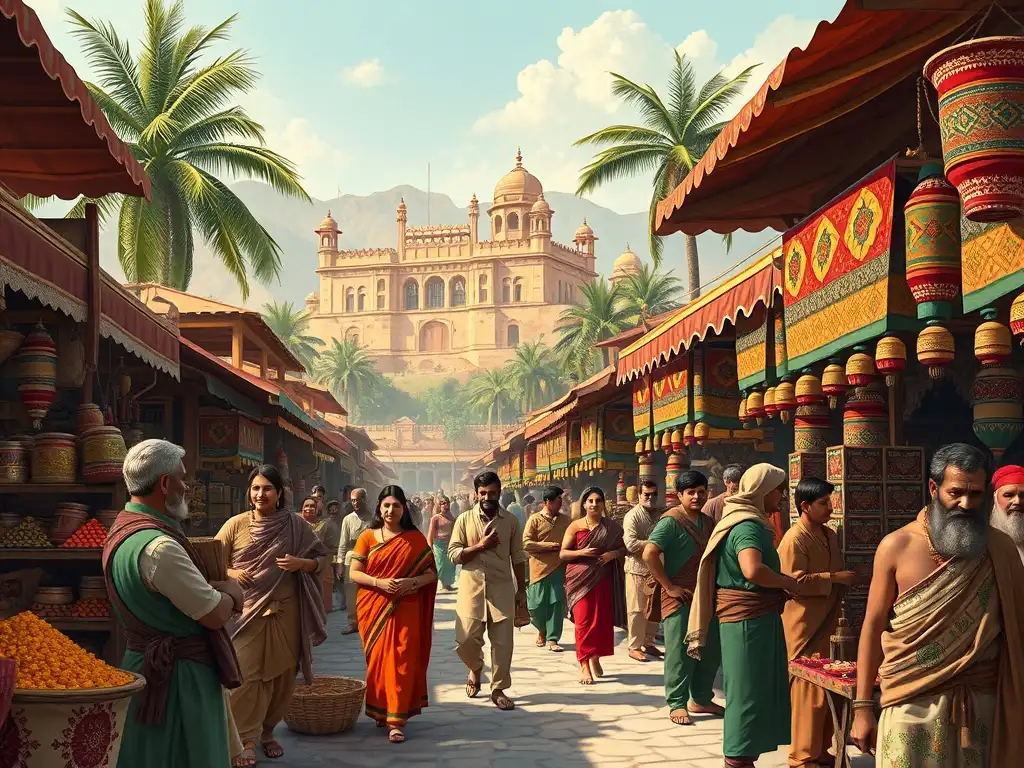
The decline of ancient Indian trade marks a significant transition in the economic landscape of India, impacting not only local economies but also the broader socio-political fabric of the region. From the flourishing trade routes connecting the Indus Valley Civilization to the bustling markets of the Gupta Empire, trade has been a cornerstone of ancient Indian society. This article delves into the multifaceted causes behind this decline and its far-reaching consequences, offering insights into how trade practices shaped the ancient Indian economy and culture.
Overview of Trade in Ancient India
Ancient India was home to a vibrant trading culture that flourished for centuries. Trade routes extended across vast territories, connecting India with regions such as the Middle East, Southeast Asia, and beyond. Key commodities traded included:
- Spices: Highly sought after, Indian spices were integral to culinary practices and trade.
- Textiles: Renowned for their quality, Indian fabrics were a major export.
- Metals and Gems: Gold, silver, and precious stones were valued in various markets.
The intricate network of trade facilitated not only economic exchanges but also cultural interactions, leading to a rich tapestry of shared knowledge and ideas among ancient civilizations.
Importance of Trade in Ancient Civilizations
Trade was not merely a means of economic sustenance; it played a critical role in the development of ancient Indian civilizations. The benefits of trade included:
- Economic Growth: Increased trade led to wealth accumulation and the growth of urban centers.
- Cultural Exchange: Trade routes served as conduits for cultural diffusion, introducing new philosophies, religions, and artistic expressions.
- Political Power: Control over trade routes often translated into political leverage, impacting territorial expansions and alliances.
The decline of trade, therefore, signified more than just a loss of economic activity; it indicated a shift in the balance of power and influence within the region.
Factors Contributing to the Decline of Ancient Indian Trade
Political Instability and Its Impact on Trade
Political turmoil often disrupted trade activities. With the rise and fall of empires, such as the Mauryan and Gupta dynasties, instability led to:
- Increased Taxation: As rulers sought to fund military campaigns, trade became heavily taxed, discouraging merchants.
- Conflict and Insecurity: Wars and invasions created an environment of uncertainty, prompting traders to avoid perilous routes.
The resulting decline in trade not only affected economic prosperity but also diminished the cultural exchanges that thrived in more stable times.
Economic Decline: Causes and Effects
Several economic factors contributed to the decline of ancient Indian trade:
- Resource Depletion: Overexploitation of resources led to a decrease in the quality and quantity of goods available for trade.
- Inflation: As wealth became concentrated, inflation altered market dynamics, making trade less viable.
- Decline in Manufacturing: A drop in textile production and craftsmanship diminished the attractiveness of Indian goods in international markets.
These economic challenges resulted in a diminished capacity to engage in trade, ultimately leading to a contraction of the economic base.
Competition from Other Trade Routes and Civilizations
As global trade intensified, ancient Indian trade faced competition from emerging trade routes and civilizations. Key factors included:
- Silk Road Development: The rise of the Silk Road offered alternatives for traders, diverting traffic away from Indian routes.
- Maritime Trade Growth: Increasing maritime capabilities allowed rival civilizations to establish direct trade links, further undermining Indian trade dominance.
The loss of traders to more lucrative routes significantly impacted the volume and diversity of trade in India.
Environmental Changes and Their Role in Trade Decline
Environmental factors also played a crucial role in the decline of trade:
- Climate Change: Shifts in climate patterns affected agricultural productivity, leading to food shortages and economic strain.
- Natural Disasters: Floods and droughts disrupted trade routes and local economies, making trade less reliable.
These environmental challenges compounded the existing economic and political issues, creating a perfect storm that led to the decline of ancient Indian trade.
Consequences of the Decline of Ancient Indian Trade
The decline of ancient Indian trade had far-reaching consequences that extended beyond mere economic downturns. These repercussions influenced various aspects of society, culture, and history, reshaping the very fabric of ancient Indian civilizations. Understanding these consequences provides insight into how trade dynamics shaped ancient India’s trajectory and development.
Economic Consequences: A Shift in Economic Practices
The decline of trade in ancient India brought about significant economic consequences. First and foremost, the diminished trade activity led to a decrease in wealth accumulation among merchants and traders, which in turn affected local economies. Regions that once thrived on trade became economically stagnant, leading to:
- Reduction in Urban Centers: Many urban centers that relied on trade for prosperity faced decline. Cities such as Taxila and Pataliputra experienced reduced economic activity, leading to population migrations as people sought better opportunities elsewhere.
- Changes in Agricultural Practices: With less trade, there was a shift in focus towards agriculture. Farmers had to rely more on subsistence farming rather than cash crops for trade, which altered agricultural practices and reduced the diversity of crops grown.
- Increased Local Barter Systems: As trade routes diminished, local barter systems became more prevalent. This shift limited the scope of economic interactions and reduced the variety of goods available to communities, hindering economic growth.
The overall economic landscape transformed as ancient Indian civilizations adapted to the new realities of reduced trade, marking a significant departure from previous practices that had fostered prosperity and cultural exchange.
Social Implications: Changes in Society and Culture
The decline of ancient Indian trade also had profound social implications. Trade was not merely an economic activity; it fostered cultural exchange and social interactions. As trade networks dwindled, several changes unfolded in society:
- Cultural Isolation: The reduction in trade led to a decline in cultural exchanges with other civilizations, resulting in a certain degree of isolation. This isolation stunted the growth of cosmopolitan cultures that had flourished in trading hubs, leading to a more homogeneous cultural landscape.
- Decline in Craftsmanship and Artisanship: Many artisans and craftsmen who depended on trade for their livelihoods faced significant challenges. The reduced demand for luxury goods and crafts diminished the incentive for skilled labor, leading to a decline in artistic expression and craftsmanship.
- Social Stratification: As trade dwindled, the wealth gap between traders and non-traders became more pronounced. The decline in economic opportunities may have led to increased social stratification, with the merchant class losing influence and the agrarian society gaining prominence.
These social shifts had lasting impacts on the cultural identity of ancient Indian civilizations, altering their dynamics and interactions.
Historical Impact: The Long-term Effects on Indian Civilizations
Historically, the decline of ancient Indian trade set in motion a series of long-term effects that would shape the future of Indian civilizations. The repercussions were not limited to immediate economic and social changes but also influenced the broader historical narrative:
- Fragmentation of Political Power: As trade routes declined, the political landscape shifted. Regional powers began to emerge, leading to fragmentation and the rise of smaller kingdoms. This decentralization affected the stability and cohesion of larger empires that had previously thrived on trade.
- Altered Relations with Neighboring Cultures: The decline in trade affected diplomatic and cultural relations with neighboring regions. The lack of trade diminished interactions that once facilitated the exchange of ideas, technology, and cultural practices, leading to a more insular development of Indian civilization.
- Impact on Future Trade Dynamics: The decline of trade networks had a lasting impact on India's future trade dynamics. It set a precedent for vulnerability in trade systems, which would resurface during later historical periods, affecting India’s role in global trade.
These historical impacts highlight the interconnectedness of trade with political, cultural, and economic spheres, emphasizing the significance of trade networks in shaping the trajectory of ancient Indian civilizations.
Case Studies of Trade Decline in Specific Regions
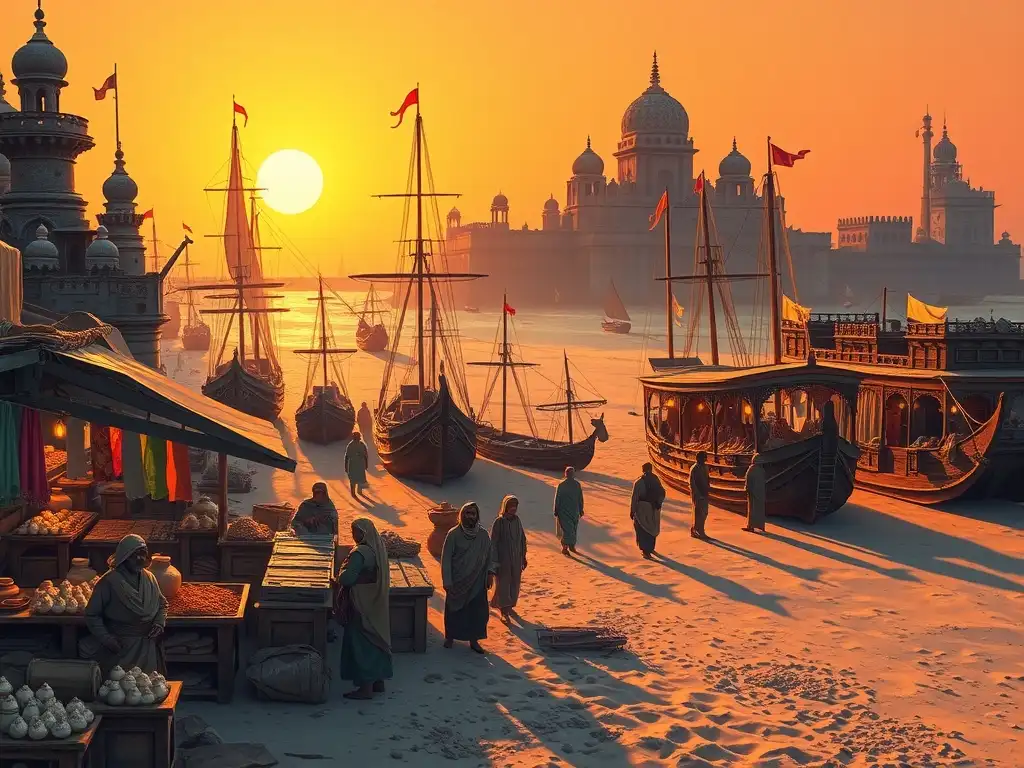
To better understand the decline of ancient Indian trade, examining specific regions provides valuable insights into the local dynamics and factors that contributed to this decline. Two notable case studies illustrate these phenomena: the Indus Valley Civilization and the Gupta Empire.
The Decline of Trade in the Indus Valley Civilization
The Indus Valley Civilization, known for its advanced urban planning and trade networks, experienced a significant decline around 1900 BCE. Various factors contributed to this trade decline:
- Environmental Changes: The region faced significant environmental shifts, including changes in river patterns and climate, which impacted agricultural productivity and trade routes.
- Decline of Urban Centers: Major cities such as Harappa and Mohenjo-Daro saw a decline in population and economic activity, leading to a collapse of trade systems that had connected these urban centers with distant markets.
- Invasion and Internal Strife: Theories suggest that invasions by external groups and internal social unrest also contributed to the decline, disrupting trade networks that were essential for economic stability.
This case study highlights how environmental, social, and political factors intertwined to precipitate the decline of one of the earliest urban trading civilizations.
The Fall of Trade Networks during the Gupta Empire
The Gupta Empire, often referred to as a golden age of ancient India, faced its own challenges that led to the decline of trade networks by the 6th century CE:
- Political Instability: Following the death of key rulers, the empire experienced political fragmentation, leading to weakened control over trade routes and increased vulnerability to invasions.
- Invasions and External Threats: The arrival of Huna invasions disrupted trade across northern India. This instability led to the decline of established trade routes that connected India to Central Asia and beyond.
- Economic Shifts: As trade declined, the economy began to shift towards a more localized structure, impacting the trade of luxury goods and reducing the wealth that had previously flowed into the empire.
The Gupta Empire's experience underscores the interplay between political stability, external threats, and economic structures in determining the fate of trade networks in ancient India.
Conclusion: Lessons from the Decline of Ancient Indian Trade
The decline of ancient Indian trade serves as a pivotal lesson in understanding the complexities of economic systems and their interconnectedness with cultural and political frameworks. The factors contributing to this decline—ranging from geopolitical shifts to internal strife—highlight the vulnerability of trade networks to external pressures and internal decay. By analyzing these historical events, modern societies can glean insights into the importance of maintaining stable economic practices and fostering international relationships to ensure sustained growth and prosperity.
Reflecting on the Importance of Trade in Civilization Development
Trade has always been a cornerstone of civilization development, facilitating not just the exchange of goods but also the sharing of ideas, culture, and technology. In ancient India, trade routes connected diverse regions, fostering economic interdependence and cultural exchange. The decline of this trade network underscores the necessity of robust economic systems and stable governance. Civilizations that prioritize trade often see advancements in technology, culture, and even political power. The lessons learned from the ancient Indian experience emphasize that trade is not merely an economic activity but a vital component for holistic development.
The Legacy of Ancient Indian Trade in Modern Context
The legacy of ancient Indian trade is still visible in contemporary practices and cultural exchanges. Routes established for trade during ancient times have evolved into modern trade pathways, influencing global commerce today. The principles of trade practiced in ancient India, such as fair exchange and mutual benefit, resonate in current economic philosophies. Moreover, the rich cultural heritage resulting from these trade practices continues to shape modern Indian identity, highlighting the enduring impact of ancient trade networks on society's evolution. Understanding this legacy can inspire current and future trade policies to be more inclusive and culturally aware.
Further Reading and Resources
For those interested in delving deeper into the intricate world of ancient Indian trade, a variety of resources are available that cover historical accounts, economic theories, and cultural impacts.
Recommended Books on Ancient Indian Trade
-
"The Economic History of India" by Romila Thapar
This book provides an in-depth analysis of the Indian economy from ancient times to the modern era, with a focus on trade dynamics.
-
"Trade and Traders in Western India, 1000-1300" by R. S. Sharma
An exploration of the trading practices in Western India, shedding light on the socio-economic conditions of that era.
-
"The Art of Ancient India: Hindu, Buddhist, Jain" by John Guy
While primarily focused on art, this book discusses how trade influenced artistic development and cultural exchanges in ancient India.
Online Resources for Exploring Ancient Trade Practices
-
Digital South Asia Library
A comprehensive database that includes maps, texts, and images related to ancient Indian trade practices.
-
The Ancient Indian History Portal
A dedicated platform offering scholarly articles and resources on various aspects of ancient Indian history, including trade.
-
India: The Land of Trade (Podcast Series)
This podcast series delves into the history and significance of trade routes in ancient India, providing an engaging auditory experience.
By exploring these resources, readers can gain a more nuanced understanding of the decline of ancient Indian trade and its broader implications for civilization development.
- Introduction to Ancient Indian Trade
- Factors Contributing to the Decline of Ancient Indian Trade
- Consequences of the Decline of Ancient Indian Trade
- Case Studies of Trade Decline in Specific Regions
- Conclusion: Lessons from the Decline of Ancient Indian Trade
- Further Reading and Resources
- What were the primary causes of the decline of ancient Indian trade?
- How did foreign invasions impact ancient Indian trade?
- What were the key consequences of the decline of ancient Indian trade?
- Which civilizations were most affected by the decline of trade?
- Did the decline of ancient Indian trade affect its cultural development?
Frequently Asked Questions
What were the primary causes of the decline of ancient Indian trade?
The decline of ancient Indian trade can be attributed to factors such as foreign invasions, political instability, and shifts in trade routes, which disrupted established commercial networks.
How did foreign invasions impact ancient Indian trade?
Foreign invasions led to the destruction of trade centers and a breakdown of socio-economic structures, significantly hampering the flow of goods and disrupting trade relationships with other regions.
What were the key consequences of the decline of ancient Indian trade?
The decline of trade resulted in economic downturns, a decrease in cultural exchanges, and a slowdown in technological advancements, ultimately affecting the growth of ancient Indian civilizations.
Which civilizations were most affected by the decline of trade?
The Indus Valley Civilization and notable empires like the Maurya and Gupta saw significant impacts due to the decline of trade, leading to reduced wealth and influence in the region.
Did the decline of ancient Indian trade affect its cultural development?
Yes, the decline of trade adversely affected cultural development by limiting interactions with other cultures, which resulted in a stagnation of artistic and intellectual progress in ancient India.
Final Reflection: Understanding the Decline of Ancient Indian Trade
The decline of ancient Indian trade is not just a historical phenomenon; it resonates deeply with the complexities of today's global economy. As we explore the multifaceted causes and consequences of this decline, we uncover lessons that remain relevant in our interconnected world.
The rise and fall of trade routes and economic systems remind us that prosperity is often fragile and can be influenced by a myriad of factors, from political instability to technological advancements. The echoes of this decline serve as a stark reminder: history is not merely a record of the past but a guide for navigating the present and future.
The impact of ancient Indian trade extends beyond mere economic transactions; it has shaped cultural exchanges and social dynamics that continue to influence our societies today. The intricate web of trade not only facilitated the exchange of goods but also ideas, beliefs, and innovations.
This rich tapestry of interaction has left an indelible mark on various cultures, fostering a sense of shared heritage. As Mahatma Gandhi once said, “A nation's greatness is measured by how it treats its weakest members.” This sentiment underscores the importance of understanding our past to build a more equitable future, reminding us that the decline of trade can have far-reaching consequences beyond economics.
As we reflect on the lessons learned from the decline of ancient Indian trade, I invite you to consider how these insights can be applied in your own life. How can we foster connections and collaborations that honor the spirit of trade and exchange? In a world where globalization often leads to disconnection, let us strive to build bridges rather than walls. Embrace the richness of cultural diversity and the importance of sustainable practices in our economic interactions. Together, we can ensure that the lessons of the past guide us toward a more harmonious and prosperous future.
Revive Your Curiosity: Explore Ancient Indian Trade!
Thank you for diving into the fascinating world of Ancient Indian trade with us! Understanding the causes and consequences of its decline not only enriches your knowledge but also connects you to a pivotal part of history that shaped civilizations. Now, let’s keep that curiosity alive—here’s how you can continue your journey!
- Dive deeper into the subject by exploring our comprehensive articles on related topics, including the cultural exchanges along ancient trade routes.
- Share your insights with fellow history enthusiasts by discussing this article on social media or in a local history group.
- Participate in our community! Sign up for our newsletter to receive updates on upcoming webinars and discussions focused on Ancient Indian history.
What aspect of Ancient Indian trade intrigues you the most, and how do you believe it has influenced today’s global commerce?