
The Evolution of Trade Practices in Ancient Indian Civilizations


Welcome to Ancient India History, where we embark on a fascinating journey through time to unravel the rich tapestry of ancient Indian civilizations. In this space, we delve into the evolution of trade practices that shaped not only the economy but also the cultural exchanges that linked India to the world. What secrets lie behind the bustling markets of the Indus Valley or the thriving trade routes of the Gupta Empire?
Join us as we uncover the intricate web of commerce that fueled innovation and prosperity, inviting you to explore the profound impact of these practices on the course of history. Your adventure into the past begins now!
Introduction to Ancient Indian Trade Practices
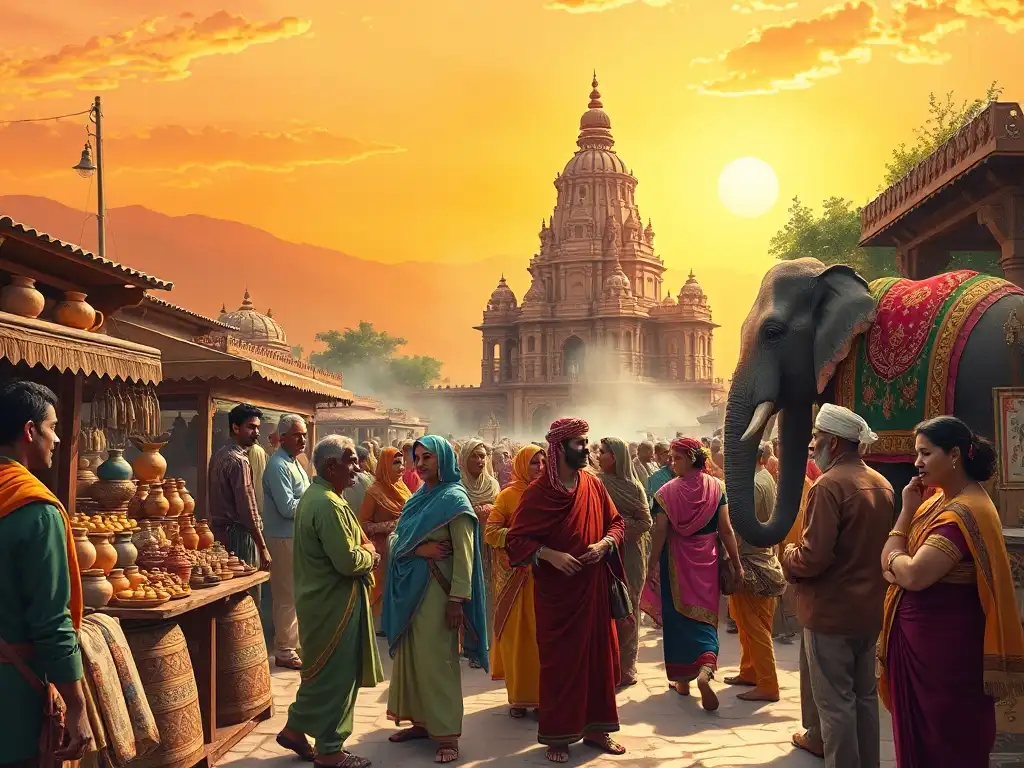
The history of ancient Indian trade practices reflects a complex tapestry woven from the threads of diverse cultures, economic strategies, and geographical factors. From the sophisticated urban centers of the Indus Valley Civilization to the flourishing markets during the Gupta Empire, trade was not merely a means of exchange but a pivotal element that shaped social structures, cultural interactions, and economic prosperity. This article delves into the evolution of trade practices in ancient Indian civilizations, highlighting their significance and the intricate networks that facilitated commerce across vast regions.
Overview of Trade in Ancient India
Trade in ancient India was characterized by a rich interplay between local and long-distance commerce. The Indus Valley Civilization (circa 2500–1900 BCE) set the stage for early trade practices, establishing urban hubs that became centers of commerce. As time progressed, various dynasties, including the Mauryas and the Guptas, expanded trade routes and enhanced economic interactions, both internally and externally. Key features of trade included:
- Barter System: The foundational method of exchange before the introduction of currency.
- Trade Routes: Land and maritime routes connecting India to regions such as Mesopotamia, Persia, and beyond.
- Marketplaces: Vibrant centers where goods were exchanged, and cultural ideas were shared.
Importance of Trade Practices in Indian Civilization
The significance of trade practices in ancient Indian civilization cannot be overstated. They played a crucial role in:
- Economic Development: Facilitating the growth of cities and the accumulation of wealth.
- Cultural Exchange: Promoting the exchange of ideas, religions, and artistic expressions, as traders traveled across regions.
- Technological Advancements: Encouraging innovations in navigation, shipbuilding, and transportation methods.
The Indus Valley Civilization: The Cradle of Trade
The Indus Valley Civilization stands as a testament to the advanced trade practices that emerged in ancient India. Its urban planning and economic activities laid the groundwork for future trade developments.
Key Trade Practices of the Indus Valley
The Indus Valley Civilization showcased remarkable trade practices, including:
- Standardized Weights and Measures: Ensuring fairness in transactions.
- Craft Specialization: Artisans produced unique goods, such as pottery, jewelry, and tools.
- Maritime Trade: Ships were utilized for trade along the Arabian Sea, expanding the reach of commerce.
Trade Networks and Interactions with Other Civilizations
The Indus Valley engaged in extensive trade networks, connecting with various civilizations:
- Mesopotamia: Artifacts like seals and pottery indicate vibrant trade relations.
- Persian Gulf: Evidence of maritime trade routes linking the Indus Valley to distant lands.
- Cultural Interactions: The exchange of goods fostered cultural ties and mutual influences.
Goods Traded: Textiles, Beads, and More
The Indus Valley was renowned for its diverse range of traded goods:
- Textiles: High-quality cotton fabrics, which were prized in foreign markets.
- Beads: Craftsmanship in bead-making led to the production of intricate jewelry.
- Metalwork: Tools and ornaments crafted from bronze and copper showcased the advanced metallurgical skills of the civilization.
Through the lens of ancient Indian trade practices, we gain insight into the economic and cultural dynamism that characterized one of the world's earliest and most influential civilizations. This exploration reveals the interconnectedness of societies and the enduring legacy of trade in shaping the course of history.
Vedic Period: Emergence of Structured Trade Practices
The Vedic Period, roughly dated between 1500 BCE and 500 BCE, marks a significant shift in the evolution of ancient Indian trade practices. During this era, the socio-economic landscape began to change as communities transitioned from a nomadic lifestyle toward settled agricultural practices. This shift facilitated the formation of structured trade networks, allowing for the exchange of goods not just within local communities but also between regions.
The emergence of a more complex society during the Vedic Period fostered the development of trade as a vital component of economic life. As agricultural production increased, surplus goods became available for trade. This surplus, combined with the growing population, enabled the establishment of specialized roles within society, including merchants and traders. Consequently, trade became organized and more systematic, laying the groundwork for future economic interactions.
Socio-Economic Changes and Their Impact on Trade
The socio-economic changes of the Vedic Period significantly influenced trade practices. The introduction of agriculture led to the establishment of permanent settlements and the need for distribution of surplus produce. These changes encouraged interaction between different communities, resulting in increased trade activities.
Additionally, the stratification of society into various occupational classes allowed for the specialization of trades. As different groups focused on specific goods—such as textiles, pottery, and metalwork—trade networks expanded to accommodate these varied products. This specialization not only enhanced the quality of goods but also fostered inter-regional trade, as communities sought products unavailable in their local markets.
Currency and Barter System in the Vedic Era
In the Vedic Era, trade primarily relied on the barter system, where goods and services were exchanged directly without the use of money. This system worked effectively within local communities, where the value of goods was often determined by necessity and availability. However, as trade expanded, it became increasingly cumbersome.
To address these challenges, the use of standardized weight measurements for goods began to emerge, facilitating easier exchanges. Eventually, the concept of currency began to take root, with the introduction of metallic objects and later coins to represent value. This transition from barter to a more formalized currency system marked a pivotal moment in ancient Indian trade practices, paving the way for more complex economic transactions.
Trade Routes and Marketplaces: A New Era
The Vedic Period saw the establishment of important trade routes that connected various regions of India and facilitated commerce with neighboring civilizations. Key routes included those leading to the Indus Valley and other parts of South Asia. The development of these routes not only enhanced trade but also led to the establishment of marketplaces, where traders could gather to exchange goods.
Markets became vital hubs for economic activity, fostering cultural exchange and interaction among different communities. The growth of trade routes and marketplaces laid the foundation for a more interconnected economy, setting the stage for future advancements in trade practices throughout ancient India.
Mauryan Empire: Expansion and Regulation of Trade
The Mauryan Empire, which flourished between the 4th and 2nd centuries BCE, marked a significant evolution in ancient Indian trade practices. Under the reign of Emperor Ashoka, the empire expanded both its territorial reach and its trade networks. This expansion allowed for the increased exchange of goods not only within India but also with distant lands such as Persia and the Mediterranean.
The Mauryan administration recognized the importance of trade for economic prosperity and implemented policies to regulate and enhance trade practices. This regulation aimed to protect merchants and ensure fair trade, which in turn contributed to the overall stability of the empire.
State Control over Trade Practices
One of the defining features of trade during the Mauryan Empire was the state’s active role in regulating trade practices. The government established rules governing trade transactions, including weight standards and taxation. This oversight ensured that trade was conducted fairly and efficiently, fostering a secure environment for merchants.
In addition to regulation, the Mauryan Empire invested in infrastructure, such as roads and ports, enhancing connectivity and facilitating the movement of goods. These state-sponsored initiatives not only improved trade efficiency but also encouraged the establishment of more extensive trade networks across the empire, further boosting economic growth.
Major Trade Goods and Export Strategies
The Mauryan Empire was characterized by a diverse array of trade goods, with key exports including textiles, spices, and precious stones. The empire’s strategic location enabled it to act as a bridge between East and West, allowing for the exchange of goods with other cultures.
Trade strategies were developed to maximize exports, such as establishing trade agreements with neighboring regions and promoting Indian goods in international markets. The Mauryan state's focus on fostering trade relationships not only boosted the economy but also enhanced cultural exchange, as foreign goods and ideas flowed into the empire, enriching its cultural tapestry.
Influence of Trade on Culture and Economy
The influence of trade during the Mauryan Empire extended beyond economic factors to significantly impact culture and society. The interaction with diverse cultures through trade fostered the exchange of ideas, art, and religious beliefs, contributing to the rich cultural fabric of ancient India.
Economically, the prosperity generated by trade allowed for advancements in various fields, including architecture, literature, and science. As wealth accumulated through trade, it enabled the patronage of scholars and artists, leading to a flourishing of cultural achievements. Thus, trade was not merely an economic activity but a catalyst for cultural development in ancient Indian civilization.
Gupta Empire: The Golden Age of Trade Practices
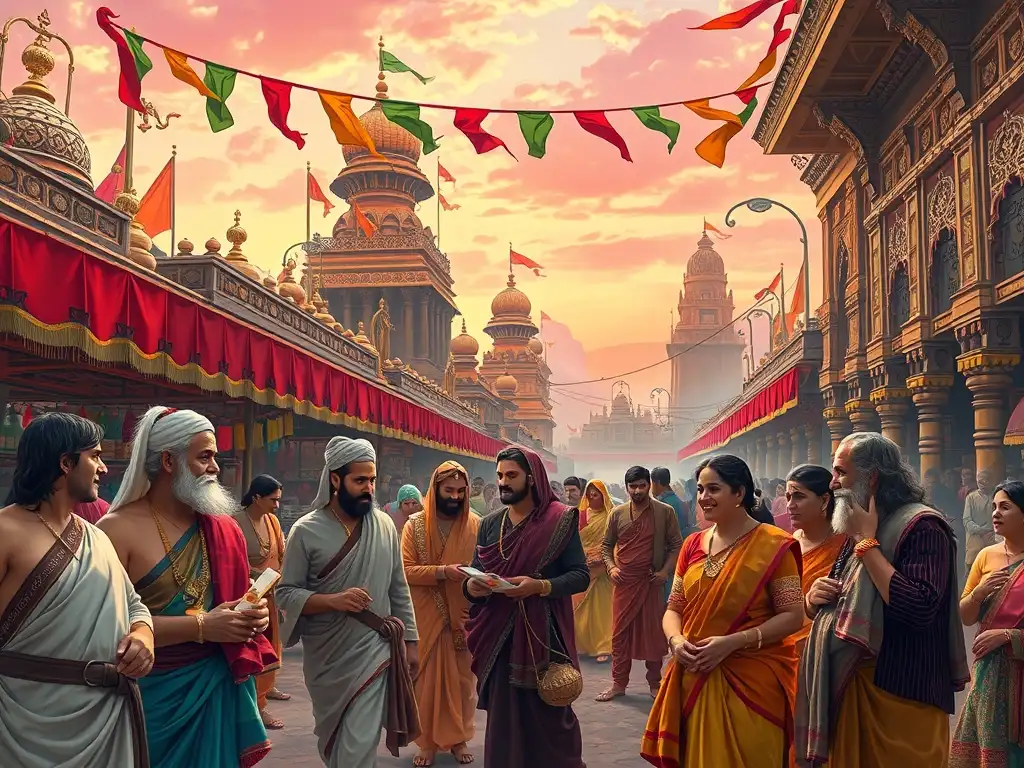
The Gupta Empire, which thrived from approximately 320 to 550 CE, is often referred to as the "Golden Age" of ancient Indian civilization. This period was marked by significant advancements in various fields, including trade practices. Under the Gupta rulers, trade flourished due to a variety of factors: political stability, a thriving agricultural economy, and increased urbanization.
Trade routes were established and expanded, connecting regions within India as well as facilitating international commerce. The prosperity of the Gupta Empire was reflected in its bustling markets, rich exchange of goods, and the rise of merchant classes. Key commodities traded included textiles, spices, gemstones, and metals, which were sought after both domestically and abroad. The Gupta period also saw the use of standardized weights and measures, enhancing trade efficiency and reliability.
Innovations in Trade and Commerce
During the Gupta period, several innovations emerged that significantly influenced trade and commerce. One of the most notable was the introduction of coinage, which helped standardize transactions and simplify trade processes. The Gupta rulers minted coins made of gold, silver, and copper, which bore inscriptions that indicated their value and authenticity. This not only facilitated trade within the empire but also made Indian coins highly sought after in international markets.
Additionally, the establishment of trade guilds played a crucial role in organizing commercial activities. These guilds, known as shrenis, brought together artisans, traders, and merchants, providing them with a structured framework for conducting business. They regulated trade practices, set prices, and ensured quality control, which in turn fostered trust and reliability among traders.
Furthermore, advancements in transportation, such as improved road systems and the development of maritime routes, enhanced trade connectivity. The use of larger ships allowed for increased cargo capacity, while well-maintained roads facilitated the movement of goods across vast distances.
Role of Guilds and Merchants in Trade
Guilds and merchants were instrumental in shaping the trade landscape during the Gupta Empire. The shrenis not only represented the interests of merchants but also acted as regulatory bodies that governed trade practices. They established codes of conduct, organized markets, and provided financial support to their members.
Merchants, on the other hand, were key players in the trade networks, both local and international. They engaged in long-distance trade, connecting India with regions such as Southeast Asia, the Middle East, and even parts of Africa. Prominent trading cities like Pataliputra, Ujjain, and Taxila became vibrant hubs where merchants exchanged goods and ideas.
Additionally, the relationship between merchants and the Gupta royalty was symbiotic. The empire offered protection and support to traders, while merchants contributed to the economy through their commercial activities, paying taxes that funded the state.
International Trade and Diplomatic Relations
International trade flourished during the Gupta Empire, facilitated by diplomatic relations with neighboring kingdoms and far-off lands. The Gupta rulers engaged in diplomatic missions, establishing alliances that promoted trade exchanges. For instance, traders from India sailed to regions like the Roman Empire, the Arabian Peninsula, and the Southeast Asian archipelago, exporting goods and importing luxury items.
Cultural exchanges accompanied trade, leading to an exchange of ideas, technology, and art. Indian merchants carried not only commodities but also cultural artifacts, philosophies, and religious beliefs, which had a lasting impact on the regions they interacted with. The spread of Buddhism, for example, was significantly aided by trade routes, leading to the establishment of trade networks that transcended geographical boundaries.
Challenges Faced by Ancient Indian Trade Practices
Despite the advancements in trade practices during ancient Indian civilizations, challenges were prevalent that hindered trade development.
Geographic and Political Barriers
Geographic factors often posed significant challenges to trade in ancient India. The vast and diverse landscape, including mountains, rivers, and deserts, made it difficult to establish consistent trade routes. For example, the Himalayas acted as a natural barrier, isolating certain regions and limiting trade access.
Political instability also disrupted trade practices. Periods of conflict, such as invasions or power struggles among regional rulers, could lead to the closure of trade routes, causing economic turmoil. Merchants faced risks associated with traveling through politically unstable areas, which could result in losses or confiscation of goods.
Economic Instability and Its Effects on Trade
Economic conditions played a critical role in the success of trade practices. Fluctuations in agricultural productivity due to factors like monsoons or droughts could lead to food shortages, limiting the availability of surplus goods for trade. Additionally, inflation and currency devaluation could undermine the value of money, affecting trade transactions.
Economic instability often led to a decrease in consumer demand, further straining trade activities. For instance, during periods of famine, the focus shifted to survival, and luxury goods became less sought after. This downturn in the economy could have cascading effects on merchants and guilds, leading to reduced trade volumes.
Competition with Other Civilizations
Ancient Indian trade practices also faced competition from other civilizations. The rise of powerful empires in regions such as Persia and China created rival trade networks that sought to dominate the lucrative trade routes. The Silk Road, for instance, became a significant competitor, facilitating trade between East and West and attracting merchants away from Indian routes.
Moreover, advances in trade practices in neighboring civilizations, such as the use of sophisticated banking systems and credit facilities, posed challenges for Indian merchants who relied on traditional methods. The competition not only affected trade volumes but also encouraged Indian traders to innovate and adapt to remain competitive in the global market.
The evolution of trade practices in ancient Indian civilizations, particularly during the Gupta Empire, highlights the intricate interplay of innovation, societal structures, and external influences. Understanding these dynamics provides valuable insights into the rich tapestry of ancient Indian trade and its lasting legacy in global commerce.
Legacy of Ancient Indian Trade Practices
The legacy of ancient Indian trade practices is deeply woven into the fabric of India’s historical and cultural narrative. From the bustling markets of the Indus Valley Civilization to the extensive trade networks established during the Maurya and Gupta empires, trade was not merely an economic activity; it was a catalyst for cultural exchange and social development. Ancient Indian traders were adept at navigating both land and maritime routes, establishing trade links with far-off regions, including Mesopotamia, Egypt, and Southeast Asia.
Trade practices were marked by a variety of commodities, such as spices, textiles, precious stones, and metals. The famous Silk Road facilitated not only the exchange of goods but also ideas, religions, and technologies. The use of standardized weights and measures, the introduction of coinage, and the establishment of trade guilds laid the groundwork for organized commercial activities. The ancient Indian emphasis on ethical trade practices, as seen in texts like Arthashastra, highlighted the importance of fairness and honesty in commerce, principles that continue to resonate in contemporary business ethics.
Influence on Modern Trade Practices in India
Modern trade practices in India can trace their roots back to ancient methods that emphasized the significance of interdependence and trade networks. The concept of barter, which was prevalent in ancient times, has evolved into a more complex system of currency and global trade, yet the foundational ideas remain intact. With the rise of digital commerce, the spirit of trade—inclusivity, accessibility, and the quest for mutual benefit—continues to reflect the principles established by ancient traders.
Moreover, ancient trade routes have evolved into modern logistical networks, with cities like Delhi, Mumbai, and Kolkata serving as major commercial hubs. The diversity of Indian products, including textiles and handicrafts, retains the vibrant essence of ancient trade, as they are still exported globally, showcasing India’s rich heritage. Contemporary trade policies continue to be influenced by historical precedents, emphasizing the need for robust frameworks that support fair trade and sustainable practices.
Cultural Exchanges and Their Lasting Impact
Cultural exchanges facilitated by ancient Indian trade practices have had a profound and lasting impact on global civilizations. Traders not only exchanged goods but also ideas, philosophies, and religions. The spread of Buddhism, for example, was significantly aided by trade routes that connected India to Central Asia and beyond. Similarly, the introduction of Indian numerals and mathematical concepts to the Western world can be attributed to these exchanges, shaping global knowledge systems.
The syncretic nature of trade led to a rich tapestry of cultural interactions, resulting in shared artistic styles, culinary practices, and linguistic influences across regions. The fusion of cultures enriched local traditions and fostered a sense of community and understanding among diverse populations. This cultural amalgamation is evident even today in various aspects of life, from festivals to cuisines, highlighting the enduring legacy of ancient trade practices in fostering unity through diversity.
Lessons from Ancient Indian Trade for Contemporary Economies
Ancient Indian trade practices offer valuable lessons for contemporary economies, particularly in areas such as sustainability, ethical commerce, and the importance of adaptability. The ancient traders’ emphasis on establishing fair trade relations can inspire modern businesses to prioritize ethical considerations in their operations. By fostering trust and transparency, businesses can build long-term relationships that benefit all parties involved.
Additionally, the adaptability of ancient traders in navigating different cultural landscapes underscores the need for modern economies to embrace diversity and inclusivity. Collaboration across borders and cultures can lead to innovative solutions and shared prosperity. Furthermore, the ancient practice of maintaining balance between trade and local resources can inform current discussions on sustainability and environmental stewardship, ensuring that economic growth does not come at the expense of ecological health.
Conclusion: The Enduring Significance of Ancient Indian Trade Practices
The exploration of ancient Indian trade practices reveals their profound impact on economic, cultural, and social dimensions. These practices not only fostered wealth and prosperity but also facilitated exchanges that enriched the global civilization. Understanding the intricacies of these trade systems allows us to appreciate the complexity of ancient economies and their contributions to contemporary practices.
Recap of Key Developments in Trade History
Throughout history, ancient Indian trade practices evolved through various phases, including the establishment of trade routes, the emergence of guilds, and the introduction of currency. Key developments included the rise of maritime trade during the Gupta Empire and the flourishing of trade cities, which played a vital role in regional economies. These milestones highlight the adaptability and resilience of ancient traders, whose legacies continue to influence modern trade dynamics.
The Importance of Understanding Ancient Trade Practices Today
Understanding ancient Indian trade practices is crucial for contemporary society, as it provides insights into the foundations of economic systems and cultural exchanges that shape our world. By studying these practices, we can glean lessons on ethical commerce, sustainability, and the importance of cultural interconnectivity. In a globalized economy, where trade remains a pivotal factor in development, the principles established by ancient Indian traders can guide us toward a more equitable and prosperous future, reminding us of the timeless value of trade as a means of fostering understanding and collaboration across cultures.
- Introduction to Ancient Indian Trade Practices
- The Indus Valley Civilization: The Cradle of Trade
- Vedic Period: Emergence of Structured Trade Practices
- Mauryan Empire: Expansion and Regulation of Trade
- Gupta Empire: The Golden Age of Trade Practices
- Challenges Faced by Ancient Indian Trade Practices
- Legacy of Ancient Indian Trade Practices
- Conclusion: The Enduring Significance of Ancient Indian Trade Practices
Frequently Asked Questions
What were the main trade practices in ancient India?
Ancient Indian trade practices involved a mix of barter systems and currency transactions, facilitating the exchange of goods both locally and internationally.
How did the Indus Valley Civilization contribute to trade?
The Indus Valley Civilization established advanced urban planning and trade networks, utilizing rivers for transport and creating a standardized system of weights and measures.
What role did the Silk Road play in ancient Indian trade?
The Silk Road served as a crucial trade route, connecting India to China and the Middle East, allowing for the exchange of goods, ideas, and culture.
How did the Gupta Empire influence trade?
During the Gupta Empire, trade flourished due to political stability and improved infrastructure, leading to increased commerce with regions such as Southeast Asia and Africa.
What were some key goods traded in ancient India?
Ancient Indian traders exchanged a variety of goods, including spices, textiles, jewelry, and medicinal herbs, which were highly sought after in international markets.
Final Reflection: The Enduring Legacy of Ancient Indian Trade Practices
The evolution of trade practices in ancient Indian civilizations is not just a historical account; it is a testament to the ingenuity and adaptability of human commerce. Today, as we navigate a global economy that is increasingly interconnected, the principles and practices established by our ancestors resonate more than ever. The intricate trade networks and cultural exchanges of ancient India laid the groundwork for modern economic systems, reminding us that the past is not merely a series of events but a living legacy that continues to shape our present.
The influence of ancient Indian trade practices extends far beyond mere transactions; they fostered cultural exchanges that enriched societies and promoted mutual understanding. The vibrant marketplaces and trade routes of ancient India were melting pots of ideas, art, and philosophy, contributing to a rich tapestry of cultural heritage. As Mahatma Gandhi once said, “A nation’s greatness is measured by how it treats its weakest members.” This quote encapsulates the essence of trade as a vehicle for not only economic prosperity but also social cohesion and ethical responsibility.
As we reflect on the lessons gleaned from ancient Indian trade practices, let us embrace the spirit of collaboration and innovation that characterized those times. Consider how you can apply these timeless principles in your own life—whether through fostering connections, promoting fair trade, or supporting local economies. The legacy of ancient Indian trade is a call to action for each of us to contribute to a more equitable and interconnected world, reminding us that our choices today can echo through time, just as those of our ancestors have.
Unveil the Secrets of Ancient Trade!
Thank you for exploring the fascinating evolution of trade practices in ancient Indian civilizations! You’ve gained a deeper understanding of how these systems shaped economies and cultures long ago. Now, let's embark on a journey to connect with this rich history and inspire modern practices.
Here are a few actionable steps to dive deeper into the world of ancient trade:
- Join a local history group or online forum to discuss and share insights about ancient trade practices.
- Visit a museum or historical site that features artifacts from ancient trade routes—experience history firsthand!
- Create a presentation or blog post highlighting key trade practices, and inspire others to appreciate the dynamic exchanges that shaped our past.
What aspect of ancient trade intrigues you the most, and how can we apply those lessons to today's economy? **Share your thoughts below! **