
The Legacy of Ancient Indian Trade in Modern Economic Practices


Welcome to Ancient India History, where we embark on a fascinating journey through the rich tapestry of ancient Indian civilizations. From the bustling markets of the Indus Valley to the flourishing trade routes of the Gupta Empire, the legacy of trade has shaped not only historical economies but also our modern practices. In our featured article, "The Legacy of Ancient Indian Trade in Modern Economic Practices," we delve into how these age-old influences continue to resonate today.
Are you ready to uncover the profound connections between ancient trade and our current economic landscape? Join us as we explore this captivating narrative that has stood the test of time!
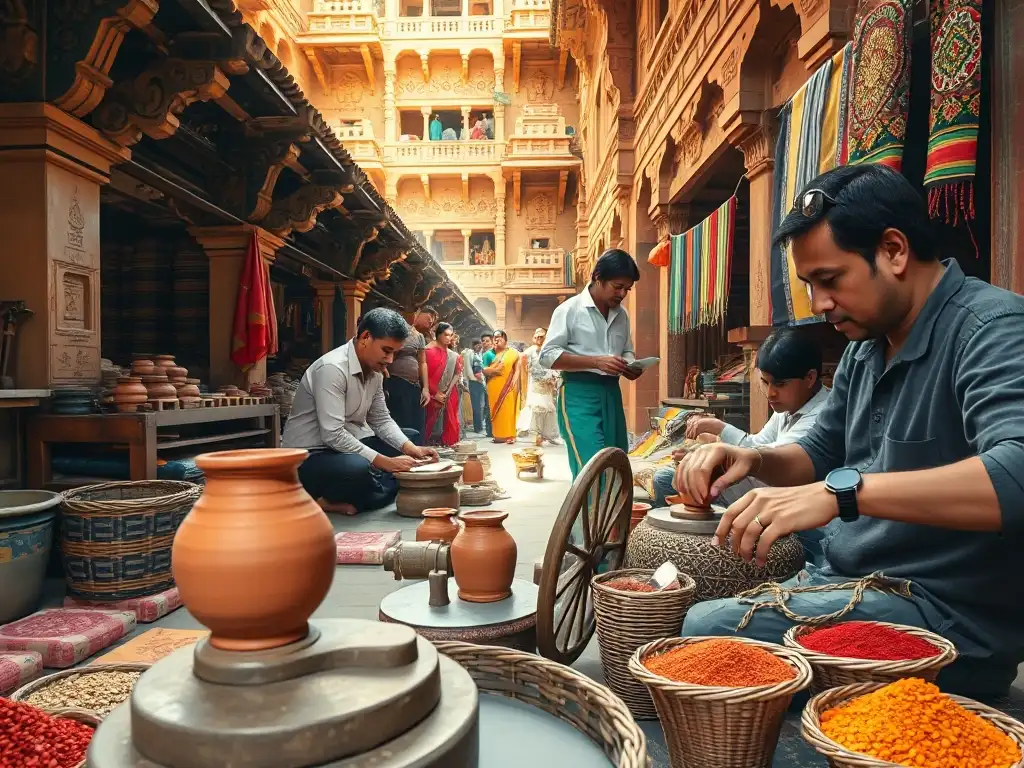
Introduction to Ancient Indian Trade Influences Today
The intricate tapestry of ancient Indian trade has left a profound impact on modern economic practices, shaping not only regional economies but also global market dynamics. From the bustling streets of the Indus Valley to the thriving ports of the Gupta Empire, ancient Indian trade networks were sophisticated systems that enabled the exchange of goods, ideas, and cultures.
This article delves into how these rich trading traditions have influenced contemporary economic practices, highlighting the relevance of ancient Indian trade influences today. By exploring the historical context and the key elements of ancient trade, we can better understand its lasting legacy in today's global economy.
Overview of Ancient Indian Trade Networks
Ancient India was characterized by a multitude of trade networks that connected various regions and civilizations. These networks were not just limited to local exchanges but extended across vast distances, linking India with countries in Southeast Asia, the Middle East, and beyond. The trade routes can be broadly categorized into:
- Land Routes: The famous Silk Road, which connected India to Central Asia, played a significant role in facilitating trade.
- Maritime Routes: The Arabian Sea and the Indian Ocean were vital for maritime trade, with bustling ports like Lothal and Kochi serving as trading hubs.
These trade networks were instrumental in the exchange of a diverse array of commodities, ideas, and cultural practices, making ancient Indian trade a cornerstone of early globalization.
Significance of Trade in Ancient Indian Civilizations
Trade was not merely an economic activity in ancient India; it was deeply intertwined with societal and cultural development. The significance of trade in ancient Indian civilizations can be understood through several key aspects:
- Economic Prosperity: Trade led to the accumulation of wealth, enabling the growth of urban centers and the flourishing of arts and crafts.
- Cultural Exchange: The movement of traders facilitated the exchange of philosophies, religions, and cultural practices, enriching the tapestry of Indian civilization.
- Political Alliances: Trade often fostered diplomatic relations and alliances between different kingdoms, enhancing stability and cooperation.
The legacy of these trade practices can still be felt today, influencing modern economic strategies and international relations.
The Historical Context of Trade in Ancient India
To fully appreciate the influence of ancient Indian trade on contemporary practices, it is essential to examine its historical context. This includes understanding the trade routes and key commodities that defined the ancient trading landscape.
Trade Routes of Ancient India
Ancient India boasted an extensive network of trade routes, both overland and maritime. Notable routes included:
- The Silk Road: Facilitating trade between India and China, this route was crucial for the exchange of silk, spices, and other luxury goods.
- The Spice Route: Connecting India to the Mediterranean, this maritime route was integral for the trade of valuable spices like pepper and cardamom.
These routes not only facilitated the exchange of goods but also served as conduits for cultural and technological exchange, significantly contributing to the development of ancient Indian society.
Key Commodities in Ancient Indian Trade
The ancient Indian economy was rich in diverse commodities that were highly sought after both locally and internationally. Some of the key commodities included:
- Spices: India was renowned for its spices, which were in high demand across the world.
- Textiles: Cotton and silk textiles were prized commodities, with Indian fabrics being exported to various parts of the globe.
- Metals and Gems: Precious metals, such as gold and silver, along with gemstones, played a significant role in trade.
The significance of these commodities in ancient trade underscores their lasting impact on modern economic practices, as many of these items continue to be integral to trade today.
Through this exploration of ancient Indian trade and its historical context, we can appreciate how these early practices have laid the foundation for modern economic systems, shaping the way commerce operates in today's globalized world.
Cultural Exchanges: How Ancient Indian Trade Influences Today
Ancient Indian trade was not merely an economic activity; it was a dynamic exchange of culture, ideas, and innovations that has left an indelible mark on modern practices. The extensive trade networks established during the Indus Valley Civilization and later periods facilitated cultural exchanges with numerous civilizations, including those in Mesopotamia, China, and Southeast Asia. These interactions enriched the cultural tapestry of India and influenced various aspects of contemporary society.
Influence on Modern Economic Practices
The principles of trade established in ancient India laid the groundwork for many modern economic practices. For instance, the ancient focus on trade routes like the Silk Road and maritime paths significantly contributed to the globalization of trade. Elements such as trade regulations, merchant guilds, and taxation systems can trace their origins back to these ancient practices. The concepts of fair trade and ethical business practices, which are gaining importance today, have roots in the moral philosophies that were prevalent among ancient Indian merchants.
Cultural Diffusion through Trade
Trade in ancient India was a catalyst for cultural diffusion, impacting language, religion, and art across regions. The exchange of goods often came with the exchange of ideas and beliefs. For instance, the spread of Buddhism along trade routes influenced not just religious practices but also art forms and architectural styles across Asia. This cultural diffusion is evident in the shared motifs found in sculptures and textiles, showcasing how ancient trade practices continue to influence artistic expressions in modern times.
Ancient Indian Trade Practices and Their Modern Implications
The trade practices of ancient India were sophisticated and varied, ranging from barter systems to complex market structures. Understanding these practices provides valuable insights into current economic models and strategies.
Barter System and Its Evolution
The barter system was the predominant form of trade in ancient India, where goods and services were directly exchanged without a standard currency. This practice encouraged the development of negotiation skills and a deep understanding of value among merchants. With the advent of currency, the principles of barter evolved into modern economic transactions. Today, while currency transactions dominate, the resurgence of barter-like platforms, especially in digital economies, reflects the enduring relevance of these ancient practices. Such systems emphasize mutual benefit and resource optimization, principles that can be traced back to ancient India.
Influence of Ancient Indian Merchants on Contemporary Business Models
Ancient Indian merchants were pioneers in developing various business models, including partnerships and trade associations, which mirror contemporary corporate structures. Their emphasis on trust, reputation, and ethical dealings laid the foundation for modern business ethics. The concept of the "shreshthi" (chief merchant) in ancient times can be seen as a precursor to today's business leaders who focus on not just profit, but also social responsibility and sustainable practices. By examining the strategies and values of these ancient merchants, modern businesses can glean valuable lessons on resilience, adaptability, and the importance of community in trade.
Case Studies: Ancient Indian Trade and Modern Economic Examples
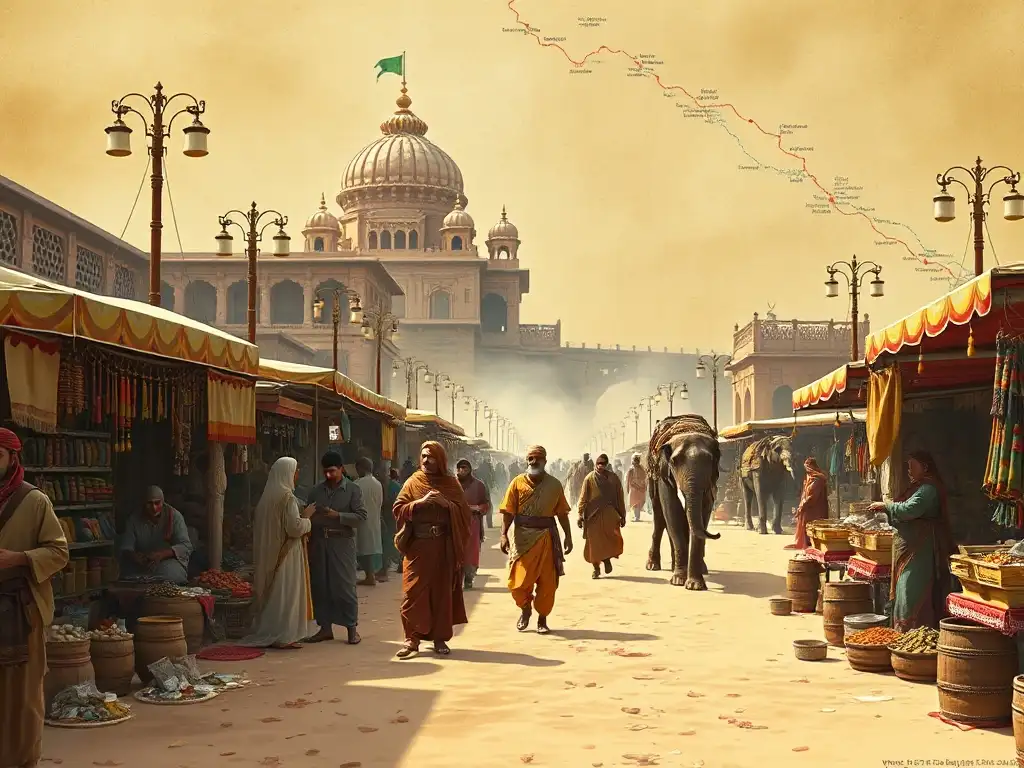
Ancient Indian trade has left a profound legacy that continues to influence modern economic practices. By examining specific case studies, we can uncover how the methods, goods, and trade routes established in ancient times have shaped contemporary commerce. This exploration not only highlights the historical significance of trade in ancient India but also illustrates the ongoing relevance of these practices in today's globalized economy.
The Spice Trade and Its Lasting Impact
The spice trade was one of the most lucrative and impactful aspects of ancient Indian commerce. Spices such as black pepper, cardamom, and turmeric were highly sought after in international markets, leading to the establishment of trade routes that connected India to distant lands, including Europe and the Middle East.
- Economic Influence: The demand for Indian spices helped to foster economic exchanges that enriched not only Indian traders but also local economies in regions where these spices were traded. For instance, spice trading led to the emergence of bustling marketplaces in coastal cities like Calicut and Cochin, which became vital commercial hubs.
- Cultural Exchange: The spice trade facilitated cultural interactions, resulting in the exchange of ideas, customs, and technologies between India and other civilizations. This cultural diffusion had lasting effects on culinary practices, leading to the integration of Indian spices into international cuisines.
Today, the modern food industry continues to draw inspiration from ancient spice trade practices. Many businesses utilize traditional methods of sourcing and distributing spices, emphasizing quality and authenticity. This not only appeals to consumers but also ensures fair trade practices that benefit local farmers and producers.
Textile Trade: From Ancient India to Global Markets
The textile trade is another area where ancient Indian practices have left an indelible mark on modern economic systems. India was renowned for its high-quality fabrics, such as cotton, silk, and wool, which were traded extensively along the Silk Road and maritime routes.
- Global Market Integration: Ancient Indian textiles were highly prized in international markets, leading to the establishment of trade patterns that integrated Indian products with global demands. This laid the groundwork for India's ongoing significance in the global textile industry.
- Sustainability Practices: Traditional textile production methods often emphasized sustainability, utilizing natural dyes and eco-friendly materials. Modern companies are increasingly looking to these ancient practices as they strive to adopt sustainable practices in response to consumer demands for ethically produced goods.
The legacy of ancient Indian textiles continues to thrive in contemporary fashion and textile industries, highlighting the enduring influence of ancient trade on modern economic practices.
Challenges and Adaptations in Trade: Then and Now
Trade, both ancient and modern, has faced numerous challenges that have necessitated adaptations in practices and strategies. By analyzing the challenges of ancient Indian trade, we can gain insights into how these historical obstacles inform contemporary approaches to trade.
Ancient Trade Challenges and Their Solutions
Ancient Indian traders encountered various challenges, including geographical obstacles, political instability, and the need for secure transportation.
- Geographical Barriers: The vast and diverse terrain of India made transportation difficult. Traders adapted by using a variety of means, including caravans and maritime routes, to navigate these challenges effectively.
- Political Instability: Frequent changes in political control often disrupted trade routes. Traders developed networks and alliances, relying on mutual agreements and trust to maintain trade relationships despite political turmoil.
These adaptations not only ensured the continuity of trade but also fostered resilience and innovation in ancient economic practices.
Modern Trade Challenges Inspired by Ancient Practices
In the modern context, businesses face new challenges, including globalization, regulatory complexities, and supply chain disruptions. Drawing inspiration from ancient practices can provide valuable strategies for overcoming these hurdles.
- Globalization: Just as ancient traders built networks across vast distances, modern businesses can leverage technology to create global supply chains that are agile and responsive to market demands.
- Regulatory Complexities: Ancient trade often required navigating various local laws and customs. Today, businesses can adopt similar strategies by engaging with local partners and understanding regional regulations to facilitate smoother operations.
By learning from the resilience and adaptability of ancient Indian traders, modern businesses can better navigate the complexities of today's economic landscape, ensuring the continued relevance of ancient Indian trade influences in contemporary practices.
Conclusion: Reflecting on Ancient Indian Trade Influences Today
The legacy of ancient Indian trade is not merely a chapter in history; it is a vibrant thread woven into the fabric of modern economic practices. The intricate trade networks established during ancient times laid the groundwork for economic principles that continue to resonate today. From the bustling bazaars of the Indus Valley to the maritime routes of the Indian Ocean, the methods and philosophies of trade have shaped contemporary commerce.
As we reflect on the influences of ancient Indian trade, it becomes evident that the values of fairness, sustainability, and mutual respect among trading partners are increasingly relevant in today's globalized economy. Furthermore, the emphasis on local craftsmanship and the promotion of artisanal goods remind us of the importance of preserving unique cultural identities in an era of mass production.
The Relevance of Ancient Trade in Understanding Modern Economics
Understanding the dynamics of ancient Indian trade is crucial for comprehending modern economic frameworks. For instance, the ancient practice of barter, where goods were exchanged directly without the use of currency, resonates with the current resurgence of local economies and community-supported initiatives. In many regions today, there is a growing trend towards the barter system, particularly in areas emphasizing sustainability and local resource management.
Additionally, ancient Indian trade was characterized by the establishment of trade guilds and merchant communities, which fostered trust and collaboration among traders. These guilds served as early models of business associations, highlighting the importance of networking in business today. Modern businesses can draw parallels from these historical practices, understanding that trust and collaboration are essential in building successful partnerships.
Moreover, the ancient emphasis on trade routes, such as the Silk Road and maritime paths, emphasizes the significance of connectivity and logistics in contemporary trade. As globalization continues to reshape economic landscapes, the lessons from ancient trade routes can inform modern strategies for international trade, emphasizing the need for robust infrastructure and cooperative agreements.
Future Implications of Ancient Indian Trade Principles in Global Commerce
The principles of ancient Indian trade hold significant implications for the future of global commerce. As the world grapples with challenges such as climate change and economic inequality, the sustainable practices of ancient traders offer valuable insights. The emphasis on ecological balance and respect for the environment, evident in the agricultural practices of ancient India, can inform modern businesses striving for sustainability.
Moreover, the ancient Indian focus on ethical trade practices and social responsibility can inspire contemporary businesses to adopt more equitable models. Companies are increasingly recognizing the importance of Corporate Social Responsibility (CSR) and ethical sourcing, aligning their practices with the values that were intrinsic to ancient trade.
Another critical implication lies in the promotion of artisanal and handmade products, which was a hallmark of ancient Indian markets. As consumers become more conscious of their purchasing choices, there is a growing demand for authentic and locally-sourced products. This trend mirrors the ancient trade practices that celebrated craftsmanship and the unique cultural heritage of various regions.
The legacy of ancient Indian trade is rich with lessons that can guide modern economic practices. By embracing the principles of sustainability, ethical trade, and community engagement, contemporary commerce can create a more equitable and resilient global economy. As we continue to explore the influences of ancient Indian trade, it is clear that these historical practices remain relevant and beneficial in shaping the future of trade and economic relations.
- Introduction to Ancient Indian Trade Influences Today
- The Historical Context of Trade in Ancient India
- Cultural Exchanges: How Ancient Indian Trade Influences Today
- Ancient Indian Trade Practices and Their Modern Implications
- Case Studies: Ancient Indian Trade and Modern Economic Examples
- Challenges and Adaptations in Trade: Then and Now
- Conclusion: Reflecting on Ancient Indian Trade Influences Today
- What was the significance of Ancient Indian trade?
- How did Ancient Indian trade influence modern economic practices?
- What were some key products traded in Ancient India?
- How did ancient trade routes contribute to cultural exchange?
- What legacy does Ancient Indian trade leave for today's global economy?
Frequently Asked Questions
What was the significance of Ancient Indian trade?
Ancient Indian trade was vital for cultural exchange and economic prosperity, connecting India with various civilizations across Asia and beyond, influencing trade routes and practices.
How did Ancient Indian trade influence modern economic practices?
The methods and strategies developed during ancient times, such as barter systems and trade partnerships, laid the groundwork for many modern economic principles we use today.
What were some key products traded in Ancient India?
Ancient India was known for its trade in spices, textiles, and precious stones, which were highly sought after in international markets and contributed to India's vast economic network.
How did ancient trade routes contribute to cultural exchange?
The trade routes facilitated not just the exchange of goods but also ideas, religions, and innovations, leading to a rich tapestry of cultural influences that shaped both ancient and modern societies.
What legacy does Ancient Indian trade leave for today's global economy?
The legacy of Ancient Indian trade can be seen in today's globalization, where the interconnection of economies mirrors the trade networks established thousands of years ago.
Final Reflection: The Enduring Influence of Ancient Indian Trade
The legacy of ancient Indian trade is not just a relic of the past; it is a vibrant thread woven into the fabric of modern economic practices. Today, as we navigate a globalized economy, the principles and practices established by ancient Indian traders continue to resonate, shaping our understanding of commerce, cultural exchange, and economic interdependence. The intricate networks of trade routes that once flourished are mirrored in our contemporary systems, reminding us that the past is not merely history but a foundation upon which we build our future.
The impact of ancient Indian trade extends far beyond historical significance; it has profoundly influenced our cultural and social landscapes. From the exchange of goods to the sharing of ideas, the principles of trade established centuries ago fostered a spirit of collaboration and innovation that persists today. As we engage in international trade and cultural exchanges, we are reminded of the words of Mahatma Gandhi: A nation's greatness is measured by how it treats its weakest members.
This sentiment echoes the inclusive practices of ancient traders who valued relationships and mutual benefit, urging us to consider the ethical dimensions of our economic interactions.
As we reflect on the lessons of ancient Indian trade, let us embrace the opportunity to apply these insights in our own lives. Consider how you can foster connections, promote ethical practices, and contribute to a more interconnected world. Whether in business or personal relationships, the principles of trust, collaboration, and respect that guided ancient traders can inspire us to create a legacy of our own—one that honors the past while paving the way for a brighter, more inclusive future.
Unleash the Power of Ancient Wisdom in Your Daily Life!
Thank you for exploring the fascinating world of ancient Indian trade and its influence on today’s economy! By understanding these historical practices, you are taking a significant step towards integrating this knowledge into your everyday life. Now, let’s put that insight into action and discover how you can embody this rich legacy.
- Embrace Local Economies: Support local businesses in your community, just as ancient traders did. Seek out artisans and farmers, and promote sustainable and ethical practices that benefit everyone.
- Learn by Doing: Experiment with barter systems within your network—trade services or goods with friends or neighbors to strengthen community bonds and enhance your economic resilience.
- Share the Story: Ignite conversations about ancient trade by sharing this article or discussing these concepts on social media. Encourage others to reflect on the roots of our current economic practices.
What innovative ways can you find to incorporate the principles of ancient trade into your life and community? Share your thoughts and inspire others!