
The Role of Women in Ancient Indian Trade Networks

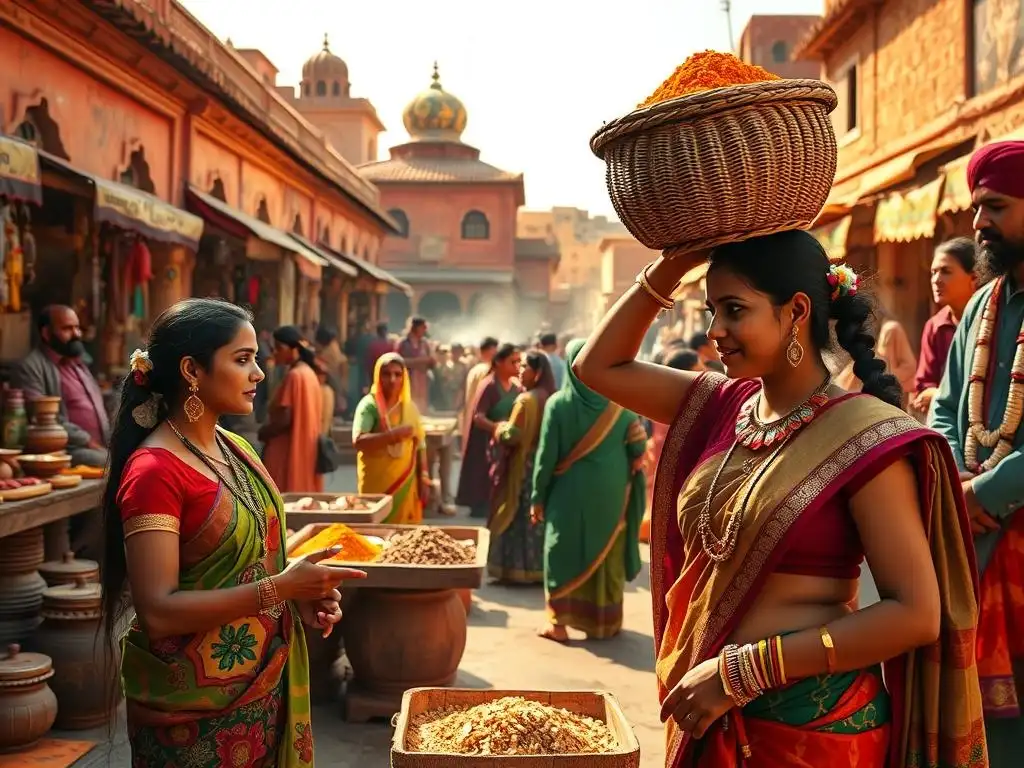
Welcome to Ancient India History, where we embark on a journey through the rich tapestry of ancient Indian civilizations. Today, we delve into a fascinating aspect of our past— the role of women in ancient Indian trade networks. How did these remarkable women shape the commerce and economy of their time?
What contributions did they make that still resonate today? As we uncover these intriguing narratives, prepare to be inspired by the resilience and ingenuity that defined their roles in a complex trade landscape. Join us as we explore the vital connection between gender and commerce in ancient India, and discover the stories that have shaped our cultural heritage.
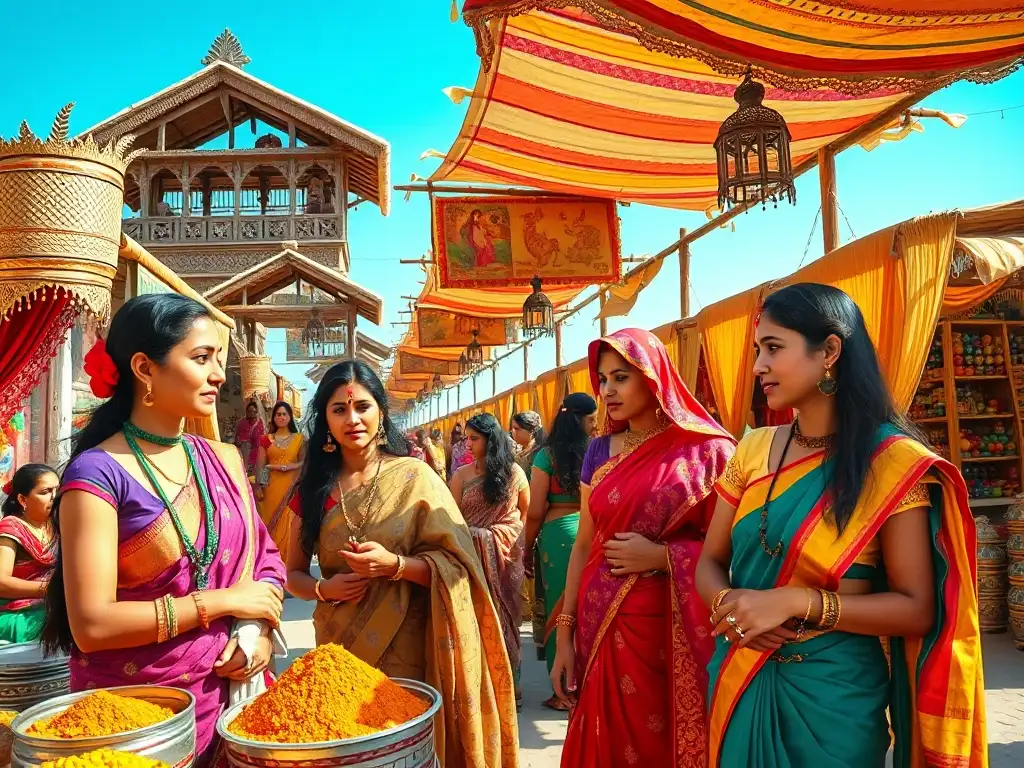
The intricate web of trade networks that flourished in ancient India is a testament to the region's vibrant economy and cultural exchanges. While trade is often viewed through the lens of merchants and goods, the contributions of women within these networks have been historically underappreciated. This article delves into the essential role women played in ancient Indian trade, examining their involvement across various time periods and regions. By understanding the nuances of Women in Ancient Indian Trade, we can appreciate their significant impact on commerce, economy, and society as a whole.
Introduction to Women in Ancient Indian Trade
The historical role of women in ancient Indian trade is a complex and multifaceted topic. Unlike many societies where women's contributions to economic activities were often relegated to the domestic sphere, ancient India presented unique opportunities for women to engage in trade and commerce. Women were not just passive participants; they were active agents who contributed to local economies and facilitated long-distance trade. This participation varied significantly across different regions and eras, influenced by cultural, social, and economic factors.
Overview of Ancient Indian Trade Networks
Ancient India was home to several prominent trade networks that connected it to other civilizations, including those in Africa, the Middle East, and Southeast Asia. Key trade routes included:
- Silk Road: Facilitated the exchange of silk, spices, and other goods.
- Maritime Trade Routes: Enabled commerce with distant lands, particularly through ports like Lothal and Kannauj.
Women were integral to these networks, often participating in the production, distribution, and sale of goods. They engaged in various trade practices, from managing family businesses to working as artisans, traders, and market vendors.
Importance of Gender Roles in Trade
Understanding the gender roles in ancient Indian trade networks is crucial for a comprehensive view of the economy. Women’s involvement often included:
- Economic Independence: Many women gained financial independence through trade, challenging traditional gender norms.
- Cultural Exchange: Women played a pivotal role in the exchange of not only goods but also ideas and cultural practices, enriching the societies involved.
The acknowledgment of women's roles in trade helps to dismantle the binary view of gender in historical contexts, showcasing a more equitable distribution of economic responsibilities.
Historical Context of Women in Trade
To fully appreciate the role of women in ancient Indian trade, it is essential to explore the historical context and the various eras that shaped their participation and influence.
Women’s Participation in the Indus Valley Civilization
During the Indus Valley Civilization (circa 3300-1300 BCE), evidence suggests that women played a crucial role in economic activities. Archaeological findings indicate that:
- Women were involved in craft production, contributing to the creation of textiles and pottery.
- They may have participated in trade, as indicated by the presence of female figurines and seals depicting women engaged in various activities.
This era set a precedent for women's involvement in economic life, highlighting their importance in the foundational trade networks of ancient India.
The Role of Women in Trade During the Vedic Period
The Vedic Period (circa 1500-500 BCE) saw shifts in societal structures, yet women's roles in trade remained significant. Key points include:
- Involvement in Agriculture: Women contributed to agricultural production, which was central to trade.
- Participation in Markets: Texts from this period suggest that women frequented markets, both as buyers and sellers, indicating their active engagement in commerce.
These roles exemplify the continuity of women's economic participation despite evolving societal norms.
Influence of Regional Variations on Women’s Trade Roles
The roles of women in trade varied significantly across different regions of ancient India. Factors influencing these variations included:
- Cultural Practices: Different regions had distinct cultural norms that either restricted or encouraged women's involvement in trade.
- Economic Conditions: Areas with robust trade networks provided more opportunities for women to engage in commerce, while more isolated regions had fewer avenues for participation.
Understanding these regional differences provides a deeper insight into the diverse experiences of women in ancient Indian trade networks, underscoring their adaptability and resilience in various economic contexts.
In the following sections, we will delve deeper into specific case studies and evidence illustrating the vital contributions of women to ancient Indian trade, further illuminating their roles in shaping the economy and society of their times.
Women as Traders and Merchants
In ancient Indian society, women played a significant role as traders and merchants, contributing to the economic landscape and the trade networks prevalent during that time. Historical texts and archaeological findings indicate that women were actively involved in various aspects of trade, ranging from local transactions to international commerce. They operated in markets, selling goods such as textiles, spices, and pottery, thereby influencing the economy and facilitating the flow of goods across regions.
Women often managed family businesses, taking on responsibilities when male family members were occupied or away. This was particularly evident in urban centers where trade flourished. Women not only engaged in selling products but also participated in the production process, weaving textiles or crafting goods, which enhanced their status as vital economic contributors. Their involvement in trade was not limited to physical marketplaces; they also played a role in negotiating prices and establishing trade connections, showcasing their agency within the economic realm.
Prominent Female Figures in Ancient Indian Trade
Several notable female figures emerged in ancient Indian trade, leaving a lasting impact on the commerce of their time. One such figure is Vasavadatta, a woman mentioned in literary sources who was known for her acumen in trade and commerce. She successfully led trade expeditions and was reputed for her sharp business sense.
Additionally, the accounts of Madhavikā, who is believed to have facilitated trade between different regions, highlight the entrepreneurial spirit of women. Their stories exemplify how women navigated the complexities of trade, harnessing their skills and knowledge to thrive in a male-dominated environment.
Such figures were not only instrumental in the economic sphere but also served as role models for future generations, inspiring women to engage in trade and commerce.
Economic Contributions of Women in Trade
The economic contributions of women in ancient Indian trade were profound and multifaceted. They engaged in various activities that bolstered the economy, such as:
- Production: Women were often involved in the manufacturing of goods, including textiles and pottery, which were essential for trade.
- Trade Management: Many women managed trade routes and logistics, ensuring that goods reached their destinations efficiently.
- Financial Transactions: Women participated in financial activities, including lending and borrowing, which were crucial for expanding trade operations.
The revenue generated from these activities not only supported their families but also contributed to the broader economic framework of ancient India, illustrating the important role women played in sustaining trade networks.
Women's Involvement in Local and Long-Distance Trade
Women participated actively in both local and long-distance trade in ancient India. Locally, they sold goods in markets and fairs, often leveraging their knowledge of the community's needs to maximize profits. Their familiarity with local customs and preferences made them effective in catering to the demands of consumers.
In long-distance trade, women formed critical links between different regions. They often traveled with male family members or were part of trading caravans, engaging in the exchange of goods across vast distances. These activities not only facilitated economic interactions but also led to cultural exchanges, further enriching the social fabric of ancient Indian society. Women’s ability to navigate diverse trade networks exemplified their resilience and adaptability, allowing them to thrive in various economic environments.
The involvement of women in trade had significant social and cultural implications in ancient India. Their participation not only challenged traditional gender roles but also contributed to a gradual shift in societal perceptions regarding women's capabilities and contributions.
The Intersection of Gender and Economic Activities
The intersection of gender and economic activities in ancient India highlighted the complexities of women's roles in society. While women were active participants in trade, societal norms often restricted their autonomy. Despite these constraints, many women managed to carve out spaces for themselves within the economic sphere.
The duality of their roles—as caretakers of the home and as active traders—demonstrated their versatility and resilience. This intersection not only empowered women economically but also prompted discussions about gender roles within the community, paving the way for gradual changes in societal attitudes.
Cultural Attitudes Towards Women in Commerce
Cultural attitudes towards women in commerce varied across different regions and periods in ancient India. While some texts and scriptures promoted the idea of women as homemakers, others recognized their contributions to trade and commerce. The economic agency of women was often celebrated in literature and folklore, depicting them as shrewd and capable traders.
Despite facing challenges, such as societal expectations and restrictions, the presence of women in trade was a testament to their resilience and ability to navigate societal norms. This complexity in cultural attitudes played a crucial role in shaping the narrative surrounding women in commerce and their contributions to the economy.
The Influence of Religion on Women's Trade Roles
Religion played a significant role in defining women's positions in trade and commerce in ancient India. Various religious texts and teachings provided different frameworks for understanding women's roles in society. For instance, Hindu texts often depicted women in traditional roles, yet they also acknowledged the importance of women in economic activities.
Religious festivals and rituals often provided opportunities for women to engage in trade, particularly in selling goods associated with religious practices. Moreover, some religious institutions allowed women to manage properties and engage in trade, further highlighting the nuanced role of religion in shaping women's participation in commerce.
Overall, the influence of religion on women’s trade roles underscores the intricate relationship between gender, economics, and spirituality in ancient Indian society, illustrating how these elements intertwined to shape the experiences of women in trade.
Skills and Knowledge of Women in Trade
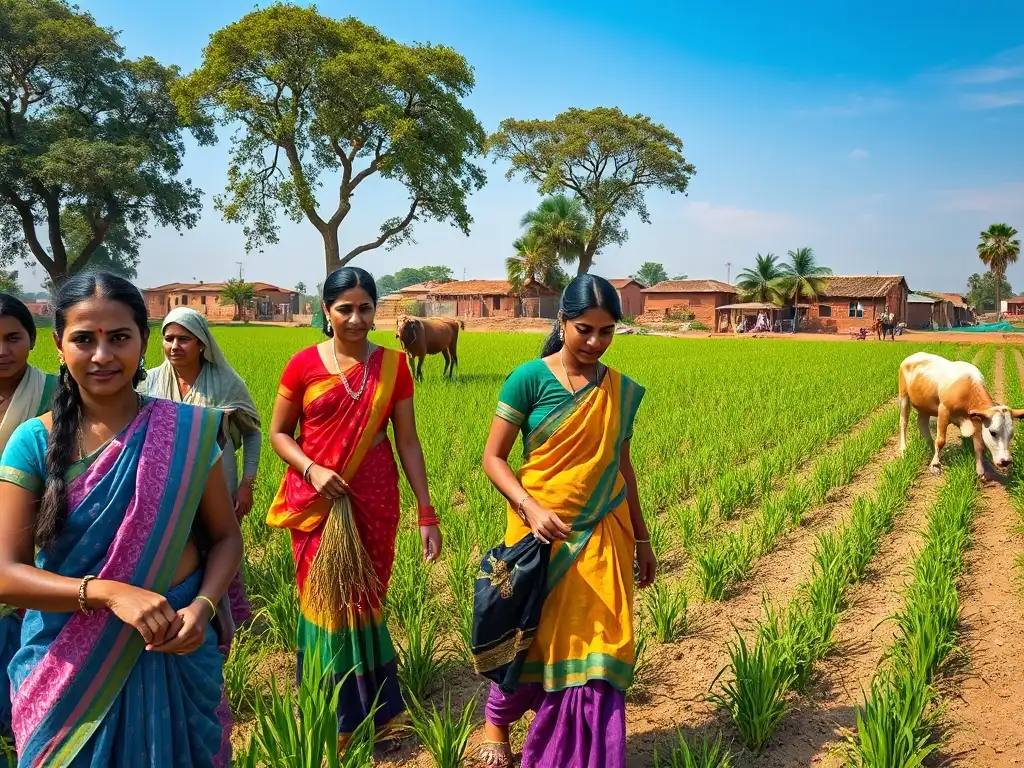
Women in ancient India played a pivotal role in trade networks, leveraging their unique skills and knowledge to contribute significantly to the economy. Their involvement was not merely limited to household chores but extended to specialized roles that were essential for the flourishing of trade. Women possessed a diverse set of skills that made them valuable participants in both local and long-distance trade.
Craftsmanship and Production Skills
One of the key areas where women excelled was in craftsmanship. They were skilled artisans, often involved in the production of textiles, pottery, jewelry, and other goods that were in high demand in trade markets. For instance, women in the regions of Gujarat and Tamil Nadu were renowned for their weaving and dyeing techniques, producing intricate fabrics that were traded across India and beyond.
Women also played crucial roles in domestic industries, which contributed to the overall trade. The production of items such as spices, herbal remedies, and handicrafts often fell under their purview. This not only empowered them economically but also allowed them to establish networks of trade that connected their local communities to larger markets. Their craftsmanship was not only a source of income but also a means of cultural expression, as the items they produced often reflected local traditions and styles.
Knowledge of Trade Routes and Market Dynamics
Women possessed an extensive understanding of trade routes and market dynamics, often acting as intermediaries in transactions. Their knowledge of local markets and the movement of goods was critical for navigating the complex trade landscape of ancient India. They were adept at identifying the most profitable routes and were often the first to recognize shifts in market demand.
In many cases, women managed trade within their communities, using their connections to facilitate transactions. They understood the importance of maintaining relationships with suppliers and customers, which was vital for sustaining trade networks. Furthermore, their insights into seasonal variations and local customs allowed them to adapt their strategies effectively, ensuring that they remained competitive in the market.
Education and Training for Women in Trade
Education and training for women in trade were often informal and based on familial and community traditions. Knowledge was passed down through generations, where young girls learned the skills of their mothers, including craftsmanship and negotiation tactics. In some regions, women participated in guilds or cooperatives, which provided them with additional training and support.
While formal education was limited, women were nonetheless knowledgeable about economic practices, trade regulations, and the valuation of goods. Their ability to adapt and learn was crucial, allowing them to thrive in a predominantly male-dominated trade environment. This informal education played a significant role in preparing women to take on leadership roles within their communities and to influence trade practices.
Challenges Faced by Women in Ancient Trade Networks
Despite their significant contributions to trade, women faced numerous challenges that often hindered their full participation in ancient trade networks. These challenges were rooted in societal norms, economic disparities, and the impact of external factors such as wars and political changes.
Social Restrictions and Limitations
Social restrictions placed on women greatly affected their involvement in trade. In many ancient Indian societies, women were expected to adhere to strict roles within the household, limiting their mobility and opportunities for commerce. Cultural norms often dictated that women should focus on domestic duties rather than engage in economic activities, which led to their marginalization in trade networks.
Additionally, societal expectations created barriers to women’s participation in public life. Many women faced scrutiny or backlash for stepping outside traditional roles, which discouraged them from pursuing trade opportunities. These social limitations not only stifled their economic potential but also perpetuated a cycle of dependence on male relatives for commercial activities.
Economic Barriers and Discrimination
Economic barriers were also prominent, as women often lacked access to resources necessary for trade, such as capital, property, and credit. In many cases, women were unable to own land or assets, which limited their ability to engage in trade independently. The prevailing patriarchal system often meant that financial decisions were controlled by men, leaving women at a disadvantage.
Discrimination based on gender further exacerbated these economic challenges. Women traders faced skepticism and bias from male counterparts, which could hinder their ability to negotiate deals or secure favorable terms. This discrimination not only affected their economic independence but also discouraged many women from pursuing trade altogether.
Impact of Wars and Political Changes on Women Traders
Wars and political instability had a profound impact on women involved in trade. During times of conflict, trade routes could become dangerous, and women often found themselves at greater risk. The disruption of trade networks due to wars not only affected economic stability but also diminished the roles women played in commerce.
Political changes, such as shifts in power or territorial disputes, could also lead to changes in trade regulations, which disproportionately affected women. In some cases, the fall of a dynasty or regime could result in the loss of established trade routes, making it challenging for women to maintain their businesses. These external factors highlighted the vulnerability of women in trade networks and underscored the need for resilience in navigating an ever-changing economic landscape.
Legacy of Women in Ancient Indian Trade
The legacy of women in ancient Indian trade is a testament to their significant yet often overlooked contributions to the economy and commerce of their time. Women played multifaceted roles in trade networks, acting not only as merchants but also as influential figures in the social and economic spheres. Their involvement in activities such as agriculture, textile production, and local markets underscores their importance in sustaining and expanding trade routes.
In many regions, women were pivotal in the production of goods, especially textiles like cotton and silk, which were highly sought after in both local and international markets. The skills they possessed in weaving and dyeing were essential for creating products that appealed to various consumer bases, including those in far-reaching trade networks extending to the Mediterranean and beyond.
Moreover, women's participation in trade was not limited to production; they were also actively engaged in the marketing and distribution of goods. As traders, they leveraged social networks and family ties to establish trade relationships, often taking advantage of their unique positions within society to navigate the complexities of commerce.
Lasting Contributions to Trade and Economy
Women’s contributions to trade in ancient India had lasting effects on the economy and societal structures. The involvement of women in commerce led to the establishment of various organizations and trade guilds, which were crucial for maintaining standards and practices in trade. These guilds often included women traders, allowing them to voice their interests and influence trading practices.
Additionally, women's roles in agriculture, particularly in the production of cash crops, significantly impacted trade dynamics. Women were often responsible for the cultivation of spices, grains, and other commodities that were essential for trade, thereby ensuring a steady supply of goods for both local and international markets. Their labor not only supported their families but also contributed to the economic stability of their communities.
The economic foothold women gained through trade empowered them socially, allowing them to attain a level of respect and autonomy that was unusual for their time. This empowerment had a ripple effect, influencing the perception of women's roles in society and commerce for generations to come.
Influence on Future Generations of Women in Commerce
The influence of women in ancient Indian trade networks has resonated through the ages, inspiring future generations of women to engage in commerce and entrepreneurship. The historical precedents set by women traders in ancient India serve as a foundation for women's empowerment in economic spheres today.
By participating in trade, women established a legacy of resilience and innovation that continues to inspire modern female entrepreneurs. Their ability to navigate the complexities of trade in a patriarchal society exemplifies the potential for women to carve out their own paths in various fields. The stories of these women, passed down through generations, have motivated contemporary women to pursue careers in business, finance, and trade, breaking down barriers and challenging societal norms.
Moreover, the recognition of these historical figures has fostered a sense of pride among women, encouraging them to embrace their roles in commerce and advocate for equality in economic participation. The enduring legacy of these ancient women is a powerful reminder of the importance of female agency in trade and economy.
Recognition of Women’s Roles in Historical Narratives
Despite their significant contributions, women's roles in ancient Indian trade have often been marginalized in historical narratives. The traditional focus on male figures in trade and commerce has overshadowed the essential roles played by women, leading to a skewed understanding of history.
Efforts to recognize and document the contributions of women in ancient trade are crucial for a more comprehensive view of society. Scholars and historians are increasingly highlighting the importance of women's roles, ensuring that their achievements are acknowledged alongside their male counterparts. This recognition not only enriches the historical narrative but also emphasizes the collaborative efforts that shaped ancient Indian commerce.
By integrating women's experiences and contributions into the broader history of trade, we gain valuable insights into the dynamics of ancient economies. This inclusive approach fosters a more nuanced understanding of societal structures and the interplay of gender roles in shaping economic practices.
Conclusion
Summary of Women’s Impact on Ancient Indian Trade Networks
Women played an integral role in the development and sustainability of ancient Indian trade networks. Their contributions spanned various sectors, including agriculture, textile production, and commerce, reflecting their versatility and significance in the economy. Through their participation in trade, women not only supported their families but also contributed to economic stability and growth in their communities.
The legacy of these women is evident in the lasting impact they had on trade practices and the social structures of their time. As merchants, producers, and community leaders, they laid the groundwork for future generations to engage in commerce and pursue economic independence.
Reflections on the Importance of Recognizing Women's Contributions in History
Recognizing the contributions of women in ancient Indian trade is essential for understanding the complexities of historical narratives. Their stories deserve to be told and celebrated, as they highlight the importance of gender inclusivity in historical discourse. By acknowledging the roles women played in shaping trade and economy, we not only honor their legacy but also inspire future generations to continue breaking barriers.
In a broader context, the recognition of women's contributions challenges conventional historical narratives that often overlook the impact of marginalized groups. This reflection is vital for fostering a more equitable understanding of history, empowering individuals today to appreciate and learn from the diverse experiences that have shaped our world.
- Introduction to Women in Ancient Indian Trade
- Historical Context of Women in Trade
- Women as Traders and Merchants
- Social and Cultural Impacts on Women in Trade
- Skills and Knowledge of Women in Trade
- Challenges Faced by Women in Ancient Trade Networks
- Legacy of Women in Ancient Indian Trade
- Conclusion
Frequently Asked Questions
What was the role of women in ancient Indian trade networks?
Women played a significant role in ancient Indian trade networks, often engaging in commerce and craftsmanship, contributing to both local and long-distance trade.
Did women hold leadership positions in trade?
Yes, some women held leadership roles in trade, overseeing market activities and managing family businesses, showcasing their importance in the economic landscape.
How did women participate in the Indus Valley trade?
In the Indus Valley Civilization, women were involved in textile production and pottery, which were crucial exports, indicating their active participation in trade activities.
Were there any specific goods traded by women?
Women often traded textiles, jewelry, and spices, which were highly valued in both domestic and international markets, highlighting their influence in trade.
How did societal norms affect women's roles in trade?
While women were involved in trade, societal norms often dictated their participation, with some restrictions based on class and marital status, affecting their economic independence.
Final Reflection: The Enduring Legacy of Women in Ancient Indian Trade
**The exploration of women's roles in ancient Indian trade networks reveals a profound truth: their contributions were not merely peripheral but foundational to the economic and cultural exchanges of their time. Today, as we navigate a world still grappling with gender disparities, understanding the historical significance of women in trade offers valuable insights into the ongoing struggle for equality and recognition. The legacy of these women serves as a reminder that their influence shaped societies and economies, echoing through the ages.
Clearly, the impact of women in ancient Indian trade extends far beyond historical records; it continues to resonate in contemporary discussions about gender roles and economic empowerment. As we reflect on their contributions, we recognize that these women were not just participants in trade but were also pivotal in fostering cultural exchanges and community ties. Women have always been the backbone of trade, their resilience and resourcefulness shaping the very fabric of society.
This observation underscores the importance of acknowledging and celebrating the roles women have played throughout history, which remains relevant in our ongoing pursuit of gender equality.
As we conclude this exploration, I invite you to reflect on the lessons learned from the women who navigated ancient trade routes with skill and determination. Consider how their stories can inspire us today to advocate for women's empowerment in all spheres of life. Let us honor their legacy by recognizing the contributions of women in our own communities and striving to create a more equitable world where every voice is valued and every contribution acknowledged.
Empower Yourself: Dive into the Legacy of Ancient Traders!
Thank you for exploring the remarkable contributions of women in ancient Indian trade networks with us! Your interest highlights the vital role these pioneering figures played in shaping commerce and culture. Now that you’re more informed, it's time to take action and deepen your connection with this fascinating history.
- Join a local history group: Engage with like-minded individuals who share your passion for ancient trade and culture.
- Visit a museum: Explore exhibitions that focus on ancient Indian history to see artifacts and learn more about the influential women traders of the time.
- Share your newfound knowledge: Discuss what you've learned with friends or on social media to inspire others to appreciate the significant contributions of women throughout history.
What insights have you discovered about how ancient women traders continue to influence modern commerce today?