
The Contribution of Ancient Indian Trade to the World Economy

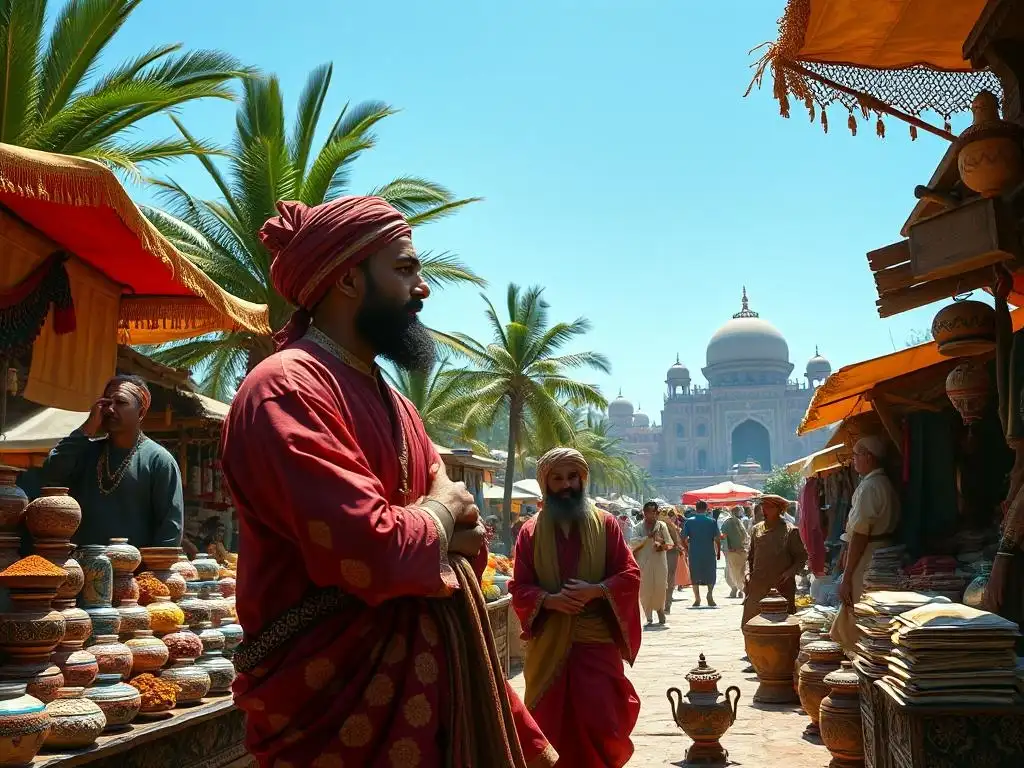
Welcome to Ancient India History, where we embark on an enlightening journey through the rich tapestry of ancient Indian civilizations. Our focus today is on the remarkable contributions of Ancient Indian trade to the world economy. From the bustling markets of the Indus Valley to the flourishing trade routes of the Gupta Empire, the legacy of ancient commerce is not only fascinating but also pivotal in shaping global trade dynamics. Curious about how these ancient practices influenced modern economies? Dive deeper with us as we unravel the intricate connections of trade, culture, and prosperity that defined an era!
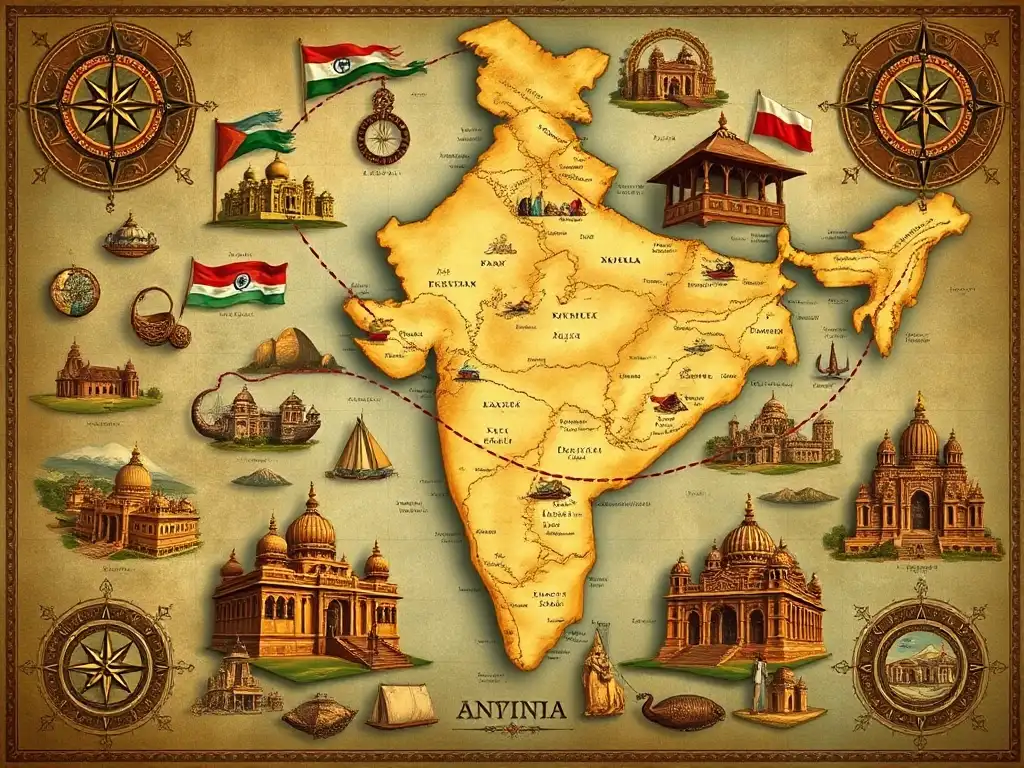
Introduction to Ancient Indian Trade Contributions
Ancient Indian trade contributions played a pivotal role in shaping not only the subcontinent's economy but also global commerce through various epochs. From the bustling markets of the Indus Valley to the sophisticated trade networks established during the Mauryan and Gupta empires, ancient India was a melting pot of commerce, culture, and innovation.
The exchange of goods, ideas, and cultures fostered a rich tapestry of interactions that significantly impacted regions far beyond its geographical boundaries. This article delves into the intricate dynamics of ancient Indian trade, highlighting its profound influence on the world economy and the enduring legacy it has left behind.
Understanding the Significance of Trade in Ancient India
Trade in ancient India was not merely a means of economic sustenance; it was a vital component of societal development. It facilitated:
- Cultural Exchange: The movement of goods also led to the exchange of ideas, philosophies, and religions, enriching the cultural landscape of both India and its trading partners.
- Economic Prosperity: Trade routes opened avenues for wealth accumulation, allowing various kingdoms to flourish economically.
- Technological Advancements: The need for trade fostered innovations in transportation, navigation, and logistics, which were crucial for facilitating long-distance commerce.
The significance of trade in ancient India cannot be overstated; it was a cornerstone of civilization that propelled social and economic progress.
Overview of Ancient Indian Trade Routes and Networks
Ancient Indian trade routes were extensive and sophisticated, connecting the subcontinent to various parts of the world. Key features included:
- Land Routes: The Silk Road and other overland routes facilitated trade with Central Asia and beyond, allowing for the exchange of silk, spices, and precious stones.
- Maritime Trade: Indian ports along the western and eastern coasts were bustling hubs of maritime trade, connecting India with the Middle East, Africa, and Southeast Asia.
- Trade Goods: India was known for its spices, textiles, gemstones, and metalwork, which were highly sought after in international markets.
These trade networks not only boosted the economy but also cemented India's position as a significant player in global commerce.
Historical Context of Ancient Indian Trade
Understanding the historical context of ancient Indian trade requires an exploration of its key periods and practices.
The Indus Valley Civilization and Early Trade Practices
The Indus Valley Civilization (circa 3300-1300 BCE) is one of the earliest examples of organized trade in ancient India. Key characteristics included:
- Trade Goods: The civilization was known for its cotton textiles, pottery, and intricate jewelry, which were traded with neighboring regions.
- Standardization: The use of standardized weights and measures facilitated trade and commerce, indicating advanced economic practices.
- Urban Centers: Cities like Harappa and Mohenjo-Daro were major trade hubs, showcasing sophisticated urban planning and economic activities.
The trade practices of the Indus Valley set the stage for future economic developments in India.
The Mauryan Empire: Expanding Trade Horizons
During the Mauryan Empire (circa 322-185 BCE), trade underwent significant expansion. Notable aspects included:
- Infrastructure Development: The establishment of extensive road networks improved connectivity across the empire, enhancing trade efficiency.
- Diplomatic Relations: The Mauryan rulers, particularly Ashoka, established diplomatic ties with foreign kingdoms, further boosting trade.
- Diversified Trade Goods: The trade in luxury goods, including textiles and spices, flourished, contributing to the empire's wealth.
This period marked a significant evolution in trade practices, reflecting the empire's broader engagement with the world.
The Gupta Empire: A Golden Age of Trade and Commerce
The Gupta Empire (circa 320-550 CE) is often regarded as a golden age for ancient Indian trade. Key features included:
- Cultural Flourishing: A vibrant cultural exchange occurred, with art, science, and philosophy thriving alongside commerce.
- International Trade: Gupta merchants traded extensively with regions such as Southeast Asia, the Middle East, and even Africa, leading to a rich exchange of goods and ideas.
- Economic Stability: The empire's stability allowed trade to flourish, with significant advancements in banking and trade practices.
The Gupta Empire left a lasting legacy on trade that influenced subsequent generations and set a high standard for economic practices.
Major Trade Goods and Commodities
Ancient Indian trade was characterized by a diverse range of goods and commodities that not only fueled local economies but also played a crucial role in global trade networks. The richness of India's natural resources and the skilled craftsmanship of its artisans made it a significant player in international markets. Among the major trade goods were spices, textiles, precious stones, and metals, each contributing uniquely to the economy and the cultural fabric of ancient societies.
These commodities were traded along various routes, including the famous Silk Road and maritime paths across the Indian Ocean. The demand for these goods extended beyond the Indian subcontinent, impacting economies and cultures in regions as far as the Mediterranean, Southeast Asia, and East Africa. The exchange of these goods fostered not only economic prosperity but also cultural interactions that enriched civilizations worldwide.
Spices: The Crown Jewel of Ancient Indian Trade
Spices were undoubtedly the most sought-after commodities in ancient Indian trade, often referred to as the "crown jewel." India was the source of a variety of spices, including black pepper, cardamom, cinnamon, and turmeric, which were highly valued for their flavor, medicinal properties, and preservative qualities. The demand for Indian spices was so high that they sparked exploration and trade routes that connected distant lands.
Merchants transported these spices via overland routes through Central Asia and maritime routes to regions like the Middle East and Europe. The Roman Empire, in particular, was enamored with Indian spices, leading to significant trade exchanges. The lucrative spice trade not only brought wealth to Indian states but also established India as a key player in the global economy, influencing culinary traditions and practices around the world.
Textiles: The Fabric of Ancient Indian Economy
India's textile industry was another cornerstone of its trade contributions, renowned for its fine quality and intricate craftsmanship. Cotton and silk fabrics, dyed with vibrant colors and adorned with detailed patterns, were in high demand both locally and internationally. Indian textiles were exported to various regions, including the Middle East, Africa, and Southeast Asia, facilitating cultural exchanges and influencing fashion trends across civilizations.
The production of textiles involved a labor-intensive process that relied on skilled artisans, contributing to local economies and providing employment to many. The trade in textiles not only enhanced India's economic standing but also allowed for the diffusion of artistic techniques and styles, further enriching global textile traditions.
Precious Stones and Metals: Luxury Goods in High Demand
Ancient India was also famous for its precious stones and metals, which became luxury goods in high demand across various regions. Diamonds, rubies, emeralds, and pearls were sourced from Indian mines and became prized possessions among royalty and the wealthy elite in many cultures. The craftsmanship of Indian jewelers was highly esteemed, and their creations were sought after for both adornment and investment.
In addition to gemstones, India was known for its gold and silver, which were imported and exported widely. The wealth generated from the trade of these luxury items played a significant role in shaping the economies of ancient Indian kingdoms and established them as key players in the global trade networks of the time.
Trade Partners and Cultural Exchange
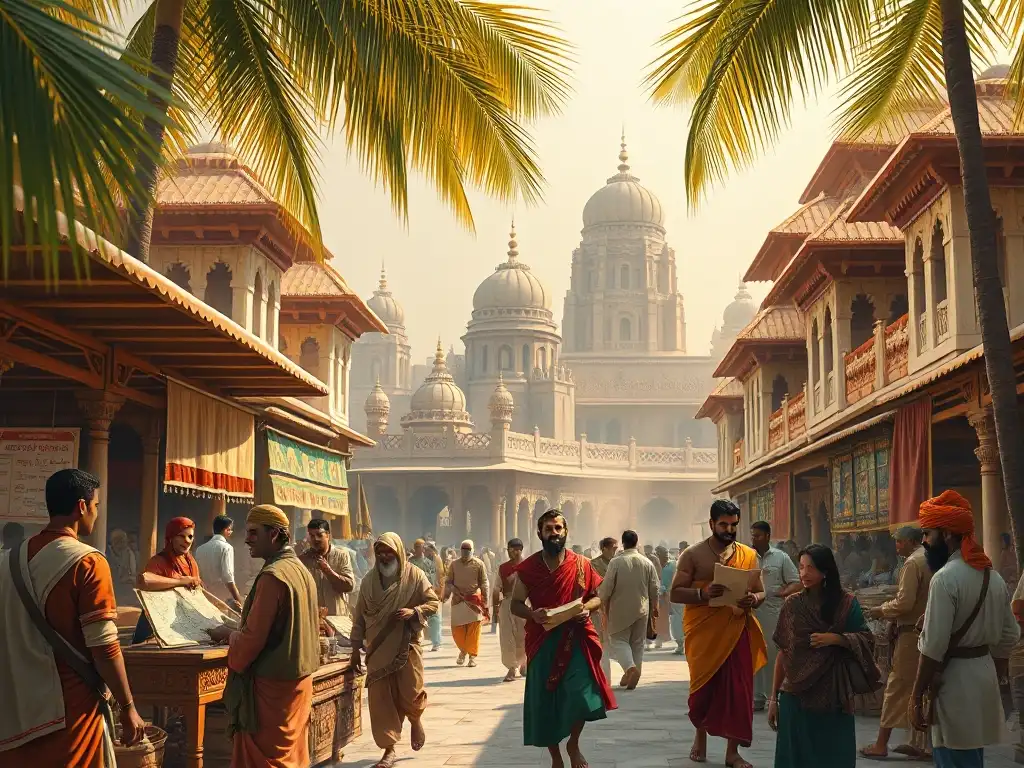
The extensive trade networks established by ancient Indian merchants fostered relationships with various cultures and civilizations. These interactions were not solely limited to economic transactions but were enriched by the exchange of ideas, beliefs, and cultural practices. The trade routes facilitated a two-way exchange, allowing India to share its rich heritage while also absorbing influences from other cultures.
Key Trade Partners in the Ancient World
Ancient India engaged in trade with several key partners across the globe, including the Roman Empire, Persia, and various Southeast Asian kingdoms. The Romans, captivated by Indian goods, especially spices and textiles, established trade links that allowed for the flow of wealth and culture between the two regions. Similarly, trade with the Persian Empire opened avenues for cultural and economic interactions that influenced both societies.
In Southeast Asia, Indian traders played a pivotal role in the spread of Hinduism and Buddhism, enriching local cultures and establishing new trade hubs. The interactions with these trade partners not only facilitated economic growth but also led to the establishment of complex cultural exchanges that shaped the course of history in these regions.
The Role of Ancient Indian Traders in Cultural Exchange
Ancient Indian traders were more than mere merchants; they acted as cultural ambassadors, sharing knowledge, religious beliefs, and artistic expressions as they traveled along trade routes. Their journeys allowed for the dissemination of Hindu and Buddhist philosophies, which took root in various Southeast Asian cultures, leading to the establishment of influential kingdoms that embraced these ideologies.
Moreover, the interactions between Indian traders and local populations resulted in the blending of artistic styles, culinary practices, and even languages. This cultural synthesis enriched the societies involved and laid the groundwork for future interactions, making Indian traders vital contributors to the cultural tapestry of the ancient world.
Influence of Ancient Indian Trade on Global Cultures
The influence of ancient Indian trade extended far beyond economic exchanges; it significantly shaped global cultures. The spread of Indian religions, particularly Buddhism, had a profound impact on the spiritual landscape of Asia. Temples and stupas were constructed in various regions, reflecting Indian architectural styles and religious practices.
Furthermore, the introduction of Indian art and literature influenced local traditions, leading to the evolution of new artistic forms and literary expressions. The trade of textiles and spices not only altered culinary habits but also affected social customs and fashion, demonstrating the far-reaching effects of ancient Indian trade on global cultures. Overall, the contributions of ancient Indian trade were pivotal in fostering a rich, interconnected world that transcended geographical boundaries.
Economic Impact of Ancient Indian Trade
Ancient Indian trade played a crucial role in shaping the economies not only of the Indian subcontinent but also of neighboring regions and beyond. The extensive trade networks established by Indian merchants facilitated the exchange of goods, ideas, and cultures, leading to significant economic growth and development.
Key trade routes, such as the Silk Road and maritime paths across the Indian Ocean, allowed for the movement of commodities like spices, textiles, precious stones, and metals. This vibrant exchange not only enriched the local economies but also positioned India as a pivotal player in the global economic landscape during ancient times.
Contribution to the Development of Local Economies
The flourishing trade in ancient India fostered the emergence and growth of various local economies. Cities and towns along trade routes became bustling centers of commerce, attracting merchants, artisans, and laborers. For example, towns like Taxila and Ujjain developed as major trade hubs, connecting overland routes with maritime trade. The influx of goods and wealth led to urbanization, increased demand for local crafts, and the establishment of markets, which in turn stimulated local production and consumption.
Moreover, ancient Indian trade contributed to the diversification of local economies. Regions specialized in the production of specific goods, such as cotton textiles in Gujarat and spices in Malabar, creating a robust economic framework that could adapt to changing demands in the marketplace. This specialization not only enhanced productivity but also encouraged innovations in agriculture and manufacturing.
Ancient Indian Trade and Its Role in Global Economy Formation
Ancient Indian trade was instrumental in the formation of a global economy that transcended geographical boundaries. The Indian subcontinent served as a critical link between the East and West, facilitating trade with civilizations in Persia, Arabia, Southeast Asia, and beyond. The exchange of goods was accompanied by the transfer of knowledge, technologies, and cultural practices, contributing to a more interconnected world.
The trade in luxury items, such as silk and spices, created demand that reached far beyond India's borders, influencing economic practices in various cultures. Indian merchants, renowned for their navigational skills, made significant contributions to maritime trade, enhancing economic interactions across the Indian Ocean. This global trade network laid the groundwork for future economic systems and established India as a key player in world trade.
The Legacy of Ancient Indian Trade in Modern Economics
The legacy of ancient Indian trade can still be felt in today’s economic practices. The trade routes established centuries ago have evolved into modern supply chains and global trade networks. The principles of trade, such as barter and negotiation, continue to influence contemporary commerce. Additionally, the rich cultural exchanges that characterized ancient trade fostered a spirit of innovation and entrepreneurship that persists in modern Indian society.
Furthermore, the historical significance of ancient trade routes has led to the development of cultural tourism, where travelers seek to explore the remnants of these ancient pathways. This not only serves to educate the public about India’s rich history but also contributes to the modern economy through tourism-related activities.
Conclusion: The Enduring Legacy of Ancient Indian Trade Contributions
The contributions of ancient Indian trade to the world economy were profound and multifaceted. From the development of local economies to the establishment of global trade networks, ancient Indian merchants played a vital role in shaping economic interactions across continents. The legacy of these contributions continues to resonate in contemporary economic practices and cultural exchanges.
Reflections on the Influence of Ancient Indian Trade on Today’s Economy
The influence of ancient Indian trade on today's economy is evident in various aspects of commerce, including the integration of diverse cultural practices and economic strategies. Modern Indian businesses often draw on historical trade practices, such as the emphasis on relationships and trust-building with partners. The lessons learned from ancient trade can inform current strategies in global trade, particularly in navigating complex supply chains and fostering international collaborations.
Future Research Directions on Ancient Indian Trade Contributions
Future research on ancient Indian trade contributions could explore several avenues, including the analysis of archaeological findings related to ancient trade routes, the study of ancient texts that document trade practices, and the examination of trade relationships between India and other ancient civilizations. Additionally, investigating the impact of ancient trade on contemporary economic policies could provide valuable insights. By understanding the historical context and evolution of trade practices, researchers can better appreciate the complexities of modern economics and trade dynamics.
- Introduction to Ancient Indian Trade Contributions
- Historical Context of Ancient Indian Trade
- Major Trade Goods and Commodities
- Trade Partners and Cultural Exchange
- Economic Impact of Ancient Indian Trade
- Conclusion: The Enduring Legacy of Ancient Indian Trade Contributions
Frequently Asked Questions
What were the main trade routes of ancient India?
Ancient India was connected through several trade routes including the Silk Road and maritime pathways, which facilitated trade with China, Rome, and Southeast Asia.
How did ancient India contribute to global trade?
Ancient India significantly contributed to global trade by exporting valuable goods such as spices, textiles, and jewels, which were highly sought after in international markets.
What role did Indian merchants play in trade?
Indian merchants played a crucial role as intermediaries in trade, establishing trade networks that linked different civilizations and promoting cultural and economic exchanges.
How did the Gupta Empire impact trade?
The Gupta Empire marked a period of economic prosperity and stability, leading to an increase in trade activities and the establishment of coinage that facilitated transactions across regions.
What were some key trade contributions of ancient India?
Ancient India's key trade contributions include the introduction of numerical systems, advancements in navigation, and the exchange of knowledge in mathematics and astronomy with other cultures.
Final Reflection: The Lasting Legacy of Ancient Indian Trade Contributions
The exploration of ancient Indian trade contributions reveals a profound connection between past practices and contemporary economic systems. Today, as globalization reshapes our world, understanding the intricate trade networks established by ancient civilizations becomes increasingly relevant. These early exchanges not only facilitated the flow of goods but also fostered cultural interactions that laid the groundwork for modern commerce. The significance of ancient Indian trade contributions is not merely a historical footnote; it is a testament to the enduring impact of trade on societal development and economic prosperity.
The legacy of ancient Indian trade continues to resonate in our cultural and social landscapes, influencing everything from culinary traditions to economic policies. The exchange of spices, textiles, and knowledge through ancient trade routes not only enriched the Indian subcontinent but also transformed the economies of distant lands.
As we navigate the complexities of today’s global economy, we can draw inspiration from the wisdom of the past. > “Trade is the lifeblood of nations, connecting people and cultures in a shared pursuit of prosperity.” This quote encapsulates the essence of trade as a unifying force, reminding us of the interconnectedness that transcends borders and time.
As we reflect on the contributions of ancient Indian trade, let us embrace the lessons it imparts about collaboration, innovation, and cultural exchange. I invite you to consider how these principles can be applied in your own life and community. Whether through supporting local artisans, engaging in fair trade practices, or fostering cross-cultural dialogues, each of us has the power to contribute to a more interconnected and prosperous world. By honoring the legacy of ancient Indian trade, we can build a future that values diversity, collaboration, and shared growth.
Unleash the Impact of Ancient Indian Trade on Today’s Economy!
Thank you for taking the time to explore the fascinating contributions of ancient Indian trade to our global economy! By delving into this rich history, you've uncovered the intricate ties between ancient practices and modern economic structures. Now, let’s channel this knowledge into action!
Here’s how you can make an impact today:
- Explore: Take a moment to research a specific ancient trade route and its implications for contemporary business practices. **Knowledge sparks innovation! **
- Share your insights: Engage in discussions about this article with friends or share it on social media to inspire others regarding the significance of ancient trade. **Every conversation counts! **
- Engage with the community: Join forums or local groups interested in historical trade to connect with others and expand your understanding of this topic.
What aspect of ancient Indian trade fascinates you the most, and how do you think it can shape our modern economic strategies?