
Celebrating Diversity: The Varied Roles of Women Across Ancient Indian Regions

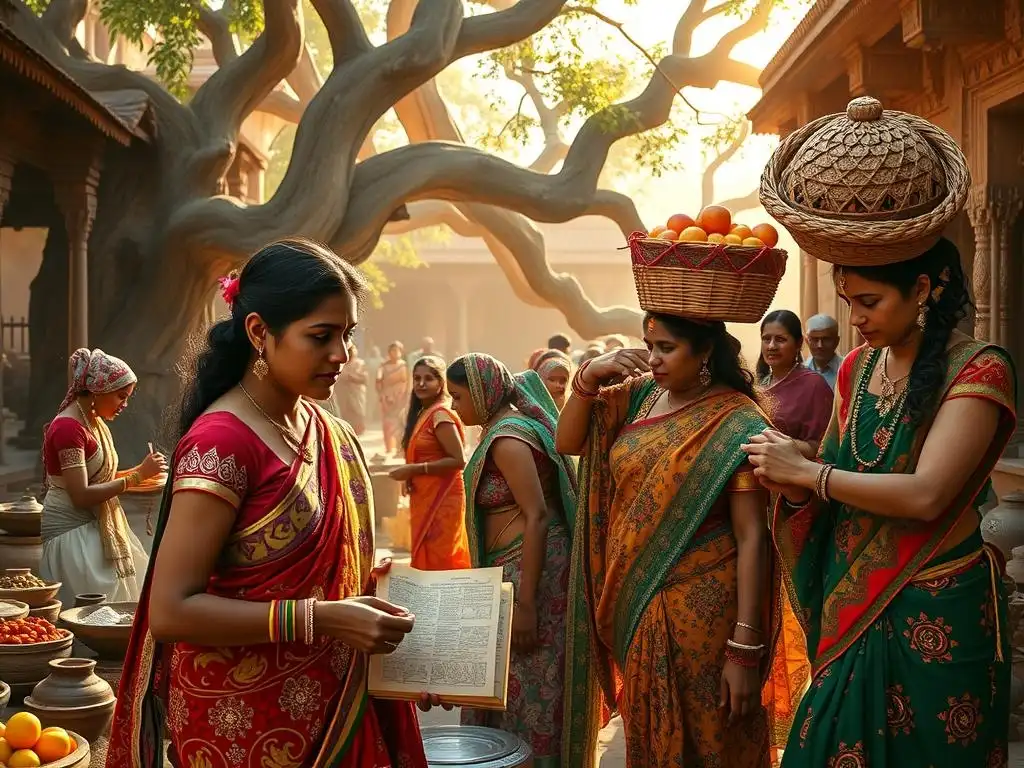
Welcome to Ancient India History, where we delve into the fascinating tapestry of India's past! In this exploration, we shine a spotlight on a crucial yet often overlooked aspect: the roles of women in ancient Indian civilizations. From the remarkable contributions in the Indus Valley to the influential figures of the Gupta Empire, the diversity and dynamism of women's roles offer a captivating glimpse into the fabric of ancient society.
Are you ready to uncover the stories that shaped history and celebrate the myriad contributions of women throughout these vibrant cultures? Join us as we embark on this enlightening journey!
Introduction to Women in Ancient Indian Civilizations
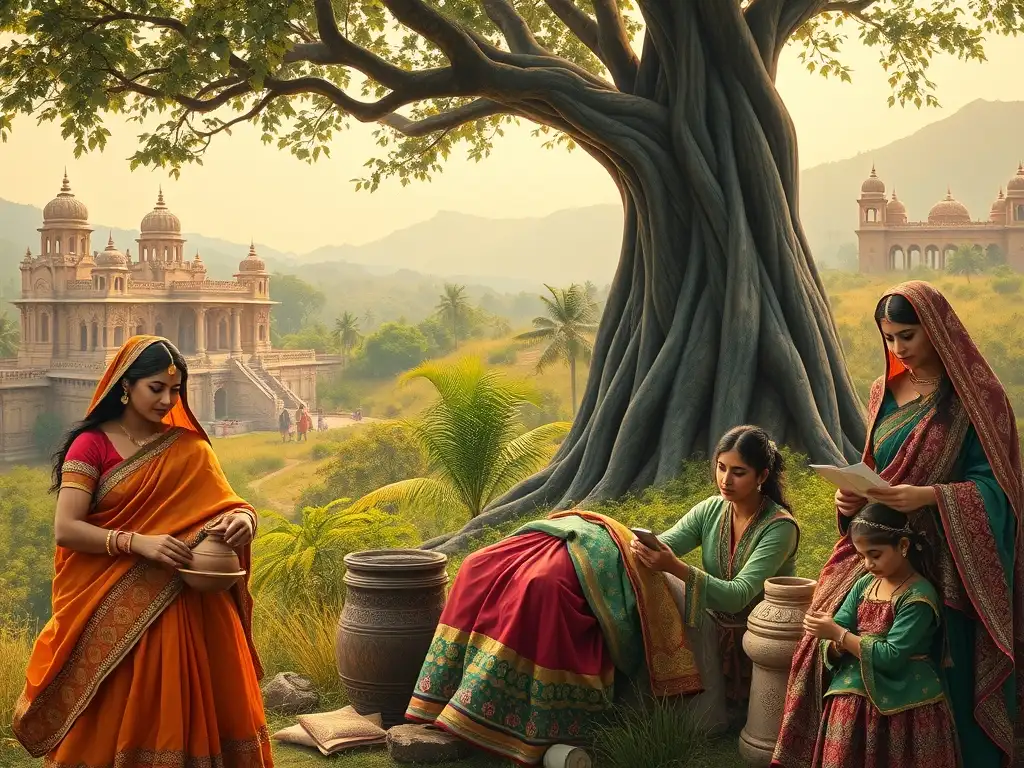
The history of Women in Ancient Indian Civilizations is a vibrant tapestry woven with a multitude of roles, responsibilities, and contributions that reflect the rich diversity of the region's cultures and societies. From the matriarchal structures of the Indus Valley to the influential positions held by women during the Gupta Empire, the experiences and statuses of women varied significantly across different periods and locations.
Understanding these variations is crucial, as it sheds light on how women navigated their social, political, and economic landscapes, often influencing the very fabric of their communities. This article aims to delve into the diverse roles of women throughout ancient India, celebrating their contributions and highlighting the complexity of their positions in various civilizations.
Overview of Women’s Contributions in Ancient India
Women in ancient India were not merely passive figures; they played vital roles in various domains including family, economy, religion, and governance. Evidence from archaeological findings and ancient texts illustrates that women engaged in agricultural practices, participated in trade, and held positions of power as rulers, scholars, and spiritual leaders. Notable examples include:
- Vedic Women: Many women composed hymns and participated in religious rituals, showcasing their spiritual significance.
- Queens and Rulers: Figures like Rani Durgavati of Gondwana exemplify how women could ascend to power and lead armies.
- Artisans and Traders: Women were involved in textile production and trade, contributing significantly to the economy.
This multifaceted involvement underscores the essential roles women played in shaping the social and economic landscapes of ancient India.
Importance of Understanding Diverse Roles
Understanding the varied roles of women in ancient Indian civilizations is essential for several reasons:
- Cultural Insight: It provides a deeper understanding of the cultural dynamics and societal norms of the time.
- Historical Accuracy: Acknowledging women's contributions corrects historical narratives that often overlook their roles.
- Inspiration: Learning about the resilience and achievements of women in history can inspire contemporary discussions on gender roles and equality.
By recognizing the complexities of women's experiences, we can appreciate the rich history of ancient Indian civilizations more fully.
Historical Context of Women in Ancient Indian Civilizations
To grasp the roles of women in ancient India, it's essential to explore the historical context that shaped their lives. This includes examining the timeline of their contributions and the socio-political structures that influenced their status.
Timeline of Women’s Roles from the Indus Valley to the Gupta Empire
- Indus Valley Civilization (circa 3300–1300 BCE): Evidence suggests women participated in trade and held positions of authority, as seen in figurines depicting female figures.
- Vedic Period (circa 1500–500 BCE): Women enjoyed a degree of respect and involvement in philosophical discussions and religious practices.
- Maurya Empire (circa 322–185 BCE): Women in this era began to see a decline in their public roles, although some, like Chandra Gupta’s queens, retained influence.
- Gupta Empire (circa 320–550 CE): A resurgence of women's roles in arts and education is evident, with women like Aryabhata’s mother being noted for their contributions.
Socio-Political Structures Influencing Women’s Lives
The socio-political structures of ancient Indian civilizations greatly influenced the roles and status of women:
- Patriarchal Norms: While many societies were patriarchal, some regions maintained matrilineal traditions, allowing women to inherit property and hold titles.
- Religious Framework: Religious texts often dictated women’s roles, with some promoting empowerment while others prescribed limitations.
- Economic Contributions: Women's involvement in agriculture, crafts, and trade provided them with economic agency, which varied by region and period.
This historical context forms the foundation for understanding the diverse and often contrasting roles that women occupied throughout ancient Indian history, highlighting their significant contributions to society.
Regional Variations in the Roles of Women
The roles of women in ancient Indian civilizations were not monolithic; they varied significantly across different regions and periods. This diversity was influenced by a myriad of factors including local customs, economic structures, and religious practices. Each region had its own unique cultural context that shaped the experiences and roles of women, from the matriarchal societies in some areas to patriarchal norms in others. Understanding these regional variations highlights the complexity of women's contributions to society and the evolution of their status over time.
Women in the Indus Valley Civilization
The Indus Valley Civilization (c. 3300–1300 BCE) is one of the earliest urban cultures in the world, and evidence suggests that women played significant roles within this society. Archaeological findings, such as terracotta figurines, indicate that women were involved in various activities, including crafting, pottery, and potentially even religious practices. Additionally, the presence of well-planned urban centers suggests that women may have had a role in managing households and engaging in trade. Gender roles appear to have been relatively egalitarian, with no clear evidence of restrictive practices, allowing women to participate actively in both domestic and public spheres.
Women in Vedic Society
In the Vedic period (c. 1500–500 BCE), the role of women underwent a transformation influenced by the emergence of rigid social structures, particularly the caste system. Women were primarily seen as caretakers and were expected to manage household duties. However, they did hold some educational privileges, as indicated by the existence of women scholars like Gargi and Maitreyi, who participated in philosophical discourses. The Vedic texts also suggest that women had rights to inherit property, although these rights started to diminish over time. Marriage was considered a sacred duty, and women were often married young, which curtailed their autonomy.
Women in the Maurya Empire
During the Maurya Empire (c. 322–185 BCE), the status of women was complex and varied across different strata of society. Upper-class women, particularly those in royal families, often held significant power, with some even acting as regents. The famous Empress Chanakya is an example of a woman who exercised political influence.
However, for the majority of women, life was characterized by domesticity, with responsibilities centered around family and home. Historical texts also reference women engaging in trade and crafts, particularly in urban areas, indicating that their contributions were vital to the economy even if they were largely relegated to the private sphere.
Women During the Gupta Empire
The Gupta Empire (c. 240–550 CE) is often regarded as a golden age in Indian history, and women's roles during this period reflect a mix of progress and restriction. While women were involved in various artistic and intellectual pursuits, their status began to decline with the re-emergence of more rigid patriarchal norms.
Texts from this era indicate that women were often confined to domestic roles, with an emphasis on marriage and motherhood. However, the period also saw the establishment of women’s education in some regions, allowing educated women to emerge as poets and scholars, contributing to the rich cultural tapestry of Gupta society.
Diverse Roles of Women in Daily Life
The daily lives of women in ancient India were characterized by a variety of roles that transcended simple definitions. From caregivers to active participants in economic activities, women contributed significantly to their communities. Their involvement in agriculture, craftsmanship, and religious practices showcases the multifaceted nature of their existence and the indispensable roles they played in sustaining family and society.
Women as Caregivers and Homemakers
Traditionally, women were seen as the primary caregivers and homemakers. They took on the responsibility of raising children, managing the household, and ensuring the well-being of family members. This role was highly valued in society, as the stability of the home was considered essential for the community's welfare. Women were also adept at weaving, cooking, and other domestic arts, skills that were passed down through generations. Their contributions as homemakers laid the foundation for social cohesion and cultural continuity within families.
Women in Agriculture and Craftsmanship
In rural areas, women played a critical role in agriculture and craftsmanship. They were involved in planting, harvesting, and processing crops, often working alongside men in the fields. Additionally, women were skilled artisans, contributing to the production of textiles, pottery, and metalwork. This active participation in economic activities not only helped sustain their families but also contributed to local economies. The labor of women in agriculture was crucial, especially in agrarian societies where food production was central to survival.
Women in Religious Practices and Rituals
Women also held significant roles in religious practices and rituals, which were central to ancient Indian culture. They participated in various ceremonies, from domestic rituals to larger community events, often acting as the spiritual backbone of their families. Women were responsible for performing household pujas (prayers) and rituals, ensuring the family's connection to the divine. In some cases, women even served as priestesses in temples, demonstrating their involvement in the spiritual life of the community. Their roles in religious practices reflect the deep intertwining of gender, spirituality, and cultural identity in ancient Indian civilizations.
Notable Figures: Influential Women in Ancient Indian Civilizations
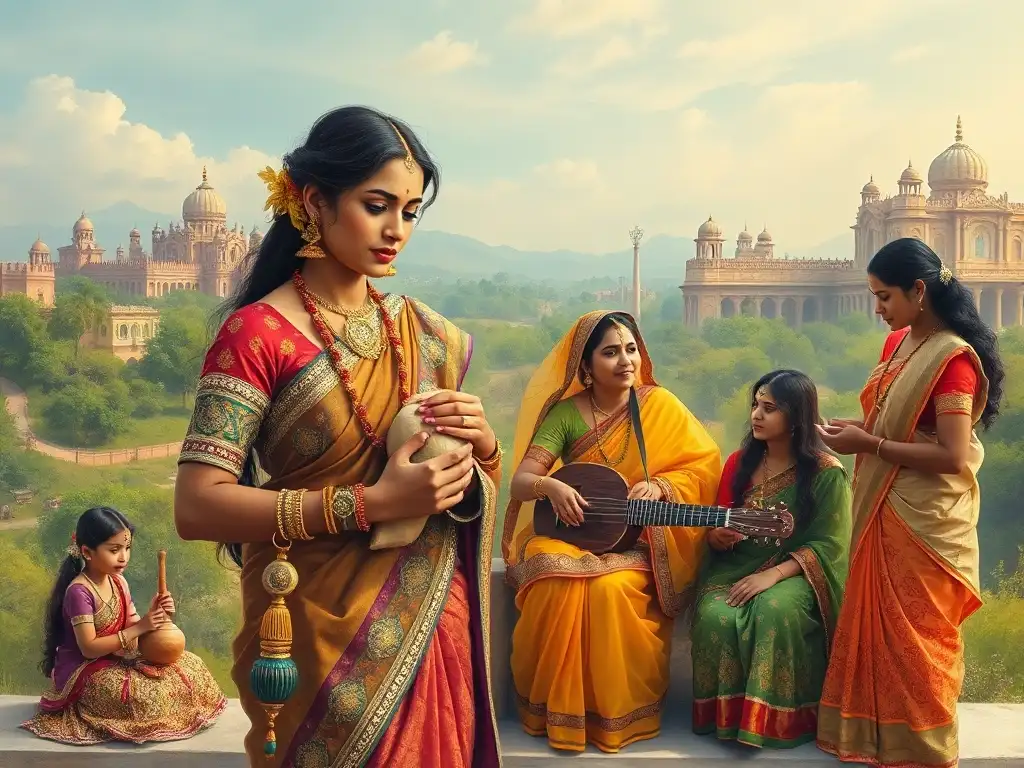
Throughout ancient Indian history, women have played significant roles that shaped the cultural, political, and intellectual landscape of their times. These notable figures are not only remembered for their contributions but also for breaking barriers in a predominantly patriarchal society. Women such as Gargi Vachaknavi, a philosopher and scholar from the Vedic period, challenged prevailing notions of gender roles through her participation in philosophical debates. Maitreyi, another prominent figure, is celebrated for her profound contributions to discussions on self-knowledge and the nature of the universe.
In the realm of politics, women like Rani Durgavati, the warrior queen of Gondwana, fought valiantly against Mughal invasions in the 16th century, exemplifying courage and leadership. Similarly, Chennabhairadevi, a ruler of the southern region, is remembered for her strategic acumen and governance. These women, along with others, have left an indelible mark on the historical narrative of India, showcasing the diverse and impactful roles women held in various spheres of life.
Profiles of Pioneering Women Leaders and Scholars
- Gargi Vachaknavi: As a philosopher and one of the earliest female scholars in India, Gargi is known for her contributions to the Brahmanas, texts that elaborate on the rituals of the Vedic religion. Her famous debate with the sage Yajnavalkya exemplifies her intellectual prowess.
- Maitreyi: A philosopher and wife of the sage Yajnavalkya, Maitreyi is noted for her discourse on the nature of the self and immortality. She is often invoked in discussions about women's contributions to Vedic philosophy.
- Rani Durgavati: The queen of the Gondwana kingdom, Rani Durgavati is celebrated for her fierce resistance against the Mughal Empire. Her leadership during the battle and valor in protecting her kingdom illustrate the role of women in warfare and governance.
- Rani Lakshmibai: Though slightly later than ancient times, Rani Lakshmibai of Jhansi is a symbol of female empowerment and resistance against British colonial rule. Her leadership during the Indian Rebellion of 1857 continues to inspire generations.
These profiles highlight the diverse roles women played as leaders, scholars, and fighters, demonstrating their significant influence on Indian civilization.
Contributions of Women in Religion and Philosophy
Women in ancient Indian civilizations were not only participants but also key contributors to religious and philosophical thought. They engaged deeply with spiritual practices and philosophical discourses, often challenging the male-dominated narratives of their time.
- Religious Texts: Women were instrumental in the composition of various religious texts. The Rigveda, one of the oldest texts, includes hymns attributed to women sages. Their voices contributed to the spiritual and ethical frameworks of society.
- Philosophical Dialogues: Women like Gargi and Maitreyi participated in philosophical debates that questioned the nature of existence, knowledge, and the cosmos. Their inquiries laid the groundwork for subsequent philosophical traditions in India.
- Spiritual Leadership: Many women served as spiritual leaders and practitioners, guiding communities in religious rituals and practices. The presence of women in temples as priestesses and their roles in rituals underscore their importance in religious life.
These contributions reflect the rich tapestry of women's involvement in shaping the spiritual and philosophical dimensions of ancient Indian society.
Challenges and Limitations Faced by Women
Despite their significant contributions, women in ancient Indian civilizations often faced substantial challenges and limitations imposed by societal norms and structures.
Societal Norms and Gender Roles
The patriarchal structure prevalent in ancient Indian society often dictated the roles and responsibilities assigned to women. Traditional expectations emphasized domesticity, limiting women's opportunities for education and public engagement.
- Marriage and Family: Women were largely viewed through the lens of their roles as wives and mothers. Early marriages were common, often curtailing their educational pursuits and independence.
- Limited Access to Education: Educational opportunities for women varied by region and caste, but many were denied formal education. This restricted their ability to participate in philosophical and intellectual discourse.
- Cultural Perceptions: Societal norms often idealized women's roles as subservient to men, reinforcing the notion that their primary purpose was to support their families and maintain the household.
These norms created a challenging environment for women striving to assert their identities beyond traditional roles.
Historical Events Impacting Women’s Status
Various historical events significantly influenced the status and roles of women in ancient Indian societies.
- Conquests and Invasions: The arrival of foreign invaders and the establishment of new dynasties often led to shifts in societal structures. For example, the Mughal period saw both the empowerment of some women in courts and the imposition of stricter norms on others.
- Religious Movements: Movements such as Buddhism and Jainism offered women more autonomy and opportunities for spiritual leadership. However, the revival of orthodox practices often re-imposed restrictions.
- Colonial Impact: The advent of British colonial rule introduced new legal frameworks that challenged traditional practices like sati (the self-immolation of widows), yet also reinforced certain patriarchal norms through legislation that did not prioritize women's rights.
These events reflect the dynamic and often tumultuous history of women's roles and status in ancient Indian civilizations, underscoring the complexities they faced in navigating their identities and contributions.
Conclusion: The Legacy of Women in Ancient Indian Civilizations
The legacy of women in ancient Indian civilizations is profound and multifaceted, reflecting the diverse roles they played across various regions and periods. From the skilled artisans of the Indus Valley to the influential queens of the Maurya and Gupta empires, women contributed significantly to the cultural, social, and economic fabric of their societies. Their roles varied widely, encompassing domestic responsibilities, participation in religious rituals, and engagement in political life. This spectrum of involvement illustrates not only the strength and capability of women but also the recognition of their importance in maintaining and advancing societal norms.
As we reflect on the past, it becomes evident that women were not merely passive figures within these civilizations; they were active participants whose contributions helped shape the trajectory of historical events. Their legacies continue to influence contemporary discussions surrounding gender roles and equality, emphasizing the need for a comprehensive understanding of their impact on society.
Reflection on the Varied Roles and Their Impact on Society
The varied roles of women in ancient Indian civilizations highlight a complex social structure that recognized women's abilities and contributions. In many cases, women held positions of power and influence, whether as rulers, scholars, or spiritual leaders. For example, the accounts of women like Chandragupta Maurya's mother, who played a crucial role in the establishment of the Mauryan Empire, showcase how women's involvement was integral to political developments.
Moreover, women's participation in arts, literature, and education further enriched the cultural landscape. The literary contributions of female poets and the artistic achievements of women artisans not only reflect their creativity but also their essential role in preserving and transmitting cultural heritage. Such contributions underscore the importance of acknowledging the diverse experiences and achievements of women throughout history.
The Importance of Recognizing Women’s Contributions in Historical Narratives
Recognizing women’s contributions in historical narratives is paramount to achieving a more equitable understanding of the past. Traditional histories often overlook or diminish the roles played by women, leading to an incomplete picture of ancient Indian civilizations. By actively incorporating women's experiences and achievements into historical discourse, scholars can provide a more nuanced and accurate account of society.
This acknowledgment also empowers future generations to appreciate the diverse legacies of their ancestors and fosters an environment where gender equality can thrive. Highlighting women's roles in ancient history not only honors their contributions but also serves as a reminder of the ongoing struggle for equality and recognition in contemporary society.
Call to Action: Further Exploration of Women’s Roles in Ancient Indian History
The exploration of women’s roles in ancient Indian history is an ongoing and vital endeavor that calls for increased attention and research. As we seek to understand the complexities of past societies, it is essential to delve deeper into the lives of women who shaped these civilizations. Encouraging more comprehensive studies and discussions on this topic can lead to a richer understanding of history and its implications for modern society.
Encouraging Research and Discussion on Women in Ancient Indian Civilizations
To foster a greater awareness of women's contributions, it is crucial to encourage research and discussion within academic circles, educational institutions, and the wider community. By organizing seminars, workshops, and collaborative projects focused on women in ancient Indian civilizations, we can promote scholarly engagement and inspire new generations of historians and enthusiasts.
Additionally, utilizing digital platforms and social media can facilitate the dissemination of knowledge and spark conversations about the diverse roles women played in shaping ancient Indian history. This collective effort will not only enhance our understanding of the past but also reinforce the significance of women’s contributions in the broader narrative of human history. Engaging with this subject is essential for recognizing the strength and resilience of women across time and ensuring that their voices continue to be heard.
- Introduction to Women in Ancient Indian Civilizations
- Historical Context of Women in Ancient Indian Civilizations
- Regional Variations in the Roles of Women
- Diverse Roles of Women in Daily Life
- Notable Figures: Influential Women in Ancient Indian Civilizations
- Challenges and Limitations Faced by Women
- Conclusion: The Legacy of Women in Ancient Indian Civilizations
- Call to Action: Further Exploration of Women’s Roles in Ancient Indian History
- What roles did women play in ancient Indian civilizations?
- How did the status of women vary across different regions of ancient India?
- Were women involved in religious practices in ancient India?
- Did women have access to education in ancient India?
- What contributions did women make to ancient Indian society?
Frequently Asked Questions
What roles did women play in ancient Indian civilizations?
Women in ancient Indian civilizations held diverse roles ranging from household management to participating in religious rituals and craftsmanship, reflecting their importance in both domestic and public spheres.
How did the status of women vary across different regions of ancient India?
The status of women varied significantly, influenced by regional customs and practices. In some areas, women enjoyed greater autonomy, while in others, their roles were more restricted.
Were women involved in religious practices in ancient India?
Yes, women were actively involved in religious practices. They participated in rituals, were considered spiritual leaders, and played crucial roles in maintaining the cultural fabric of their communities.
Did women have access to education in ancient India?
Access to education for women fluctuated based on the time period and region. While some women, especially from royal families, received education, many others had limited opportunities.
What contributions did women make to ancient Indian society?
Women contributed significantly through arts, literature, and agriculture, and their involvement shaped the socio-economic landscape of ancient Indian civilizations.
Final Reflection: Embracing the Legacy of Women in Ancient Indian Civilizations
**The exploration of women's roles across ancient Indian regions reveals a profound truth: **their contributions were not merely supportive but foundational to the fabric of society. Today, as we navigate a world still grappling with gender inequality, understanding the multifaceted roles women played in ancient civilizations serves as a powerful reminder of their enduring strength and resilience. The stories of these women are not just historical footnotes; they are vibrant narratives that continue to resonate in our modern discourse on gender and empowerment.
Celebrating the diverse roles of women in ancient Indian civilizations allows us to recognize their influence on culture, politics, and spirituality. This acknowledgment is crucial as we strive to create a more equitable society. The legacies of queens, scholars, and warriors remind us that women's voices have always been integral to progress. As Mahatma Gandhi once said, To call woman the weaker sex is a slander; it is man's injustice to woman.
This sentiment echoes through time, urging us to honor the strength and capabilities of women throughout history and in our present.
As we reflect on the lessons from the past, let us commit to amplifying women's voices in our communities today. Consider how you can contribute to this ongoing narrative of empowerment. Whether through advocacy, education, or simply sharing stories that celebrate women's achievements, each of us has a role to play in shaping a future that honors the rich tapestry of contributions made by women throughout history. Together, we can ensure that the legacy of women in ancient Indian civilizations inspires generations to come.
Embrace and Celebrate Diversity Today!
Thank you for exploring the rich tapestry of women's roles across ancient Indian regions. Your interest in this vital aspect of history not only honors their legacy but also inspires us to appreciate diversity in the present. Now, let's take that inspiration and put it into action!
- Join a local cultural group or community event that highlights the heritage of women from various backgrounds.
- Share this article with friends and family to spark conversations about gender roles in history and their impact on our understanding today.
- Reflect on your own cultural heritage: Write down an inspiring story about the women in your family or community that can be shared with others.
How can you celebrate and promote the diverse experiences of women in your community? Let's foster a discussion that champions inclusivity and honors our shared histories!