
The Evolution of Gender Roles in Ancient India: A Historical Perspective

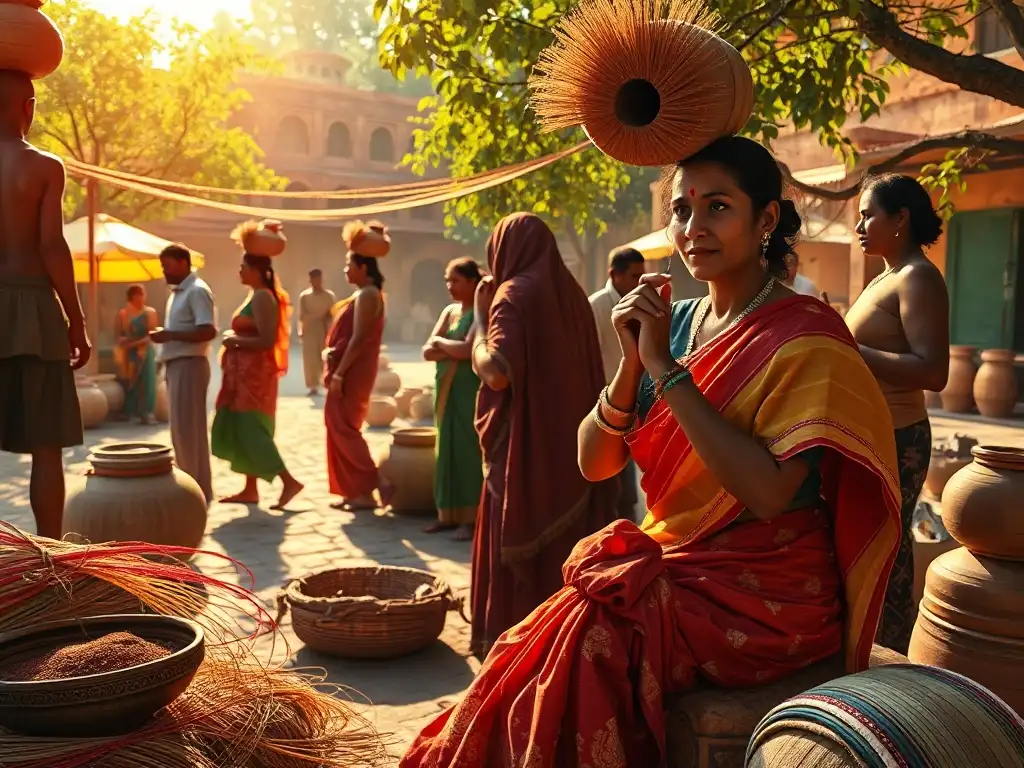
Welcome to Ancient India History, where we embark on a fascinating journey through time to uncover the intricate tapestry of India's rich and diverse past. In our featured article, "The Evolution of Gender Roles in Ancient India: A Historical Perspective," we delve into the profound and often complex dynamics of gender roles in ancient India. Discover how these roles shaped the lives of women and their invaluable contributions to society throughout various eras, from the enigmatic Indus Valley to the illustrious Gupta Empire.
Prepare to be intrigued as we unravel stories that challenge perceptions and showcase the resilience and influence of women in one of the world's oldest civilizations. Dive in to explore the layers of history that await you!
Introduction to Gender Roles in Ancient India
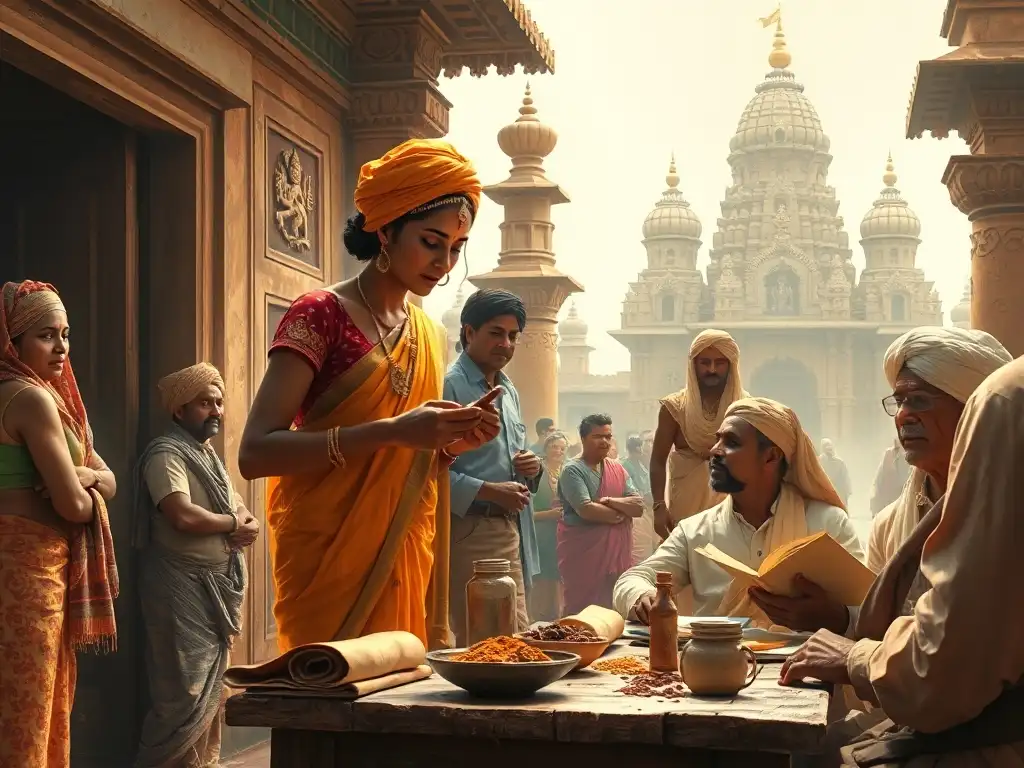
The study of gender roles in ancient India offers a profound insight into the complexities of social structures, cultural practices, and the status of women across various historical epochs. These roles were not static; they evolved significantly from the time of the Indus Valley Civilization through to the Gupta Empire.
Understanding how gender dynamics shaped and were shaped by societal norms provides a richer perspective on the contributions and experiences of women in ancient Indian society. By examining these roles, we can uncover the underlying values and beliefs that influenced the lived experiences of both men and women, as well as the broader implications for contemporary discussions on gender equality and women's rights.
Understanding Gender Roles in the Context of Ancient Indian Society
Gender roles in ancient India were deeply intertwined with the prevailing sociopolitical and religious frameworks. These roles influenced not only personal identities but also community functions, family structures, and economic activities. The delineation of responsibilities and expectations based on gender was evident in various aspects of life, including education, labor, and religious practices.
- Social Hierarchy: Gender roles were often influenced by the caste system, with women’s status and opportunities varying significantly across different social strata.
- Cultural Expectations: Literature, art, and rituals from ancient India reflect the norms and values concerning gender, showcasing the dichotomy between idealized roles and the realities experienced by women.
Importance of Studying Gender Roles in Historical Perspectives
Exploring gender roles through a historical lens is crucial for several reasons:
- Cultural Insights: It allows us to understand how ancient Indian societies functioned and the roles women played in them.
- Changing Dynamics: Analyzing historical shifts in gender roles helps in recognizing patterns of change, resistance, and adaptation over time.
- Contemporary Relevance: Insights gained from the past can inform current discourse on gender equality, rights, and societal progress.
Historical Overview of Gender Roles in Ancient India
The historical journey of gender roles in ancient India reveals a tapestry of evolving identities and responsibilities from one civilization to another.
The Indus Valley Civilization: Early Gender Dynamics
During the Indus Valley Civilization (circa 3300–1300 BCE), evidence suggests a relatively egalitarian society where women participated in economic activities, including trade and crafts. Archaeological findings, such as figurines and seals, imply that women held significant roles within their communities. Key points include:
- Economic Participation: Women were likely involved in agriculture and artisan crafts, contributing to the economy.
- Religious Practices: Female figurines suggest a possible reverence for feminine deities, indicating a spiritual role for women.
Vedic Period: Shifts in Gender Roles and Responsibilities
The Vedic Period (circa 1500–500 BCE) marked a transformative phase in gender roles, influenced by the advent of Vedic texts that prescribed specific duties for men and women. This era is characterized by:
- Scriptural Influence: Texts like the Rigveda and Manusmriti began to outline distinct roles, often relegating women to domestic spheres and emphasizing the virtues of obedience and chastity.
- Education and Knowledge: While some women, like Gargi and Maitreyi, achieved prominence in philosophical discourse, overall access to education was limited.
Post-Vedic Period: Gender Roles in the Mahajanapadas
As Indian society transitioned into the Mahajanapadas (circa 600 BCE–300 BCE), gender roles continued to transform, reflecting the complexities of urbanization and state formation. Significant developments included:
- Political Engagement: Some women gained political power, as evidenced by historical accounts of queens and influential figures.
- Cultural Contributions: The arts and literature from this period began to reflect more diverse representations of women's roles, portraying them as both nurturers and active participants in society.
The evolution of gender roles in ancient India reveals a nuanced interplay between societal expectations and individual agency, providing a rich field of study for understanding women's roles in history.
The Role of Women in Ancient Indian Society
In ancient Indian society, women held a multifaceted role that varied greatly depending on the time period, region, and specific social context. Women were integral to both the domestic sphere and the larger community, contributing to the fabric of society in numerous ways. While there were periods marked by progressive recognition of women's rights and roles, there were also times when women faced restrictions and hierarchies imposed by patriarchal norms.
Women in ancient India were often seen as custodians of culture, tradition, and family values. They were responsible for household management, including the upbringing of children and the maintenance of domestic harmony. However, their influence extended beyond the home; women participated in various economic activities and played critical roles in agricultural practices, trade, and artisan crafts. The balance of power within households often shifted, allowing women to exert considerable influence, especially in matrilineal societies.
Despite societal changes over centuries, the roles of women were often framed by cultural and religious narratives that shaped perceptions and expectations. Understanding these roles requires an exploration of the specific contributions women made to various aspects of life, including agriculture, spirituality, and education.
Women's Contributions in Agriculture and Economy
Women played a vital role in agriculture and the economy of ancient India, participating in farming, weaving, and the production of goods. In agrarian societies, women were often involved in planting, harvesting, and processing crops, making them indispensable to the agricultural cycle. They not only contributed labor but also possessed knowledge about sustainable farming practices and crop management.
In addition to agriculture, women were significant contributors to household economies through various crafts and trades. Many women engaged in spinning and weaving, producing textiles that were both practical and valuable in trade. Their economic roles were often complemented by their participation in local markets, where they sold goods and sometimes managed family businesses.
Moreover, the economic contributions of women were recognized in various ancient texts, which documented their involvement in trade and commerce. This acknowledgment reflects a society that, at least in certain contexts, valued women's labor as essential to economic sustainability.
Spiritual and Religious Roles of Women in Ancient India
Women in ancient India also held important spiritual and religious roles, often acting as priestesses, devotees, and figures of worship. Many ancient texts and inscriptions reveal that women were involved in various religious rituals and ceremonies, both in domestic settings and temple practices. They played a key role in ensuring the spiritual well-being of their families and communities.
The worship of goddesses in ancient Indian culture elevated the status of women in certain contexts, as these deities were often seen as embodiments of power, fertility, and wisdom. Festivals and rituals dedicated to these goddesses provided women with a platform to express their spirituality and communal identity. As a result, women's involvement in religious practices not only reinforced their position within the family but also within the broader community.
Additionally, some women, particularly in the later periods, became known as ascetics or sadhvis, engaging in spiritual practices that challenged societal norms. Their contributions to spiritual discourse and philosophy further exemplified the diverse roles women occupied in the religious landscape of ancient India.
Education and Literacy: Access and Opportunities for Women
Access to education and literacy for women in ancient India varied significantly across different regions and time periods. While some texts suggest that women received formal education in certain royal or affluent families, the general trend indicates that educational opportunities for women were limited compared to their male counterparts.
However, there were notable exceptions where women excelled in education and literacy, particularly in the fields of music, arts, and literature. Some women became renowned scholars and poets, contributing to literary traditions and philosophical dialogues. The emergence of women like Gargi and Maitreyi, who are mentioned in ancient texts, highlights that women could attain high levels of knowledge and intellectual engagement.
Despite the societal constraints, the existence of female educational institutions in certain regions indicates a recognition of the importance of educating women. The role of women as educators, particularly in family settings, further underscores their influence in transmitting knowledge and cultural values.
The Influence of Major Texts on Gender Roles
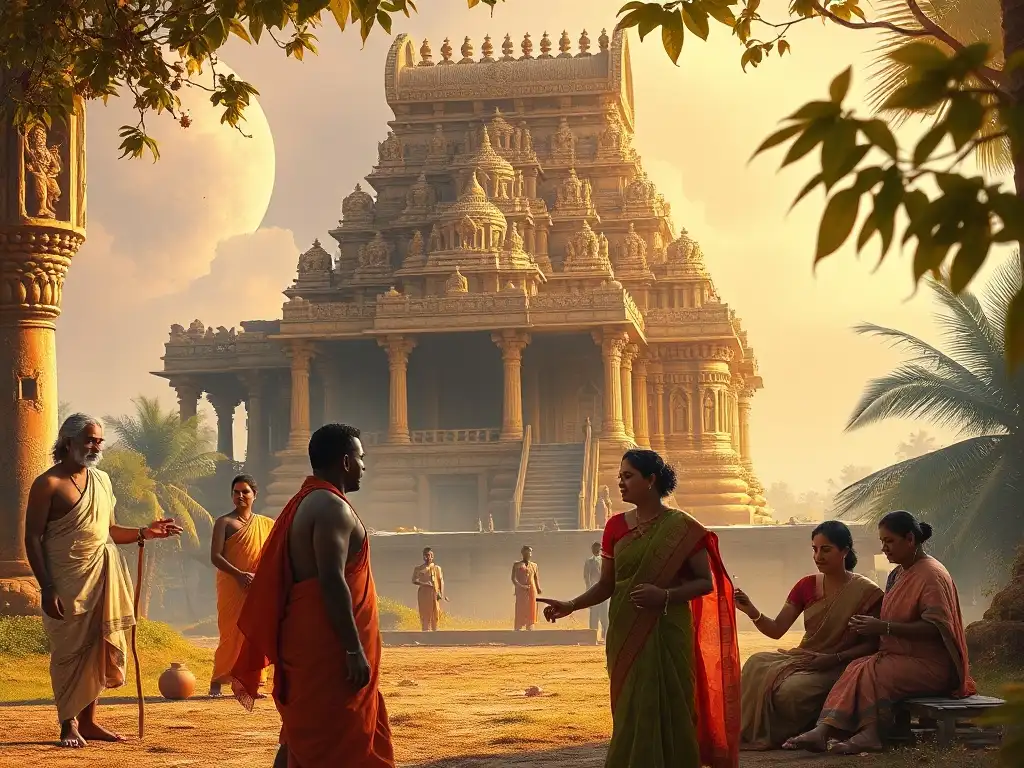
The evolution of gender roles in ancient India was significantly shaped by various texts that codified societal norms and expectations. Key scriptures, epics, and legal texts provided frameworks for understanding the roles of women, often reflecting the prevailing cultural attitudes of their times. These texts served not only as religious or philosophical guides but also as tools for reinforcing patriarchal structures.
The Manusmriti: Codifying Gender Roles and Hierarchies
The Manusmriti, one of the most important ancient legal texts in India, played a crucial role in defining gender roles and social hierarchies. It established codes of conduct that outlined the duties and responsibilities of women within the family and society. The text emphasized the ideal of womanhood, dictating that women should primarily focus on domestic responsibilities and obedience to male authority.
While the Manusmriti has been criticized for its patriarchal stance, it also reflects the complexities of the time. Certain passages indicate that women were to be respected and protected, showcasing a duality in the treatment of women that allowed for both reverence and restriction. The interpretations of the Manusmriti have evolved over time, influencing discussions on gender roles and women's rights in modern contexts.
The Ramayana and Mahabharata: Gender Portrayals and Their Impacts
The ancient Indian epics, the Ramayana and the Mahabharata, provide rich narratives that explore gender roles through their portrayal of female characters. In the Ramayana, figures such as Sita symbolize virtue and loyalty, while her trials reflect the societal expectations placed on women. Her character has been both celebrated and scrutinized, representing the complexities of women's roles in society.
Similarly, the Mahabharata presents a diverse array of female characters, including Draupadi, whose assertiveness and agency challenge traditional gender norms. These epics not only depict women's experiences but also influence societal perceptions of femininity and strength. The narratives have been interpreted in various ways, contributing to ongoing discussions about gender roles and the representation of women in Indian culture.
Other Ancient Texts: Diverse Perspectives on Gender Roles
Beyond the Manusmriti, Ramayana, and Mahabharata, other ancient texts provide diverse perspectives on gender roles in ancient India. Texts such as the Vedas and various Puranas offer insights into the complexities of women's lives, depicting them as scholars, warriors, and leaders in some contexts. These narratives highlight the multiplicity of women's experiences, showcasing a society that was not monolithic in its treatment of gender.
The existence of texts promoting female education, along with those that recognize women's contributions to society, suggests that there were varying views on gender roles. Scholars continue to explore these ancient texts to uncover the nuances of women's roles, emphasizing that the historical landscape of gender in ancient India is marked by both progress and limitation.
Changes in Gender Roles Across Different Dynasties
The evolution of gender roles in ancient India is a complex narrative shaped by various dynasties and their unique cultural, social, and political contexts. Each dynasty brought its influences, leading to significant shifts in the status and roles of women. From the matriarchal tendencies of early societies to the more patriarchal structures seen in later periods, the transformation of gender roles is evident across the timeline of Indian history.
In the early Vedic period, women enjoyed a relatively high status, participating in religious rituals and possessing rights to property. However, as societies evolved, particularly during the later Vedic period, the emergence of more rigid social structures began to restrict women's freedoms. The Maurya Empire marked a notable period where women exhibited substantial influence, particularly in the royal courts. Conversely, during the Gupta Empire, societal norms shifted towards more conservative views, emphasizing domesticity and the ideal of the devoted wife.
Regional variations also played a crucial role in shaping gender roles, as customs and traditions differed significantly across the subcontinent. Understanding these changes provides insight into how societal norms and historical contexts influenced women's positions and responsibilities throughout ancient Indian history.
The Maurya Empire: Women's Status and Influence
The Maurya Empire (c. 322–185 BCE) is often characterized by its progressive approach to women's roles, particularly in the realm of politics and society. Women of the royal lineage, such as queens and princesses, held considerable power and influence. Notable figures like Queen Helena and the legendary Chandragupta Maurya's wife exemplify women's engagement in governance and decision-making processes.
Additionally, historical texts such as the Arthashastra by Kautilya highlight that women were involved in trade and could own property. The empire's emphasis on diplomacy and statecraft allowed women to play strategic roles, particularly in alliances through marriage. Despite the patriarchal undercurrents, the Maurya Empire created an environment where women could assert themselves beyond domestic spheres.
However, it is worth noting that this influence was largely confined to the upper echelons of society, and the majority of women still faced restrictions in their daily lives, particularly in rural areas. Nonetheless, the Maurya Empire laid the groundwork for women's involvement in public life, setting a precedent for future dynasties.
The Gupta Empire: Shifts in Gender Dynamics and Cultural Norms
The Gupta Empire (c. 240–550 CE) is often regarded as a period of cultural renaissance, yet it also saw a significant transformation in gender dynamics. While art, literature, and philosophy flourished, the status of women began to decline, marking a shift towards more conservative and patriarchal norms. The ideal of the devoted wife, or "Sati," emerged during this period, emphasizing women's roles as homemakers and caretakers.
Literature from the Gupta period, including works by poets like Kalidasa, often portrayed women as symbols of virtue and devotion, reinforcing traditional gender roles. The decline of women's participation in public life was echoed in the legal texts of the time, which increasingly restricted women's rights regarding property and inheritance.
Despite these shifts, some women in the Gupta Empire managed to carve out spaces for themselves in education and the arts, demonstrating resilience in the face of societal constraints. Notable women like Gargi and Maitreyi, who were celebrated scholars, showcased that education could still provide avenues for influence and autonomy.
Regional Variations: Gender Roles across Different Ancient Indian Kingdoms
The diversity of ancient Indian kingdoms led to significant regional variations in gender roles, influenced by local customs, traditions, and socio-economic conditions. In certain regions, women enjoyed more freedom and autonomy compared to their counterparts in others. For example, in matrilineal societies such as among the Nairs in Kerala, women inherited property and held substantial authority within their households.
Conversely, in regions governed by more rigid caste systems, women often faced stricter limitations on their freedoms. In northern India, the practice of purdah (seclusion of women) became prevalent, especially among the upper classes, reinforcing gender segregation.
The Deccan and southern kingdoms, however, showcased a different perspective, where women sometimes held positions of power as rulers or influential figures in trade. The interplay of economic factors also influenced gender roles; in agrarian societies, women contributed significantly to farming and trade, while in urban centers, their roles diversified into various crafts and professions.
Understanding these regional nuances is essential for appreciating the multifaceted nature of gender roles in ancient India, revealing how local contexts shaped the experiences of women throughout different periods of history.
The Impact of Religion on Gender Roles
Religion played a pivotal role in defining and shaping gender roles in ancient India, influencing societal norms and the expectations placed on women. The major religions—Hinduism, Buddhism, and Jainism—each contributed to the discourse surrounding women's roles, often presenting contrasting perspectives.
Hinduism and Its Influence on Women’s Roles
Hinduism, as one of the predominant religions in ancient India, significantly impacted gender roles through its scriptures, rituals, and social practices. The Vedas, Upanishads, and Puranas reflect a complex view of women, often portraying them as both revered figures and subservient beings. The concept of "Dharma" emphasized women's roles within the family and society, promoting ideals of duty and devotion.
The ancient texts also included various goddesses, such as Durga and Saraswati, symbolizing power and wisdom, which paradoxically coexisted with the notion of women's primary identity being linked to marriage and motherhood. Rituals like Sati and the practice of child marriage began to take root, reflecting a trend towards patriarchal control over women's lives.
Despite these restrictive norms, Hinduism also allowed for some degree of agency, as evidenced by women participating in rituals and engaging in spiritual practices. Over time, the interpretations of religious texts evolved, leading to diverse views on women's roles within Hindu society.
Buddhism and Gender: A Different Perspective
Buddhism presented a distinct perspective on gender roles compared to Hinduism, emphasizing the potential for spiritual equality. The Buddha's teachings encouraged the inclusion of women within monastic communities, allowing nuns to attain spiritual enlightenment alongside monks. This acceptance marked a significant departure from traditional views that often marginalized women.
However, the practical implications of these teachings varied widely across regions. In some areas, such as Sri Lanka and Tibet, women enjoyed more freedom and respect within monastic settings, while in others, societal norms continued to enforce restrictions. The emergence of female figures like the Buddhist nun Mahapajapati Gotami further illustrated women's roles in spreading and practicing Buddhism, challenging prevailing gender norms.
Buddhism's emphasis on personal liberation and the impermanence of social structures offered women a different framework to navigate their identities, albeit with varying degrees of success depending on the cultural context.
Jainism and the Status of Women in Ancient India
Jainism, another influential religion in ancient India, espoused principles of non-violence and asceticism that extended to gender roles. Jain texts often portrayed women as capable of achieving spiritual purity and liberation (moksha), challenging the conventional views of their inferiority. The teachings of Mahavira, the founder of Jainism, emphasized that women could attain the same spiritual status as men through their actions and devotion.
Despite these progressive views, societal practices often contradicted religious ideals. Jain communities sometimes upheld strict codes of conduct that emphasized modesty and restraint for women, leading to a duality in their status. Nevertheless, Jain women participated actively in community life and religious practices, showcasing resilience and agency in their spiritual journeys.
The interplay between religious beliefs and societal norms in Jainism illustrates the complexity of gender roles in ancient India, revealing both opportunities and limitations imposed on women within the context of a male-dominated society.
Challenges and Limitations Faced by Women
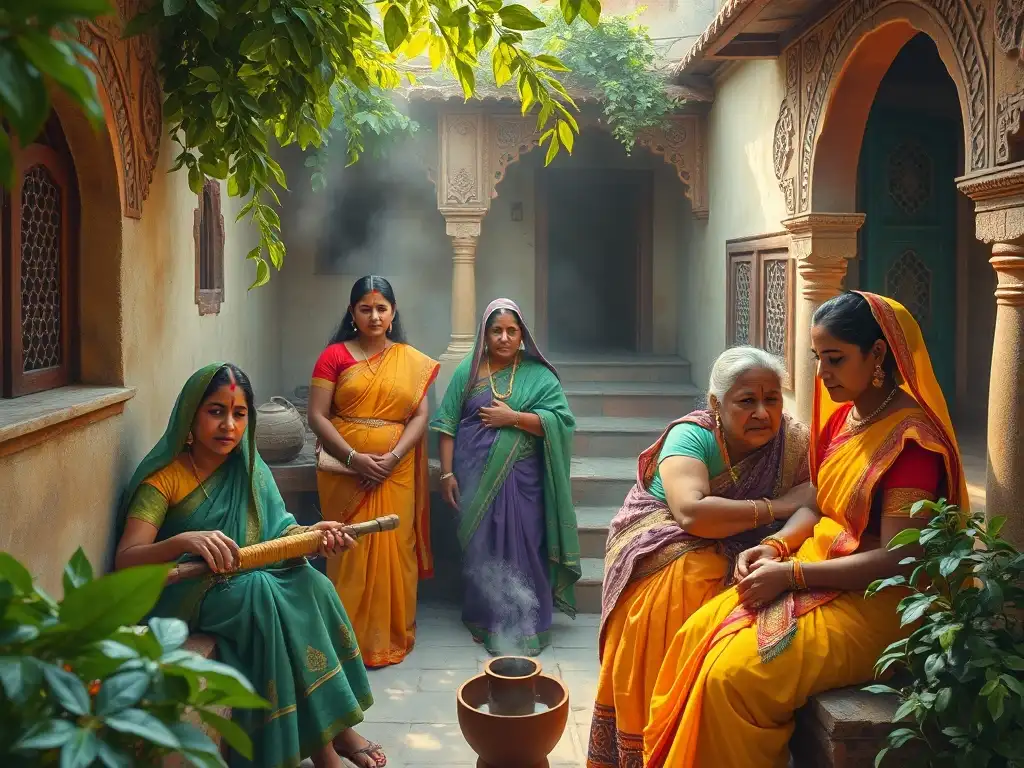
Throughout ancient India, women encountered a myriad of challenges and limitations that significantly influenced their roles in society. These restrictions were often rooted in deeply ingrained cultural and religious beliefs that perpetuated the notion of male superiority. Women were frequently confined to domestic roles, primarily focusing on household duties, child-rearing, and supporting their husbands. This societal expectation diminished their opportunities for education and personal development.
Moreover, the legal frameworks of the time often did not favor women's rights. In many regions, women's property rights were either nonexistent or severely limited, making them financially dependent on male relatives. This dependency further reinforced their subordinate status and restricted their ability to make independent choices. The consequences of these limitations can be seen in various historical texts and accounts, which highlight the struggles faced by women in asserting their rights and autonomy within a patriarchal framework.
Societal Norms and Constraints on Women's Freedom
The societal norms of ancient India played a pivotal role in constraining women's freedom. The prevailing ideologies often celebrated the ideal of the virtuous woman, emphasizing qualities such as modesty, obedience, and devotion to family. These ideals were perpetuated through religious texts, literature, and oral traditions, which idealized women's roles as primarily domestic caretakers.
Women were often discouraged from stepping outside their prescribed roles, with societal pressure to conform to expectations of marriage and motherhood. This pressure was particularly acute for upper-caste women, who faced stricter codes of conduct. The practice of purdah, or seclusion, further exemplified these constraints, limiting women's mobility and participation in public life. Such norms created an environment where women's voices and contributions were largely marginalized, reinforcing the belief that their primary value lay in their domestic sphere.
The Consequences of Patriarchy in Ancient Indian Society
The patriarchal structure of ancient Indian society had profound consequences for women. It not only shaped their daily lives but also influenced the cultural and social fabric of the civilization. One significant consequence was the institutionalization of gender inequality, which manifested in various forms, including restricted access to education, limited career opportunities, and a lack of representation in decision-making processes.
Patriarchy also promoted violence against women, with practices such as child marriage and sati (the self-immolation of widows) becoming prevalent in certain periods. These practices were often justified through religious or cultural narratives, further entrenching the notion of women's subservience. The psychological impact of such a system created an environment of fear and repression, stifling women's potential and agency within society.
Conclusion: The Legacy of Gender Roles in Ancient India
The legacy of gender roles in ancient India is complex and multifaceted. While women faced significant challenges and limitations, their experiences also reflect resilience and adaptability. Throughout history, there were instances where women broke free from societal constraints, showcasing their strength and contributions to various fields, including literature, politics, and spirituality.
Reflection on the Evolution of Gender Roles and Their Contemporary Relevance
Reflecting on the evolution of gender roles in ancient India provides valuable insights into contemporary discussions about gender equality. Understanding the historical context of women's roles helps to illuminate the persistent issues of gender discrimination and the ongoing struggle for women's rights. Modern movements for gender equality can draw inspiration from historical examples of women who defied societal norms, highlighting the need for continued advocacy and reform.
Final Thoughts on Women’s Contributions to Ancient Indian Civilizations
Women in ancient India made significant contributions that are often overlooked in mainstream historical narratives. From scholars and poets to rulers and warriors, their diverse roles shaped the cultural and intellectual landscape of the time. Acknowledging and celebrating these contributions not only enriches our understanding of ancient Indian civilizations but also empowers contemporary society to recognize and value the essential roles women play in all spheres of life. Emphasizing this legacy is crucial for fostering a more inclusive and equitable future.
References
Key Texts and Sources for Further Reading on Gender Roles in Ancient India
-
"The Wonder that was India" by A.L. Basham
This seminal work offers a comprehensive overview of ancient Indian civilization, including insights into gender roles and societal structures. Basham examines the cultural, political, and religious contexts that shaped the lives of women and men in ancient India.
-
"Women in Ancient India" by R. S. Sharma
Sharma's book delves into the historical records and literature of ancient India to explore the status and roles of women. It highlights the complexities of women's lives across different periods, including the Vedic and post-Vedic eras.
-
"Gender and Society in India" by Nandini Sundar
This text provides a critical analysis of gender roles within the Indian context, tracing back to ancient times and extending into modern society. Sundar discusses how historical narratives shape contemporary understandings of gender.
-
"The Laws of Manu" (Manusmriti)
An ancient legal text that outlines social norms, including gender roles. The Manusmriti is often referenced in discussions about women's rights and responsibilities in ancient Indian society.
-
"The History of Women in India" edited by Kumkum Sangari and Sudesh Vaid
A collection of essays that cover various aspects of women's lives in India, including their roles in family, economy, and society. This anthology provides multiple perspectives on gender dynamics throughout history.
Suggested Literature on Women's History in Ancient India
-
"Women’s Rights in India: A Historical Perspective" by Ritu Bhatia
This book traces the evolution of women's rights from ancient times to the present, focusing on how historical contexts influenced gender roles across different eras.
-
"Women in Ancient India: A Historical and Literary Survey" by V. S. Bhat
Bhat's work examines both literary and archaeological evidence to understand the roles of women in various ancient Indian texts, highlighting their contributions to society.
-
"The Birth of the Modern World: 1780-1914" by C. A. Bayly
While primarily focused on the modern era, this book includes discussions on the historical legacies of ancient practices concerning gender roles in India, providing context for contemporary issues.
-
"The Status of Women in Ancient India" by M. S. Ramesh
This literature provides a thorough analysis of various ancient texts and their portrayal of women's roles, rights, and responsibilities in society, offering a nuanced understanding of gender dynamics.
-
"Gender in Ancient India: A Survey" by N. N. Dutta
Dutta’s survey provides a broad view of gender roles across different ancient Indian civilizations, analyzing archaeological findings, texts, and cultural practices that shaped these roles.
These texts and resources are invaluable for anyone interested in the historical perspective of gender roles in ancient India, offering a diverse array of insights into the complexities of women's roles and contributions throughout history.
- Introduction to Gender Roles in Ancient India
- Historical Overview of Gender Roles in Ancient India
- The Role of Women in Ancient Indian Society
- The Influence of Major Texts on Gender Roles
- Changes in Gender Roles Across Different Dynasties
- The Impact of Religion on Gender Roles
- Challenges and Limitations Faced by Women
- Conclusion: The Legacy of Gender Roles in Ancient India
- References
- What were the primary gender roles in ancient India?
- How did the Indus Valley Civilization influence gender roles?
- What changes occurred in gender roles during the Gupta Empire?
- Did religion play a role in shaping gender roles in ancient India?
- How do modern perceptions of gender roles compare to those in ancient India?
Frequently Asked Questions
What were the primary gender roles in ancient India?
In ancient India, gender roles were predominantly defined by social structures and cultural norms. Men were typically responsible for economic and political activities, while women were often confined to domestic responsibilities.
How did the Indus Valley Civilization influence gender roles?
The Indus Valley Civilization showcased a more egalitarian society, with evidence suggesting that women held significant economic and social status. This period indicated a departure from later, more restrictive gender norms.
What changes occurred in gender roles during the Gupta Empire?
During the Gupta Empire, there was a marked shift towards more patriarchal structures. Women's roles became increasingly limited to the household, emphasizing their duties as wives and mothers, often at the expense of personal freedom.
Did religion play a role in shaping gender roles in ancient India?
Yes, religion significantly influenced gender roles in ancient India, with texts like the Manusmriti promoting patriarchal values and defining strict roles for men and women, often prioritizing male authority.
How do modern perceptions of gender roles compare to those in ancient India?
Modern perceptions of gender roles have evolved significantly, with a focus on equality and empowerment. This contrasts sharply with ancient practices, which often reinforced inequality and limited women’s rights.
Final Reflection: Understanding Gender Roles in Ancient India and Their Lasting Impact
The exploration of gender roles in ancient India reveals not only the complexities of social structures but also their profound relevance in today's discourse on equality and identity. As we navigate a world still grappling with gender disparities, the historical context of these roles serves as a crucial lens through which we can understand contemporary issues. The evolution of these roles in ancient societies underscores the need for ongoing dialogue and reflection on how far we've come and how far we still have to go.
The historical narrative of gender roles in ancient India has shaped cultural norms and societal expectations that persist today. From the revered status of women in early texts to the constraints imposed during later periods, these dynamics have influenced the way gender is perceived and enacted in modern society. As we consider this evolution, we are reminded of the words of the feminist scholar Kamala Das: I am a woman, and I am not afraid to speak my truth.
This sentiment echoes the importance of acknowledging and challenging the historical narratives that have long dictated gender roles, encouraging us to reclaim and redefine our identities.
As we reflect on the lessons learned from the evolution of gender roles in ancient India, I invite you to consider your own beliefs and actions regarding gender equality. How can we apply the insights gained from history to foster a more inclusive and equitable society today? Let us strive to honor the voices of the past while actively shaping a future where everyone, regardless of gender, can thrive and express their true selves without fear or limitation. Your journey towards understanding and advocating for gender equality begins now—embrace it wholeheartedly.
Embrace the Journey of Learning and Empowerment!
Thank you for exploring the fascinating evolution of gender roles in ancient India. Your interest in this rich historical perspective not only broadens your understanding but also empowers you to engage in meaningful discussions about gender today. Now, it’s time to take your insights further!
Here are some actions you can take right now:
- Dive Deeper: Explore more articles on ancient Indian societies and their gender dynamics on Ancient India History .
- Share Your Thoughts: Join the conversation! Comment below to express how understanding these historical perspectives influences your views on contemporary gender roles.
- Connect with Others: Reach out to friends or social media groups interested in history, and initiate a discussion on the lessons we can learn from the past.
How have the insights you've gained today shifted your perspective on gender roles in your own life? Let’s keep the discussion going!