
Female Deities and Their Influence on Women’s Status in Ancient India

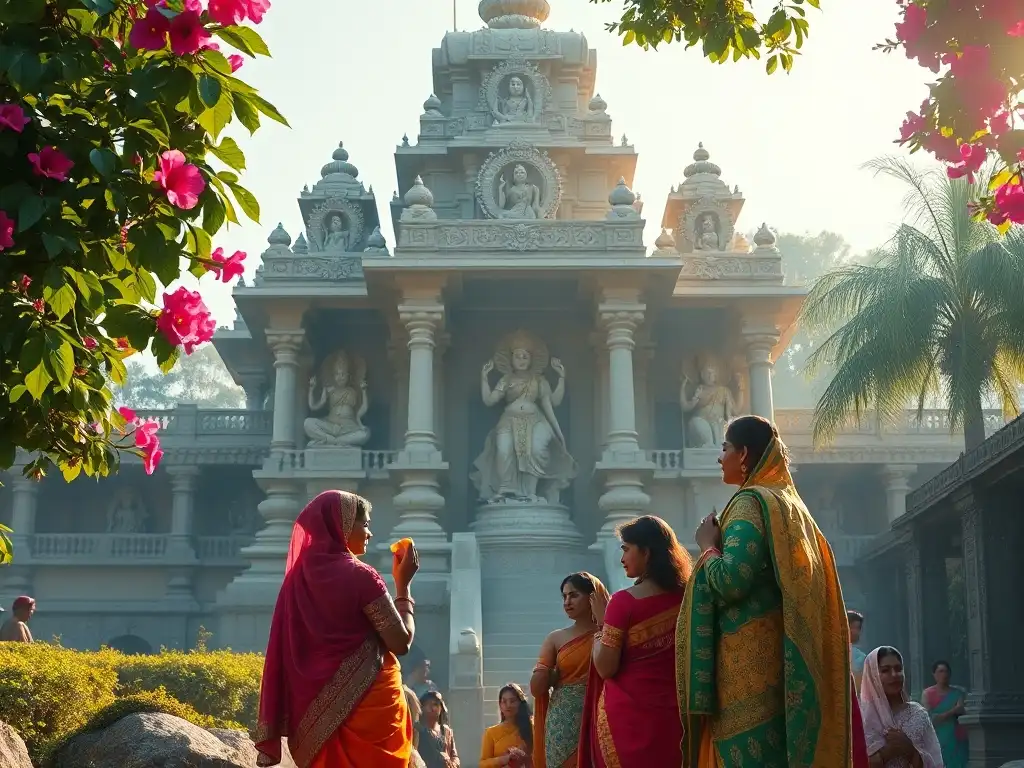
Welcome to Ancient India History, where we delve into the rich tapestry of civilizations that shaped one of the world's oldest cultures. In this exploration, we invite you to uncover the profound impact of female deities in ancient India and their significant roles in influencing women's status throughout history. From the revered goddesses worshipped in the Indus Valley to the powerful figures of the Gupta Empire, each deity tells a story of strength, reverence, and cultural identity.
What secrets do these divine figures hold about the lives of women in their time? Join us as we embark on this fascinating journey that promises to enrich your understanding and appreciation of ancient Indian heritage.
- Introduction to Female Deities in Ancient India
- The Role of Female Deities in Ancient Indian Society
- Influence of Female Deities on Women's Status
- Female Deities and Social Structure
- Case Studies of Female Deities and Women's Empowerment
- Myths and Realities of Female Deities in Ancient India
- Conclusion: The Lasting Legacy of Female Deities on Women's Status
- References and Further Reading
-
Frequently Asked Questions
- What is the significance of female deities in ancient India?
- How did female deities affect the perception of women in ancient Indian society?
- Can you name some prominent female deities from ancient India?
- What role did mythology play in shaping the status of women?
- How did the status of women change over time in relation to female deities?
- Final Reflection: The Enduring Legacy of Female Deities in Ancient India
- Unveil the Power of Female Deities in Your Life!
Introduction to Female Deities in Ancient India
The exploration of female deities in ancient India unveils a fascinating aspect of the subcontinent's rich cultural tapestry, highlighting the profound influence these divine figures had on the status and roles of women in society. From the earliest records of the Indus Valley Civilization to the intricate mythologies of the Gupta Empire, female deities such as Durga, Lakshmi, and Saraswati not only embodied various aspects of life and nature but also served as powerful symbols of strength, wisdom, and nurturing.
Their veneration reflects the complexities of gender dynamics in ancient Indian society, where the reverence for these goddesses often translated into societal expectations and roles for women. Understanding these divine figures offers critical insights into how ancient cultures perceived femininity, divinity, and the interplay between the two.
Overview of Female Deities and Their Significance
The pantheon of female deities in ancient India is vast and varied, with each goddess representing different facets of life, such as fertility, knowledge, and warfare. Goddesses like Saraswati, the goddess of knowledge and the arts, and Lakshmi, the goddess of wealth and prosperity, played pivotal roles in shaping the cultural and spiritual landscape of the time. Their stories and attributes not only provided women with role models but also reinforced the idea that women could possess power and agency in both spiritual and temporal realms.
In various texts, including the Vedas and Puranas, these deities are depicted as fierce protectors and nurturing figures, showcasing the duality of femininity in ancient India. The reverence for these goddesses often resulted in rituals and practices that elevated women's status in society, allowing them to participate in religious and cultural life more actively than in some later periods. The significance of female deities extends beyond mere worship; they encapsulate the ideals and aspirations attributed to womanhood, influencing how society viewed women's roles in the household and community.
Purpose of the Article: Exploring Women's Status
This article aims to delve into the intricate relationship between female deities and the status of women in ancient India. By examining the narratives, rituals, and societal implications surrounding these divine figures, we will uncover how their portrayal influenced the perception of women's roles throughout different periods. The analysis will highlight not just the reverence for these deities but also the tangible impact they had on the lived experiences of women, shaping their identities and societal positions.
Through a comprehensive exploration, we seek to draw connections between the worship of female deities and the evolving status of women, revealing how these divine embodiments of femininity contributed to a complex understanding of gender roles in ancient Indian civilizations. By the end of this article, readers will gain a deeper appreciation for the interplay between spirituality and gender, as well as the enduring legacy of these female deities in shaping the cultural foundations of ancient India.
The Role of Female Deities in Ancient Indian Society
Overview of Major Female Deities
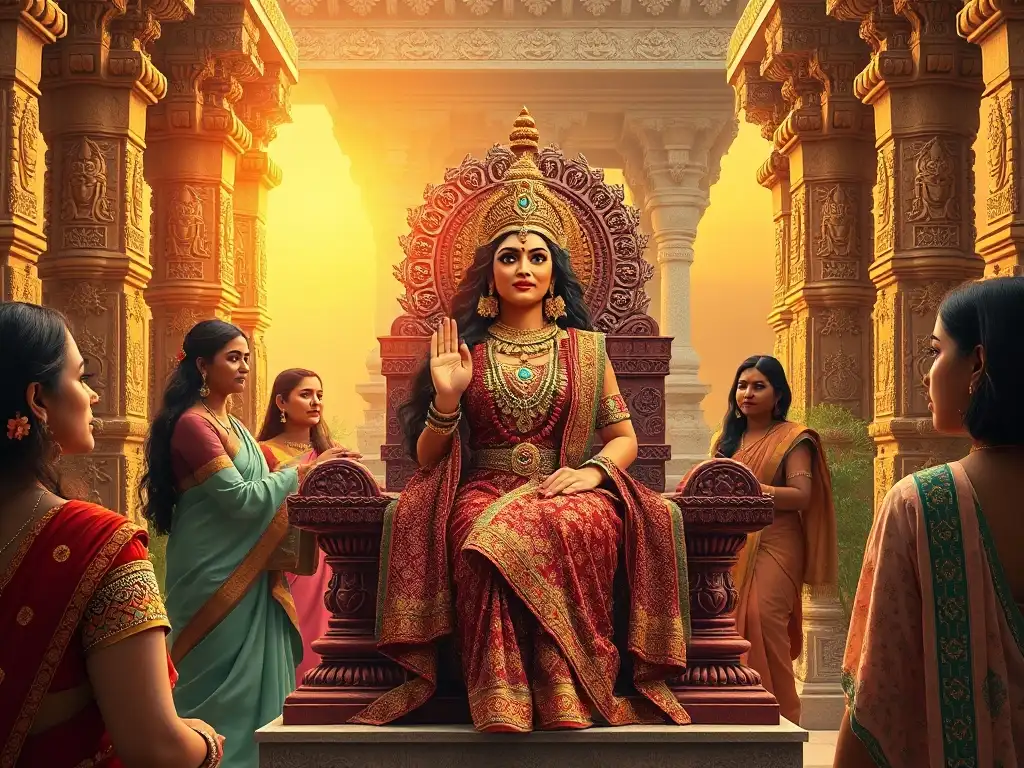
In ancient India, female deities played a crucial role in shaping societal norms and influencing the status of women. These divine figures were not only worshipped but also embodied various attributes that reflected the complexities of women's lives. The reverence for female deities such as Devi, Saraswati, and Lakshmi highlights the multifaceted nature of femininity in ancient Indian society.
Devi: The Goddess as Mother and Warrior
Devi, often referred to as the Divine Mother, represents the ultimate power and nurturing aspects of femininity. She is worshipped in various forms, including Durga and Kali, and embodies the duality of motherhood and fierceness. The Durga Puja festival exemplifies her role as a warrior goddess who protects her devotees from evil forces.
- Motherhood and Protection: Devi is revered as a mother figure, symbolizing compassion and care. This maternal aspect elevates women's roles within the family as nurturers and caretakers.
- Warrior Spirit: As a warrior, Devi demonstrates strength and resilience, encouraging women to embrace their power and fight against oppression.
The reverence for Devi in ancient texts and practices reinforced the idea that women could embody both nurturing and assertive qualities, challenging the traditional limitations placed on them.
Saraswati: The Goddess of Knowledge and Arts
Saraswati, the goddess of knowledge, music, art, and wisdom, holds a significant place in ancient Indian culture. Her influence extends beyond mere worship; she symbolizes the pursuit of learning and creativity, aspects vital for women's empowerment.
- Education and Learning: Saraswati's association with knowledge underscores the importance of education for women. The ancient texts often reflect a growing recognition of women's intellectual capabilities.
- Artistic Expression: As the patroness of arts, Saraswati inspires women to engage in creative pursuits. This aspect of her worship highlights the value placed on artistic expression and its role in societal contributions.
By venerating Saraswati, ancient Indian society promoted the idea that women could excel in intellectual and artistic fields, thereby enhancing their status.
Lakshmi: The Goddess of Wealth and Prosperity
Lakshmi, the goddess of wealth, fortune, and prosperity, is another central figure in the pantheon of female deities in ancient India. Her worship reflects the societal values associated with material well-being and success.
- Economic Empowerment: Lakshmi's blessings are sought for prosperity, which symbolizes the economic empowerment of women. In many households, women were seen as the guardians of wealth and prosperity.
- Balance of Wealth and Spirituality: Lakshmi embodies the balance between material wealth and spiritual fulfillment, representing the ideal that women could contribute to both familial prosperity and cultural richness.
The reverence for Lakshmi underscores the critical role women played in maintaining economic stability and cultural traditions in ancient society.
Symbolism and Attributes of Female Deities
The symbolism associated with female deities in ancient India is rich and varied, often reflecting the societal roles and expectations of women. Each goddess embodies specific attributes that resonate with different aspects of femininity:
| Deity | Symbolism | Attributes |
|---|---|---|
| Devi | Motherhood, Strength | Compassion, Warrior Spirit |
| Saraswati | Knowledge, Arts | Wisdom, Creativity |
| Lakshmi | Wealth, Prosperity | Abundance, Spiritual Fulfillment |
The attributes of these deities serve as guiding principles for women in society, reinforcing their roles as nurturers, educators, and providers. Additionally, the worship of these female deities reflects the respect and reverence accorded to women, suggesting a societal acknowledgment of their integral contributions.
The influence of female deities in ancient India extends far beyond religious practices; they served as powerful symbols of empowerment, encouraging women to embrace their multifaceted identities and roles within society. The nurturing, intellectual, and economic aspects represented by these deities continue to inspire discussions about women's status in contemporary contexts.
Influence of Female Deities on Women's Status
Cultural Perceptions of Women in Ancient India
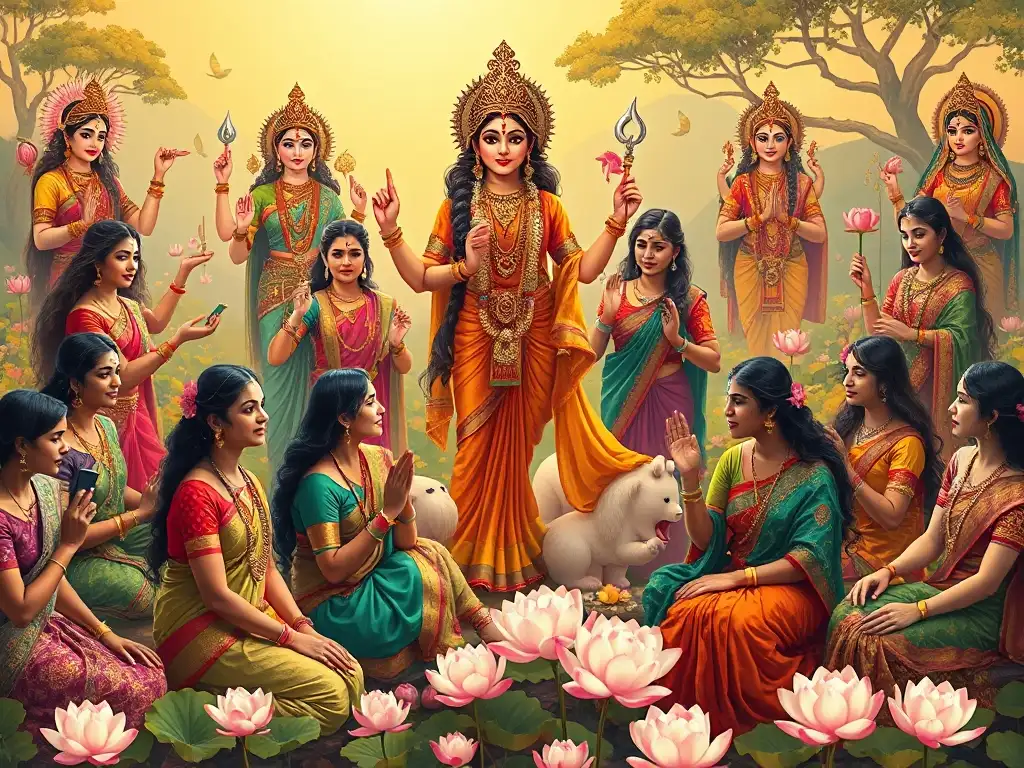
In ancient India, women held a complex and multifaceted status influenced significantly by the portrayal of female deities. The cultural perceptions of women were often shaped by mythological narratives and religious texts that highlighted both their strengths and vulnerabilities. Female deities, such as Saraswati, Lakshmi, and Durga, were revered not only for their divine attributes but also for embodying qualities that women were expected to aspire to, such as wisdom, prosperity, and strength.
The Rigveda, one of the oldest texts in Indian literature, mentions women as being capable of participating in religious rituals and holding social status, thereby suggesting a level of respect and honor attributed to them. However, the dichotomy in the representation of women can also be observed through the contrasting roles attributed to goddesses and mortal women. While deities were often depicted as powerful and autonomous, societal norms placed mortal women in subservient roles, emphasizing their duties as wives and mothers.
Moreover, the worship of female deities often provided women with a sense of identity and agency. They could connect with these goddesses through rituals and prayers, which served as a means of empowerment. This dual nature of representation created a pathway for women to navigate their status in society, occasionally challenging the norms imposed upon them.
Female Deities as Role Models for Women
Female deities served as vital role models for women in ancient India, inspiring them to strive for qualities that were celebrated in the divine realm. Goddesses like Durga and Kali exemplified strength, courage, and resilience, qualities that women could emulate in their own lives. These deities were not only worshipped but also depicted in various narratives as protectors and warriors, which imbued women with the notion that they could embody these traits in their everyday existence.
Empowerment through Worship and Rituals
The act of worshipping female deities often facilitated a sense of empowerment among women. Rituals centered around goddesses like Durga during festivals such as Navratri provided women the opportunity to engage in communal activities, fostering solidarity and support among them. These rituals were not merely religious observances; they were occasions for women to celebrate their identities and assert their presence in both the spiritual and social spheres.
Additionally, the worship of female deities in household rituals allowed women to reclaim a space where they could exercise their agency. For instance, rituals dedicated to Lakshmi, the goddess of wealth and prosperity, encouraged women to seek economic stability and well-being for their families. This act of devotion became an avenue for them to express their aspirations and desires, linking their personal goals with the divine.
Representation in Literature and Art
The representation of female deities in ancient Indian literature and art played a crucial role in shaping societal views on women. Texts like the Mahabharata and the Puranas often featured stories of goddesses that highlighted their virtues and the reverence they commanded. Such narratives not only immortalized the significance of female deities but also encouraged women to align themselves with these powerful figures.
In art, sculptures and paintings often depicted goddesses in commanding poses, symbolizing power and grace. This visual representation served as a constant reminder of the potential that women possessed, framing them as integral to the spiritual and cultural fabric of society. The juxtaposition of divine strength and mortal fragility inspired women to aspire toward greater roles within their families and communities, ultimately influencing their status in the broader socio-cultural context of ancient India.
By exploring the multifaceted roles of female deities, we gain insight into how these divine figures not only shaped cultural perceptions of women but also provided them with models for empowerment and self-advocacy. The legacy of these deities continues to resonate in contemporary discussions about women's status and roles within society.
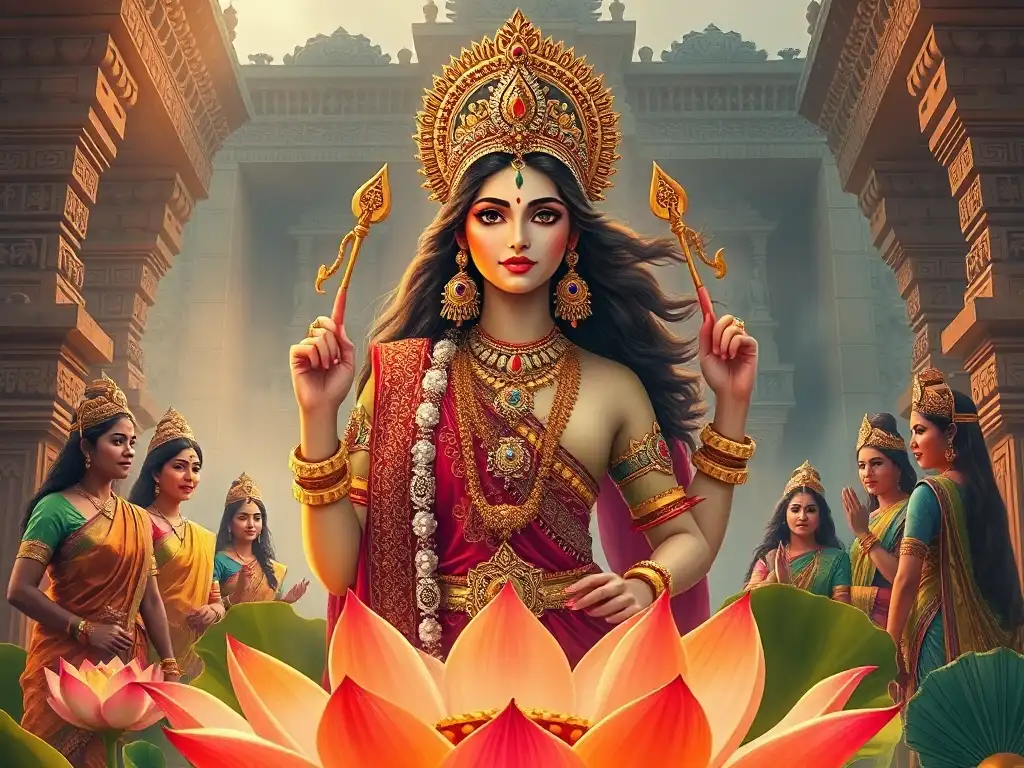
In ancient India, the worship of female deities played a significant role in shaping the social structure and the status of women. Female deities, such as Saraswati, Lakshmi, and Durga, were not only revered for their divine qualities but also served as symbols of power, fertility, and knowledge. Their representations in religious texts and rituals provided women with a framework to navigate their societal roles.
The status of women in ancient India often mirrored the attributes associated with these deities. For example, Saraswati, the goddess of wisdom, reflected the importance of education and intellectual pursuits. In contrast, Lakshmi, the goddess of wealth and prosperity, emphasized the significance of domestic responsibilities and familial success. This duality in representation allowed women to aspire to various roles within the confines of society.
Brahminical Influence on Female Deities' Worship
The Brahminical tradition heavily influenced the worship of female deities, intertwining religious practices with social norms. Brahmin priests often controlled the rituals and ceremonies dedicated to these deities, which reinforced the patriarchal structure within society. Women’s participation in these rituals was often limited, and their roles were typically relegated to that of devotees rather than as active participants in the religious hierarchy.
Despite this, the worship of female deities allowed women to find a voice within their communities. Temples dedicated to goddesses became places where women could gather, share experiences, and support one another. This communal aspect of worship provided women with a platform to express their devotion and assert their importance in society, albeit within a controlled space defined by Brahminical norms.
Regional Variations in Female Deity Worship
The worship of female deities in ancient India was not monolithic; it varied significantly across different regions. In some areas, local goddesses held paramount importance, often representing the land and its fertility. For instance, Durgā and Kāli were celebrated in Bengal, symbolizing strength and resilience, paralleling the societal expectations of women in those communities.
In contrast, regions like Tamil Nadu exhibited a rich tradition of Shakti worship, where female deities were venerated as embodiments of divine feminine energy. This regional diversity in worship practices highlighted the adaptability of female deities to local cultures and the specific roles women played within those societies. Such variations not only enriched the tapestry of female deity worship but also influenced women's status and their roles in different social contexts.
Festivals and Their Impact on Women's Roles
Festivals dedicated to female deities served as important cultural events that impacted women's roles and status in society. These celebrations were often times of communal joy, where women participated in various rituals, enhancing their visibility and significance within the social framework.
Celebrating Female Deities: Rituals and Practices
Rituals during festivals like Navaratri and Durga Puja were essential in reinforcing the reverence for female deities. These events often included elaborate processions, dances, and offerings, where women played central roles. The rituals emphasized the nurturing qualities of the goddesses, aligning with the traditional roles of women as caretakers and supporters of family and community.
Moreover, these festivals provided women with an opportunity to challenge their societal roles by engaging actively in worship and leadership within their communities. The act of participating in such rituals allowed women to celebrate their identities while simultaneously fostering solidarity among them.
Women’s Participation in Religious Events
Women's involvement in religious events was a key aspect of the festivals dedicated to female deities. They took on various roles, from organizing festivities to conducting rituals. This active participation highlighted the importance of women in religious life, allowing them to transcend their domestic confines temporarily.
However, the extent of this participation was often subject to regional customs and societal norms. In some communities, women enjoyed significant freedom and were celebrated for their contributions, while in others, their roles remained limited. Nevertheless, the presence of female deities in religious practices provided a vital link between women and their cultural heritage, reinforcing their importance in both spiritual and social realms.
The intersection of female deities and social structure in ancient India reveals the complex dynamics of women's roles in society. From the influence of Brahminical practices to regional variations in worship and the celebration of festivals, female deities served as both symbols of strength and reflections of societal expectations, ultimately shaping the status of women throughout ancient Indian history.
Case Studies of Female Deities and Women's Empowerment
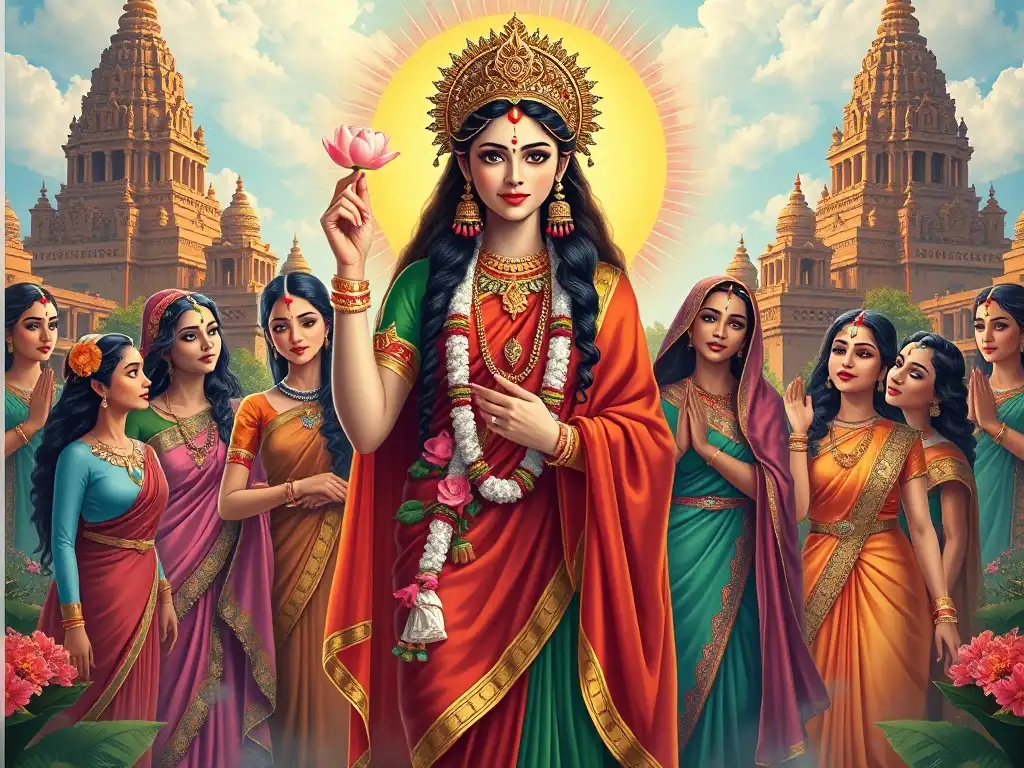
The Influence of Devi Worship on Women's Rights
The worship of female deities in ancient India, particularly the concept of Devi, has played a significant role in shaping the status of women within society. Devi, representing the divine feminine, embodies strength, nurturing, and wisdom. This multifaceted representation has been pivotal in establishing a cultural reverence for women, which in turn influenced their rights and societal roles.
Empowerment through Religious Rituals
In many ancient texts, the worship of goddesses is not merely an act of devotion but also a means for women to assert their identity and autonomy. Rituals dedicated to goddesses such as Durga and Lakshmi often featured women as central participants, giving them a platform to express their agency. For instance:
- Durga Puja: Celebrated widely, this festival honors the goddess Durga, symbolizing the triumph of good over evil. The active involvement of women in the rituals and celebrations allows them to reclaim power and assert their presence in society.
- Navaratri: This nine-night festival dedicated to Devi also emphasizes the role of women in community decision-making and leadership during the festivities, showcasing their ability to influence social dynamics.
The reverence for female deities encouraged a societal norm where women were seen as vital contributors to both the spiritual and social fabric, promoting a sense of empowerment and respect.
Historical Examples of Women as Leaders and Protectors
Throughout ancient Indian history, several historical figures exemplify the influence of female deities on women’s roles as leaders and protectors. These women, often inspired by or associated with divine feminine qualities, played crucial roles in governance, warfare, and cultural preservation.
Rani Durgavati: A Warrior Queen
Rani Durgavati, the queen of Gondwana in the 16th century, epitomizes the fierce spirit of the goddess Durga. Known for her bravery and strategic acumen, she led her kingdom against Mughal invaders. Her legacy is a testament to how the valor attributed to female deities inspired women to take on roles traditionally reserved for men.
- Cultural Impact: Durgavati's resistance against oppression not only solidified her status as a protector of her people but also inspired future generations of women to engage in leadership roles.
Razia Sultana: The Only Female Sultan
Razia Sultana, who ruled during the 13th century, was the first and only female monarch of the Delhi Sultanate. Her reign challenged the patriarchal norms of her time, demonstrating that women could wield power effectively. Razia's leadership was often compared to that of male rulers, yet she brought a unique perspective to governance that was influenced by her understanding of justice, compassion, and diplomacy—qualities often associated with female deities.
- Legislative Reforms: Razia implemented policies that improved the status of women, including education and property rights, reflecting the nurturing aspect of goddesses like Saraswati.
The stories of these powerful women illustrate the profound impact of female deities in ancient Indian society. Through worship and reverence, women drew strength from these divine figures, leading to a greater acceptance of their roles as leaders and protectors.
This historical perspective emphasizes that the worship of female deities not only celebrated feminine qualities but also paved the way for women's empowerment and social reform in ancient India.
Myths and Realities of Female Deities in Ancient India
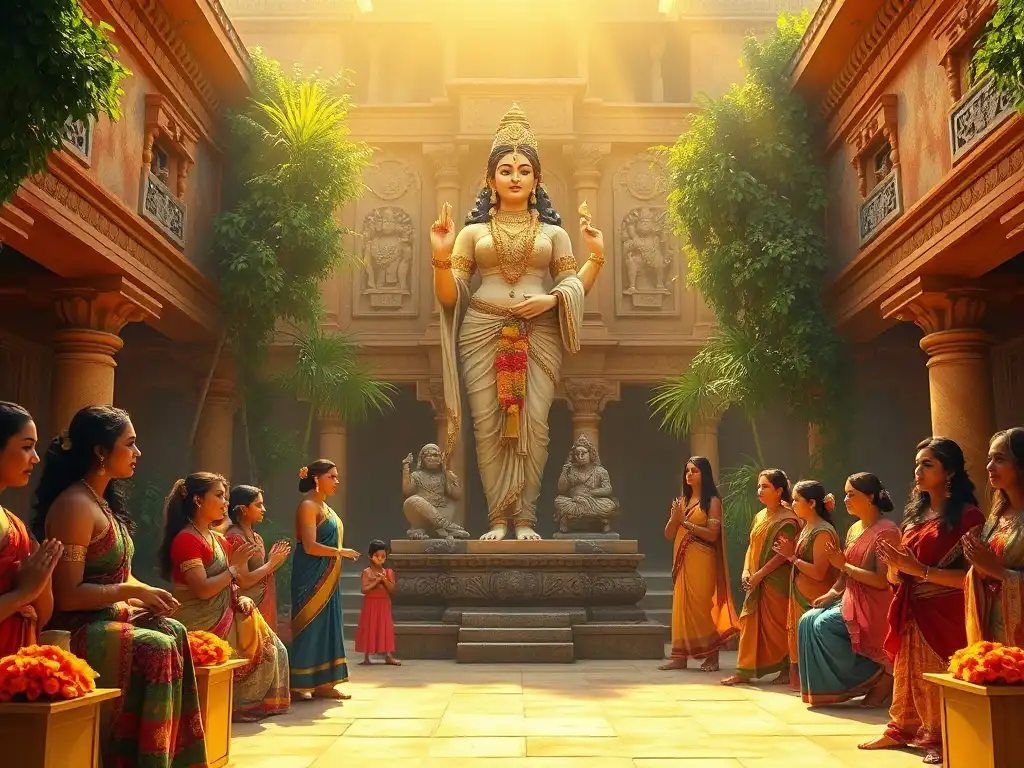
Common Myths about Female Deities and Gender Roles
In the discourse surrounding female deities in ancient India, several myths have emerged that often distort the perception of women's status and their roles in society. One prevalent myth suggests that female deities symbolize an inherent subjugation of women, portraying them as secondary to male gods. This interpretation fails to recognize the multifaceted nature of these deities, who often embody qualities such as strength, wisdom, and independence.
Another common myth is the notion that the veneration of female deities did not translate into tangible benefits for women in society. Critics argue that despite the reverence for figures like Durga and Lakshmi, women's social and economic standing remained limited. However, this perspective overlooks the cultural narratives that these deities represented. For instance, Durga, as a warrior goddess, signifies not just protection but also empowerment, instilling a sense of agency among women.
Moreover, some assume that the roles of female deities were strictly domestic, relegating them to the realm of household duties. While nurturing aspects are indeed emphasized, many deities also embody themes of warfare, justice, and political power. For example, Kali, a fierce goddess, represents not just destruction but also transformation and liberation, challenging the notion of female passivity.
The Reality of Women's Status in Ancient Indian Society
The status of women in ancient Indian society was complex and varied widely based on factors such as region, class, and period. Contrary to the simplistic view of oppression, historical evidence suggests that women held significant roles in both familial and societal contexts.
Social Structure and Women's Roles
In many ancient texts, women are depicted as vital participants in rituals and governance. For instance, the Rigveda mentions women in positions of authority, and some ancient inscriptions indicate that women could own property and manage businesses. The presence of female deities often reflected societal values that acknowledged women's contributions, as seen in the worship of Saraswati, the goddess of knowledge and arts, which encouraged women's education.
Economic Contributions and Rights
Women in ancient India also engaged in various economic activities. They were involved in agriculture, handicrafts, and trade, contributing to the economic fabric of their communities. The legal texts, such as Manusmriti, while often criticized for their prescriptive norms, also provided women with certain rights regarding inheritance and property, suggesting a level of agency that contradicts the notion of absolute subjugation.
Cultural Significance and Influence
The cultural significance of female deities in ancient India cannot be overstated. They served as role models, inspiring women to aspire towards qualities such as courage and resilience. Festivals and rituals dedicated to these goddesses offered women a platform to express their identities and exert influence within their communities.
The myths surrounding female deities in ancient India often obscure the realities of women's status and contributions. The veneration of these deities reflects a rich tapestry of beliefs that empowered women and celebrated their roles in society, challenging contemporary narratives that portray them solely as oppressed figures.
Conclusion: The Lasting Legacy of Female Deities on Women's Status
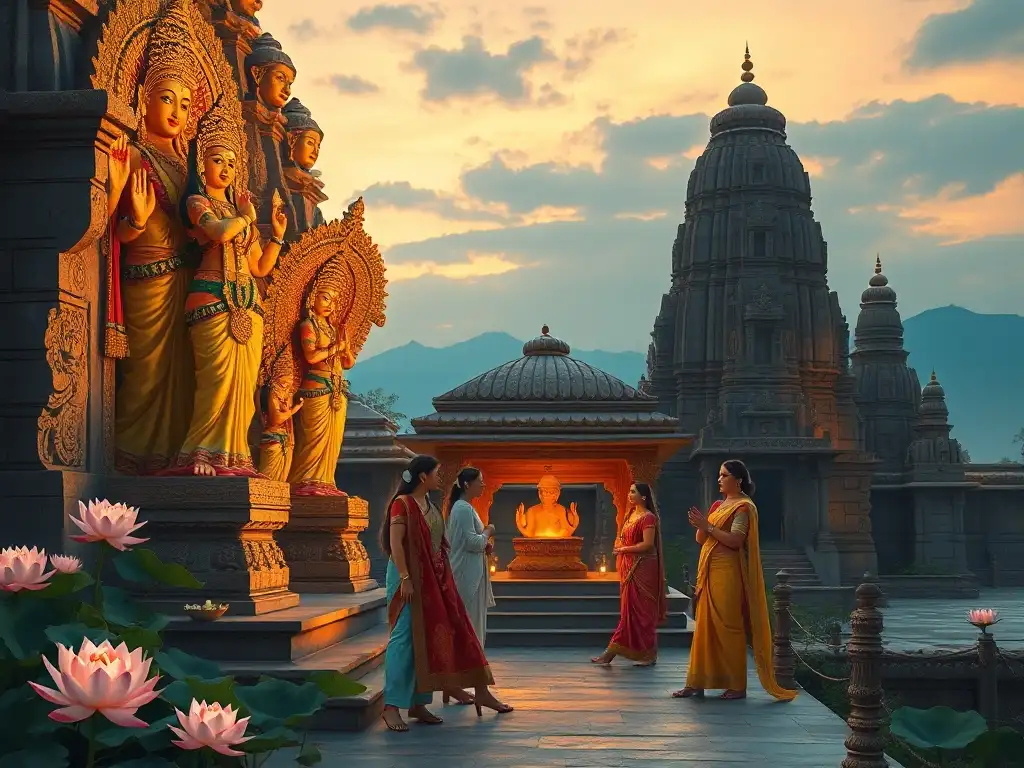
The influence of female deities in ancient India extends far beyond their mythological narratives; it resonates through the very fabric of society, shaping women's roles and status across generations. These deities, such as Durga, Saraswati, and Lakshmi, were not merely figures of worship but embodiments of power, knowledge, and prosperity. Their revered status in both religious and cultural contexts provided a framework for understanding femininity and womanhood.
Reflecting on the Impact of Female Deities in Modern Context
In contemporary society, the legacy of these female deities continues to inspire and empower women. The archetypes established by figures like Durga, who represents strength and resilience, and Saraswati, the goddess of wisdom, serve as role models for modern women striving for equality and respect in various spheres of life.
- Cultural Celebrations: Festivals like Durga Puja and Navratri highlight the significance of female deities, reinforcing their importance in community and family structures. These celebrations often empower women by placing them at the center of cultural practices and rituals.
- Literature and Media: Modern retellings of ancient myths in literature, films, and art often reexamine and redefine the roles of female deities, allowing for a contemporary interpretation that resonates with current issues of gender equality and women's rights.
- Social Movements: Activist movements in India frequently draw on the symbolism of female deities to advocate for women's rights, using their stories to challenge patriarchal norms and inspire change.
Final Thoughts on Women's Roles in Ancient India
The reverence for female deities in ancient India reflects a complex understanding of women's roles in that era. Women were not only seen as caretakers and homemakers but also as integral figures in spiritual and religious life. This duality is crucial to understanding the broader societal dynamics at play.
- Spiritual Authority: Women often held significant spiritual authority, with goddesses symbolizing various aspects of life and nature. This duality permitted women to engage actively in religious practices, reinforcing their status within the family and community.
- Economic Contributions: The worship of goddesses associated with wealth and prosperity, such as Lakshmi, highlighted women's contributions to economic life, suggesting that their roles extended beyond domestic boundaries.
- Cultural Narratives: The stories surrounding female deities often contained lessons about virtue, bravery, and wisdom, providing a narrative framework that encouraged women to aspire to these qualities in their everyday lives.
The legacy of female deities in ancient India is a testament to the multifaceted roles women played in society. Their influence continues to shape the dialogue around women's status today, illustrating the profound connection between spirituality, culture, and gender dynamics.
References and Further Reading
Suggested Literature on Female Deities and Women's Status
The study of female deities in ancient India reveals significant insights into the status of women in various historical contexts. Here are some key texts that explore the role of female deities and their impact on women's status in ancient Indian society:
-
"Goddesses in India: Culture, Power, and Agency" by Julia Leslie
This book provides a comprehensive analysis of the various goddesses worshipped in India and discusses their implications on women's roles, identities, and societal power structures.
-
"Women and Gods: A Cross-Cultural Perspective" by M. G. Chitkara
This work offers a comparative analysis of female deities across cultures, with a focus on how these figures influence the lives and statuses of women in their respective societies, including ancient India.
-
"The Divine Feminine: Theosophy and the Sacred Feminine in Indian Religion" by N. N. Bhattacharya
This text explores the intersection of spirituality and gender in ancient India, highlighting how female deities shaped the perception and roles of women in society.
-
"Hindu Goddesses: Vision of the Divine Feminine in the Hindu Religious Tradition" by David Kinsley
Kinsley’s analysis delves into the symbolism and cultural significance of Hindu goddesses, elucidating their influence on societal norms and women's empowerment in ancient India.
Academic Sources and Historical Texts
In addition to literature, academic sources and historical texts provide crucial insights into the status of women and the worship of female deities in ancient India. Here are some noteworthy references:
-
"The Rig Veda"
One of the oldest texts in Indian literature, the Rig Veda contains hymns dedicated to various deities, including female ones. It offers valuable information about the role of women and the reverence for female divinities in early Indian society.
-
"The Laws of Manu" (Manusmriti)
This ancient legal text outlines the roles and duties of women in society, juxtaposed with the veneration of female deities, providing context for understanding women’s status in relation to divine figures.
-
"The Puranas"
These ancient texts, rich in mythology and religious narratives, frequently mention female deities like Durga and Lakshmi. They serve as critical sources for understanding how these deities influenced societal norms and the perception of women.
-
"Women in Ancient India: A Historical Perspective" by R. S. Sharma
This book analyses the social, economic, and political roles of women throughout various periods of ancient Indian history, including the influence of female deities on their status.
-
"Translating the Goddess: Theories of Gender and the Divine" by R. K. Sharma
This academic work provides an in-depth exploration of how female deities were interpreted and understood across different regions and periods, impacting women's roles and status in society.
These resources will further enhance the understanding of the complex interplay between female deities and the status of women in ancient India, offering both historical context and contemporary interpretations.
Frequently Asked Questions
What is the significance of female deities in ancient India?
Female deities played a crucial role in religious and cultural practices, symbolizing various aspects of life, such as fertility, prosperity, and wisdom, which influenced women's status and roles in society.
How did female deities affect the perception of women in ancient Indian society?
The worship of female deities often elevated the status of women by associating them with divine qualities, thus promoting the idea that women should be respected and honored in their communities.
Can you name some prominent female deities from ancient India?
Key female deities include Durga, representing strength and protection, Saraswati, symbolizing knowledge and arts, and Lakshmi, associated with wealth and prosperity, each reflecting different virtues important to society.
What role did mythology play in shaping the status of women?
Mythology involving female deities often conveyed messages about empowerment and sacrifice, influencing societal norms and expectations for women's behavior and roles within the family and society.
How did the status of women change over time in relation to female deities?
The status of women in ancient India fluctuated, with periods of greater empowerment often paralleling the prominence of female deities in worship, while later eras saw shifts that sometimes diminished their roles and representations.
Final Reflection: The Enduring Legacy of Female Deities in Ancient India
The reverberations of female deities in ancient India continue to shape our understanding of women's status today. From the powerful narratives of goddesses like Durga and Saraswati to the cultural practices that honor their legacies, these divine figures have not only influenced spiritual beliefs but have also served as symbols of empowerment and resilience for women throughout history. Their stories remind us of the strength and agency that women can embody, challenging the constraints of patriarchal norms.
The impact of female deities transcends mere mythology; they have woven themselves into the very fabric of societal values and gender roles. The reverence for these goddesses has inspired generations of women to reclaim their power and assert their rights in a world that often seeks to diminish their voices. As noted by scholar Devdutt Pattanaik, In the stories of our gods and goddesses, we find reflections of our own struggles and aspirations.
This ongoing dialogue between the past and present highlights the cultural significance of these deities and their role in shaping a more equitable society.
As we reflect on the lessons imparted by these powerful female figures, let us invite ourselves to embrace their qualities of strength, wisdom, and compassion in our own lives. Consider how you can channel the essence of these deities to uplift not only yourself but also the women around you. By honoring the legacy of female deities in ancient India, we can foster a renewed commitment to gender equality and empowerment, ensuring that their influence continues to inspire future generations.
Unveil the Power of Female Deities in Your Life!
Thank you for diving into the fascinating world of female deities and their pivotal role in shaping women's status in ancient India. Your interest in this topic not only enriches your knowledge but also empowers you to reflect on the lessons from the past. Now, it’s time to take that inspiration and turn it into action!
Here are some exciting steps you can take:
- Engage with your community: Share the insights you gained from this article with friends or on social media. Start conversations about the influence of female deities in today's world.
- Explore further: Research a specific female deity that resonates with you. Discover her stories, attributes, and how her legacy can inspire modern women.
- Reflect and apply: Consider how the values embodied by these deities can manifest in your own life. What qualities do you admire, and how can you integrate them into your daily actions?
Before you go, we’d love to hear your thoughts: Which female deity do you believe has the most significant impact on contemporary women’s empowerment, and why? Share your insights in the comments below!