
The Power of the Nari: How Women Shaped Ancient Indian Politics

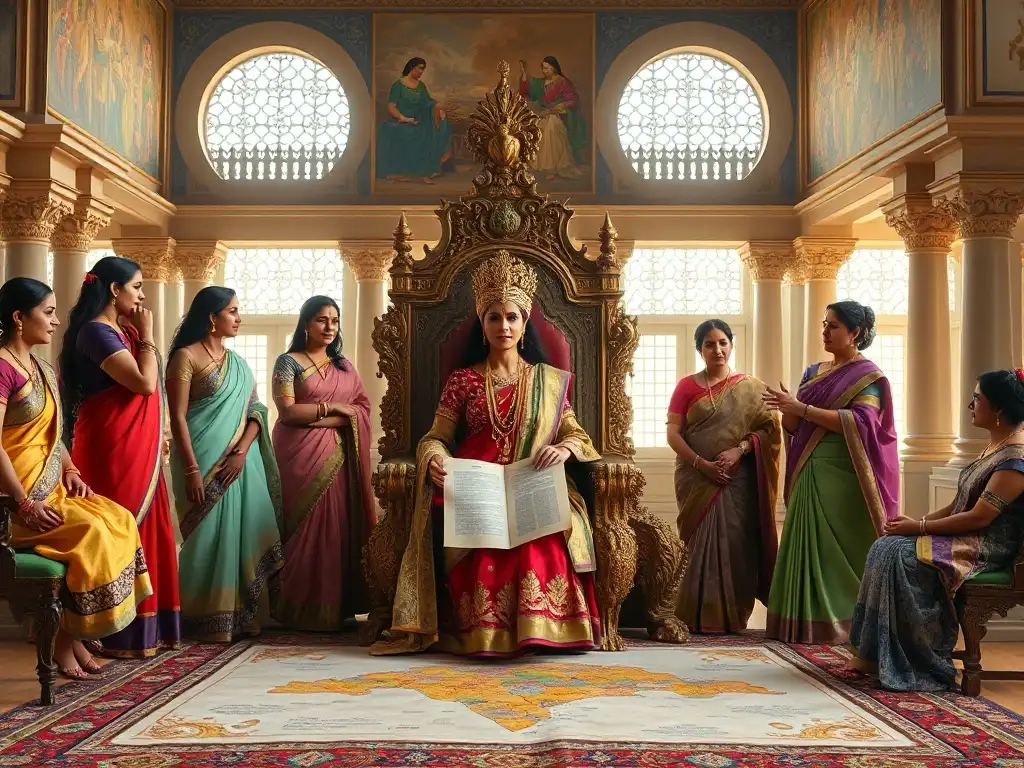
Welcome to Ancient India History, where we delve into the rich tapestry of civilization that shaped the subcontinent. Today, we invite you to explore a compelling chapter in our past: "Women in Ancient Indian Politics." Discover how the remarkable contributions of women not only influenced the political landscape but also challenged societal norms.
From the powerful queens of the Gupta Empire to the influential figures of the Indus Valley, the stories of these women will ignite your curiosity and deepen your appreciation for their legacy. Are you ready to uncover the untold narratives of the nari who wielded power in ways that resonate even today? Let’s embark on this enlightening journey together!
Throughout history, the role of women in politics has often been overshadowed by their male counterparts, yet in ancient India, women wielded significant influence that shaped the political landscape of their time. From the powerful queens of the Maurya dynasty to the influential courtesans of the Gupta Empire, women played crucial roles in governance, diplomacy, and social reform. This article delves into the lives and contributions of these remarkable women, exploring how their actions and decisions not only affected their immediate realms but also contributed to the broader tapestry of ancient Indian history.
As we uncover the stories of influential women in ancient Indian politics, we will examine their unique positions, the societal structures that allowed them to rise to power, and the lasting impacts they made on the nation’s political dynamics. By focusing on the keyword Women in Ancient Indian Politics, we aim to highlight the strength and agency of women, demonstrating that their contributions were not merely supportive but foundational to the political developments of their eras.
The Historical Context of Women in Ancient Indian Politics
In ancient India, the social and political landscape was marked by a complex interplay of caste, class, and gender roles. The Vedic texts, alongside various historical accounts, provide a glimpse into the status of women during this time. While patriarchal norms were prevalent, women often held positions of power that allowed them to influence political decisions and participate in governance.
- Vedic Period: Women like Gargi and Maitreyi were not just scholars but also engaged in discussions about philosophy and governance.
- Maurya Empire: The reign of Chandragupta Maurya saw influential queens such as Durdhara, who played pivotal roles in political alliances and statecraft.
- Gupta Empire: During this period, women like Prabhavati Gupta exemplified the power of royal women in political affairs, as they often acted as regents or advisors.
Notable Women Who Influenced Politics
Several women stand out in the annals of ancient Indian history for their political acumen and leadership. Their stories reflect the diverse ways in which women navigated the political realm.
- Chandragupta Maurya's Queens: These women were instrumental in forming alliances through marriage, ensuring stability and power for their families.
- Prabhavati Gupta: As the daughter of Chandragupta II, she governed in her own right and made significant contributions to the arts and culture of her time.
- Rani Durgavati: A warrior queen who defended her kingdom against invaders, showcasing the military capabilities of women in leadership roles.
The Impact of Women on Governance and Policy
Women in ancient India were not just passive figures; they actively participated in shaping policies and governance. Their involvement ranged from direct political action to influence through counsel and guidance.
- Advisors and Regents: Many women served as trusted advisors to kings, leveraging their wisdom and experience to guide important decisions.
- Diplomatic Roles: Women often engaged in diplomacy, negotiating treaties and alliances that were crucial for maintaining peace and stability.
- Cultural Patrons: By supporting the arts and education, women helped cultivate a rich cultural environment, indirectly influencing political thought and governance.
Conclusion
The contributions of women in ancient Indian politics are a testament to their strength and resilience. By examining their roles, we gain valuable insights into the complexities of ancient political structures and the significant impact women had in shaping the course of history. As we continue this exploration, we will uncover more about the lives of these remarkable women and their enduring legacy in the political landscape of ancient India.
- The Historical Context of Women in Ancient Indian Politics
- Notable Women Who Influenced Politics
- The Impact of Women on Governance and Policy
- Conclusion
- What role did women play in ancient Indian politics?
- Were there any notable female rulers in ancient India?
- How did the social status of women affect their political involvement?
- What were the cultural perceptions of women in politics during ancient India?
- How did the contributions of women in ancient politics influence later periods?
Introduction to Women in Ancient Indian Politics
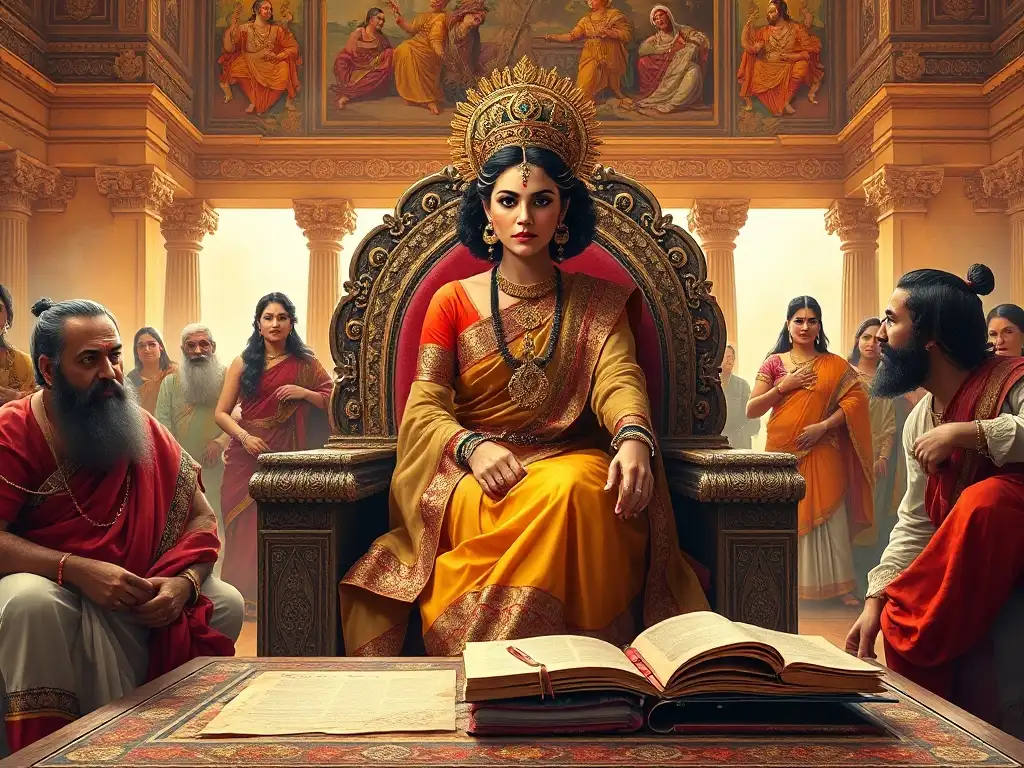
In ancient India, women played a significant and multifaceted role in shaping the political landscape, often influencing decisions and governance from behind the scenes or as visible leaders themselves. The term "Nari," meaning woman in Sanskrit, encapsulates the strength, wisdom, and agency that women wielded in various spheres, including politics. This article delves into the intricate dynamics of women's involvement in ancient Indian politics, emphasizing prominent figures, societal norms, and the lasting impact of their contributions.
Overview of Women's Roles in Ancient India
Women in ancient India held diverse roles that extended beyond mere domestic responsibilities. They were integral to family structures and had a profound influence over social, economic, and political matters. Here are some key aspects of women's roles during this period:
- Political Influence:
- Women from royal families often acted as advisors and strategists in court politics.
- Historical texts mention queens and noblewomen who wielded significant power; for instance, Rani Durgavati of Gondwana led her kingdom in battle and governance.
- Cultural Contributions:
- Women were not only political players but also key figures in arts, literature, and education. The Brahmavadinis, or learned women, participated in philosophical discourses, shaping the intellectual landscape.
- Religious Authority:
- Many women were respected spiritual leaders, contributing to political decisions through their religious authority. For example, Mira Bai, a 16th-century poet-saint, influenced many through her devotional songs, which also had political undertones.
- Economic Roles:
- Women managed household economies and were involved in trade practices, which often translated into political leverage in local governance.
Importance of Studying Women in Politics
Understanding the roles of women in ancient Indian politics is essential for several reasons:
- Redefining Historical Narratives:
- The traditional historical narrative often overlooks the contributions of women. By studying their political roles, we can create a more balanced and inclusive history that recognizes the impact of women in shaping society.
- Cultural Insights:
- Analyzing women's political participation provides insights into the broader cultural and societal norms of ancient India, reflecting the complexities of gender roles and power dynamics.
- Inspiration for Modern Contexts:
- The stories of influential women in ancient India serve as powerful examples for contemporary discussions on gender equality and women's empowerment in politics today.
- Preservation of Heritage:
- Documenting the contributions of women preserves vital aspects of cultural heritage and encourages future generations to acknowledge and learn from the past.
The political landscape of ancient India was significantly shaped by women, whose roles extended beyond the domestic sphere into the realms of power and governance. By studying the contributions of women in ancient Indian politics, we enrich our understanding of history and promote a more inclusive narrative that honors the strength and influence of the Nari.
Historical Context of Women in Ancient Indian Politics
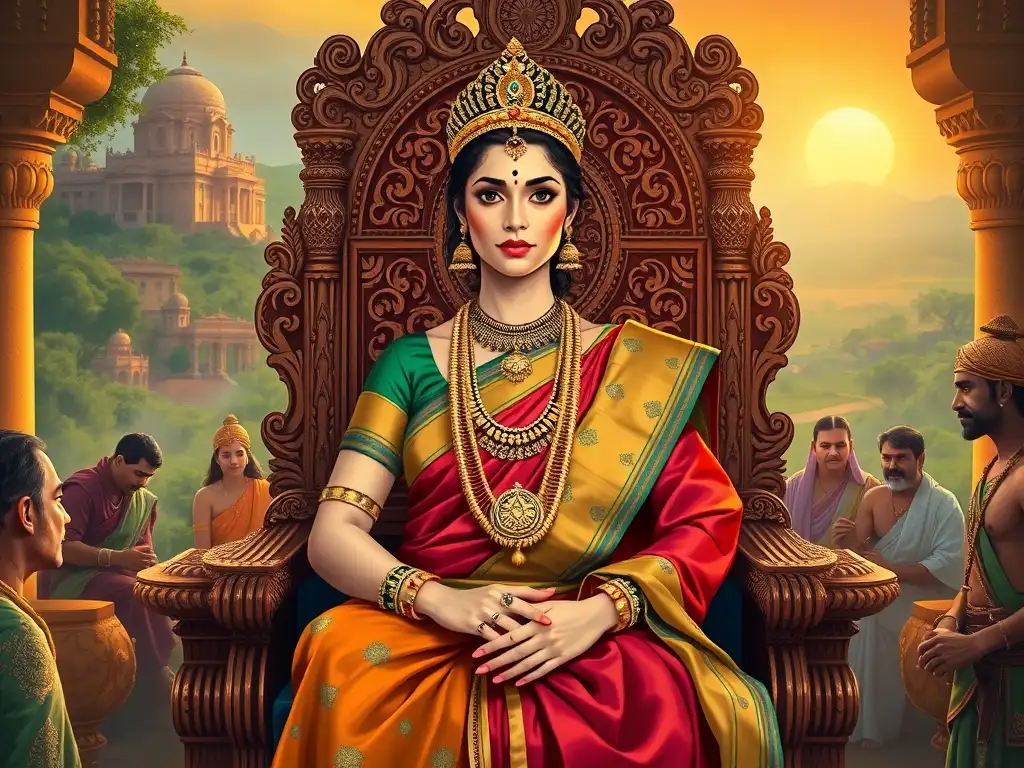
The Position of Women in Ancient Indian Society
In ancient India, the status and role of women were complex and multifaceted, shaped by a variety of cultural, religious, and social factors. Women were not merely passive figures in the backdrop of history; rather, they played integral roles in political, economic, and social spheres.
Social Hierarchy and Gender Roles
The societal structure of ancient India was predominantly patriarchal, yet women often enjoyed certain rights and privileges, especially in the early periods. For instance, women had the right to own property, receive education, and participate in rituals. However, these rights fluctuated across regions and eras, influenced by local customs and the evolving interpretation of religious texts.
Influence of Religion and Philosophy
Religious texts such as the Vedas and later the Manusmriti presented dual perspectives on women's roles. While some passages advocated for women's education and agency, others reinforced subservient roles. The philosophical discourse surrounding women's contributions often highlighted their spiritual and moral significance, yet also imposed limitations on their public and political engagement.
Key Historical Periods Influencing Women’s Political Roles
Several key historical periods in ancient India significantly influenced women's roles in politics, ranging from empowerment to restriction. Each period brought unique challenges and opportunities for women, reflecting the broader socio-political dynamics of the time.
The Vedic Period and Women’s Empowerment
The Vedic period (circa 1500-500 BCE) marked a time when women were relatively empowered compared to later epochs. Women such as Gargi and Maitreyi are notable examples, known for their intellectual prowess and participation in philosophical debates.
- Education and Learning: Women were encouraged to pursue education, and many were well-versed in scriptures. The concept of Brahmavadinis refers to women who engaged in Vedic studies, showcasing their involvement in philosophical and spiritual matters.
- Political Involvement: Historical accounts suggest that women were involved in decision-making processes within their families and communities, sometimes even participating in assemblies known as Sabhas.
The Maurya Empire and Political Influence
During the Maurya Empire (circa 322-185 BCE), women began to gain more visibility in politics, especially within royal families. Prominent figures like Chandragupta Maurya's daughter, who was involved in diplomatic missions, highlight this trend.
- Royal Women as Political Players: Women from royal families often wielded significant influence. For example, Durdhara, the wife of Chandragupta Maurya, played a crucial role in political affairs through her lineage and connections.
- Diplomacy and Alliances: Marriages were often used as political tools to forge alliances, and women were central to these strategies, influencing the political landscape.
The Gupta Empire and Cultural Renaissance
The Gupta Empire (circa 320-550 CE) is often regarded as a golden age in Indian history, characterized by advancements in arts and sciences. This period also saw notable changes in women's political roles.
- Cultural Patronage: Women from royal families, such as Queen Prabhavatigupta, were patrons of arts and literature, fostering a culture of intellectual and artistic expression.
- Political Authority: Women, particularly in noble classes, sometimes took on regent roles when male heirs were too young to rule. This shift indicates a temporary elevation of women's political authority during times of transition.
The political landscape of ancient India was significantly shaped by the contributions and roles of women. While they faced challenges within a patriarchal society, periods of empowerment, particularly during the Vedic and Maurya eras, allowed women to influence political decisions and cultural developments, leaving a lasting legacy in ancient Indian history.
Influential Women in Ancient Indian Politics
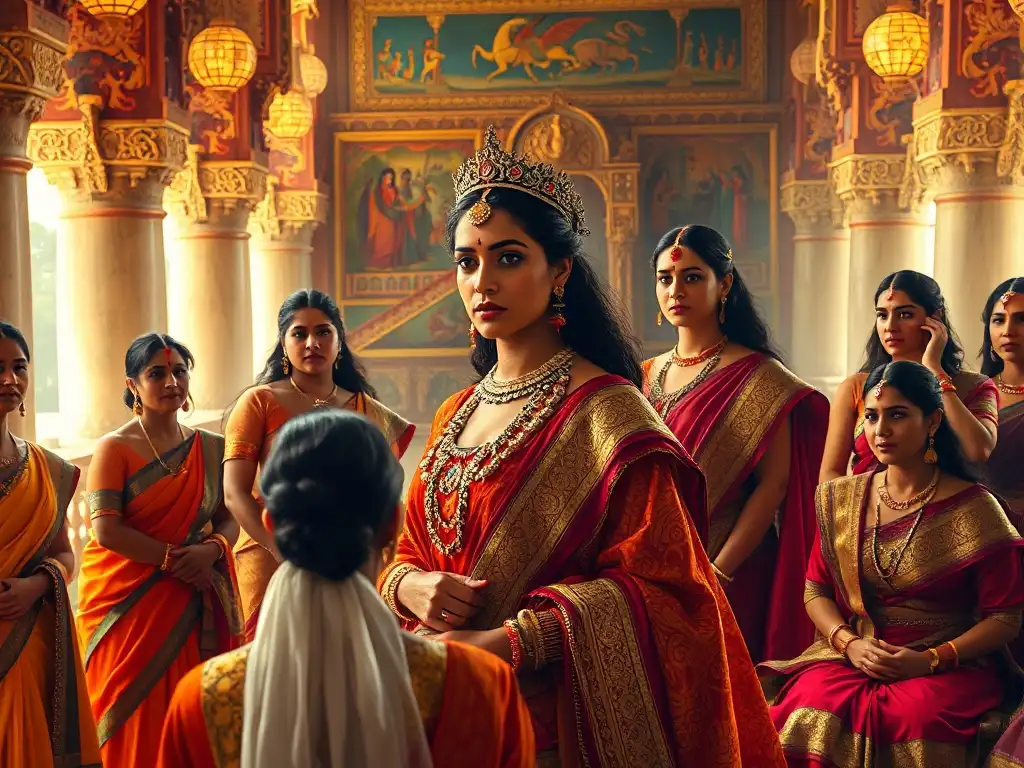
The role of women in ancient Indian politics is often underestimated, yet they played critical parts in shaping the political landscape of their time. From queens to advisors, women wielded influence that extended far beyond traditional gender roles. This section delves into the lives of prominent queens and rulers, as well as the strategic roles women played in advisory capacities within ancient Indian courts.
Prominent Queens and Rulers
Women not only held power through their lineage but also actively engaged in governance and policy-making. Their contributions were significant in both the political and cultural realms, showcasing their strength and influence in ancient Indian society.
Chandragupta Maurya and Durdhara
Chandragupta Maurya, the founder of the Maurya Empire, is often celebrated for his military conquests and administrative prowess. However, his wife, Durdhara, also played a crucial role in his rise to power. Historical texts suggest that Durdhara was not just a supportive spouse but a key strategist in her husband’s political maneuvers.
- Influence on Chandragupta: Durdhara is believed to have provided counsel during critical moments, especially in times of unrest and conflict. Her insights were instrumental in navigating the complexities of court politics.
- Cultural Impact: Durdhara’s position as a queen influenced the perception of women in power, paving the way for future female rulers in the Maurya dynasty.
Razia Sultana: The Sultan Who Defied Gender Norms
Razia Sultana, the only female monarch of the Delhi Sultanate, is a quintessential example of a woman who broke through the barriers of gender norms. Her reign from 1236 to 1240 CE marked a significant period in Indian history where a woman held the throne.
- Defiance of Norms: Razia defied the expectations of her male counterparts by donning royal attire and engaging directly in combat and governance.
- Political Strategies: She implemented policies that focused on meritocracy, appointing individuals based on ability rather than social class, which was revolutionary at the time.
- Legacy: Razia’s rule challenged the patriarchal structure of her era, inspiring future generations of women leaders in India.
Women in Advisory Roles
Beyond ruling, women in ancient India frequently occupied advisory positions, shaping policies and strategies from behind the scenes. Their roles as political advisors and strategists were pivotal in the governance of various dynasties.
The Role of Women as Political Advisors and Strategists
Women in advisory roles often acted as confidantes and strategists, utilizing their intellect and influence to guide rulers in decision-making processes.
- Counseling Kings: Many queens and noblewomen were adept at political maneuvering, offering wisdom on alliances, warfare, and administration. Their intimate knowledge of court dynamics made them valuable advisors.
- Crisis Management: Women were often called upon during times of crisis to provide counsel, showcasing their capability to think critically under pressure. Their involvement was crucial in stabilizing kingdoms during turbulent times.
Examples of Influential Female Advisors in Ancient Courts
Numerous historical records highlight the contributions of female advisors in ancient Indian courts, illustrating their impact on statecraft.
- Rani Durgavati: Known for her fierce resistance against Mughal invaders, she was also a skilled administrator who advised her court on matters of governance and military strategy.
- Rajkumari Rani: Some texts mention women who served as advisors to kings and were known for their astute political acumen. These women often had significant sway over decisions that affected their kingdoms.
| Name | Role | Notable Contributions |
|---|---|---|
| Durdhara | Queen of Chandragupta | Strategic counsel during the Mauryan era |
| Razia Sultana | Sultan of Delhi | Established merit-based appointments |
| Rani Durgavati | Queen of Gondwana | Led resistance against Mughal forces |
| Rajkumari Rani | Advisor in various courts | Influenced key political decisions |
Through these examples, it becomes evident that women in ancient Indian politics were not merely passive figures but were active participants who shaped the course of history. Their stories reflect a complex interplay of power, gender, and influence that deserves recognition and celebration.
The Impact of Women on Political Decisions
The role of women in ancient Indian politics extends beyond mere participation; it encompasses significant influence over political decisions, strategies, and governance. Throughout history, women have not only served as advisors and confidantes but also as rulers and strategists in their own right. Their contributions have shaped the political landscape of ancient Indian civilizations, illustrating the power of the nari.
The dynamics of power in ancient India often included women in key positions, whether as queens, regents, or influential figures behind the throne. These women wielded their influence through familial ties, political alliances, and their unique insights into governance. Their actions had far-reaching implications, often steering the course of empires and kingdoms.
Women's Influence in Governance and Administration
Women in ancient India played critical roles in governance and administration, often acting as the backbone of political power. Their involvement was not limited to the domestic sphere; many women actively engaged in state affairs, contributing to policy-making and administration.
- Advisors and Regents: Women frequently served as advisors to kings, providing counsel on matters of state. In some instances, women acted as regents, ruling on behalf of their sons or husbands. This was particularly common during times of political instability, where a woman's authority was recognized as a stabilizing force.
- Diplomats and Peacemakers: Women were also instrumental in forging alliances through marriage, which was a common political strategy. These alliances often resulted in peace treaties, and women were pivotal in negotiating these agreements, demonstrating their diplomatic prowess.
- Patrons of Culture and Religion: Many women, especially queens, were patrons of arts and religion, which in turn played a vital role in legitimizing their political power. Their support for religious institutions often translated into political loyalty from their subjects.
- Influence through Literature and Religion: Texts from ancient Indian literature, such as the Mahabharata and Ramayana, highlight the significant roles women played in shaping societal values and political ideologies. These texts often present women as wise and capable leaders, influencing the political narrative of their times.
Case Studies of Women Shaping Policies and Alliances
Examining specific case studies reveals the profound impact women had on ancient Indian politics. Two prominent figures exemplify this influence: Durdhara, the wife of Chandragupta Maurya, and Razia Sultana, a notable ruler of the Delhi Sultanate.
Case Study 1: Chandragupta Maurya and Durdhara’s Influence on the Maurya Empire
Durdhara, the wife of Chandragupta Maurya, is often credited with influencing key decisions during the establishment of the Maurya Empire. Her lineage connected her to the Kshatriya class, providing her with a platform from which to exert influence.
- Political Strategy: Durdhara played a critical role in the political strategies of her husband. Her connections and insights helped consolidate power and establish alliances with regional leaders.
- Support during Transitions: During Chandragupta's transition from a local leader to an emperor, Durdhara's counsel was invaluable. She helped navigate the complexities of governance, especially during conflicts with rival states.
- Legacy of Leadership: Durdhara's legacy persists in historical narratives as a woman who shaped the political landscape through her intelligence and strategic acumen, highlighting the important role women played in sustaining and expanding empires.
Case Study 2: Razia Sultana’s Leadership and Governance
Razia Sultana remains one of the most iconic figures in the history of women in ancient Indian politics. As the only female ruler of the Delhi Sultanate, her reign (1236-1240 CE) challenges the gender norms of her time.
- Breaking Gender Norms: Razia was not only a ruler but also a trailblazer who defied the conventions that restricted women's roles in governance. Her ascension to the throne was a direct challenge to the patriarchal structures of her era.
- Effective Administration: Razia implemented various administrative reforms, including appointing capable administrators regardless of their background, which improved the efficiency of her governance. Her policies aimed at fostering economic stability and public welfare.
- Military Leadership: Razia also led her troops into battle, demonstrating her capability as a military leader. Her ability to command respect from her soldiers and subjects was a testament to her leadership skills.
- Cultural Impact: Her reign is often remembered for the promotion of cultural and intellectual pursuits, as Razia encouraged scholars and artists, thereby enriching the cultural fabric of the empire.
The stories of Durdhara and Razia Sultana illustrate the significant impact women had on ancient Indian politics, challenging the narrative that relegated them to the background. Their legacies continue to inspire discussions about the roles women have played in shaping political landscapes throughout history.
Cultural Representations of Women in Politics
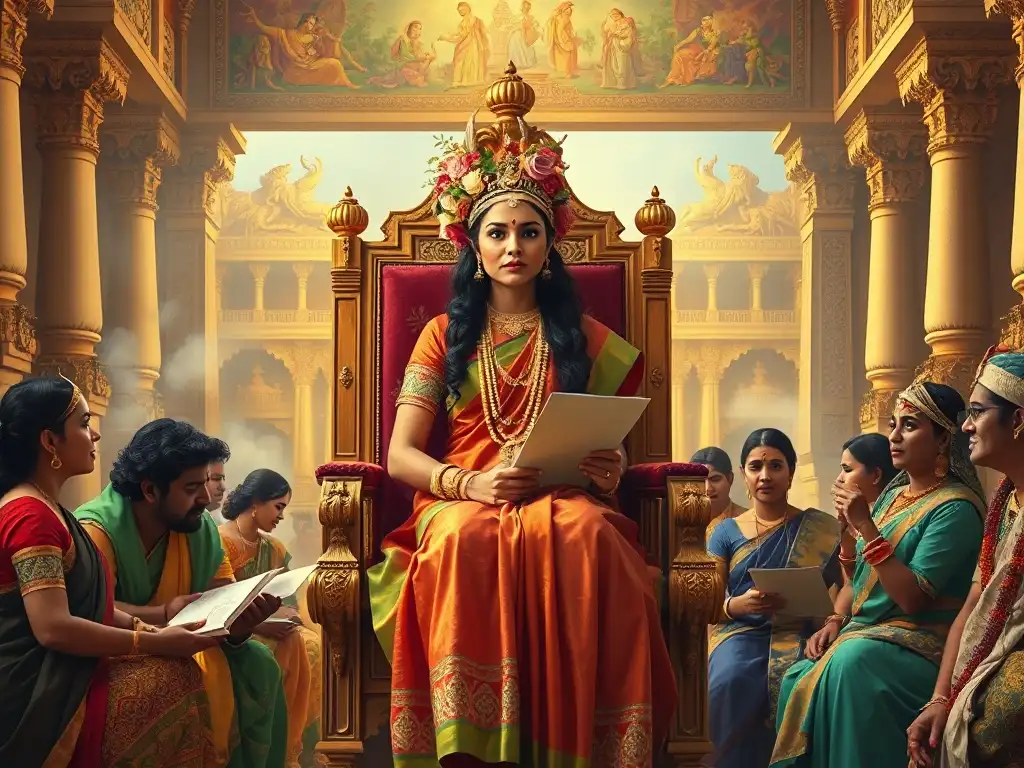
The portrayal of women in ancient Indian politics is not just a reflection of their actual roles but also an important cultural narrative that has shaped societal perceptions over centuries. From epic literature to artistic expressions, the representation of women in political contexts has been multifaceted, highlighting their influence and agency in ancient Indian civilization. This section delves into two primary avenues through which these representations have been conveyed: literary texts and artistic depictions.
Literature and Texts Highlighting Women’s Roles
Examination of Ancient Texts such as "Mahabharata" and "Ramayana"
Ancient Indian literature, particularly the "Mahabharata" and the "Ramayana," provides profound insights into the political landscape and the roles women played within it.
- Mahabharata:
- The "Mahabharata" is not only an epic but also a significant historical document that offers a glimpse into the lives of women during ancient times. Characters such as Draupadi, who was pivotal in the political intrigue of the Kurukshetra War, demonstrate how women influenced political events. Draupadi’s public disrobing and her subsequent call for justice highlight her role as a catalyst for significant political actions and decisions.
- Another notable figure is Kunti, the mother of the Pandavas, who navigated complex political situations with wisdom and strength. Her decisions had lasting impacts on the fate of her sons and the kingdom, illustrating that women were key political players rather than mere background figures.
- Ramayana:
- In the "Ramayana," Sita stands out as a powerful character whose abduction by Ravana sets off a major war. Her unwavering strength and moral integrity not only serve as a commentary on women's resilience but also show how her plight mobilizes political alliances, particularly through her husband, Lord Rama’s, quest to rescue her.
- The text also portrays Tara, the wife of Vali, who skillfully navigates the political turmoil of her time, influencing decisions and outcomes that reflect the strategic intelligence of women in ancient governance.
These ancient texts reveal that women were not only passive observers but active participants in the political narratives of their time, shaping history through their actions and decisions.
Artistic Depictions of Powerful Women in Ancient India
Role of Art in Shaping Perceptions of Women in Politics
The artistic representations of women in ancient Indian society also played a crucial role in shaping cultural perceptions of their political power.
- Sculptures and Reliefs:
- Temples across India, such as the Khajuraho group of monuments, depict women in various roles, including those of leaders and warriors. These sculptures often illustrate women wielding weapons, engaging in battle, or seated in positions of authority, thus reinforcing the idea of women as formidable figures in the political sphere.
- Notably, the Uttar Pradesh temple sculptures showcase female deities and historical figures in commanding poses, symbolizing strength and governance. The artistic emphasis on their physicality and posture serves to challenge the stereotypical notions of women's roles in society.
- Miniature Paintings:
- Miniature paintings from the Mughal era often featured women in regal attire, engaged in courtly activities, and depicted as advisors or rulers. These artworks highlight the nuanced roles that women occupied within the royal courts, showcasing their influence in political discussions and decisions.
- The portrayal of queens such as Jodha Bai reveals the power dynamics in royal households, where women exercised significant influence, often acting as intermediaries in political negotiations.
Through these artistic expressions, ancient Indian culture celebrated the power and agency of women, contributing to a complex understanding of their roles in politics. The artistic narrative shapes both historical and contemporary perceptions, reinforcing the idea that women have always been integral to the fabric of political life in ancient India.
The cultural representations of women in politics through literature and art collectively underscore their significant contributions and influence in ancient Indian society. These narratives not only celebrate their roles but also serve as a reminder of the enduring legacy of women in shaping the political landscape throughout history.
Challenges Faced by Women in Politics
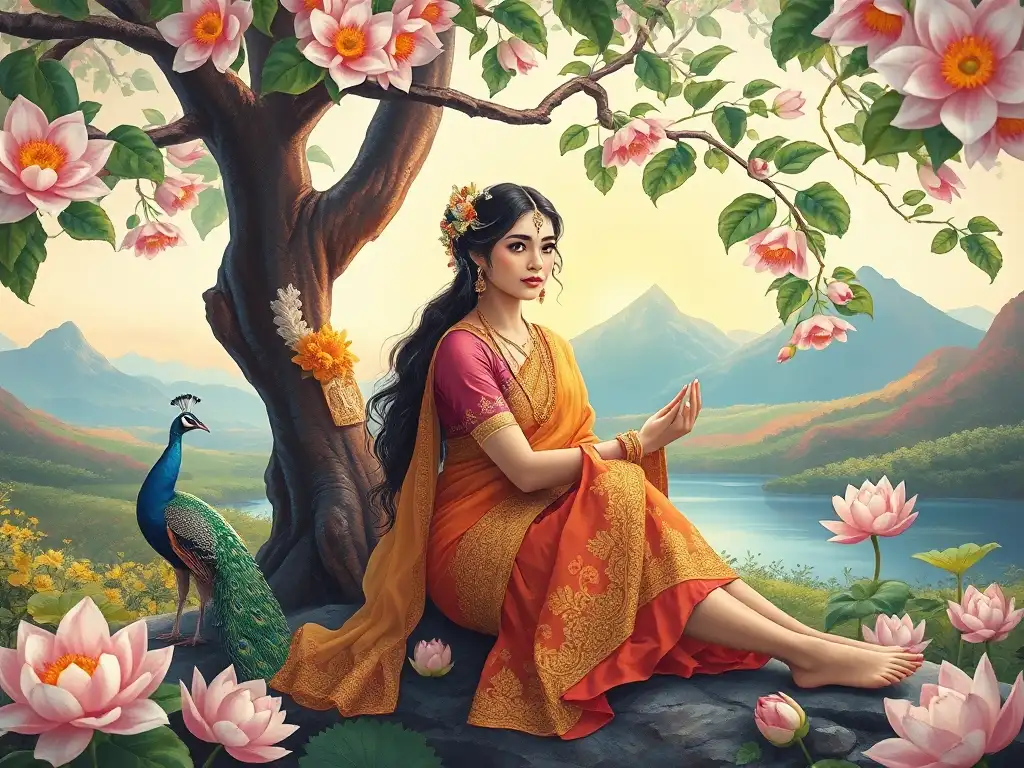
Throughout ancient Indian history, women's involvement in politics has been both significant and fraught with challenges. Despite their contributions to governance and diplomacy, women often faced societal constraints that limited their political power. Understanding these challenges provides a clearer picture of the dynamics of "Women in Ancient Indian Politics."
Societal Norms and Gender Constraints
Societal norms in ancient India were predominantly patriarchal, which deeply influenced women's roles in politics. The expectation for women to focus on domestic responsibilities often overshadowed their potential political influence. Some key aspects of these societal norms include:
- Domestic Sphere Orientation:
- Women's primary role was often confined to the household, where they were expected to manage family affairs and raise children. This domestic orientation diminished women's visibility in the political arena.
- Cultural Restrictions:
- Cultural texts and scriptures frequently emphasized the virtues of submissiveness and obedience in women. For instance, texts from the Manusmriti outlined ideal feminine qualities that discouraged assertiveness in public life.
- Lack of Education:
- Limited access to education meant that many women were unprepared for political participation. The educational systems of ancient India were often male-dominated, leaving women with minimal opportunities to gain political knowledge and skills.
- Social Stigma:
- Women who aspired to engage in politics often faced social stigma. Their ambitions were sometimes viewed as transgressive, leading to ostracization from their communities.
Despite these challenges, some women managed to navigate these constraints and wield significant influence, often through indirect means such as marriage alliances or by acting as advisors in royal courts.
Historical Events Limiting Women’s Political Power
Several historical events and periods further constrained women's political power in ancient India. These events reflect the broader socio-political landscape and the fluctuating status of women over time:
- Invasions and Wars:
- The frequent invasions by various empires, such as the Mauryan and later the Mughals, often destabilized societal structures. During such tumultuous periods, the focus shifted to military prowess, sidelining women's roles in governance.
- Rise of Feudalism:
- The feudal system that emerged in medieval India often relegated women to secondary roles within the family structure. Political power became concentrated in the hands of male feudal lords, further marginalizing women's influence.
- Decline of Matrilineal Societies:
- Certain regions, such as parts of South India, practiced matrilineal inheritance, allowing women some degree of political power. However, the decline of these practices in favor of patrilineal systems diminished women's rights and political agency.
- Religious and Legislative Changes:
- Religious reforms and legislative measures, particularly during the later Vedic period, increasingly limited women's rights. The codification of laws often favored male authority, significantly impacting women's roles in politics.
While these challenges and historical events created barriers for women in ancient Indian politics, it is crucial to note that women still exerted influence in various capacities. Their resilience and strategic maneuvering often allowed them to carve out niches of power, albeit within a restrictive framework. Understanding these challenges helps illuminate the complex interplay between gender and politics in ancient India.
The Legacy of Women in Ancient Indian Politics
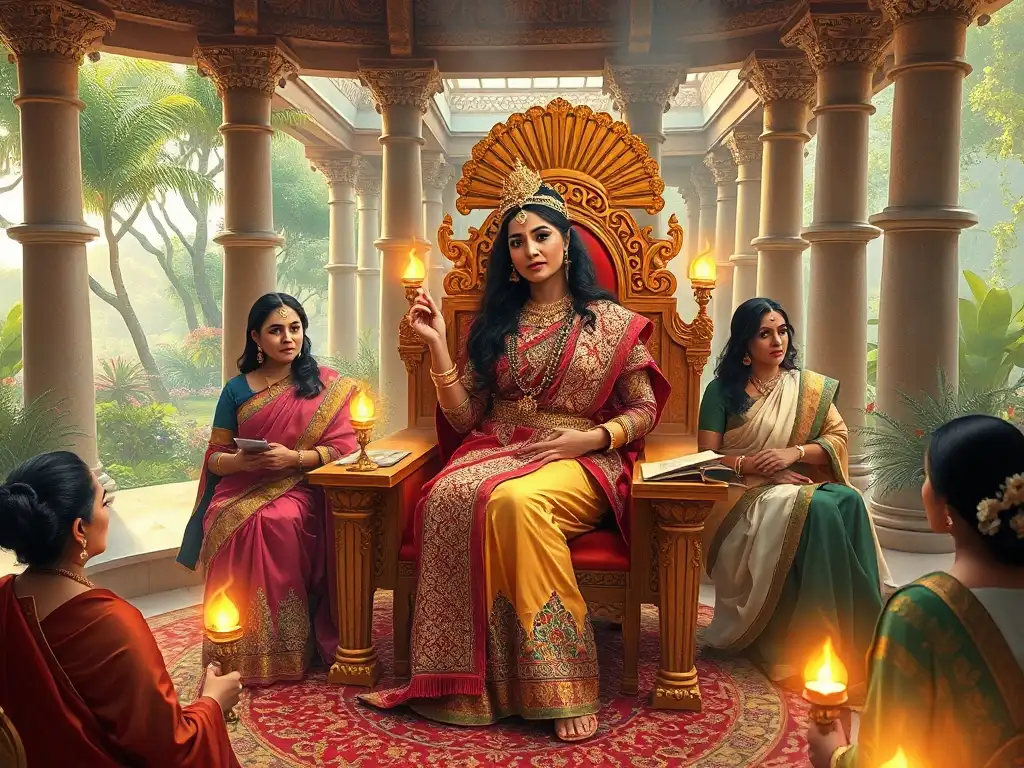
The legacy of women in ancient Indian politics is profound and multifaceted, showcasing their significant roles in shaping governance, diplomacy, and societal structures. Historical texts and archaeological evidence highlight that women were not merely subservient figures; rather, they were influential leaders, strategists, and decision-makers in their own right.
The Role of Women in Governance
Women in ancient India often held positions of power that allowed them direct influence over political affairs. For instance, during the Maurya and Gupta periods, women from royal families were known to engage in statecraft and public policy. Rulers like Dharma Vardhana and Vatsala exemplify how women could ascend to power and govern effectively.
Key Positions Held by Women:
- Queens: Many queens acted as regents in the absence of their kings, managing the state and making critical decisions.
- Advisors: Women served as trusted advisors, providing counsel to kings and other male leaders, which was essential in times of crisis.
- Diplomats: Women were often involved in diplomatic missions, forging alliances and negotiating treaties, leveraging their familial ties and personal connections.
Lasting Impact on Modern Indian Politics
The impact of women in ancient Indian politics resonates in contemporary governance. Modern Indian political structures still reflect the influence of ancient practices, with women increasingly taking on leadership roles.
Contributions to Contemporary Political Thought:
- Inspiration for Feminist Movements: The historical narrative of powerful women in ancient India serves as a foundation for modern feminist movements, encouraging the fight for gender equality in political representation.
- Policy Formation: Women today continue to advocate for policies that address social issues, drawing from the historical examples of their predecessors who navigated complex political landscapes.
- Political Representation: While progress has been made, the historical significance of women in governance has spurred ongoing discussions about the need for greater representation of women in legislative bodies.
Recognition and Commemoration of Women’s Contributions
Recognition of women's contributions to ancient Indian politics has grown in recent years, with various initiatives aimed at celebrating their legacy.
Ways Women’s Contributions Are Celebrated:
- Monuments and Memorials: Several states have erected statues and memorials dedicated to influential women leaders from ancient times, honoring their contributions to society.
- Educational Curriculum: Schools and universities are increasingly incorporating the stories of these women into their history curricula, ensuring that future generations understand their significance.
- Cultural Festivals: Various cultural festivals now include segments that focus on the achievements of women in ancient India, promoting awareness and pride in their legacy.
Conclusion
The legacy of women in ancient Indian politics is a testament to their resilience, intelligence, and ability to navigate complex power dynamics. As modern India continues to evolve, the recognition and commemoration of these influential figures serve not only to honor their contributions but also to inspire future generations to engage actively in the political arena. The dialogue surrounding "Women in Ancient Indian Politics" is essential for understanding the full spectrum of India's historical narrative and its implications for contemporary society.
Conclusion: The Enduring Power of the Nari
Summary of Women’s Influence in Ancient Indian Politics
The impact of women on ancient Indian politics is a testament to the multifaceted roles they played in shaping governance and societal norms. From the Vedic period through to the Gupta Empire, women were not merely passive participants; they were influential figures whose contributions significantly altered the political landscape.
- Royal Women: Many women held titles that denoted their power, such as queens and empresses. Figures like Rani Durgavati, a warrior queen of Gondwana, exemplified leadership in battle and governance, defending her kingdom against the Mughal Empire. Her legacy is one of valor and resistance, showcasing how royal women could influence military and political strategies.
- Cultural Influences: Women in ancient Indian society were often depicted in literature and arts, which served to elevate their status. Texts such as the Mahabharata and Ramayana offered narratives that highlighted the wisdom and strength of female characters, portraying them as pivotal in decision-making processes. These stories reinforced the idea that women were integral to the moral and ethical frameworks of society.
- Political Alliances: Women were often used as pawns in political alliances through marriage. However, many leveraged their positions to gain power and influence. For instance, the Mughal Empress Noor Jahan, although later than the ancient period, wielded considerable authority and is known for her significant role in state affairs, influencing her husband, Emperor Jahangir, and actively participating in the administration.
- Philosophical and Spiritual Leaders: Women like Maitreyi, a philosopher mentioned in the Brahmanas, and Gargi, who participated in philosophical debates, highlight the intellectual power women held in ancient India. Their contributions not only shaped spiritual and philosophical discourses but also reflected their influence in societal governance.
The enduring legacy of women in ancient Indian politics demonstrates that their roles were complex and vital. Their influence was not limited to domestic spheres but extended into the very foundations of political and social structures.
Call to Further Explore Women’s Roles in History
As we delve deeper into the annals of history, it becomes increasingly clear that the narrative of women’s contributions in ancient India is not only rich but also crucial for understanding the broader context of Indian civilization.
- Explore More: Investigating the roles of women in various dynasties reveals how their influence shaped political decisions, cultural developments, and social reforms. We encourage readers to look into:
- Historical Texts: Analyze ancient texts that feature powerful women and their contributions to politics.
- Archaeological Findings: Discover artifacts that highlight women's roles in society, such as inscriptions and coins bearing their names.
- Cultural Practices: Examine how societal norms regarding women’s rights and roles evolved throughout different periods.
Join the Conversation
Women in ancient Indian politics represent a vital yet often overlooked aspect of history. By continuing to explore and discuss their contributions, we can gain a more comprehensive understanding of the past and its relevance to contemporary issues regarding gender and power. Let us honor the legacy of these influential figures and recognize the enduring power of the Nari in shaping not only ancient India but also the world at large.
Frequently Asked Questions
What role did women play in ancient Indian politics?
Women in ancient Indian politics held significant roles, often influencing decisions as queens, advisors, or regents. Their political power was evident in various dynasties, especially during the Gupta Empire.
Were there any notable female rulers in ancient India?
Yes, there were several notable female rulers such as Rani Durgavati and Rani Lakshmibai. These women showcased extraordinary leadership qualities and made substantial contributions to their kingdoms.
The social status of women varied across different periods and regions, impacting their political involvement. In many instances, higher status allowed them more freedom in political affairs, while lower status often restricted their roles.
What were the cultural perceptions of women in politics during ancient India?
Women in politics were often viewed through a cultural lens that emphasized their nurturing roles. However, many texts also celebrate women as powerful figures who shaped political landscapes.
How did the contributions of women in ancient politics influence later periods?
The contributions of women in ancient politics set precedents for future generations. Their influence helped shape gender roles and established a legacy of female leadership that continued in various forms throughout Indian history.
Final Reflection: The Enduring Legacy of Women in Ancient Indian Politics
The exploration of women's roles in ancient Indian politics reveals a profound truth: the influence of women in shaping political landscapes is not merely a relic of the past but a vital part of our contemporary discourse. Today, as we navigate issues of gender equality and representation, it becomes increasingly clear that understanding the contributions of women in history is essential. Their stories are not just historical footnotes; they are powerful narratives that challenge the status quo and inspire future generations to advocate for their rightful place in society.
The impact of women in ancient Indian politics continues to resonate in our cultural and social fabric. From the legendary figures of Rani Durgavati to the strategic prowess of Razia Sultana, these women exemplified strength, intelligence, and resilience. Their legacies remind us that leadership knows no gender and that the fight for equality has deep historical roots. As Mahatma Gandhi once said, "> To call woman the weaker sex is a slander; it is man's injustice to woman." This quote encapsulates the ongoing struggle for recognition and respect that women have faced throughout history and continue to confront today.
As we reflect on the lessons from the past, I invite you to consider how the stories of these remarkable women can inspire your own journey. Embrace the challenge of advocating for gender equality in your community and beyond. Whether through education, activism, or simply sharing these narratives, each of us has the power to contribute to a more equitable future. Let the legacy of women in ancient Indian politics fuel your passion for change, reminding you that every voice matters in the ongoing quest for justice and representation.
Unveil the Legacy: Empower Yourself Through Knowledge!
Thank you for journeying with us through the fascinating intersection of women and politics in ancient India! Your curiosity about the powerful role of women in shaping history is crucial for understanding how these remarkable figures influenced society. Now, it’s time to take that knowledge and put it into action.
Here are a few steps you can take right now:
- Dive Deeper: Explore more articles on women's contributions across various cultures and historical periods to broaden your perspective.
- Share Your Insights: Discuss this article with friends or on social media to ignite conversations about the significance of women in history.
- Engage with Us: Become part of our community by subscribing to our newsletter for monthly insights and updates on important historical topics.
What will you do today to honor the incredible impact of women throughout history?