
The Role of Women in Ancient Indian Trade and Commerce

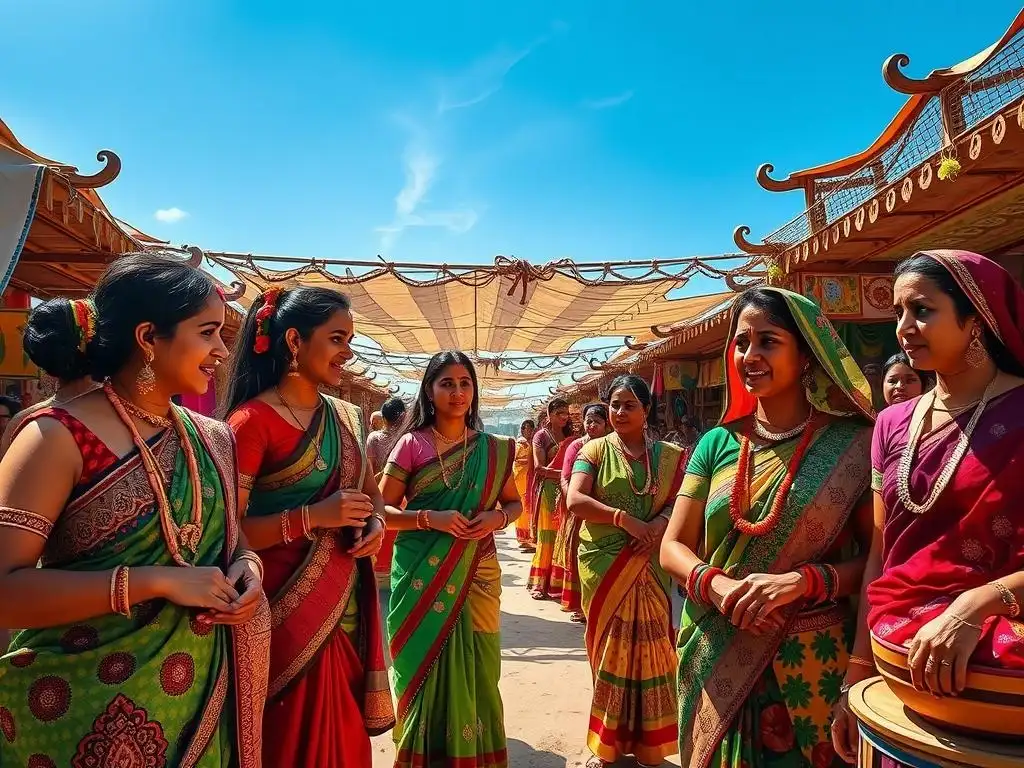
Welcome to Ancient India History, where we embark on a fascinating journey through the rich tapestry of ancient Indian civilizations. As we delve into the intriguing topic of Women in Ancient Indian Trade, prepare to uncover the significant yet often overlooked contributions of women in shaping commerce and trade practices. From the bustling markets of the Indus Valley to the vibrant exchanges during the Gupta Empire, the presence and influence of women were pivotal in the economic landscape of ancient India.
Join us as we unravel their stories and explore how they not only participated in trade but also challenged the norms of their time. Ready to discover the untold narratives that have shaped history? Let’s dive in!
Introduction to Women in Ancient Indian Trade
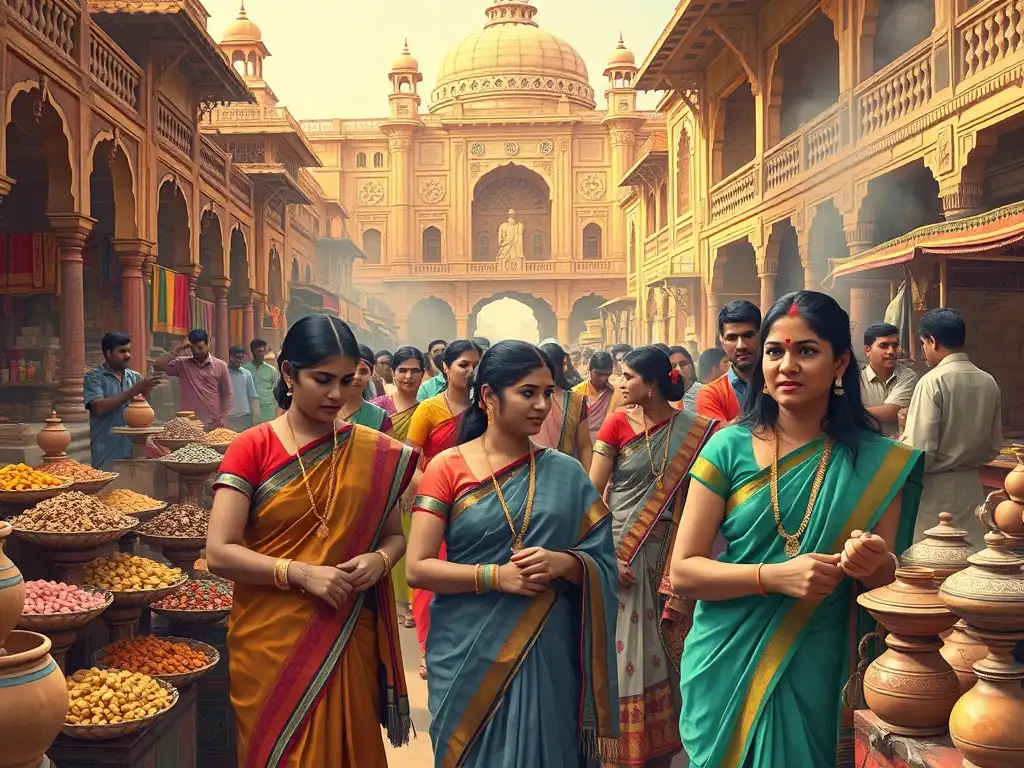
The contributions of women to ancient Indian trade and commerce are often overlooked, yet they played a pivotal role in shaping the economic landscape of their societies. From the bustling markets of the Indus Valley to the sophisticated trade networks established during the Maurya and Gupta Empires, women were integral to the commercial activities that not only sustained their families but also contributed to the broader economy. This article explores the multifaceted roles women held in trade, examining their influence, responsibilities, and the cultural perceptions surrounding their participation in commerce across different eras of ancient Indian history.
Overview of Trade in Ancient India
Trade in ancient India was a vibrant and complex system that involved numerous goods and commodities. Key aspects include:
- Major Trade Routes: The Silk Road and maritime routes facilitated trade with regions as far as the Roman Empire and Southeast Asia.
- Goods Traded: Items such as spices, textiles, precious stones, and metals were highly sought after.
- Market Systems: Urban centers like Pataliputra and Taxila emerged as significant hubs of trade, showcasing a thriving economic environment.
The bustling marketplaces not only served as venues for the exchange of goods but also as social and cultural melting pots where diverse communities interacted.
Significance of Women's Involvement in Commerce
Women's involvement in ancient Indian trade was significant for several reasons:
- Economic Independence: Engaging in commerce provided women with a degree of financial autonomy, allowing them to contribute to their households.
- Cultural Transmission: Women were often responsible for the distribution of local crafts and goods, playing a crucial role in preserving and promoting cultural heritage.
- Community Building: Their participation in trade reinforced social networks and community cohesion, as women often collaborated in business endeavors.
The roles women played in trade not only enhanced their status within society but also contributed to the economic vitality of their communities.
Historical Context of Women's Roles in Trade
To fully appreciate the role of women in ancient Indian trade, it is essential to examine the historical context that shaped their involvement in commerce across different periods.
Women in the Indus Valley Civilization
The Indus Valley Civilization (c. 3300–1300 BCE) showcased a society where women were actively engaged in various economic activities:
- Craft Production: Women were involved in the production of textiles and pottery, which were essential trade goods.
- Market Participation: Archaeological evidence suggests that women participated in markets, engaging in trade and barter systems.
Overall, the Indus Valley's sophisticated urban planning and economic systems provided a conducive environment for women's active participation in trade.
Contributions during the Vedic Period
During the Vedic period (c. 1500–500 BCE), women's roles in trade evolved:
- Household Management: Women managed household economies, which included overseeing agricultural production and trade of surplus goods.
- Cultural Narratives: Texts from this period, such as the Rigveda, often reference women as contributors to economic activities, though their roles were sometimes overshadowed by patriarchal narratives.
Despite the gradual shift towards a more patriarchal society, women continued to play a vital role in economic life.
The Influence of the Maurya and Gupta Empires
The Maurya (c. 322–185 BCE) and Gupta (c. 240–550 CE) Empires marked significant developments in trade and commerce:
- Increased Trade Networks: Expanding trade networks led to greater economic opportunities for women, who participated in market activities and trade guilds.
- Patronage and Support: The royal patronage of trade activities often included support for women entrepreneurs, allowing them to thrive in commerce.
The active involvement of women during these periods illustrates their resilience and adaptability in navigating the socio-economic challenges of their time.
Economic Activities of Women in Ancient Indian Trade
Women played a vital role in the economic activities of ancient Indian trade, contributing significantly to both local and regional economies. Their involvement ranged from agricultural production to craftsmanship and trade, showcasing their versatility and importance in the economic fabric of society. Evidence suggests that women were engaged in various sectors, often managing family-owned businesses and participating in trade networks that spanned vast distances. This multifaceted participation not only helped sustain households but also fostered community ties and economic growth.
Roles in Agriculture and Craftsmanship
In ancient India, women were primarily responsible for agricultural activities, particularly in rural areas. They engaged in planting, harvesting, and processing crops, which were essential for sustenance and trade. Women often cultivated cash crops such as cotton, which was crucial for the textile industry. Additionally, they played a significant role in craftsmanship, producing textiles, pottery, and jewelry that were traded both locally and with distant markets. The skills and knowledge passed down through generations empowered women to contribute economically while also maintaining their cultural heritage.
Participation in Local and Long-Distance Trade
Women participated actively in both local and long-distance trade, often acting as intermediaries in the exchange of goods. They were involved in markets, selling produce and handcrafted items, and their presence was vital for the economic dynamics of local communities. In long-distance trade, women were known to travel alongside men, participating in caravan trade routes that connected India to regions like Central Asia, the Middle East, and beyond. Their involvement in trade networks facilitated the exchange of not just goods but also cultural practices, making them essential players in the broader economic landscape.
Women as Entrepreneurs: Case Studies
Several historical accounts highlight the entrepreneurial spirit of women in ancient India. For instance, Vijaya, a prominent figure from the Mauryan period, established a successful textile business, exporting her products to various regions. Similarly, women in the Indus Valley Civilization were known for their innovative craftsmanship, leading to a thriving trade in beads and pottery. Such case studies illustrate that women were not merely participants in existing trades but were also pioneers who created opportunities and contributed to the economic advancement of their communities.
The involvement of women in trade had significant social and cultural implications in ancient Indian society. Their economic contributions challenged traditional gender roles and perceptions, leading to a more nuanced understanding of women's capabilities and rights within the community.
Gender Roles and Expectations in Ancient Indian Society
The traditional roles of women in ancient India often emphasized domestic responsibilities; however, their active participation in trade began to reshape these expectations. While society generally placed men in positions of authority, women’s economic contributions allowed them to gain a degree of independence and respect within their communities. This shift in gender roles contributed to a gradual recognition of women's rights and capabilities, laying the groundwork for future changes in societal norms.
Impact on Family and Community Structures
Women’s involvement in trade significantly influenced family and community structures. As women contributed economically, their roles within the family evolved, often leading to a more collaborative approach to managing household resources. This economic partnership fostered stronger family ties and encouraged collective decision-making. Community structures also benefited, as women's trade activities promoted social cohesion and economic interdependence, strengthening communal bonds.
Symbolism of Women in Trade: Myths and Legends
In ancient Indian culture, women involved in trade were often symbolized in myths and legends, representing prosperity and wisdom. Deities such as Lakshmi, the goddess of wealth and prosperity, were celebrated in connection with women's roles in trade, highlighting their importance in sustaining economic stability. Such symbolism not only reinforced the value of women in the economic sphere but also contributed to their cultural significance, as they were viewed as vital to both the material and spiritual prosperity of society.
Challenges Faced by Women in Trade
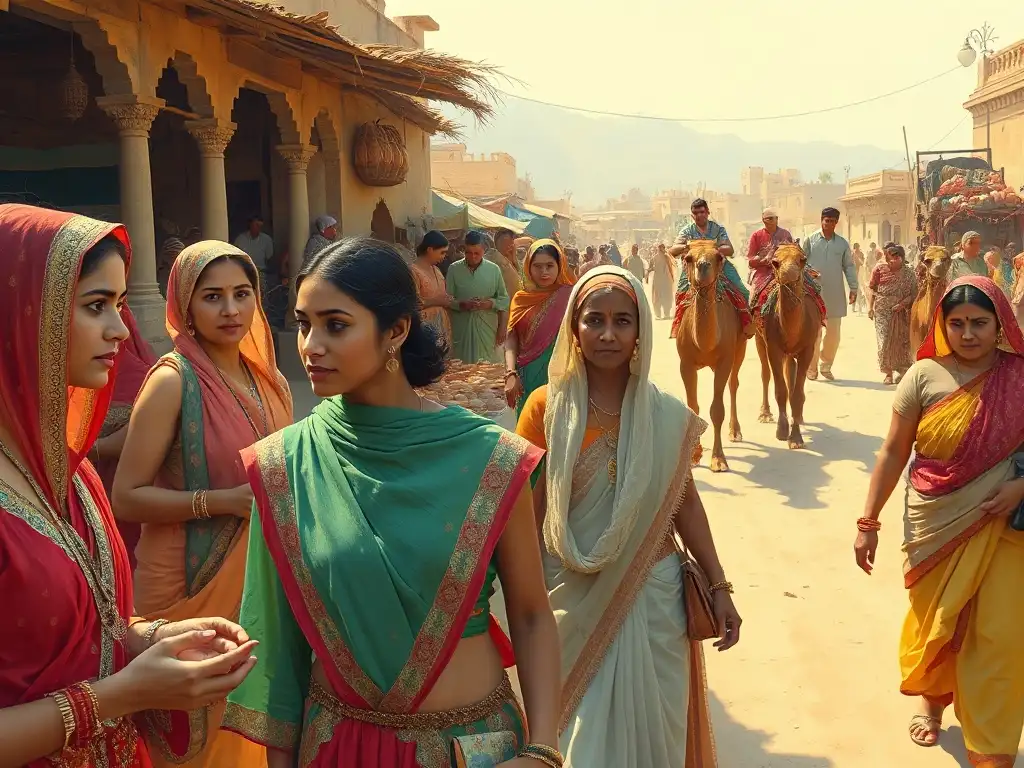
Women's participation in trade and commerce in ancient India was met with numerous challenges that hindered their economic contributions. Despite their involvement in various aspects of trade, these women often faced societal barriers, legal constraints, and cultural resistance that limited their opportunities for success. Understanding these challenges provides a clearer picture of the resilience and adaptability of women in ancient Indian trade.
Societal Barriers to Economic Participation
In ancient Indian society, deeply entrenched patriarchal norms dictated the roles and responsibilities of women. Social customs often relegated women to the domestic sphere, limiting their ability to engage in trade activities. Many women were expected to prioritize family obligations over economic pursuits, which restricted their mobility and visibility in commercial environments.
Rituals and traditions further reinforced these societal barriers. For example, in many communities, women were discouraged from interacting with male traders or customers, which isolated them from essential networking opportunities. This lack of social acceptance not only diminished their participation in trade but also perpetuated stereotypes about women's capabilities in business.
Legal and Economic Constraints in Ancient India
Legal frameworks in ancient India also posed significant obstacles for women in trade. In many cases, laws favored male property rights, leaving women with limited access to resources such as land, capital, and credit. This economic disenfranchisement restricted their ability to start and sustain businesses.
Moreover, the lack of formal recognition for women's roles in commerce meant they had little recourse in legal disputes related to trade. Women often relied on male guardians or relatives to navigate legal matters, which could lead to exploitation and further marginalization in business dealings.
Resistance and Adaptation: Women's Resilience
Despite the challenges, many women found ways to resist and adapt to their circumstances. They developed informal networks to share resources, knowledge, and support, which enabled them to engage in trade more effectively. Some women became skilled artisans, traders, or market managers, leveraging their unique skills to carve out their niche in the commercial landscape.
Additionally, women often played crucial roles in family businesses, contributing to production and sales without direct recognition. This resilience demonstrated their ability to navigate the constraints of their society while still making significant contributions to ancient Indian trade.
Comparison of Women's Roles in Trade Across Different Regions
The roles of women in trade varied significantly across different regions of ancient India, influenced by local customs, economic conditions, and cultural practices. A comparative analysis reveals distinct patterns in how women engaged in commerce, reflecting the diverse tapestry of ancient Indian society.
Women Traders in the North vs. South India
In northern regions of India, women often participated in trade through established markets and trade routes. They were known to engage in the sale of textiles, spices, and handicrafts, often working in conjunction with male family members. The bustling markets of cities like Delhi and Lahore provided opportunities for women to assert their presence in commerce.
Conversely, in southern India, women played a vital role in agriculture-based trade. They were often involved in the cultivation and distribution of rice, spices, and other agricultural products. Additionally, southern women frequently engaged in cooperative trading practices, forming groups that would pool resources and share profits, showcasing a more collective approach to commerce.
Urban vs. Rural Women's Trade Activities
Urban and rural women's trade activities also exhibited notable differences. In urban centers, women had more access to markets and opportunities for trade, often participating in a wide range of businesses, including retail and manufacturing. Urban women were more likely to engage in formal trading practices and had greater visibility in the economic landscape.
In contrast, rural women often relied on subsistence trading, where they exchanged goods and services within their communities. Their trade activities were typically informal, focusing on household goods, local produce, and handicrafts. While their roles in trade may have been less visible, rural women's contributions were essential to sustaining local economies.
Cross-Cultural Influences on Women's Economic Roles
Cross-cultural influences also shaped women's economic roles in ancient India. Trade routes connecting India with other regions, such as the Silk Road and maritime trade routes, facilitated the exchange of goods and ideas, impacting women's participation in commerce.
Interactions with foreign cultures introduced new trading practices and products, allowing women to diversify their economic activities. For instance, exposure to foreign textiles and goods inspired Indian women artisans to innovate and adapt their craft, enhancing their marketability. This cross-cultural exchange not only enriched the economic landscape but also empowered women to assert their roles in trade, reflecting a dynamic interplay between culture and commerce in ancient India.
Conclusion: Legacy of Women in Ancient Indian Trade
The legacy of women in ancient Indian trade is a testament to their significant roles in shaping commerce and economic practices. Women were not merely passive participants; they were key players who influenced trade dynamics, contributed to the economy, and fostered cultural exchanges. Their involvement ranged from managing household economies to engaging in long-distance trade, indicating a complex understanding of commerce that transcended mere transactional activities. The historical records highlight that women in ancient India were engaged in various trades, including textiles, spices, and handicrafts, which were crucial to both local and international markets.
The multifaceted roles of women in trade not only enriched the economy but also contributed to the social fabric of ancient Indian society. By assuming leadership roles in markets and trade guilds, women helped to challenge and redefine gender roles, laying the groundwork for future generations. This legacy continues to resonate today, as the contributions of women in commerce are increasingly recognized and celebrated in modern narratives of Indian history.
Lasting Impacts on Modern Indian Society
The enduring impacts of women’s roles in ancient Indian trade can be observed in modern Indian society. Today, women continue to be pivotal in various economic sectors, including agriculture, textile production, and entrepreneurship. The historical precedent set by their ancient counterparts has fostered an environment where women actively participate in the economy, often leading innovative ventures and contributing significantly to the GDP.
Moreover, the recognition of women's historical contributions has sparked a growing interest in women's entrepreneurship and empowerment initiatives in contemporary India. Organizations and movements advocating for gender equality in trade and commerce draw inspiration from the rich heritage of women in ancient Indian trade, promoting policies that support women's participation in the workforce and their representation in economic decision-making.
Recognition of Women's Contributions in Historical Narratives
Historically, the contributions of women in trade have often been overshadowed by their male counterparts, leading to a narrative that minimizes their roles. However, recent scholarship has aimed to rectify this imbalance by highlighting the significant impact women had in the commercial sphere. Researchers are increasingly emphasizing the need to include women's perspectives in historical accounts, which not only provides a more nuanced understanding of ancient economies but also challenges traditional gender stereotypes.
The growing recognition of women's contributions has paved the way for more inclusive historical narratives, acknowledging that the success of ancient Indian trade was a collective effort that included the vital roles played by women. This shift in perspective is vital for appreciating the full spectrum of contributions to India’s rich history and for inspiring future generations.
References and Further Reading
Suggested Books and Articles on Women in Ancient Indian Trade
- "Women in Ancient India: A Historical Perspective": by Kumkum Sangari - This book provides an in-depth analysis of women's roles throughout various periods in ancient Indian history, including their involvement in trade.
- "Trade and Commerce in Ancient India" by R.S. Sharma - This work discusses the economic systems of ancient India, highlighting the critical roles women played in trade.
- "Gender and Commerce in Ancient India" - This article examines the intersection of gender and economic activities, focusing on women's roles in trade and commerce.
- "Women’s Agency in Ancient Indian Society" by Rupa Bhattacharya - A comprehensive exploration of women's contributions across various domains, including trade.
Notable Scholars and Their Contributions to the Study of Women's Roles in Commerce
- Kumkum Sangari: A prominent feminist scholar whose work has focused on women's roles in history, including their contributions to ancient Indian trade.
- R.S. Sharma: A historian noted for his extensive research on ancient Indian economic systems, emphasizing the role of women in trade networks.
- Rupa Bhattacharya: An influential voice in gender studies, Bhattacharya's research highlights the agency of women in economic practices throughout ancient Indian society.
- Nina B. K.: A scholar known for her studies on women's economic activities and their implications for understanding ancient trade.
These scholars and their works are essential for anyone interested in exploring the rich heritage of women's contributions to trade in ancient India, fostering a greater appreciation for their roles in shaping historical economic landscapes.
- Introduction to Women in Ancient Indian Trade
- Historical Context of Women's Roles in Trade
- Economic Activities of Women in Ancient Indian Trade
- Social and Cultural Implications of Women's Trade Involvement
- Challenges Faced by Women in Trade
- Comparison of Women's Roles in Trade Across Different Regions
- Conclusion: Legacy of Women in Ancient Indian Trade
- References and Further Reading
Frequently Asked Questions
What was the role of women in ancient Indian trade?
Women in ancient India played a significant role in trade and commerce, often engaging in local markets and contributing to family businesses as traders and artisans.
Did women have their own businesses in ancient India?
Yes, women often owned and managed their own businesses, particularly in areas like textiles and handicrafts, showcasing their entrepreneurial skills and economic independence.
The participation of women in trade was influenced by their social status; higher caste women often had restricted roles, while lower caste women could engage more freely in economic activities.
Were there any specific goods traded by women in ancient India?
Women were primarily involved in the trade of textiles, jewelry, and handcrafted goods, which were highly valued in both local and regional markets.
How did the Gupta Empire influence women's roles in trade?
The Gupta Empire marked a period of economic prosperity that allowed women to participate more actively in trade, benefiting from the growing urbanization and increased demand for goods.
Final Reflection: The Enduring Legacy of Women in Ancient Indian Trade
The exploration of women's roles in ancient Indian trade reveals a profound truth: their contributions were not merely peripheral but foundational to the economic fabric of society. Today, as we navigate a world still grappling with gender disparities in various sectors, understanding the historical significance of women in commerce becomes increasingly relevant. Their resilience and ingenuity in ancient trade practices serve as a powerful reminder that women's influence has always been vital to economic development and societal progress.
The historical narrative of women in ancient Indian trade continues to resonate in contemporary discussions about gender equality and empowerment. Their active participation in commerce challenges the traditional perceptions of women's roles and highlights the necessity of recognizing their contributions throughout history. As noted by historian Romila Thapar, The history of women is not merely a footnote to the history of men; it is a significant chapter in its own right.
This perspective encourages us to appreciate the multifaceted roles women have played and continue to play in shaping economies and communities.
As we reflect on the lessons from the past, let us commit to honoring and amplifying the voices of women in trade today. Consider how you can support women entrepreneurs in your community or advocate for policies that promote gender equality in business. By recognizing the historical significance of women in ancient Indian trade, we can inspire a new generation to build upon this legacy, ensuring that the contributions of women are celebrated and integrated into the narrative of commerce and society.
Empower Your Knowledge: Dive Deeper into Women's Contributions!
Thank you for exploring the fascinating role of women in ancient Indian trade and commerce! You've uncovered rich insights into their vital contributions that shaped society. Now, it's time to take that knowledge further and embrace the legacy of these remarkable figures.
- Join a community discussion about women's roles in history—share your thoughts on how their contributions impact today's society.
- Explore further by diving into related articles and resources on our website to expand your understanding of historical trade practices.
- Inspire others: Share this article with friends or on social media to spread awareness of these incredible women and their influence.
As you reflect on this, consider: How can the lessons learned from these ancient women guide us in promoting equality and empowerment today?