
How Women Influenced Ancient Indian Cuisine and Culinary Traditions

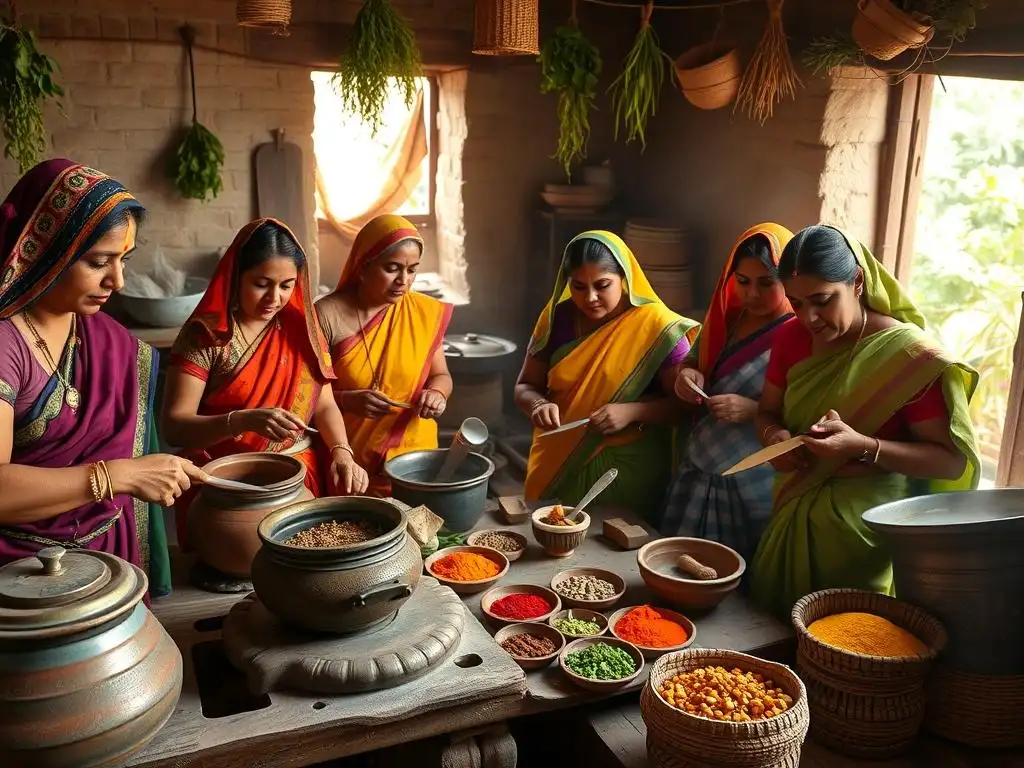
Welcome to Ancient India History, where we delve into the rich tapestry of civilizations that shaped the Indian subcontinent. Today, we invite you to explore a fascinating aspect of our heritage: the pivotal role of women in ancient Indian cuisine. In our main article, "How Women Influenced Ancient Indian Cuisine and Culinary Traditions," you'll uncover the untold stories of these culinary pioneers who not only crafted delectable dishes but also preserved cultural traditions through generations.
Join us as we unravel the flavors, techniques, and traditions that these remarkable women contributed to the vibrant culinary landscape of ancient India. Your journey into history begins here!
- Introduction to Women in Ancient Indian Cuisine
- Historical Context of Women in Ancient Indian Cuisine
- Contributions of Women to Ancient Indian Culinary Arts
- Women as Custodians of Culinary Knowledge
- Notable Women in Ancient Indian Cuisine
- The Role of Women in Promoting Sustainable Practices
- Modern Reflections of Women's Influence in Ancient Indian Cuisine
- Conclusion: The Lasting Impact of Women in Ancient Indian Cuisine
-
Frequently Asked Questions
- What role did women play in ancient Indian cuisine?
- How did women's contributions shape culinary traditions?
- Were there specific roles for women in the food preparation process?
- How did social and cultural factors influence women's roles in cuisine?
- What impact did women have on the preservation of culinary heritage?
- Final Reflection: The Enduring Legacy of Women in Ancient Indian Cuisine
- Savor the Legacy: Embrace Women’s Culinary Influence!
Introduction to Women in Ancient Indian Cuisine
The exploration of women's contributions to ancient Indian cuisine reveals a tapestry of cultural practices, traditions, and innovations that have shaped the culinary landscape over millennia. From the early days of the Indus Valley Civilization to the flourishing Gupta Empire, women played a pivotal role in the preparation, preservation, and transmission of culinary knowledge.
Their influence extended beyond mere cooking; they were custodians of food traditions, bearers of recipes, and key figures in the social and economic realms of their communities. This article delves into the significance of women in ancient Indian cuisine, highlighting their invaluable contributions and the broader implications of their roles in society.
Overview of Ancient Indian Culinary Traditions
Ancient Indian culinary traditions are characterized by a rich diversity of flavors, ingredients, and cooking techniques that evolved over centuries. The cuisine was not merely about sustenance; it was deeply intertwined with culture, religion, and social practices.
-
Regional Variations:
India’s vast geography contributed to a plethora of regional cuisines. For instance, the coastal areas favored seafood and coconut, while the northern regions utilized dairy products extensively.
-
Spices and Ingredients:
Spices were central to ancient Indian cooking, with women often responsible for growing, harvesting, and grinding them. Common spices included turmeric, cumin, and coriander, which not only added flavor but also had medicinal properties.
-
Culinary Techniques:
Various cooking methods, such as steaming, frying, and fermenting, were employed. Women mastered these techniques, passing down knowledge through generations.
The intersection of agriculture and cuisine is also noteworthy, as women played a crucial role in farming activities, ensuring a steady supply of ingredients for their families and communities.
Importance of Women's Roles in Culinary Practices
The role of women in ancient Indian culinary practices goes beyond the kitchen; it reflects their status in society and their contributions to cultural heritage.
-
Culinary Education:
Women were often the primary educators in culinary arts, teaching younger generations the nuances of cooking and the significance of various dishes. This transmission of knowledge helped preserve culinary traditions.
-
Social Gatherings and Rituals:
Food has always been central to social gatherings and religious rituals in Indian culture. Women were responsible for preparing offerings and meals for festivals, reinforcing their roles as nurturers and community builders.
-
Economic Contributions:
In many societies, women engaged in food production and trade. They participated in local markets, selling homemade goods and thus contributing to the economy.
-
Culinary Innovations:
Women were often at the forefront of culinary experimentation, adapting recipes to include seasonal ingredients and addressing dietary needs, which led to the evolution of traditional dishes.
Understanding the impact of women in ancient Indian cuisine not only honors their contributions but also enriches our appreciation of the intricate relationship between gender roles and culinary practices throughout history.
Historical Context of Women in Ancient Indian Cuisine
Women’s Status in Ancient Indian Society
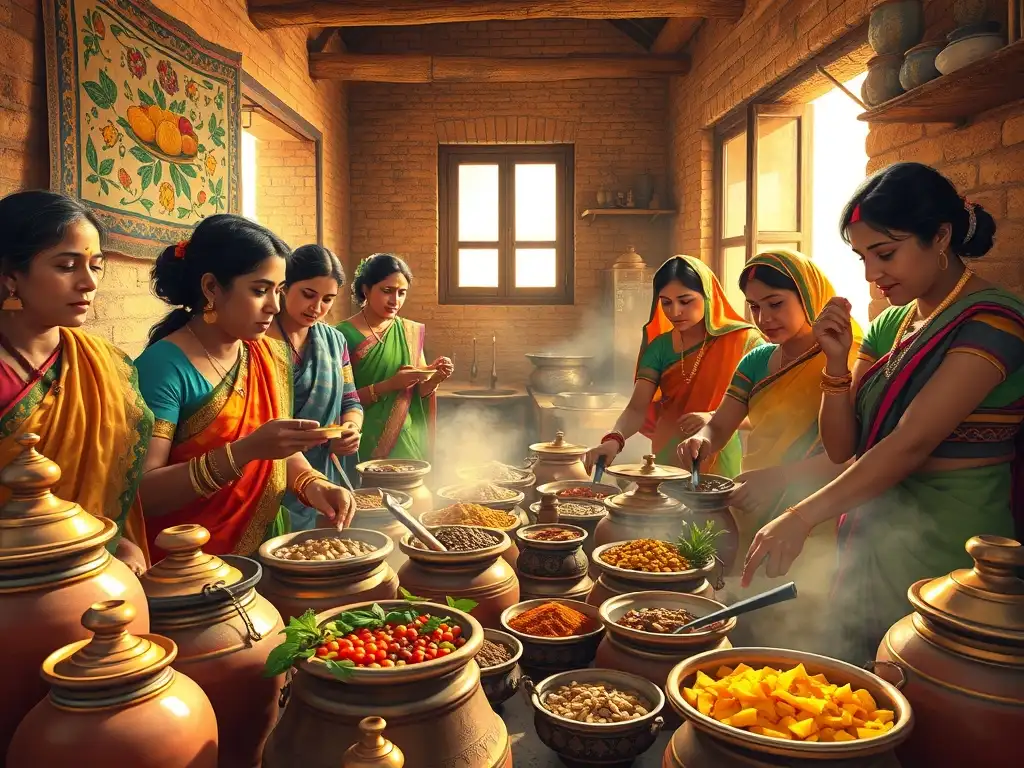
In ancient Indian society, women held a multifaceted status that was heavily influenced by various cultural, religious, and social factors. The Vedic texts, dating back to around 1500–500 BCE, indicate that women were respected and participated in various aspects of life, including education and religious practices. However, their roles often became constrained over time due to the evolving patriarchal structures.
- Education and Knowledge:
- Women in the early Vedic period were educated and could participate in spiritual discourses. Renowned figures such as Gargi and Maitreyi are celebrated in texts for their wisdom and philosophical contributions.
- Culinary Knowledge: Women were often the primary custodians of culinary traditions, passing down recipes and cooking techniques from generation to generation. Their knowledge was not merely practical but also rich in cultural significance.
- Culinary Practices:
- Women played a crucial role in the preparation of food, which was considered sacred in many rituals. Their involvement in cooking was seen as a way to maintain the sanctity of household practices.
- The significance of women in the culinary domain can be observed in various ancient texts, which often highlight the importance of homemakers in sustaining family life through food.
- Cultural Influence:
- Women contributed to the cultural identity of communities through culinary practices. They infused local ingredients and cooking styles into family recipes, preserving regional flavors and traditions.
- The concept of ‘anna’ (food) in ancient scriptures underscores the importance of food prepared with love and care, often attributed to women’s nurturing roles.
Influence of Socio-Political Factors on Women's Culinary Roles
The socio-political landscape of ancient India significantly impacted women's roles in cuisine and culinary traditions. Various dynasties and their respective cultural practices shaped how women engaged with food preparation and culinary arts.
- Royal Patronage:
- During the reign of various dynasties, including the Mauryas and Guptas, royal women often influenced culinary trends. The kitchens of palaces were centers of innovation where women experimented with ingredients and techniques.
- Culinary Courts: The concept of royal courts often included women chefs who introduced new dishes and improved cooking methods, leading to the evolution of regional cuisines.
- Cultural Exchange:
- The interactions between different cultures, especially during trade and conquests, introduced diverse ingredients and cooking methods. Women played a pivotal role in adapting these influences into local cuisines.
- For example, the introduction of spices and grains from the Mediterranean and Central Asia enriched Indian cooking, with women incorporating these new elements into traditional recipes.
- Religious and Ritualistic Significance:
- Women’s culinary roles were also shaped by religious practices, where certain foods were prepared for rituals and festivals. These occasions often highlighted women's skills and creativity in cooking.
- The preparation of prasada (offering) in temples is a notable example, where women were crucial in creating offerings considered sacred and essential for spiritual practices.
Women in ancient Indian cuisine were not just passive participants but active influencers whose roles were deeply intertwined with the socio-political and cultural fabric of their times. Their contributions have left an indelible mark on the culinary traditions that continue to resonate in modern Indian cuisine.
Contributions of Women to Ancient Indian Culinary Arts
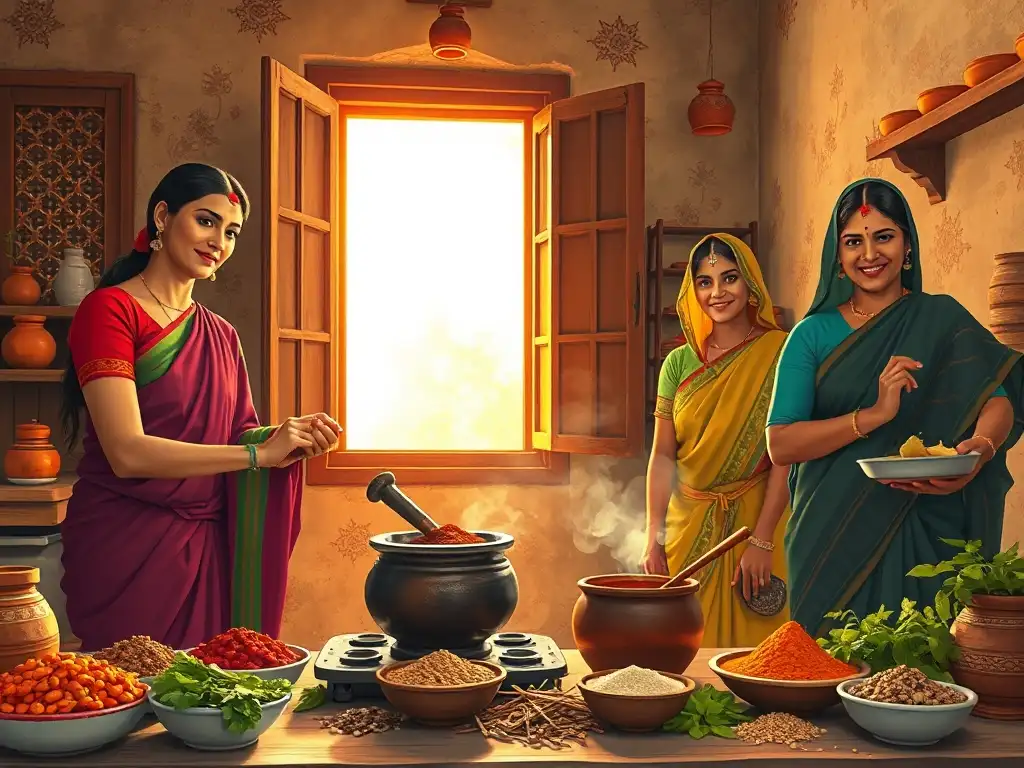
Women played a pivotal role in shaping the culinary traditions of ancient India. Their contributions were not merely limited to cooking; they were deeply involved in the entire food production process, from agricultural practices to the preservation of culinary knowledge. This multifaceted involvement has left a lasting impact on the rich tapestry of Indian cuisine that we celebrate today.
Traditional Cooking Techniques and Practices
The culinary arts in ancient India were characterized by a plethora of traditional cooking techniques, many of which were passed down through generations of women. These techniques included:
- Grinding and Mixing: Women often utilized traditional tools like the silbatta (stone grinder) and chakla belan (rolling board and pin) to prepare various ingredients. The skillful grinding of spices and grains was essential for the preparation of diverse dishes.
- Fermentation and Preservation: Women were adept at fermentation processes, which were crucial for preserving food. Techniques such as pickling, making yogurt, and preparing fermented rice and lentil batters (like idli and dosa) were common practices.
- Cooking Methods: Various methods such as steaming, boiling, and roasting were employed. Women often cooked using clay pots, which not only enhanced the flavor but also added a unique aspect to the meal preparation.
These practices were not only functional but also imbued with cultural significance, often tied to rituals and celebrations. The recipes created and perfected by women reflected regional ingredients and flavors, leading to a rich diversity in culinary practices.
Development of Regional Cuisines by Women
Women significantly influenced the development of regional cuisines across ancient India, each reflecting the local culture, geography, and available resources. Some key contributions include:
- Local Ingredients and Dishes: Women were the custodians of local knowledge regarding edible plants, herbs, and spices. For instance, in coastal regions, women would incorporate seafood into their dishes, while in the north, the use of lentils and dairy was predominant.
- Festive and Ritual Foods: Women played a crucial role in creating and maintaining the culinary traditions associated with festivals and religious ceremonies. Dishes prepared during these occasions often had symbolic meanings and were crafted with care, showcasing the artistry of women chefs.
- Innovation and Adaptation: As communities evolved, so did their cuisines. Women adapted traditional recipes to incorporate new ingredients and cooking techniques influenced by trade and cultural exchanges. This adaptive nature kept ancient Indian cuisines vibrant and diverse.
By developing these regional cuisines, women not only preserved their heritage but also contributed to the overall culinary landscape of ancient India, ensuring that their unique flavors and recipes were passed on through generations.
Role of Women in Agricultural Practices and Food Production
The influence of women in ancient Indian cuisine is deeply rooted in their roles in agriculture and food production. They were integral to several aspects of this process:
- Cultivation of Crops: Women were often responsible for cultivating essential crops such as rice, wheat, and pulses. Their knowledge of seasonal cycles and sustainable farming practices directly impacted food availability and diversity.
- Harvesting and Processing: Women participated actively in the harvesting of grains and vegetables. They also engaged in post-harvest processing, which involved drying, grinding, and storing food, ensuring that ingredients were ready for culinary use.
- Culinary Knowledge Transmission: As primary caregivers, women were the primary educators in culinary knowledge within families. They shared recipes and cooking techniques with their children, ensuring that culinary traditions were preserved and evolved over time.
The contributions of women in agricultural practices not only supported their families but also played a fundamental role in sustaining communities, underlining the intertwined nature of food production and culinary practices in ancient India.
The influence of women in ancient Indian cuisine is profound and multifaceted. Their roles in traditional cooking techniques, the development of regional cuisines, and their contributions to agricultural practices have shaped the culinary landscape of India. Recognizing this legacy allows us to appreciate the rich history and cultural significance of women in ancient Indian culinary arts.
Women as Custodians of Culinary Knowledge
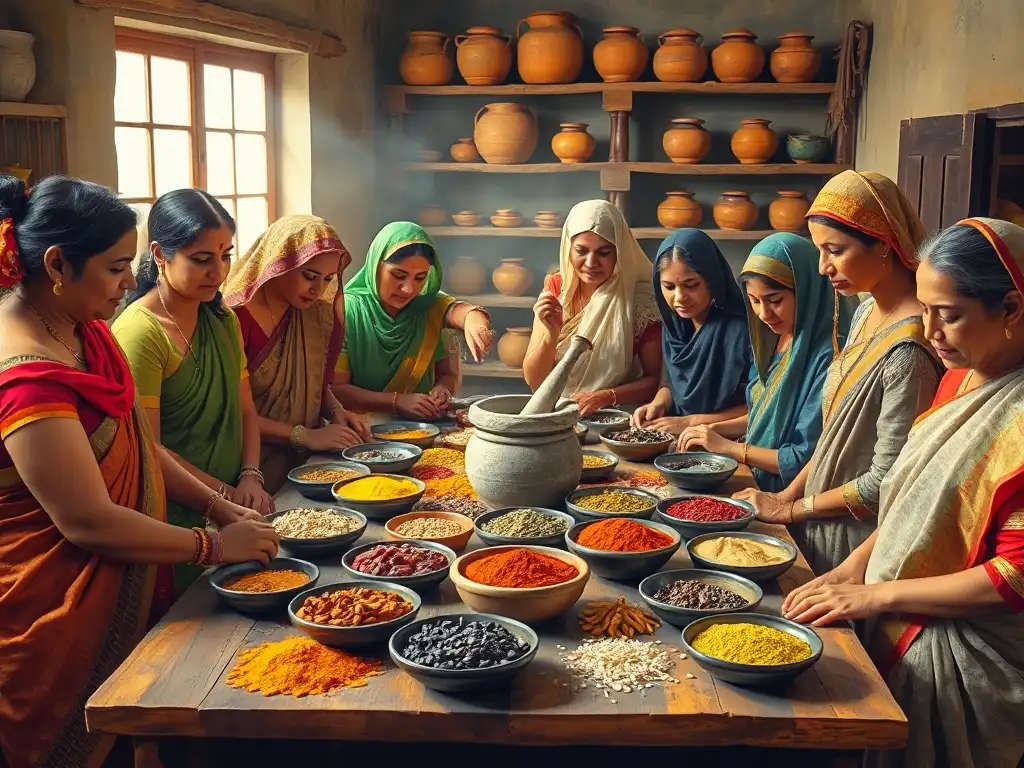
In ancient Indian society, women played a pivotal role as the custodians of culinary knowledge. This responsibility was not merely a domestic chore but a vital cultural task that ensured the transmission of culinary traditions across generations. Women were the primary cooks in households, and their expertise in preparing local dishes was essential for maintaining the cultural identity of communities.
Oral Traditions and Recipe Preservation
The preservation of recipes and culinary techniques in ancient India primarily relied on oral traditions. Women would often gather in groups to share not just recipes but also stories and methods of preparation. This communal sharing fostered a rich tapestry of culinary knowledge that was passed down through generations.
- Role of Grandmothers: Older women, especially grandmothers, were revered as the keepers of traditional recipes. Their kitchens became classrooms where they taught younger generations the intricacies of various dishes, from simple daily meals to elaborate festival feasts.
- Seasonal Variations: Women adapted recipes based on seasonal ingredients available in their regions, leading to a diverse culinary landscape. For example, certain dishes were prepared only during harvest seasons or specific festivals, ensuring that the culinary practices were in harmony with nature's cycles.
- Regional Specialties: As different communities developed their unique culinary styles, women became instrumental in creating and preserving regional specialties. This resulted in a rich variety of flavors and cooking techniques, which can still be traced in modern Indian cuisine.
In this way, the oral traditions upheld by women not only preserved culinary knowledge but also contributed to the broader cultural heritage of ancient India.
Women in Rituals and Festivities: Culinary Contributions
The significance of women in ancient Indian cuisine extended beyond everyday cooking; they were vital participants in rituals and festivities. Their culinary contributions during religious ceremonies and celebrations showcased their skills and reinforced their roles in society.
- Festive Preparations: During major festivals like Diwali, Navratri, and Pongal, women would take the lead in preparing traditional dishes that held symbolic meanings. For instance, the preparation of sweets and savories during Diwali was not just about food but also represented prosperity and goodwill.
- Ritual Offerings: Women were responsible for making offerings (prasadam) to deities during rituals. These offerings often included specially prepared dishes that were believed to appease the gods. The act of cooking for divine purposes elevated their culinary skills to a spiritual level, granting them a respected position within their communities.
- Culinary Innovations: Women also showcased their creativity during festivities by innovating traditional recipes. They would experiment with new ingredients or techniques, thereby enriching the culinary repertoire of their communities. This adaptability and innovation reflected the dynamic nature of ancient Indian cuisine.
Through these contributions, women not only shaped the culinary traditions of ancient India but also played a crucial role in reinforcing social bonds and cultural identities during important communal events. Their influence on cuisine illustrates the broader significance of women in ancient Indian society, highlighting their pivotal role in preserving and advancing culinary arts.
Notable Women in Ancient Indian Cuisine
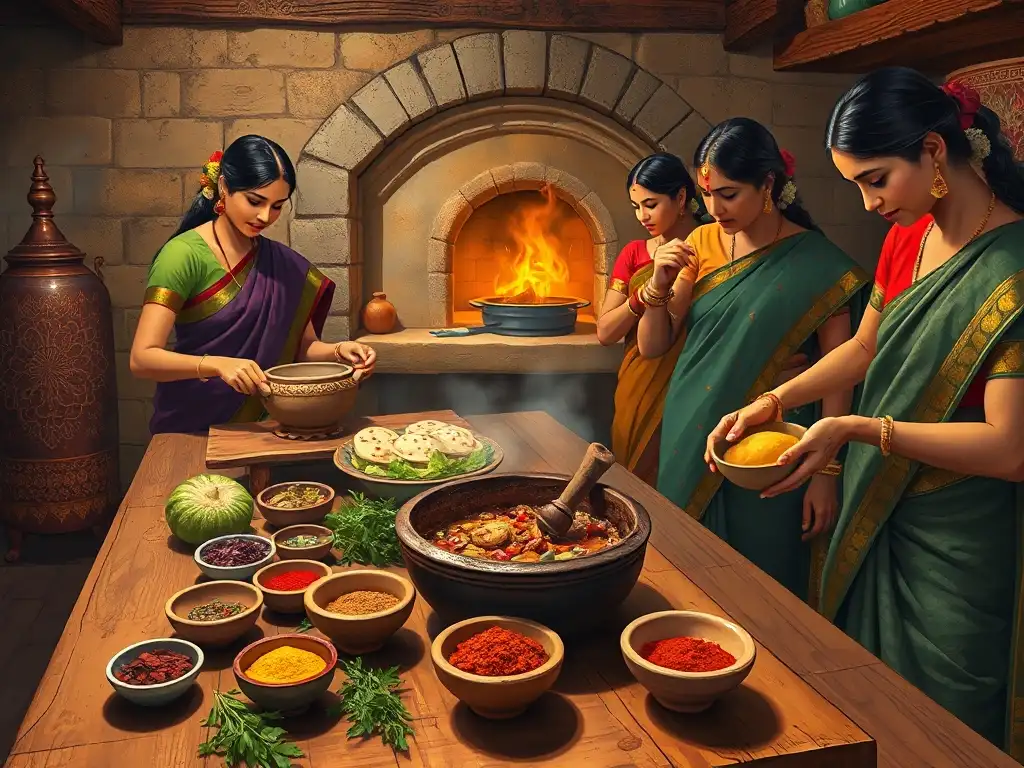
Women have played an integral role in shaping the culinary landscape of ancient India, influencing not only the recipes that were passed down through generations but also the cultural significance of food. Their contributions have often gone unrecognized, yet they are pivotal in understanding the evolution of Indian cuisine. This section highlights notable women who left an indelible mark on culinary traditions, showcasing how their influence extended beyond the kitchen to encompass social, cultural, and historical dimensions.
Historical Figures Impacting Culinary Traditions
Ancient texts and historical accounts reveal the presence of several remarkable women who impacted culinary practices within their communities. Here are a few notable figures:
- Maitreyi: An esteemed philosopher from the Vedic period, Maitreyi is known for her intellect and contributions to spiritual discussions. While primarily recognized for her philosophical insights, her emphasis on wholesome living and the importance of nutritious food influenced dietary practices among the elite in ancient society.
- Saraswati: Revered as the goddess of knowledge, music, and arts, Saraswati also symbolizes the importance of culinary arts. Temples dedicated to her often included kitchen spaces where women prepared offerings, thus elevating the status of cooking as both an art form and a spiritual practice.
- Rani Durgavati: The queen of Gondwana, known for her valor and administrative prowess, also contributed to the culinary traditions of her region. She promoted the use of local ingredients and traditional cooking methods, ensuring that the culinary heritage of her people was preserved and celebrated.
These figures not only exemplify the diverse roles women held in society but also emphasize the connection between food, culture, and identity in ancient India.
Case Studies of Influential Women Chefs and Cooks
Throughout history, certain women have emerged as influential chefs and cooks who have left a lasting impact on Indian cuisine. Here are a few case studies that illustrate their contributions:
- Amma of the Chola Dynasty:
- Renowned for her mastery in traditional South Indian cooking, Amma's recipes were closely guarded family secrets shared only with her daughters. Her expertise in using spices and herbs not only enhanced flavors but also emphasized the medicinal properties of ingredients, reflecting the holistic approach to food in ancient India.
- Mahalakshmi:
- A legendary chef in the royal kitchens of the Vijayanagara Empire, Mahalakshmi was known for her innovative fusion dishes that combined local flavors with influences from neighboring regions. Her culinary innovations led to the creation of iconic dishes still celebrated in South Indian cuisine today.
- Kesar Bai:
- A celebrated cook in the Mughal court, Kesar Bai was instrumental in the introduction of Persian culinary techniques to Indian cooking. Her ability to blend spices and create complex flavors earned her recognition among the elite, and her recipes influenced both Mughal and regional cuisines.
The stories of these women not only highlight their individual talents but also reflect the broader narrative of women's roles in preserving and innovating culinary traditions in ancient India. Their legacies continue to inspire contemporary chefs and food enthusiasts, emphasizing the enduring significance of women in ancient Indian cuisine.
The Role of Women in Promoting Sustainable Practices
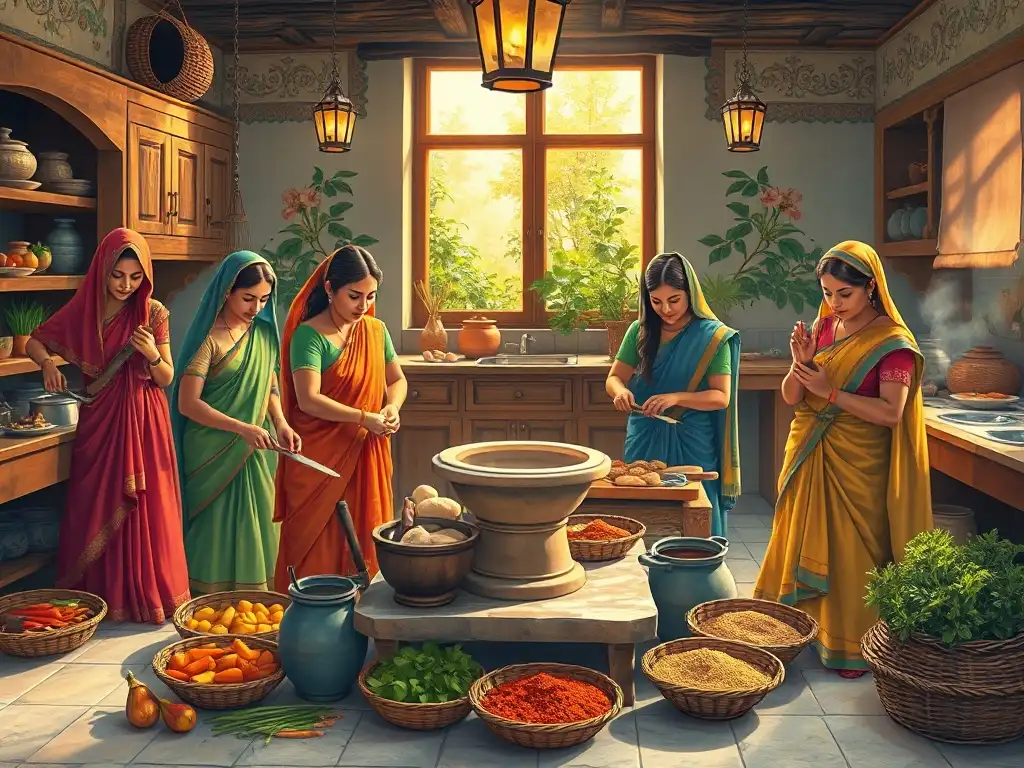
Women have historically played a pivotal role in shaping culinary traditions in ancient India, particularly through sustainable practices that have been passed down through generations. Their contributions were not only vital for the survival of their families but also reflected a profound understanding of the environment and its resources. The methods they employed often emphasized harmony with nature, ensuring that culinary practices were both sustainable and beneficial to their communities.
Eco-Friendly Cooking Methods
In ancient India, women utilized various eco-friendly cooking methods that minimized waste and maximized resource efficiency. These methods included:
- Clay Cooking Utensils: Women frequently used clay pots and vessels, which were not only abundant and inexpensive but also imparted unique flavors to food. Clay pots are biodegradable and do not leach harmful substances, making them a healthier choice.
- Wood and Cow Dung as Fuel: Instead of relying on fossil fuels, women often used wood from sustainable sources and cow dung as fuel for cooking. Cow dung, when dried, burns slowly and efficiently, contributing to lower carbon emissions. This practice also ensured that the waste from livestock was repurposed rather than discarded.
- Solar Cooking Techniques: Some ancient texts suggest that women utilized the sun's energy for cooking. Solar ovens made from reflective materials would concentrate sunlight to cook food, a practice that not only saved fuel but also preserved the nutritional value of ingredients.
- Fermentation and Preservation: Women employed natural fermentation techniques to preserve foods, leveraging beneficial bacteria to enhance flavors and extend shelf life. This method reduced food waste and allowed for seasonal ingredients to be enjoyed year-round, demonstrating an early understanding of food science.
These eco-friendly practices highlight how women in ancient India were not only custodians of culinary traditions but also advocates for environmental stewardship, ensuring that their cooking methods were sustainable.
Use of Native Ingredients by Women in Ancient Indian Cuisine
The selection and use of native ingredients were central to the culinary practices of women in ancient India. Their knowledge of local flora and fauna allowed them to create diverse and nutritious diets that reflected the region's ecological diversity. Key aspects of their approach included:
- Foraging and Gathering: Women were usually responsible for foraging wild herbs, fruits, and vegetables. This practice not only provided fresh ingredients but also fostered a deep connection with the land. For example, the use of wild greens like amaranth and moringa were common, as they are rich in nutrients and easily accessible.
- Cultivation of Indigenous Crops: Women played a crucial role in cultivating staple crops such as millet, barley, and legumes. These crops were well-suited to local climates and soils, ensuring food security. The emphasis on indigenous varieties also supported biodiversity and resilience against pests and diseases.
- Spices and Flavorings: The use of spices was integral to ancient Indian cuisine, and women were the primary knowledge bearers of these culinary treasures. They understood the medicinal properties of spices like turmeric, cumin, and ginger, and incorporated them not only for flavor but also for health benefits.
- Seasonal Eating: Women’s culinary practices often revolved around seasonal availability, leading to a diet that was both varied and balanced. By consuming what was locally available at different times of the year, they promoted a sustainable approach to food that adapted to the rhythms of nature.
Women in ancient Indian cuisine were not just cooks; they were preservers of a sustainable culinary heritage. Their practices of using local ingredients and eco-friendly cooking methods have had lasting impacts on Indian culinary traditions, emphasizing the importance of sustainability in food practices that resonate even today.
Modern Reflections of Women's Influence in Ancient Indian Cuisine
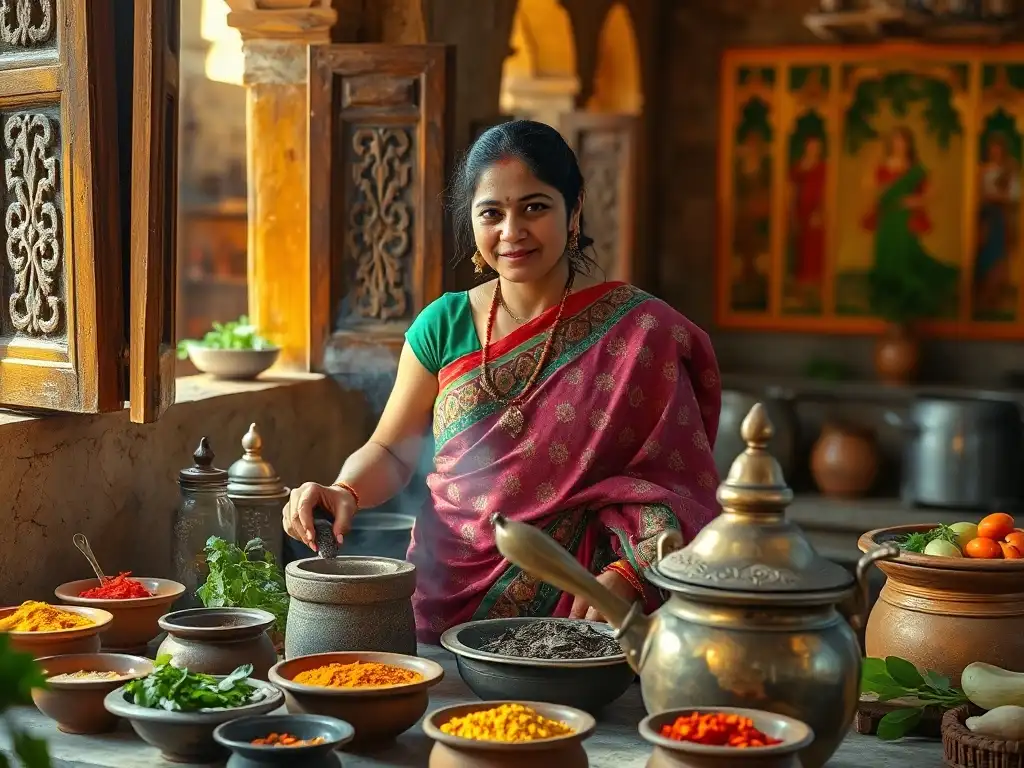
The influence of women in ancient Indian cuisine continues to resonate in modern culinary practices, showcasing a rich legacy that shapes the way food is prepared and enjoyed today. This impact can be seen not only in the recipes and cooking techniques that have been preserved but also in the evolving roles women play in the culinary landscape. As we explore these modern reflections, it becomes clear that the contributions of women in ancient Indian cuisine serve as a foundational element in contemporary cooking styles and traditions.
Legacy of Women’s Contributions in Contemporary Indian Cooking
The legacy of women in ancient Indian cuisine manifests in various aspects of contemporary cooking. Women were historically the primary caregivers and cooks within their households, and this role allowed them to develop and refine culinary skills that would be passed down through generations. The influence of ancient cooking practices can be observed in several key areas:
- Family Recipes: Many traditional Indian dishes owe their existence to family recipes that have been lovingly handed down by women. These recipes often carry unique stories and techniques, reflecting the regional and cultural diversity of India. Families often gather to prepare these dishes during festivals and special occasions, ensuring that the culinary wisdom of women lives on.
- Sustainable Practices: Women in ancient India were known for their resourcefulness in utilizing local ingredients and minimizing waste. Many modern chefs and home cooks are now adopting these sustainable practices, focusing on farm-to-table cooking and promoting the use of seasonal produce. This approach mirrors the ancestral wisdom women practiced in their kitchens.
- Innovative Fusion: As globalization influences culinary trends, women continue to play a vital role in the fusion of traditional and contemporary cooking styles. Modern Indian women chefs are reinterpreting classic recipes, blending ancient techniques with global flavors, thereby expanding the culinary horizons while honoring their heritage.
The contributions of women in ancient Indian cuisine are not just historical footnotes; they are dynamic elements that continue to shape the culinary landscape today.
Culinary Traditions Passed Down Through Generations of Women
Culinary traditions in India have always been deeply intertwined with the roles of women in society. From the Indus Valley Civilization to the Gupta Empire, women were instrumental in developing culinary practices that would endure through time. The transmission of these traditions from mother to daughter has created a rich tapestry of culinary knowledge that persists today. Key aspects of this transmission include:
- Rituals and Festivals: Women have played a central role in food-related rituals and festivals, where specific dishes are prepared to honor deities or celebrate seasonal changes. These culinary traditions often include elaborate preparations that reflect the cultural significance of food in community gatherings. For example, during Diwali, women prepare sweets and snacks that have been made for generations, reinforcing familial bonds and cultural identity.
- Education and Mentorship: In many households, the kitchen serves as an informal educational space where women teach younger generations the art of cooking. This mentorship includes not only the preparation of recipes but also the understanding of spices, flavor profiles, and the health benefits of various ingredients. Such knowledge is often shared through storytelling, making the learning process engaging and meaningful.
- Community Engagement: Women's culinary traditions extend beyond the household and into the community, where they often participate in collective cooking events. These gatherings foster a sense of belonging and allow women to share their culinary skills, thereby preserving and evolving traditional practices. For instance, community kitchens, or "langars," are an excellent example of how women contribute to collective meals that uphold social unity and cultural heritage.
As we reflect on these culinary traditions passed down through generations, it becomes evident that women have not only influenced ancient Indian cuisine but continue to play a pivotal role in shaping its future. The intergenerational transmission of knowledge and practices ensures that the rich culinary heritage of India remains vibrant and relevant.
Conclusion: The Lasting Impact of Women in Ancient Indian Cuisine
Summary of Contributions and Influence
Throughout the history of ancient India, women played a pivotal role in shaping the cuisine and culinary traditions that have been passed down through generations. From the Indus Valley Civilization to the Gupta Empire, women's influence can be observed in several key areas:
- Culinary Knowledge: Women were often the primary custodians of culinary knowledge, passing down recipes, cooking techniques, and food preservation methods through oral traditions. This knowledge was integral to the survival and nutritional health of their families and communities.
- Agriculture and Ingredients: Women contributed significantly to agriculture, cultivating various crops such as wheat, barley, and pulses. Their involvement in food production directly impacted the availability and diversity of ingredients used in cooking. For example, the introduction of spices, vegetables, and grains, which were often selected and grown by women, enriched the flavors of ancient Indian cuisine.
- Rituals and Festivals: Women played a central role in the preparation of food for religious rituals and festivals. These occasions demanded specific recipes that were often sacred, reflecting the cultural and spiritual significance of food. Women ensured that traditional dishes were prepared, maintaining the continuity of culinary practices tied to their communities' beliefs.
- Social Gatherings and Hospitality: The act of serving food has always been a symbol of hospitality in Indian culture. Women were the primary hosts of social gatherings, showcasing their culinary skills and reinforcing social bonds through food. This role not only highlighted their culinary prowess but also their importance as facilitators of community interaction.
The contributions of women in ancient Indian cuisine were not merely limited to cooking; they were integral to the very fabric of society, influencing dietary habits, agricultural practices, and cultural rituals.
The Importance of Recognizing Women's Roles in Culinary History
Acknowledging women's roles in ancient Indian cuisine is essential for several reasons:
- Cultural Heritage: Recognizing the contributions of women helps preserve and celebrate the rich tapestry of culinary heritage that has shaped modern Indian cuisine. Understanding the historical context can provide insights into contemporary practices and regional variations.
- Empowerment and Representation: Highlighting women's contributions in culinary history serves as a form of empowerment. It challenges traditional narratives that often overlook or minimize women’s roles in society. By bringing their stories to the forefront, we honor their legacy and inspire future generations.
- Nutritional Knowledge: Women's involvement in ancient culinary practices offers valuable lessons in nutrition and food sustainability. Their understanding of local ingredients and traditional cooking methods can inform modern dietary practices and promote health-conscious eating.
- Interdisciplinary Connections: The exploration of women in ancient Indian cuisine intersects with various fields, including anthropology, sociology, and gender studies. By investigating these connections, we can gain a more comprehensive understanding of the societal structures and values that influenced culinary traditions.
The legacy of women in ancient Indian cuisine is profound and multifaceted. Their influence has not only shaped the culinary landscape of India but also offers critical insights into the roles women have played in society throughout history. Recognizing and celebrating these contributions is vital for understanding the full narrative of ancient Indian culture and its enduring impact on contemporary practices.
Frequently Asked Questions
What role did women play in ancient Indian cuisine?
Women were central figures in ancient Indian cuisine, often responsible for preparing meals, preserving food, and passing down culinary traditions through generations.
How did women's contributions shape culinary traditions?
Women contributed to the diversity of ancient Indian cuisine by incorporating regional ingredients and cooking techniques, which helped to develop distinct culinary styles across different cultures.
Were there specific roles for women in the food preparation process?
Yes, women often held specific roles such as grinding spices, fermenting foods, and managing cooking fires, which were crucial for creating traditional dishes.
Social and cultural norms often defined women's roles as caretakers of the family, thus positioning them as the primary cooks and food preparers within their households.
What impact did women have on the preservation of culinary heritage?
Women played a vital role in the preservation and transmission of ancient recipes and cooking methods, ensuring that culinary heritage was maintained and celebrated through oral traditions and family practices.
Final Reflection: The Enduring Legacy of Women in Ancient Indian Cuisine
The influence of women in ancient Indian cuisine is not just a historical footnote; it is a vibrant thread woven into the fabric of culinary traditions that continues to resonate today. As we explore the rich tapestry of flavors and techniques that have shaped Indian cooking, we recognize that the contributions of women have been pivotal in preserving and innovating these traditions. Their roles as caregivers, preservers of knowledge, and culinary artists have laid the groundwork for the diverse and intricate cuisine we celebrate in contemporary India.
Clearly, the impact of women on ancient Indian culinary practices extends far beyond the kitchen; it has shaped cultural identities and social structures. The stories of women who passed down recipes and cooking techniques through generations remind us of the power of food as a cultural connector. As noted by culinary historian Vikram Seth, Food is a language that transcends barriers, and the voices of women have been its most eloquent narrators.
This observation underscores the importance of recognizing and honoring the contributions of women, whose influence has been both profound and transformative in the culinary landscape.
As we reflect on the lessons from the past, let us carry forward the legacy of these remarkable women by embracing their stories and practices in our own kitchens. I invite you to explore your culinary heritage, to honor the women who have shaped your food experiences, and to share their stories with future generations. By doing so, we not only celebrate their contributions but also ensure that the rich traditions of ancient Indian cuisine continue to thrive and evolve in our modern world.
Savor the Legacy: Embrace Women’s Culinary Influence!
Thank you for diving into the rich tapestry of Ancient Indian cuisine and discovering the pivotal role women played in shaping these culinary traditions. By understanding their contributions, you're not just learning about history; you're connecting with a legacy that spans generations and cultures.
Now, it’s your turn to honor this heritage and take action!
- Recreate a traditional recipe inspired by the remarkable women of Ancient India. Challenge yourself to explore unique ingredients or cooking techniques that reflect their artistry.
- Share your culinary creations on social media or with friends to spark conversations about this rich gastronomic heritage.
- Join a local cooking class that focuses on traditional Indian cuisine to deepen your understanding and skills while connecting with your community.
Which culinary tradition would you like to explore next, and how can you incorporate the contributions of women into your culinary journey?