
The Representation of Women in Ancient Indian Mythology and Folklore

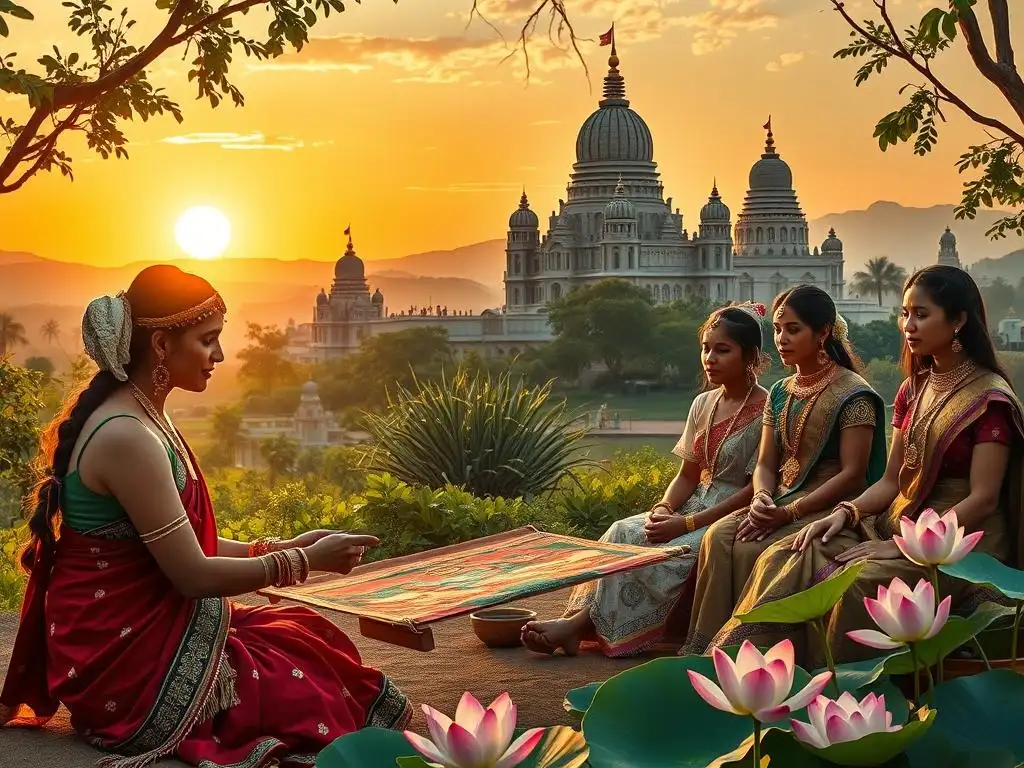
Welcome to Ancient India History, where we embark on a captivating journey through the rich tapestry of India's past. Today, we delve into the fascinating realm of Women in Ancient Indian Mythology, exploring their profound roles and significant contributions that have shaped narratives throughout the ages. From powerful goddesses to revered figures in folklore, the stories of these remarkable women invite you to rethink the cultural legacy of ancient civilizations. Prepare to uncover the layers of history that celebrate femininity in a time long gone—let's explore together!
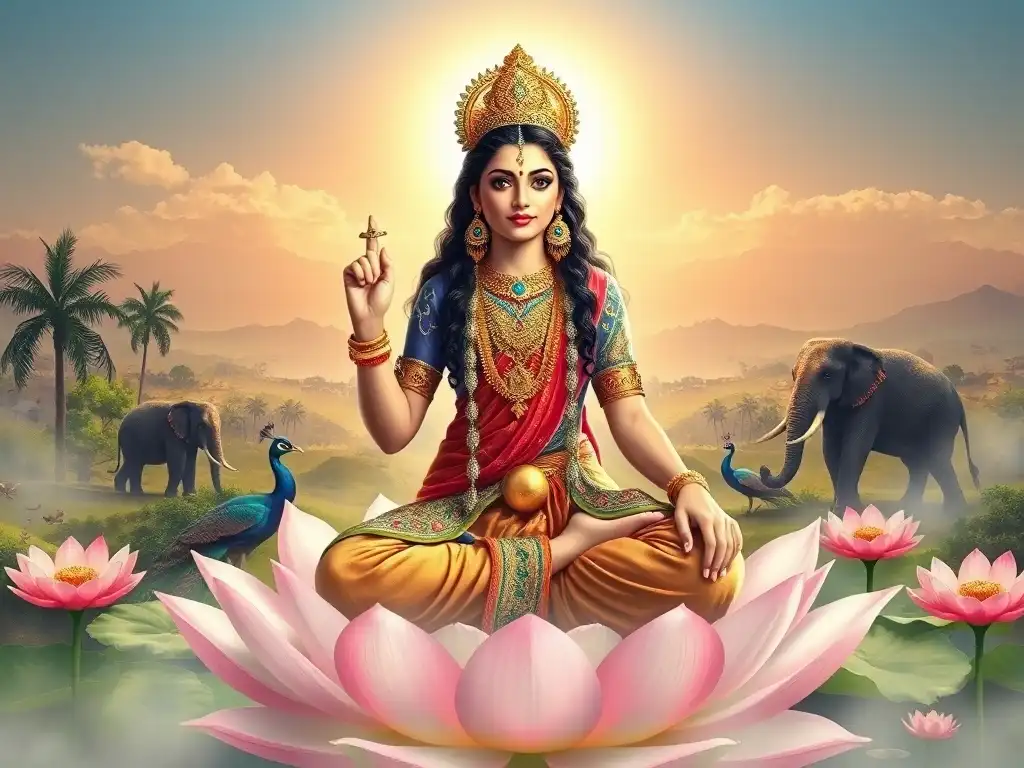
Introduction to Women in Ancient Indian Mythology
The representation of women in ancient Indian mythology is a multifaceted topic that reveals the complex roles and identities attributed to women throughout history. From the revered goddesses of the Hindu pantheon to the courageous heroines of epic tales, women's roles in ancient Indian mythology reflect a blend of reverence, power, and societal expectations.
This exploration not only sheds light on the narratives that shaped perceptions of femininity in ancient India but also highlights the cultural values and norms that influenced these portrayals. By examining the significance of women in these mythological narratives, we can gain a deeper understanding of their impact on societal structures and individual identities in ancient Indian civilizations.
Overview of Ancient Indian Mythology
Ancient Indian mythology is rich and diverse, encompassing a wide array of texts, oral traditions, and cultural practices. Two of the most significant sources of mythological narratives are the Vedas and the Epics—the Mahabharata and the Ramayana. Each of these texts provides profound insights into the beliefs, values, and practices of ancient Indian society.
- Vedic Literature: The Vedas, composed between 1500 and 500 BCE, contain hymns and rituals that form the foundation of Hindu philosophy and religious practices. Women, though often seen through a lens of domesticity, are acknowledged in various hymns as spiritual beings and contributors to rituals.
- Epic Narratives: The Mahabharata and Ramayana, composed in the first few centuries CE, offer intricate tales of heroism, morality, and dharma (duty). These epics present a spectrum of female characters, each reflecting the diverse aspects of womanhood—from the dutiful wife to the fierce warrior.
Importance of Women in Mythological Narratives
Women hold a pivotal place in mythological narratives, serving as embodiments of virtues, ideals, and moral lessons. Their representation often reflects the societal norms of their times, yet they also challenge these norms in various ways. The roles attributed to women in these stories can be categorized as follows:
- Moral Exemplars: Many female characters serve as paragons of virtue, embodying qualities such as fidelity, devotion, and resilience. Their stories often impart moral lessons to society.
- Cultural Symbols: Women in mythology often symbolize cultural values and ideals, such as the importance of family, sacrifice, and the balance of power between genders.
Key Female Figures in Ancient Indian Mythology
The tapestry of ancient Indian mythology is woven with the stories of numerous female figures who have left an indelible mark on cultural narratives. These women, both divine and mortal, illustrate the diverse roles women played in society and the complexities of their experiences.
The Role of Goddesses in Indian Mythology
Goddesses occupy a central position in ancient Indian mythology, often representing various aspects of life, nature, and spirituality. Prominent goddesses include:
- Durga: The fierce warrior goddess, symbolizing strength and power, often depicted riding a lion and wielding weapons to vanquish evil. Her stories emphasize the themes of protection and empowerment.
- Saraswati: The goddess of knowledge, music, and arts, representing wisdom and learning. She is often portrayed as a serene figure, embodying the pursuit of education and enlightenment.
- Lakshmi: The goddess of wealth and prosperity, who signifies the importance of abundance and well-being in both material and spiritual realms.
These goddesses not only serve as objects of devotion but also embody the ideal qualities that women are encouraged to aspire to within society.
Mythological Heroines and Their Impact
In addition to divine figures, mythological heroines play a crucial role in shaping narratives that challenge traditional gender roles and highlight women's agency. Some notable heroines include:
- Sita: The central figure of the Ramayana, Sita exemplifies loyalty and virtue. Her journey through trials, including abduction and exile, showcases her strength and resilience, making her a symbol of unwavering commitment.
- Draupadi: A key figure in the Mahabharata, Draupadi is known for her intelligence, courage, and assertiveness. Her public humiliation and subsequent quest for justice highlight issues of gender, power, and dignity in ancient society.
- Chitrangada: A warrior princess who defies societal norms, Chitrangada challenges traditional gender roles and showcases the complexities of women's identities in mythology.
These heroines not only reflect the struggles and triumphs of women in ancient times but also inspire contemporary discussions on gender equality and empowerment.
The representation of women in ancient Indian mythology serves as a rich tapestry of cultural values, societal norms, and individual identities. By understanding these narratives, we can appreciate the profound impact that women have had on the evolution of ancient Indian society and the enduring legacy of their stories.
Women in Ancient Indian Folklore
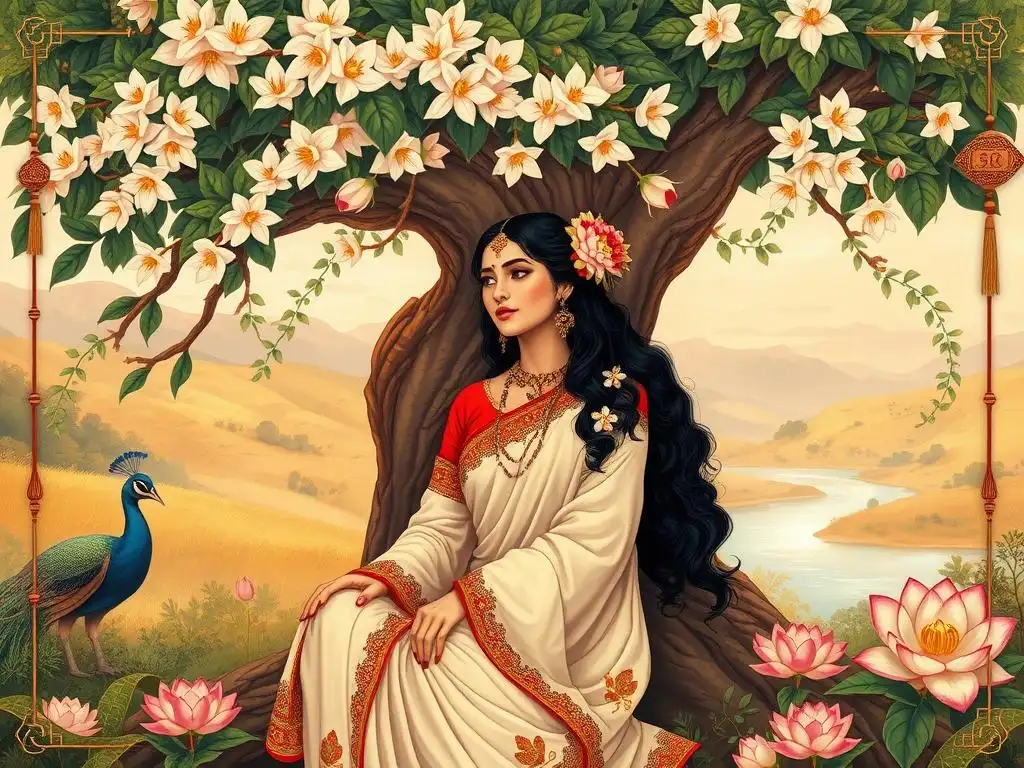
Ancient Indian folklore is rich with narratives that not only entertain but also convey deep cultural values and societal norms. Women occupy a prominent position within these tales, often embodying various roles that reflect the complexities of their status in society. Folkloric women are depicted in diverse manners, ranging from powerful figures to more traditional portrayals, highlighting both their strengths and vulnerabilities. These stories serve as a medium through which moral lessons about femininity, duty, and sacrifice are imparted, showcasing how women are integral to the tapestry of ancient Indian culture.
Folk Tales Featuring Strong Female Protagonists
Numerous folk tales across India feature female protagonists who exemplify courage, wisdom, and resilience. For instance, the tale of Draupadi, from the Mahabharata, while primarily a mythological figure, has inspired various folk adaptations that emphasize her strength and agency. In many stories, women are depicted as strategists and warriors, taking charge of their destinies in a patriarchal society.
Another notable figure is Mirabai, a revered saint and poet, who defied societal norms to pursue her devotion to Lord Krishna. Her story, often shared through folk songs and tales, portrays her as a symbol of spiritual strength and independence. These narratives not only celebrate female empowerment but also challenge the conventional roles assigned to women in ancient times.
The Cultural Significance of Folkloric Women
The representation of women in folklore serves multiple purposes. Culturally, these stories act as a reflection of societal values and beliefs, illustrating the expectations placed on women in ancient India. Women are often portrayed as caretakers, nurturers, and sources of wisdom, emphasizing their roles in maintaining family and social harmony.
Additionally, folkloric women also symbolize the connection to nature and spirituality, often depicted as guardians of the earth and fertility. This connection highlights the reverence for the feminine divine and the belief in the nurturing power of women, underlining their significance in both domestic and spiritual realms. The strong presence of women in folklore thus reinforces their vital contributions to society, both as individuals and as integral members of the community.
The Duality of Female Representation
The representation of women in ancient Indian mythology and folklore is not monolithic; rather, it embodies a duality that reflects contrasting perspectives on femininity. While some stories celebrate women's strength and autonomy, others reinforce traditional stereotypes that limit their roles.
Positive Depictions of Women in Mythology
In several mythological narratives, women are celebrated for their virtues and accomplishments. Figures like Sita from the Ramayana exemplify ideals of devotion and sacrifice, symbolizing the strength of virtue in overcoming adversity. Similarly, Goddess Durga represents empowerment and victory over evil, illustrating a powerful image of femininity that is both revered and feared.
These positive depictions underscore the belief in women's potential as leaders and protectors within their communities. They serve as role models for future generations, inspiring women to aspire to greatness while simultaneously anchoring societal values in the importance of womanhood.
Negative Stereotypes and Their Implications
Conversely, ancient Indian mythology and folklore also perpetuate negative stereotypes about women, often portraying them as passive, submissive, or morally inferior. Characters like Surpanakha, who is often depicted as vengeful and lustful, or the stereotypical portrayal of women as temptresses, serve to reinforce societal fears surrounding female autonomy and sexuality.
These negative representations can have significant implications, influencing societal attitudes towards women and shaping the expectations of their roles within families and communities. They can perpetuate harmful norms that limit women's rights and agency, emphasizing the need for a critical examination of these narratives in contemporary discussions about gender and equality.
The representation of women in ancient Indian mythology and folklore is a complex interplay of empowerment and restriction. By exploring these narratives, we gain valuable insights into the historical roles of women and their evolving status in society, highlighting the need for continued dialogue on gender representation in cultural narratives.
The Evolution of Women’s Roles in Mythology and Society
The roles of women in ancient Indian mythology have evolved significantly over time, reflecting changes in societal structures, cultural norms, and religious beliefs. In early texts, women are often portrayed as powerful figures, embodying strength, wisdom, and moral integrity. For instance, in the Vedic texts, women like Gargi and Maitreyi are depicted as scholars and philosophers, engaging in intellectual debates alongside men.
As society transitioned into the later periods, particularly with the rise of the epics like the Mahabharata and Ramayana, the representation of women began to shift. Women were often depicted in more traditional roles centered around family and domesticity. Characters such as Sita and Draupadi symbolize both strength and virtue, navigating the complexities of loyalty and duty within their familial contexts. Despite these shifts, the duality of women's roles—both as nurturers and warriors—remains a consistent theme throughout ancient Indian mythology.
Historical Context of Women in Ancient Indian Civilizations
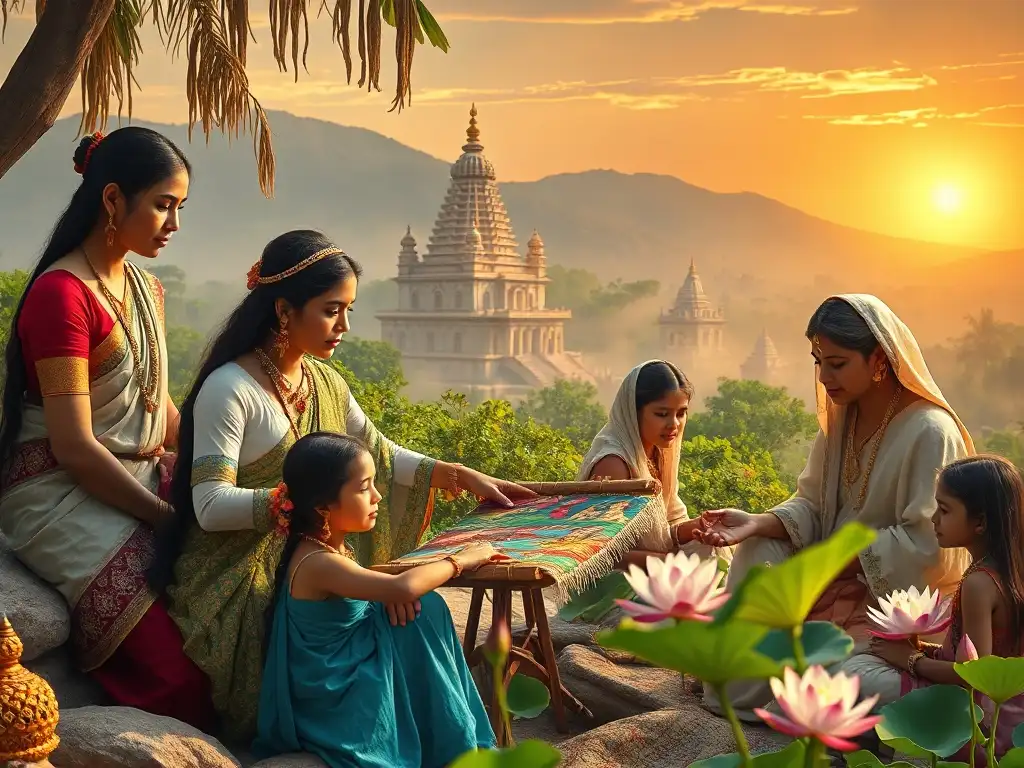
To understand the representation of women in mythology, it is essential to examine the historical context of ancient Indian civilizations. Women's status varied significantly across different periods and regions. In the Indus Valley Civilization, evidence suggests that women enjoyed a relatively high status, participating in various aspects of social and economic life. Archaeological findings indicate the presence of female figurines, which may represent fertility goddesses, highlighting the reverence for femininity.
As ancient Indian society evolved, especially during the Vedic period, the roles of women became more defined. While women could still own property and participate in rituals, the societal focus began to shift towards domesticity. The introduction of texts such as Manusmriti codified many norms that restricted women's freedoms, emphasizing their roles as wives and mothers. However, despite these restrictions, women continued to be venerated as divine figures in mythology, showcasing their enduring significance in cultural narratives.
Modern Interpretations of Mythological Women
In contemporary discourse, the interpretation of women in ancient Indian mythology has gained renewed interest. Scholars and feminists have begun to analyze these narratives through a critical lens, challenging traditional perceptions and exploring the complexities of female characters. Modern interpretations often emphasize the agency of mythological women, highlighting their resilience and strength in the face of adversity.
For instance, Sita's character has been re-evaluated, with many viewing her not just as a passive victim of circumstance but as a symbol of inner strength and moral fortitude. Similarly, Draupadi's defiance against patriarchal norms during the game of dice has been reinterpreted as a powerful assertion of self-worth. These modern readings not only celebrate the contributions of women in mythology but also inspire contemporary discussions on gender equality and women's rights.
Conclusion: The Lasting Legacy of Women in Ancient Indian Mythology
The representation of women in ancient Indian mythology is a testament to their enduring legacy within the cultural fabric of Indian society. These narratives have not only shaped the perception of femininity but have also laid the groundwork for discussions surrounding women's roles in both historical and modern contexts.
Reflection on Women’s Contributions to Ancient Indian Culture
Women in ancient Indian mythology contributed significantly to various aspects of culture, religion, and philosophy. Their stories often served as moral exemplars, teaching values such as loyalty, sacrifice, and resilience. The presence of powerful female deities, such as Durga and Kali, showcases the reverence for feminine strength and the belief in women's capacity to protect and nurture society. This dual representation has allowed women to occupy a central place in spiritual and cultural narratives, influencing generations.
The Relevance of Mythological Women in Today’s Society
The legacy of mythological women continues to resonate in today's society, serving as icons of empowerment and inspiration. As contemporary issues surrounding gender equality and women's rights gain prominence, these ancient narratives offer rich resources for understanding and advocating for women's agency. The stories of figures like Sita and Draupadi encourage modern women to embrace their strength and assert their rights, reflecting the timeless relevance of these mythological representations. This connection between the past and present underscores the importance of preserving and interpreting these narratives as part of the ongoing dialogue about women's roles in society.
References
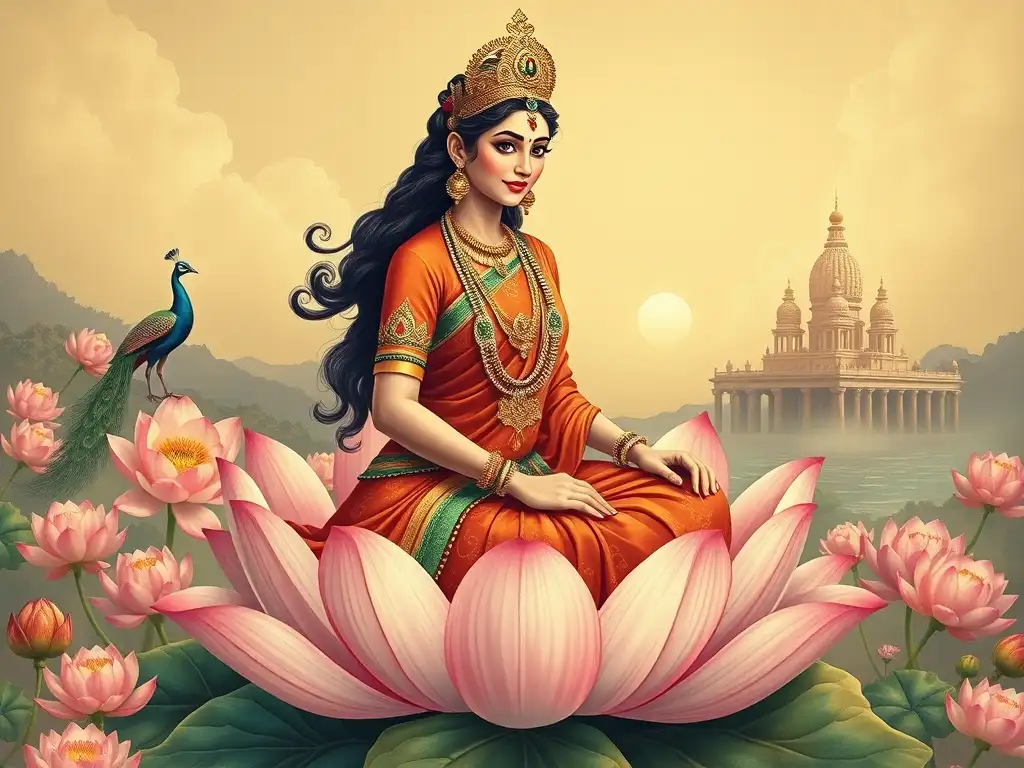
The representation of women in ancient Indian mythology and folklore is a nuanced topic that draws on various texts, archaeological findings, and scholarly interpretations. Below are several key references that provide insights into the roles and depictions of women in these narratives. These references span classic epics, historical analyses, and critical examinations of feminine archetypes within the cultural milieu of ancient India.
- The Mahabharata - This epic poem features numerous female characters such as Draupadi and Kunti, whose stories illustrate complex themes of honor, agency, and social expectations.
- The Ramayana - Another epic that showcases the character of Sita, whose trials and tribulations can be seen as a commentary on women's roles and virtues in society.
- Women in Ancient India by R. S. Sharma - This scholarly work delves into the historical context and societal positions of women, examining texts and artifacts from various periods.
- Myth and Reality: Women in Ancient India by Kumkum Sangari: - An analytical piece that critiques traditional narratives and highlights the lived experiences of women through history.
- The Goddess in India: The Feminine Principle in Hinduism by David Kinsley: - This book explores the representation of female deities and their significance in shaping cultural perceptions of femininity.
Suggested Readings on Women in Ancient Indian Mythology
For those looking to deepen their understanding of the subject, the following readings provide valuable perspectives on the representation of women in ancient Indian mythology:
-
In Search of Sita: Revisiting Mythology by Arshia Sattar
This book offers a contemporary retelling of the Ramayana, focusing on Sita's character and her symbolic significance in the narrative.
-
Women and the Hindu Right: A Feminist Analysis by Nivedita Menon
An examination of how ancient texts have influenced modern perceptions of women's roles in society, particularly in relation to the rise of the Hindu Right.
-
The Status of Women in Ancient India by Chitralekha Zutshi
This work reviews historical texts and provides an analysis of women's socio-political status across different time periods.
Additional Resources for Further Exploration
To further explore the multifaceted representation of women in ancient Indian mythology and folklore, consider these additional resources:
- Documentaries and Films
- "The Mahabharata" - Various adaptations provide visual interpretations of the epic, emphasizing female characters and their narratives.
- "Sita: An Illustrated Retelling of the Ramayana": - A graphic novel that presents Sita's story through a modern lens, making it accessible to a wider audience.
- Online Lectures and Courses
- Coursera and edX often feature courses on Indian mythology that address gender roles and women's representation. Look for classes offered by universities specializing in South Asian studies.
- Research Journals
- Indian Journal of Gender Studies - This journal publishes articles that frequently explore themes related to women in mythology, providing contemporary scholarly discourse on historical narratives.
These resources collectively contribute to a richer understanding of the complexities and nuances of women in ancient Indian mythology, revealing how their stories continue to resonate in modern discourse.
- Introduction to Women in Ancient Indian Mythology
- Overview of Ancient Indian Mythology
- Importance of Women in Mythological Narratives
- Key Female Figures in Ancient Indian Mythology
- Women in Ancient Indian Folklore
- The Duality of Female Representation
- The Evolution of Women’s Roles in Mythology and Society
- Historical Context of Women in Ancient Indian Civilizations
- Modern Interpretations of Mythological Women
- Conclusion: The Lasting Legacy of Women in Ancient Indian Mythology
- References
- Suggested Readings on Women in Ancient Indian Mythology
- Additional Resources for Further Exploration
- What is the significance of women in ancient Indian mythology?
- How are goddesses portrayed in ancient Indian texts?
- What roles do women play in ancient Indian folklore?
- How did ancient Indian society view women's roles?
- What impact did the representation of women have on modern interpretations of mythology?
Frequently Asked Questions
What is the significance of women in ancient Indian mythology?
Women in ancient Indian mythology hold crucial roles that often symbolize strength, wisdom, and virtue. They are depicted as goddesses and heroines, influencing various aspects of life and culture in mythological narratives.
How are goddesses portrayed in ancient Indian texts?
Goddesses in ancient Indian texts are often portrayed as powerful and multi-faceted figures, embodying aspects of creation, destruction, and nurturing. They reflect the complexities of femininity and are revered in various religious practices.
What roles do women play in ancient Indian folklore?
In ancient Indian folklore, women often serve as central characters who embody moral values and cultural norms. Their stories frequently highlight themes of sacrifice, love, and resilience, showcasing their importance in social narratives.
How did ancient Indian society view women's roles?
Ancient Indian society viewed women's roles through a dual lens; while they were often marginalized, they also held significant authority in certain contexts, especially in spiritual and familial spheres. Their contributions were essential to maintaining social harmony.
What impact did the representation of women have on modern interpretations of mythology?
The representation of women in ancient mythology has greatly influenced modern interpretations, leading to a re-evaluation of gender roles and the recognition of female empowerment within cultural narratives. This has sparked discussions on gender equality and women's rights today.
Final Reflection: The Enduring Legacy of Women in Ancient Indian Mythology
The representation of women in ancient Indian mythology is not just a relic of the past; it is a powerful lens through which we can understand contemporary gender dynamics. As we explore the tales of formidable goddesses and resilient heroines, we uncover narratives that resonate with the struggles and triumphs of women today. The stories of figures like Durga and Sita serve as reminders that the strength and complexity of women have always been woven into the fabric of our cultural heritage, challenging us to recognize their significance in shaping societal values.
The impact of these mythological narratives transcends time, influencing not only literature and art but also the ongoing discourse surrounding gender equality. The stories we tell about women in ancient Indian mythology continue to inspire movements for women's rights and empowerment in modern society. As noted by scholar Devdutt Pattanaik, Mythology is not just a story; it is a way of understanding the world.
This understanding compels us to reflect on how these ancient tales can inform our present and future, urging us to reclaim and celebrate the multifaceted roles of women in our cultural narratives.
As we conclude this exploration, I invite you to reflect on the lessons embedded in these ancient stories and consider how they can inspire your own journey. How can you draw strength from the women depicted in these myths to confront challenges in your life? Let us honor the legacy of women in ancient Indian mythology by integrating their wisdom into our daily lives, advocating for equality, and ensuring that their voices continue to be heard in the stories we tell today.
Empower Your Understanding of Women in Ancient Indian Myths!
Thank you for taking the time to explore the fascinating representation of women in ancient Indian mythology and folklore. Your engagement with these rich narratives not only enhances your knowledge but also honors the legacy of these remarkable figures. Now, let's take the next step in uncovering these stories.
Here’s how you can dive deeper and make a difference:
- Explore the stories of specific goddesses and heroines celebrated in ancient texts, and share your findings with friends or on social media.
- Join a local or online discussion group focused on mythology; exchanging ideas can lead to enlightening and stimulating conversations.
- Create a presentation or write a blog post on a particular story that resonates with you. Inspiring others is a powerful way to spread knowledge!
What aspect of women's representation in these stories intrigues you the most, and how do you believe it can influence today's society?