
Women in Ancient Indian Politics: From Queens to Advisors

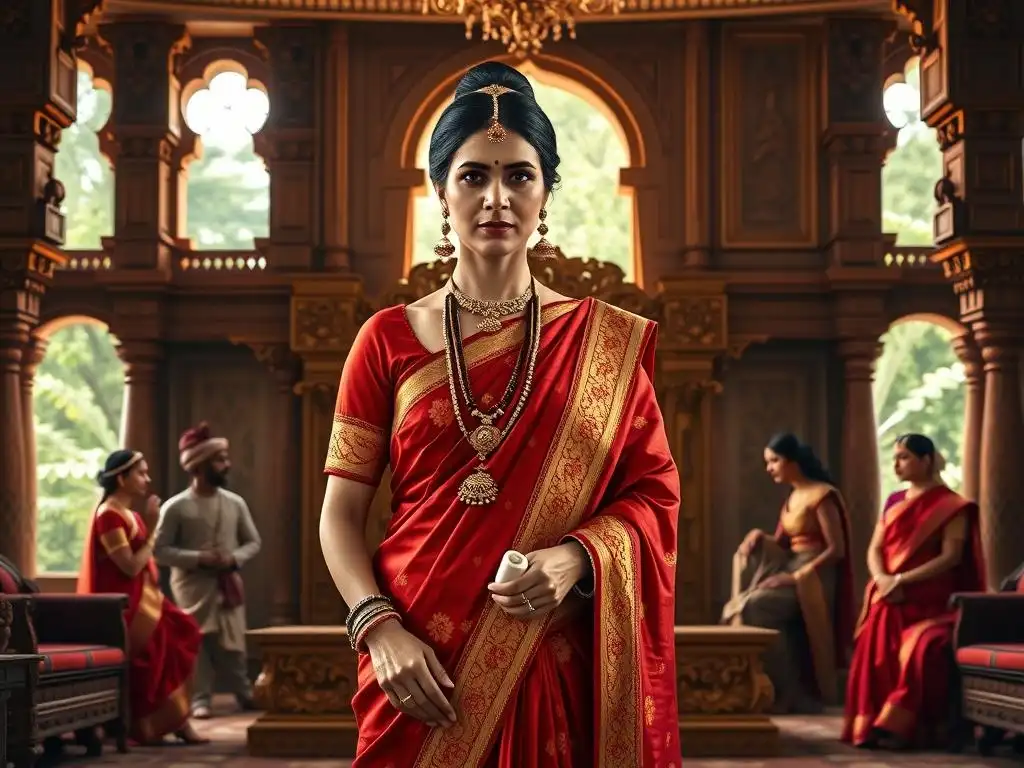
Welcome to Ancient India History, where we embark on a fascinating journey through time to uncover the rich tapestry of ancient Indian civilizations. In this corner of history, we delve into the often-overlooked yet pivotal roles of women in shaping political landscapes. Our featured article, "Women in Ancient Indian Politics: From Queens to Advisors," invites you to explore how these remarkable figures wielded power and influence, challenging the conventional narratives of their times.
Prepare to be captivated as we unveil the stories of resilience, leadership, and ingenuity that defined women's contributions in a world that was both vibrant and complex. Join us as we illuminate the past and inspire a deeper understanding of heritage that still resonates today.
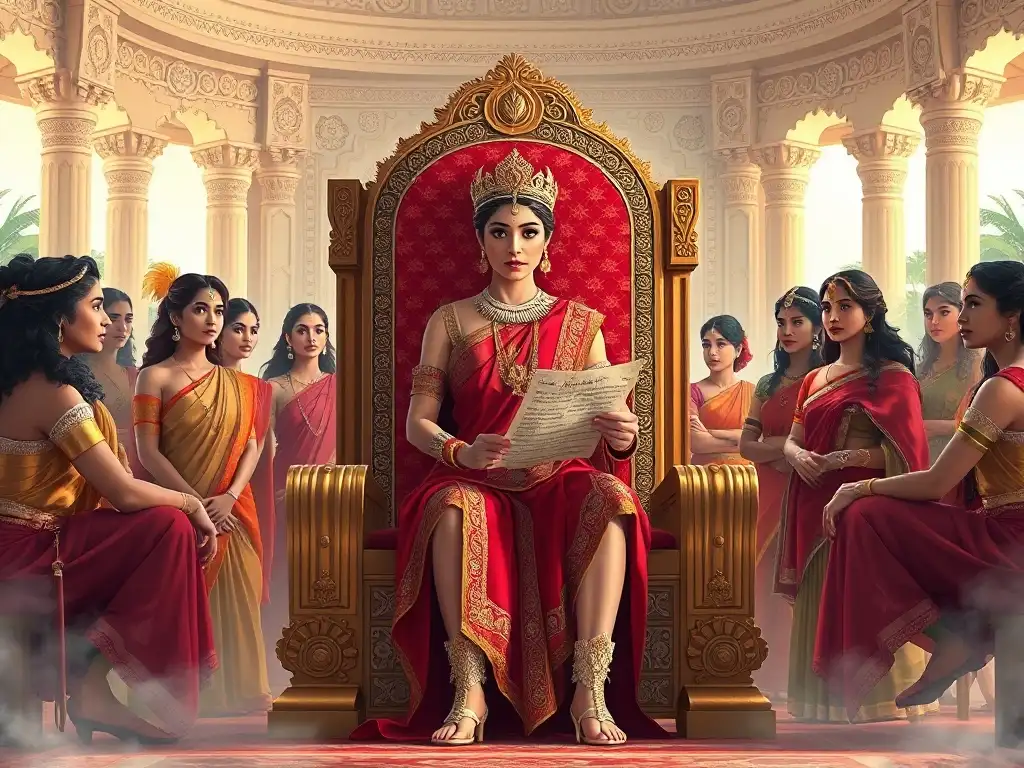
Introduction to Women in Ancient Indian Politics
The narrative of women in ancient Indian politics is a fascinating tapestry woven with threads of power, influence, and resilience. Throughout the vast history of India, women have played significant roles that extend beyond traditional expectations, often stepping into the political arena as queens, advisors, and influential figures in governance.
From the legendary rulers of the Maurya and Gupta empires to the powerful queens of the Chola dynasty, their contributions have shaped the political landscape of ancient India. Understanding these roles is essential to appreciate the depth and complexity of women's participation in society, which was not merely limited to domestic spheres but also encompassed significant political authority.
Overview of Women's Roles in Ancient Indian Society
In ancient India, women were not just passive figures in society; rather, they held diverse roles that varied across different periods and regions.
- Religious Influencers: Many women were revered as spiritual leaders and guardians of cultural traditions.
- Economic Contributors: They participated actively in agricultural and trade activities, managing households and often leading economic initiatives.
- Political Figures: Some women ascended to power, ruling as queens or serving as vital advisors to kings, influencing major decisions and policies.
Women like Rani Durgavati and Rani Padmini exemplify how female figures were not only respected but also wielded substantial power and authority.
Importance of Women in Political Structures
The involvement of women in political structures served multiple purposes:
- Stability and Diplomacy: Marriages between royal families often solidified alliances and ensured stability within kingdoms.
- Advisory Roles: Queens and mothers of kings frequently acted as advisors, providing counsel based on their wisdom and experience.
- Cultural Symbolism: Women represented the values and virtues of their dynasties, often being seen as embodiments of the state.
The significant presence of women in political matters not only reflects their influence but also highlights the progressive aspects of ancient Indian society in allowing women to participate in governance.
Historical Context of Women in Politics in Ancient India
To fully appreciate the roles of women in ancient Indian politics, it is essential to examine the historical context in which they operated. This context reveals various dynasties and cultures that recognized and even celebrated women's contributions to governance and leadership.
The Role of Women in Different Dynasties
- Indus Valley Civilization:
- Evidence suggests that women had a notable presence in trade and governance, with archaeological findings indicating their participation in public life.
- Maurya Empire:
- Figures like Empress Chandragupta Maurya played pivotal roles in statecraft, while Buddhism and Jainism offered women more rights and recognition.
- Gupta Empire:
- During this golden age, women such as Samudragupta's queens were influential not only in courtly life but also in political maneuvering.
- Chola Dynasty:
- Queens like Raja Raja Chola's mother were known for their governance and administrative skills, highlighting the significant political agency women held.
The exploration of women's roles in ancient Indian politics reveals a rich history of female empowerment that played a crucial role in shaping the socio-political fabric of the time. Their contributions remain an important area of study for understanding the complexities of gender roles in ancient societies.
Prominent Women in Ancient Indian Politics
Throughout ancient Indian history, women played significant roles in politics, often influencing the course of events through their leadership, counsel, and strategic decisions. Notable figures emerged from various dynasties, demonstrating that women were not only passive observers but active participants in political life. From powerful queens to astute advisors, these women shaped the political landscape of their time and left a lasting impact on society.
Queens Who Ruled
Queens in ancient India often held substantial power and authority, sometimes ruling as sovereigns in their own right. A few prominent examples include:
- Rani Durgavati: A warrior queen of Gondwana, she is celebrated for her valor in battle against the Mughal Empire. Rani Durgavati led her troops with remarkable courage during the 16th century and has become a symbol of resistance and strength.
- Rani Padmini: The legendary queen of Chittor, Padmini is known for her beauty and bravery. Her story, intertwined with themes of honor and sacrifice, illustrates the complex roles women played within the political and cultural narratives of the time.
- Chand Bibi: As the regent of the Bijapur Sultanate and a skilled diplomat, Chand Bibi defended her kingdom against the Mughal forces. Her ability to negotiate and command respect from her military showcases the political acumen of women rulers.
These queens not only governed but also influenced the political dynamics of their regions, often engaging in warfare and diplomacy to protect their kingdoms.
Female Advisors and Influencers
In addition to queens, many women served as advisors and influencers in the courts of ancient India. Their roles often involved providing counsel to kings, engaging in political strategy, and shaping policy decisions. For instance:
- Rani Lakshmibai: Known for her leadership during the Indian Rebellion of 1857, she was not just a warrior but also an astute strategist who rallied support against British rule. Her legacy continues to inspire women in leadership roles today.
- The Mahishi of the Maurya Empire: These royal women, often wives or mothers of emperors, wielded considerable influence behind the scenes. They were involved in political decisions, ensuring the stability of their dynasties.
- Vasavadatta: A queen mentioned in ancient texts, she was known for her intelligence and wit. Her involvement in court politics exemplifies the role women played in shaping political thought and governance.
These women were not merely consorts to powerful men; they were integral to the political machinations of their time, demonstrating that their influence extended far beyond traditional gender roles.
The Functions and Responsibilities of Women in Politics
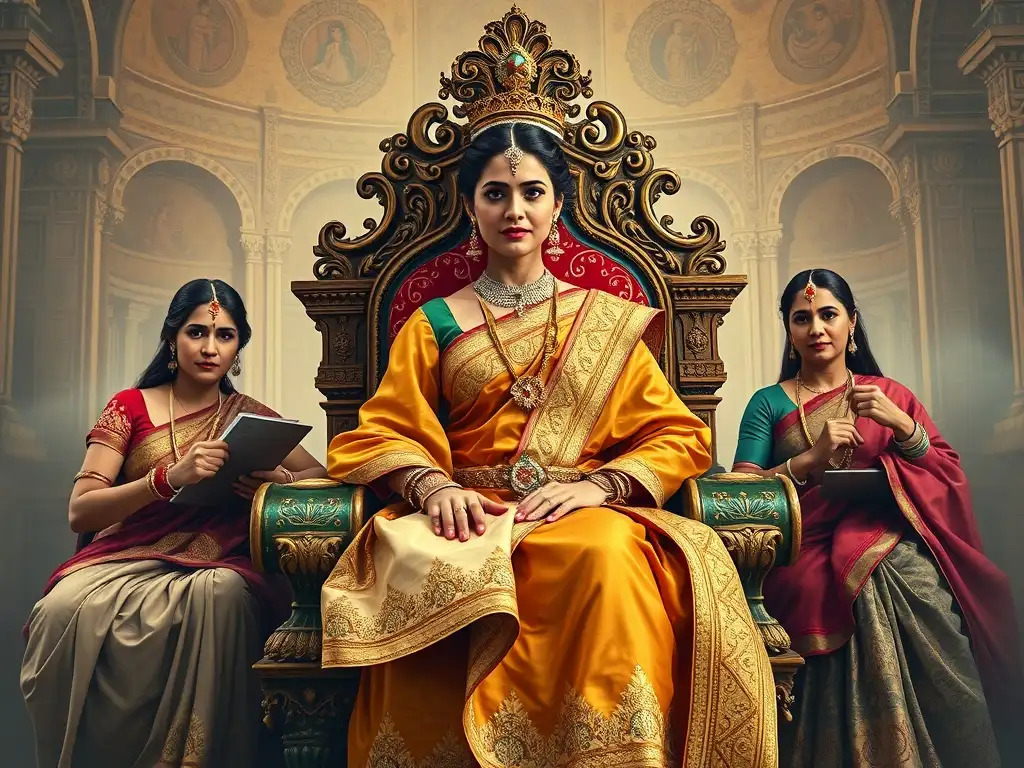
Women in ancient India were entrusted with various functions and responsibilities that extended beyond the domestic sphere. Their involvement in political affairs varied depending on their social status, education, and the prevailing cultural attitudes toward women.
Political Roles of Queens and Rulers
Queens often took on multifaceted roles, encompassing both governance and social leadership. They were responsible for:
- The Administration of Justice: Many queens acted as judges in their courts, addressing grievances and ensuring justice was served, which earned them respect and authority among their subjects.
- Diplomatic Relations: Queens frequently played crucial roles in forging alliances through marriage, diplomacy, and negotiation. Their ability to navigate complex political landscapes was vital for maintaining peace and stability.
- Military Leadership: Some queens, like Rani Durgavati, directly led their armies into battle, demonstrating not only their leadership qualities but also their strategic capabilities. This dual role of ruler and warrior was emblematic of their significance in ancient politics.
Contributions of Women as Advisors
Women also contributed significantly as advisors, often guiding kings and rulers through their expertise and insights. Their contributions included:
- Strategic Counsel: Many women provided critical advice on military strategies, political alliances, and governance, drawing from their knowledge of history and the socio-political landscape.
- Cultural Influence: Women in advisory roles often influenced cultural and religious policies, promoting ideologies that reinforced their family's power and legacy. Their involvement was crucial in shaping the cultural identity of their regions.
- Social Reforms: Some women advocated for social reforms and welfare initiatives, influencing policies that affected the lives of ordinary citizens. Their holistic approach to governance helped address various societal issues.
Through their diverse roles, women in ancient Indian politics exemplified resilience, intelligence, and leadership, contributing significantly to the rich tapestry of India’s historical narrative.
Cultural Perspectives on Women in Politics
In ancient Indian civilization, cultural perspectives on women in politics were complex and multifaceted. Women were often seen as integral to the political landscape, especially within royal families. The presence of queens who wielded power directly through their reign or indirectly through influence over their husbands or sons is a testament to this. Historical texts and inscriptions reveal that women such as Chandragupta Maurya's wife, Durdhura, played significant roles in state affairs, showcasing the nuanced understanding that women could possess political acumen.
Additionally, the concept of Shakti—the feminine power—was deeply embedded in Hindu philosophy, placing women in the realm of divine governance. This belief system not only sanctified their roles as mothers and wives but also recognized their potential as leaders. The depiction of goddesses like Durga and Kali in literature emphasizes the strength attributed to women, framing their political participation as a natural extension of their divine powers.
Moreover, various regional practices and customs shaped the political roles of women, with some cultures allowing for more significant involvement than others. The Rajputana states, for instance, had a tradition of women participating in political decisions, particularly during times of war or crisis. These cultural dynamics reflect a broader acceptance of women as critical players in the socio-political arena, providing a rich backdrop for their roles in governance.
Literary References to Women in Politics
Literature from ancient India serves as a crucial source for understanding the political roles of women. Texts such as the Mahabharata and Ramayana offer insights into the lives of women who influenced political decisions and events. Characters like Draupadi, who played a pivotal role in the power dynamics of the Mahabharata, exemplify women's agency in political matters. Her voice and actions during the infamous game of dice highlight the impact that women could have on political outcomes.
Additionally, the Natyashastra, an ancient treatise on performing arts, contains references to queens and noblewomen who were involved in governance and diplomacy. These literary portrayals often reflect the societal acknowledgment of women's intelligence and capability, portraying them as advisors and strategists.
Historical accounts, such as inscriptions and travelogues by foreign visitors, also document instances of women in power, illustrating their roles in diplomacy and administration. The chronicles of Ibn Battuta and Megasthenes mention influential women in the courts of Indian rulers, further underscoring the significance of women's contributions to the political landscape.
Societal Attitudes Towards Women in Power
Societal attitudes towards women in power in ancient India were often shaped by the prevailing religious and cultural norms. While some societies embraced female leadership, others exhibited reluctance, viewing women primarily as caretakers of the household. However, the existence of powerful queens and matriarchs often challenged these norms, demonstrating that women could effectively govern and lead.
In many instances, women were recognized for their wisdom and diplomatic skills, particularly during times of conflict. For example, Rani Durgavati of Gondwana and Rani Padmini of Chittor are celebrated figures who led their kingdoms with valor and intelligence, showcasing societal respect for women in strong leadership roles. Their stories have become emblematic of resistance and strength, inspiring generations.
Nevertheless, the duality of admiration and skepticism towards women in authority persisted. While some texts praised women for their contributions, others reinforced traditional gender roles, suggesting that women's primary responsibilities lay within the domestic sphere. This tension reflects the intricate balance between accepting female leadership and adhering to established societal norms.
Conclusion: Legacy of Women in Ancient Indian Politics
The legacy of women in ancient Indian politics is profound and enduring. Their roles as queens, advisors, and strategists contributed significantly to the governance and cultural fabric of their times. This legacy transcends centuries, influencing contemporary perspectives on women's leadership. The acknowledgment of historical figures like Rani Lakshmibai and Maharani Gayatri Devi showcases the reverence for women's contributions in shaping political landscapes.
Women’s involvement in ancient politics laid the groundwork for future generations, highlighting the necessity of female representation in governance. Their stories inspire a renewed interest in the potential of women to lead, advocate for change, and influence policy, reinforcing the importance of historical narratives in contemporary discussions about gender equality.
Lasting Impact on Contemporary Views of Women in Leadership
The historical roles of women in ancient Indian politics have significantly impacted contemporary perspectives on women in leadership. As modern India grapples with issues of gender equality and representation, the legacy of powerful women from the past serves as a reminder of the capabilities and contributions women can make in leadership positions. The visibility of women in politics today, from local governance to national leadership, echoes the enduring spirit of their ancient predecessors.
Moreover, the celebration of figures like Indira Gandhi, India’s first female Prime Minister, reflects an evolving recognition of women's potential in political arenas. The increased participation of women in various political roles, including legislative bodies and grassroots movements, signifies a shift towards embracing female leadership as vital to democratic processes.
Reflections on the Role of Women in Modern Indian Politics
In modern Indian politics, the role of women continues to evolve, influenced by the historical precedents set by their ancient counterparts. The ongoing struggle for gender equality and representation in political offices highlights the relevance of women's historical contributions. Initiatives such as the Women's Reservation Bill, which aims to reserve a percentage of seats for women in legislative bodies, echo the demands for greater representation that have been present throughout history.
Additionally, contemporary leaders and activists draw inspiration from the narratives of women in ancient politics to advocate for change and empowerment. The representation of women in media and public discourse has begun to reflect a more nuanced understanding of their capabilities and contributions, reinforcing the notion that women are not merely passive participants but active shapers of political landscapes.
As society continues to grapple with gender biases and stereotypes, the legacies of women in ancient Indian politics serve as a powerful reminder of the need for inclusive leadership that values the perspectives and expertise of all individuals, regardless of gender.
Further Reading on Women in Ancient Indian History
To gain a deeper understanding of the significant roles women played in ancient Indian politics, exploring various resources is essential. This section provides recommendations for books, articles, and online platforms that delve into the history and contributions of women in ancient Indian society.
Suggested Books and Articles
-
“Women in Ancient India” by Kumud Sharma
This comprehensive book examines the multifaceted roles of women from ancient times, including their influence in politics, religion, and society. Sharma meticulously analyzes historical texts and archaeological findings to provide a nuanced perspective on women's agency.
-
“The Role of Women in Indian History” by Ramesh Chandra Dutt
Dutt’s work outlines the evolution of women's roles throughout Indian history, with a focus on political figures such as queens and advisors. The author uses historical narratives and case studies to highlight the contributions of women to governance and policy-making.
-
“Queens and Politics in Ancient India” by Sharmila P. B.
This article explores the political power wielded by queens in various dynasties, detailing how they influenced decisions and shaped the political landscape. It also discusses the social and cultural contexts that facilitated their rise.
-
“Women’s Voices in Indian History”
This anthology compiles essays from various scholars, shedding light on the overlooked narratives of women in ancient India. It emphasizes the importance of women's perspectives in understanding historical events and political dynamics.
-
“Gender and Politics in Ancient India” by Neelima Shukla
This scholarly article offers insights into how gender roles affected political structures and women’s participation in governance. Shukla provides a critical analysis of historical texts that document women's involvement in political affairs.
Online Resources for Exploration of Women's Contributions in Ancient India
-
The Digital Library of India
An extensive collection of texts, documents, and manuscripts that highlight the roles of women in various aspects of Indian history. Researchers can access a variety of primary sources to study the contributions of women through time.
-
Women in World History: A Resource Guide
This online platform contains curated lists of articles, essays, and multimedia resources dedicated to women's history globally, including a section on ancient India. It serves as a valuable tool for understanding the broader context of women's roles in history.
-
The Indian Council of Historical Research
This organization provides access to research papers and publications focused on Indian history, including women's studies. Their archives often feature studies and findings on the political roles of women in ancient India.
-
Ancient History Encyclopedia
A user-friendly platform that includes detailed articles on various topics related to ancient civilizations, including sections dedicated to notable women in ancient Indian politics. The site aims to educate and inform readers about historical figures and their impacts.
-
Khan Academy: Indian History
An educational resource that offers free courses and lectures on Indian history, including discussions on women's roles. The interactive content helps learners engage with the material and understand the significance of women's contributions to political life in ancient India.
By exploring these resources, readers can gain a more comprehensive understanding of the vital roles women played in the political sphere of ancient India, enriching their knowledge of this fascinating aspect of history.
- Introduction to Women in Ancient Indian Politics
- Overview of Women's Roles in Ancient Indian Society
- Historical Context of Women in Politics in Ancient India
- Prominent Women in Ancient Indian Politics
- The Functions and Responsibilities of Women in Politics
- Cultural Perspectives on Women in Politics
- Conclusion: Legacy of Women in Ancient Indian Politics
- Further Reading on Women in Ancient Indian History
- What roles did women play in ancient Indian politics?
- How were queens depicted in ancient Indian texts?
- Did women have any formal political rights in ancient India?
- What were the contributions of women as advisors in ancient India?
- How has the perception of women in ancient Indian politics evolved over time?
Frequently Asked Questions
What roles did women play in ancient Indian politics?
Women in ancient India held significant political positions, often serving as queens, regents, or advisors. Their influence extended beyond the household, impacting broader political decisions.
How were queens depicted in ancient Indian texts?
Queens were often portrayed as powerful figures in texts like the Mahabharata and Ramayana. They were respected for their wisdom, courage, and political acumen, shaping the course of events in their kingdoms.
Did women have any formal political rights in ancient India?
While formal political rights varied, many women exercised influence through marriage alliances and regional power, often acting as regents or counselors during their husbands' or sons' reigns.
What were the contributions of women as advisors in ancient India?
Women served as advisors to kings and rulers, providing crucial insights into political strategy and diplomacy. Their contributions helped shape policies and maintain stability within their realms.
How has the perception of women in ancient Indian politics evolved over time?
The perception of women in ancient politics has shifted, with modern interpretations recognizing their substantial contributions and influence in governance, contrasting with earlier views that often minimized their roles.
Final Reflection: The Enduring Legacy of Women in Ancient Indian Politics
The exploration of women's roles in ancient Indian politics reveals a profound truth: their influence was not merely peripheral but central to the governance and cultural fabric of the time. As we delve into the historical narratives of queens, advisors, and influential figures, we uncover a tapestry of power dynamics that challenges the conventional perception of gender roles in politics. This understanding is not just a reflection of the past; it resonates with the ongoing discourse surrounding women's rights and representation in today's political landscape.
Clearly, the contributions of women in ancient Indian politics have left an indelible mark on our cultural and social consciousness. Their stories remind us that leadership and wisdom are not confined to gender. As we witness the resurgence of discussions around female empowerment and representation, we can draw inspiration from the past. The history of women is the history of humanity.
This quote encapsulates the essence of our journey through ancient narratives, urging us to recognize and celebrate the roles women have played throughout history.
As we reflect on the lessons gleaned from the lives of these remarkable women, let us challenge ourselves to embrace their legacy in our own lives. Consider how you can advocate for equality and representation in your community, drawing strength from the powerful examples set by women in ancient Indian politics. The past is not just a series of events; it is a source of inspiration and a call to action for a more inclusive future. Together, let us honor their contributions and strive to create a world where every voice is heard and valued.
Embrace the Legacy of Women in Leadership
Thank you for exploring the inspiring world of women in ancient Indian politics! We hope you gained valuable insights into their remarkable contributions as queens and advisors. Now, let’s take proactive steps to honor this legacy and empower future generations.
Here’s how you can actively engage with this important topic:
- Research and read more about influential women in history by exploring various resources dedicated to ancient Indian politics.
- Share this article with friends or on social media to spark discussions about the significant roles women have played in leadership and governance throughout history.
- Consider joining or starting a local book club that focuses on historical biographies of female leaders to deepen your understanding and celebrate their impact.
What steps will you take to ensure that the stories of these powerful women continue to inspire and educate future generations?