
Uncovering the Mysteries of Eastern India's Ancient Forts and Palaces

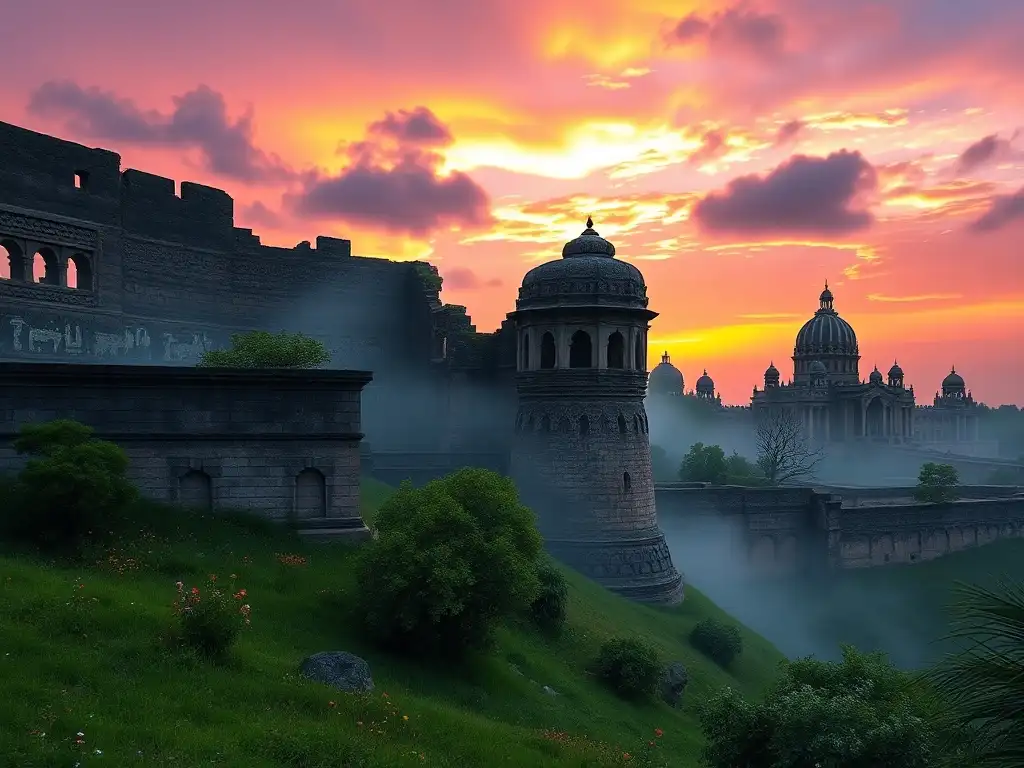
Welcome to Ancient India History, where we embark on a fascinating journey through time, exploring the rich tapestry of ancient Indian civilizations! From the awe-inspiring Indus Valley to the illustrious Gupta Empire, each chapter reveals the profound contributions and vibrant cultures that have shaped India.
In our featured article, "Uncovering the Mysteries of Eastern India's Ancient Forts and Palaces," we invite you to delve into the majestic remnants of a bygone era, discovering the stories that echo through the stones of these historic marvels. Prepare to be captivated and inspired as you uncover the secrets of India's past—your adventure awaits!
Eastern India is a treasure trove of architectural marvels that narrate the tales of its illustrious past. From the majestic forts that stand as sentinels over the landscape to the opulent palaces that once housed royalty, the region's ancient structures reflect the artistic brilliance and engineering prowess of bygone civilizations.
Exploring these ancient forts and palaces in India not only allows us to appreciate their historical significance but also provides insight into the socio-political dynamics and cultural exchanges that shaped the region. With a rich tapestry of history woven through each stone and wall, this article aims to uncover the mysteries behind these magnificent edifices.
As we delve deeper into the fascinating stories behind Eastern India's ancient forts and palaces, we will discover the intricate designs, strategic importance, and the cultural influences that have left an indelible mark on the region. Prepare to embark on a journey that takes you through time, revealing the legacies of kingdoms that once thrived in this vibrant part of India.
- Introduction to Ancient Forts and Palaces in India
- The Historical Context of Eastern India
- Architectural Features of Eastern Indian Forts and Palaces
- Notable Ancient Forts in Eastern India
- Iconic Palaces of Eastern India
- The Role of Forts and Palaces in Eastern India's History
- Myths and Realities Surrounding Eastern Indian Forts and Palaces
- Conclusion: The Legacy of Ancient Forts and Palaces in Eastern India
- Additional Resources for Exploring Ancient Indian Forts and Palaces
-
Frequently Asked Questions
- What are some notable ancient forts and palaces in Eastern India?
- How did the architecture of ancient forts and palaces in India evolve?
- What role did forts and palaces play in ancient Indian civilization?
- Are there any legends or stories associated with these ancient sites?
- How can one explore the ancient forts and palaces of Eastern India today?
- Final Reflection: Embracing the Legacy of Ancient Forts and Palaces in India
- Unveil the Wonders of Eastern India Today!
Introduction to Ancient Forts and Palaces in India
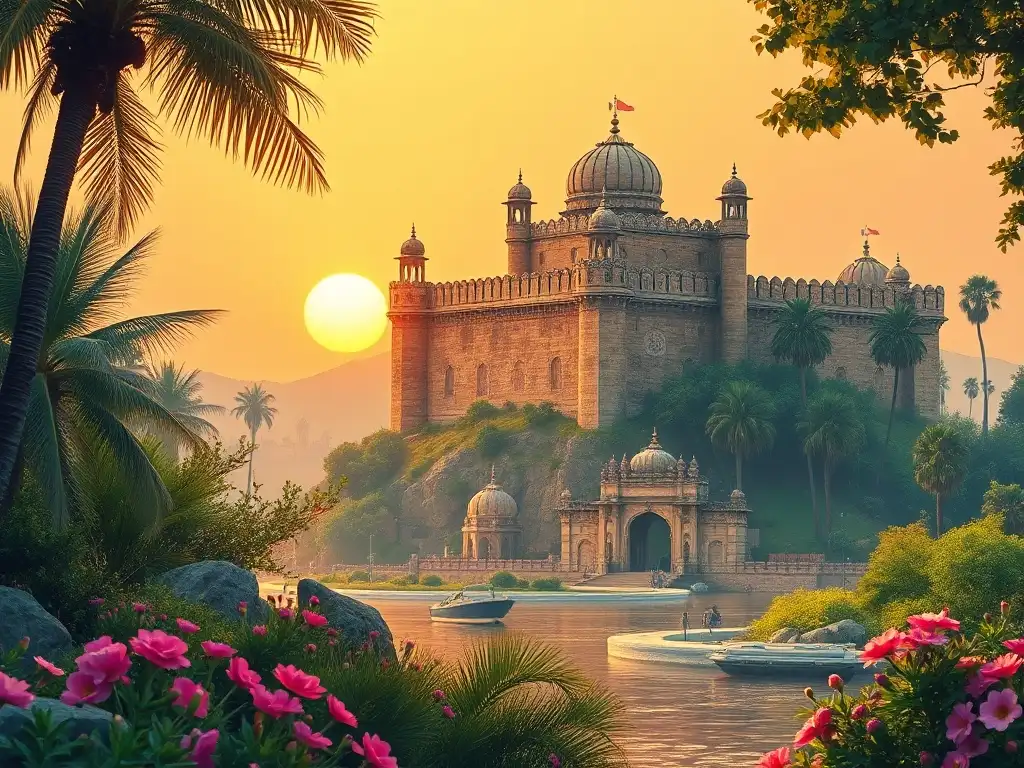
The ancient forts and palaces of India serve as monumental testaments to the rich tapestry of history, culture, and architectural prowess that characterized the subcontinent. In particular, Eastern India boasts a plethora of these structures, each narrating stories of kings, battles, and intricate designs that have stood the test of time. This section delves into the significance of these edifices, emphasizing their role in shaping the historical landscape of Eastern India.
Overview of Eastern India's Historical Significance
Eastern India, encompassing states like West Bengal, Odisha, Bihar, and Jharkhand, has been a cradle of civilization for thousands of years. The region has witnessed the rise and fall of various dynasties, including the Mauryas, Guptas, and the Kalingas, each contributing to a rich historical narrative.
Key Historical Elements:
- Cultural Melting Pot: Eastern India has been influenced by various cultures, including Aryan, Dravidian, and indigenous tribal traditions, leading to a diverse architectural heritage.
- Strategic Location: Its proximity to trade routes facilitated economic prosperity and cultural exchanges, which were often reflected in the fortifications and palatial structures of the time.
- Religious Significance: The region is home to numerous temples and forts that played pivotal roles in the spread of Buddhism and Hinduism, further enriching its historical importance.
The forts and palaces in Eastern India not only served as military strongholds but also as centers of administration and culture. Structures like the Red Fort of Kolkata and the Udayagiri Caves illustrate how these sites were integral to governance and social life, illustrating the sophisticated statecraft of ancient rulers.
Importance of Forts and Palaces in Ancient Indian Architecture
Forts and palaces in ancient India are not just defensive structures; they embody the artistic, cultural, and political ethos of their times. In Eastern India, these architectural marvels demonstrate unique features that distinguish them from other regions.
Architectural Features:
- Material Usage: Local materials such as sandstone and laterite were commonly used, showcasing the resourcefulness of builders.
- Decorative Elements: Intricate carvings, frescoes, and sculptures often depicted mythological scenes and royal patronage, enhancing aesthetic appeal.
- Urban Planning: The layout of forts often included residential quarters, administrative buildings, and temples, illustrating advanced urban planning principles.
Cultural Significance:
- Symbol of Power: Forts and palaces were symbols of royal authority and served as a reminder of the ruler's might. Structures like the Bihar Fort exemplify this, having been constructed to assert dominance over the region.
- Cultural Heritage: These monuments are vital for understanding the cultural and historical narratives of Eastern India. They provide insights into the socio-political conditions of their eras, as well as the artistic expressions prevalent at the time.
The ancient forts and palaces of Eastern India are invaluable to not only the architectural legacy of India but also to the broader historical context of the region. They invite us to explore the stories and lives of those who once walked their halls, making them essential sites for both historical inquiry and cultural appreciation.
The Historical Context of Eastern India
Ancient Civilizations in Eastern India
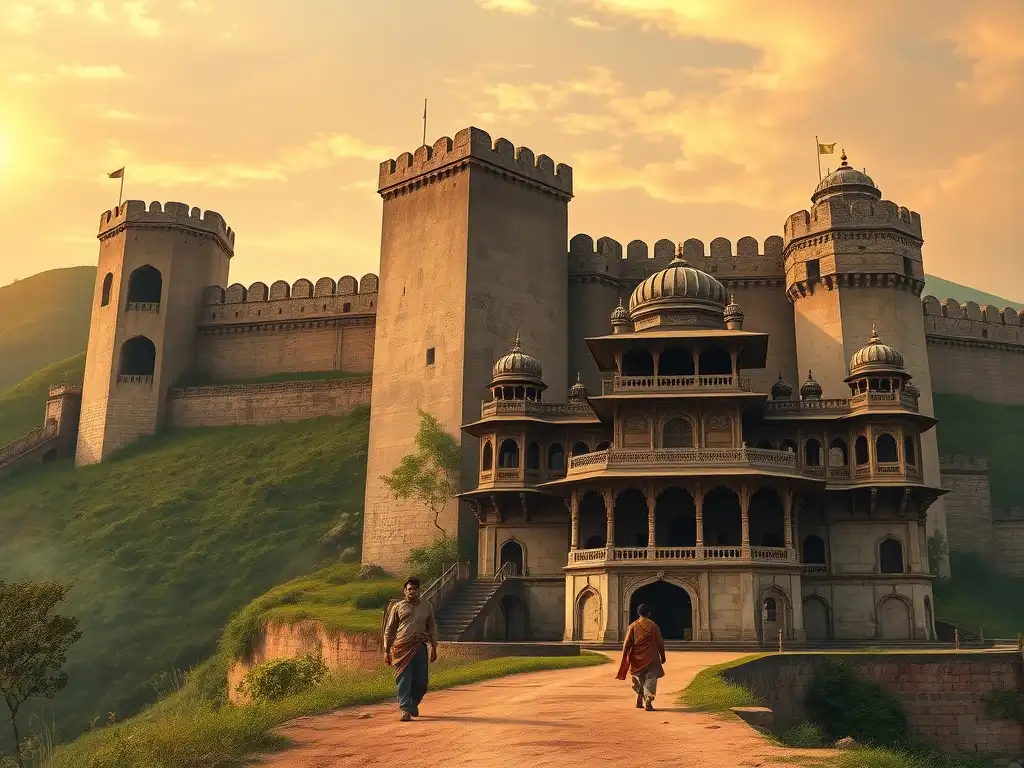
The history of Eastern India is marked by the emergence of several ancient civilizations that laid the foundation for the region's architectural and cultural legacy. Among these, the Indus Valley Civilization, which flourished around 2500 BCE, is notable for its advanced urban planning and architecture. While the majority of this civilization's sites are located in present-day Pakistan, its influence extended into Eastern India, particularly in the areas of trade and cultural exchange.
As time progressed, the region saw the rise of Buddhism around the 6th century BCE, with significant contributions from Eastern Indian states such as Magadha. The establishment of the Mauryan Empire, particularly under Emperor Ashoka, marked a pivotal moment in Eastern India's history. Ashoka's patronage of Buddhism led to the construction of stupas, monasteries, and the establishment of rock-cut architecture that displayed a blend of art and spirituality.
The Gupta Empire, often referred to as the "Golden Age" of India, further enriched the cultural landscape of Eastern India. The Gupta period (circa 320 to 550 CE) witnessed advancements in art, literature, and science, which were reflected in the architecture of forts and palaces. The architectural styles developed during this time laid the groundwork for subsequent dynasties.
Key Dynasties Influencing Fort and Palace Architecture
The evolution of forts and palaces in Eastern India can be attributed to several key dynasties, each contributing unique architectural styles and innovations:
- The Palas (8th to 12th Century):
- Renowned for their patronage of Buddhism, the Palas constructed impressive monasteries and stupas, such as the famous Nalanda University complex. Their architectural style was characterized by intricate carvings and terracotta decorations.
- The Senas (11th to 12th Century):
- The Sena dynasty is noted for its contributions to Hindu temple architecture, which influenced the design of palaces and forts. The use of stone as a primary building material became prominent during this era.
- The Mughals (16th to 18th Century):
- The Mughal Empire left a significant mark on Eastern Indian architecture. Forts such as Purana Qila in Delhi and palaces like Shah Jahan's Red Fort exhibited a fusion of Persian and Indian styles, with elaborate gardens and grandiose structures.
- The British Colonial Era (19th Century):
- The British introduced a neo-Gothic architectural style, evident in the construction of forts and administrative buildings. The Victoria Memorial in Kolkata is a prime example, showcasing a blend of Indian and European architectural elements.
Cultural Contributions of Eastern Indian Civilizations
The civilizations of Eastern India have made substantial cultural contributions that extend far beyond architecture. Some notable aspects include:
- Literature and Arts: Eastern India has been home to numerous poets and scholars. The Bengali Renaissance of the 19th century brought forth literary giants like Rabindranath Tagore, whose works celebrated the region's rich cultural heritage.
- Festivals and Traditions: The region is renowned for its diverse festivals, such as Durga Puja, which not only reflect religious devotion but also the community's artistic expressions through elaborate pandals and idol craftsmanship.
- Cuisine: The culinary traditions of Eastern India are distinct, with rice and fish being staple components. The region's cooking techniques and flavors have influenced Indian cuisine as a whole.
- Craftsmanship: The artisans of Eastern India are known for their exquisite handloom textiles, terracotta artifacts, and intricate stone carvings, which contribute to both the local economy and the cultural identity of the region.
The ancient forts and palaces of Eastern India are not just remnants of a bygone era; they are a testament to the rich historical context, key dynasties, and cultural contributions that have shaped the region's identity over centuries. Understanding these elements helps uncover the mysteries surrounding these monumental structures.
Architectural Features of Eastern Indian Forts and Palaces
Unique Design Elements of Ancient Forts
Eastern India's ancient forts exhibit a unique blend of architectural styles, influenced by various dynasties and cultures that thrived in the region. One prominent feature is the use of strategic location; many forts are situated on elevated grounds or near rivers, ensuring both defense and control over trade routes.
- Thick Walls and Battlements:
- The walls of these forts are often constructed with thick stone blocks, providing robust defense against invaders.
- Battlements are frequently adorned with parapets, allowing defenders to shield themselves while attacking.
- Gates and Entrances:
- Forts like Purana Qila in Delhi and Bamrauli Fort have intricately designed gates, often embellished with motifs and carvings that reflect the artistic sensibilities of the time.
- False entrances are a common design element, confusing potential attackers and providing an additional layer of security.
- Architectural Fusion:
- Elements from Hindu, Buddhist, and Islamic architecture can be seen across various forts, showcasing a cultural amalgamation. For instance, the fort of Bhangarh features both Hindu temple architecture and Islamic influences in its design.
Distinctive Characteristics of Palaces in Eastern India
The palaces of Eastern India serve as a testament to the grandeur and sophistication of royal lifestyles. Their architectural style encapsulates both beauty and functionality.
- Courtyards and Gardens:
- Many palaces, such as the Rajmahal Palace, include expansive courtyards and meticulously landscaped gardens that provide a serene environment for the royalty.
- Chowks (open courtyards) are often central to the palace layout, serving as spaces for gatherings and ceremonies.
- Intricate Carvings and Artwork:
- The walls of these palaces are adorned with elaborate carvings and murals that depict historical events, folklore, and nature.
- The Madhubani paintings found in some palaces reflect the rich cultural heritage and artistic traditions of the region.
- Unique Roof Designs:
- Palaces in Eastern India often feature distinctive roof structures, such as chhatris (elevated dome-shaped pavilions) and jharokhas (overhanging enclosed balconies), which not only enhance aesthetic appeal but also provide ventilation and shade.
Materials and Techniques Used in Construction
The construction of ancient forts and palaces in Eastern India employed a variety of materials and techniques, reflecting the region's resources and technological advancements.
- Local Stone and Brick:
- Forts were primarily built using locally sourced materials such as sandstone, laterite, and granite, which offered durability.
- The use of burnt bricks was also prevalent, especially in palatial structures, allowing for intricate designs and finer finishes.
- Mortar and Binding Agents:
- Advanced binding materials, such as lime mortar, were used for joining stones, ensuring the structures' longevity and resilience against weathering.
- Techniques for creating waterproof walls and drainage systems were also employed to maintain the integrity of the buildings.
- Construction Techniques:
- Dry masonry was a common technique, where stones were carefully cut and placed without mortar, allowing for flexibility during seismic activities.
- The combination of arch and dome construction demonstrated advanced engineering skills, seen in palaces like the Mughal-era structures in the region.
By exploring these architectural features, one can appreciate the ingenuity and artistic legacy of the builders of Eastern India's ancient forts and palaces, which continue to captivate historians, archaeologists, and visitors alike.
Notable Ancient Forts in Eastern India
Purana Qila: History and Significance
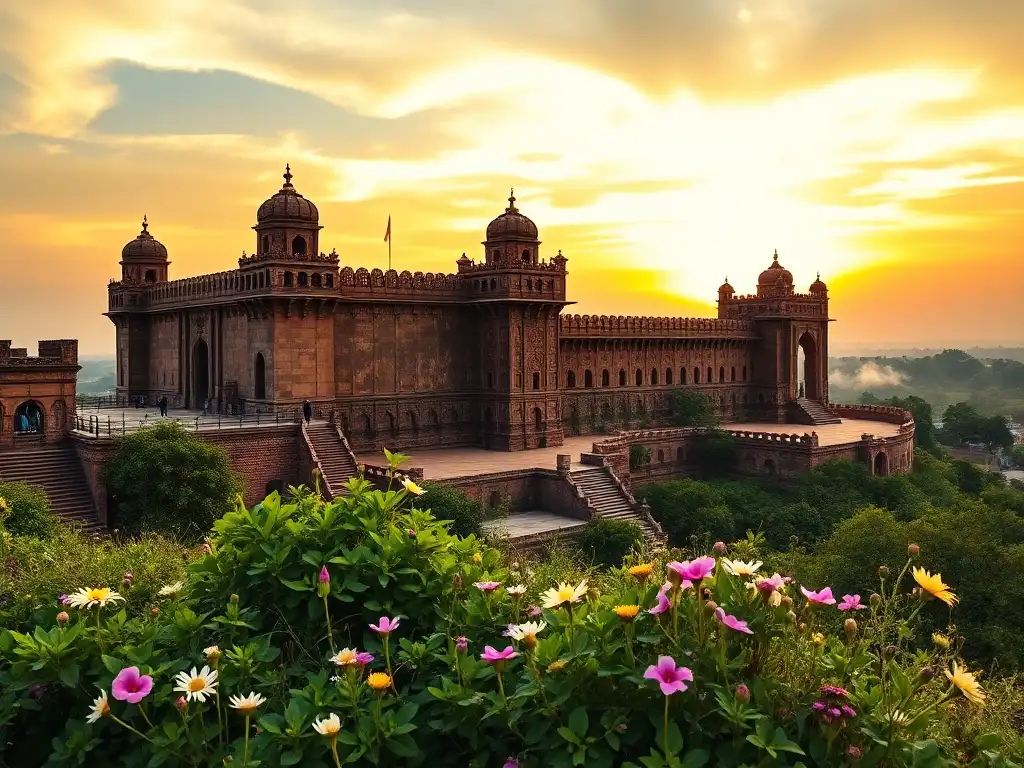
Purana Qila, also known as the Old Fort, is one of the most significant historical structures in Eastern India, located in the heart of Delhi. This fort is believed to have been built during the reign of the Afghan ruler, Sher Shah Suri, in the 16th century. The fort’s strategic location on the banks of the Yamuna River made it a vital military stronghold in ancient times.
Key Features:
- Architecture: The fort features colossal walls made of red sandstone, standing approximately 18 meters high and 1.5 kilometers in circumference. The gates of Purana Qila, particularly the Bara Darwaza, showcase intricate architectural designs and exemplify the Indo-Islamic style prevalent during that era.
- Historical Importance: Purana Qila is often associated with the ancient city of Indraprastha, mentioned in the Mahabharata. Archaeological excavations within the fort complex have uncovered artifacts dating back to the 3rd century BC, indicating its long-standing historical significance.
- Cultural Significance: The fort has been a witness to numerous historical events, including battles and the establishment of Mughal rule in India. Today, it stands not only as a monument of architectural grandeur but also as a symbol of India's rich cultural heritage.
Rajmahal Fort: Architectural Marvels and Stories
Rajmahal Fort, located in the Sahibganj district of Jharkhand, is a testament to the grandeur of the Mughal era. Built in the 17th century, this fort served as a residence for the Mughal emperors and their officials.
Architectural Highlights:
- Unique Design: The fort's architecture is a blend of Mughal and local styles, featuring ornate frescoes, intricate carvings, and expansive courtyards. The use of locally sourced materials gives it a unique character that reflects the craftsmanship of that time.
- Significant Structures: Within the fort, the large palace complex includes multiple rooms, gardens, and watchtowers. The ruins of the palace, with their crumbling walls and decorative motifs, tell stories of royal grandeur and opulence.
- Legends and Folklore: Rajmahal Fort is steeped in legends, including tales of royal romances and battles fought for supremacy. These stories are an integral part of local culture and continue to intrigue historians and tourists alike.
Ghoshpur Fort: Cultural Heritage and Preservation Efforts
Ghoshpur Fort, situated in the Purulia district of West Bengal, is an important cultural landmark that reflects the historical narratives of Eastern India. Though less known than other forts, Ghoshpur holds significant archaeological and historical value.
Preservation Efforts:
- Cultural Heritage: The fort is a remarkable example of the feudal architecture that once dominated the region. It is surrounded by lush greenery, making it a picturesque location that attracts historians and nature enthusiasts.
- Restoration Initiatives: Recent efforts to preserve Ghoshpur Fort include restoration projects aimed at maintaining its structural integrity and promoting it as a tourist destination. Local government and heritage organizations are working together to ensure that the fort’s historical significance is recognized and celebrated.
- Community Involvement: Engaging local communities in preservation efforts is crucial. Workshops and educational programs are being implemented to raise awareness about the fort's historical importance and to foster a sense of pride among residents.
The ancient forts of Eastern India, including Purana Qila, Rajmahal Fort, and Ghoshpur Fort, not only represent architectural marvels but also serve as custodians of rich historical narratives that continue to shape the cultural landscape of the region. Their preservation is essential for future generations to appreciate and learn from the past.
Iconic Palaces of Eastern India
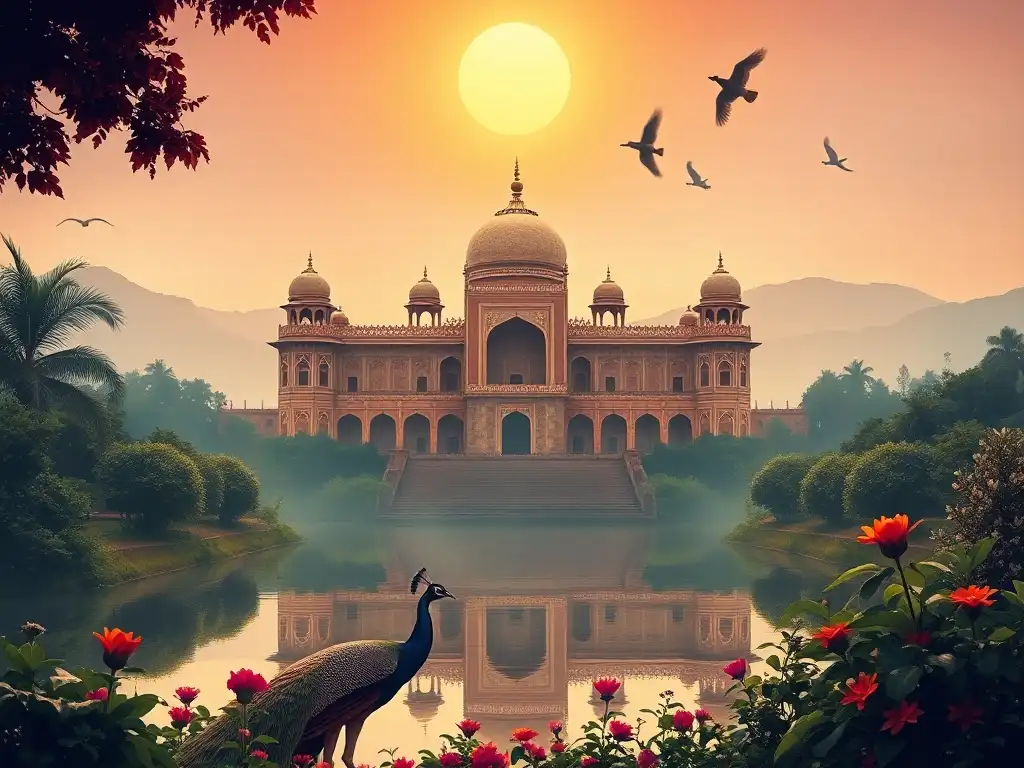
Ujjayanta Palace: A Symbol of Royalty and Power
The Ujjayanta Palace, located in Agartala, Tripura, stands as a remarkable testament to the grandeur of ancient Indian architecture. Built in the late 19th century for the Tripuri royal family, this palace is a blend of Indo-Saracenic and Mughal architectural styles, showcasing intricate designs and a majestic façade.
Architectural Features
- Materials Used: The palace is constructed primarily of brick and stone, adorned with marble flooring and wooden rafters.
- Gardens: The surrounding lush gardens, designed in the Mughal style, enhance its royal ambiance.
- Unique Layout: The palace features a large central dome and multiple wings, providing a glimpse into the lifestyle of the erstwhile kings.
The Ujjayanta Palace also hosts a museum that preserves artifacts from the royal family, offering insights into the culture and history of Tripura. Visitors can explore the beautifully maintained grounds, which reflect the opulent lifestyle of the rulers.
Jagannath Palace: Architectural Splendor and Historical Importance
The Jagannath Palace in Nagpur is a stunning example of the blend between religious significance and intricate architectural design. Constructed in the early 19th century, this palace served as the residence for the Bhosale dynasty and is dedicated to Lord Jagannath, a deity worshipped in the region.
Key Highlights
- Architectural Design: The palace features exquisite wooden carvings and intricate frescoes that depict scenes from Hindu mythology.
- Spiritual Importance: It houses a temple dedicated to Lord Jagannath, making it a significant pilgrimage site for devotees.
- Historical Events: The palace has witnessed numerous historical events, including the establishment of the Nagpur kingdom.
The Jagannath Palace not only serves as a historical monument but also plays a vital role in the cultural fabric of Nagpur, hosting festivals and religious gatherings that draw large crowds.
Hazarduari Palace: Cultural Events and Modern Relevance
Situated in Murshidabad, West Bengal, the Hazarduari Palace is renowned for its unique architecture and rich history. Built in the early 19th century, it is famous for having a thousand doors, many of which are false, adding an element of mystery to its structure.
Cultural Significance
- Historical Exhibits: The palace is now a museum that showcases artifacts from the Nawabi era, including paintings, weapons, and royal memorabilia.
- Cultural Events: Regular cultural events and festivals are held in and around the palace, celebrating the region’s rich heritage.
- Tourism Impact: As a major tourist attraction, the Hazarduari Palace plays a crucial role in promoting the history of Eastern India, drawing visitors intrigued by its legacy.
The Hazarduari Palace remains a vital link to the past, bridging the ancient glory of the Nawabs with contemporary cultural practices, thus ensuring its relevance in today’s society.
These palaces collectively narrate the rich tapestry of Eastern India's history, reflecting the architectural brilliance and cultural diversity that define ancient forts and palaces in India.
The Role of Forts and Palaces in Eastern India's History
Eastern India, with its rich tapestry of history, has been shaped significantly by the construction and utilization of forts and palaces. These monumental structures not only served as defensive edifices but also as symbols of power, culture, and architectural innovation. Their roles evolved over centuries, reflecting the socio-political dynamics and cultural exchanges that characterized the region.
Defense Mechanisms and Strategic Importance
Forts in Eastern India were primarily built as defensive structures against invasions and attacks. The strategic location of many forts, such as Purana Quila in Delhi and Buxa Fort in West Bengal, offered natural advantages, making them critical in safeguarding territories.
- Geographical Advantage: Many forts were constructed on elevated terrains or near rivers, providing a vantage point for spotting approaching enemies.
- Military Architecture: The design of these forts often included thick walls, bastions, and moats, exemplifying the advanced military architecture of the time. For instance, the Chandragiri Fort in Odisha showcases intricate stonework and robust fortifications that reflect its defensive purpose.
- Historical Significance: Some forts, like the Sundarbans Fort, played pivotal roles during historic battles, marking significant turning points in regional power dynamics.
These structures not only protected the local populace but also served as administrative centers where rulers could exercise their authority. The forts of Eastern India often became the nucleus around which communities formed, fostering a sense of identity and unity.
Cultural Exchange and Influence through Trade Routes
The forts and palaces of Eastern India were not merely military structures; they also functioned as hubs of cultural exchange and trade. Strategically located along ancient trade routes, these sites facilitated interactions between diverse cultures.
- Trade and Commerce: The convergence of trade routes such as the Silk Route and various waterways contributed to the prosperity of regions like Bengal and Odisha. Merchants, travelers, and diplomats frequently visited these forts, leading to the exchange of goods, ideas, and cultural practices.
- Architectural Influences: The architectural styles of forts and palaces in Eastern India often reflect a blend of indigenous and external influences. For example, the Konark Sun Temple not only served religious purposes but also showcases the synthesis of local craftsmanship with influences from Southeast Asia.
- Cultural Integration: Festivals, art forms, and culinary practices evolved through these interactions. The Jagannath Temple in Puri, surrounded by significant palatial structures, became a melting pot of various cultural traditions, showcasing the impact of trade on local customs and practices.
This cultural exchange fostered a rich environment for artistic and intellectual growth, leaving a lasting legacy on Eastern India's historical landscape.
Preservation of Heritage: Challenges and Efforts
Despite their historical significance, many ancient forts and palaces in Eastern India face challenges related to preservation and conservation. Efforts to protect these sites are crucial for maintaining the region's cultural heritage.
- Environmental Threats: Factors such as climate change, erosion, and urbanization pose significant risks to the structural integrity of these ancient sites. For instance, the Rajmahal Fort in Jharkhand has suffered from neglect and natural wear, highlighting the need for immediate conservation efforts.
- Funding and Resources: Many preservation projects struggle with inadequate funding and resources. Government initiatives, along with support from NGOs, are essential for ensuring that restoration work is carried out effectively. The Archaeological Survey of India plays a pivotal role in identifying and prioritizing sites for restoration.
- Community Involvement: Engaging local communities in preservation efforts has proven beneficial. Educational programs and awareness campaigns can foster a sense of ownership and responsibility towards these historical sites. Initiatives like heritage walks encourage locals and tourists alike to appreciate and protect their cultural heritage.
The forts and palaces of Eastern India are not just relics of the past; they are living testaments to the region's rich history and cultural diversity. Their preservation is essential for future generations to understand and appreciate the intricate history that has shaped Eastern India.
Myths and Realities Surrounding Eastern Indian Forts and Palaces
Eastern India is home to a plethora of ancient forts and palaces, each with its unique history and architectural brilliance. However, alongside their historical significance, there are numerous myths and misconceptions that often cloud the understanding of these magnificent structures. This section aims to dissect some of these myths and reveal the realities that underline the preservation and tourism impact on these heritage sites.
Common Misconceptions about Ancient Forts
-
All Forts Were Built for Military Purposes
One prevalent myth is that every fort in Eastern India was constructed solely for defense against invasions. While many forts served military functions, others were built as royal residences or administrative centers. For example, the Kumbhalgarh Fort, renowned for its massive walls, also functioned as a retreat for the Mewar kings, showcasing its dual purpose.
-
Forts are in Ruins and Beyond Repair
There is a common belief that most ancient forts are in a state of dilapidation and cannot be salvaged. However, many of these structures, such as the Chandragiri Fort, have undergone extensive restoration and are well-preserved. Preservation efforts have breathed new life into these forts, enabling them to serve as important cultural heritage sites.
-
Palaces are Only for Kings and Royalty
While it is true that many palaces were constructed for royalty, a misconception is that they cannot be appreciated by the common populace. In reality, places like the Rajbari in Murshidabad have opened their doors to the public, allowing visitors to explore their rich history and architectural grandeur.
-
All Forts and Palaces Are Similar
Another myth is the assumption that all forts and palaces share the same architectural style. In fact, Eastern India's forts and palaces display a rich diversity of architectural influences, from the Indo-Islamic style of the Purana Qila to the intricate carvings of the Bishnupur Terracotta Temples.
The Reality of Preservation and Tourism Impact
The preservation of ancient forts and palaces in Eastern India is a multifaceted issue influenced by various factors, including government initiatives, local community involvement, and tourism.
-
Government Efforts in Preservation
The Archaeological Survey of India (ASI) plays a crucial role in the conservation of these sites. Initiatives such as the Adopt a Heritage scheme have encouraged private entities to take part in the maintenance of forts and palaces. This public-private partnership has resulted in improved infrastructure and visitor services.
-
Impact of Tourism on Preservation
Tourism can significantly impact the preservation of these ancient sites. On one hand, increased footfall can lead to wear and tear; on the other hand, it generates revenue that can be reinvested into preservation efforts. For instance, the Bawali Rajbari has seen a surge in tourism, which has prompted local authorities to enhance conservation measures, ensuring the site remains intact for future generations.
-
Community Involvement
Local communities often play a pivotal role in the preservation of their heritage. In many cases, residents organize cultural programs and heritage walks, which not only promote tourism but also foster a sense of ownership and responsibility toward their historical sites. Initiatives like the Sundarbans Heritage Festival exemplify how local culture and ancient architecture can be celebrated together.
-
Challenges in Preservation
Despite the positive impacts, challenges remain. Issues such as inadequate funding, environmental factors, and urban encroachment pose threats to the integrity of these ancient structures. Continuous advocacy for sustainable tourism practices and awareness campaigns is crucial to mitigate these challenges.
While myths about Eastern India's ancient forts and palaces persist, understanding the realities of their preservation and the role of tourism allows for a deeper appreciation of these historical treasures. By dispelling misconceptions and recognizing the efforts to maintain these sites, we can ensure they remain significant markers of our rich heritage.
Conclusion: The Legacy of Ancient Forts and Palaces in Eastern India
Reflecting on the Historical and Cultural Significance
The ancient forts and palaces of Eastern India stand as monumental testaments to the region's rich history and cultural heritage. These structures, built during various dynasties such as the Mauryas, Guptas, and later Rajputs, encapsulate the architectural brilliance, strategic military prowess, and social organization of their time.
Many of these forts, such as Purana Qila in Delhi and Buxar Fort in Bihar, were not merely defensive structures; they played vital roles in trade, governance, and the cultural exchange between diverse communities. The intricate designs and elaborate frescoes found in palaces like Rajmahal and Udaipur's City Palace reflect the artistic advancements and aesthetic sensibilities of their builders.
The historical significance of these sites is further underscored by their association with key events in Indian history. For example, the Fort of Chunar near Varanasi was pivotal during the Mughal Empire, witnessing conflicts that shaped the political landscape of the time. These narratives, embedded in the very stones of the forts and palaces, provide invaluable insights into the socio-political dynamics of ancient India.
Future of Ancient Forts and Palaces in Eastern India's Heritage
The future of ancient forts and palaces in Eastern India lies in their preservation and the promotion of sustainable tourism. As custodians of the past, it is imperative that we take proactive measures to protect these historical sites from the ravages of time and urbanization. Initiatives aimed at restoration and conservation are crucial, as they not only help maintain the structural integrity of these monuments but also ensure that future generations can appreciate their historical significance.
Moreover, there is a growing recognition of the economic potential of these sites through responsible tourism. By developing educational programs and guided tours, local communities can engage with visitors while sharing the rich narratives of their heritage. This not only fosters a sense of pride among locals but also generates income that can be reinvested into conservation efforts.
The ancient forts and palaces of Eastern India are more than mere relics of the past; they are living embodiments of the region's history and culture. As we delve deeper into their mysteries, we must commit to their preservation, ensuring they continue to inspire and educate for generations to come. The legacy of these structures is not just in their physical presence but also in the stories they tell, making them an indispensable part of India's historical tapestry.
Additional Resources for Exploring Ancient Indian Forts and Palaces
Recommended Books and Articles
When delving into the fascinating world of ancient forts and palaces in India, several books and articles provide invaluable insights into their history, architecture, and cultural significance. Here are some noteworthy recommendations:
- "Forts of India" by A. S. Altekar
- This comprehensive work explores various forts across India, detailing their architectural styles, historical contexts, and strategic importance. Altekar's research offers a deeper understanding of how these structures played pivotal roles in regional defense and governance.
- "The Palaces of India: A History of Architecture and Design" by R. R. Sharma
- Sharma’s book is an exploration of the palatial architecture in India, focusing on the design elements, materials used, and the cultural influences that shaped these magnificent structures.
- "The Architecture of the Indian Fort: The Forts of Rajasthan" by J. P. Singh
- This article discusses the unique architectural features of Rajasthan's forts, examining their evolution from military strongholds to royal residences.
- "Indian Heritage: A Cultural History" by R. K. Gupta
- This book provides a broader context, detailing the cultural and historical narratives that have influenced the development of forts and palaces throughout Indian history.
- "Forts and Palaces of Eastern India" by P. N. Mukherjee
- Mukherjee's work specifically focuses on Eastern India, highlighting the rich history and architectural diversity of forts and palaces in this region.
By exploring these resources, readers can gain a comprehensive understanding of the ancient forts and palaces of India, their historical significance, and their architectural marvels.
Online Resources and Virtual Tours
In addition to traditional literature, there are numerous online resources and virtual tours that allow enthusiasts to explore the grandeur of ancient forts and palaces in India from the comfort of their homes. Here are some notable options:
- Heritage India: This website offers a plethora of articles, photo galleries, and detailed descriptions of various forts and palaces across India. It serves as an excellent starting point for anyone interested in exploring India's architectural heritage.
- Archaeological Survey of India (ASI): The ASI's official website provides extensive information about protected monuments, including detailed histories and conservation efforts related to ancient forts and palaces.
- Virtual Tours on Google Arts & Culture: This platform allows users to take virtual tours of several iconic forts and palaces. From the imposing walls of Red Fort in Delhi to the intricate designs of Mysore Palace, these tours provide an immersive experience.
- YouTube Documentaries: Various channels offer documentaries and travel vlogs that showcase the beauty and history of India's ancient forts and palaces. Notable channels include "Heritage Walks" and "Indian History".
- Online Exhibitions: Institutions like the National Museum in Delhi occasionally host virtual exhibitions that feature artifacts and photographs from significant forts and palaces, providing deeper insights into their historical contexts.
These resources not only enhance the understanding of ancient forts and palaces in India but also promote greater appreciation for the rich cultural heritage of Eastern India. By engaging with these materials, history enthusiasts can uncover the mysteries and stories hidden within these magnificent structures.
Frequently Asked Questions
What are some notable ancient forts and palaces in Eastern India?
Several historical sites stand out, including the Bamboo Palace, Purulia Fort, and Bishnupur Temples, which reflect the architectural brilliance of their times.
How did the architecture of ancient forts and palaces in India evolve?
The architecture evolved through various dynasties, showcasing influences from Indo-Islamic styles to Rajputana designs, emphasizing defensive structures and ornate decorations.
What role did forts and palaces play in ancient Indian civilization?
These structures served as military defenses, administrative centers, and cultural hubs, reflecting the political power and artistic achievements of the ruling classes.
Are there any legends or stories associated with these ancient sites?
Many sites are steeped in myths and folklore, often involving royal romances, battles, and supernatural occurrences, which add to their historical allure.
How can one explore the ancient forts and palaces of Eastern India today?
Visitors can explore these sites through guided tours, heritage walks, and archaeological programs, offering insights into their rich history and cultural significance.
Final Reflection: Embracing the Legacy of Ancient Forts and Palaces in India
The allure of Eastern India's ancient forts and palaces is not just a relic of the past; it is a vibrant testament to our cultural heritage that continues to resonate in today's world. As we explore these magnificent structures, we uncover stories of resilience, artistry, and the intricate tapestry of history that shapes our identity. The preservation and appreciation of these sites are crucial, as they serve as reminders of our shared past and the lessons it imparts for future generations.
The impact of these ancient forts and palaces extends beyond their architectural grandeur; they are living symbols of the cultural and social evolution of India. Each stone tells a story, and each corridor echoes the voices of those who walked before us. The ongoing fascination with these sites reflects our collective desire to connect with our roots and understand the complexities of our history. History is not a burden on the memory but an illumination of the soul.
This quote encapsulates the essence of why we must cherish and protect these historical treasures, as they illuminate the path to our future.
As you reflect on the rich narratives embedded within these ancient forts and palaces, I invite you to consider how their legacies can inspire your own journey. Take a moment to explore your surroundings—what stories do the places you inhabit tell? Engage with your history, whether through travel, reading, or community involvement, and let the lessons of the past guide you toward a more profound understanding of your identity and purpose. In doing so, we not only honor the legacy of these magnificent structures but also cultivate a deeper appreciation for the stories that shape our lives today.
Unveil the Wonders of Eastern India Today!
Thank you for joining us on this journey through the fascinating history of Eastern India’s ancient forts and palaces! We hope you’ve found inspiration in the architectural brilliance and stories of resilience that these historical marvels embody. Now, it’s time to take the next step in exploring this rich heritage.
Here’s how you can connect deeper with the culture and history you've just uncovered:
- Plan your visit: Research the nearest ancient site in Eastern India and plan a trip to experience these breathtaking forts and palaces firsthand.
- Share your discoveries: Connect with fellow history enthusiasts by posting about your favorite ancient sites on social media. Use relevant hashtags to join the conversation!
- Join a community: Participate in local history groups or online forums to share insights, ask questions, and deepen your appreciation for these historical sites.
Which ancient site are you most excited to explore, and how do you believe it might change your perspective on history?