
Western India's Contribution to Ancient Indian Literature and Philosophy

Welcome to Ancient India History! Dive into the rich tapestry of our past as we explore the remarkable contributions of Western India to ancient literature and philosophy. From the profound writings emerging from the Indus Valley to the intellectual flourishing during the Gupta Empire, this journey reveals how the narratives and wisdom of this vibrant region shaped a civilization. Are you ready to uncover the secrets behind Western India's literary legacy? Join us as we delve into the pages of history that continue to inspire and resonate today!
Introduction to Western India’s Ancient Literature Contributions
Western India, with its rich tapestry of cultures and languages, has played a pivotal role in shaping the literary and philosophical landscape of ancient India. From the sophisticated urban centers of the Indus Valley Civilization to the flourishing kingdoms during the Gupta Empire, this region has produced remarkable contributions that reflect the diversity and depth of its intellectual pursuits. The literary works emerging from Western India are not only a testament to the creativity and artistic expression of its people but also serve as crucial historical documents that provide insight into the socio-political and cultural milieu of the time.
The ancient texts, ranging from poetic verses to philosophical treatises, highlight the region's engagement with various themes such as ethics, morality, spirituality, and the human condition. Scholars and poets from Western India, influenced by the rich traditions of their predecessors, have left an indelible mark on the broader narrative of Indian literature and philosophy. This article delves into the notable contributions of Western India to ancient literature and philosophy, exploring the key figures, texts, and the enduring impact of these works on the Indian intellectual tradition.
Importance of Literature and Philosophy in Ancient India
The significance of literature and philosophy in ancient India cannot be overstated. These disciplines were not mere academic pursuits; they were integral to the fabric of society, shaping ideologies, cultural practices, and ethical frameworks.
- Cultural Identity: Literature served as a means of expressing the unique cultural identity of various communities in ancient India. Through epic narratives, poetry, and drama, the values and beliefs of different regions were preserved and passed down through generations.
- Philosophical Inquiry: Philosophy in ancient India was characterized by a quest for understanding and meaning. Texts from Western India, such as those associated with Jainism and Buddhism, explore profound questions about existence, consciousness, and the nature of reality. This intellectual tradition has influenced not only Indian thought but also has left a mark on global philosophical discourse.
- Social Commentary: Many literary works functioned as social commentaries, addressing issues such as governance, ethics, and human relationships. These texts often reflected the prevailing social norms and provided critiques that prompted discussions on morality and justice.
- Literary Forms: The region was home to various literary forms, including poetry, drama, and narrative prose, each contributing to the richness of Indian literature. The works of notable poets and playwrights from Western India exemplify the stylistic diversity and thematic depth of ancient literary expressions.
In essence, the contributions of Western India to ancient literature and philosophy are foundational to understanding the evolution of Indian thought and culture. As we explore these contributions further, we unveil the profound legacy that continues to inspire contemporary discourse in literature and philosophy.
- Introduction to Western India’s Ancient Literature Contributions
- Importance of Literature and Philosophy in Ancient India
Historical Context of Western India’s Literary Contributions
Western India, encompassing the modern states of Gujarat, Maharashtra, and Rajasthan, has been a cradle for literary and philosophical advancements that have significantly shaped ancient Indian culture. This region's contributions to literature are deeply intertwined with its rich historical context, influenced by a confluence of various cultures, religions, and socio-political changes.
Overview of Western India’s Cultural Landscape
The cultural landscape of Western India has been marked by a tapestry of diverse influences, including indigenous traditions, trade connections, and the interactions with various dynasties. The Indus Valley Civilization laid the groundwork for early urban culture, which continued to evolve through subsequent eras.
- Trade and Commerce:
- The presence of major trade routes, such as the silk route, facilitated cultural exchanges.
- Western ports like Surat and Bharuch became hubs for international trade, bringing in influences from the Middle East and beyond, which enriched local literature and thought.
- Religious Diversity:
- The region has been a melting pot for various religions, including Hinduism, Buddhism, Jainism, and later Islam.
- Each religion contributed unique perspectives and genres to the literary canon, evident in texts like the Jain Agamas and Buddhist scriptures.
- Royal Patronage:
- Various dynasties, including the Mauryas, Guptas, and Chalukyas, played a crucial role in promoting literature.
- Kings often encouraged poets and scholars, leading to a flourishing of literature, philosophy, and the arts.
The result of these factors was a vibrant literary environment that fostered innovation and creativity, paving the way for significant contributions to ancient Indian literature.
Key Periods in Western Indian Literature Development
The evolution of literature in Western India can be segmented into several key periods, each characterized by distinctive styles, themes, and notable works.
- Early Literary Traditions (Circa 500 BCE - 300 CE):
- The Sanskrit literature of this period includes significant texts like the Mahabharata and Ramayana, which were composed and recited in this region.
- Jain literature flourished with works such as Tattvartha Sutra, emphasizing ethical and philosophical teachings.
- Classical Period (300 CE - 1200 CE):
- This era witnessed the rise of Prakrit literature. Poets like Kalidasa and Bhasa emerged, contributing to drama and poetry.
- The Ashtavakra Gita, a philosophical text attributed to the sage Ashtavakra, reflects the region's philosophical depth.
- Medieval Period (1200 CE - 1700 CE):
- With the advent of Bhakti movement, poets such as Tukaram and Mirabai gained prominence.
- Their works, often in Marathi and Rajasthani, emphasized devotion and personal experience of the divine, enriching the literary landscape.
- Renaissance and Modern Influences (1700 CE - 1900 CE):
- The colonial period brought about changes in literary expression, with a blend of traditional and modern themes.
- Writers like Khanderao D. K. S. and Vishnu Sakharam Khandekar began to incorporate contemporary issues into their works, reflecting the socio-political climate of Western India.
Each of these periods contributed significantly to the body of Western Indian ancient literature, establishing a legacy that continues to influence modern literary and philosophical thought. The diverse themes and styles originating from this region are a testament to its rich cultural heritage and enduring impact on Indian literature as a whole.
Major Literary Works from Western India
Classic Texts and Their Significance
Western India has been a cradle for a multitude of literary works that have significantly shaped ancient Indian literature. This region produced classic texts that not only reflect the cultural ethos of the time but also contributed to philosophical discourses. Among the most prominent works are:
- The Arthashastra: Attributed to Kautilya (Chanakya), this ancient treatise on statecraft and military strategy delves into governance, economics, and politics. Its pragmatic approach influenced rulers and scholars for centuries.
- The Shatavadhana: This poetic form, originating in Western India, showcases the intricate skills of poets who could create multiple verses while engaging in various literary challenges. The significance lies in its representation of the rich oral traditions and the complexity of poetic expression.
These texts not only served as literary masterpieces but also as foundational works that influenced subsequent generations of scholars and thinkers, establishing Western India as a center of intellectual thought.
The Influence of Sanskrit Literature
Sanskrit literature flourished in Western India, where numerous texts emerged that were pivotal in shaping the philosophical and literary landscape of ancient India. The region's scholars contributed to the development of various genres, including drama, poetry, and philosophical treatises.
- Dramatic Works: The plays of Kalidasa, such as "Shakuntala," exemplify the exquisite blend of poetic language and theatrical performance that defines Sanskrit drama. These works often explored themes of love, nature, and morality, reflecting the cultural values of the time.
- Philosophical Texts: The influence of Western Indian scholars can also be seen in the philosophical texts that debated metaphysical questions and ethical dilemmas. Works like the "Yoga Sutras" by Patanjali emphasized the importance of meditation and self-discipline, which became foundational to later Indian philosophies.
The legacy of Sanskrit literature from Western India is profound, with its impact evident in various literary traditions across the subcontinent.
Regional Languages and Their Contributions
In addition to Sanskrit, Western India is home to several regional languages that have contributed significantly to the literary corpus of ancient India. Languages such as Marathi, Gujarati, and Rajasthani emerged as important mediums for literary expression.
- Marathi Literature: The earliest Marathi texts, such as the "Dnyaneshwari," a commentary on the Bhagavad Gita, exemplify the spiritual and philosophical richness of the language. This work not only made complex philosophical ideas accessible but also inspired subsequent generations of Marathi poets and scholars.
- Gujarati Poetry: The contributions of poets like Narsinh Mehta, who infused devotional themes into Gujarati literature, showcased the region's unique cultural synthesis. His verses emphasized the importance of devotion and moral conduct, resonating with the populace.
The regional languages of Western India enriched the literary landscape, allowing diverse voices to emerge and contribute to the overall tapestry of ancient Indian literature.
Western India has produced a plethora of notable authors and poets whose works have left an indelible mark on ancient Indian literature. Their contributions are not only significant in terms of literary excellence but also in the philosophical insights they provide.
Contributions of Kalidasa
Kalidasa is often regarded as one of the greatest Sanskrit poets and dramatists, with his works being celebrated for their lyrical beauty and thematic depth. His contributions include:
- "Shakuntala": This play tells the poignant love story between King Dushyanta and Shakuntala, intertwining elements of fate, love, and nature. Its structure, character development, and emotional depth have made it a timeless classic.
- "Meghaduta": This lyrical poem presents the tale of a cloud as a messenger, conveying the deep emotions of love and longing. The vivid imagery and exquisite use of nature metaphors highlight Kalidasa's mastery of poetic expression.
Kalidasa's works continue to influence literary traditions, inspiring countless adaptations and interpretations across various art forms.
Works of Ashvagosa and Others
Ashvagosa, another luminary from Western India, made significant contributions to both poetry and philosophy. His works reflect the spiritual and philosophical inquiries of the time.
- "Buddhacharita": This epic poem chronicles the life of Siddhartha Gautama, detailing his journey to enlightenment. Ashvagosa's rich narrative style and depth of philosophical insight resonate with readers, making it a cornerstone of Buddhist literature.
- Other Notable Figures: Scholars such as Bhasa and Bhavabhuti also emerged from this region, contributing plays and poetic works that explored themes like love, valor, and the human condition. Their writings further enriched the literary heritage of Western India.
The collective contributions of these authors and poets demonstrate the richness of Western India's literary tradition and its lasting impact on the broader spectrum of ancient Indian literature.
Philosophical Schools Originating in Western India
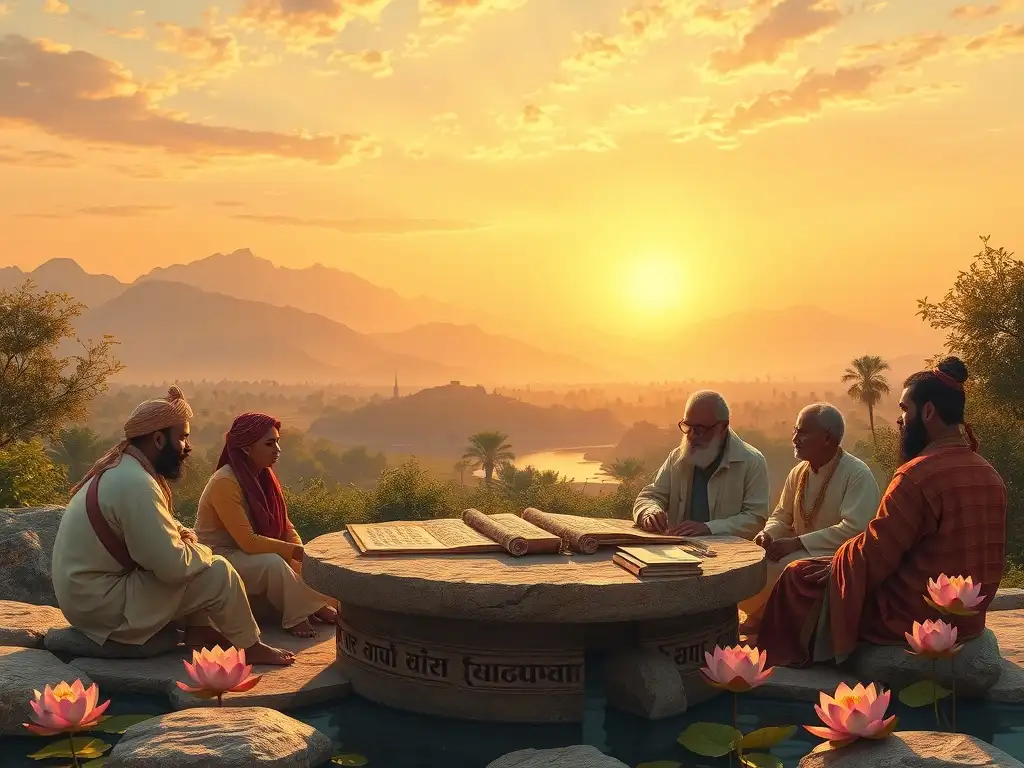
Overview of Ancient Indian Philosophy
Ancient Indian philosophy is a rich tapestry woven from various schools of thought, each contributing unique perspectives on existence, ethics, and the nature of reality. The foundations of this philosophical tradition can be traced back to the Vedas and Upanishads, but it was in Western India that several distinctive philosophical schools evolved, reflecting the region's cultural diversity and intellectual vigor.
These schools not only engaged with metaphysical questions but also addressed practical concerns, such as ethics, politics, and social order. The philosophical landscape of Western India was marked by interactions among different religions and ideologies, leading to a dynamic exchange of ideas that shaped the intellectual currents of ancient India.
The Role of Western India in Shaping Philosophical Thought
Western India played a pivotal role in the development of ancient Indian philosophy, serving as a melting pot for diverse thoughts and traditions. This region, encompassing present-day Gujarat, Maharashtra, and Rajasthan, became a hub for philosophical discourse due to its strategic location along trade routes and its flourishing cities.
- Cultural Interactions: The interaction between various communities, including traders, scholars, and religious practitioners, fostered an environment conducive to philosophical inquiry.
- Centers of Learning: Notable centers of learning, such as Ujjain and Vallabhi, emerged in Western India, attracting scholars and thinkers from across the subcontinent.
- Scriptural Contributions: Many philosophical texts and commentaries originating from this region contributed significantly to the broader corpus of ancient Indian literature.
The Charvaka Philosophy
The Charvaka philosophy, also known as Lokayata, represents one of the earliest materialistic philosophies in ancient India. This school of thought emerged in Western India, advocating for empirical observation and skepticism towards metaphysical claims.
- Core Beliefs:
- Materialism: Charvakas emphasized that only what can be perceived through the senses is real.
- Rejection of the Afterlife: They denied the existence of an afterlife, arguing that this life is the only one we have.
- Ethics: Their ethical teachings focused on the pursuit of happiness in the present, often summarized in the phrase “eat, drink, and be merry.”
- Influence: The Charvaka philosophy challenged prevalent religious doctrines and encouraged rational inquiry, influencing later philosophical developments in India.
Jain Philosophy and Its Texts
Jain philosophy, originating in Western India, is characterized by its emphasis on non-violence (ahimsa), truth (satya), and asceticism. The teachings of Mahavira, the last Tirthankara, laid the foundation for this philosophical tradition.
- Key Texts:
- Tattvartha Sutra: Considered a foundational text, it outlines the core principles of Jain philosophy, including the nature of reality and the path to liberation.
- Samayasara: Written by Acharya Kundakunda, this text delves into the nature of the soul and the importance of self-realization.
- Contributions to Literature: Jain literature is rich with metaphysical discussions, ethical treatises, and narratives that illustrate the principles of Jainism, contributing significantly to the overall landscape of ancient Indian literature.
Influence of Buddhism in Western India
Buddhism, which originated in the eastern part of India, found substantial support and development in Western India, particularly during the Maurya and Gupta periods.
- Philosophical Contributions:
- Concept of Anatta: The Buddhist doctrine of "non-self" (anatta) challenged the Hindu notion of a permanent soul (atman), promoting a more fluid understanding of identity.
- Ethical Framework: The Four Noble Truths and the Eightfold Path provided a practical approach to ethics, focusing on minimizing suffering and achieving enlightenment.
- Cultural Exchange: Western India became a significant center for Buddhist learning, with stupas and monastic complexes, such as those in Ajanta and Ellora, serving as important sites for philosophical discourse and artistic expression.
The contributions of Western India to ancient literature and philosophy are profound and multifaceted. The region's philosophical schools not only enriched the intellectual landscape of ancient India but also laid the groundwork for future philosophical explorations. Through materialistic, Jain, and Buddhist perspectives, Western India established a legacy of inquiry that continues to resonate in contemporary philosophical discussions.
Interconnections Between Literature and Philosophy in Western India
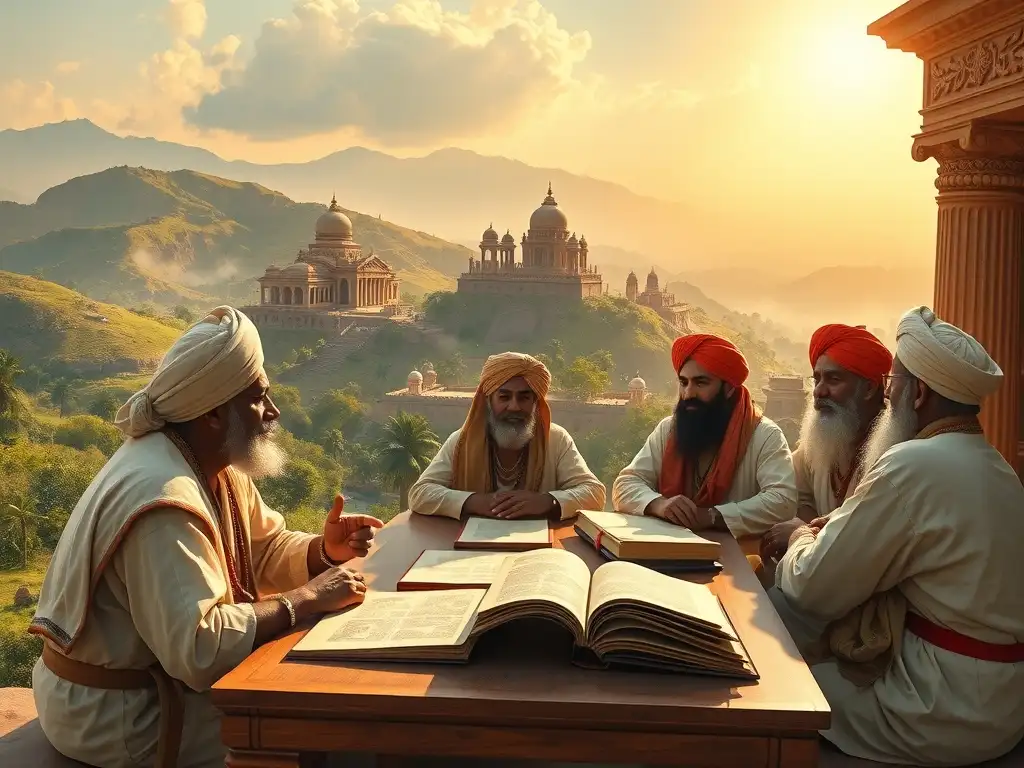
In Western India, literature and philosophy have long been intertwined, creating a rich tapestry of thought that reflects the region's diverse cultural heritage. The confluence of these two domains has allowed for the exploration of fundamental questions about existence, morality, and the nature of knowledge. This interconnection is evident in the works produced in this region, where literary forms served not only as entertainment but also as vehicles for profound philosophical discourse.
Literature as a Medium for Philosophical Ideas
The literature of Western India has often served as a medium for expressing philosophical ideas, facilitating the transfer of knowledge and wisdom across generations. Notable literary forms, such as poetry, prose, and drama, have been employed by thinkers and writers to encapsulate philosophical concepts.
- Poetry: Poets like Kalidasa used rich metaphors and allegorical narratives to convey complex philosophical themes, often drawing from nature and human experiences.
- Prose: The use of prose in historical texts and narratives provided a structured approach to discuss philosophical ideas, making them more accessible to the general populace.
- Drama: Plays were not only meant for performance but also served as platforms for discussing ethical dilemmas and social issues, reflecting philosophical inquiries relevant to the audience.
This dynamic interplay between literature and philosophy allowed for a broader engagement with philosophical thought, making it a crucial aspect of Western India's ancient intellectual landscape.
The Impact of Religious Texts on Literature
Religious texts have played a significant role in shaping the literary scene in Western India, influencing both the themes and styles of literature. The philosophical doctrines embedded within these texts have inspired countless literary works, providing a framework for understanding morality, ethics, and the nature of reality.
Vedic Texts and Their Literary Styles
The Vedic texts, which form the foundation of Indian philosophy, exhibit a variety of literary styles that reflect their complex nature. These texts are characterized by:
- Sanskrit Language: The use of sophisticated Sanskrit allowed for intricate expressions of thought and a nuanced exploration of philosophical ideas.
- Metaphorical Expressions: Many Vedic verses employ metaphors and allegories to convey their messages, making them rich sources for literary interpretation.
- Chants and Hymns: The poetic structure of Vedic hymns not only serves a liturgical purpose but also encapsulates philosophical inquiries about the cosmos, creation, and the relationship between humans and the divine.
As a result, the Vedic texts have profoundly influenced both the literary and philosophical traditions of Western India, paving the way for a deeper understanding of both domains.
Upanishads and Their Philosophical Underpinnings
The Upanishads represent a critical evolution in ancient Indian thought, offering profound philosophical insights that have permeated literature. Key features include:
- Philosophical Inquiry: The Upanishads engage in deep philosophical questions regarding the self (Atman), the ultimate reality (Brahman), and the nature of existence, which have inspired numerous literary works.
- Dialogical Form: Many Upanishadic texts employ a dialogical form, often featuring discussions between teachers and students, which has influenced narrative styles in literature.
- Symbolism: The rich symbolism found in the Upanishads has led to diverse interpretations in literature, allowing writers to explore complex ideas through storytelling.
The philosophical underpinnings of the Upanishads have significantly enriched the literary heritage of Western India, creating a legacy that continues to resonate through contemporary thought and literature.
The contributions of Western India to ancient literature and philosophy are marked by a profound interconnection that continues to inspire scholars and readers alike. Through various forms of expression, these ancient texts have shaped the intellectual landscape, influencing not only their contemporary society but also leaving a lasting impact on future generations.
The Legacy of Western India’s Ancient Literature and Philosophy
Western India, encompassing regions like Gujarat, Maharashtra, and Rajasthan, has played a pivotal role in shaping ancient Indian literature and philosophy. This region’s contributions are characterized by a rich tapestry of narratives, poetic forms, and philosophical discourse that have left an indelible mark on both Indian and global intellectual traditions.
The literature from this area is distinguished by its diversity, which includes not only religious texts but also secular writings that explore themes of love, valor, and morality. The merging of various cultures and languages in Western India has fostered a unique literary environment that has thrived for centuries, influencing countless authors and thinkers across different eras.
Influence on Later Indian Literature
The literary traditions from Western India have significantly influenced later Indian literature through various forms and genres. Notable influences include:
- Poetry: The works of poets like Tulsidas and Surdas, whose compositions were deeply rooted in the devotional traditions of the time, drew inspiration from earlier Western literary styles, particularly in their use of vernacular languages.
- Fables and Folklore: Collections such as the Panchatantra, although originally from the earlier periods, were enriched by the storytelling techniques and moral lessons prevalent in Western Indian narratives. These fables became a staple in Indian literature, emphasizing wisdom through simple yet profound tales.
- Drama and Performance: The Natya Shastra, an ancient treatise on drama by Bharata Muni, incorporated elements of Western Indian performance traditions. The influence of local themes and dance styles can be seen in classical Indian theatre, including the well-known Kathakali and Bharatanatyam.
- Prose: The emergence of historical narratives and biographies in Western India, particularly during the Medieval period, set the groundwork for future prose writers. Works like the Raja Rao’s “Kanthapura” reflect the narrative styles that originated from Western literary traditions.
These elements highlight how Western India’s ancient literature not only contributed to the local literary landscape but also served as a foundation for the evolution of broader Indian literature.
Contributions to Global Philosophy and Literature
The philosophical contributions of Western India are equally significant and have extended beyond borders, influencing global thought. Key contributions include:
- Jain Philosophy: The teachings of Jain thinkers like Mahavira emphasized non-violence (Ahimsa) and truth (Satya), concepts that resonate widely in both Eastern and Western philosophical discussions about ethics and morality.
- Buddhist Texts: The dissemination of Buddhist philosophy through Western Indian centers, particularly in Gujarat, played a crucial role in shaping philosophical discussions across Asia. Texts like the Dhammapada and Sutras were instrumental in spreading ideas about mindfulness and compassion.
- Influence on Western Thinkers: The ancient texts from Western India, such as the Upanishads, have been studied by various Western philosophers and scholars, including Arthur Schopenhauer and Carl Jung, who recognized their profound insights into the nature of existence and consciousness.
- Literary Exchanges: The flourishing trade routes connecting Western India with the Middle East and Europe facilitated cultural exchanges, allowing for the sharing of literary and philosophical ideas. This exchange contributed to the development of global literature and philosophy, enriching the intellectual heritage of multiple civilizations.
The philosophical depth and literary richness of Western India have therefore played an essential role in shaping not only Indian thought but also the broader global intellectual landscape.
Conclusion: The Enduring Impact of Western India's Ancient Contributions
The contributions of Western India to ancient literature and philosophy are profound and enduring. This region's unique blend of cultural influences has produced a wealth of literary and philosophical works that continue to resonate today.
As we reflect on the Western India ancient literature contributions, it is essential to recognize how they have laid the groundwork for subsequent literary developments across India and have influenced global philosophical discourse. The legacy of Western Indian literature and philosophy is not just a part of ancient history; it remains a vital thread in the fabric of contemporary literature and thought, inspiring new generations to explore and appreciate the richness of this heritage.
The legacy of Western India’s ancient contributions is a testament to the region's vibrant intellectual history and its lasting impact on the world.
References and Further Reading on Western Indian Ancient Literature Contributions
To gain a deeper understanding of Western India's contributions to ancient literature and philosophy, the following references and further reading materials are highly recommended:
- Books:
- The Literary Heritage of India by S. R. Sharma: This comprehensive work delves into various regional literatures, including a detailed exploration of Western Indian texts and their significance in the broader context of Indian literature.
- Philosophy in Ancient India: A Historical and Comparative Perspective by A. K. Banerjee: This book offers insights into the philosophical traditions that emerged in Western India, highlighting key thinkers and texts that shaped the region's intellectual landscape.
- Academic Journals:
- Indian Literature: This journal frequently publishes articles and research papers focusing on various aspects of Indian literature, with occasional special issues dedicated to regional contributions, including those from Western India.
- Journal of Indian Philosophy: A scholarly periodical that explores philosophical ideas from ancient India, often featuring articles on Western Indian philosophers and their works.
- Online Resources:
- Digital Libraries: Websites like Project Gutenberg and the Internet Archive host a range of ancient texts and translations, including works from Western India that can be accessed freely.
- Scholarly Databases: JSTOR and Google Scholar provide access to numerous articles and studies on Western Indian literature and philosophy, allowing for in-depth research.
- Theses and Dissertations:
- Many universities have repositories where you can find dissertations focusing on specific aspects of Western Indian literature. These works often include extensive bibliographies that can guide further reading.
- Cultural Institutions:
- Institutions such as the Asiatic Society of Mumbai and the Bhandarkar Oriental Research Institute have extensive archives and publications related to the literature and philosophy of Western India.
By exploring these resources, readers can develop a nuanced understanding of how Western India has enriched the tapestry of ancient Indian literature and philosophy. These references not only provide historical context but also illuminate the lasting impacts of these contributions on contemporary thought and literature.
Frequently Asked Questions
What are the main contributions of Western India to ancient literature?
Western India is known for its diverse literary works, including poetry, dramas, and philosophical texts. Notable contributions include the Sanskrit plays and regional languages that enriched Indian literature.
How did Western Indian thinkers influence philosophy?
Western Indian thinkers, particularly during the Gupta Empire, contributed significantly to Indian philosophy. They explored concepts like metaphysics, ethics, and epistemology, integrating local traditions with broader philosophical ideas.
What languages were prominent in Western Indian literature?
In ancient times, Sanskrit was widely used for literary and philosophical works. Additionally, Prakrit and Apabhramsha emerged as important languages, showcasing the linguistic diversity of the region.
Prominent authors include Kalidasa, known for his poetry and plays, and Bhasa, who is credited with several Sanskrit dramas. Their works have had a lasting impact on Indian literature.
How did Western India's literature reflect its culture?
The literature from Western India often reflects its rich cultural heritage, including themes of mythology, social norms, and spirituality. This cultural representation provides insights into the values and beliefs of ancient Indian society.
Final Reflection: Celebrating the Legacy of Western India's Ancient Literature Contributions
The profound impact of Western India's contributions to ancient literature and philosophy remains strikingly relevant today. As we navigate a world increasingly defined by cultural exchanges and the quest for wisdom, the rich tapestry of thought and creativity woven by the scholars and poets of Western India serves as a guiding light. Their works not only shaped the intellectual landscape of their time but continue to inspire contemporary discourse, reminding us of the timeless nature of knowledge and expression.
The legacy of Western India's ancient literature is not merely a historical footnote; it is a living testament to the power of ideas and narratives. These contributions have influenced countless generations, fostering a deep appreciation for literature and philosophy across cultures. As we reflect on this enduring impact, we are reminded of the words of the great poet Kalidasa: The earth is a beautiful place, and the beauty of its inhabitants is reflected in their words.
This sentiment encapsulates the essence of how literature can bridge divides and enrich our understanding of the human experience.
As we conclude this exploration, I invite you to reflect on how the insights gained from Western India's ancient literature can enrich your own life. Consider how you can engage with these timeless ideas, whether through reading, writing, or sharing with others. Embrace the opportunity to connect with this rich heritage and let it inspire your own journey of discovery and expression. The legacy of Western India is not just a story of the past; it is a call to action for all of us to contribute to the ongoing dialogue of culture and thought.
Unveil the Richness of Western India's Literary Legacy!
Thank you for exploring the captivating world of Western India's contributions to ancient Indian literature and philosophy! We hope you’ve gained valuable insights into the remarkable intellectual heritage of this vibrant region. Now, it’s time to take your newfound knowledge further. Here are a few practical steps you can take to deepen your exploration:
- Dive into a classic text from renowned Western Indian scholars such as Kalidasa or Dnyaneshwar, and reflect on how their ideas resonate in today's context.
- Share this article with friends or fellow literature enthusiasts to spark discussions about the impact of these ancient thinkers.
- Join a local or online book club that focuses on Indian literature to connect with others who share your passion and foster collaborative learning.
What aspect of Western Indian philosophy or literature intrigues you the most, and how do you believe it shapes our understanding of modern thought?