
How Western Indian Folk Music Reflects Ancient Cultural Heritage

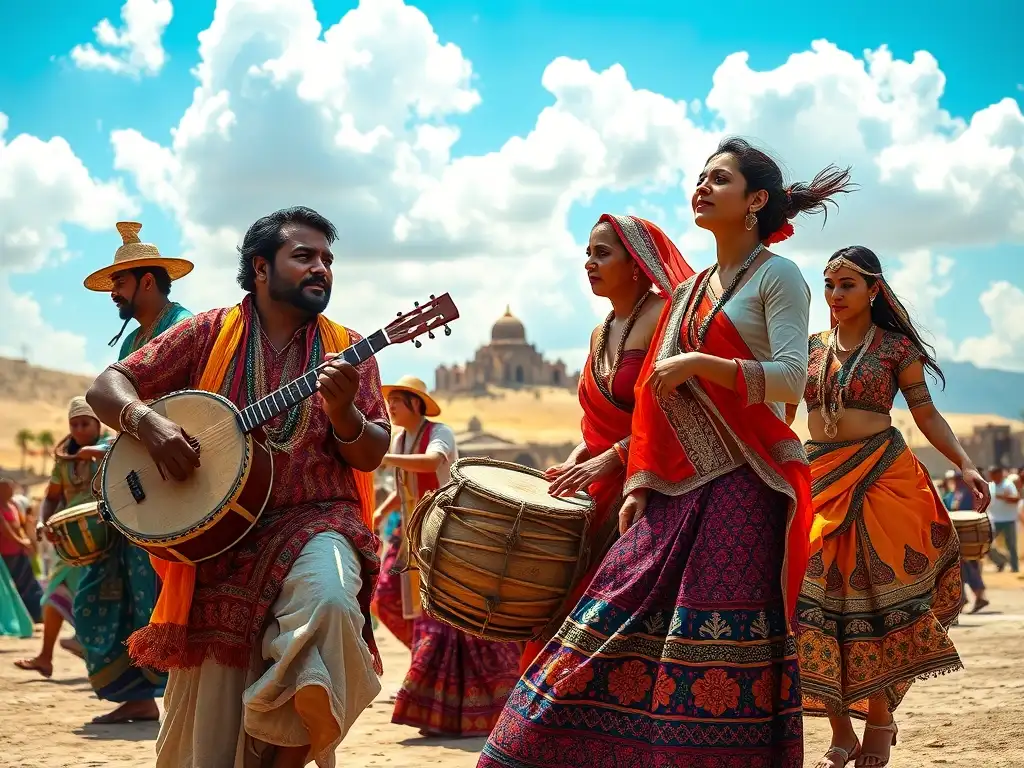
Welcome to Ancient India History, where we embark on a fascinating journey through the rich tapestry of ancient Indian civilizations. In this exploration, we invite you to discover the intriguing connections between Western Indian folk music heritage and the vibrant cultural legacies of the past. How does the rhythm of traditional melodies echo the stories of ages gone by?
Join us as we delve into the enchanting world of music that not only entertains but also preserves the essence of a rich cultural heritage. Prepare to be captivated, and let the melodies of history guide your curiosity further into our regional histories!
- Introduction to Western Indian Folk Music Heritage
- Historical Context of Western Indian Folk Music
- Key Elements of Western Indian Folk Music
- Regional Variations of Folk Music in Western India
- The Impact of Western Indian Folk Music on Modern Culture
- Conclusion: The Enduring Legacy of Western Indian Folk Music Heritage
- Frequently Asked Questions
- Final Reflection: Embracing the Echoes of Western Indian Folk Music Heritage
- Unveil the Rich Tapestry of Western Indian Folk Music!
Introduction to Western Indian Folk Music Heritage
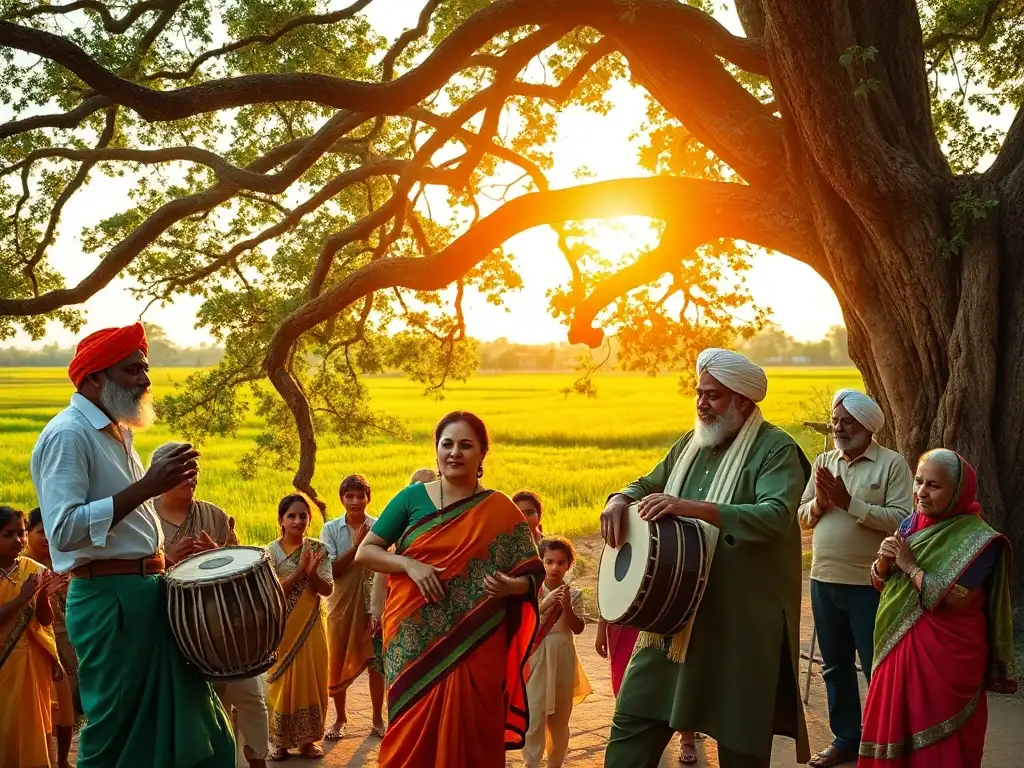
Exploring the rich tapestry of Western Indian folk music heritage unveils a captivating journey through the diverse cultures and traditions that have flourished in this region. This music is not merely a form of entertainment; it is a vital expression of the community’s history, values, and beliefs, deeply intertwined with the lifestyles of the people.
From the melodious strains of the Indus Valley to the rhythmic beats of the Gupta Empire, Western Indian folk music embodies the essence of ancient cultural heritage. Through this exploration, we will delve into its definition, significance, and the ancient influences that continue to shape this vibrant musical landscape.
Definition of Western Indian Folk Music
Western Indian folk music encompasses a wide variety of musical styles and traditions originating from the western states of India, including Gujarat, Maharashtra, Rajasthan, and parts of Madhya Pradesh. Characterized by its regional diversity, folk music in this area is often performed at festivals, weddings, and community gatherings.
- Key characteristics include:
- Instruments: Traditional instruments such as the dhol, harmonium, and sarangi are commonly used.
- Themes: Lyrics often revolve around folklore, love, spirituality, and daily life.
- Styles: Various forms like Garba, Dandiya, Lavani, and Ghoomar highlight the regional nuances.
The melodies and rhythms of Western Indian folk music not only reflect local traditions but also serve as a repository of collective memory, preserving stories and practices passed down through generations.
Significance of Folk Music in Cultural Heritage
Folk music plays a pivotal role in the cultural heritage of Western India, acting as both a historical record and a medium for social cohesion. Its significance can be outlined as follows:
- Cultural Identity: Folk music fosters a sense of belonging and pride within communities, allowing individuals to connect with their roots and heritage.
- Preservation of Traditions: Many folk songs encapsulate ancient customs, rituals, and lifestyles, ensuring that they are preserved for future generations.
- Social Commentary: Folk music often serves as a reflection of societal issues, providing a platform for voices that might otherwise go unheard.
Through these functions, folk music not only enriches the cultural landscape but also bridges the gap between the past and the present, ensuring that ancient practices remain relevant in contemporary society.
Overview of Ancient Cultural Influences in Western India
The origins of Western Indian folk music can be traced back to various ancient cultures and civilizations that have left an indelible mark on the region. Key influences include:
- Indus Valley Civilization: The earliest forms of musical expression can be linked to this civilization, where archaeological findings suggest the presence of musical instruments and artistic expressions related to music.
- Vedic Traditions: The Vedic texts highlight the importance of music in rituals and ceremonies, which have evolved into folk traditions over time.
- Mughal Influence: The arrival of Mughal rulers introduced new musical forms and instruments, which were assimilated into local folk traditions, resulting in a rich blend of styles.
The heritage of Western Indian folk music is a vibrant tapestry woven from the threads of ancient civilizations, showcasing the enduring legacy of cultural exchanges that have shaped the region's identity over millennia. The exploration of this heritage provides invaluable insights into the lives and beliefs of the people who have called Western India home throughout history.
Historical Context of Western Indian Folk Music
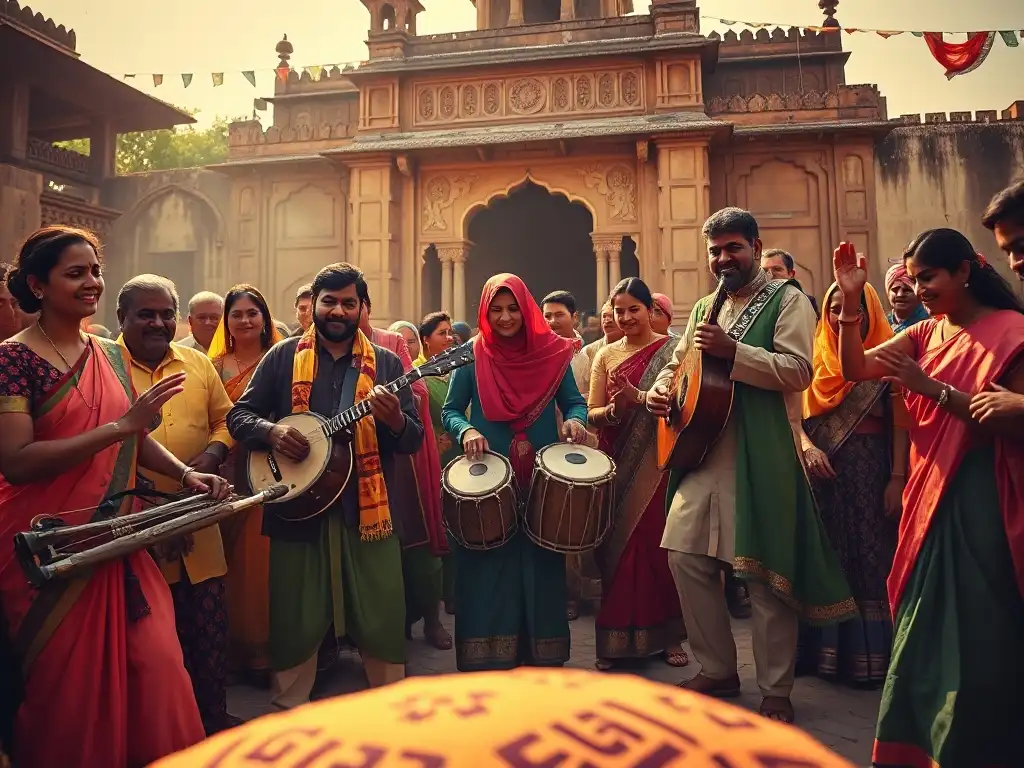
The rich tapestry of Western Indian folk music heritage is deeply interwoven with the historical developments and cultural practices of ancient civilizations in the region. Exploring the roots of this musical tradition reveals a fascinating journey that reflects the socio-political and cultural dynamics of the time. This section delves into the ancient civilizations that shaped musical practices and the societal roles that music played.
Ancient Civilizations and Their Musical Traditions
Indus Valley Civilization and Early Musical Practices
The Indus Valley Civilization, flourishing around 2500 BCE, is one of the earliest known urban cultures in Western India. Archaeological findings, such as figurines of musicians and musical instruments like the drum and flute, suggest that music played a significant role in their daily lives and rituals.
- Instruments Identified:
- Drums: Often made from animal skin, these were likely used in both celebratory and ritual contexts.
- Flutes: Crafted from bamboo, flutes indicate a sophisticated understanding of melodies and harmonies.
Music in the Indus Valley was not merely an art form; it was intertwined with spiritual practices and communal gatherings. It served as a medium for expressing emotions, celebrating harvests, and fostering community ties.
Influence of Vedic Traditions on Folk Music
Following the decline of the Indus Valley Civilization, the Vedic era (circa 1500–500 BCE) introduced a new cultural paradigm that greatly influenced the folk music heritage of Western India. The Vedas, ancient sacred texts, emphasized the significance of sama (melodic chanting) in religious rituals.
- Key Contributions:
- Chants and Hymns: The recitation of Vedic hymns laid the foundation for various musical forms, promoting melodic structures that would later permeate folk traditions.
- Musical Notation: The early forms of musical notation were developed during this period, aiding in the preservation and transmission of musical knowledge.
The integration of Vedic chants into local folk practices enriched the musical landscape, fostering a tradition that reflected both the spiritual and cultural values of the time.
The Role of Music in Ancient Societal Structures
Music as a Tool for Storytelling and Oral Tradition
In ancient Western Indian societies, music was a vital tool for storytelling, serving as a medium for passing down historical narratives and mythological tales. Oral traditions thrived, with musicians acting as custodians of cultural heritage.
- Storytelling Techniques:
- Ballads and Songs: Folk songs often narrated tales of heroism, love, and moral lessons, making them accessible to all members of society.
- Performance Contexts: Music was performed during festivals, gatherings, and community events, reinforcing social bonds and collective identity.
This oral tradition not only preserved historical events but also adapted to contemporary societal changes, ensuring the continuity of cultural expressions through generations.
Rituals and Ceremonies: A Musical Perspective
Music played an essential role in rituals and ceremonies, reinforcing cultural values and spiritual beliefs in ancient Western India. From birth celebrations to funeral rites, music provided a profound emotional backdrop.
- Types of Ceremonial Music:
- Religious Functions: Songs and chants were integral to worship, invoking divine blessings and facilitating spiritual connections.
- Rites of Passage: Life-cycle events were marked with musical performances, highlighting the significance of these transitions within the community.
The intertwining of music with rituals underscored its importance in shaping the spiritual and communal identity of ancient societies, reflecting a rich legacy that continues to resonate in contemporary Western Indian folk music heritage.
Key Elements of Western Indian Folk Music
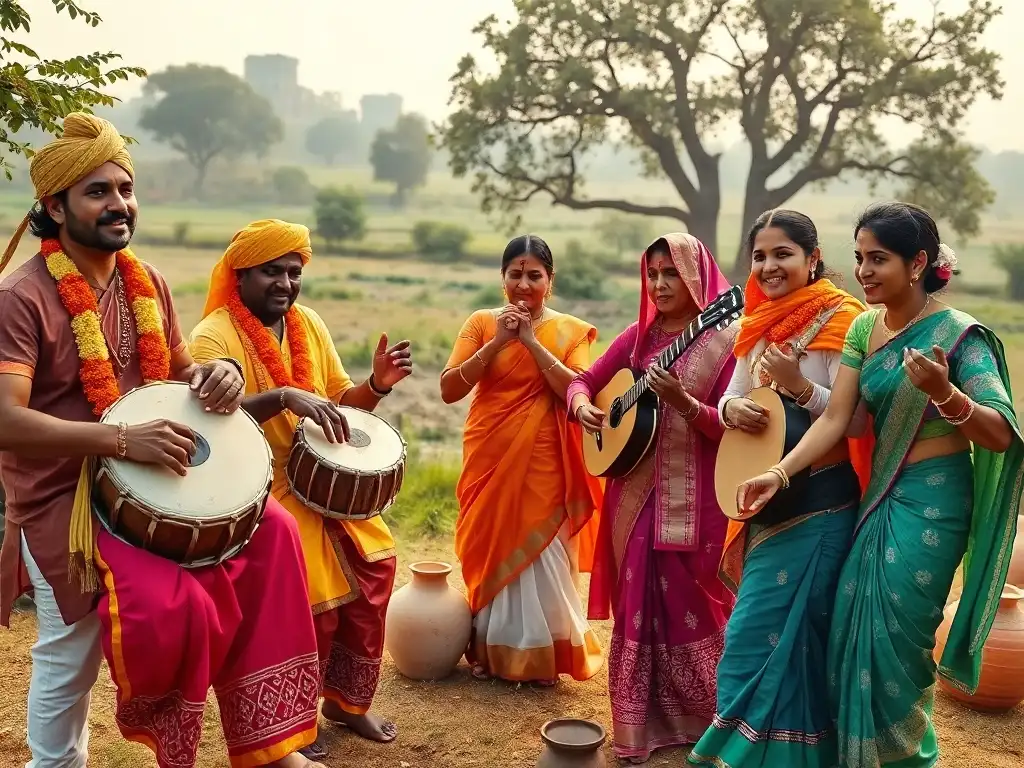
Western Indian folk music is a vibrant expression of the region's cultural heritage, deeply intertwined with its history, traditions, and social practices. This genre encompasses a variety of styles and forms, each reflecting the diverse communities and their unique narratives. The rich tapestry of Western Indian folk music heritage is composed of various elements, including traditional instruments, thematic lyrics, and cultural contexts that contribute to its distinct identity.
Instruments Commonly Used in Western Indian Folk Music
Traditional Instruments and Their Cultural Significance
In Western Indian folk music, several traditional instruments play a crucial role in shaping the sound and feel of the music. Some of these instruments include:
- Dhol: A double-headed drum that is quintessential in folk performances, particularly during celebrations and festivals. Its rhythmic beats energize the audience, making it a staple in folk dances.
- Taal: A pair of hand-played cymbals, often used in conjunction with the dhol. The taal adds a melodic layer to the percussion, enhancing the overall musical experience.
- Madal: A hand drum from the region, similar to the dhol, but with a softer tone. It is commonly used in devotional and folk songs, representing spiritual themes.
- Bansuri: A bamboo flute that produces soothing melodies, often used to evoke emotions in folk songs. The bansuri is emblematic of pastoral life and is associated with love and nature.
- Ghunghroo: A set of ankle bells worn by dancers that accompanies folk music performances, adding a distinctive jingling sound that enhances the rhythm.
These instruments are not merely tools for music; they carry profound cultural significance. They are often passed down through generations and are integral to community gatherings, rituals, and celebrations.
Evolution of Musical Instruments Over Time
The evolution of instruments used in Western Indian folk music reflects broader sociocultural changes. Traditionally handmade from local materials, many instruments have undergone modifications due to modernization and the influence of technology. For example, while wooden and clay instruments dominated earlier forms, contemporary musicians may incorporate metal or synthetic materials to enhance durability and sound quality.
Moreover, the advent of electronic instruments has introduced new dimensions to traditional folk music, allowing artists to blend genres and experiment with sound. However, there remains a strong emphasis on preserving traditional craftsmanship and techniques, ensuring that the essence of Western Indian folk music heritage is maintained even as it evolves.
Themes and Lyrics in Western Indian Folk Songs
Connection to Daily Life and Seasonal Changes
The themes prevalent in Western Indian folk songs often mirror the daily lives of the people and their connection to the natural world. Songs celebrating agriculture, monsoon seasons, and harvest festivals are particularly prominent. For instance, Rajasthani folk songs often highlight the significance of water during the dry months and the joy of bountiful harvests during the rainy season.
Folk lyrics frequently incorporate regional dialects, making them relatable to local audiences. The simplicity and directness of the language used in these songs resonate with the everyday experiences of the listeners, reinforcing the bond between the music and the community.
Reflection of Historical Events and Legends
Western Indian folk music also serves as a repository of historical narratives and legends. Many songs recount tales of local heroes, battles, and significant events that shaped the region's history. For example, the folk songs of Gujarat often celebrate the valor of historical figures such as Rani Rudrama Devi, weaving her legacy into the fabric of local culture.
These narratives are not only entertaining but also educational, preserving the memories of past events and instilling a sense of pride in the cultural heritage of Western India. Through storytelling, folk music becomes a powerful tool for cultural transmission, ensuring that the lessons and values of the past continue to inform contemporary society.
The rich and diverse heritage of Western Indian folk music is a dynamic interplay of instruments, themes, and narratives that reflect the region's cultural identity. By celebrating its unique elements, we gain a deeper understanding of the historical and social contexts that shape this vibrant musical tradition.
Regional Variations of Folk Music in Western India
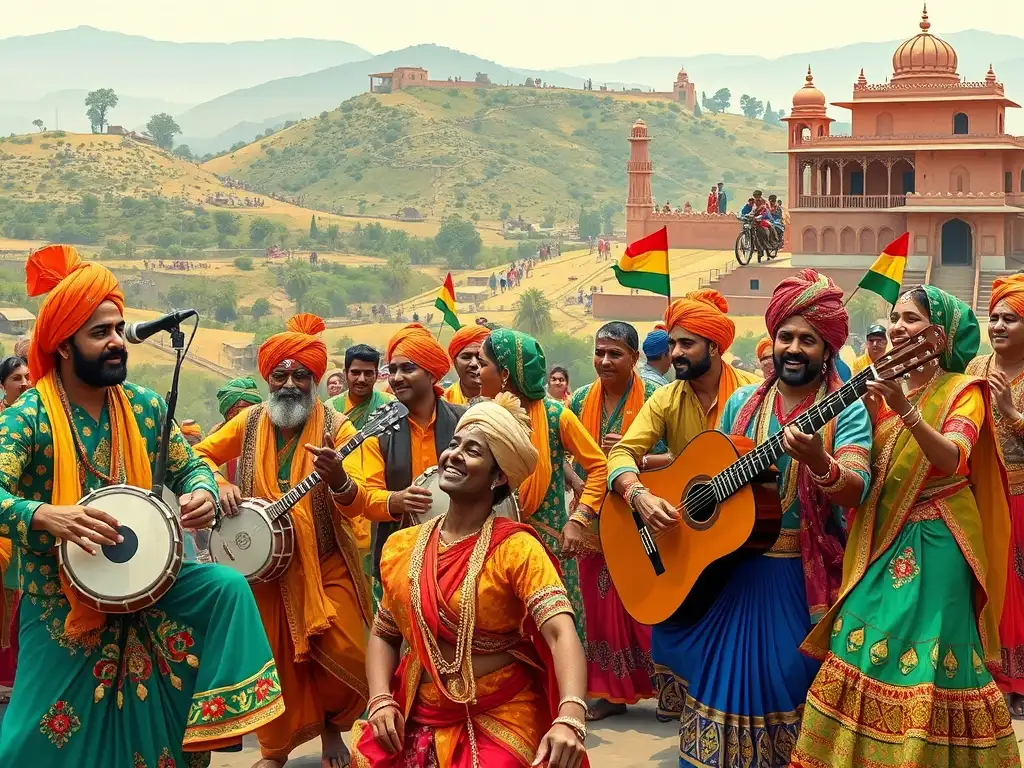
Western Indian folk music heritage is a vibrant tapestry woven from the diverse cultural influences and traditions of the region. Each state in Western India boasts its unique musical styles, instruments, and themes that reflect the local history, lifestyle, and cultural practices. Understanding these regional variations offers insights into how folk music has preserved and transformed ancient cultural expressions over time.
Folk Music from Gujarat: Characteristics and Influences
Gujarat's folk music is rich in rhythm and melody, often characterized by its lively beats and colorful performances. The most prominent forms of folk music include Garba and Dandiya Raas, which are integral to festivals such as Navratri.
- Garba is accompanied by clapping, and its themes often revolve around devotion, love, and nature. The use of traditional instruments like the dhol (drum) and surdar (a type of tambourine) enhances the energetic atmosphere.
- Dandiya Raas involves dance with sticks and is performed in a circular formation, symbolizing community and togetherness.
The influence of Bhakti movement can be seen in the devotional songs dedicated to deities like Krishna and Durga. Additionally, the Gujarati folk music heritage incorporates influences from neighboring regions and cultures, creating a distinctive sound that resonates with the community's spirit.
Rajasthan: The Land of Colorful Folk Traditions
Rajasthan is renowned for its traditional folk music, which is deeply intertwined with its rich cultural heritage and vibrant customs. The music of Rajasthan is characterized by its storytelling nature and often reflects the tales of valor, love, and the struggles of the local communities.
Key forms of Rajasthani folk music include:
- Ghoomar: A traditional dance form performed by women, often accompanied by soulful songs that narrate the tales of the region.
- Kesariya Balam: A song that is synonymous with the region, often sung by the Langas and Manganiyars, who are known for their exceptional vocal talents.
Instruments such as the sarangi, dholak, and morchang play a vital role in Rajasthani folk music, adding depth to its sound. The vibrant costumes and the colorful performances make Rajasthani folk music a visual as well as an auditory delight, showcasing the state's cultural exuberance.
Maharashtra: A Blend of Musical Styles
Maharashtra's folk music is a blend of various influences, reflecting the state's diverse communities and traditions. The music of Maharashtra is characterized by its lyrical richness and diverse themes, ranging from daily life to festive celebrations.
Prominent forms of Maharashtra's folk music include:
- Lavani: This energetic dance form is known for its fast-paced rhythms and is often performed by women, expressing themes of love and social issues.
- Tamasha: A theatrical form of folk music that combines drama, dance, and music, often portraying social narratives and folklore.
The use of local instruments like the tasha and dholki is common, creating a lively atmosphere during performances. The blending of various musical styles, including influences from Bhakti and Sufi traditions, enriches the folk music heritage of Maharashtra, making it a significant part of the region's cultural identity.
The Western Indian folk music heritage is a reflection of the region's rich cultural tapestry, where each state's unique characteristics and influences come together to create a vibrant musical landscape. Through its diverse forms and themes, folk music continues to serve as a crucial link to the history and traditions of ancient Indian civilizations.
The Influence of Tribal Music on Regional Folk Genres
Western Indian folk music is deeply intertwined with the region's tribal traditions, reflecting a rich tapestry of cultural heritage. The tribal communities of this area, such as the Bhils, Gonds, and Warli, have their own unique musical styles that significantly influence various regional folk genres. This influence can be observed in the instrumentation, themes, and performance practices that define Western Indian folk music.
The tribal music of Western India often utilizes indigenous instruments made from locally sourced materials, such as the dhol, nagada, and bansuri. These instruments are not only vital for creating rhythm and melody but also hold cultural significance, often being associated with specific rituals and ceremonies. For instance, the dhol is commonly used in tribal festivals and celebrations, serving as a bridge between the community and its ancestral traditions.
The themes of tribal music frequently revolve around nature, mythology, and everyday life, echoing the spiritual connection that tribal communities have with their surroundings. Songs often celebrate the changing seasons, agricultural practices, and social events, providing a vivid narrative that captures the essence of tribal life. This thematic richness resonates strongly within regional folk genres, where similar motifs can be found, illustrating the shared cultural roots.
Moreover, the performance practices of tribal music have also made a profound impact on Western Indian folk music. Many folk genres incorporate dance elements that are inspired by tribal rituals, creating dynamic and visually captivating performances. For example, the energetic movements seen in the Garba dance of Gujarat can be traced back to tribal traditions that celebrate community and togetherness.
As Western Indian folk music continues to evolve, the influence of tribal music remains a cornerstone of its identity. By preserving these ancient musical traditions, contemporary folk artists pay homage to the cultural heritage that has shaped the region's musical landscape. This ongoing dialogue between tribal and regional folk music not only enriches the artistic expression of Western India but also ensures that its diverse cultural history remains alive for future generations.
The Impact of Western Indian Folk Music on Modern Culture
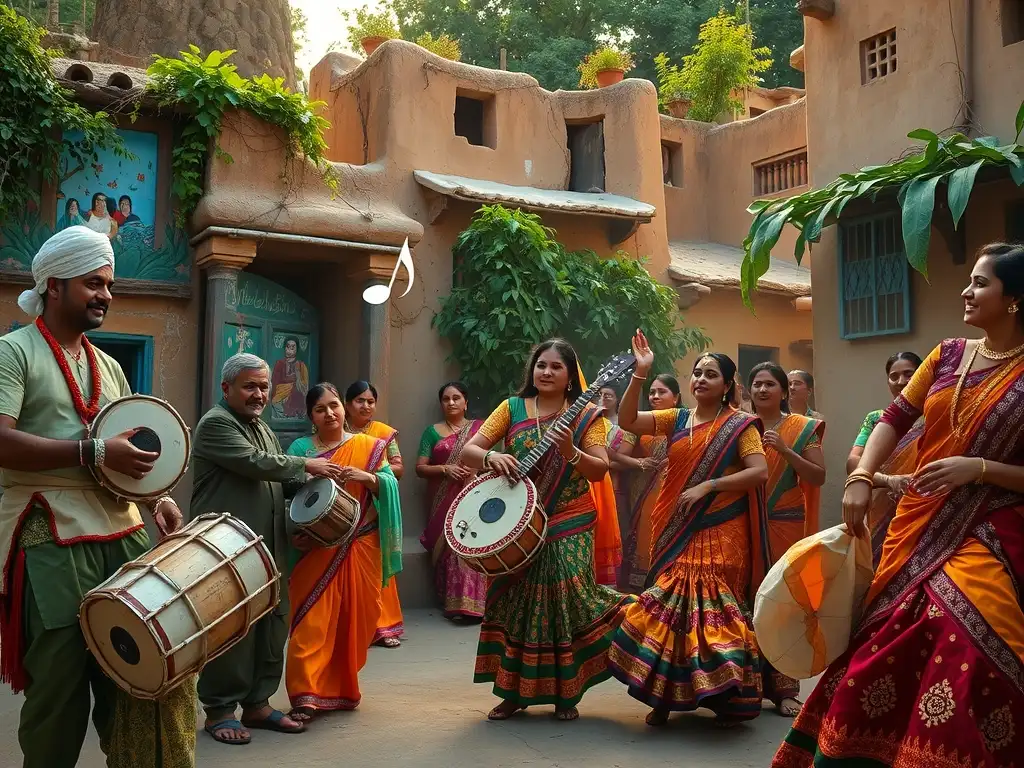
Preservation of Ancient Musical Traditions in Contemporary Society
Western Indian folk music heritage is deeply rooted in the ancient cultural tapestry of the region. The preservation of these musical traditions is crucial for maintaining a connection to the past, and this endeavor has manifested in various ways.
One significant aspect of this preservation is the documentation of folk songs and styles by ethnomusicologists and cultural organizations. For instance, the Rajasthan Folk Music Project has collected and archived numerous folk songs, ensuring that they are not lost to time. Additionally, local artists and musicians frequently perform these songs at cultural events, keeping the traditions alive.
Moreover, educational institutions are increasingly incorporating folk music into their curriculum. Music schools often teach traditional instruments like the dholak and sarangi, allowing students to engage with the music on a deeper level. This not only nurtures new talent but also reinforces the value of these ancient traditions in modern society.
- Key Efforts in Preservation:
- Documentation of folk songs
- Performance at cultural events
- Inclusion in educational curricula
The revival of interest in folk music can also be attributed to the rise of digital platforms. Many artists share their music online, reaching a broader audience and fostering a renewed appreciation for Western Indian folk traditions.
Fusion of Traditional and Modern Music Styles
The evolution of Western Indian folk music heritage has led to an exciting fusion of traditional and modern music styles. Contemporary artists are increasingly blending folk elements with genres like pop, rock, and electronic music. This fusion not only makes the music more accessible to younger audiences but also revitalizes traditional sounds.
Artists such as Gurmeet Singh and Rajasthani folk fusion bands have successfully incorporated modern instruments and production techniques while retaining the essence of folk music. For example, the use of synthesizers alongside traditional instruments like the morchang creates a unique sound that resonates with both traditionalists and modern listeners.
This blending of styles has fostered a vibrant music scene, leading to the creation of new genres and sub-genres that celebrate the rich heritage of Western Indian folk music. The impact of this fusion is evident in popular music festivals, where artists perform innovative interpretations of traditional folk songs, drawing large crowds and engaging diverse audiences.
- Examples of Fusion:
- Gurmeet Singh's incorporation of electronic elements
- Rajasthani folk fusion bands blending traditional and modern styles
This trend not only highlights the adaptability of folk music but also emphasizes its relevance in today’s global music landscape, allowing it to thrive alongside contemporary genres.
Role of Folk Music in Festivals and Cultural Celebrations
Western Indian folk music heritage plays an integral role in various festivals and cultural celebrations across the region. These events, deeply rooted in local customs and traditions, often feature folk music as a central element, reflecting the community's identity and values.
Folk music is particularly prominent during festivals such as Navratri, where traditional dances like Garba and Dandiya Raas are accompanied by lively folk tunes. These performances not only entertain but also serve as a means of cultural expression, allowing participants to connect with their heritage.
In addition to religious festivals, local fairs and community gatherings also showcase folk music. For example, the Pushkar Camel Fair features folk musicians who attract visitors with their vibrant performances, creating an atmosphere that celebrates Western India's cultural richness.
- Significance of Folk Music in Festivals:
- Enhances the festive atmosphere
- Fosters community bonding
- Serves as a vehicle for cultural expression
Furthermore, the intergenerational transmission of folk songs during these celebrations ensures that the knowledge and appreciation of Western Indian folk music heritage continue to thrive. Through these cultural practices, folk music remains a living tradition, adapting to contemporary contexts while preserving its historical roots.
Conclusion: The Enduring Legacy of Western Indian Folk Music Heritage
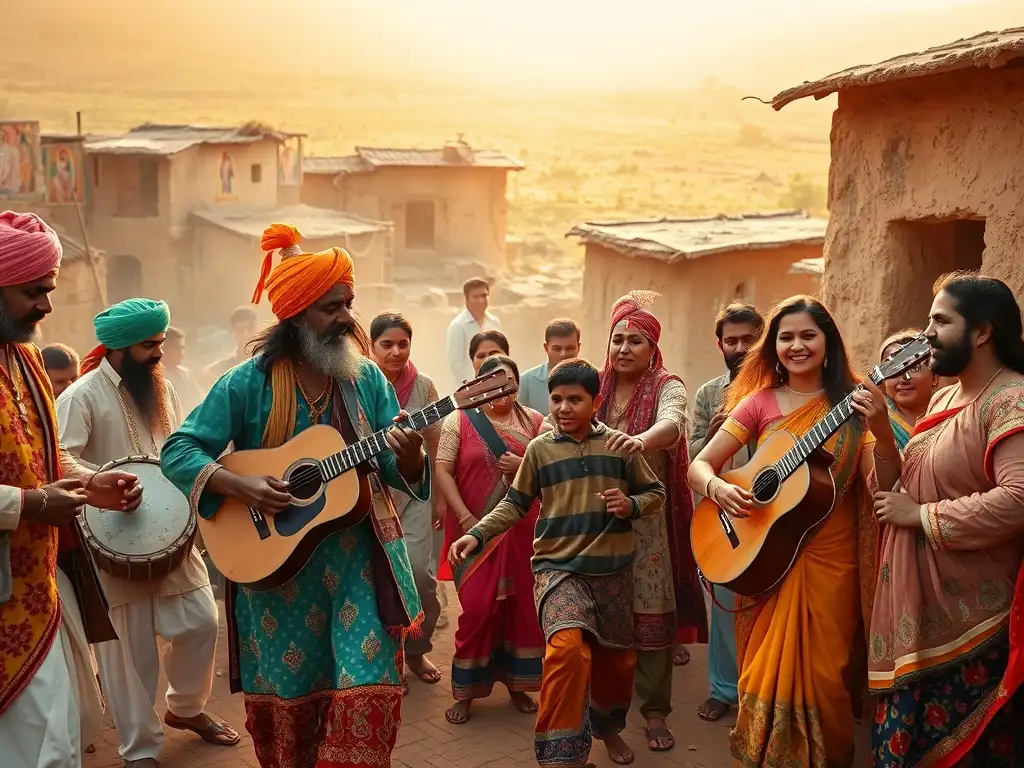
Western Indian folk music heritage is a profound reflection of the region's diverse cultural tapestry. Through its melodies, rhythms, and lyrics, this musical tradition encapsulates the historical narratives, social values, and communal identities of the people. From the poignant ballads of the Bhil community to the vibrant Garba and Dandiya Raas, folk music serves as a vehicle for storytelling, celebrating festivals, and preserving age-old customs. The intricate relationship between folk music and the socio-cultural landscape of Western India underlines its importance as a living heritage that continues to thrive.
Summary of Cultural Significance
The cultural significance of Western Indian folk music extends beyond mere entertainment; it represents a repository of the region's history and values. Each genre, whether it be the soulful narratives of the Lavani or the rhythmic beats of the Bhavai, is imbued with meanings that reflect the community's experiences and beliefs. For instance, the Ghoomar dance from Rajasthan is not just a performance but a celebration of femininity and community, often performed during weddings and festivals, emphasizing the role of women in preserving cultural traditions.
Moreover, folk music has been instrumental in the preservation of languages and dialects unique to various tribes and communities. The integration of local dialects into lyrics fosters a sense of pride and identity among the youth, ensuring that these languages are passed down through generations.
Future Prospects for Western Indian Folk Music Preservation
The future of Western Indian folk music heritage faces both challenges and opportunities. Urbanization and globalization pose significant threats, as younger generations are increasingly drawn to contemporary music forms, leading to a gradual decline in traditional practices. However, there is a growing movement towards reviving and preserving these musical traditions.
Efforts are being made through:
- Cultural Festivals: Events like the Rajasthan International Folk Festival and the Saptak Festival in Gujarat showcase folk artists and provide a platform for them to share their music with wider audiences.
- Educational Programs: Institutions are beginning to include folk music studies in their curricula, educating students about the historical and cultural contexts of these traditions.
- Digital Platforms: Social media and streaming services are being utilized to reach broader audiences, allowing folk musicians to share their work and gain recognition.
Call to Action: Engaging with and Supporting Folk Music Traditions
Preserving Western Indian folk music heritage requires collective effort and active participation from both individuals and communities. Here are some ways to engage with and support these traditions:
- Attend Local Performances: Participate in folk music events and festivals to experience the vibrancy of these traditions firsthand.
- Support Local Artists: Purchase music from folk artists, attend their shows, and promote their work within your networks.
- Educate Others: Share knowledge about the importance of folk music heritage in your community, encouraging discussions that foster appreciation for these art forms.
- Volunteer: Get involved with organizations dedicated to the preservation of folk music. Your time and efforts can contribute significantly to sustaining these rich cultural practices.
By actively engaging with and supporting Western Indian folk music heritage, we can ensure that future generations inherit a legacy that is as rich and diverse as the history it represents.
Frequently Asked Questions
What is Western Indian folk music heritage?
Western Indian folk music heritage encompasses the traditional musical styles, instruments, and practices originating from the western regions of India, including states like Maharashtra, Gujarat, and Rajasthan.
How does folk music reflect ancient cultural heritage?
Folk music serves as a living expression of ancient traditions, stories, and community values, often preserving historical events and cultural practices through song and dance.
What role do instruments play in Western Indian folk music?
Instruments such as the dhol, tabla, and sarangi are integral to Western Indian folk music, providing unique sounds that complement the lyrical narratives and emotional expressions of the songs.
Can folk music be considered a form of cultural identity?
Yes, folk music is a crucial aspect of cultural identity, helping communities maintain a connection to their heritage while also promoting social cohesion through shared musical experiences.
How has Western Indian folk music evolved over time?
Western Indian folk music has evolved by incorporating influences from various cultural exchanges, modern genres, and technological advancements, while still retaining its traditional roots.
Final Reflection: Embracing the Echoes of Western Indian Folk Music Heritage
The intricate tapestry of Western Indian folk music heritage is not just a relic of the past; it is a living testament to the resilience and vibrancy of cultural expression in today's world. As we navigate an increasingly globalized society, the melodies and rhythms that have been passed down through generations remind us of our roots and the diverse narratives that shape our identities. The enduring relevance of this music serves as a powerful reminder that cultural heritage is not merely a historical artifact but a dynamic force that continues to influence contemporary art and social movements.
The impact of Western Indian folk music on our cultural landscape is profound and far-reaching. It has the ability to unite communities, evoke emotions, and inspire creativity, fostering a sense of belonging and identity. As we immerse ourselves in these traditional sounds, we are reminded of the wisdom and stories embedded within them. Music is the shorthand of emotion,
said Leo Tolstoy, and indeed, the folk songs of Western India encapsulate the joys, sorrows, and aspirations of its people, resonating with audiences both near and far. This ongoing dialogue between the past and present enriches our cultural fabric, encouraging us to celebrate our differences while finding common ground.
As you reflect on the themes explored in this article, consider how you can engage with and honor the rich heritage of Western Indian folk music in your own life. Take a moment to listen to a folk song, attend a local performance, or even learn a traditional dance.
By embracing these cultural expressions, you not only connect with your own heritage but also contribute to the preservation and celebration of a rich legacy that deserves to be cherished and shared. Let the rhythms of the past inspire your present, and together, we can ensure that the echoes of Western Indian folk music continue to resonate for generations to come.
Unveil the Rich Tapestry of Western Indian Folk Music!
Thank you for exploring the captivating world of Western Indian folk music with us! You've uncovered the beauty and significance of how this music reflects an ancient cultural heritage. Now, it's time to elevate your appreciation even further.
Here are some specific actions you can take to deepen your connection:
- Immerse yourself by listening to a traditional Western Indian folk song this week. Let the melodies transport you to their cultural roots!
- Share your newfound knowledge! Engage in discussions about the influence of folk music with friends or on social media to spread awareness about its cultural importance.
- Explore local events or online platforms where you can experience live performances or workshops related to this genre. Consider attending a folk music festival or a cultural gathering to interact with the community.
What aspect of Western Indian folk music resonates with you the most? How do you think it influences contemporary cultural expressions today? We invite you to share your thoughts!