
The Role of Education in the Maurya Political System: Shaping Future Leaders

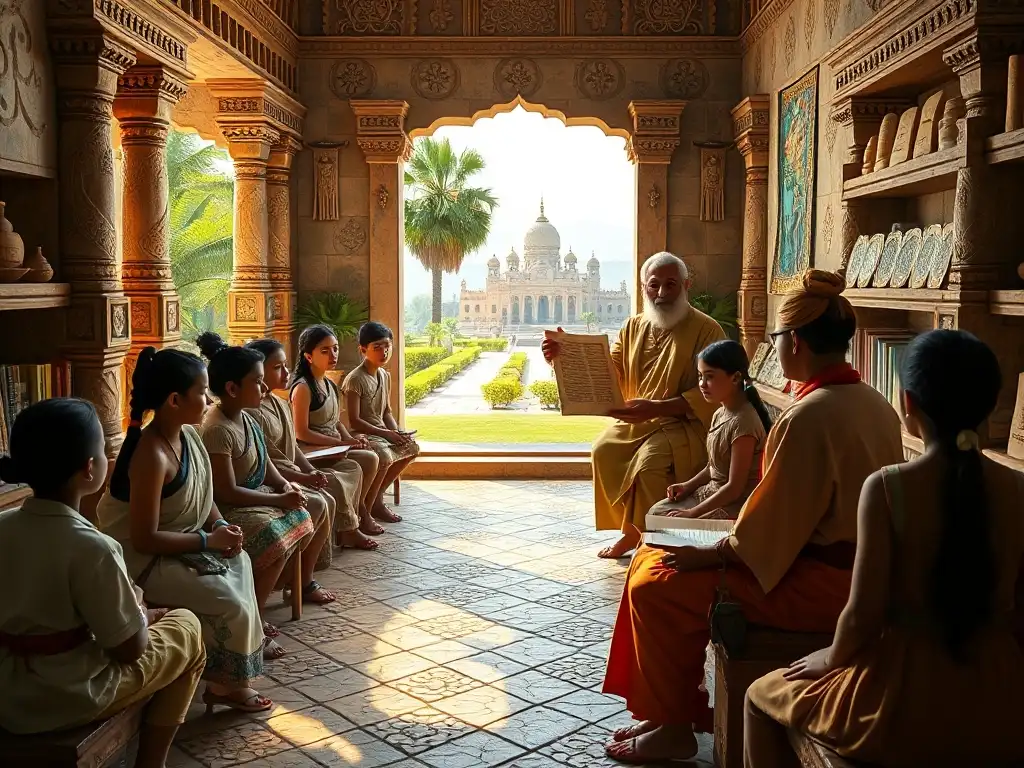
Welcome to Ancient India History, where we embark on a fascinating journey through the vibrant tapestry of ancient Indian civilizations. Dive deep into the educational foundations of the Maurya Empire, a pivotal element that not only shaped the political landscape but also forged the leaders of tomorrow. What innovative teaching methods and philosophies were employed to guide these influential figures?
Join us as we unravel the intricate connections between education and governance in one of history’s most remarkable empires, igniting your curiosity to explore the profound impact of ancient Indian culture on today’s world. Let’s delve into the past and discover the legacies that continue to inspire us!
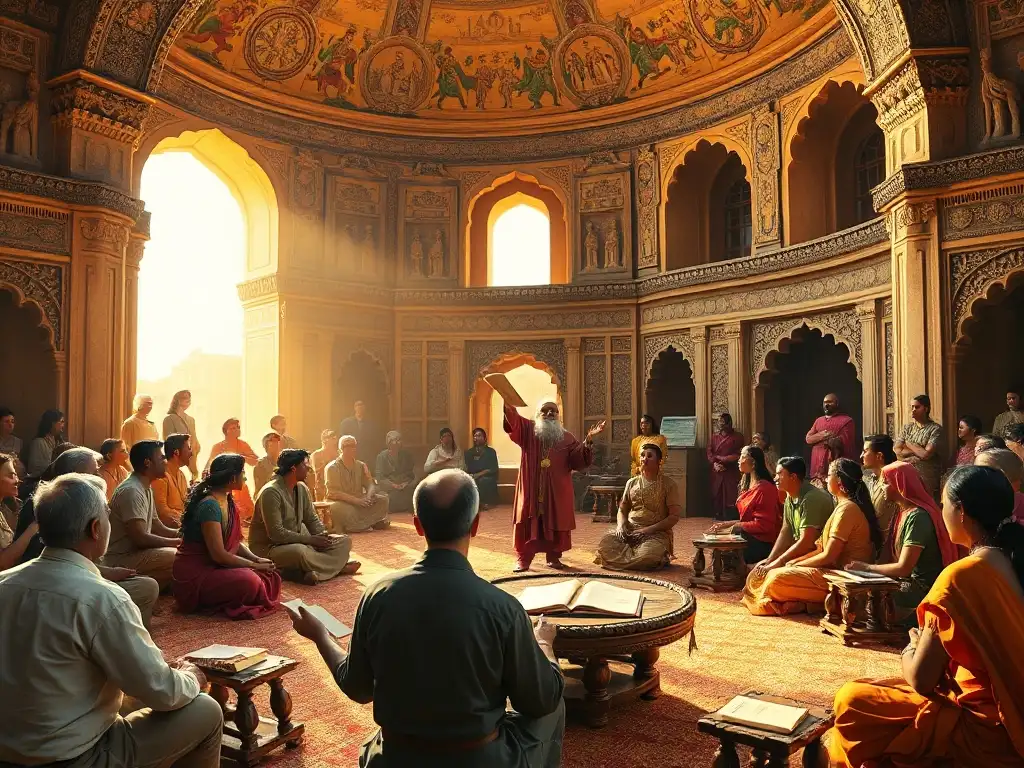
Introduction to Education in the Maurya Empire
The Maurya Empire, one of the most significant and expansive empires in ancient India, was not only known for its remarkable political and military achievements but also its profound approach to education. Education in the Maurya Empire played a crucial role in shaping the political landscape and nurturing the next generation of leaders who would govern the vast territories of this influential empire.
By focusing on the development of knowledge, ethics, and administrative skills, the Maurya rulers ensured that their governance was informed by a well-educated elite, capable of managing the complexities of their society. This article delves into the intricate relationship between education and political authority in the Maurya Empire, exploring how educational practices contributed to the empire's stability and growth.
Overview of the Maurya Empire's Political System
The Maurya Empire, which flourished from 322 to 185 BCE, was characterized by a centralized political system that integrated various regions and cultures under a unified administration. At its zenith, the empire extended across much of the Indian subcontinent, showcasing a sophisticated governance structure. The political system was marked by the following features:
- Centralized Authority: The emperor held supreme power, supported by a council of ministers and a bureaucracy.
- Divisions of Administration: The vast empire was divided into provinces, each managed by a governor who reported directly to the emperor.
- Legal Framework: The Mauryan legal system was codified, ensuring consistent governance and justice across the empire.
This structured political system necessitated a well-educated cadre of officials and leaders who could implement policies and maintain order.
Importance of Education in Ancient Indian Civilizations
Education in ancient Indian civilizations was viewed as a fundamental pillar for the development of society. It served not only to impart knowledge but also to cultivate virtues and ethical conduct among individuals. The significance of education can be highlighted through the following points:
- Preservation of Knowledge: Educational institutions were instrumental in preserving ancient texts, philosophies, and cultural heritage.
- Social Mobility: Access to education provided opportunities for individuals from various backgrounds to rise within the social hierarchy.
- Ethical Governance: Education emphasized moral teachings, which were essential for leaders to govern justly and effectively.
The Maurya Empire, building on these traditions, recognized education as a means to develop future leaders who were not only knowledgeable but also morally upright.
Historical Context of Education in the Maurya Empire
During the Maurya period, education underwent significant transformations that aligned with the empire's political and cultural aspirations. The state actively supported educational endeavors, recognizing their importance in fostering a capable administration and a knowledgeable populace.
Educational Institutions in the Maurya Period
The Maurya Empire established various educational institutions that catered to different strata of society. Key features of these institutions included:
- Gurukuls: Traditional centers where students lived and learned under the guidance of a guru.
- Royal Patronage: Many educational institutions received support from the Mauryan rulers, ensuring their sustainability and growth.
- Subjects of Study: Curriculum often included subjects such as philosophy, administration, warfare, and the arts, aimed at producing well-rounded leaders.
These institutions played a vital role in nurturing the intellectual and practical skills necessary for governance.
Influential Thinkers and Educators of the Maurya Empire
Prominent thinkers and educators of the Maurya Empire significantly influenced its educational landscape. Among them were:
- Chanakya (Kautilya): A key philosopher and strategist, known for his work Arthashastra, which outlined principles of governance, economics, and military strategy.
- Brahmanical Scholars: Various scholars contributed to the educational discourse, emphasizing the importance of dharma (duty) and ethics in leadership.
These individuals not only shaped the educational framework but also left a lasting legacy on the political ideology of the Maurya Empire, underscoring the integral link between education and effective governance.
Types of Education in the Maurya Empire
The Maurya Empire, which thrived from the 4th to the 2nd century BCE, placed a significant emphasis on education as a means to cultivate capable leaders and citizens. The educational landscape of the Maurya Empire can be broadly categorized into two types: formal and informal education. Each type played a crucial role in shaping the political and social fabric of the empire.
Formal Education: Schools and Gurukuls
Formal education in the Maurya Empire was primarily conducted in institutions known as Gurukuls and schools. These establishments were often located in forested areas or near temples, providing a serene environment conducive to learning.
- Gurukuls: These were traditional Hindu schools where students, known as shishyas, lived with their guru (teacher). The guru imparted knowledge not only in religious texts but also in various arts and sciences. The education here was holistic, focusing on spiritual, intellectual, and physical development.
- Schools: In addition to Gurukuls, formal schools emerged during the Mauryan period, particularly in urban centers like Pataliputra. These schools often catered to a broader range of subjects and were attended by students from different backgrounds, including those from royal families.
The curriculum in these institutions was rigorous, and students were educated in a way that prepared them for various roles within society, especially in governance and administration.
Informal Education: Family and Community Learning
Informal education also played a vital role in the Maurya Empire. This type of education was less structured and more community-oriented, focusing on practical skills and cultural transmission.
- Family Learning: Within families, knowledge was passed down through generations. Parents taught their children essential skills related to agriculture, trade, and craftsmanship, ensuring that practical knowledge was intertwined with cultural values.
- Community Learning: Communities often organized gatherings where elders shared wisdom, stories, and lessons from history. This communal aspect of education fostered a sense of belonging and identity among the citizens, reinforcing the values and traditions of the Mauryan society.
Together, formal and informal education created a comprehensive system that not only prepared individuals for their roles in society but also instilled a sense of duty and responsibility towards governance and ethical conduct.
The Curriculum of Education in the Maurya Empire
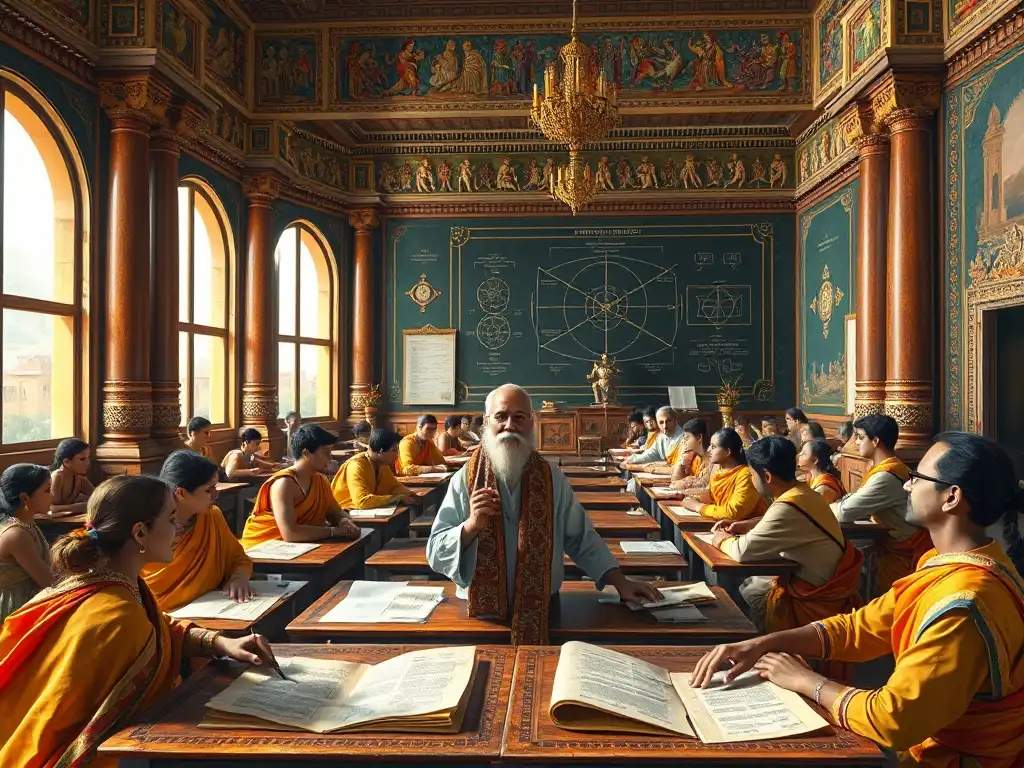
The curriculum of education in the Maurya Empire was diverse and aimed at equipping students with the necessary skills and knowledge to thrive in various spheres of life. The subjects taught were reflective of the empire's values and its emphasis on effective governance.
Subjects Taught in Mauryan Education
The education system in the Maurya Empire encompassed a wide range of subjects. Key areas of study included:
- Literature and Languages: Students learned various languages, including Sanskrit, and engaged with literary works that shaped their cultural understanding.
- Mathematics and Astronomy: Practical knowledge in mathematics was crucial for trade and administration, while astronomy played a role in agriculture and navigation.
- Political Science and Administration: Given the importance of governance, students were instructed in the principles of administration, statecraft, and the responsibilities of leadership.
- Arts and Crafts: The curriculum also included training in arts, music, and crafts, which were essential for cultural expression and economic activity.
This broad spectrum of subjects ensured that students were not only well-rounded in their education but also prepared to contribute meaningfully to society.
Emphasis on Philosophy, Governance, and Ethics
A distinctive feature of the Mauryan educational curriculum was its strong emphasis on philosophy, governance, and ethics.
- Philosophy: Students were introduced to philosophical concepts that encouraged critical thinking and reflection on moral values. This helped in shaping their worldview and ethical considerations.
- Governance: The teachings of renowned scholars like Kautilya, author of the Arthashastra, were integral to education during this period. His writings provided insights into effective governance, political strategy, and economic management.
- Ethics: Ethical education was paramount, with a focus on virtue, duty, and the responsibilities of leadership. The moral lessons imparted in schools and Gurukuls aimed to develop leaders who could govern with integrity and justice.
By intertwining these elements, the educational framework of the Maurya Empire not only prepared individuals for their specific roles but also aimed to nurture future leaders equipped to handle the complexities of governance and society.
The Role of Education in Political Leadership
Education played a pivotal role in shaping the political landscape of the Maurya Empire, influencing not only individual rulers but also the governance system as a whole. The Mauryan political structure was characterized by a centralized authority, which required educated and skilled individuals to manage administrative responsibilities effectively. The training and education of future leaders were essential to maintain the functionality and stability of this vast empire.
The emphasis on education helped cultivate a class of bureaucrats and leaders who were not only knowledgeable about governance but also well-versed in the philosophical and moral principles that guided the empire's policies. This comprehensive educational focus ensured that leaders were equipped to address the complex challenges of ruling a diverse and expansive territory.
Training Future Leaders: The Path to Governance
In the Maurya Empire, the training of future leaders began at a young age, often within the royal family or among the elite classes. The educational curriculum included a range of subjects such as administration, military strategy, law, and philosophy, which were critical for effective governance.
- Royal Education: Princes and heirs received specialized training from experienced educators and advisors, who imparted knowledge about statecraft, diplomacy, and ethical leadership.
- Public Education: Beyond royal circles, public schools (Gurukuls) were established to educate the broader population, focusing on various disciplines including mathematics, astronomy, and arts, which contributed to a well-rounded societal knowledge base.
- Practical Learning: Education was not limited to theoretical knowledge; practical experiences such as internships in administration or military assignments were integral to the training process, ensuring that future leaders could apply their learning effectively.
This comprehensive approach created a robust pipeline of capable leaders who could navigate the intricacies of governance.
The Influence of Education on Mauryan Rulers
Education profoundly influenced the character and effectiveness of Mauryan rulers. Leaders such as Chandragupta Maurya and his grandson Ashoka the Great exemplified how a well-rounded education could lead to effective governance.
- Chandragupta Maurya: His strategic mindset, shaped by education in military tactics and statecraft, enabled him to establish the Maurya Empire and implement a centralized administrative system.
- Ashoka the Great: After his conversion to Buddhism, Ashoka’s educational background played a crucial role in his policies of non-violence and social welfare. His reign is often noted for the promotion of moral governance and the emphasis on public education and health.
The education of these rulers provided them with the necessary insights to make informed decisions that would impact the empire's direction and legacy.
The Impact of Education on Society and Governance
The emphasis on education in the Maurya Empire had a profound impact on both society and governance. It fostered a culture of learning and intellectual development, which in turn facilitated effective administration and social cohesion.
Education and Social Mobility in the Maurya Empire
Education served as a powerful tool for social mobility within the Maurya Empire. It allowed individuals from various backgrounds to rise within the administrative hierarchy based on merit rather than solely on birthright.
- Access to Knowledge: By establishing schools and educational institutions, the Mauryan rulers promoted literacy and learning among different strata of society, enabling greater participation in governance.
- Meritocracy: The emphasis on education laid the groundwork for a more meritocratic system, where educated individuals could attain positions of power, thereby contributing to a more dynamic and responsive governance structure.
This focus on educational access not only empowered individuals but also strengthened the empire by creating an informed citizenry capable of contributing to governance.
The Relationship Between Education and Political Stability
The relationship between education and political stability in the Maurya Empire is significant. A well-educated ruling class and bureaucratic system contributed to the efficient administration of the vast empire, which was crucial for maintaining order and stability.
- Informed Governance: Educated leaders were better equipped to understand complex societal issues, implement effective policies, and respond to challenges, which helped avert potential conflicts and unrest.
- Civic Responsibility: Education instilled a sense of civic duty among the population, fostering loyalty and cooperation with the ruling authorities. This alignment between rulers and citizens was essential for political stability.
The role of education in the Maurya Empire was multifaceted, shaping not only the leaders but also the social fabric and governance of the empire, which ultimately contributed to its strength and longevity.
Comparison with Other Ancient Civilizations
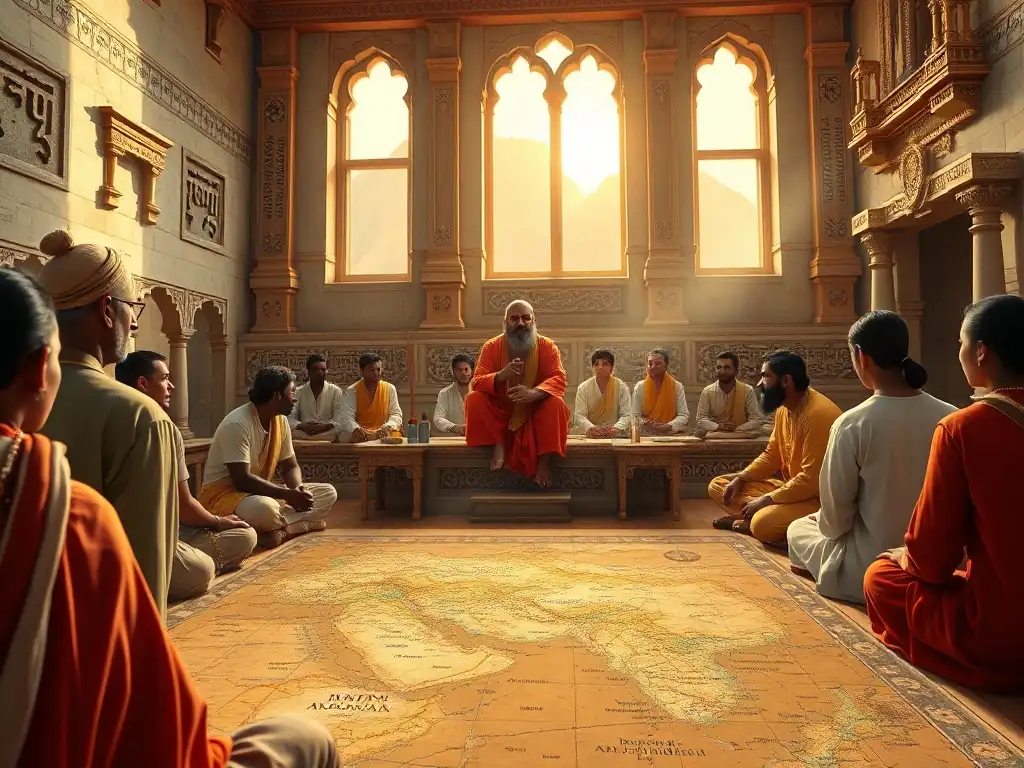
The Maurya Empire, known for its sophisticated political structure and governance, placed a significant emphasis on education as a means to cultivate capable leaders. This focus on education can be compared to other ancient civilizations, including the Gupta Empire and Ancient Greece, both of which had distinct approaches to education and its role in society. Understanding these comparisons helps to highlight the unique aspects of Mauryan education and its impact on leadership.
Education in the Maurya Empire vs. Gupta Empire
While both the Maurya and Gupta Empires valued education, their approaches differed greatly in terms of structure and emphasis. The Maurya Empire, which flourished from 322 to 185 BCE, established a centralized educational system that prioritized training for public administration. Under the rule of Chandragupta Maurya and his grandson Ashoka, educational institutions were developed as part of the state apparatus. These institutions not only taught administrative skills but also moral education based on Buddhist principles.
In contrast, the Gupta Empire (c. 320 to 550 CE) is often regarded as the "Golden Age" of India, witnessing a flourishing of arts, science, and philosophy. Education during this period became more decentralized, with a greater focus on individual scholars and local institutions. While the Gupta period saw advancements in mathematics and astronomy, the emphasis on education was less about direct state control and more on personal scholarship and philosophical inquiry. Thus, the Maurya Empire's education system was more intertwined with governance compared to the more liberal and diverse educational landscape of the Gupta Empire.
Educational Practices in the Maurya Empire vs. Ancient Greece
When comparing the education practices of the Maurya Empire to those of Ancient Greece, significant differences emerge in purpose and methodology. In Ancient Greece, education varied greatly among city-states, with a notable focus on rhetoric, philosophy, and physical training as a means to prepare citizens for participation in the democratic process. The Greek educational system emphasized critical thinking and debate, fostering a culture of intellectual inquiry.
Conversely, the education in the Maurya Empire was heavily influenced by the need for effective governance and administration. While philosophical teachings were indeed present, the overarching goal was to prepare future leaders to serve the state effectively. Training often included practical skills relevant to governance, such as law, administration, and military strategy, with less focus on public discourse and philosophical debate. This structured approach to education reflected the Mauryan emphasis on stability and order, contrasting sharply with the more individualistic and democratic ideals of Ancient Greece.
Conclusion: Lasting Legacy of Education in the Maurya Empire
The educational practices of the Maurya Empire had a profound and lasting impact on the political and cultural landscape of India. By prioritizing education as a vital tool for governance, the Maurya rulers laid the groundwork for future generations to value knowledge and leadership. The system established during this period not only shaped the leaders of the Maurya Empire but also influenced later empires and educational frameworks throughout Indian history.
Reflections on Education as a Tool for Leadership
The Maurya Empire's approach to education underscores the belief that effective leadership requires a strong foundation in both knowledge and ethics. Education was not merely a means to acquire skills but was deeply embedded in the moral and philosophical teachings of the time. As seen through the influence of Buddhist teachings on Ashoka's reign, education served as a transformative tool that shaped leaders who prioritized the welfare of their subjects. This reflects a broader understanding that education can empower individuals to lead with integrity and compassion.
The Enduring Influence of Mauryan Education on Future Generations
The legacy of the Mauryan educational system extends beyond its own time, influencing subsequent Indian kingdoms and cultures. The emphasis on a well-rounded education that included moral and ethical training set a precedent for future educational models. Additionally, the integration of various subjects, from administration to philosophy, ensured that leaders were well-equipped to address the complexities of governance.
As such, the principles established during the Maurya Empire continue to resonate in discussions about education, leadership, and governance in modern contexts. The enduring influence of Mauryan education serves as a testament to its foundational role in shaping not only leaders of the past but also the values of future generations.
References and Further Reading on Education in Ancient India
The education system in the ancient Maurya Empire played a critical role in shaping the political landscape and nurturing future leaders. To better understand the intricacies of this system and its implications on governance, several key texts and sources are invaluable.
Key Texts and Sources on Maurya Empire Education
-
Arthashastra by Kautilya (Chanakya):
This ancient treatise on statecraft and military strategy outlines the importance of education for rulers and administrators. Kautilya emphasized the need for a well-educated class of officials who could manage the vast Maurya Empire effectively. His text remains a cornerstone for understanding governance and political education in ancient India.
-
The Edicts of Ashoka:
These inscriptions, primarily written by Emperor Ashoka, are critical for understanding the moral and ethical education imparted during the Maurya period. They reflect the values of justice, tolerance, and welfare, which were integral to the training of leaders. The edicts serve as a historical source for examining the educational philosophy that underpinned the Mauryan political system.
-
Panchatantra:
Although a later text, the Panchatantra is rooted in the ancient Indian educational tradition and provides insights into the moral and practical lessons imparted to rulers. Its fables emphasize wisdom and strategy, essential qualities for effective leadership, resonating with the educational practices of the Maurya Empire.
Suggested Literature for In-Depth Understanding of Mauryan Political Structure
-
“The Maurya Empire” by Romila Thapar:
This scholarly work offers a comprehensive overview of the Maurya Empire's political structure, including the role of education. Thapar's analysis provides context on how education influenced leadership and governance in the empire.
-
“A History of Ancient India” by R. S. Sharma:
Sharma’s book covers various aspects of ancient Indian history, including the Maurya Empire. His insights into the educational practices provide a solid foundation for understanding how these practices were integral to the political system.
-
“Ancient India: From the Earliest Times to the First Century A.D.” by Ramesh Chandra Dutt:
This text highlights the cultural and educational developments during the Maurya period, illustrating how education was a vehicle for political stability and leadership formation.
-
“Indian Political Thought” by Bhikhu Parekh:
Parekh's examination of Indian political philosophy includes discussions on the role of education in shaping political ideals and governance, particularly during the Maurya Empire.
These references and suggested literature provide a robust framework for exploring the significance of education in the Maurya Empire, offering insights into how it influenced the political structure and contributed to the development of future leaders.
- Introduction to Education in the Maurya Empire
- Historical Context of Education in the Maurya Empire
- Types of Education in the Maurya Empire
- The Curriculum of Education in the Maurya Empire
- The Role of Education in Political Leadership
- The Impact of Education on Society and Governance
- Comparison with Other Ancient Civilizations
- Conclusion: Lasting Legacy of Education in the Maurya Empire
- References and Further Reading on Education in Ancient India
- What was the significance of education in the Maurya Empire?
- How did the Maurya Empire structure its education system?
- What were the main institutions for education during the Maurya period?
- How did the Maurya Empire's education impact society?
- Who were the prominent figures associated with education in the Maurya Empire?
Frequently Asked Questions
What was the significance of education in the Maurya Empire?
Education in the Maurya Empire was crucial for cultivating future leaders and administrators, promoting a well-informed populace that could contribute to the political stability and economic prosperity of the empire.
How did the Maurya Empire structure its education system?
The Maurya Empire implemented a systematic education framework, emphasizing subjects like politics, governance, and military strategy, which were essential for preparing individuals for roles in the administrative and military sectors.
What were the main institutions for education during the Maurya period?
Key institutions included gurukuls and ashrams, which served as centers for learning and scholarship, focusing on moral education and practical skills needed for governance and leadership.
How did the Maurya Empire's education impact society?
The emphasis on education fostered social mobility and enabled individuals from various backgrounds to rise in ranks, contributing to a more dynamic and effective governance structure within the empire.
Who were the prominent figures associated with education in the Maurya Empire?
Notable figures include Chanakya, a philosopher and teacher, who played a vital role in establishing education policies and is credited with authoring the Arthashastra, a key text on statecraft and economics.
Final Reflection: Education as the Cornerstone of Leadership in the Maurya Empire
The exploration of education in the Maurya Empire reveals its profound impact on shaping leaders who would govern with wisdom and integrity. In today's world, where the quality of education directly correlates with societal progress, the lessons from the Mauryan political system resonate more than ever. The emphasis on education as a tool for cultivating capable leaders is a timeless principle that remains essential in addressing contemporary challenges. As we navigate the complexities of modern governance, the Mauryan approach serves as a powerful reminder that informed leadership can transform societies.
The influence of education on the Maurya political landscape underscores its significance in our cultural and social fabric today. Education is not merely a means to an end; it is a transformative force that shapes character and vision. The legacy of the Mauryan Empire illustrates how a well-educated leadership can foster stability and prosperity.
As Chanakya famously stated, "> “The world's biggest power is the youth and beauty of a woman.” This highlights the potential of the younger generation, emphasizing that their education is pivotal in shaping the future of any society. The echoes of this sentiment can be felt in our current educational initiatives aimed at empowering youth to become the leaders of tomorrow.
As we reflect on the lessons drawn from the Maurya Empire, I invite you to consider your own role in the pursuit of knowledge and leadership. What steps can you take to ensure that education remains a priority in your life and community? Embrace the spirit of inquiry and commitment to learning that characterized the Mauryan leaders, and recognize that each of us has the potential to contribute to a brighter future. Let us honor the legacy of the past by investing in education today, nurturing the leaders who will guide us into tomorrow.
Empower Future Leaders Through Education Today!
Thank you for diving into the fascinating role of education in the Maurya political system! Your engagement with this topic is vital for understanding how ancient practices can illuminate the path for today's leaders. Now that you've explored the intricacies of education's influence on governance, it's time to take action and inspire change.
Here are a few impactful steps you can take:
- Embrace Lifelong Learning: Consider enrolling in a course that enhances your understanding of leadership or governance, and apply those lessons within your community.
- Start a Discussion Group: Gather friends or colleagues to discuss how education shapes effective leaders, using the insights gained from this article as a starting point.
- Share Your Knowledge: Write about your learnings on social media or in a local forum to encourage others to reflect on the significance of education in leadership.
What is one unique way you can contribute to fostering education as a pillar for future leadership in your community?