
The Role of Dance in Ancient Indian Royal Courts: Power and Prestige

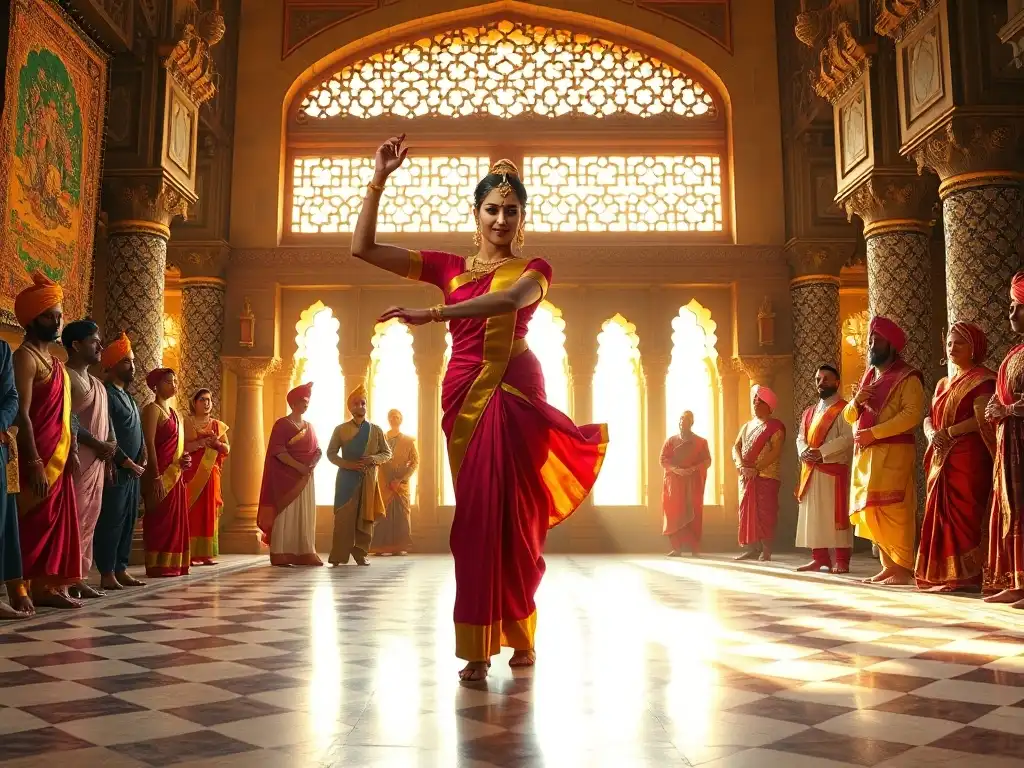
Welcome to Ancient India History, where we embark on a captivating journey through the rich tapestry of India's past. In this exploration, we unravel the intriguing role of dance in ancient Indian royal courts, a mesmerizing art form that symbolized power and prestige.
As we delve into the depths of Ancient Indian dance traditions, prepare to discover how these vibrant performances not only entertained but also conveyed the essence of culture and authority in a bygone era. Join us as we ignite your curiosity and invite you to explore the profound impact of dance on the regal landscapes of ancient India!
Introduction to Ancient Indian Dance Traditions
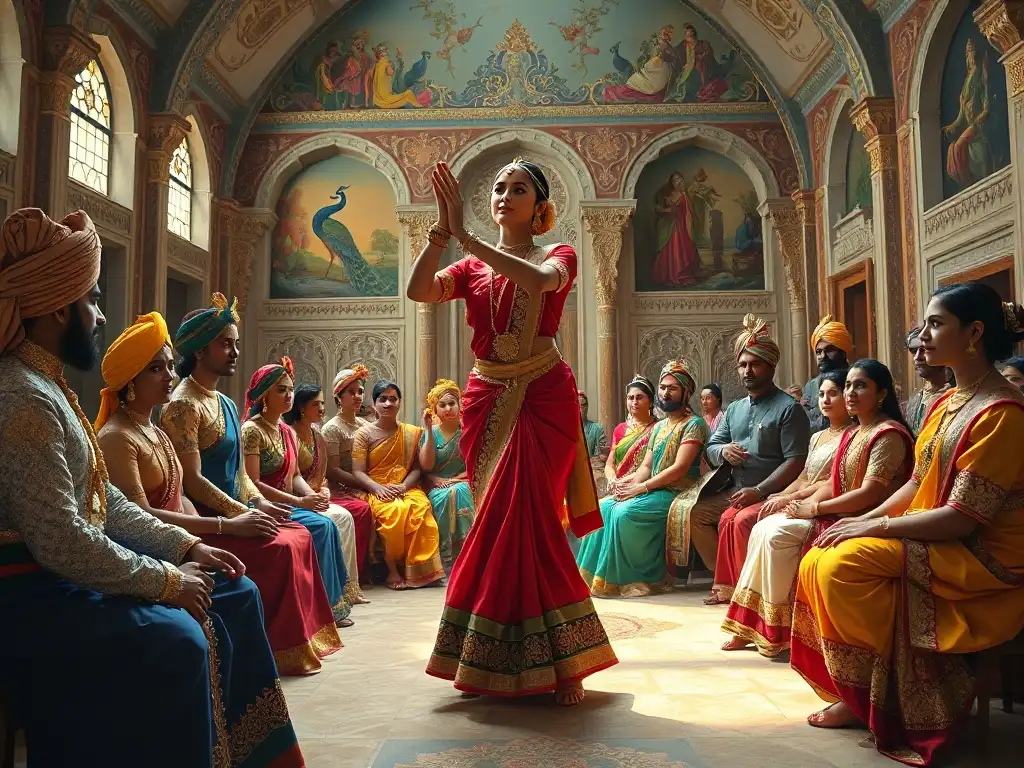
Dance has always been a pivotal aspect of cultural expression in ancient Indian civilizations, reflecting the diverse traditions, beliefs, and values of its people. In royal courts, dance was not merely an art form; it served as a powerful medium of communication, showcasing the wealth, prestige, and authority of the ruling class.
From the intricate movements of classical dances to the vibrant folk performances, ancient Indian dance traditions played a significant role in shaping the social and cultural fabric of the time. This article delves into the multifaceted role of dance within the royal courts of ancient India, exploring its historical significance, evolution, and connections to religion and mythology.
Overview of Dance in Ancient India
Ancient Indian dance traditions are deeply rooted in the country's rich history, with evidence of dance dating back to the Indus Valley Civilization (circa 3300–1300 BCE). This era laid the groundwork for various forms of dance that would flourish in subsequent periods, including the Vedic, Mauryan, and Gupta empires. The portrayal of dance in ancient texts, sculptures, and artifacts illustrates its importance, as it was often intertwined with rituals, ceremonies, and celebrations.
- Key Features of Ancient Indian Dance:
- Storytelling: Dance was used to narrate tales from epics like the Ramayana and Mahabharata.
- Symbolism: Movements often conveyed deeper meanings, representing emotions, nature, and divine beings.
- Regional Diversity: Various styles emerged across different regions, each with unique characteristics and influences.
Importance of Dance in Cultural Expression
The significance of dance in ancient Indian society extended beyond mere entertainment. It served as a medium through which various social, political, and religious narratives were expressed.
- Cultural Significance:
- Social Status: Dance performances were often associated with the elite, reflecting their power and sophistication.
- Religious Rituals: Many dances were performed as part of religious ceremonies, aimed at appeasing deities and seeking blessings.
- Community Identity: Folk dances helped in preserving local traditions and fostering a sense of community.
Historical Context of Dance in Royal Courts
The royal courts of ancient India were vibrant centers where art and culture flourished. Dance, as an art form, was intricately linked to the power dynamics within these courts.
The Evolution of Dance in Ancient Indian Royal Courts
As dynasties rose and fell, the dance traditions within royal courts evolved, influenced by changing political landscapes, cultural exchanges, and patronage from rulers.
- Patronage and Support:
- Many kings and queens were patrons of the arts, encouraging the development of dance forms and providing financial support to dancers.
- Royal courts became platforms for showcasing talent, with elaborate performances held to impress guests and dignitaries.
- Integration with Other Art Forms:
- Dance often blended with music, drama, and visual arts, creating a holistic artistic experience.
- The emergence of dance dramas, where storytelling through dance became prominent, exemplified this integration.
Influence of Religion and Mythology on Dance Traditions
Religion and mythology were significant influences on ancient Indian dance traditions, with many performances drawing inspiration from spiritual texts and beliefs.
- Divine Connection:
- Dances were often performed in temples as offerings to gods, emphasizing the sacred nature of the art form.
- Iconography from Hindu mythology frequently inspired dance movements and themes, allowing performers to connect with divine narratives.
- Ritualistic Elements:
- Dance forms incorporated ritualistic elements, with specific gestures (mudras) and postures (asanas) that had spiritual significance.
- The connection between dance and devotion allowed performers to express their spirituality while entertaining audiences.
The exploration of dance in ancient Indian royal courts reveals a rich tapestry of cultural, social, and religious influences that shaped this vibrant art form. Through understanding its historical context, we gain insights into the power and prestige associated with dance, which continues to resonate in contemporary Indian culture.
Types of Dance Forms in Ancient Indian Royal Courts
Ancient Indian royal courts were vibrant centers of culture where various dance forms flourished, each embodying unique traditions, emotions, and narratives. These dance forms served not only as entertainment for the royal elite but also as vehicles for political expression, religious devotion, and cultural storytelling. The two primary categories of dance that dominated these courts were classical dance styles and folk dance influences, each contributing to the grand tapestry of ancient Indian dance traditions.
Classical Dance Styles: Bharatanatyam, Kathak, Odissi
Bharatanatyam is one of the oldest classical dance forms, originating in Tamil Nadu. It is characterized by intricate footwork, expressive hand gestures (mudras), and facial expressions (abhinaya) that convey deep emotions and stories from Hindu mythology. Bharatanatyam was often performed by devadasis in temples but later became a staple in royal courts, where it was used to narrate tales of gods and kings.
Kathak, with roots in northern India, is known for its graceful movements and storytelling elements. The dance incorporates footwork, spins, and expressive gestures, often depicting themes of love and devotion. Kathak performances were typically accompanied by live music, enhancing the theatrical experience. In royal courts, Kathak dancers were often seen performing for kings and queens, showcasing their skill and beauty.
Odissi, originating from Odisha, is another significant classical dance form that gained prominence in royal courts. It is distinguished by its fluid movements and sensual poses, often depicting religious themes. Odissi is characterized by a unique style of torso and head movements, complemented by intricate footwork. The royal patronage of Odissi helped preserve and promote this art form, making it a vital part of ancient Indian culture.
Folk Dance Influences in Royal Celebrations
In addition to the classical styles, folk dances played a vital role in royal celebrations and festivities. These dances were often performed during harvest festivals, weddings, and other significant events, showcasing the local culture and traditions. Folk dances such as Garba from Gujarat, Gidda from Punjab, and Lavani from Maharashtra provided a lively contrast to the more formal classical performances.
The inclusion of folk dances in royal courts highlighted the connection between the ruling elite and the common people. These performances created a sense of unity and celebration, allowing the nobility to engage with the cultural heritage of their subjects. Folk dances often reflected the joys and struggles of everyday life, making them relatable and cherished forms of expression within the grandeur of royal celebrations.
The Symbolism of Dance in Ancient Indian Royal Courts
The role of dance in ancient Indian royal courts transcended mere entertainment; it was laden with symbolism that represented power, prestige, and spirituality. Dance served as a medium for the rulers to convey their authority, divine connection, and cultural sophistication, creating an intricate link between art and governance.
Dance as a Reflection of Power and Prestige
Dance performances in royal courts were often elaborate spectacles that showcased the wealth and power of the ruling class. The presence of skilled dancers, lavish costumes, and intricate choreography signified the patron's taste and affluence. Rulers often commissioned grand performances to celebrate victories, royal marriages, and festivals, using dance to reinforce their status and legitimacy.
Moreover, dance was a means of demonstrating the ruler's ability to control and patronize the arts, which was seen as a reflection of their enlightened governance. The support for dance and dancers positioned the ruler as a custodian of culture, enhancing their prestige within society and among rival kingdoms.
Ritualistic Significance of Dance in Courtly Functions
In ancient Indian royal courts, dance also held profound ritualistic significance. It was commonly integrated into religious ceremonies and courtly functions, symbolizing the connection between the divine and the earthly realms. Dances were often performed as offerings to deities, invoking blessings and prosperity for the kingdom.
These ritualistic performances were not only a display of artistic talent but also a means to uphold cultural and spiritual values. The dancers, often seen as intermediaries between the divine and the mortal, played a crucial role in these ceremonies, embodying the sacred traditions of ancient India. This intertwining of dance, spirituality, and royal duty established a rich cultural landscape that defined the significance of dance in ancient Indian royal courts.
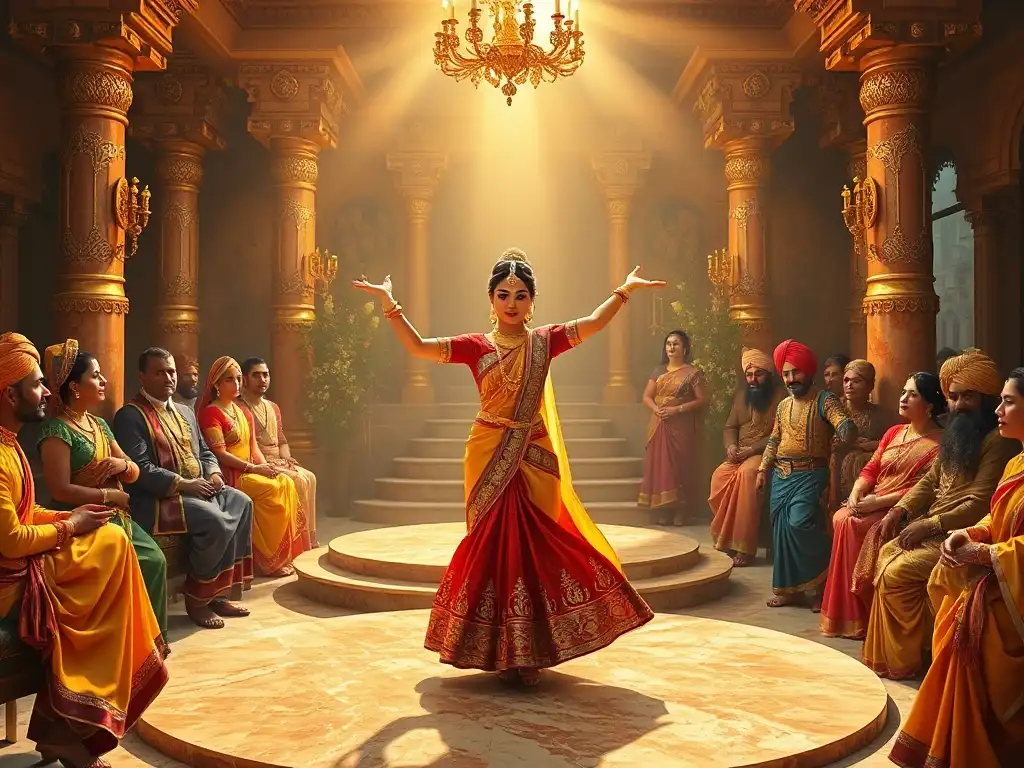
In ancient India, dance was not merely an art form; it held a significant position within the political and social spheres of royal courts. It was a medium through which rulers expressed their power, culture, and values. Dance performances were often integrated into state functions, celebrations, and rituals, signifying the wealth and sophistication of the royal court. These performances reinforced the social hierarchy, with dancers often occupying a unique status that transcended typical societal norms.
The presence of dance in royal courts also facilitated social interactions among nobility, diplomats, and other dignitaries. It served as a form of entertainment that brought together diverse groups, fostering camaraderie and understanding. This cultural exchange was essential for maintaining diplomatic relationships and alliances, as dance performances showcased the artistic capabilities and cultural richness of different regions and kingdoms.
Dance as a Tool for Diplomacy and Alliance Building
Dance played a pivotal role in diplomacy during ancient times. Rulers often used grand dance performances as a means to negotiate peace treaties and strengthen alliances. By inviting dignitaries and rivals to partake in these cultural displays, they created an atmosphere of goodwill and mutual respect. The elaborate choreography and vibrant costumes served not only to entertain but also to symbolize the harmony and unity sought between different states.
Moreover, royal courts would often host dances that featured elements from various regions, showcasing the diversity and richness of different cultures. This not only appealed to the aesthetic sensibilities of the audience but also communicated a message of inclusivity and collaboration among different kingdoms. Such performances were strategic in nature, aimed at consolidating power and ensuring stability through cultural diplomacy.
The Impact of Patronage on Dance Evolution
The evolution of dance in ancient India was significantly influenced by royal patronage. Kings and queens often acted as patrons of the arts, providing financial support and resources necessary for the development of dance traditions. This patronage led to the flourishing of various dance forms, each reflecting the unique cultural and historical context of the time.
With the backing of powerful rulers, dance troupes had the means to innovate and refine their craft. They experimented with new styles, themes, and narratives, thus contributing to the rich tapestry of ancient Indian dance traditions. Furthermore, the influence of different dynasties often led to regional variations, resulting in a diverse array of dance forms across the subcontinent.
The Training and Performance of Dancers in Royal Courts
The process of training and performance for dancers in ancient Indian royal courts was rigorous and multifaceted. Aspiring dancers were often chosen at a young age and underwent extensive training that encompassed not only dance techniques but also music, poetry, and drama. This holistic approach ensured that performers were well-rounded artists capable of captivating audiences through various artistic expressions.
Royal courts provided a structured environment where dancers could hone their skills under the guidance of experienced mentors. Performances were meticulously choreographed, often involving complex rhythms and intricate movements that required years of practice to master.
The Life of a Court Dancer: Training and Discipline
The life of a court dancer was defined by discipline and dedication. Dancers were expected to adhere to a strict regimen of training that included daily practice, physical conditioning, and artistic refinement. Many dancers lived within the royal palace, allowing them constant access to training facilities and mentors.
The training process was demanding, often involving both physical and mental challenges. Dancers were taught to embody grace, poise, and emotional expression, essential traits for captivating royal audiences. This disciplined lifestyle not only cultivated their artistic talents but also instilled a sense of loyalty and respect towards the royal patronage that supported their craft.
The Role of Gurus in Preserving Dance Traditions
In ancient Indian dance traditions, gurus played a crucial role in preserving and transmitting knowledge. These master teachers were the custodians of dance forms, responsible for passing down techniques, styles, and cultural narratives to the next generation of dancers. The relationship between a guru and a disciple was deeply rooted in respect and reverence, often resembling that of a mentor and a student.
Gurus not only imparted technical skills but also instilled philosophical and spiritual insights related to dance. They ensured that the rich heritage of ancient Indian dance was preserved, adapting it to the evolving cultural landscape while maintaining its core essence. This mentorship was vital for the continuity of dance traditions, enabling them to thrive in royal courts and beyond, influencing future generations of artists.
Notable Royal Figures and Their Influence on Dance
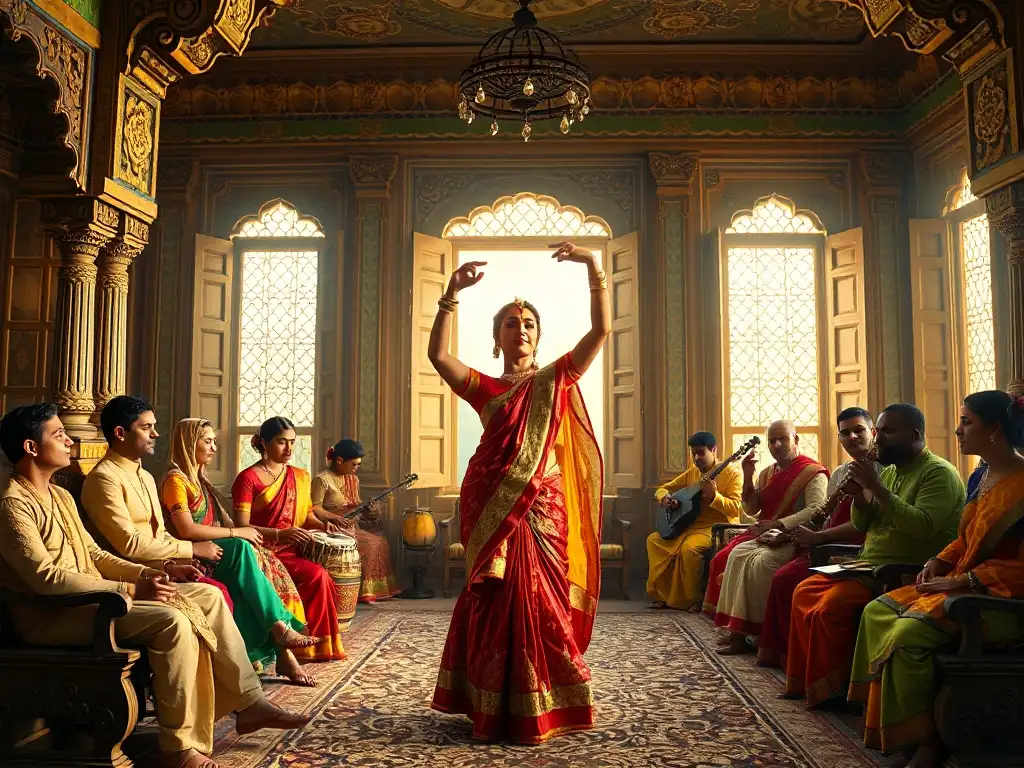
Throughout history, several royal figures in ancient India have played a significant role in shaping and promoting dance traditions. These rulers recognized the artistic value of dance, not just as a form of entertainment but also as a means of displaying power, culture, and sophistication. The courts of these royal figures became centers for the flourishing of various dance forms, significantly influencing the evolution of ancient Indian dance traditions.
Kings and queens often employed dancers in their courts, elevating the status of dance from a mere performance to an esteemed art form. Their support was crucial in preserving traditional dance styles and facilitating the exchange of ideas across regions.
Figures such as King Harsha of Kanauj and the rulers of the Chola dynasty were known for their patronage of the arts, fostering environments where dance could thrive. These royal patrons often commissioned grand performances that showcased both the skill of the dancers and the opulence of the court, thereby intertwining their legacies with the artistic expressions of their time.
Patronage by Kings and Queens
The patronage of dance by kings and queens was pivotal in the development of ancient Indian dance traditions. Royal courts served not only as centers of governance but also as cultural hubs where art flourished. Rulers such as Raja Raja Chola and his successors were instrumental in institutionalizing dance forms like Bharatanatyam, which was performed in temples and royal courts alike. Such patronage ensured that dance was not only preserved but also innovated upon, allowing for the emergence of distinct regional styles.
The financial support from royalty allowed dancers to receive formal training and gain recognition. They often traveled to various courts, sharing their techniques and styles, which led to a rich tapestry of dance traditions across the subcontinent. This cross-pollination of ideas contributed to the diversity of ancient Indian dance, making it a vibrant part of the cultural landscape.
Famous Dancers in Ancient Indian History
Several dancers gained fame in ancient India, often becoming synonymous with the dance styles they represented. One notable figure is the legendary dancer and actress Vasavadatta, whose performances captivated audiences at the courts of ancient kings. Her grace and skill in the performance of various dance forms exemplified the high standards of artistry expected in royal circles.
Another prominent figure was the celebrated dancer Mangalya, known for her expertise in the Odissi style. She was a favorite of King Kharavela of Kalinga, who embraced the arts and encouraged her performances at public festivals, thereby elevating her status and that of Odissi dance. These dancers not only entertained but also served as cultural ambassadors, influencing subsequent generations and ensuring the continuity of ancient Indian dance traditions.
Legacy of Ancient Indian Dance Traditions
The legacy of ancient Indian dance traditions is profound and enduring, affecting various aspects of Indian culture and arts. The intricate movements, expressive gestures, and emotive storytelling inherent in these dances have left a lasting mark on the Indian ethos. Many dance forms that were prominent in royal courts have survived through centuries, adapting to changing societal norms while retaining their core essence.
Continuation of Dance Forms into Modern Times
Today, ancient Indian dance traditions continue to thrive as living art forms. Styles such as Bharatanatyam, Kathak, and Odissi can trace their roots back to the royal courts of ancient India. These dance forms have been preserved through rigorous training and are often performed at cultural festivals, temples, and contemporary theatrical productions. Many modern dancers dedicate their lives to mastering these ancient techniques, ensuring that the rich heritage of Indian dance is passed down to future generations.
Moreover, the revival of classical dance in the 20th century, led by passionate artists and scholars, has contributed to a renewed interest in these traditions. This resurgence has not only kept the dance forms alive but has also integrated them into modern performance art, making them relevant to contemporary audiences.
The Influence of Ancient Dance on Contemporary Indian Arts
The impact of ancient Indian dance traditions extends beyond the realm of performance; they have significantly influenced contemporary Indian arts, including theater, music, and visual arts. The storytelling techniques and expressions found in these ancient dances have inspired modern choreographers and artists, leading to innovative interpretations that blend traditional and contemporary elements.
Furthermore, the aesthetics of ancient dance, characterized by intricate hand gestures (mudras) and facial expressions (abhinaya), continue to inform various art forms. The incorporation of these elements into films, television, and modern dance performances highlights the enduring appeal of ancient Indian dance traditions. As a result, these art forms not only preserve the rich history of India's cultural heritage but also ensure its relevance in today's global artistic landscape.
Conclusion: The Enduring Impact of Dance in Ancient Indian Royal Courts
The legacy of dance in ancient Indian royal courts transcends mere performance; it serves as a vivid representation of the cultural, spiritual, and social fabric of its time. Through various styles, such as Bharatanatyam, Kathak, and Odissi, dance was not only a form of artistic expression but also a means of communicating power and prestige. Royal patrons utilized dance to convey their authority, often commissioning performances that showcased their wealth and influence. The intricate movements, elaborate costumes, and rich storytelling inherent in these dances reflected the complexities of court life and the divine connection perceived by rulers.
Moreover, dance in these royal settings was a medium for storytelling, often depicting tales from epics like the Mahabharata and Ramayana. These performances served both to entertain and to educate, reinforcing moral and ethical values within the society. The rituals and ceremonies that incorporated dance were critical in fostering a sense of community and continuity among the people, thus solidifying the rulers' legitimacy and divine right to govern.
As we reflect on the enduring impact of dance in ancient Indian royal courts, it becomes clear that these traditions have laid the groundwork for contemporary Indian dance forms. The blend of aesthetics and spirituality that characterized ancient performances continues to resonate today, illustrating the timeless nature of this art form and its integral role in the cultural identity of India.
Reflection on the Significance of Dance in Ancient Civilization
Dance in ancient Indian civilization can be viewed as a multifaceted phenomenon that influenced various aspects of life, from the spiritual to the social. It was not merely an artistic endeavor but a vital component of religious and cultural practices. Temples often served as venues for dance performances, where dancers would enact stories of deities, thus creating a direct connection between the divine and the earthly realm. This sacred aspect of dance reinforced its significance within the spiritual life of the community.
Furthermore, dance acted as a social commentary, reflecting the values, norms, and aspirations of the society. The roles of dancers—often women—were pivotal, as they navigated the complex intersections of power, gender, and spirituality. The patronage of dance by royal courts elevated its status, allowing it to flourish as a respected art form. This elevation not only provided economic support to dancers but also ensured the preservation and transmission of dance traditions across generations.
In essence, the significance of dance in ancient Indian civilization extends beyond entertainment; it encapsulates a rich tapestry of cultural heritage, embodying the ideals and ethos of a society deeply intertwined with the arts.
Future Research Directions in Ancient Indian Dance Studies
The field of ancient Indian dance studies is ripe for exploration, with numerous avenues for future research that can deepen our understanding of this dynamic art form. One area of focus could be the comparative analysis of dance styles across different regions and historical periods. By examining the unique features and influences of various dance traditions, researchers can uncover the ways in which cultural exchanges shaped the evolution of dance in ancient India.
Additionally, interdisciplinary approaches that integrate historical texts, archaeological findings, and ethnographic studies could provide a more holistic view of dance practices in royal courts. This could include investigating the role of dance in diplomatic functions, court celebrations, and religious rituals, thereby illuminating its multifaceted significance.
Another promising direction is to explore the contributions of lesser-known dance forms and regional variations that may have been overshadowed by more dominant styles. This inclusive approach can help recognize the diversity of ancient Indian dance traditions and their relevance in contemporary practices.
Finally, the impact of colonialism and globalization on ancient dance traditions warrants further examination. Understanding how these external influences have shaped modern representations of ancient Indian dance can inform current practices and highlight the importance of preserving these rich cultural legacies.
Future research in ancient Indian dance studies has the potential to enrich our understanding of this vibrant art form and its integral role in the fabric of ancient Indian society.
- Introduction to Ancient Indian Dance Traditions
- Historical Context of Dance in Royal Courts
- Types of Dance Forms in Ancient Indian Royal Courts
- The Symbolism of Dance in Ancient Indian Royal Courts
- The Role of Dance in Political and Social Life
- Dance as a Tool for Diplomacy and Alliance Building
- The Impact of Patronage on Dance Evolution
- The Training and Performance of Dancers in Royal Courts
- Notable Royal Figures and Their Influence on Dance
- Legacy of Ancient Indian Dance Traditions
- Conclusion: The Enduring Impact of Dance in Ancient Indian Royal Courts
- What was the significance of dance in ancient Indian royal courts?
- How did ancient Indian dance traditions influence the arts?
- What are some key features of ancient Indian dance styles?
- How did the Gupta Empire contribute to dance traditions?
- Are ancient Indian dance traditions still relevant today?
Frequently Asked Questions
What was the significance of dance in ancient Indian royal courts?
Dance played a crucial role in ancient Indian royal courts, serving as a medium for expressing power and prestige. It was not only a form of entertainment but also a reflection of the cultural sophistication of the ruling class.
How did ancient Indian dance traditions influence the arts?
Ancient Indian dance traditions greatly influenced various art forms, including music, theater, and literature. These traditions were often intertwined, creating a rich tapestry of cultural expression that showcased the values and aesthetics of the time.
What are some key features of ancient Indian dance styles?
Ancient Indian dance styles are characterized by their expressive gestures, intricate footwork, and rich storytelling elements. These dances often conveyed mythological themes and were performed during religious and royal ceremonies.
How did the Gupta Empire contribute to dance traditions?
The Gupta Empire is known for its flourishing arts and culture, including the development of dance. During this period, dance became more formalized, leading to the emergence of distinct styles that emphasized grace and technique.
Are ancient Indian dance traditions still relevant today?
Yes, ancient Indian dance traditions remain highly relevant today, with many forms still practiced and celebrated. They continue to influence contemporary performances and serve as a bridge connecting modern artists to their rich cultural heritage.
Final Reflection: The Enduring Legacy of Ancient Indian Dance Traditions
The exploration of ancient Indian dance traditions reveals a profound connection between art, power, and cultural identity that remains relevant today. In a world increasingly dominated by digital expression, the roots of these traditions remind us of the importance of physicality and communal experience in storytelling and cultural preservation. The elegance and complexity of dance in royal courts not only served as a display of power but also as a medium for social cohesion and cultural transmission, underscoring the timeless nature of artistic expression.
Culture is a living entity, shaped by its history and the traditions that inform it. The influence of ancient Indian dance traditions can be seen in contemporary performances and cultural celebrations, where the echoes of royal courts continue to resonate.
As noted by the renowned dancer and choreographer, “Dance is the hidden language of the soul,” which emphasizes how these traditions transcend mere performance and become a vital part of our collective consciousness. The way these dances were interwoven with the fabric of society speaks to their enduring significance, reminding us that art is a powerful vehicle for expressing identity and heritage.
As we reflect on the lessons from the past, let us embrace the richness of ancient Indian dance traditions in our lives today. Consider how you can incorporate the values of artistry, community, and cultural appreciation into your own experiences. Whether through participating in dance, attending performances, or simply learning about these traditions, each of us has the opportunity to honor and perpetuate the legacy of these vibrant art forms. In doing so, we not only celebrate our shared history but also contribute to the ongoing narrative of cultural expression that connects us all.
Step Into the Grace of History!
Thank you for taking the time to explore the fascinating intersection of dance, power, and prestige in ancient Indian royal courts. You've uncovered the beauty and significance of this cultural expression, highlighting its essential role in history. Now, it’s time to embrace that inspiration in your own journey!
Here are a few exciting actions you can take right now:
- Dive Deeper: Research a specific dance form that was prominent in royal courts, and learn how its evolution reflects the culture of that era. Document your findings or create a visual timeline to share with friends!
- Join a Class: Experience the art of dance firsthand by enrolling in a local workshop or online course that focuses on traditional Indian dance styles.
- Spread the Word: Share this article with friends or on social media, inviting others to explore the rich tapestry of our history through dance!
What ancient Indian dance style fascinates you the most, and how do you think it has influenced today’s cultural expressions?