
The Role of Festivals in Ancient Indian Art: Celebrating Through Creativity

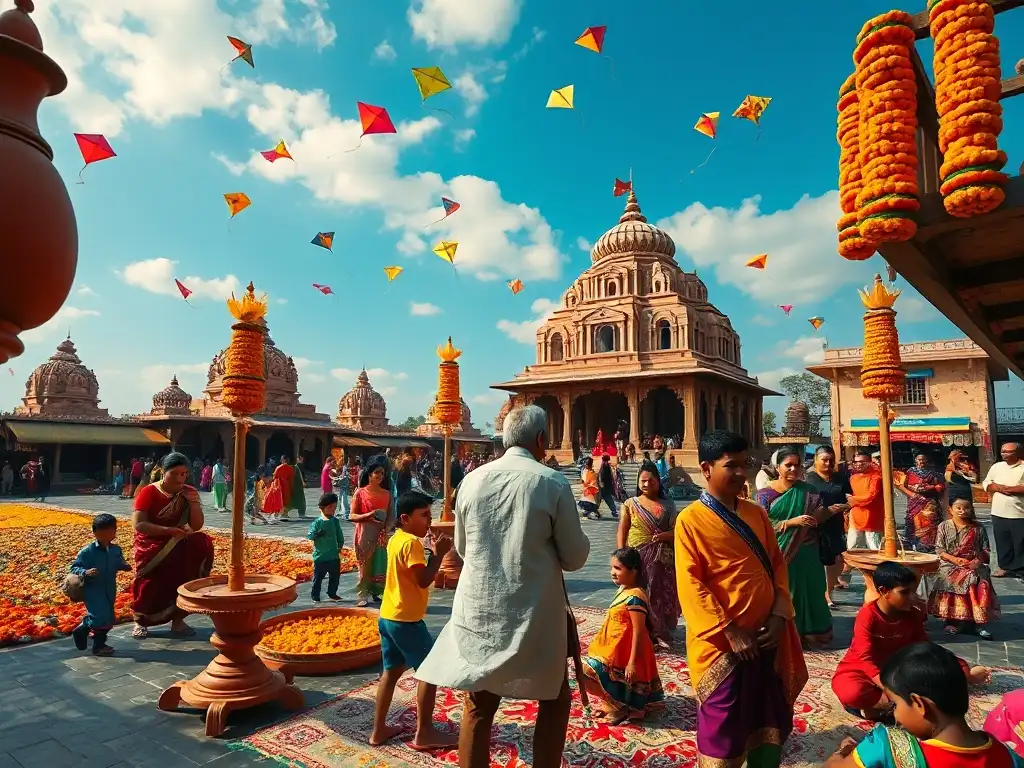
Welcome to Ancient India History, where we embark on a captivating journey through the vibrant tapestry of ancient Indian civilizations. Here, we delve into the rich cultural heritage that flourished from the Indus Valley to the grandeur of the Gupta Empire. In our featured article, “The Role of Festivals in Ancient Indian Art: Celebrating Through Creativity,” we uncover the profound connection between ancient Indian festival art and the spirited celebrations that shaped society.
Prepare to be intrigued as we explore how these festivals not only marked the passage of time but also ignited creativity, leaving an indelible mark on the artistic landscape of ancient India. Join us as we unravel the layers of history and creativity that continue to inspire today!
Introduction to Ancient Indian Festival Art
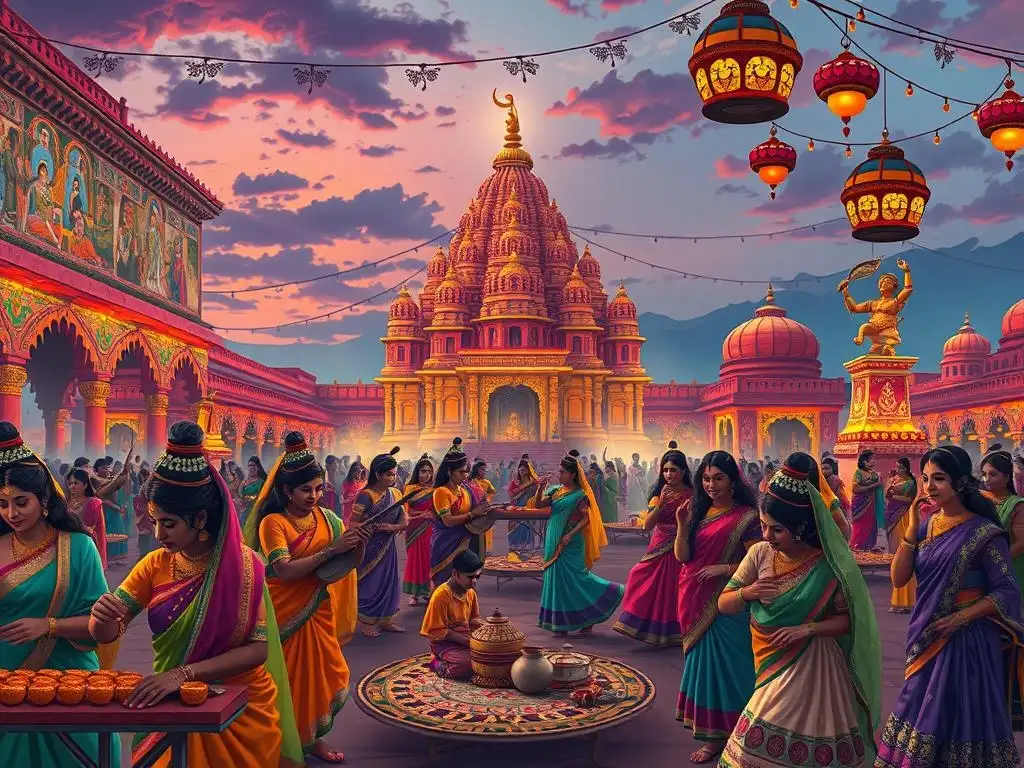
Festivals in ancient India were not merely occasions for celebration; they were vital expressions of creativity that intertwined with the region's rich artistic heritage. From the vibrant colors of Rangoli to the intricate sculptures adorning temples, ancient Indian festival art played a significant role in reflecting the cultural, spiritual, and social dimensions of society.
This article delves into the essence of Ancient Indian festival art, examining how these joyous occasions inspired various art forms and contributed to the cultural fabric of the civilization. By exploring the interplay between festivals and artistic expression, we can gain a deeper understanding of how creativity flourished in ancient India, rooted in spirituality and community.
Understanding the Significance of Festivals in Ancient India
In ancient Indian society, festivals held a profound significance that transcended mere celebration. They served as:
- Cultural markers: Festivals were pivotal in defining the identity of communities and regions, showcasing unique customs and traditions.
- Social cohesion: These events brought people together, fostering a sense of unity and belonging among diverse groups.
- Religious observances: Many festivals were linked to religious beliefs, providing a platform for worship and devotion.
- Artistic expression: Festivals inspired artists to create and showcase their work, leading to the development of various art forms that celebrated the occasion.
The celebration of festivals allowed individuals to engage in collective expressions of joy, gratitude, and reverence, intertwining their lives with the rhythms of nature and the divine.
Overview of Ancient Indian Art Forms
Ancient Indian art is characterized by its diversity and richness, encompassing various forms such as:
- Sculpture: Often found in temples and public spaces, sculptures depicted deities, mythological stories, and everyday life scenes.
- Painting: Murals and frescoes adorned walls, with themes ranging from religious narratives to nature.
- Textiles: Intricate patterns and designs were woven into fabrics, often used in ceremonial attire and decorations.
- Pottery: Functional and decorative pottery showcased artistic skill, often featuring motifs relevant to festivals.
These art forms were not only aesthetic expressions but also served practical purposes in religious and social contexts, reinforcing the significance of festivals in ancient Indian culture.
The Historical Context of Festivals in Ancient India
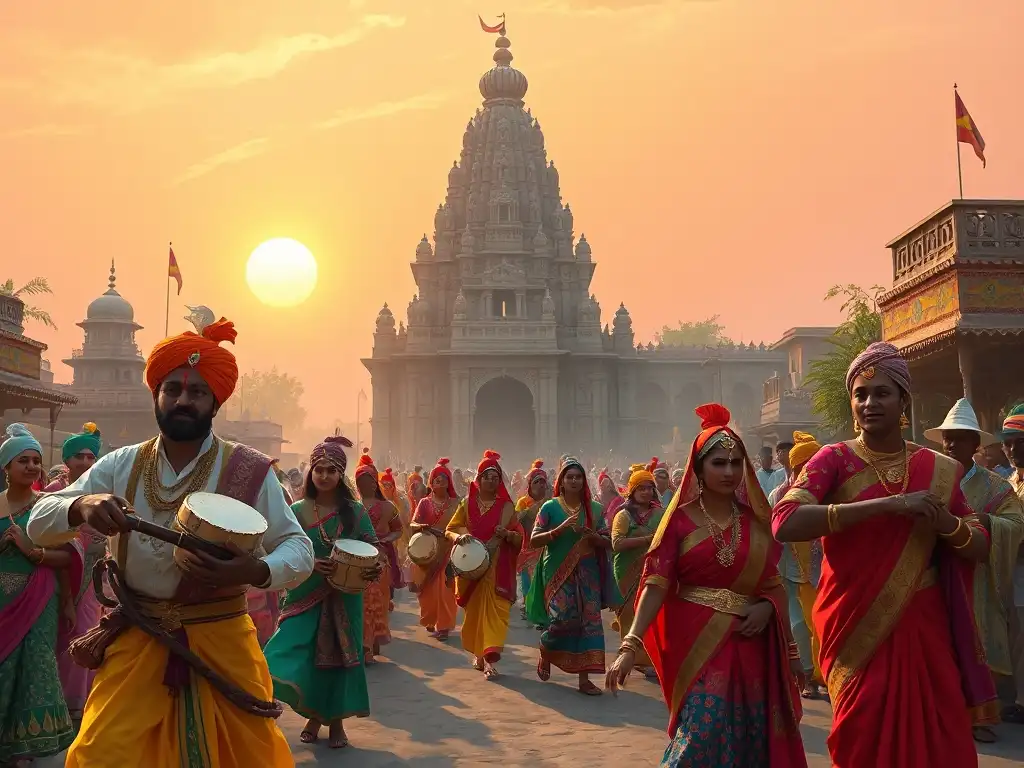
Understanding the historical context of festivals in ancient India reveals their deep-rooted significance and evolution over time. Many festivals can be traced back to ancient texts and scriptures, which highlight their cultural and spiritual importance.
Festivals as a Reflection of Cultural Beliefs
Festivals often mirrored the values, beliefs, and traditions of the society in which they were celebrated. For instance:
- Agricultural festivals: Such as Pongal and Makar Sankranti, reflected the agrarian lifestyle and the importance of harvest.
- Religious festivals: Like Diwali and Holi, conveyed essential spiritual messages and narratives from Hindu mythology, reinforcing moral and ethical values.
These reflections of cultural beliefs were manifested through various artistic expressions, allowing communities to celebrate their heritage visually and spiritually.
Influence of Religion on Festival Celebrations
Religion played a crucial role in shaping the nature of festivals in ancient India. The intertwining of religious practices with art and creativity can be observed in:
- Symbolic representations: Artists depicted religious symbols and deities, creating art that served both decorative and devotional purposes.
- Ritualistic art: Art forms often accompanied rituals and ceremonies, enhancing the spiritual experience of the celebration.
- Patronage by religious institutions: Temples and monasteries frequently sponsored artistic endeavors related to festivals, ensuring that art remained an integral part of spiritual life.
This influence of religion on festival celebrations underscores the significance of ancient Indian festival art, as it not only celebrated cultural heritage but also deepened the spiritual connections within the community.
Key Features of Ancient Indian Festival Art
Ancient Indian festival art is characterized by its vibrant colors, intricate designs, and deep-rooted symbolism. One of the most notable features is the use of themes that reflect the cultural and spiritual beliefs of the time. Festivals served as a canvas for artists to express religious stories, mythological narratives, and social values through various art forms.
Additionally, the integration of various styles is common, with influences drawn from regional traditions, religious practices, and historical contexts. The art created during festivals often encompasses diverse forms such as paintings, sculptures, and decorative crafts, showcasing the versatility and creativity of ancient artisans. Furthermore, the communal aspect of festivals is reflected in the collaborative nature of creating art, where communities come together to produce large-scale murals, rangoli designs, and other decorations that celebrate their shared heritage.
Symbolism in Festival Art
Symbolism plays a crucial role in ancient Indian festival art, as each element often conveys significant meanings tied to mythology, spirituality, and cultural beliefs. For instance, colors hold particular importance; the use of red may symbolize love and sacrifice, while white often represents purity and peace.
Motifs like lotus flowers, elephants, and peacocks frequently appear in festival art, each carrying its own set of associations. The lotus, for example, symbolizes divinity and enlightenment, while the elephant is a representation of wisdom and strength, often linked to Lord Ganesha, the remover of obstacles. The use of such symbols not only enhances the aesthetic appeal of the artwork but also serves to communicate deeper spiritual truths and cultural narratives to the viewers.
Techniques and Materials Used in Festival Art
The artistic expressions seen in ancient Indian festival art are facilitated by a variety of techniques and materials. Traditional painting styles, such as frescoes and mural paintings, utilized natural pigments derived from minerals, plants, and other organic materials, contributing to the vibrant yet sustainable color palettes.
Sculptural works often involved intricate carving techniques on stone and wood, showcasing the artisans' skills and attention to detail. Techniques like embossing and inlay work were also prevalent, particularly in the creation of decorative items used during festivals. Furthermore, artisans employed methods such as clay modeling for idols and figurines, which played a key role in the rituals and celebrations of various festivals.
Prominent Festivals and Their Artistic Expressions
The artistic expressions associated with prominent ancient Indian festivals reveal the cultural richness of the subcontinent. Each festival not only celebrates specific deities or seasonal changes but also serves as a platform for showcasing unique artistic traditions and practices.
Diwali: The Festival of Lights and Its Artistic Significance
Diwali, known as the Festival of Lights, is one of the most significant festivals in ancient India, celebrated with grandeur and vibrancy. The artistic expressions during Diwali include the creation of intricate rangoli designs at entrances, symbolizing joy and welcoming prosperity.
Additionally, the lighting of oil lamps, or diyas, is a quintessential element that transforms homes into radiant displays of light. The artwork associated with Diwali often incorporates motifs representing Lakshmi, the goddess of wealth, and Ganesha, the remover of obstacles, illustrated through paintings and decorative items. The festival's artistic significance lies in its ability to unify communities through shared creativity and celebration.
Holi: The Celebration of Colors and Artistic Representations
Holi, the festival of colors, is another prominent celebration that showcases the exuberance of ancient Indian festival art. The use of vibrant powders, known as gulal, symbolizes the arrival of spring and the triumph of good over evil. Artists often engage in creating colorful murals and temporary installations that depict themes of love and joy, inspired by the legend of Radha and Krishna.
Additionally, traditional folk art forms like Pattachitra and Warli painting often find their way into Holi celebrations, emphasizing narrative storytelling through visuals. The artistic expressions during Holi encapsulate the spirit of joy, unity, and renewal, making it a lively and colorful festival.
Navaratri: Dance, Music, and Visual Arts
Navaratri, a festival dedicated to the worship of the goddess Durga, embodies a rich tapestry of artistic expressions intertwined with dance and music. During this nine-night celebration, intricate decorations of idols are common, where artisans create detailed sculptures that capture the goddess's strength and grace.
The art of garba and dandiya raas—traditional dances performed during Navaratri—adds another dimension to the festival's artistic significance. Participants often wear vibrant costumes adorned with mirror work and embroidery, which serve as a visual celebration of the cultural heritage. The interwoven nature of visual arts, dance, and music during Navaratri fosters a communal atmosphere, allowing individuals to express devotion and creativity collectively.
The Impact of Festivals on Visual Arts and Sculpture
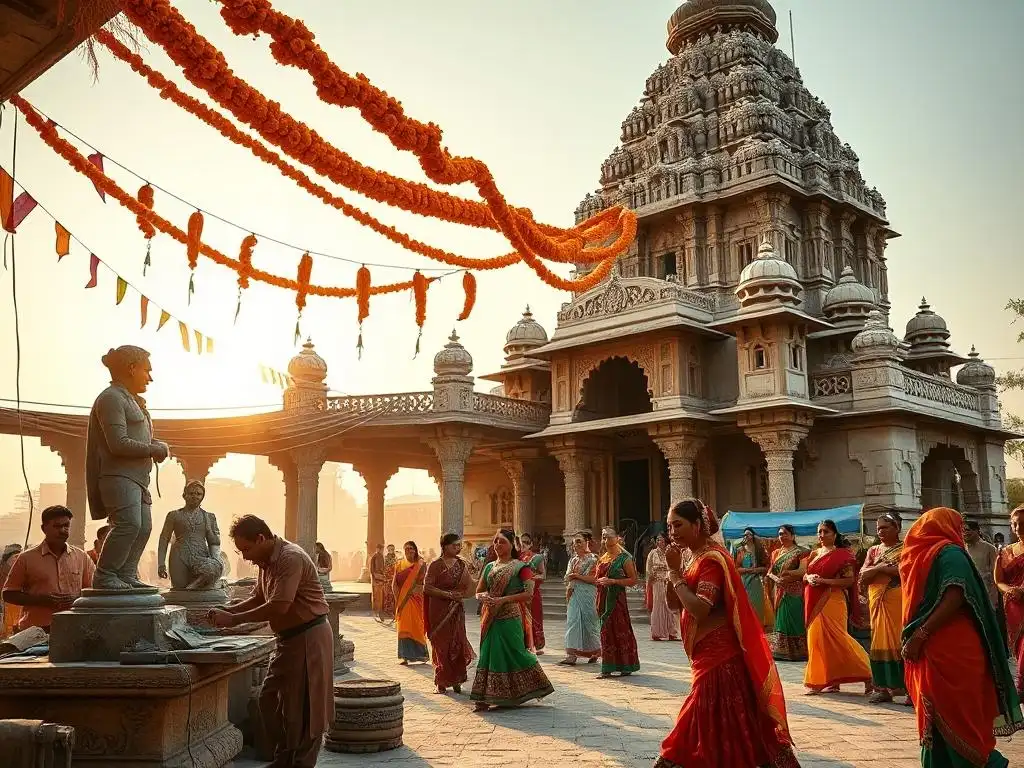
Festivals in ancient India played a pivotal role in shaping visual arts and sculpture, serving as a catalyst for artistic expression and creativity. These celebrations, deeply rooted in religious and cultural traditions, provided a vibrant backdrop for artists to showcase their skills and narratives. The interplay between spirituality and artistry was evident in various forms, from intricate sculptures adorning temples to colorful murals depicting mythological events.
The grandeur and significance of festivals encouraged artists to push boundaries, experimenting with techniques and materials. Temples and public spaces became canvases for elaborate decorations, turning these sites into living galleries of art. The need for artistic representation of deities, rituals, and mythological stories during festivals led to a flourishing of visual arts that not only reflected the cultural ethos but also contributed to the preservation of ancient Indian heritage.
How Festivals Fostered Artistic Innovation
Festivals served as a breeding ground for artistic innovation in ancient India by encouraging collaboration among artists, craftsmen, and the community. With the arrival of various festivals, there was a surge in demand for new artistic expressions, leading to the development of unique styles and techniques. For instance, the celebration of Diwali inspired exceptional works in rangoli and decorative art, where the use of vibrant colors and intricate designs became a hallmark of the festival.
Moreover, the thematic depth of festivals prompted artists to explore diverse narratives and symbolism in their work. The representation of stories from epics like the Mahabharata and Ramayana during festivals led to the emergence of specific art forms, such as Pattachitra and Madhubani. These artistic innovations not only enhanced the visual appeal of the festivals but also contributed to the cultural narrative of ancient India, allowing for the preservation of stories through visual media.
The Role of Community in Creating Festival Art
Community involvement was integral to the creation of festival art in ancient India. Festivals were not merely individual celebrations; they were communal events that required collective effort and participation. Local artisans, families, and communities would come together to create elaborate decorations, sculptures, and paintings that reflected their shared beliefs and traditions.
This collaborative spirit fostered a sense of belonging and identity, as each community would imbue their creations with local motifs and styles. The process of creating festival art became a communal ritual, often passed down through generations, ensuring that traditional techniques and stories remained alive. This deep-rooted connection between community and art exemplified how festivals served as a platform for cultural continuity and expression.
Preservation and Influence of Ancient Indian Festival Art
The rich tradition of festival art in ancient India has not only been preserved through various forms but has also significantly influenced subsequent generations of artists. The vibrant colors, intricate designs, and profound symbolism found in ancient festival art continue to resonate in contemporary practices, creating a bridge between the past and the present.
Artistic Traditions Passed Down Through Generations
The artistic traditions associated with ancient Indian festival art have been meticulously preserved through generations, often through oral histories and hands-on training. Families of artisans would pass down skills and techniques, ensuring that the knowledge of creating festival art remained intact. This transmission of knowledge was crucial for maintaining the authenticity of styles such as Tanjore painting and Warli art, which have their roots in festival celebrations.
Additionally, temples and local shrines often served as centers for artistic learning, where young apprentices could observe and participate in the creation of festival art. This mentorship not only preserved the techniques but also instilled a sense of cultural pride and continuity. Consequently, many artistic forms associated with festivals have thrived, keeping the essence of ancient practices alive in modern contexts.
Influence of Ancient Festival Art on Contemporary Practices
The influence of ancient Indian festival art is evident in today's artistic landscape, where traditional elements are often reinterpreted to suit contemporary aesthetics. Modern artists draw inspiration from ancient motifs, themes, and techniques, integrating them into various art forms, including painting, sculpture, and digital art.
In festivals like Ganesh Chaturthi and Durga Puja, contemporary artists continue to create elaborate idols and decorations that reflect both traditional craftsmanship and modern sensibilities. This fusion of ancient styles with contemporary practices not only revitalizes the art form but also ensures its relevance in today's cultural milieu. By embracing traditional elements while expressing modern themes, artists contribute to a dynamic dialogue between the past and the present, showcasing the enduring legacy of ancient Indian festival art.
The role of festivals in ancient Indian art is a testament to the vibrant interplay between culture and creativity, leaving an indelible mark on the visual arts and sculpture that continues to inspire today.
Conclusion: The Enduring Legacy of Ancient Indian Festival Art
The artistic expressions born from ancient Indian festivals are not merely relics of the past but vibrant legacies that continue to influence contemporary art. The intricate sculptures, vivid paintings, and elaborate rituals associated with festivals like Diwali, Holi, and Navratri encapsulate the spiritual and cultural ethos of their times. These art forms are a testament to the creativity and craftsmanship of ancient artisans, reflecting the values, narratives, and beliefs of their societies.
As we delve into the legacy of ancient Indian festival art, we recognize its role in fostering community bonds and cultural identity. The vivid depictions of deities and mythological stories in temple carvings and folk paintings serve as a bridge connecting generations, allowing us to appreciate the rich tapestry of India's artistic heritage. This enduring legacy continues to inspire modern artists, who draw from these traditional motifs to create contemporary works that resonate with both historical significance and modern sensibilities.
Celebrating the Creative Spirit of Ancient Indian Civilizations
The festivals of ancient India were not only occasions for communal celebration; they were also fertile grounds for artistic innovation. Each festival brought with it a unique set of rituals and customs that inspired a wide array of artistic expressions. From the vibrant colors of Rangoli designs during Diwali to the elaborate masks and puppets used in traditional performances, every aspect of festival art was designed to evoke joy and spiritual upliftment.
The creative spirit of ancient Indian civilizations is vividly illustrated in their festival art. Sculptors and painters, often working under the patronage of temples and royal courts, infused their works with symbolism and meaning. The intricate details in sculptures, such as those found in Khajuraho and Hampi, reflect not just technical skill but also the philosophical underpinnings of the time. Similarly, the folk art forms that emerged during various festivals, such as Madhubani and Warli, showcase the local cultures, stories, and traditions that are integral to the identity of different regions in India.
By celebrating the creative spirit of these ancient civilizations, we gain insight into their worldview and their relationship with the divine, nature, and each other. The artistic endeavors associated with festivals highlight a deep-seated reverence for life and a commitment to preserving cultural narratives through visual storytelling.
The Relevance of Ancient Festival Art in Today’s Cultural Landscape
In the modern era, the relevance of ancient Indian festival art remains significant as it resonates with contemporary themes of identity, community, and heritage. As globalization brings various cultures closer, ancient festival art offers a unique perspective that emphasizes the importance of local traditions and artistic expressions. The revival and reinterpretation of ancient art forms in contemporary contexts serve as a reminder of the rich cultural legacy that continues to shape Indian society.
Artists today are increasingly incorporating elements of ancient festival art into their works, blending traditional techniques with modern themes. This fusion not only honors the past but also challenges contemporary audiences to engage with their cultural heritage in meaningful ways. For instance, installations that draw inspiration from ancient rituals can create immersive experiences that connect viewers to the spiritual and artistic practices of their ancestors.
Moreover, festivals continue to be a platform for artistic expression, where traditional and contemporary art forms coexist. Events such as art fairs and cultural festivals celebrate this dynamic interplay, allowing artists to showcase their works while also fostering dialogue about the significance of cultural heritage in modern society. In this way, ancient Indian festival art not only endures but evolves, ensuring that the creative spirit of ancient civilizations continues to thrive in today's cultural landscape.
- Introduction to Ancient Indian Festival Art
- Understanding the Significance of Festivals in Ancient India
- Overview of Ancient Indian Art Forms
- The Historical Context of Festivals in Ancient India
- Key Features of Ancient Indian Festival Art
- Prominent Festivals and Their Artistic Expressions
- The Impact of Festivals on Visual Arts and Sculpture
- Preservation and Influence of Ancient Indian Festival Art
- Conclusion: The Enduring Legacy of Ancient Indian Festival Art
- What were the main features of ancient Indian festival art?
- How did festivals influence artistic expressions in ancient India?
- What materials were commonly used in ancient Indian festival art?
- Can you name some famous festivals that inspired ancient Indian art?
- How does ancient Indian festival art continue to influence modern art?
Frequently Asked Questions
What were the main features of ancient Indian festival art?
Ancient Indian festival art often included vibrant colors, intricate patterns, and symbolic themes reflecting the cultural significance of the festivals celebrated.
How did festivals influence artistic expressions in ancient India?
Festivals served as a major catalyst for artistic creativity, where artists showcased their skills through sculptures, paintings, and decorative crafts that depicted mythological stories and rituals.
What materials were commonly used in ancient Indian festival art?
Artists utilized a variety of materials, including natural dyes, clay, wood, and textiles, to create their artworks, ensuring that they were both aesthetically pleasing and reflective of cultural practices.
Can you name some famous festivals that inspired ancient Indian art?
Festivals such as Diwali, Holi, and Navaratri were significant in inspiring artworks, as they celebrated themes of victory, light, and divine worship, often depicted in art forms.
How does ancient Indian festival art continue to influence modern art?
The motifs, styles, and symbolism from ancient festival art still resonate today, influencing contemporary artists who draw inspiration from traditional themes and cultural heritage in their works.
Final Reflection: Embracing the Legacy of Ancient Indian Festival Art
The vibrant tapestry of ancient Indian festival art continues to resonate with us today, reminding us of the profound connection between creativity and cultural expression. As we navigate a world increasingly driven by technology and globalization, the essence of these festivals serves as a powerful reminder of our shared heritage and the importance of celebrating our roots. The art forms born from these ancient traditions not only enrich our cultural landscape but also foster a sense of community and belonging that is more crucial than ever in our fast-paced lives.
The influence of ancient Indian festival art transcends time, shaping our understanding of identity and community. From the intricate designs of Rangoli to the vibrant colors of traditional attire, these artistic expressions are a testament to the creativity that thrives in the heart of celebration. As noted by art historian Dr. Kavita Sharma, Art is the soul of culture, and festivals are the heartbeat that keeps it alive.
This ongoing dialogue between art and culture invites us to reflect on how these ancient practices continue to inspire contemporary artists and communities, bridging the gap between the past and the present.
As we conclude our exploration of ancient Indian festival art, I invite you to reflect on how these vibrant traditions can inspire your own creative expressions. Consider how you can celebrate your heritage, whether through art, music, or community gatherings, and carry forward the legacy of creativity that has defined generations. Let us honor the past while embracing the future, ensuring that the spirit of these festivals continues to illuminate our lives and foster a deeper appreciation for the art that connects us all.
Embrace the Spirit of Ancient Creativity!
Thank you for diving into the vibrant world of ancient Indian festivals and their profound impact on art! You've explored how these celebrations shaped creativity, and now it's time to harness that inspiration into action.
Here are a few ways to connect with the artistic legacy of ancient India:
- Participate in a local cultural festival: Immerse yourself in the traditions and art forms that echo ancient practices. This is a wonderful opportunity to connect with your community and discover their artistic expressions.
- Create your own art piece inspired by ancient themes: Whether you choose painting, crafting, or writing, let the beauty of ancient festivals guide your creativity and inspire your work.
- Share your insights and experiences on social media or forums: Spread the knowledge and inspiration you've gained by discussing the interplay of festivals and art with a broader audience, encouraging others to explore these connections.
Which ancient festival resonates with you the most? How would you incorporate its artistic elements into your own creative expression?