
The Intersection of Mythology and Visual Arts in Ancient Indian Culture

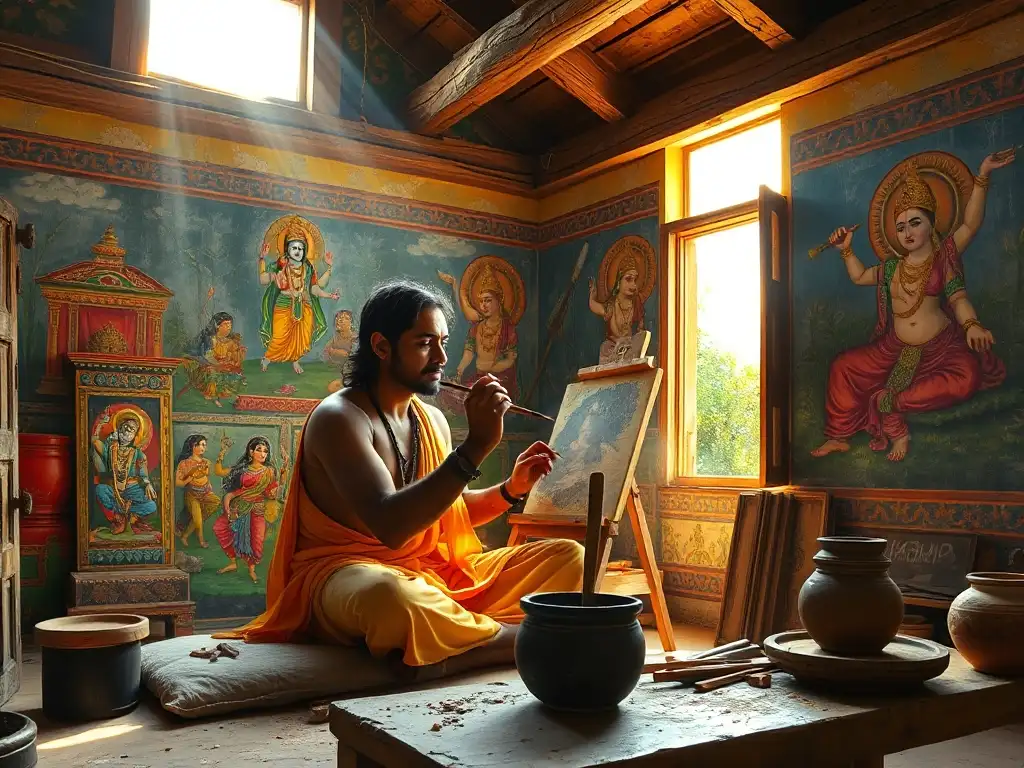
Welcome to Ancient India History, where we delve into the rich tapestry of India's past, exploring the vibrant cultures and profound contributions of ancient civilizations. In our featured article, “The Intersection of Mythology and Visual Arts in Ancient Indian Culture,” we invite you to uncover how mythology intricately weaves through the visual arts, shaping not only artistic expression but also the very fabric of societal beliefs.
Prepare to embark on a fascinating journey that reveals the stories and symbols that have influenced generations. Your exploration of this enchanting world begins now—let's dive deeper into the artistry and spirituality that define ancient India!
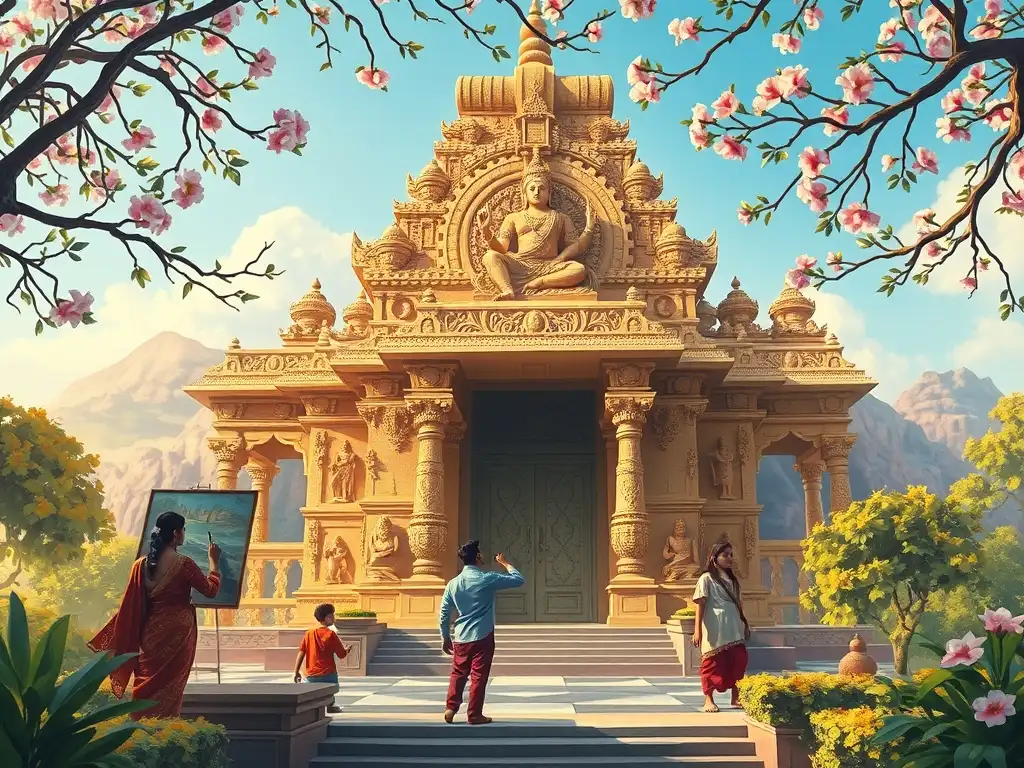
The rich tapestry of ancient Indian culture is woven with threads of mythology and artistry, creating a unique intersection that has influenced the subcontinent's visual arts for centuries. From the intricate carvings of the Indus Valley Civilization to the grandeur of Gupta sculptures, mythology has served as a profound source of inspiration for artists, reflecting the spiritual and cultural ethos of the time.
This article delves into the intricate relationship between mythology and visual arts in India, exploring how ancient narratives and divine representations shaped the creative expressions of various civilizations. By examining key themes and motifs, we aim to uncover the ways in which mythology has not only informed artistic techniques but has also enriched the cultural heritage of India, making it a vibrant field of study for historians and art enthusiasts alike.
Understanding Mythology and Visual Arts in India
Definition of Mythology in Ancient Indian Context
Mythology in ancient India encompasses a vast array of narratives, beliefs, and traditions that explore the nature of the universe, the divine, and human existence. These stories often feature gods, goddesses, and heroic figures, serving as moral and philosophical guides for society. Significant texts, such as the Vedas, Upanishads, and epics like the Mahabharata and Ramayana, are foundational to understanding these mythological constructs. They not only provide insight into the values and beliefs of ancient societies but also serve as a source of inspiration for various art forms, establishing a profound connection between spirituality and creativity.
Overview of Visual Arts in Ancient India
Visual arts in ancient India are characterized by a rich diversity of styles, techniques, and materials. Ranging from pottery and textiles to the magnificent sculptures found in temples, the artistic expressions of ancient India reflect regional variations and cultural influences. The use of vivid colors, intricate patterns, and detailed craftsmanship can be seen in artifacts from the Mauryan, Kushan, and Gupta periods. Each era contributed significantly to the evolution of visual arts, often closely linked to religious practices and societal norms, making it a fascinating domain for exploration and study.
The Relationship Between Mythology and Visual Arts
The relationship between mythology and visual arts in India is both profound and multifaceted. Artists drew upon mythological themes to create visual representations that conveyed deeper meanings and narratives. This interconnectedness can be observed in temple reliefs, murals, and sculptures, where stories from ancient texts are depicted in a manner that invites viewers to engage with the divine. The visual arts not only served as a means of storytelling but also played a crucial role in religious rituals and practices, reinforcing the significance of mythology in everyday life.
Key Themes in Indian Mythology Reflected in Visual Arts
Depictions of Deities and Divine Narratives
One of the most prominent themes in the visual arts of ancient India is the depiction of deities and their narratives. Artists meticulously portrayed gods and goddesses, each characterized by specific attributes, gestures (mudras), and iconography that convey their divine qualities and stories. For instance, the popular deity Vishnu is often depicted reclining on the serpent Ananta, symbolizing his cosmic role. Such representations not only serve an aesthetic purpose but also function as a means of worship, allowing devotees to connect with the divine through visual imagery.
Symbolism of Mythological Creatures in Art
Mythological creatures, such as Garuda (the eagle), Naga (serpent), and the lion-faced Narasimha, are integral to the visual arts of ancient India. These creatures often symbolize various aspects of life, such as power, protection, and transformation. Their representations in art convey complex narratives that resonate with cultural beliefs and values. For example, the depiction of the lion in art often signifies strength and royalty, reflecting the qualities associated with various deities and mythological heroes.
The Role of Epic Narratives in Sculptural Representations
Epic narratives like the Mahabharata and Ramayana have left an indelible mark on the sculptural arts of ancient India. These stories have been translated into stone through intricate carvings and sculptures that depict key events and characters. The visual representation of these epics not only preserves the stories for future generations but also serves as a cultural touchstone, illustrating the moral and ethical dilemmas faced by the characters. Such sculptures often adorned temples and public spaces, reinforcing the importance of these narratives in the collective consciousness of society.
The intersection of mythology and visual arts in ancient India is a testament to the enduring nature of these cultural expressions. By exploring the themes and motifs that characterize this relationship, we gain valuable insights into the spiritual and artistic legacy of one of the world's oldest civilizations.
Major Art Forms Influenced by Mythology
The influence of mythology on visual arts in ancient India is profound and multifaceted. Various art forms, including architecture, painting, and sculpture, serve as canvases to express mythological narratives and themes. These art forms not only reflect the spiritual and cultural ethos of the time but also provide insights into the societal values and beliefs prevalent in different regions. Mythology, often encapsulating tales of deities, heroes, and cosmic events, has inspired artists to create works that transcend mere aesthetics, infusing them with deeper meanings and connections to the divine.
Temples as Artistic Expressions of Mythology
Temples in ancient India stand as monumental testaments to the intersection of mythology and visual arts. Each temple is not merely a place of worship but a microcosm of mythological narratives, meticulously crafted in stone. The intricate carvings that adorn temple walls often depict scenes from epics such as the Ramayana and Mahabharata, illustrating the lives and adventures of gods and goddesses. For instance, the Brihadeeswarar Temple in Thanjavur showcases stunning sculptures of Shiva and his consort Parvati, encapsulating their divine union and the cosmic order.
The architectural design of temples also reflects mythological concepts. The shikhara (tower) of a temple often symbolizes Mount Meru, the axis of the universe in Hindu cosmology. This not only serves a decorative purpose but also establishes a spiritual connection, drawing devotees closer to the divine. Temples like the Sun Temple in Konark are renowned for their elaborate reliefs and artistic representations, which serve to narrate the stories of deities and their significance in ancient Indian culture.
Murals and Frescoes: Telling Mythological Stories
Murals and frescoes are vibrant expressions of mythology that adorn the walls of ancient Indian structures, ranging from temples to palaces. These artworks narrate stories that resonate with the viewer, often depicting scenes from religious texts and folklore. For instance, the Ajanta Caves, with their exquisite frescoes, illustrate the life of Buddha and various Jataka tales, infusing the surroundings with a spiritual ambiance.
The technique of using natural pigments to create these murals has led to the preservation of mythological narratives across centuries. The depiction of gods, celestial beings, and mythological events in these artworks not only serves an aesthetic purpose but also acts as a means of educating the masses about their cultural heritage. The narratives told through murals promote values, ethics, and the significance of dharma, thereby reinforcing societal norms and beliefs.
Sculpture: Capturing Mythological Figures in Stone
Sculpture in ancient India is perhaps one of the most direct manifestations of mythology, as it involves the physical representation of mythological figures. From colossal statues of deities like Vishnu and Durga to intricate reliefs depicting scenes from the Puranas, Indian sculpture captures the essence of mythological narratives in three dimensions.
The craftsmanship involved in sculpting these figures is evident in the lifelike expressions and detailed features that convey emotions and divine attributes. The Khajuraho temples, for instance, showcase a plethora of sculptures that encapsulate erotic themes intertwined with mythological stories, reflecting the belief in the divine interplay of male and female energies. Each sculpture serves not only as an artistic achievement but also as a spiritual symbol, inviting viewers to contemplate the deeper meanings behind the figures they depict.
Regional Variations in Mythology and Visual Arts
The diverse cultural landscape of ancient India has led to significant regional variations in the manifestation of mythology through visual arts. Each region, influenced by its unique local traditions, languages, and historical contexts, has developed distinct artistic styles that reflect its mythological narratives.
The Influence of Regional Mythologies on Art Styles
Regional mythologies play a crucial role in shaping the art styles of different areas in India. For instance, the folk traditions of Rajasthan are reflected in vibrant Pattachitra paintings, which often depict local legends and deities. In contrast, the mythological themes in the art of Kerala, such as Kathakali, are deeply rooted in local folklore and its unique interpretation of the Ramayana and Mahabharata.
The variations in mythological representations can also be seen in how different regions interpret the same deities. While the representation of Shiva may include a serene visage in one region, it may embody a more aggressive form in another, reflecting local beliefs and narratives.
Comparing Northern and Southern Indian Artistic Traditions
Northern and Southern Indian artistic traditions exhibit contrasting yet complementary influences of mythology on their respective visual arts. Northern Indian art, particularly in the realms of Mughal miniatures and Rajput paintings, often emphasizes intricate detailing and vibrant colors, showcasing mythological themes interwoven with courtly life.
Conversely, Southern Indian art, especially in temple sculptures and paintings, focuses on grand narratives and architectural integration. Temples in Tamil Nadu, adorned with towering gopurams (gateway towers), reflect a more monumental approach to mythological representation, emphasizing the grandeur of divine stories and their significance in everyday life.
The Impact of Local Cultures on Mythological Representations
Local cultures significantly impact the portrayal of mythology in visual arts, leading to unique adaptations and interpretations of mythological themes. For example, the tribal art of Madhya Pradesh incorporates local folklore and mythological figures, blending them with traditional motifs and contemporary issues. This creates a dynamic form of expression that resonates with the local community while paying homage to broader mythological narratives.
Furthermore, the integration of local customs and practices into the depiction of mythological stories enriches the visual arts. The use of local materials, techniques, and styles allows for a fusion of mythology with everyday life, making the art more relatable and accessible to the people.
Techniques and Materials in Mythological Visual Arts
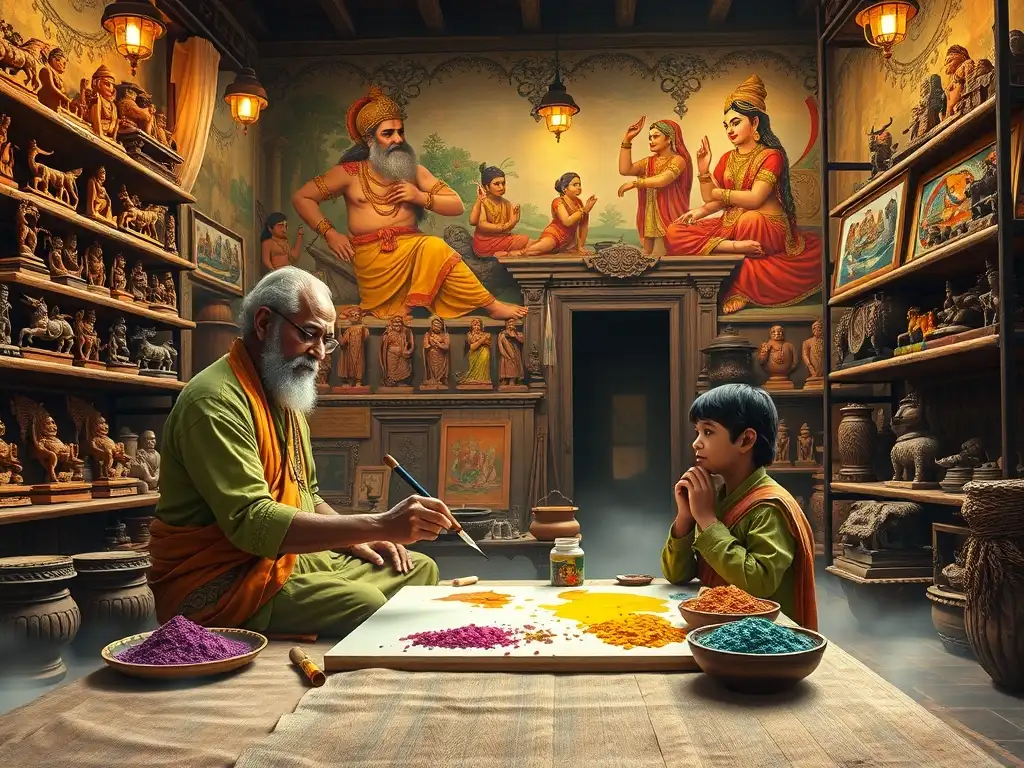
The rich tapestry of ancient Indian culture is vividly illustrated through its mythology and visual arts. As artists sought to convey complex narratives rooted in religious and mythological themes, they employed a range of techniques and materials that not only showcased their skills but also enhanced the storytelling aspect of their works. The intersection of these elements reflects the cultural significance of both mythology and visual arts in ancient India, where every brushstroke and chisel mark carried profound meaning.
Traditional Techniques Used in Mythological Art
Ancient Indian artists utilized a variety of traditional techniques that evolved over centuries, each bearing unique characteristics tied to regional styles and historical contexts. Some of the notable techniques include:
- Chiaroscuro: This technique involved the use of strong contrasts between light and dark to create a sense of volume and depth. Artists employed chiaroscuro to enhance the three-dimensionality of mythological figures, lending them a lifelike quality that drew viewers into the narrative.
- Mural Painting: Often found in temples and caves, mural painting was a widespread practice that allowed for expansive storytelling on walls. These murals depicted various mythological scenes, with vibrant colors and intricate details that conveyed the essence of the narratives.
- Sculptural Techniques: Artists used both relief and freestanding sculpture techniques, carving figures directly from stone or wood. The intricate detailing in sculptures, especially in the depiction of deities and mythological creatures, showcased the skill and precision of ancient artisans.
These techniques not only served aesthetic purposes but also played a crucial role in the transmission of mythological stories, making them accessible to a wider audience.
Materials Commonly Used in Ancient Indian Sculptures
The choice of materials significantly influenced the durability and visual appeal of mythological artworks. Commonly used materials include:
- Stone: Various types of stone were selected based on availability and desired finish. Sandstone and granite were popular for their durability, allowing intricate carvings to withstand the test of time. For example, the sculptures in the Khajuraho temples are predominantly made from sandstone, showcasing detailed carvings that narrate mythological tales.
- Wood: Wooden sculptures were prevalent, especially in regions where stone was less accessible. Artists carved figures from locally sourced timber, often employing techniques like polishing and painting to enhance their appearance.
- Clay: Terracotta was a favored material for smaller sculptures and figurines. These were often used in domestic settings or as ritual objects, reflecting everyday life and mythology intertwined.
- Metal: Bronze and brass were also utilized, especially for creating icons and ritual objects. The lost-wax casting technique allowed for the production of intricate deities and mythological figures, reflecting the sophistication of ancient Indian metallurgy.
The choice of these materials not only contributed to the aesthetic quality of the artworks but also highlighted the cultural significance of the themes depicted.
Innovations in Artistic Techniques Through Mythological Themes
The exploration of mythological themes in ancient Indian visual arts prompted significant innovations in artistic techniques. As artists sought to depict complex narratives, they developed new methods that enhanced their storytelling capabilities. Some key innovations include:
- Narrative Composition: Artists began to experiment with spatial arrangements, using sequential framing to tell a story within a single artwork. This technique allowed viewers to engage with the narrative in a more dynamic way, following the progression of events depicted in the artwork.
- Symbolic Representation: The incorporation of symbolism became more refined, with artists using specific colors, postures, and attributes to convey deeper meanings. For instance, the use of specific mudras (hand gestures) in sculptures not only indicated the identity of deities but also represented their divine attributes.
- Integration of Diverse Influences: As trade routes expanded and cultural exchanges occurred, artists began to integrate elements from different regions and traditions into their works. This cross-pollination led to the emergence of hybrid styles that enriched the mythological narratives depicted in visual arts.
Through these innovations, ancient Indian artists not only preserved their rich mythology but also adapted their techniques to ensure the continued relevance of their art in a changing world.
Case Studies of Iconic Artworks
The exploration of mythology and visual arts in ancient India can be exemplified through several iconic artworks that embody the cultural richness and artistic prowess of the time. These case studies shed light on the intricate relationships between mythology and artistic expression.
Analysis of Khajuraho Temples' Sculptures
The Khajuraho temples, a UNESCO World Heritage Site, are renowned for their elaborate sculptures that intricately blend mythology with sensuality and spirituality. These temples, built between 950 and 1050 CE, feature over 800 sculptures that depict various deities, celestial beings, and mythological narratives.
- Iconic Themes: Many of the sculptures illustrate tales from Hindu mythology, particularly those from the epics like the Mahabharata and Ramayana. The narrative style employed in these sculptures allows viewers to interpret the stories through visual cues, such as the positioning of figures and accompanying attributes.
- Sensuality and Spirituality: The juxtaposition of erotic sculptures alongside divine figures reflects the philosophical belief in the unity of the sacred and the profane in ancient Indian culture. This duality reinforces the concept that physical love and spiritual devotion are interconnected.
- Artistic Mastery: The precision and detail evident in the carvings highlight the exceptional skill of the artisans. Each figure is meticulously crafted, with attention to anatomy and movement, bringing the stories to life.
The Khajuraho sculptures serve as a testament to the rich interplay of mythology and visual arts in ancient India, illustrating both the complexity and beauty of the cultural landscape.
Examination of the "Raja Ravi Varma" Paintings
Raja Ravi Varma, a pivotal figure in the 19th century, is celebrated for his contributions to Indian painting, particularly in the context of mythology. His works have played a significant role in popularizing mythological themes through visual arts.
- Fusion of Styles: Varma skillfully blended traditional Indian themes with European techniques, creating a unique style that appealed to a wide audience. His use of oil paints and an emphasis on realism set his work apart from earlier Indian art forms.
- Iconic Works: Notable paintings such as "Shakuntala" and "The Birth of the Kauravas" depict mythological characters with a sense of emotional depth and dynamism. Varma's ability to capture the essence of his subjects elevates these paintings beyond mere representation.
- Cultural Impact: Varma's art significantly influenced the perception of Indian mythology in contemporary culture. His prints and paintings helped disseminate mythological stories, making them accessible to the general public and fostering a renewed interest in India's rich narrative tradition.
Raja Ravi Varma's paintings exemplify how visual arts can serve as a powerful medium for exploring and celebrating mythology, bridging the past with modern interpretations.
The Story Behind the "Dancing Shiva" Statue
The "Dancing Shiva," or Nataraja, is one of the most iconic representations of Lord Shiva in Indian art, symbolizing the cosmic cycles of creation and destruction. This statue exemplifies the intricate relationship between mythology and visual arts in ancient India.
- Symbolism: The Nataraja figure is rich in symbolism, with each element—the drum, fire, and the position of the legs—conveying profound philosophical concepts. The dance of Shiva is seen as a metaphor for the eternal cycles of creation, preservation, and dissolution.
- Artistic Elements: The craftsmanship of the statue showcases the mastery of ancient sculptors. Delicate features, flowing hair, and dynamic poses capture the essence of movement, embodying the rhythm of the universe.
- Cultural Significance: The Nataraja statue reflects the deep spiritual beliefs of ancient Indian culture, where art served as a medium for expressing divine concepts. Its influence extends beyond India, inspiring artists and spiritual seekers worldwide.
The "Dancing Shiva" statue stands as a powerful testament to the enduring legacy of mythological themes in visual arts, emphasizing the role of artistry in conveying complex spiritual ideas.
The Legacy of Mythology and Visual Arts in Contemporary India
The legacy of mythology and visual arts in contemporary India is a profound reflection of the country’s rich cultural heritage. Ancient Indian mythology has not only shaped the spiritual and philosophical dimensions of society but has also left an indelible mark on various art forms. The intricate narratives of gods and goddesses, epics like the Mahabharata and Ramayana, and folklore continue to inspire and influence artists today.
This intersection of mythology and visual arts manifests in various contemporary mediums, including painting, sculpture, dance, and digital art. Artists draw from mythological themes to explore identity, spirituality, and cultural narratives, often reinterpreting traditional motifs to resonate with modern audiences. This dynamic evolution ensures that ancient stories remain relevant, fostering a deeper understanding of both history and contemporary societal values.
How Ancient Mythology Influences Modern Visual Arts
Ancient mythology serves as a foundational element in modern visual arts, providing a rich source of inspiration for artists seeking to express complex themes through symbolic representation. Mythological figures are often reimagined in contemporary art, where they embody various human emotions and experiences.
For instance, the use of divine imagery in paintings and sculptures often reflects personal and societal struggles, bridging the gap between the past and present. Artists like Raja Ravi Varma have historically blended traditional myths with European techniques, paving the way for contemporary artists to explore similar fusions. The storytelling aspect of mythology enables artists to communicate universal themes of love, conflict, and morality, making ancient narratives accessible to modern viewers.
Contemporary Interpretations of Mythological Themes
Contemporary interpretations of mythological themes in visual arts often challenge traditional representations, providing a platform for critique and exploration of current social issues. Artists may reinterpret characters, placing them in modern contexts that reflect contemporary challenges such as gender roles, caste dynamics, and environmental concerns.
For example, contemporary installations and performances might depict characters from ancient epics in scenarios highlighting social justice or ecological awareness. This reimagining not only revitalizes ancient stories but also encourages dialogue on pressing issues, demonstrating the versatility of mythological narratives in addressing modern realities.
The Preservation of Mythological Art Forms in Modern Times
The preservation of mythological art forms in modern times is vital for maintaining cultural continuity and heritage. Various initiatives, including workshops, art festivals, and academic programs, focus on traditional techniques such as Madhubani painting, Pattachitra, and Tanjore art, ensuring that these forms remain vibrant and relevant in contemporary society.
Additionally, the rise of digital platforms has enabled artists to reach broader audiences, facilitating the dissemination of mythological art beyond traditional settings. This digital renaissance allows for innovative interpretations and adaptations that honor ancient techniques while embracing modern sensibilities. By engaging younger generations, these efforts play a crucial role in preserving the rich tapestry of mythological art forms for future generations.
Conclusion: The Enduring Connection Between Mythology and Visual Arts in India
The enduring connection between mythology and visual arts in India reflects a deep-seated cultural narrative that transcends time. This relationship enriches the artistic landscape, allowing for a continuous exchange of ideas and inspirations that drive creativity. The interplay between ancient stories and modern expressions serves as a testament to the resilience of these narratives, ensuring they remain a vital part of cultural discourse.
Summary of Key Insights on Mythology and Visual Arts
The intersection of mythology and visual arts in India highlights several key insights:
- Cultural Heritage: Ancient mythology continues to shape contemporary artistic practices, serving as a foundational element in visual storytelling.
- Social Relevance: Modern interpretations provide critical reflections on contemporary issues, allowing for a dialogue between past and present.
- Preservation Efforts: Initiatives focused on traditional art forms foster cultural continuity, ensuring that mythological narratives remain vibrant.
The Importance of Mythological Narratives in Artistic Heritage
Mythological narratives play a crucial role in shaping the artistic heritage of India. They not only provide a historical context for various art forms but also embody the collective consciousness of society. These stories encapsulate moral lessons, cultural values, and spiritual beliefs, enriching the artistic landscape and offering insights into human experiences across generations.
Artists who engage with these narratives create works that resonate with viewers on multiple levels, bridging the gap between individual interpretation and collective memory. This connection underscores the importance of preserving and promoting mythological themes within the visual arts, as they contribute significantly to the understanding of cultural identity.
Future Directions in the Study of Mythology and Visual Arts in India
Future directions in the study of mythology and visual arts in India will likely focus on interdisciplinary approaches that merge art history, cultural studies, and anthropology. Researchers and scholars may explore the impact of globalization on traditional art forms and how new media can facilitate the reinterpretation of mythological themes.
Moreover, collaborative projects between artists and scholars can foster innovative expressions that reflect the complexities of contemporary society. As the discourse around mythology and visual arts continues to evolve, the integration of diverse perspectives will enrich our understanding of these intertwined domains, ensuring their relevance in an ever-changing cultural landscape.
- Understanding Mythology and Visual Arts in India
- Key Themes in Indian Mythology Reflected in Visual Arts
- Major Art Forms Influenced by Mythology
- Regional Variations in Mythology and Visual Arts
- Techniques and Materials in Mythological Visual Arts
- Case Studies of Iconic Artworks
- The Legacy of Mythology and Visual Arts in Contemporary India
- Conclusion: The Enduring Connection Between Mythology and Visual Arts in India
- What is the significance of mythology in ancient Indian visual arts?
- How did ancient Indian civilizations represent mythological themes in their art?
- What are some examples of ancient Indian visual arts influenced by mythology?
- How did the Gupta Empire contribute to the development of mythology and visual arts?
- In what ways do modern interpretations of ancient Indian arts reflect mythology?
Frequently Asked Questions
What is the significance of mythology in ancient Indian visual arts?
Mythology played a central role in shaping ancient Indian visual arts, providing inspiration for various forms of artwork, including sculptures, paintings, and temple architecture.
How did ancient Indian civilizations represent mythological themes in their art?
Ancient Indian art often depicted mythological themes through symbolism and iconography, showcasing deities, epic tales, and cultural beliefs that were integral to their societal values.
What are some examples of ancient Indian visual arts influenced by mythology?
Key examples include the Ajanta and Ellora Caves, which feature intricate frescoes and carvings illustrating scenes from ancient texts like the Mahabharata and Ramayana.
How did the Gupta Empire contribute to the development of mythology and visual arts?
The Gupta Empire is often referred to as the Golden Age of India, where there was a flourishing of arts, including sculpture and painting, heavily influenced by mythological narratives and religious themes.
In what ways do modern interpretations of ancient Indian arts reflect mythology?
Modern artists often draw on ancient mythological themes to create contemporary works, blending traditional techniques with modern styles to explore and reinterpret these timeless narratives.
Final Reflection: The Enduring Legacy of Mythology and Visual Arts in India
The intersection of mythology and visual arts in ancient Indian culture remains profoundly relevant today, as it continues to shape our understanding of identity, spirituality, and creativity. The rich tapestry of stories and symbols woven into the fabric of Indian art not only reflects the beliefs and values of a bygone era but also serves as a source of inspiration for contemporary artists and thinkers. In a world increasingly driven by technology and modernity, the timeless narratives of mythology remind us of our shared human experience and the power of storytelling.
The influence of mythology on visual arts has transcended generations, fostering a deep cultural connection that resonates with people across various backgrounds. The vibrant depictions of deities, heroes, and cosmic events in ancient Indian art invite us to explore the complexities of existence and the divine. As artist and scholar Ananda Coomaraswamy once said, The artist is not a special kind of man, but every man is a special kind of artist.
This notion emphasizes the universal relevance of artistic expression rooted in mythological themes, inviting individuals to engage with their own narratives and cultural heritage.
As we reflect on the lessons embedded in the intersection of mythology and visual arts, let us embrace the call to explore our own stories and the artistic expressions that arise from them. Consider how the myths that resonate with you can inspire your creativity and enrich your understanding of the world.
Whether through painting, writing, or any other form of expression, take a moment to honor the legacy of ancient Indian culture and allow it to guide you in your own artistic journey. The past is not merely a memory; it is a wellspring of inspiration waiting to be tapped into by each of us.
Unveil the Beauty of Ancient Indian Mythology Through Art!
Thank you for exploring the fascinating intersection of mythology and visual arts in ancient Indian culture! You’ve gained insights into how these timeless stories were brought to life through stunning visuals. Now, it’s time to take the next step in your journey of discovery.
Here are a few powerful actions to deepen your connection with this captivating subject:
- Dive deeper into mythology: Explore ancient texts or visit a local library or online database to understand how these stories shaped the art of their time.
- Create your own art piece: Draw inspiration from ancient Indian motifs or narratives, and share your creation on social media to inspire others!
- Join a community: Connect with art and mythology enthusiasts by participating in online forums or local workshops dedicated to ancient cultures and their artistic expressions.
As you reflect on this vibrant blend of art and mythology, consider this: What story would you choose to illustrate if you could create your own piece of ancient art?