
Ancient Indian Pottery: Unraveling the Aesthetic and Functional Aspects

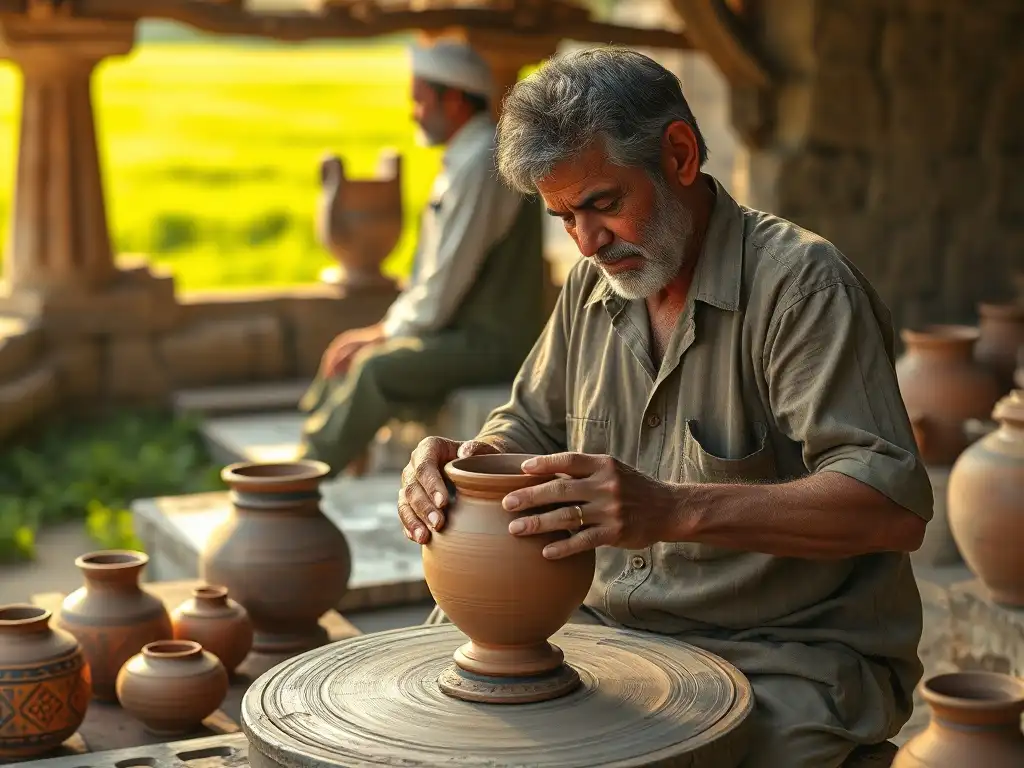
Welcome to Ancient India History, where we embark on a fascinating journey through time to explore the rich tapestry of ancient Indian civilizations. In our latest article, we delve into the captivating world of ancient Indian pottery techniques, uncovering not only the aesthetic beauty but also the functional brilliance behind these remarkable creations. Discover how these techniques shaped the cultural landscape and left an indelible mark on the art forms of the time. Join us as we unravel the stories and secrets that lie within this enduring craft, and prepare to be inspired by the ingenuity of our ancestors!
Introduction to Ancient Indian Pottery
Ancient Indian pottery serves as a remarkable testament to the creativity and craftsmanship of early civilizations in the Indian subcontinent. From the intricate designs of the Indus Valley Civilization to the functional utility seen in Vedic and Gupta periods, pottery not only reflects the aesthetic sensibilities of its time but also offers insights into the daily lives, rituals, and cultural practices of ancient peoples. The study of ancient Indian pottery techniques encompasses a wide range of methods, styles, and purposes, underscoring the significance of this art form in understanding the broader tapestry of Indian history.
Overview of Ancient Indian Pottery Techniques
The techniques employed in ancient Indian pottery evolved significantly over millennia, showcasing both innovation and tradition. Some key aspects include:
- Hand-building: Early artisans primarily used hand-building methods such as coiling, pinching, and slab construction.
- Wheel-throwing: The introduction of the potter's wheel during the later periods allowed for more uniform and intricate shapes, enhancing both functionality and beauty.
- Firing Techniques: Pottery was often fired in open kilns or pits, leading to advancements in temperature control, glazing, and surface finishes, which contributed to the durability and aesthetic appeal of the vessels.
- Decoration: Decorative techniques included painting, engraving, and the use of slip (liquid clay) to create patterns and motifs that often held symbolic meanings.
Importance of Pottery in Ancient Indian Culture
Pottery played a crucial role in ancient Indian culture, serving various functions that went beyond mere utility. Its significance can be summarized as follows:
- Cultural Identity: Different regions developed distinct styles, which helped in the identification of cultural groups and fostered a sense of community.
- Trade and Economy: Pottery was a key commodity in trade networks, facilitating economic exchanges both locally and with neighboring regions.
- Religious Practices: Many pottery items were used in religious rituals, reflecting the spiritual beliefs and practices of ancient societies.
- Daily Life: Functional pottery, including storage jars, cooking vessels, and serving dishes, was essential for daily activities, illustrating the practical aspects of life in ancient India.
Historical Context of Pottery in Ancient India
Understanding the evolution of pottery in ancient India requires a look into its historical context, highlighting significant periods that shaped its development.
Pottery in the Indus Valley Civilization
The Indus Valley Civilization (circa 3300–1300 BCE) is renowned for its sophisticated pottery techniques, characterized by:
- Red and Black Ware: This type of pottery was often decorated with intricate geometric patterns and animal motifs.
- Mass Production: The use of the potter's wheel enabled the mass production of standard shapes, reflecting advanced manufacturing techniques.
- Cultural Significance: Pottery artifacts from this period provide valuable insights into the social, economic, and religious practices of the civilization.
Evolution of Pottery Through the Vedic Period
During the Vedic period (circa 1500–500 BCE), pottery continued to evolve, marked by:
- New Form Styles: The introduction of new forms, such as painted grey ware, which featured elaborate designs and motifs.
- Functionality: Pottery became more utilitarian, with an emphasis on vessels suited for cooking, storage, and ritual use.
- Cultural Integration: The exchange of ideas and techniques with neighboring cultures influenced the development of pottery styles.
The Gupta Era and Its Influence on Pottery Techniques
The Gupta Empire (circa 320–550 CE) is often referred to as a golden age in Indian history, and its impact on pottery was significant:
- Refinement of Techniques: Potters refined their techniques, leading to the production of high-quality ceramics with intricate designs and vibrant glazes.
- Artistic Flourishing: The period saw a flourishing of the arts, including pottery, which often depicted scenes from mythology and daily life.
- Regional Variations: Different regions developed their unique styles, contributing to the rich tapestry of ancient Indian pottery.
The exploration of ancient Indian pottery techniques reveals not only the artistic talents of ancient potters but also the cultural and historical narratives embedded in their creations. This art form remains a vital component of India's rich heritage, offering valuable insights into the lives of those who came before us.
Aesthetic Aspects of Ancient Indian Pottery
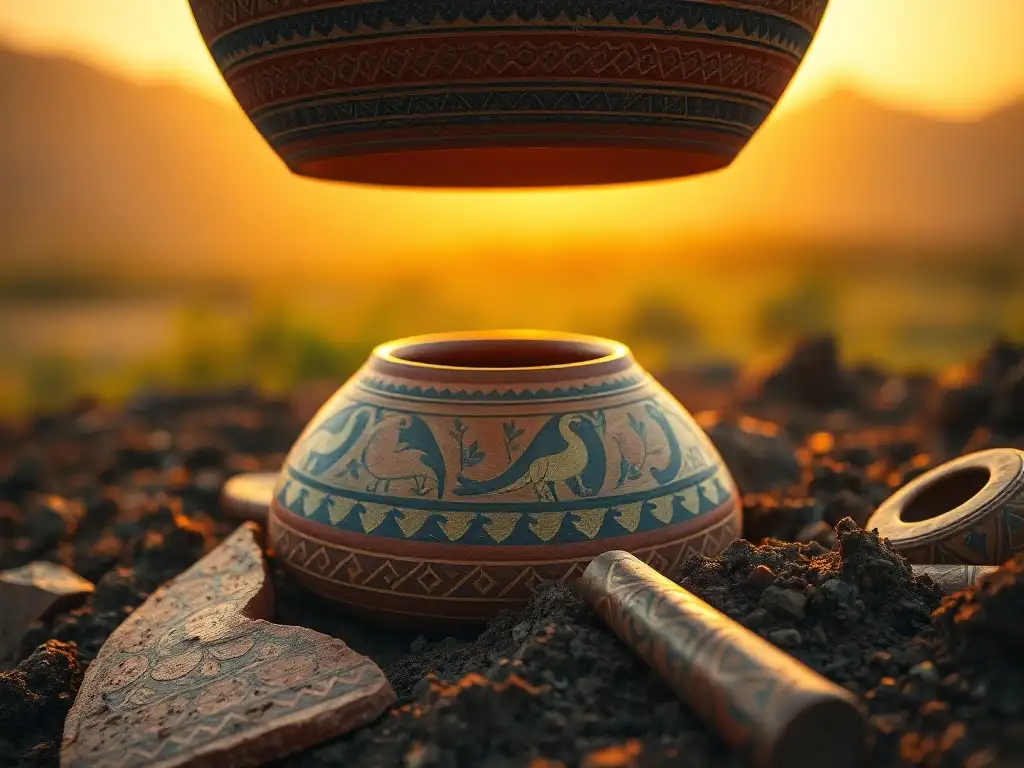
The aesthetic aspects of ancient Indian pottery highlight the remarkable creativity and artistic expression inherent in the pottery-making traditions of the subcontinent. Ancient Indian potters combined functionality with art, resulting in vessels that were not only utilitarian but also visually stunning. These aesthetic qualities are evident in the intricate designs, vibrant colors, and diverse forms found across different periods and regions.
Decorative Styles and Patterns in Pottery
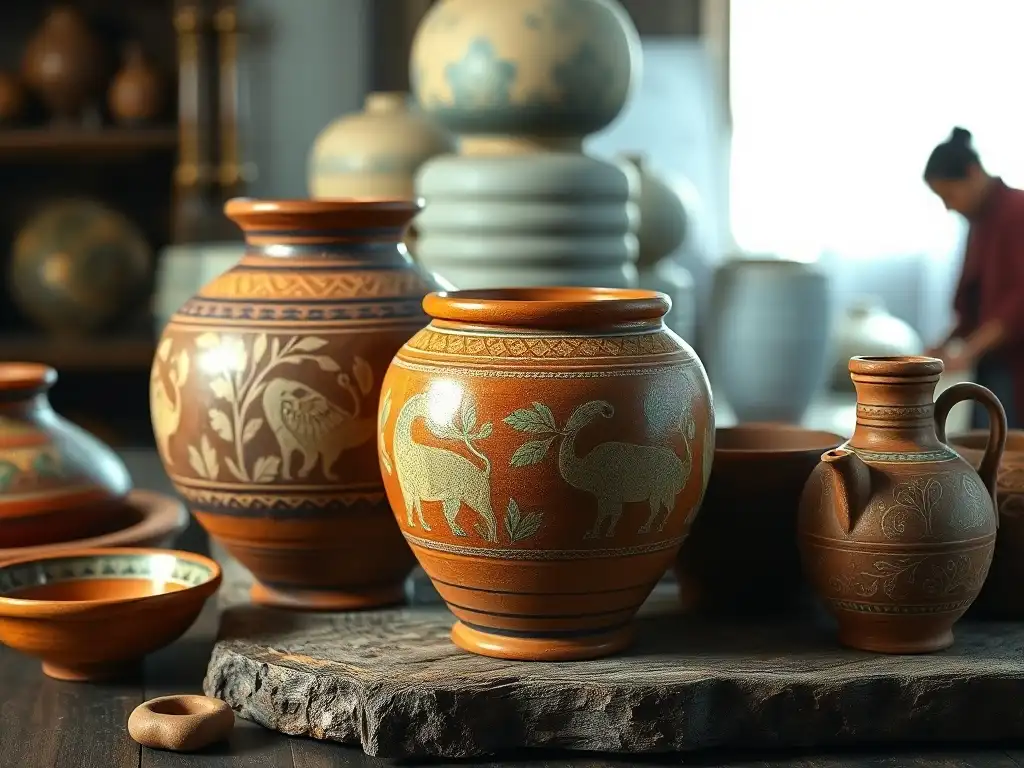
The decorative styles in ancient Indian pottery are characterized by a myriad of patterns and motifs that reflect cultural stories, beliefs, and aesthetics. Notable styles include:
- Geometric Patterns: Often found in pottery from the Indus Valley civilization, these designs include intricate lines, spirals, and shapes that convey a sense of order and symmetry.
- Floral and Fauna Motifs: Many potters integrated natural elements into their designs, using floral patterns and animal representations to symbolize fertility and nature's bounty.
- Iconography: Some pottery features depictions of deities or mythological figures, showcasing the interplay between art and spirituality in ancient Indian life.
The use of contrasting colors, such as blacks, reds, and whites, enhanced the visual appeal of these pieces, making them not only functional objects but also important artistic statements.
Symbolism in Pottery Designs
The symbolism embedded in pottery designs offers insight into the values and beliefs of ancient Indian societies. Each design element can hold specific meanings:
- Spirals: Often symbolize eternity and the cyclical nature of life.
- Lotus Flowers: Represent purity and spiritual awakening, frequently associated with various deities.
- Wavy Lines: These may symbolize water, reflecting the essential role of rivers and lakes in sustaining life and culture.
Understanding these symbols enriches our appreciation of how ancient Indian pottery served not only practical purposes but also acted as a canvas for cultural expression.
Regional Variations in Aesthetic Approaches
Ancient Indian pottery displays significant regional variations, influenced by local customs, resources, and artistic traditions. For example:
- Indus Valley Pottery: Known for its sophisticated techniques and use of wheel-thrown pottery, often adorned with intricate geometric patterns.
- Northern Indian Styles: Pottery from this region, particularly during the Gupta period, features elaborate painted decorations and finer details, showcasing advanced craftsmanship.
- Southern Indian Traditions: Here, pottery often includes earthy tones and simple yet elegant forms, reflecting the agrarian lifestyle and the use of locally sourced materials.
These regional nuances contribute to the rich tapestry of ancient Indian pottery, showcasing how geography and culture intersect in artistic expression.
Functional Aspects of Ancient Indian Pottery
The functional aspects of ancient Indian pottery demonstrate its essential role in daily life, trade, and spiritual practices. Pottery was not merely decorative; it served critical purposes that supported various facets of ancient Indian civilization.
Everyday Uses of Pottery in Ancient India
Pottery in ancient India played a vital role in everyday life. Common uses included:
- Storage Vessels: Large pots were used for storing grains, liquids, and other food items, critical for the sustenance of families and communities.
- Cooking Implements: Clay pots were utilized for cooking, with designs adapted for various methods, such as boiling or baking.
- Ceremonial Items: Specially crafted pottery was used in rituals and festivities, highlighting the intersection of utility and spirituality.
These everyday objects reflect the ingenuity of ancient potters in meeting the needs of their communities while also contributing to the cultural landscape.
Pottery as a Tool for Trade and Economy
Ancient Indian pottery also functioned as a significant economic tool. The production of pottery was often tied to local economies:
- Trade Goods: Pottery was frequently traded between regions, with certain styles becoming highly sought after. For instance, the fine red pottery from the Northern regions was exchanged for goods from the South.
- Craftsmanship and Skills: The pottery-making process fostered local craftsmanship, providing livelihoods for artisans and contributing to the economic structure of communities.
This economic dimension underscores the importance of pottery beyond mere aesthetics, revealing its role in fostering connections between different cultures and regions.
Ritualistic and Ceremonial Functions of Pottery
The ritualistic and ceremonial functions of pottery highlight its spiritual significance in ancient Indian societies. Pottery was often used in various religious and cultural ceremonies:
- Offerings and Altars: Pottery vessels were utilized for offerings to deities during religious rituals, symbolizing respect and devotion.
- Funerary Practices: Certain pottery items were included in burial sites, believed to accompany the deceased in the afterlife, showing the deep cultural beliefs surrounding death and the afterlife.
- Festivals and Celebrations: Special pottery pieces were created for festivals, enhancing the celebratory atmosphere and serving as vessels for offerings or food.
These functions illustrate how pottery transcended its utilitarian role, becoming integral to the spiritual and cultural fabric of ancient Indian life.
Ancient Indian Pottery Techniques
Ancient Indian pottery techniques reflect a rich tradition that intertwines artistry with functionality. These techniques evolved over centuries, influenced by regional resources, cultural exchanges, and technological advancements. The pottery produced in ancient India served not only as utilitarian objects but also as significant cultural artifacts that provide insights into the social, religious, and economic life of the time. Key techniques such as wheel-throwing, hand-building, glazing, and firing methods showcase the skill and creativity of ancient potters, contributing to the lasting legacy of ancient Indian pottery.
Traditional Wheel-Throwing Methods
Wheel-throwing is one of the hallmark techniques of ancient Indian pottery, allowing artisans to create symmetrical and finely shaped vessels. The potter's wheel, introduced around 3000 BCE, revolutionized pottery-making in the Indian subcontinent. This technique enabled potters to produce various forms, including jars, bowls, and plates, characterized by their precision and smooth surfaces.
Potters would spin the wheel at a controlled speed, using their hands to shape the clay into desired forms. The use of clay from specific regions, such as the alluvial soil of riverbanks, contributed to the durability and aesthetic quality of the pottery. Additionally, the introduction of the fast wheel around the 1st century BCE further enhanced the efficiency of pottery production, allowing for more intricate designs and larger vessels.
Hand-Building Techniques in Ancient Pottery
Hand-building techniques, including coiling and slab construction, were fundamental methods employed by ancient Indian potters, especially before the widespread use of the potter's wheel. Coiling involved rolling clay into long strips, which were then stacked and shaped to create pots of varying sizes. This technique allowed for greater artistic expression and experimentation with form and texture.
Slab construction involved shaping flat pieces of clay into geometric forms, which were then joined together to produce containers and other objects. These methods were often used in conjunction with decorative techniques, such as incising and stamping, to enhance the visual appeal of the pottery. Hand-built pottery often features unique and irregular designs, reflecting the individuality of the artisan and the cultural context in which it was created.
Glazing and Firing Processes Unique to Ancient India
The glazing and firing processes in ancient Indian pottery were pivotal in achieving both functional and aesthetic qualities. Ancient potters developed various glazing techniques, including slip glazing and ash glazing, to enhance the surface appearance of their pottery. Slip glazing involved applying a liquid mixture of clay and water to the surface of the pottery before firing, resulting in a smooth and often colorful finish.
Firing techniques varied significantly across regions, with most ancient Indian pottery being fired in open kilns or pit kilns. The temperature and atmosphere of the firing process significantly influenced the final appearance and durability of the pottery. Some potters employed reduction firing techniques, which limited the oxygen in the kiln, producing distinctive colors and surface effects. These innovative glazing and firing methods contributed to the diversity and richness of ancient Indian pottery.
Case Studies of Notable Pottery Styles
Analysis of Harappan Pottery Styles
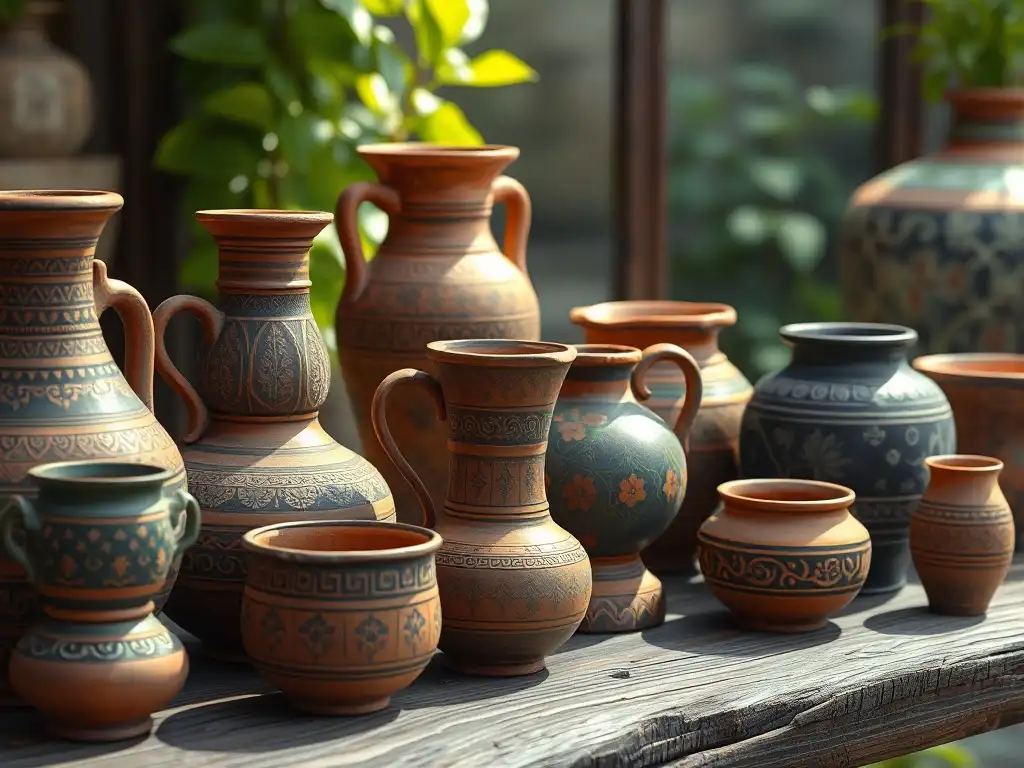
The Harappan civilization, one of the earliest urban cultures in the Indian subcontinent, produced a distinctive style of pottery that is characterized by its geometric designs, polished surfaces, and use of red and black slip. Harappan pottery often featured intricate motifs, including animals and floral patterns, indicative of the civilization's artistic sophistication.
The production of this pottery was often associated with specialized workshops, highlighting the social organization within Harappan society. The use of high-fired ceramics and the introduction of the potter's wheel during this period marked significant technological advancements, allowing for the mass production of durable and aesthetically pleasing pottery.
Exploring the Distinctive Features of Painted Grey Ware
Painted Grey Ware (PGW) emerged during the late Vedic period and is noted for its unique combination of grey fabric and decorative motifs. Characterized by its fine finish and the application of red and white paint, PGW pottery was used extensively in domestic and ritual contexts.
The designs often included geometric patterns, animal figures, and human forms, reflecting the cultural and spiritual beliefs of the time. The production of PGW pottery showcases the transition from utilitarian to more decorative forms, highlighting the evolving artistic sensibilities in ancient India.
The Role of Terracotta in Ancient Indian Pottery
Terracotta played a crucial role in ancient Indian pottery, utilized for both functional objects and artistic expressions. Terracotta figurines, pottery, and decorative tiles offer a glimpse into the daily life, rituals, and beliefs of ancient societies.
Terracotta was particularly significant in religious contexts, with many figurines representing deities, fertility symbols, and domestic scenes. The versatility of terracotta allowed artisans to experiment with various forms and styles, contributing to the rich tapestry of ancient Indian art. The durability of terracotta artifacts has enabled modern archaeologists to study and appreciate the cultural heritage of ancient India.
Preservation and Legacy of Ancient Indian Pottery
The preservation of ancient Indian pottery provides a vital window into the artistic and functional lives of past civilizations. Pottery, often made from locally sourced clay, shows a remarkable adaptability to environmental conditions, allowing it to survive for thousands of years. Key archaeological sites, such as Harappa and Mohenjo-Daro, have yielded numerous artifacts that illustrate the craftsmanship and aesthetic sensibilities of the Indus Valley Civilization. These findings not only highlight the techniques employed but also showcase the cultural narratives embedded within each piece.
The legacy of ancient Indian pottery continues to inform contemporary practices among artisans and scholars alike. Many traditional pottery techniques have been meticulously documented and preserved, fostering a sense of continuity and respect for historical craftsmanship. This legacy is evident in the ongoing workshops and educational programs that aim to teach the ancient methods to new generations, ensuring that these time-honored skills do not fade into obscurity.
Archaeological Discoveries and Their Significance
Archaeological discoveries of ancient pottery across various sites in India have significantly enhanced our understanding of past societies. Excavations at sites such as the Ahar-Banas region and the archaeological remains of the Maurya and Gupta empires have unveiled a rich tapestry of pottery styles, ranging from utilitarian vessels to intricate decorative pieces. Each discovery serves as a testament to the technological innovation and artistic expression of its time.
The significance of these findings extends beyond mere aesthetic appreciation. They provide critical insights into trade networks, cultural exchanges, and the daily lives of ancient peoples. For instance, the presence of foreign pottery styles in Indian sites indicates interactions with other civilizations, suggesting a complex web of cultural and economic exchanges that shaped ancient Indian society.
Modern Interpretations and Revivals of Ancient Techniques
Modern artists and craftsmen are increasingly inspired by ancient Indian pottery techniques, leading to a revival of traditional methods in contemporary art. This resurgence often blends ancient aesthetics with modern functionality, resulting in unique pieces that honor the past while meeting present-day needs. Techniques such as hand-coiling, glazing, and pit firing are being reintroduced, allowing artisans to connect with the historical roots of their craft.
Workshops and art residencies focused on ancient pottery techniques are becoming more prevalent, providing platforms for artists to experiment while learning from seasoned practitioners. These initiatives not only promote the continuation of traditional crafts but also encourage innovation, as modern interpretations breathe new life into age-old practices.
The Impact of Ancient Pottery on Contemporary Art Forms
The influence of ancient Indian pottery on contemporary art forms is profound and multi-faceted. Many contemporary artists draw inspiration from the shapes, motifs, and glazing techniques found in ancient pottery, incorporating these elements into their works. This cross-pollination of ideas fosters a deeper appreciation for the historical context and cultural significance of pottery.
Moreover, the integration of ancient techniques into modern art forms has led to a broader discourse on sustainability and craftsmanship. As contemporary artists seek to minimize their environmental impact, the eco-friendly practices inherent in ancient pottery—such as the use of local materials and natural firing methods—are being revisited and adapted for today's context.
Conclusion
In sum, ancient Indian pottery serves as a rich tapestry of aesthetic and functional aspects that continue to resonate through time. The preservation of these artifacts allows for a deeper understanding of the cultures that produced them, while modern interpretations breathe new life into traditional techniques.
Summary of Key Aesthetic and Functional Aspects
The key aesthetic aspects of ancient Indian pottery include intricate designs, varying forms, and the use of natural colors derived from local materials. Functional aspects are equally significant, as pottery was crafted for diverse purposes, from storage and cooking to ceremonial use, reflecting the everyday lives of ancient peoples. The marriage of beauty and utility is a hallmark of these ancient creations, highlighting the sophistication of the artisans' skills.
The Enduring Influence of Ancient Indian Pottery Techniques on Modern Crafts
The enduring influence of ancient Indian pottery techniques is evident in the work of contemporary artisans who embrace traditional methods to create modern pieces. This synergy between past and present not only preserves historical knowledge but also enriches the contemporary craft landscape. As more artisans and designers recognize the value of these ancient techniques, they contribute to a vibrant revival that honors the legacy of ancient Indian pottery while fostering innovation and sustainability in the art forms of today.
- Introduction to Ancient Indian Pottery
- Overview of Ancient Indian Pottery Techniques
- Importance of Pottery in Ancient Indian Culture
- Historical Context of Pottery in Ancient India
- Aesthetic Aspects of Ancient Indian Pottery
- Functional Aspects of Ancient Indian Pottery
- Ancient Indian Pottery Techniques
- Case Studies of Notable Pottery Styles
- Preservation and Legacy of Ancient Indian Pottery
- Conclusion
Frequently Asked Questions
What are ancient Indian pottery techniques?
Ancient Indian pottery techniques refer to the methods and styles used by artisans to create functional and decorative pottery, showcasing the cultural and artistic expressions of various ancient Indian civilizations.
How did the Indus Valley Civilization influence pottery?
The Indus Valley Civilization is known for its innovative pottery techniques, including the use of a potter's wheel and intricate designs, which laid the foundation for pottery styles in subsequent ancient Indian cultures.
What materials were commonly used in ancient Indian pottery?
Ancient Indian potters primarily used clay sourced from riverbeds, often mixed with other materials like sand or grog to enhance durability and texture in their creations.
What themes are often depicted in ancient Indian pottery?
Ancient Indian pottery often features mythological themes, everyday life, and nature, reflecting the spiritual beliefs and daily activities of the people from that era.
How did pottery contribute to ancient Indian society?
Pottery played a crucial role in ancient Indian society, serving both functional purposes such as storage and cooking, as well as being a medium for artistic expression and cultural identity.
Final Reflection: The Timeless Legacy of Ancient Indian Pottery Techniques
Ancient Indian pottery techniques are not merely relics of the past; they are vibrant expressions of culture, functionality, and artistry that resonate with our contemporary lives. As we explore the intricate designs and innovative methods of ancient artisans, we uncover a profound connection to our shared human experience, reminding us that creativity is a timeless thread woven through the fabric of society. The beauty and utility of these pottery techniques continue to inspire modern artisans and collectors alike, highlighting the enduring relevance of this ancient craft.
The influence of ancient Indian pottery extends far beyond its physical artifacts; it shapes our understanding of cultural identity and community. The techniques developed by our ancestors reflect their environment, beliefs, and daily lives, serving as a testament to their ingenuity. Art is the most beautiful of all lies.
– Claude Debussy. This quote encapsulates the essence of pottery as both an artistic endeavor and a functional necessity, bridging the gap between aesthetics and utility. As we appreciate these ancient techniques, we also recognize their role in fostering a sense of belonging and continuity in our rapidly changing world.
As we reflect on the lessons of ancient Indian pottery, let us embrace the call to honor our heritage while innovating for the future. Consider how you can incorporate the principles of craftsmanship, sustainability, and creativity into your own life. Whether through art, cooking, or everyday practices, each of us has the potential to carry forward the legacy of these ancient techniques, enriching our lives and the lives of those around us. Let this reflection inspire you to explore your own creative journey, drawing from the wisdom of the past as you shape the future.
Unveil the Beauty and Functionality of Ancient Indian Pottery!
Thank you for diving into the fascinating world of Ancient Indian pottery with us! You’ve uncovered its incredible aesthetic and functional significance, and now it’s time to put that knowledge into practice. Embrace the rich heritage of Indian craftsmanship and explore how you can carry this legacy forward.
Here are a few exciting actions you can take:
- Start your own pottery journey! Join a local pottery class to create your own pieces while learning traditional techniques.
- Explore the art of ancient pottery through virtual museums or exhibitions that showcase exquisite collections.
- Share your newfound knowledge by discussing your insights with friends or on social media—let others know about the beauty of Ancient Indian pottery!
Which piece of Ancient Indian pottery resonates with you the most, and how do you see it influencing modern art or design?