
How Ancient Indian Art Reflects the Influence of Neighboring Civilizations

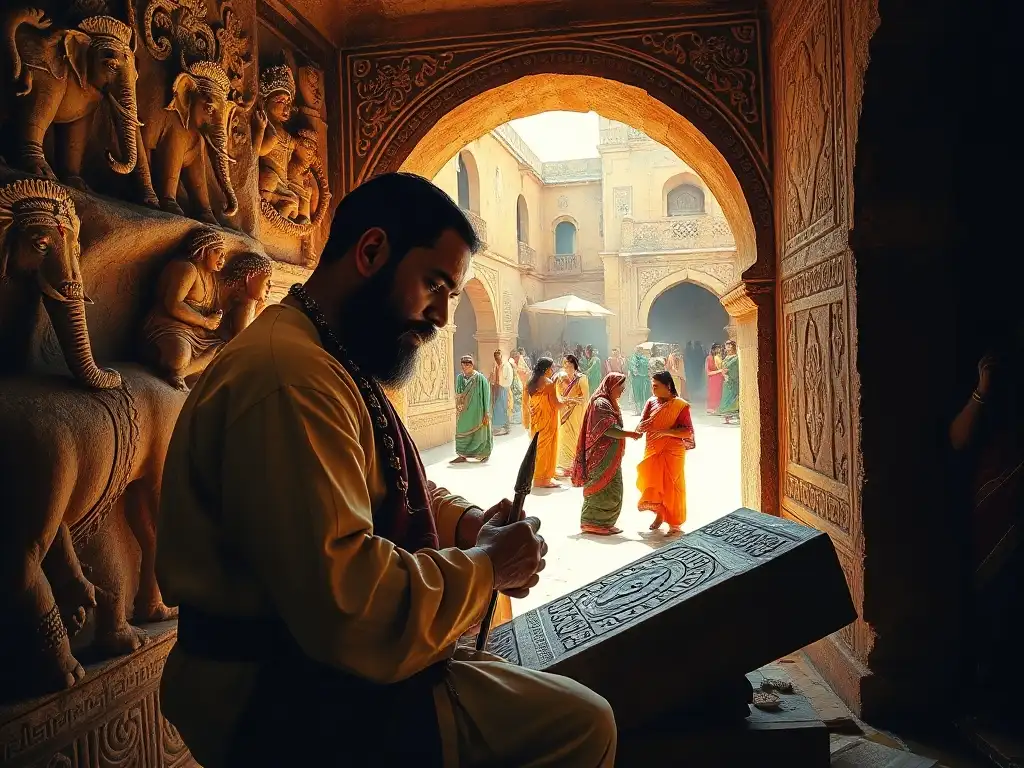
Welcome to Ancient India History, where we embark on a fascinating journey through time to uncover the rich tapestry of ancient Indian civilizations. In this exploration, we delve into ancient Indian art and culture, revealing how these magnificent creations not only reflect the unique heritage of India but also the profound influences of neighboring civilizations.
Prepare to be captivated as we unravel the stories behind the artistry that shaped a nation—each brushstroke and sculpture a testament to cultural exchanges that transcended borders. Join us as we dive deeper into this vibrant world, and discover how art serves as a mirror to the past, inviting you to explore the intricate connections that have defined our history.
- Introduction to Ancient Indian Art and Culture
- Historical Context of Ancient Indian Art
- Key Characteristics of Ancient Indian Art
- Common Themes in Ancient Indian Art and Culture
- Techniques and Materials Used in Ancient Indian Art
- Influence of Neighboring Civilizations on Ancient Indian Art
- Case Studies of Cultural Exchange in Ancient Indian Art
- Conclusion: Legacy of Ancient Indian Art and Culture
- Frequently Asked Questions
- Final Reflection: The Timeless Dialogue of Ancient Indian Art and Culture
- Unveil the Colors of Connection in Ancient Art!
Introduction to Ancient Indian Art and Culture
Ancient Indian art and culture represent a profound tapestry woven with the threads of various influences, showcasing the richness and diversity of Indian civilization. From the intricate carvings of the Indus Valley to the majestic sculptures of the Gupta Empire, art in ancient India serves as a mirror reflecting the interactions with neighboring civilizations.
This article delves into how these exchanges not only enriched the aesthetic expressions of Indian artists but also fostered a unique cultural identity that resonates through the ages. Understanding the nuances of ancient Indian art and culture is vital for appreciating the complexity of historical interactions and the evolution of artistic styles in the subcontinent.
Overview of Ancient Indian Art
Ancient Indian art encompasses a vast array of forms, techniques, and materials, each telling a story of its time. Key characteristics of this art include:
- Diverse Mediums: Ancient Indian artists utilized a variety of materials, such as stone, metal, clay, and textiles, to create their works. Notable examples include the rock-cut caves of Ajanta and Ellora, which showcase exquisite frescoes and sculptures.
- Religious Themes: Much of ancient Indian art was deeply intertwined with religion, particularly Hinduism, Buddhism, and Jainism. Deities, mythological narratives, and spiritual teachings are prevalent motifs, evident in temples and sculptures across the region.
- Geometric Patterns and Symbolism: Artisans incorporated intricate geometric patterns and symbolic motifs, reflecting the philosophical and spiritual beliefs of the time. These patterns often served to convey deeper meanings, linking the mundane with the divine.
The legacy of ancient Indian art is not merely confined to its aesthetic beauty; it also serves as a crucial historical document, offering insights into societal values, technological advancements, and intercultural dialogue.
Significance of Cultural Influences in Ancient India
The cultural influences on ancient Indian art were multifaceted, stemming from interactions with various neighboring civilizations, such as the Persians, Greeks, and Central Asians. These interactions manifested in several significant ways:
- Adoption and Adaptation: Ancient Indian artists often adopted techniques and styles from neighboring cultures, leading to innovative forms of artistic expression. For example, the influence of Hellenistic art is evident in the sculptures of the Gandhara region, where Greek artistic principles were blended with Indian themes.
- Trade Routes and Cultural Exchange: The establishment of trade routes, such as the Silk Road, facilitated not only the exchange of goods but also ideas and artistic styles. This exchange enriched the visual vocabulary of ancient Indian art, incorporating elements from distant lands.
- Political Alliances and Intermarriages: Political relationships and intermarriages between ruling dynasties across regions encouraged cultural fusion. The Mauryan Empire, for instance, saw the infusion of Persian artistic influences, particularly in architectural styles.
- Religious Syncretism: The spread of Buddhism beyond India brought about a confluence of artistic traditions, as seen in the Buddhist stupas and monastic complexes that emerged in regions like Central Asia and Southeast Asia.
The intricate dynamics of cultural influences on ancient Indian art reveal a complex web of interactions that shaped the artistic landscape of the subcontinent. By exploring these connections, we gain a deeper understanding of how ancient Indian art and culture evolved, reflecting the rich heritage of a civilization marked by its openness to external influences.
Historical Context of Ancient Indian Art
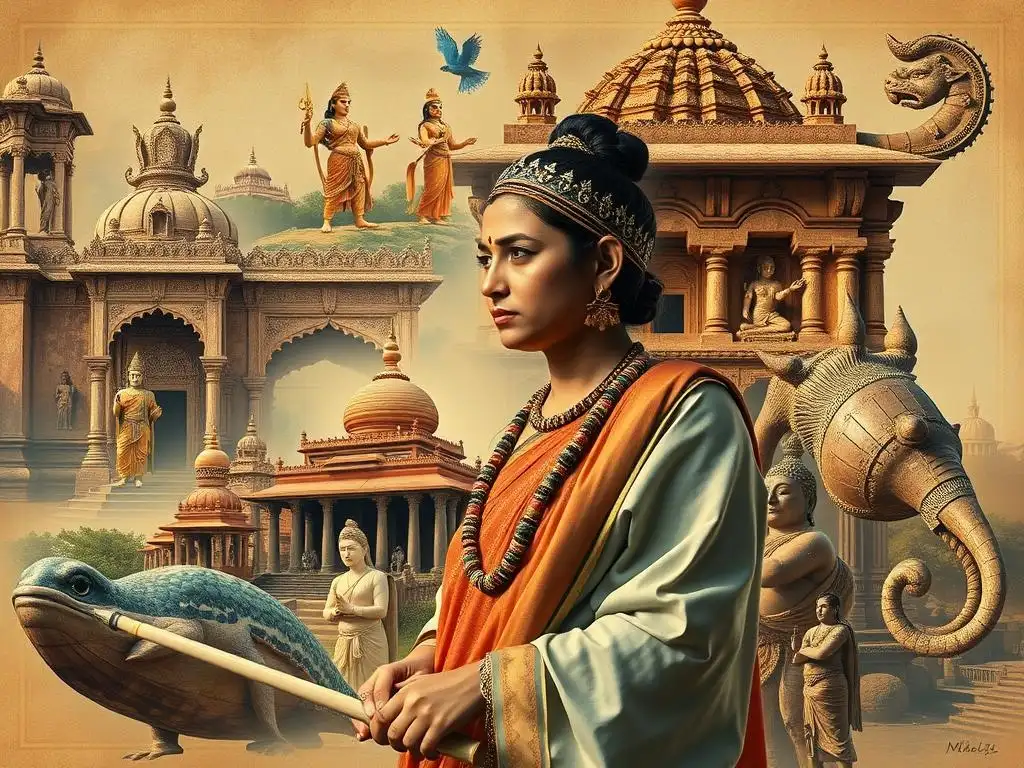
Ancient Indian art encompasses a vast array of artistic expressions that reflect the rich tapestry of the subcontinent's history and cultural interactions. From the intricate seals of the Indus Valley Civilization to the magnificent sculptures of the Gupta Empire, the evolution of art in India is deeply intertwined with the influences of neighboring civilizations. These influences shaped not only the aesthetic dimensions of art but also the thematic and functional aspects, leading to a diverse artistic heritage that continues to resonate today.
The historical context of ancient Indian art can be traced through various periods, each marked by distinct styles, techniques, and cultural exchanges. The confluence of indigenous practices with external influences played a crucial role in the development of artistic expressions, transforming local traditions into a vibrant amalgamation of styles.
The Indus Valley Civilization and Its Artistic Contributions
The Indus Valley Civilization (c. 3300–1300 BCE) is one of the earliest urban cultures in the world, known for its sophisticated city planning and remarkable artistic achievements. Art from this civilization is characterized by a variety of forms, including pottery, seals, and sculptures, which showcase a high level of craftsmanship and aesthetic sensibility.
- Seals and Stamp Art: The seals of the Indus Valley, often made from steatite, depict animal motifs, human figures, and script. These seals were not merely utilitarian but served ceremonial and administrative purposes, highlighting the civilization's complex socio-economic structure. Notably, the famous "Unicorn Seal" is a testament to the artistic ingenuity of this era.
- Pottery and Terracotta: The pottery of the Indus Valley Civilization exhibits a range of styles, from plain to painted designs. The use of geometric patterns and natural motifs reflects the cultural significance of art in daily life. Terracotta figurines, often depicting animals and humans, suggest a deep connection to ritualistic practices and religious beliefs.
- Urban Influence on Art: The well-planned cities like Mohenjo-Daro and Harappa facilitated artistic exchange, allowing artisans to collaborate and innovate. This urban context fostered a unique artistic identity that laid the foundation for subsequent artistic developments in the region.
The Impact of Neighboring Civilizations on Artistic Expression
As ancient Indian civilizations flourished, they encountered various neighboring cultures, leading to significant exchanges that enriched artistic expression. These interactions brought new materials, techniques, and themes, fostering a dynamic environment for artistic innovation.
- Persian Influence: The Achaemenid Empire's interactions with the Indian subcontinent introduced intricate motifs and architectural styles. Elements such as floral patterns and elaborate adornments can be seen in the art of the Mauryan period, especially in the famous Ashoka Pillars, which exhibit a blend of Persian and indigenous styles.
- Hellenistic Impact: Following the conquests of Alexander the Great, the Greek influence permeated Indian art, particularly in sculpture and coinage. The fusion of Greek realism with Indian iconography led to the creation of the Gandhara art style, characterized by the depiction of Buddhist themes with a distinct Hellenistic flair.
- Trade and Cultural Exchange: The flourishing trade routes, such as the Silk Road, facilitated not just the exchange of goods but also ideas. This cultural exchange led to the incorporation of foreign motifs into Indian art, further diversifying artistic expressions. For example, the influence of Central Asian patterns is evident in the textiles and decorative arts of later periods.
The historical context of ancient Indian art reveals a complex interplay of indigenous creativity and external influences. From the foundational contributions of the Indus Valley Civilization to the dynamic exchanges with neighboring cultures, ancient Indian art and culture reflect a rich narrative of adaptation and innovation that continues to inspire contemporary artistic endeavors.
Key Characteristics of Ancient Indian Art
Ancient Indian art is a reflection of the rich and diverse cultural tapestry of the subcontinent. From intricate sculptures to vibrant paintings, the art produced during various periods showcases a blend of indigenous traditions and influences from neighboring civilizations. Here are some key characteristics that define ancient Indian art:
Symbolism and Spirituality
Ancient Indian art is heavily imbued with symbolism and spirituality. Many artworks depict religious themes, often associated with Hinduism, Buddhism, and Jainism. Deities are frequently represented in various forms, with specific attributes that convey their divine nature. For example, the multiple arms of the goddess Durga symbolize her power and ability to perform several tasks simultaneously.
Regional Diversity
The vast expanse of ancient India gave rise to various regional styles, each with its unique characteristics. The art of the Indus Valley Civilization, for example, is known for its seals and terracotta figurines that exhibit great craftsmanship. In contrast, the Gupta period is celebrated for its exquisite sculptures and frescoes that demonstrate a high level of refinement and detail.
Naturalism and Realism
While many ancient Indian artworks possess a spiritual essence, there is also a strong emphasis on naturalism and realism. Artists aimed to depict the human form and nature accurately. This is evident in the sculptures of the Gupta period, where figures are portrayed with anatomical precision and lifelike expressions.
Use of Color and Patterns
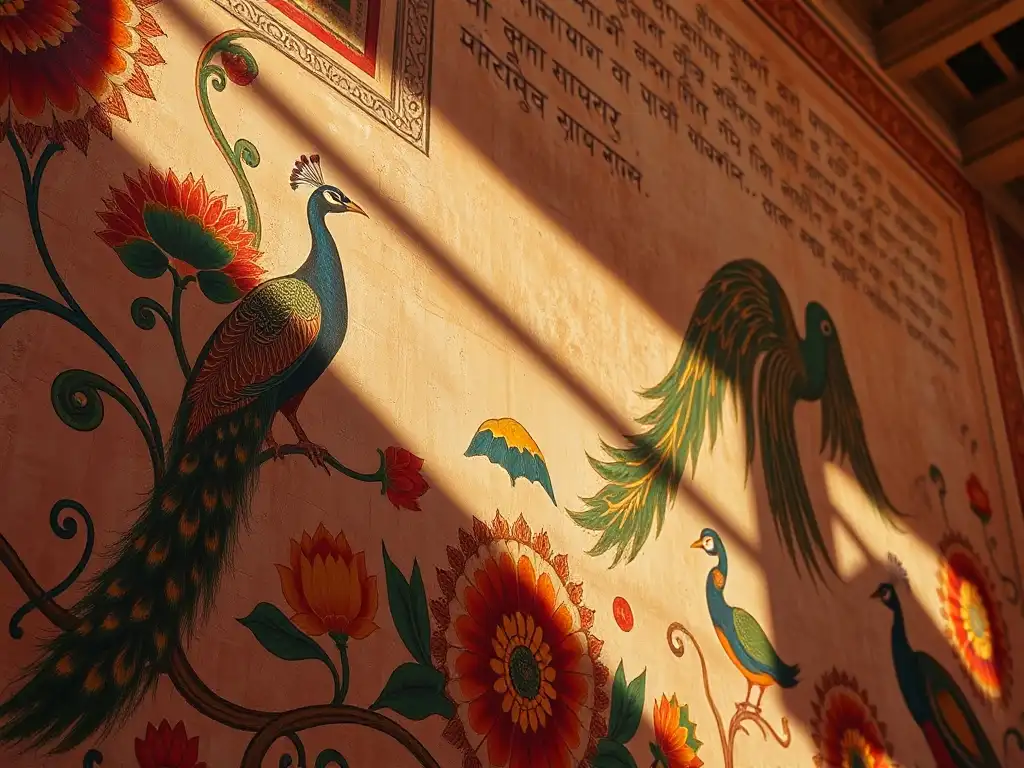
The use of vibrant colors and intricate patterns is a hallmark of ancient Indian art. Techniques such as fresco painting found in the Ajanta Caves display a rich palette that enhances the visual impact of the narratives depicted. The use of geometric patterns and motifs, often inspired by nature, adds to the aesthetic appeal of the artworks.
Influence of Neighboring Civilizations
Ancient Indian art was not created in isolation; it was influenced by interactions with neighboring civilizations. For instance, the Gandhara art style, which flourished in the region now known as Pakistan, shows a blend of Indian and Greco-Roman artistic elements, especially in the depiction of Buddhist figures.
Continuity and Evolution
Over centuries, ancient Indian art has demonstrated both continuity and evolution. Traditional motifs and themes have persisted while adapting to changing cultural contexts. This dynamic quality ensures that ancient Indian art remains relevant and continues to inspire contemporary artists.
Common Themes in Ancient Indian Art and Culture
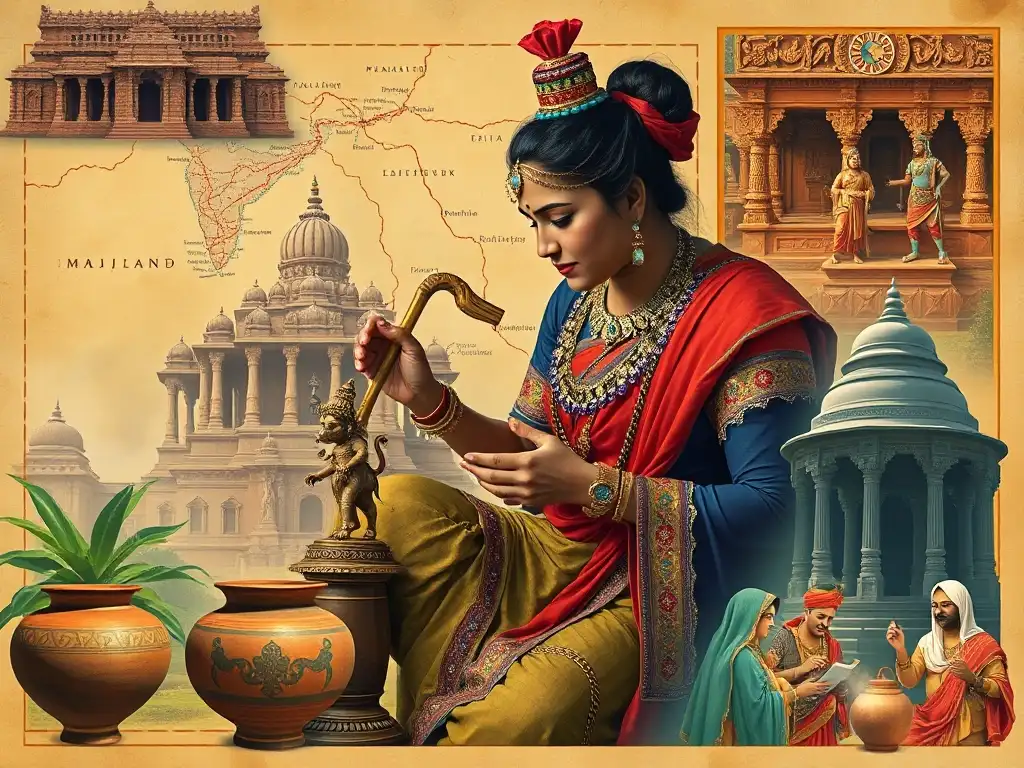
The themes explored in ancient Indian art serve as a window into the prevailing beliefs, societal norms, and philosophical ideas of the time. Below are some common themes that resonate throughout ancient Indian art and culture:
Religious Themes
Religious narratives dominate ancient Indian art, with countless depictions of gods, goddesses, and significant mythological events. Temples often feature elaborate carvings that tell stories from sacred texts like the Ramayana and Mahabharata.
Nature and the Cosmos
Nature plays a significant role in ancient Indian art, symbolizing the connection between humanity and the cosmos. Many artworks incorporate elements such as flora and fauna, reflecting the reverence for the environment. The presence of celestial motifs often signifies the divine relationship between the earth and the universe.
Life and Society
Artworks from ancient India frequently depict daily life, showcasing various social activities, occupations, and cultural practices. These representations provide insights into the societal structure and the roles individuals played within their communities.
Mythology and Folklore
Beyond religious themes, ancient Indian art also draws from local folklore and mythology. Figures such as mythological heroes and legendary creatures populate the art, illustrating the rich narrative traditions that permeate Indian culture.
Human Emotions and Relationships
The portrayal of human emotions is another prevalent theme in ancient Indian art. Sculptures and paintings often capture moments of love, joy, sorrow, and devotion, reflecting the complexities of human relationships. This emotional depth adds a layer of relatability to the artwork.
Techniques and Materials Used in Ancient Indian Art
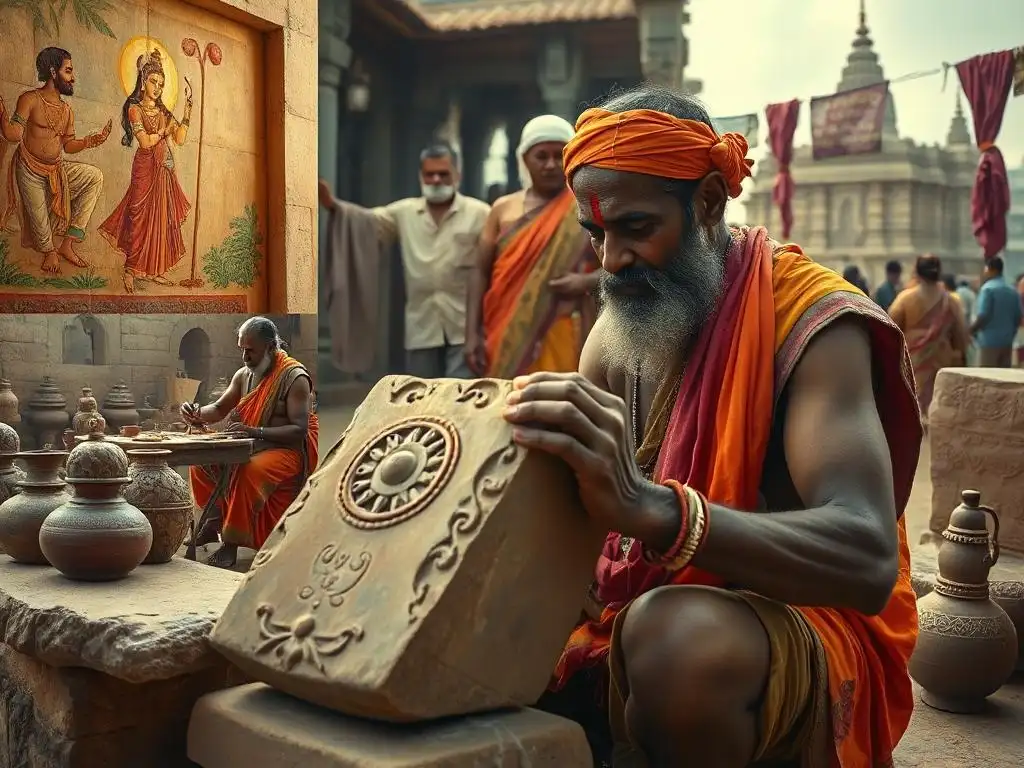
The techniques and materials employed in ancient Indian art are as diverse as the artworks themselves. The choice of medium often reflects the cultural context and available resources. Below are some notable techniques and materials used in creating ancient Indian art:
Stone Carving
Stone carving is one of the most enduring techniques in ancient Indian art. Temples, sculptures, and monuments were often crafted from durable stones like sandstone and granite. The intricate detailing found in the carvings showcases the skill and precision of ancient artisans.
Bronze Casting
Bronze casting, particularly the lost-wax method, was widely used in ancient India to create statues and figurines. This technique allowed for fine details and a smooth finish, as seen in the famous Chola bronze sculptures of deities, which are celebrated for their grace and elegance.
Painting Techniques
Ancient Indian paintings were created using various techniques, including fresco, tempera, and miniatures. Frescoes, found in caves like Ajanta and Ellora, were painted directly on wet plaster, allowing colors to bond with the surface. Miniature paintings, on the other hand, were meticulously crafted on paper or cloth, often depicting court scenes and religious themes.
Use of Natural Pigments
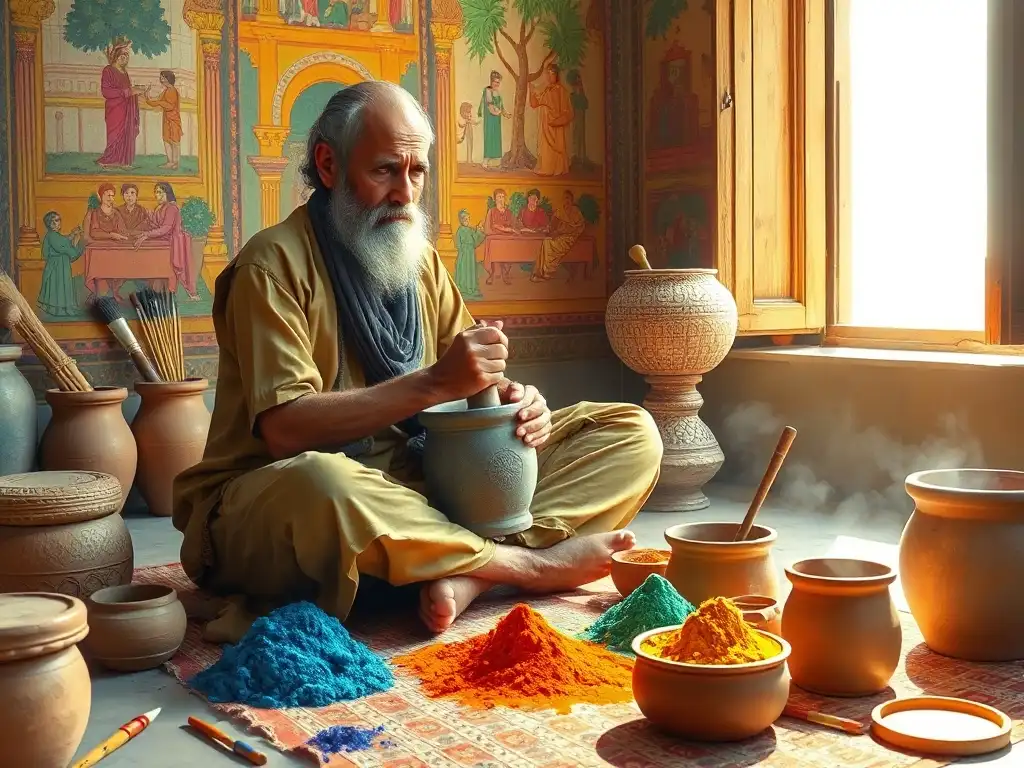
Artists of ancient India utilized natural pigments derived from minerals, plants, and insects to create vibrant colors. For instance, indigo and turmeric were commonly used for blues and yellows, respectively. This practice ensured that the artworks retained their vibrancy over centuries.
Textile Arts
Textiles also played a crucial role in ancient Indian art, with techniques such as weaving, dyeing, and embroidery being widely practiced. The intricate designs on fabrics often reflected cultural motifs and contributed to the overall aesthetic of ancient Indian culture.
Pottery and Ceramics
Pottery was another significant aspect of ancient Indian art, with various techniques employed to create functional and decorative items. Glazed ceramics, such as those from the Indus Valley Civilization, showcase advanced techniques that highlight the artistry and innovation of ancient potters.
Ancient Indian art and culture encapsulate a rich history of interactions, influences, and innovations, reflecting the subcontinent's unique identity and its connections with neighboring civilizations.
Influence of Neighboring Civilizations on Ancient Indian Art
The art of ancient India is not just a reflection of its indigenous culture but also a canvas that exhibits the influences of various neighboring civilizations. These interactions have led to a rich tapestry of artistic expression, where traditional Indian aesthetics blend harmoniously with foreign elements, resulting in art that resonates with both local and universal themes. The significance of these exchanges is evident in multiple art forms, including sculpture, painting, and architecture, showcasing how ancient Indian art and culture evolved through these connections.
The Role of Persian Art in Shaping Indian Aesthetics
Persian art significantly impacted ancient Indian aesthetics, particularly during the time of the Mughal Empire (16th to 18th centuries). The Mughals, who were of Central Asian origin, brought with them a rich tradition of Persian art, which blended with the existing Indian styles to create a unique artistic language.
- Miniature Paintings: Persian miniature paintings influenced Indian artisans, leading to the development of a distinct style characterized by intricate details and vibrant colors. The use of gold and silver leaf in these paintings became a hallmark of Mughal art, adding a luxurious dimension to its visual appeal.
- Architectural Styles: The introduction of Persian architectural elements, such as the use of arches, domes, and elaborate gardens, transformed Indian architecture. The Taj Mahal is a prime example, showcasing how Persian aesthetics were integrated into Indian architectural practices, emphasizing symmetry and intricate inlay work.
- Calligraphy and Textiles: Persian calligraphy influenced Indian decorative arts, while textiles began to showcase intricate patterns and designs inspired by Persian motifs. This exchange elevated the craftsmanship of textiles, making them sought after both in India and abroad.
Greek Influence on Ancient Indian Sculpture and Architecture
The arrival of Greek culture in ancient India can primarily be attributed to the conquests of Alexander the Great in the 4th century BCE. This interaction opened avenues for artistic exchange, particularly noticeable in sculpture and architecture.
- Gandhara Art: The most significant impact of Greek influence is seen in Gandhara art, which flourished in the regions of present-day Pakistan and Afghanistan. This art form is known for its realistic portrayal of human figures, drapery, and the incorporation of Hellenistic elements, such as the use of perspective and three-dimensionality.
- Stupas and Temples: The architectural designs of stupas and temples began to include Greek elements, such as the Corinthian column style, which was adapted to suit Indian religious contexts. The blending of these styles can be observed in structures like the Chaitya halls and various rock-cut temples.
- Narrative Reliefs: The Greek tradition of storytelling through visual narratives influenced Indian sculpture, leading to the development of relief work that depicted scenes from the Jataka tales and the lives of Buddha and other deities. This approach added depth and dynamism to Indian art, making it more expressive and engaging.
The Impact of Chinese Artistic Traditions on Indian Art
The cultural exchanges between India and China, facilitated by trade routes such as the Silk Road, significantly shaped ancient Indian art. This interaction introduced new artistic traditions and philosophies.
- Buddhist Art and Iconography: The spread of Buddhism from India to China involved the sharing of artistic techniques and iconography. Indian artists developed new styles of Buddha sculptures, influenced by Chinese aesthetics, which emphasized serene expressions and elaborate postures.
- Ceramics and Decorative Arts: Chinese ceramics, known for their fine craftsmanship and glazing techniques, influenced Indian pottery. The introduction of porcelain led to advancements in Indian ceramic art, resulting in a variety of decorative items that reflected both cultures.
- Landscape Painting: The Chinese emphasis on nature in art resonated with Indian artists, leading to the evolution of landscape painting. Indian artists began to incorporate natural elements with a focus on spirituality, resulting in a harmonious blend of both traditions.
The interactions between ancient Indian civilizations and their neighboring cultures greatly enriched ancient Indian art and culture. By integrating various influences, Indian artists created a unique and dynamic art form that continues to be celebrated for its diversity and depth. This legacy not only reflects the historical exchanges of ideas but also highlights the universal themes that resonate through time, leaving a lasting impact on the global art landscape.
Case Studies of Cultural Exchange in Ancient Indian Art
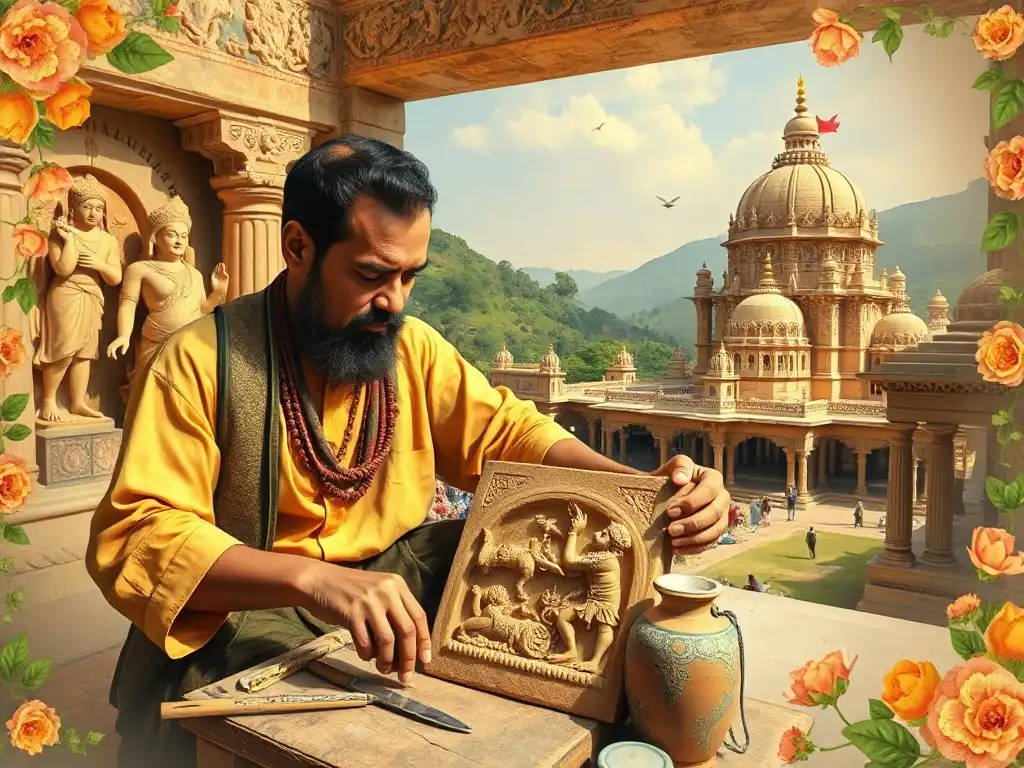
The Gandhara School of Art: A Fusion of Cultures
The Gandhara School of Art, flourishing between the 1st and 5th centuries CE in what is now parts of Pakistan and Afghanistan, serves as a prime example of how ancient Indian art and culture were profoundly influenced by neighboring civilizations, particularly Hellenistic culture. This artistic tradition is characterized by its unique blend of Indian themes and Greco-Roman stylistic elements.
Key Characteristics of Gandhara Art
- Sculptural Techniques: The use of drapery in sculptures, reminiscent of Greek art, conveys a sense of movement and realism.
- Iconography: The representation of Buddhist figures, such as the Buddha and Bodhisattvas, often includes attributes borrowed from Hellenistic deities, showcasing a syncretism of beliefs.
- Materials and Mediums: Artists utilized materials such as schist and stucco, which were conducive to intricate detailing, further highlighting the technical proficiency of Gandhara artisans.
The Gandhara School not only highlights the artistic innovations of ancient India but also serves as a testament to the cultural exchanges that occurred along the Silk Road, where trade routes facilitated the flow of ideas and artistic practices.
The Influence of Hinduism and Buddhism on Artistic Representations
Ancient Indian art and culture were deeply intertwined with the religious beliefs of Hinduism and Buddhism, both of which played significant roles in shaping artistic representations across the subcontinent.
Artistic Representations in Hinduism
- Iconography: Hindu deities were depicted with specific iconographic features, such as multiple arms, which symbolize their divine powers. For example, the elephant-headed Ganesha is often portrayed with a variety of symbols that convey his attributes.
- Temples and Sculptures: Temples, such as those at Khajuraho and Brihadeeswarar, showcase intricate carvings and sculptures that narrate stories from Hindu mythology, reflecting the spirituality and devotion of the time.
Artistic Representations in Buddhism
- Buddhist Iconography: The depiction of the Buddha evolved over time, initially represented symbolically (e.g., through the Bodhi tree or a stupa) before transitioning to anthropomorphic forms that emphasized his attributes and teachings.
- Cave Temples: The Ajanta and Ellora caves are prime examples of how Buddhist art flourished, with frescoes and sculptures that depict Jataka tales, illustrating the moral lessons of the Buddha's previous lives.
The interplay of these religious themes not only enriched ancient Indian art but also acted as a conduit for cultural exchanges, as these art forms were influenced by and, in turn, influenced neighboring cultures across Asia.
Art and Architecture during the Maurya and Gupta Empires
The Maurya (322–185 BCE) and Gupta (c. 320–550 CE) Empires marked significant periods of artistic achievement in ancient India, with their art and architecture reflecting both indigenous traditions and foreign influences.
Mauryan Art
- Ashoka's Edicts: Emperor Ashoka's inscriptions and pillars, adorned with animal motifs and symbols, represent a blend of personal and political ideology, showcasing the use of art for governance and moral instruction.
- Stupas: The Great Stupa at Sanchi is a monumental example of Mauryan architecture, integrating local styles with influences from Hellenistic art, especially in its decorative elements.
Gupta Art
- Golden Age of Art: The Gupta period is often referred to as the "Golden Age" of Indian art, characterized by a resurgence in classical forms and techniques, particularly in sculpture and painting.
- Cave Temples and Frescoes: Gupta artists excelled in creating cave temples, such as those at Ajanta, with intricate frescoes that depict scenes from the Ramayana and Mahabharata, showcasing a high degree of craftsmanship and narrative depth.
The art and architecture of the Maurya and Gupta Empires not only reflect the richness of ancient Indian culture but also illustrate the dynamic exchanges with neighboring civilizations that influenced their development. The blending of styles and ideas during these periods laid the groundwork for future artistic traditions in India and beyond.
Conclusion: Legacy of Ancient Indian Art and Culture
The legacy of ancient Indian art and culture is a testimony to the rich tapestry of influences that have shaped it over millennia. Through the lens of history, we observe how various neighboring civilizations contributed to the evolution of artistic expressions, techniques, and themes that characterize ancient Indian art. This legacy is not merely a collection of artifacts; it encapsulates the philosophical, spiritual, and aesthetic values that have been passed down through generations.
Ancient Indian art, encompassing diverse forms such as sculpture, painting, and architecture, reflects a synthesis of local traditions and external influences, creating a unique cultural identity. From the intricate carvings of the Indus Valley civilization to the grand temples of the Gupta Empire, each period showcases a blend of indigenous styles and elements borrowed from neighboring cultures. This dynamic interplay has enriched the narrative of Indian art, making it a vital component of the region's historical heritage.
The Enduring Influence of Neighboring Civilizations on Modern Indian Art
Modern Indian art continues to bear the imprint of ancient traditions, showcasing the enduring influence of neighboring civilizations. Artists today draw inspiration from the rich motifs and storytelling techniques that date back to ancient times, weaving them into contemporary expressions. The integration of diverse influences, such as Persian, Mughal, and even Southeast Asian styles, is evident in various art forms, including painting, textiles, and pottery.
Key Influences on Modern Indian Art:
- Persian Influence: The Mughal era brought a fusion of Persian aesthetics with Indian themes, leading to the development of miniature paintings that combine intricate detail with rich colors.
- Buddhist Art: The motifs and narratives from ancient Buddhist art continue to inspire artists, particularly in the realms of sculpture and mural painting.
- Regional Variations: Different regions of India have retained unique artistic traditions that reflect local interactions with neighboring cultures, such as the Pahari paintings of Himachal Pradesh and the Warli art of Maharashtra.
This cultural interplay not only enriches the artistic landscape but also strengthens the identity of modern India, illustrating how ancient Indian art and culture remain relevant today.
Reflection on the Importance of Cultural Exchange in History
Cultural exchange has always been a fundamental aspect of human civilization, shaping societies and fostering mutual understanding. The interactions between ancient Indian civilizations and their neighbors are prime examples of how art serves as a conduit for cultural dialogue. These exchanges facilitated the sharing of ideas, techniques, and styles, leading to a more diversified artistic expression.
Benefits of Cultural Exchange:
- Innovation in Art Forms: As neighboring civilizations shared their artistic techniques, new forms and styles emerged, enhancing the creativity and diversity of ancient Indian art.
- Cultural Tolerance and Integration: The blending of various cultural elements promoted tolerance and understanding, creating a more cohesive society that celebrated diversity.
- Historical Documentation: Artifacts from ancient Indian art provide critical insights into the values, beliefs, and social structures of the time, serving as essential records of history.
The study of ancient Indian art and culture reveals the profound impact of cultural exchange on the development of artistic traditions. By acknowledging these influences, we can appreciate the complexity and richness of ancient Indian heritage, which continues to inspire and resonate in modern artistic practices.
Frequently Asked Questions
What are the main influences on ancient Indian art?
Ancient Indian art was significantly influenced by neighboring civilizations, including Persian, Greek, and Chinese cultures, resulting in a unique blend of styles and techniques.
How did the Indus Valley Civilization contribute to ancient Indian art?
The Indus Valley Civilization is known for its advanced urban planning, intricate pottery, and seals, which laid the foundation for later artistic expressions in Indian culture.
What role did religion play in ancient Indian art?
Religion was a central theme in ancient Indian art, with many works dedicated to Hindu, Buddhist, and Jain beliefs, reflecting the spiritual and cultural values of the time.
How did the Gupta Empire influence ancient Indian art and culture?
The Gupta Empire is often referred to as the Golden Age of ancient India, marked by advancements in sculpture, painting, and architecture, which showcased the richness of Indian culture.
What are some key characteristics of ancient Indian art?
Ancient Indian art is characterized by its intricate designs, vibrant colors, and a focus on symbolism that communicates deep spiritual and cultural narratives.
Final Reflection: The Timeless Dialogue of Ancient Indian Art and Culture
Ancient Indian art and culture serve as a profound testament to the interconnectedness of civilizations, revealing how influences from neighboring cultures have shaped artistic expression throughout history. Today, as we navigate an increasingly globalized world, the relevance of this dialogue becomes even more pronounced. The intricate patterns, vibrant colors, and diverse themes found in ancient Indian art not only celebrate local traditions but also embody the rich tapestry of cultural exchanges that have taken place over centuries.
The influence of neighboring civilizations on ancient Indian art is a reminder of the beauty that arises from collaboration and exchange. This ongoing dialogue has left an indelible mark on the cultural landscape, fostering a sense of unity amidst diversity. As we reflect on this, we can recall the words of the renowned art historian, "Art is the most beautiful of all lies; it is a truth that transcends time." > This encapsulates the essence of how ancient Indian art continues to resonate, inviting us to explore the shared narratives that bind us across borders and epochs.
As we conclude this exploration of ancient Indian art and culture, I invite you to reflect on your own connections to the artistic expressions that surround you. Consider how the influences of different cultures have shaped your perspective and enriched your understanding of the world. Embrace the lessons of collaboration and appreciation for diversity, and let them inspire you to engage with the art and culture around you, fostering a spirit of curiosity and connection that transcends time and space.
Unveil the Colors of Connection in Ancient Art!
Thank you for diving into the fascinating world of Ancient Indian art! We hope you’ve discovered how it beautifully intertwines with the influences of neighboring civilizations. Now, it’s your turn to explore and engage with this captivating narrative.
Here are a few inspiring ways to deepen your appreciation for Ancient Indian art:
- Explore Local Exhibits: Visit a nearby museum or gallery showcasing Indian art. Experience the vibrancy of these works in person and gain new insights.
- Join Online Communities: Connect with fellow art enthusiasts on forums or social media platforms. Share your thoughts and learn from a variety of perspectives!
- Try Your Hand at Creation: Feeling inspired to create? Gather some art supplies and craft your own unique piece that reflects the rich cultural blend you’ve learned about!
What aspect of Ancient Indian art resonates most with you, and how will you incorporate that inspiration into your own life?