
How the Maurya Empire Managed Its Vast Territories: A Study of Political Strategies

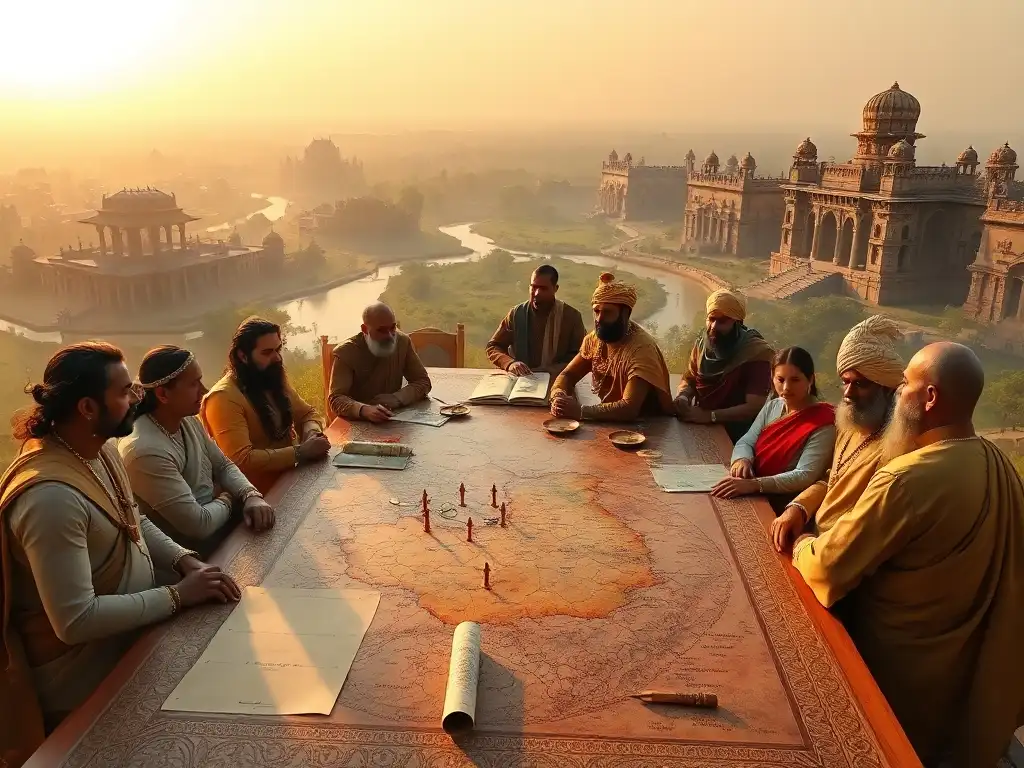
Welcome to Ancient India History, where we embark on a fascinating journey through the rich and diverse tapestry of ancient Indian civilizations. Today, we delve into the intricate political strategies of the Maurya Empire—an exemplary model of governance that not only managed vast territories but also laid the groundwork for future empires. What were the secrets behind their remarkable control and influence? Join us as we uncover the strategies that shaped one of the most formidable empires in history, and prepare to be captivated by the stories that connect us to our past.
- Introduction to the Maurya Empire's Political Strategies
- The Political Structure of the Maurya Empire
- Key Political Strategies Employed by the Maurya Empire
- Governance and Administration Techniques
- The Role of Religion and Culture in Political Strategies
- Case Studies of Political Strategies in Action
- Challenges Faced by the Maurya Empire
- Conclusion: Legacy of the Maurya Empire's Political Strategies
- References and Further Reading on Maurya Empire Political Strategies
-
Frequently Asked Questions
- What were the main political strategies of the Maurya Empire?
- How did the Maurya Empire maintain control over its territories?
- What role did Ashoka play in the political strategies of the Maurya Empire?
- How did the Maurya Empire handle rebellions and opposition?
- What were some of the contributions of the Maurya Empire to political thought?
- Final Reflection: The Enduring Legacy of the Maurya Empire's Political Strategies
- Unleash the Power of Ancient Governance!
Introduction to the Maurya Empire's Political Strategies
The Maurya Empire, one of the largest and most influential empires in ancient India, is renowned for its remarkable political strategies that enabled it to govern vast territories effectively. Established in the 4th century BCE by Chandragupta Maurya, the empire extended from the northwestern regions of the Indian subcontinent to the eastern parts, showcasing a diverse amalgamation of cultures, languages, and traditions.
Understanding the political strategies of the Maurya Empire is crucial for unraveling how it maintained stability, administered justice, and fostered economic prosperity across its expansive domains. This article delves into the sophisticated mechanisms employed by the Mauryans to manage their territories, highlighting the critical role of governance, diplomacy, and military organization in their enduring legacy.
Overview of the Maurya Empire
The Maurya Empire, which flourished from approximately 322 BCE to 185 BCE, represents a pivotal chapter in Indian history. Under the visionary leadership of Chandragupta Maurya and later his grandson, Ashoka the Great, the empire not only expanded its geographic reach but also cultivated a sophisticated administrative framework. Key aspects of the Maurya Empire include:
- Territorial Extent: At its zenith, the Maurya Empire covered a vast region, including present-day India, Pakistan, Bangladesh, and parts of Afghanistan.
- Capital City: Pataliputra, the empire’s capital, was a bustling metropolis and a hub of trade, culture, and governance.
- Cultural Integration: The empire was marked by a blend of diverse cultures and ethnicities, necessitating effective governance and integration strategies.
The Mauryan political structure was characterized by a centralized administration that emphasized efficient governance, law, and order, which were vital for maintaining control over such a large and varied population.
Importance of Political Strategies in Managing Territories
The success of the Maurya Empire can be attributed to its innovative political strategies, which were crucial in managing its vast territories. These strategies encompassed various dimensions, including:
- Centralized Governance: The Mauryan rulers implemented a strong centralized government that facilitated uniform policies across the empire, ensuring consistent law enforcement and administrative efficiency.
- Diplomatic Alliances: Marriages and alliances with local rulers and powerful clans helped to secure loyalty and reduce the likelihood of rebellions, fostering stability.
- Military Organization: A well-organized army was essential for both defense and expansion, enabling the empire to respond swiftly to threats and maintain control over newly acquired territories.
- Bureaucratic Structure: A robust bureaucratic system, comprising various officials and local governors, played a pivotal role in the day-to-day administration and was instrumental in addressing the needs of diverse populations.
Understanding these strategies not only sheds light on the Maurya Empire's ability to thrive in a complex environment but also provides valuable insights into the principles of governance that resonate through history.
The Political Structure of the Maurya Empire
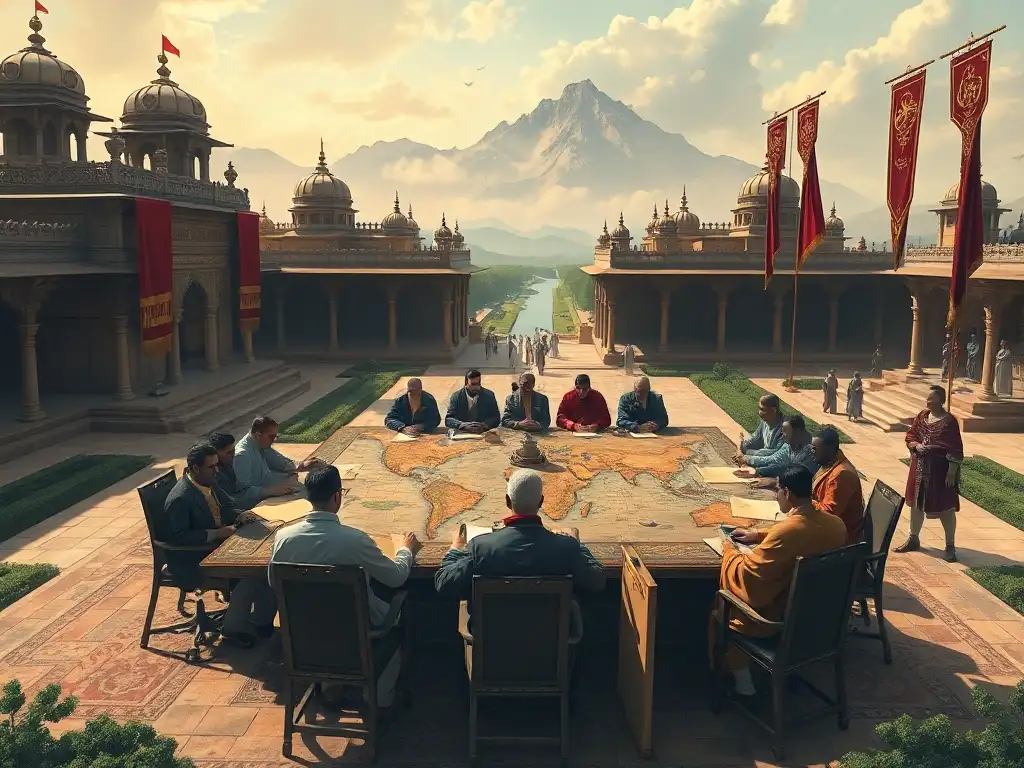
The Maurya Empire, one of the largest and most powerful empires in ancient India, showcased a highly organized political structure. This structure was pivotal in managing its vast territories, enabling the empire to maintain authority and promote stability across diverse regions. The political strategies of the Maurya Empire were characterized by centralization, a strong imperial authority, and efficient administrative divisions, all of which contributed to its success and longevity.
Centralized Governance
Centralized governance was a hallmark of the Maurya Empire's political strategies. The empire was ruled from its capital, Pataliputra, which served as the political and administrative heart of the empire. The emperor held supreme power and was regarded as the linchpin of the political structure. This central authority allowed for the uniform implementation of laws and policies across the empire's vast territories.
- Bureaucratic Structure: The Mauryan administration was highly organized, featuring a complex bureaucratic system that facilitated effective governance. Key officials known as amatyas assisted the emperor in decision-making and administration.
- Legal Framework: The empire established a standardized legal framework that governed its territories. The Arthashastra, attributed to Kautilya (Chanakya), served as a guide for governance, providing insights into law, economics, and military strategy.
- Communication: Efficient communication networks, including roads and messengers, enhanced the central authority's ability to relay orders and maintain control over distant provinces.
Role of the Emperor in Political Strategies
The emperor played a crucial role in shaping the political strategies of the Maurya Empire. The leadership of figures such as Chandragupta Maurya and his grandson Ashoka was instrumental in the empire's administration and expansion.
- Divine Right and Legitimacy: The emperor was often viewed as a semi-divine figure, which bolstered his legitimacy and authority. This perception allowed the emperor to command loyalty and respect from subjects across various regions.
- Military Strategy: The emperor's military prowess was vital for both territorial expansion and defense. Employing strategic military campaigns, the Maurya Empire effectively integrated new regions into its fold while suppressing rebellions.
- Diplomacy and Alliances: The Maurya rulers employed diplomacy as a key political strategy. They formed alliances with local rulers and engaged in strategic marriages to enhance their influence and control.
Administrative Divisions and Their Importance
The administrative divisions within the Maurya Empire were critical for effective governance and control over its vast territories. These divisions facilitated local administration while maintaining the emperor's overarching authority.
- Provinces and Governors: The empire was divided into several provinces, each governed by appointed officials known as pradhanas. These governors were responsible for implementing imperial policies and maintaining law and order.
- Local Governance: Local councils, referred to as grama sabhas or janapadas, played a role in governance at the grassroots level. This system encouraged local participation in administration and helped address region-specific issues.
- Taxation and Revenue: Efficient tax collection and revenue management were vital for the empire's prosperity. The division of territories allowed for better resource allocation and financial stability, enabling the empire to fund military campaigns and public projects.
The political strategies of the Maurya Empire were underscored by a centralized governance model, the emperor's influential role, and well-structured administrative divisions. These elements not only facilitated the management of vast territories but also laid the groundwork for one of the most formidable empires in ancient Indian history.
Key Political Strategies Employed by the Maurya Empire
Diplomacy and Alliances
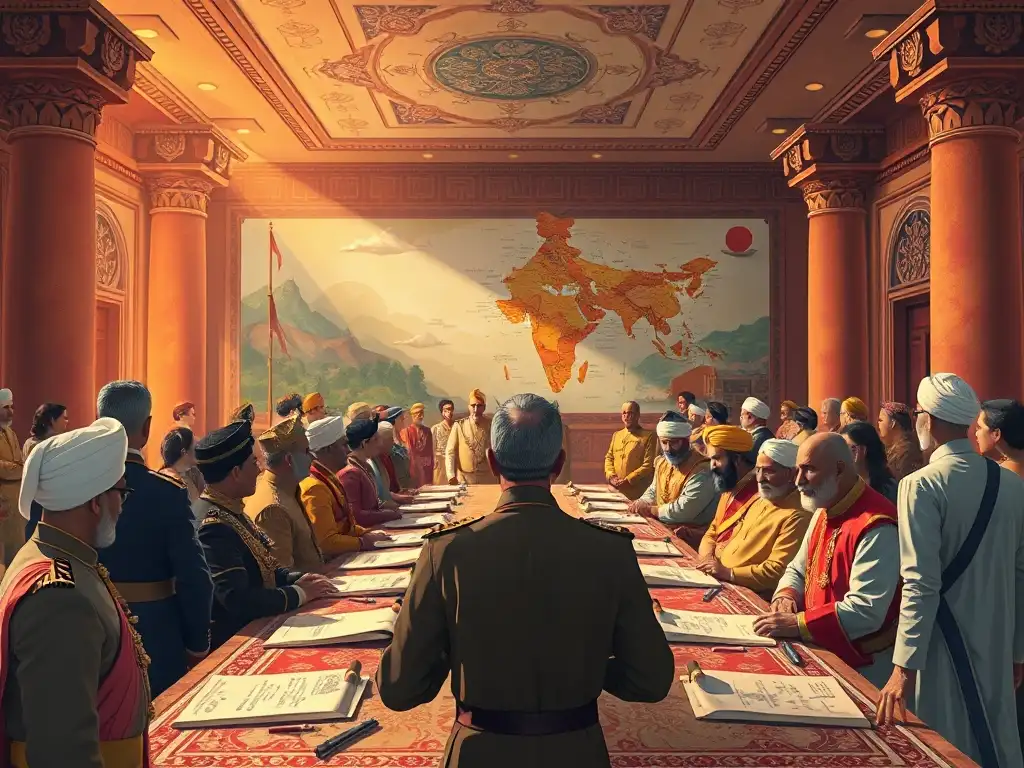
The Maurya Empire was renowned for its sophisticated political strategies, particularly in the realms of diplomacy and alliances. These tactics played a crucial role in managing the vast territories under its control and maintaining stability across diverse cultures and communities.
Formation of Strategic Alliances
One of the most effective strategies employed by the Maurya Empire was the formation of strategic alliances with neighboring kingdoms and tribes. By marrying off members of the royal family to local rulers, the Mauryan leadership was able to solidify relationships that fostered peace and mutual support. For instance,
- Intermarriage: Marriages were often used as diplomatic tools to ensure loyalty among vassal states.
- Tributary States: Several smaller kingdoms were allowed to retain a degree of autonomy in exchange for tribute, which not only enriched the empire but also minimized the likelihood of rebellion.
These alliances were not merely for show; they actively contributed to the political stability and economic prosperity of the empire.
Diplomatic Missions and Their Impact
The Mauryan Empire also excelled in deploying diplomatic missions to negotiate treaties and maintain relations with both allies and foes.
- Emissaries: The use of emissaries to communicate with distant kingdoms helped in easing tensions and fostering trade agreements. Notable examples include the missions sent to the Hellenistic kingdoms, which opened avenues for economic exchange and cultural interaction.
- Cultural Diplomacy: The Mauryans engaged in cultural diplomacy by promoting Buddhism and its values, which resonated across various regions, thereby uniting diverse populations under a common ethical framework.
These diplomatic efforts not only enhanced the empire’s influence but also ensured a more integrated governance structure across its many territories.
Military Strategies
Military prowess was another cornerstone of Mauryan political strategies, serving both as a means of expansion and a method for maintaining control over vast regions.
Expansion through Conquest
The Maurya Empire’s expansion was marked by significant military campaigns that allowed it to conquer and integrate various territories.
- Chandragupta Maurya: The founder of the empire, Chandragupta, initiated military campaigns that expanded the empire into parts of modern-day India and beyond. His strategic use of cavalry and war elephants proved decisive in numerous battles.
- Ashoka's Campaigns: Emperor Ashoka expanded the empire even further, notably through the conquest of Kalinga. This campaign, while successful, ultimately led to a significant shift in his approach towards governance, emphasizing ethical rule over military might after witnessing the devastation of war.
These conquests were systematically planned and executed, reflecting a well-organized military apparatus that was integral to the empire's political strategies.
Maintenance of Order in Vast Territories
While expansion was crucial, maintaining order within the vast territories was an equally important strategy for the Mauryan Empire.
- Administrative Divisions: The empire was divided into provinces, each managed by a governor who was responsible for local administration, taxation, and law enforcement. This decentralization allowed for more localized governance.
- Military Presence: A strong military presence in key areas, particularly border regions, helped deter invasions and suppress revolts. Garrisons were strategically placed to ensure rapid response to any threats, thereby maintaining internal stability.
The combination of these military strategies ensured that the Mauryan Empire not only expanded its borders but also effectively managed the diverse groups within its realm, allowing for a relatively stable and prosperous period in ancient Indian history.
Economic Management as a Political Tool
The Maurya Empire, known for its vast expanse and rich cultural tapestry, strategically utilized economic management as a means to consolidate power and maintain governance over its territories. Economic stability and prosperity were crucial in fostering loyalty among subjects, ensuring efficient administration, and facilitating military endeavors. By establishing robust economic policies, the Mauryan rulers were able to integrate diverse regions, promote trade, and enhance revenue, all of which played a significant role in their political strategy.
One of the most notable aspects of the Mauryan approach to economic management was its emphasis on agriculture. The empire invested in irrigation projects and infrastructure improvements, which not only increased agricultural productivity but also provided a steady source of food for the population. This agricultural base allowed the empire to support a large standing army and a bureaucratic system, reinforcing the political structure.
Moreover, the Maurya Empire’s economic strategies extended to market regulation and price control to ensure fairness and stability within the marketplace. By actively managing the economy, the Mauryan rulers were able to reduce the likelihood of civil unrest and maintain social order, thus solidifying their grip on power.
Taxation Policies and Revenue Collection
The Maurya Empire's taxation policies were meticulously designed to maximize revenue while ensuring the welfare of its citizens. The empire implemented a comprehensive tax system that included various forms of taxation, such as land tax, trade tax, and income tax. According to historical texts, the land tax was particularly significant, often set at around 25% of the produce, which allowed the state to maintain a steady income stream while still leaving farmers with sufficient resources for their livelihoods.
To enhance efficiency in revenue collection, the Mauryan administration employed a well-organized bureaucracy. Officials known as "Amatyas" were tasked with overseeing tax collection and ensuring compliance with tax laws. This structured approach minimized corruption and inefficiencies, allowing for more effective governance.
In addition to direct taxes, the Mauryas also collected revenues from state-owned enterprises and monopolies in certain industries, such as mining and textiles. The careful monitoring and regulation of these enterprises enabled the empire to further augment its treasury, which was crucial for funding military campaigns, public works, and administrative expenses.
Trade Networks and Economic Integration
Trade was a cornerstone of the Maurya Empire's economic strategy, facilitating not just wealth accumulation but also cultural exchange and political stability. The empire established extensive trade networks that connected various regions, both within its borders and beyond. Key trade routes, such as those leading to the Mediterranean and Central Asia, enabled the flow of goods, ideas, and cultures, effectively knitting together a diverse populace under the Mauryan umbrella.
The Mauryan rulers recognized the importance of trade for economic integration and took measures to support it. Infrastructure developments, such as the construction of roads and the establishment of rest houses for travelers, were instrumental in improving trade efficiency. Additionally, the state provided protection to merchants and their goods, fostering a sense of security that encouraged commercial activities.
Moreover, the state’s involvement in trade extended to the regulation of markets, ensuring fair practices and preventing monopolies that could disrupt the economic balance. Through these efforts, the Maurya Empire not only boosted its economy but also promoted political unity among its diverse subjects, showcasing how trade networks served as an effective political strategy in maintaining the empire’s vast territories.
Governance and Administration Techniques

The Maurya Empire, one of the largest empires in ancient India, implemented a range of governance and administration techniques that facilitated the management of its vast territories. The political strategies of the Maurya Empire were characterized by a blend of local governance, legal systems, and advanced communication methods. These strategies not only ensured stability and order but also promoted economic growth and cultural exchange across the empire.
Use of Local Leaders and Governors
One of the most effective political strategies of the Maurya Empire was the utilization of local leaders and governors, known as Uparikas, to administer different regions. This approach allowed the central authority to maintain control while empowering local rulers who understood the cultural and social dynamics of their regions.
- Decentralized Administration: The empire was divided into several provinces, each overseen by a governor. These governors were often selected from the local elite, ensuring loyalty and respect from the populace.
- Integration of Local Traditions: By appointing local leaders, the Mauryan administration respected and incorporated regional customs and practices into governance, leading to greater acceptance and less resistance from the local populations.
- Tax Collection and Resources Management: Local rulers were responsible for tax collection and resource management, which not only streamlined administrative processes but also fostered economic development. For instance, the governors were incentivized to improve local agriculture and trade, thus boosting revenue for the empire.
This strategy of employing local leaders proved crucial in maintaining stability across the diverse regions of the Maurya Empire, enabling efficient governance while respecting local identities.
Implementation of Legal Systems
The Maurya Empire also excelled in establishing a cohesive legal framework that governed various aspects of life within its territories. This framework was pivotal in reinforcing the authority of the state and ensuring justice.
- Codification of Laws: Under Emperor Ashoka, the Maurya Empire saw the codification of laws that were accessible to the public. The famous Edicts of Ashoka served as a means to communicate legal principles and ethical guidelines, emphasizing moral conduct, non-violence, and welfare.
- Judicial Administration: The empire established a structured judicial system, where local courts were empowered to handle disputes and administer justice. This not only expedited legal proceedings but also made the system more relatable to the common people.
- Promotion of Dharma: The legal system was intertwined with the concept of Dharma, emphasizing righteousness and ethical behavior. By promoting Dharma, the Maurya rulers aimed to cultivate a sense of moral duty among their subjects, thereby reducing crime and enhancing social order.
The implementation of these legal systems was a significant political strategy that fostered a sense of unity and trust among the diverse groups within the empire, leading to long-lasting stability.
Communication and Infrastructure Development
An essential component of the political strategies of the Maurya Empire was the development of communication and infrastructure. This enabled efficient governance and facilitated trade across the vast territories.
- Road Networks: The Maurya Empire invested heavily in the construction of extensive road networks, connecting major cities and trade routes. The Grand Trunk Road, for example, not only facilitated the movement of troops but also enhanced trade and cultural exchange.
- Royal Messengers: To maintain effective communication across the empire, the Mauryan administration employed a system of royal messengers who ensured that directives from the central government reached local governors promptly. This system was crucial for maintaining order and responding quickly to regional issues.
- Trade and Commerce: The improvement of infrastructure not only aided in administration but also promoted trade. The Mauryan Empire became a hub for commerce, attracting merchants and fostering economic prosperity. Markets and trade centers were established along major routes, enhancing the wealth of the empire.
By focusing on infrastructure and communication, the Maurya Empire was able to maintain a cohesive political structure, ensuring that the central authority remained connected with its far-flung provinces. This comprehensive approach to governance contributed significantly to the longevity and success of the Mauryan political system.
The Role of Religion and Culture in Political Strategies
The Maurya Empire, one of the largest and most powerful empires in ancient India, adeptly utilized religion and culture as fundamental components of its political strategies. This integration of spiritual and cultural elements not only facilitated governance but also fostered unity among the diverse populations under its rule. The interplay between religion, particularly Buddhism, and political authority played a crucial role in the administration and consolidation of power throughout the empire.
Influence of Buddhism on Governance
Buddhism significantly influenced the political landscape of the Maurya Empire, especially under the reign of Emperor Ashoka. After his conversion to Buddhism, Ashoka adopted a governance model deeply rooted in Buddhist principles, which emphasized moral governance, compassion, and non-violence (Ahimsa). This shift in ideology had profound implications for the empire's political strategies:
- Promotion of Dharma: Ashoka's commitment to Dharma (moral law) as the guiding principle of governance was pivotal. He believed that adhering to Dharma would ensure social harmony and political stability. This belief was reflected in his edicts, which encouraged ethical behavior, respect for all living beings, and justice.
- Religious Tolerance: By endorsing Buddhism while also respecting other religions, Ashoka fostered an environment of religious tolerance. This approach helped to quell potential dissent among various religious groups, thereby enhancing political stability within the empire.
- Public Welfare Initiatives: Ashoka implemented numerous welfare programs inspired by Buddhist teachings, including the establishment of hospitals, rest houses, and the planting of trees along roads for shade. Such initiatives not only improved the quality of life for his subjects but also reinforced his image as a benevolent ruler, which further solidified his political authority.
- Diplomatic Relations: Ashoka also used Buddhism as a diplomatic tool, sending missionaries to different regions to spread Buddhist teachings. This not only extended the influence of the Maurya Empire but also established peaceful relations with other states, reducing the need for military conquests.
Overall, the integration of Buddhism into the governance of the Maurya Empire exemplifies how religious ideologies can shape political strategies and contribute to effective governance.
Cultural Integration and its Political Implications
Cultural integration was another vital aspect of the political strategies employed by the Maurya Empire. The empire encompassed a vast and diverse array of ethnic groups, languages, and customs. To maintain control and foster loyalty among its subjects, the Maurya rulers adopted various cultural strategies:
- Administrative Diversity: The Maurya Empire employed a decentralized administrative structure that allowed local leaders to maintain a degree of autonomy while still being loyal to the central authority. This strategy facilitated the integration of local customs and practices into the broader administrative framework, promoting acceptance and reducing resistance.
- Cultural Patronage: The Mauryan rulers actively promoted art, architecture, and literature, reflecting a blend of local traditions and imperial ideals. For instance, the famous Ashoka Pillars and stupas not only served as symbols of the empire's power but also as cultural landmarks that unified the diverse population through shared heritage.
- Festivals and Public Celebrations: The Maurya Empire recognized the importance of festivals and cultural celebrations in fostering a sense of unity. By sponsoring and participating in local festivals, the rulers endeared themselves to the populace, creating a bond that transcended ethnic and cultural differences.
- Education and Scholarship: The establishment of centers for learning, such as the university at Takshashila, promoted the exchange of ideas and cultural practices. This scholarly environment not only advanced knowledge but also reinforced the empire's cultural cohesion and political legitimacy.
The Maurya Empire's political strategies were intricately linked to the effective use of religion and culture. By leveraging Buddhism and promoting cultural integration, the rulers not only maintained control over their vast territories but also created a legacy that would resonate throughout Indian history.
Case Studies of Political Strategies in Action
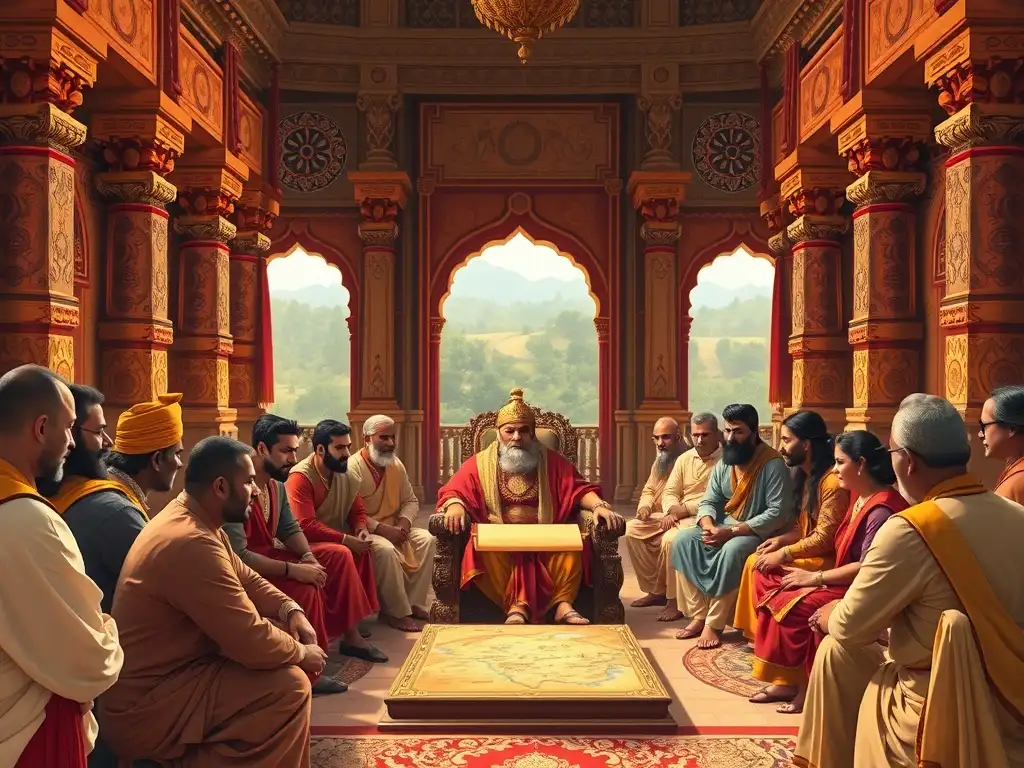
The Maurya Empire, known for its vast expanse and intricate governance, employed a variety of political strategies that enabled it to manage its territories effectively. Through case studies of specific regions and events, we can gain insights into how these strategies were operationalized.
The Conquest of Kalinga
One of the most significant military and political strategies of the Maurya Empire was its conquest of Kalinga around 261 BCE. This campaign was not only a demonstration of military might but also a pivotal moment that reshaped the empire's approach to governance and diplomacy.
- Military Strategy: The invasion of Kalinga was marked by a large-scale military mobilization, showcasing the Mauryan army's strength. The use of elephants in warfare played a crucial role, as they were effective in breaking enemy lines and instilling fear.
- Aftermath and Diplomacy: The war resulted in immense casualties, with estimates suggesting over 100,000 deaths. Ashoka, the third Mauryan emperor, was profoundly affected by the destruction. This led to a strategic pivot from military conquest to diplomatic engagement and moral governance. The Edicts of Ashoka, inscribed on pillars throughout the empire, emphasized non-violence and compassion, marking a shift in political strategy that focused on moral authority rather than mere military power.
- Cultural Integration: Post-conquest, Ashoka implemented policies to integrate Kalinga into the empire, promoting Buddhism and the establishment of trade routes. This cultural diplomacy facilitated a smoother integration of Kalinga's populace, fostering loyalty rather than resentment.
Administration of the North-Western Territories
The administration of the North-Western territories, particularly regions like Gandhara and Taxila, exemplified the Maurya Empire's sophisticated political strategies in managing diverse populations and maintaining control over vast areas.
- Local Governance: The Mauryan administration relied on a system of local governors, known as Uparikas, who were responsible for overseeing day-to-day governance. This decentralized approach allowed for greater autonomy and responsiveness to local issues, ensuring that local customs and practices were respected.
- Infrastructure Development: The Maurya Empire invested heavily in infrastructure, including roads and trade routes, which facilitated communication and commerce across its territories. This not only strengthened economic ties but also enhanced the central authority's reach.
- Census and Taxation: A systematic census was conducted in these territories to assess resources and population, enabling efficient taxation. The Mauryas employed a progressive taxation system that was adaptable to local economic conditions, thereby ensuring steady revenue without overburdening the populace.
- Cultural Policies: The Mauryan rulers promoted a policy of cultural pluralism, allowing various religious and cultural practices to flourish. This strategy fostered a sense of inclusion among diverse groups, reducing the likelihood of rebellion and promoting stability.
The political strategies of the Maurya Empire, as exemplified by the conquest of Kalinga and the administration of the North-Western territories, reveal a complex interplay of military might, cultural diplomacy, and effective governance. These strategies not only solidified the empire's power but also laid the groundwork for a legacy that influenced subsequent Indian polities.
Challenges Faced by the Maurya Empire
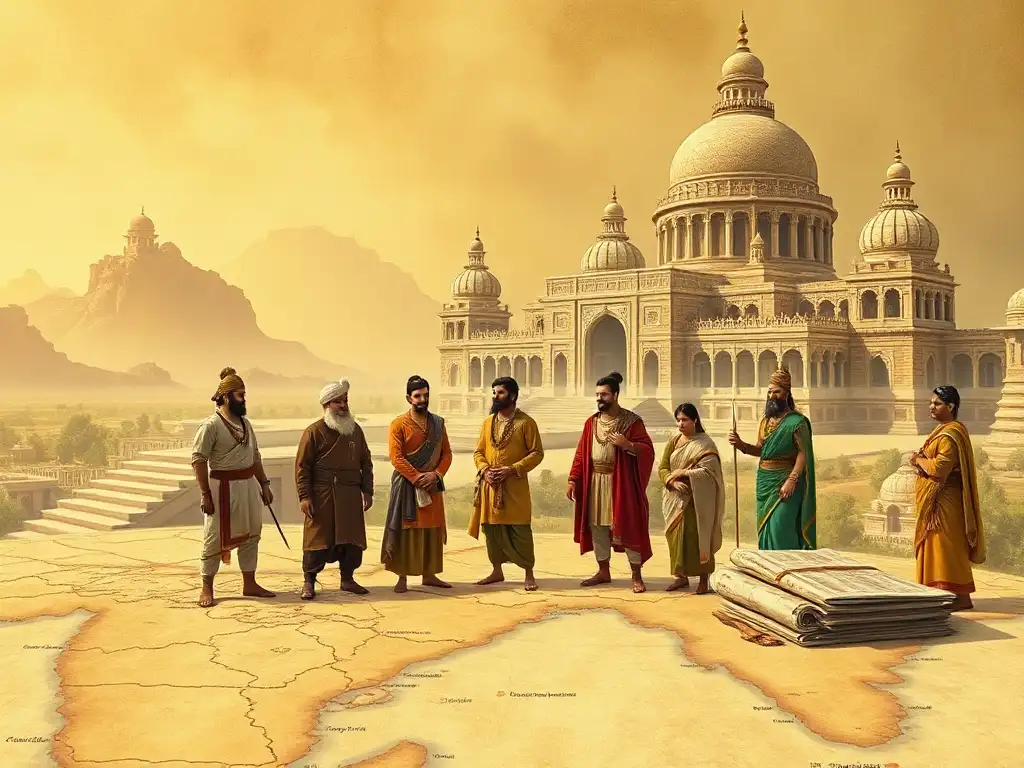
The Maurya Empire, one of the largest and most powerful empires in ancient India, faced numerous challenges while managing its vast territories. These challenges were multifaceted, involving internal strife, administrative hurdles, and resistance from various factions. Understanding these challenges provides insight into the political strategies of the Maurya Empire and how they adapted to maintain control over their extensive realm.
Rebellion and Resistance
One of the significant challenges confronting the Maurya Empire was the frequent rebellions and resistance from various regions. These uprisings often stemmed from discontent among local rulers, peasants, and merchants. The empire’s vast size made it difficult to enforce uniform policies across diverse territories, leading to grievances that could ignite rebellion.
- Local Aristocracies: In many regions, local aristocrats resented the centralized power of the Mauryan rulers. They often mobilized support from their communities to resist Mauryan authority. For example, after the death of Ashoka, the empire saw increased insurrections as local powers sought to reclaim their autonomy.
- Cultural and Religious Tensions: The Maurya Empire was notable for its diverse population, which included various ethnic groups and religions. The promotion of Buddhism by Ashoka, while unifying in some respects, also alienated Hindu factions and other religious groups, leading to localized resistance.
- Economic Discontent: Economic policies, including heavy taxation, often led to dissatisfaction among the populace. When taxes were perceived as excessive, local leaders could harness this discontent to fuel rebellion. For instance, certain regions, particularly those with agricultural bases, faced harsh tax burdens that led to revolts.
To counter these rebellions, the Maurya Empire employed a variety of political strategies, including diplomacy and military intervention. The establishment of a network of spies and informants allowed the central authority to preemptively address potential uprisings.
Administrative Overreach and Its Consequences
The vast administrative structure of the Maurya Empire was both a strength and a weakness. While it enabled efficient governance over extensive territories, it also led to overreach that strained resources and created friction between the central authority and local administrations.
- Complex Bureaucracy: The Mauryan administration was characterized by a complex bureaucracy designed to manage diverse regions. However, this complexity sometimes resulted in inefficiencies and miscommunication. Local governors, known as Mahamatras, were often left to their own devices, leading to inconsistent application of imperial policies.
- Corruption and Mismanagement: The larger the bureaucracy, the higher the potential for corruption and mismanagement. Reports of local officials exploiting their positions for personal gain often emerged, further alienating local populations. This corruption undermined the legitimacy of the Maurya rulers and fueled resentment.
- Resistance to Central Authority: As the central government attempted to impose uniform policies, local leaders often resisted these changes. The imposition of Mauryan laws and regulations that were not suited to local conditions sometimes incited backlash. For example, when the empire mandated certain agricultural practices, local farmers, unfamiliar with these methods, resisted adoption, leading to agricultural failures and further unrest.
In response to these administrative challenges, the Maurya Empire sought to adapt its governance strategies. The implementation of local customs and practices in governance helped mitigate some tensions and maintain stability. Additionally, the empire's ability to adjust policies based on regional feedback was crucial in maintaining control over its diverse territories.
The political strategies of the Maurya Empire were inherently tied to the challenges they faced, illustrating a dynamic interplay between governance and resistance. Understanding these challenges provides a deeper appreciation of how the Maurya Empire navigated the complexities of ruling a vast and diverse empire.
Conclusion: Legacy of the Maurya Empire's Political Strategies

The political strategies of the Maurya Empire have left an indelible mark on the governance paradigms of subsequent Indian civilizations. The empire, renowned for its expansive territory and administrative sophistication, established foundational principles that shaped the political landscape of India for centuries. One of the most notable legacies is the concept of centralized governance, which enabled efficient control over diverse regions and populations.
The Mauryan rulers, particularly Chandragupta Maurya and his grandson Ashoka, implemented a system that emphasized a strong, centralized authority while allowing for localized governance through appointed officials. This dual approach not only facilitated the management of vast territories but also fostered a sense of local identity and participation among the subjects.
In addition to administrative organization, the Mauryan political strategies included effective communication networks, which were crucial for maintaining order and disseminating royal decrees. The use of roads, messengers, and a formalized bureaucracy ensured that even remote regions remained connected to the imperial center.
Influence on Subsequent Indian Empires
The political strategies of the Maurya Empire served as a blueprint for subsequent Indian empires, notably the Gupta Empire, which emerged in the 4th century CE. The Guptas adopted several principles from the Mauryan administration, such as:
- Centralized Authority: Like the Mauryas, the Guptas established a powerful central government that oversaw regional governors, ensuring loyalty and effective governance across their territories.
- Bureaucratic Structure: The Mauryan emphasis on a well-trained bureaucracy influenced the Gupta administrative system, leading to the appointment of skilled officials who managed various aspects of governance, including tax collection, law enforcement, and public works.
- Promotion of Trade and Economy: The Mauryan focus on infrastructure development, such as roads and trade routes, was mirrored by the Guptas, who further enhanced economic prosperity through increased trade and commerce.
The Maurya Empire also set a precedent for religious tolerance and the integration of diverse cultures, which became hallmarks of later Indian states. Ashoka's promotion of Buddhism and his edicts encouraging respect for all religions demonstrated a governance style that balanced authority with moral responsibility, influencing rulers in the centuries to follow.
Lessons Learned in Governance and Administration
The political strategies of the Maurya Empire provide valuable lessons in governance and administration that remain relevant today. Key takeaways include:
- Centralization with Local Autonomy: Combining a strong central authority with localized governance allows for efficient management while respecting regional identities. This balance can lead to increased loyalty and stability among subjects.
- Effective Communication: Establishing robust communication networks is essential for maintaining order and ensuring the swift implementation of policies. The Mauryan emphasis on roads and messengers highlights the importance of connectivity in governance.
- Merit-based Bureaucracy: A well-trained and skilled bureaucracy is crucial for effective administration. Investing in training and professional development for officials can enhance governance quality and efficiency.
- Cultural Integration: Promoting inclusivity and tolerance within a diverse society can foster unity and peace. The Mauryan example of embracing multiple religions and cultures serves as a model for modern governance in pluralistic societies.
- Adaptability and Innovation: The ability to adapt political strategies to changing circumstances is vital for long-term success. The Mauryas' innovative approaches to administration and military organization illustrate the importance of flexibility in governance.
The political strategies of the Maurya Empire not only facilitated their control over vast territories but also laid the groundwork for future empires in India. The lessons gleaned from their governance can continue to inform modern political practices, emphasizing the importance of effective administration, cultural integration, and strategic flexibility.
References and Further Reading on Maurya Empire Political Strategies
Suggested Books and Articles
- "The Maurya Empire: A Historical Overview" by Romila Thapar
- This comprehensive book delves into the political structure and strategies employed by the Maurya Empire, focusing on key figures such as Chandragupta Maurya and Ashoka the Great. Thapar examines how these leaders utilized a blend of military prowess and diplomatic acumen to manage their vast territories.
- "The Arthashastra" by Kautilya (Chanakya)
- Often regarded as the foundational text on political strategy in ancient India, this ancient treatise outlines various strategies for governance, military tactics, and economic policies. Kautilya’s insights into statecraft are invaluable for understanding the political strategies of the Maurya Empire.
- "Political Institutions in Ancient India" by Sudhir K. Jain
- This scholarly article discusses the political institutions during the Maurya period, highlighting how these systems facilitated effective governance and administration across diverse territories.
- "Ashoka: The Search for Truth" by Charles Allen
- Allen’s work provides a narrative of the life of Ashoka, focusing on how his policies and philosophies shaped the Maurya Empire’s political landscape. The book also explores the transition from conquest to governance and the promotion of Buddhism as a unifying force.
Online Resources for Ancient Indian History
-
Digital South Asia Library
A rich online repository featuring a variety of texts, photographs, and maps related to ancient Indian history, including resources specifically on the Maurya Empire’s political strategies.
-
Ancient India: The Maurya Empire
This educational website offers an extensive overview of the Maurya Empire, including sections dedicated to its political structure and strategies. The resource is designed for both casual readers and researchers.
-
Internet Archive: The History of India, as Told by Its Own Historians
A collection of historical texts that provide insights into the Maurya Empire's governance and political strategies through the eyes of contemporary historians.
-
Bharat Heritage
This platform features articles, essays, and discussions related to ancient Indian civilizations, with a dedicated section on the Maurya Empire that explores its political strategies and administrative practices.
By consulting these resources, readers can gain a deeper understanding of the intricate political strategies employed by the Maurya Empire to manage its vast and diverse territories.
Frequently Asked Questions
What were the main political strategies of the Maurya Empire?
The Maurya Empire utilized effective administrative systems, centralized governance, and alliances with local rulers to manage its vast territories efficiently.
How did the Maurya Empire maintain control over its territories?
To maintain control, the empire employed a strong military presence, established provincial administrations, and promoted law and order through a well-defined legal system.
What role did Ashoka play in the political strategies of the Maurya Empire?
Ashoka, the third Mauryan emperor, is known for his prominent role in promoting Buddhism, which helped unify the empire through shared values and policies of non-violence.
How did the Maurya Empire handle rebellions and opposition?
The empire effectively dealt with rebellions by employing a mix of diplomacy and military action, often integrating local leaders into the empire's administrative framework to reduce dissent.
What were some of the contributions of the Maurya Empire to political thought?
The Maurya Empire contributed significantly to political thought through texts like the Arthashastra, which provided insights on statecraft, economics, and governance strategies.
Final Reflection: The Enduring Legacy of the Maurya Empire's Political Strategies
The political strategies employed by the Maurya Empire resonate profoundly in today's world, illustrating how effective governance can shape the course of history. The ability to manage vast territories through innovative political frameworks is not just a relic of the past; it remains a vital lesson for contemporary leaders. As we navigate the complexities of modern governance, the Maurya Empire's strategies remind us that adaptability, inclusivity, and strategic diplomacy are essential for maintaining unity in diversity.
Clearly, the Maurya Empire's influence extends beyond its historical timeline, shaping our understanding of governance and political organization. The empire's ability to integrate various cultures and manage vast resources serves as a blueprint for modern states grappling with similar challenges. The true test of leadership is how well you function in a crisis.
This quote encapsulates the essence of the Maurya Empire's approach, emphasizing the importance of resilience and strategic foresight in leadership—qualities that are just as relevant today as they were over two millennia ago.
As we reflect on the political strategies of the Maurya Empire, I invite you to consider how these lessons can be applied in your own life and community. What strategies can you implement to foster unity and cooperation in your own circles? Whether in leadership roles or as engaged citizens, we all have the power to influence our environments positively. Let us draw inspiration from the past to create a more harmonious and effective future, recognizing that the principles of wise governance are timeless and universally applicable.
Unleash the Power of Ancient Governance!
Thank you for taking the time to explore how the Maurya Empire deftly managed its vast territories. You've gained valuable insights into the political strategies that shaped one of history's greatest empires, and now it’s your turn to apply this knowledge!
Here’s how you can take action today:
- Dive deeper into the fascinating world of ancient politics by exploring more articles on our website. The past has lessons that can illuminate our present!
- Share this knowledge with friends or on social media platforms. Engage in discussions and inspire others to learn more about the Maurya Empire and its influence on governance.
- Join our community by subscribing to our newsletter for the latest updates and hidden gems of ancient history. Stay connected and continue your journey through time!
What aspect of the Maurya Empire’s governance would you like to see reflected in today’s world? Share your thoughts below!