
Discovering the Techniques of Ancient Indian Goldsmiths

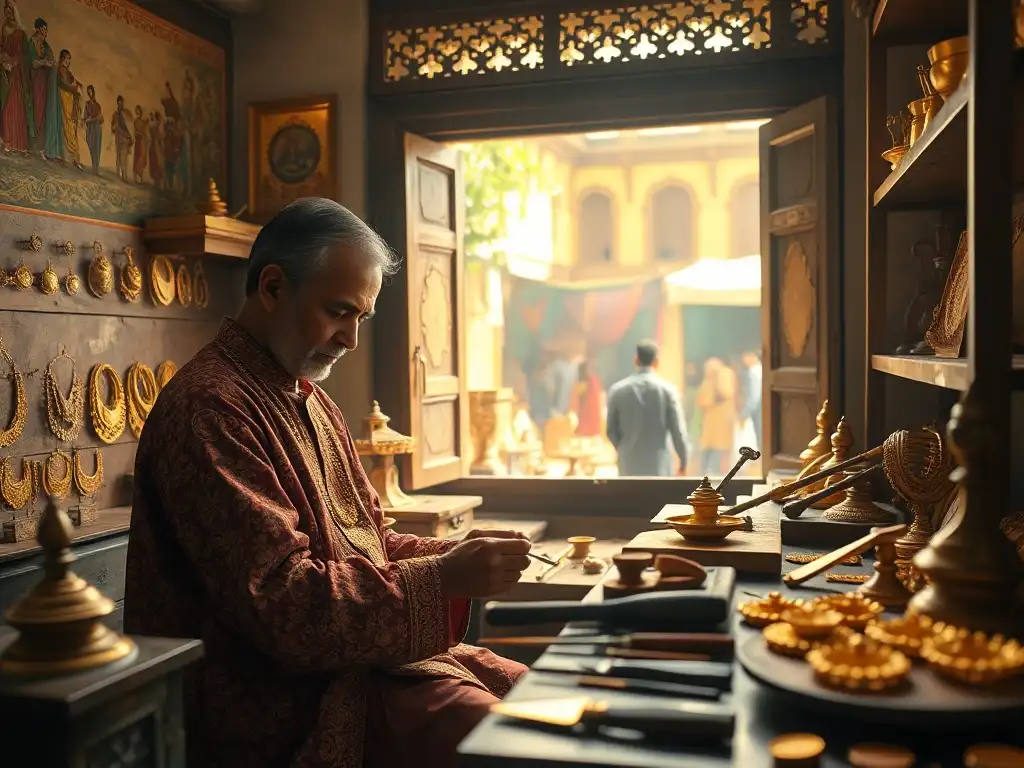
Welcome to Ancient India History, where the tapestry of time unfolds the remarkable stories of ancient civilizations that shaped the world. In our featured article, "Discovering the Techniques of Ancient Indian Goldsmiths," we delve into the intricate artistry and innovative methods that defined the craftsmanship of goldsmiths in ancient India. What secrets lie behind their exquisite creations?
Join us as we unearth the dazzling techniques that not only reflect the skill of these artisans but also their profound impact on culture and trade. Prepare to be captivated and inspired as you explore the brilliance of ancient Indian technology and innovations!
- Introduction to Ancient Indian Goldsmith Techniques
- Historical Context of Goldsmithing in Ancient India
- Key Techniques Employed by Ancient Indian Goldsmiths
- Tools and Materials Used by Ancient Indian Goldsmiths
- Cultural Significance of Goldsmith Techniques
- Comparison of Ancient Indian Goldsmith Techniques with Global Practices
- Legacy of Ancient Indian Goldsmithing Techniques
- Modern Applications of Ancient Techniques in Contemporary Jewelry
- Reviving Ancient Techniques: Craftsmen and Artisans Today
- Conclusion: The Enduring Influence of Ancient Indian Goldsmith Techniques
-
Frequently Asked Questions
- What were the primary techniques used by ancient Indian goldsmiths?
- How did ancient Indian goldsmiths influence modern jewelry making?
- What materials did ancient Indian goldsmiths typically use?
- What cultural significance did goldsmithing hold in ancient India?
- How can one learn about ancient Indian goldsmith techniques today?
- Final Reflection: The Timeless Artistry of Ancient Indian Goldsmith Techniques
- Unveil the Secrets of Ancient Goldsmithing!
Introduction to Ancient Indian Goldsmith Techniques
Exploring the intricate world of ancient Indian goldsmith techniques reveals a fascinating narrative of craftsmanship, innovation, and cultural significance that has shaped the subcontinent's history. Goldsmithing in ancient India was not merely a trade; it was an art form that encompassed a range of methods, tools, and cultural practices.
From the highly advanced metallurgy of the Indus Valley Civilization to the elaborate jewelry designs of the Gupta Empire, these techniques reflect the technological prowess and aesthetic sensibilities of ancient Indian societies. This article delves into the rich tapestry of ancient Indian goldsmithing, offering insights into the methods employed and the cultural context that made goldsmithing an integral part of Indian heritage.
Overview of Ancient Indian Metallurgy
Ancient Indian metallurgy showcases a remarkable evolution of techniques and technologies that spanned several millennia. The earliest evidence of metalworking in India dates back to around 5000 BCE, with the rise of the Indus Valley Civilization.
- Indus Valley Civilization (c. 3300–1300 BCE):
- Initially known for its bronze and copper artifacts, this civilization demonstrated advanced knowledge of alloying and casting.
- Techniques such as lost-wax casting and the use of furnaces were pivotal in producing intricate jewelry and tools.
- Mauryan Period (c. 322–185 BCE):
- The Mauryan Empire saw significant advancements in metallurgy, including the widespread use of iron, which was essential for tools and weapons.
- Goldsmithing flourished, with artisans employing techniques like granulation and filigree to create exquisite pieces.
- Gupta Empire (c. 240–550 CE):
- The Gupta period is often referred to as a golden age of Indian culture, where art and science thrived.
- Goldsmiths developed sophisticated methods for crafting gold jewelry, including intricate designs and inlay techniques.
These advancements in metallurgy were not only significant for their technical achievements but also played a crucial role in trade, economy, and artistic expression throughout ancient India.
Importance of Goldsmithing in Ancient Indian Culture
Goldsmithing held a place of utmost importance in ancient Indian culture, intertwining with social, religious, and economic facets of life.
- Cultural Significance:
- Gold was considered a symbol of prosperity and divine favor, often associated with various deities in Hinduism.
- Jewelry crafted by goldsmiths was integral to religious ceremonies, weddings, and festivals, reflecting both artistry and spiritual beliefs.
- Economic Role:
- Goldsmiths contributed significantly to the local economy, with their work fostering trade relationships within and beyond the subcontinent.
- The wealth generated through goldsmithing supported artisans and their communities, establishing a robust craft economy.
- Artistic Expression:
- The techniques employed by ancient goldsmiths were not merely functional but also aesthetic, showcasing intricate designs that represented the cultural identity of various regions.
- The legacy of these techniques continues to influence contemporary jewelry-making practices in India today.
In essence, ancient Indian goldsmith techniques were not just about manipulating metal; they were about expressing identity, spirituality, and the rich history of a civilization that valued craftsmanship as a vital part of its cultural fabric.
Historical Context of Goldsmithing in Ancient India
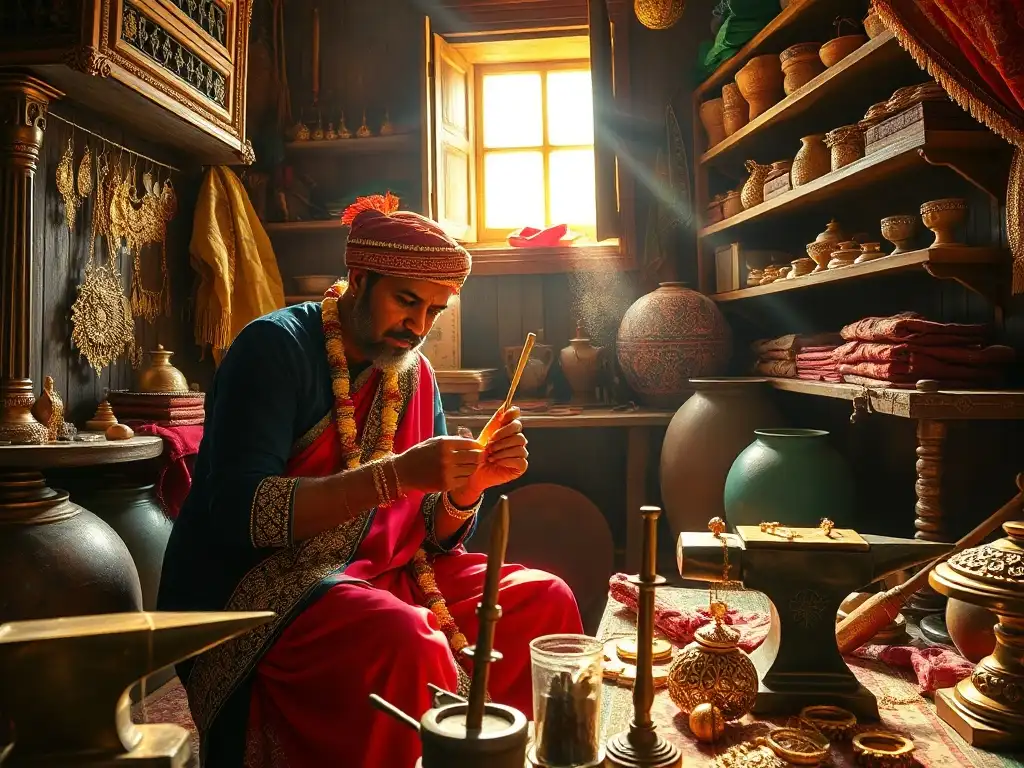
Goldsmithing in ancient India has a rich legacy, reflecting not only the artistic skills of craftsmen but also the socio-economic conditions and cultural values of various civilizations. The techniques employed by ancient Indian goldsmiths evolved over millennia, showcasing advancements in metallurgy and intricate craftsmanship. Understanding the historical context of goldsmithing provides insights into the broader narrative of ancient Indian technology and innovation.
The Indus Valley Civilization and Early Techniques
The journey of ancient Indian goldsmith techniques begins with the Indus Valley Civilization (IVC), which flourished around 2500 BCE. Archaeological findings from sites like Harappa and Mohenjo-Daro reveal that goldsmiths in the IVC were adept at working with metal. Their techniques included:
- Lost-Wax Casting: This method involved creating a wax model of the desired object, encasing it in clay, and then melting away the wax to create a mold. This technique allowed for intricate designs that were often symbolic in nature.
- Filigree Work: Artisans skillfully twisted fine gold wires to create delicate patterns, adding an ornate touch to jewelry and decorative items.
- Granulation: Tiny gold granules were fused onto metal surfaces, creating textured designs that enhanced aesthetic appeal.
The materials used were primarily gold, silver, and copper, and the artifacts discovered suggest a high level of craftsmanship and artistry. The IVC goldsmiths not only created beautiful items but also engaged in trade, facilitating cultural exchanges that would influence subsequent civilizations.
Evolution of Goldsmithing During the Vedic Period
With the transition to the Vedic Period (1500–500 BCE), goldsmithing techniques underwent significant changes. This era marked a shift in societal structure and religious practices, which in turn influenced the art of goldsmithing:
- Religious Significance: Gold began to hold symbolic meanings, often associated with divinity and wealth. This elevated the status of goldsmiths, who became important figures in society, crafting ornaments for rituals and religious ceremonies.
- Increased Use of Gold: The Vedic texts mention the use of gold in various forms, including coins, jewelry, and ceremonial items. This increased demand led to the refinement of techniques, such as the development of methods for soldering and alloying, which improved the durability and appeal of gold items.
- Technological Innovations: The introduction of new tools, like chisels and hammers, allowed goldsmiths to create more detailed engravings and patterns. The use of heat treatment techniques to enhance the color and luster of gold was also documented during this period.
The Vedic Period laid the groundwork for more sophisticated goldsmithing practices, paving the way for future advancements in metallurgy.
Innovations in the Maurya and Gupta Empires
The Maurya (322–185 BCE) and Gupta Empires (c. 320–550 CE) represent the zenith of ancient Indian goldsmith techniques. During these periods, significant innovations emerged, driven by both artistic expression and economic prosperity:
- Standardization of Coinage: The Mauryan Empire saw the introduction of standardized gold coins, known as "dinara." This necessitated the development of precise minting techniques, enhancing the overall quality and uniformity of gold coins produced.
- Advanced Alloying Techniques: Goldsmiths began experimenting with different alloys, combining gold with metals like silver and copper to create unique colors and properties. This not only diversified the range of jewelry but also made gold more accessible to the broader population.
- Intricate Jewelry Designs: The Gupta period is particularly noted for its intricate jewelry designs, including necklaces, bangles, and tiaras. Techniques such as inlay work (embedding gemstones into metal) and champlevé (creating cells in metal to hold colored enamel) became prominent, showcasing the artistic prowess of goldsmiths.
- Cultural Exchange: The flourishing trade networks during these empires facilitated the exchange of ideas and techniques with other cultures, further enriching the craft of goldsmithing.
Overall, the innovations of ancient Indian goldsmiths during the Maurya and Gupta Empires significantly advanced the field of metallurgy and set a high standard for craftsmanship that influenced future generations.
Key Techniques Employed by Ancient Indian Goldsmiths
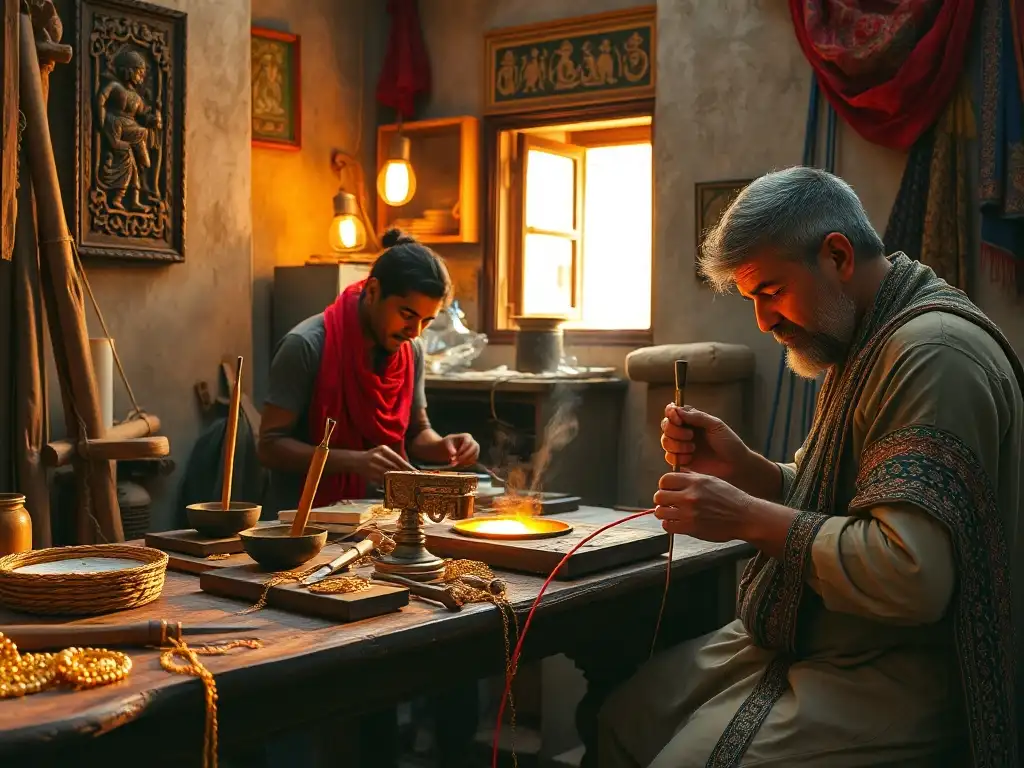
The craftsmanship of ancient Indian goldsmiths was characterized by a range of sophisticated techniques that not only showcased their artistic skills but also reflected the advanced understanding of metallurgy in ancient India. Among these techniques, the lost-wax casting, granulation and wire drawing, and surface decoration methods such as engraving and repoussé stand out for their complexity and historical significance.
Lost-Wax Casting Method
The lost-wax casting method, known as cire perdue, is one of the oldest and most revered techniques utilized by ancient Indian goldsmiths. This process involves several intricate steps:
- Model Creation: A model of the desired object is crafted from wax. This model captures the details that will be mirrored in the final metal piece.
- Molding: The wax model is then encased in a clay mold. This mold is heated until the wax melts and drains away, leaving a hollow cavity in the shape of the original model.
- Metal Pouring: Molten gold or other metals are poured into the cavity, allowing the metal to take on the intricate details of the wax model.
- Finishing: After the metal cools and solidifies, the mold is broken away, revealing the finished piece. Additional techniques such as polishing and detailing are employed to enhance the final product.
This method enabled goldsmiths to create highly detailed and intricate designs, including deities and ceremonial objects, that were both functional and ornamental. The lost-wax casting method illustrates a remarkable blend of art and science, showcasing the mastery of ancient Indian artisans.
Granulation and Wire Drawing Techniques
Granulation and wire drawing are fundamental techniques that ancient Indian goldsmiths used to create intricate jewelry and decorative objects. These methods involved:
- Granulation: This technique involves the creation of small beads or granules of gold that are then fused onto a metal surface. The process typically includes:
- Preparation of Granules: Gold is melted and then cooled, forming small beads.
- Application: These granules are carefully arranged on a base metal piece.
- Fusing: Heat is applied to bond the granules to the underlying metal without melting them completely.
- Wire Drawing: This technique allows goldsmiths to create fine strands of gold wire, which can be used for various decorative purposes:
- Drawing Process: A thicker rod of gold is pulled through a series of progressively smaller dies to produce thin wires.
- Applications: The drawn wire can be twisted, coiled, or woven into complex designs, enhancing the aesthetic appeal of jewelry.
These techniques not only demonstrate the technical prowess of ancient Indian goldsmiths but also highlight their ability to manipulate materials for artistic expression. The combination of granulation and wire drawing contributed to the unique styles of ancient Indian jewelry, which are still celebrated today.
Surface Decoration Techniques: Engraving and Repoussé
Surface decoration played a vital role in the artistry of ancient Indian goldsmiths, with techniques such as engraving and repoussé standing out for their elegance and intricacy.
- Engraving: This process involves cutting or carving designs into the surface of the metal. Key aspects include:
- Tools: Goldsmiths used specialized tools called gravers to incise detailed patterns and motifs.
- Design: Engraving allowed for the inclusion of intricate designs, often depicting mythological themes, flora, and fauna.
- Repoussé: This technique involves shaping the metal from the reverse side to create a raised design. The steps include:
- Preparation: A sheet of metal is selected and placed over a mold or anvil.
- Shaping: Using hammers or other tools, artisans push the metal from behind to create a three-dimensional effect.
- Detailing: Further embellishments can be added through additional engraving or polishing.
Both engraving and repoussé techniques enhanced the visual and tactile qualities of goldsmithing, allowing ancient Indian artisans to imbue their creations with symbolism and cultural significance. The intricate designs produced through these methods served not only as adornments but also as expressions of identity and status in ancient Indian society.
The mastery of these ancient Indian goldsmith techniques not only offers insight into the technical skills of artisans but also reflects a rich cultural heritage that has influenced contemporary craftsmanship.
Tools and Materials Used by Ancient Indian Goldsmiths
Common Tools in Ancient Goldsmith Workshops
Ancient Indian goldsmiths employed a variety of specialized tools that were essential for crafting intricate gold jewelry and artifacts. These tools were often made from materials that could withstand high temperatures and repeated use. Some of the most common tools included:
- Hammers: Used for shaping and forming gold. Goldsmiths typically used hammers made of softer metals to avoid damaging the gold's surface.
- Anvils: A sturdy base for hammering and shaping the gold. Anvils were often made of iron or stone.
- Files and Rasps: Essential for smoothing and finishing surfaces. These tools allowed goldsmiths to refine their work to achieve intricate designs.
- Bellow: Used to blow air into the furnace, increasing the temperature for melting gold. The bellow was a critical component in controlling the heat during the smelting process.
- Tongs: These were necessary for handling hot metal pieces safely. Tongs allowed goldsmiths to manipulate gold without burning their hands.
- Molds: Used for casting. Goldsmiths created molds from clay or metal to shape molten gold into desired forms.
- Chisels: Employed for engraving and detailing designs on gold pieces.
The combination of these tools enabled ancient Indian goldsmiths to execute their craft with precision and artistry, leading to the production of exquisite pieces that have survived through the ages.
Types of Gold and Alloys Utilized
The ancient Indian goldsmiths not only worked with pure gold but also utilized various alloys to enhance the properties of their creations. The types of gold and alloys commonly used included:
- 24 Karat Gold: This is the purest form of gold, known for its malleability and ductility. While it was used for delicate jewelry, it was often too soft for items needing durability.
- 22 Karat Gold: A popular choice for jewelry, combining 22 parts gold with 2 parts of other metals to enhance strength while maintaining luster.
- 18 Karat Gold: Composed of 18 parts gold and 6 parts of other metals, this alloy was favored for its durability and resistance to wear.
In addition to gold, goldsmiths incorporated various metals to create specific alloys:
- Copper: Often mixed with gold to create a harder alloy that was more suitable for everyday wear.
- Silver: Used to produce a lighter colored metal, silver was sometimes alloyed with gold for decorative pieces.
- Nickel: Occasionally used to create white gold, providing a different aesthetic while increasing hardness.
The careful selection of these materials allowed ancient goldsmiths to create a wide range of products, from ceremonial artifacts to everyday jewelry, each with distinct characteristics tailored to their intended use.
The Role of Other Precious Metals in Goldsmithing
In addition to gold, other precious metals played a significant role in ancient Indian goldsmithing, enhancing both the aesthetic appeal and functional properties of jewelry and artifacts. These metals included:
- Silver: Frequently used in combination with gold, silver was prized for its luster and workability. It was often employed in creating intricate designs or as a base for gold plating.
- Copper: Though primarily known as a base metal, copper was alloyed with gold to increase the hardness and durability of gold items.
- Platinum: While less common in ancient India, platinum was sometimes used for its rarity and unique appearance, offering a distinct contrast to gold.
The use of these metals allowed for greater diversity in design and function. For instance, silver and gold combinations were often used in religious artifacts and ceremonial items, symbolizing wealth and divinity.
The masterful blending of these different metals not only showcased the technical expertise of ancient Indian goldsmiths but also reflected the rich cultural and spiritual significance of their work in society. The techniques developed during this era laid the foundation for future advancements in metallurgy and jewelry making, influencing generations of artisans beyond the Indian subcontinent.
Cultural Significance of Goldsmith Techniques
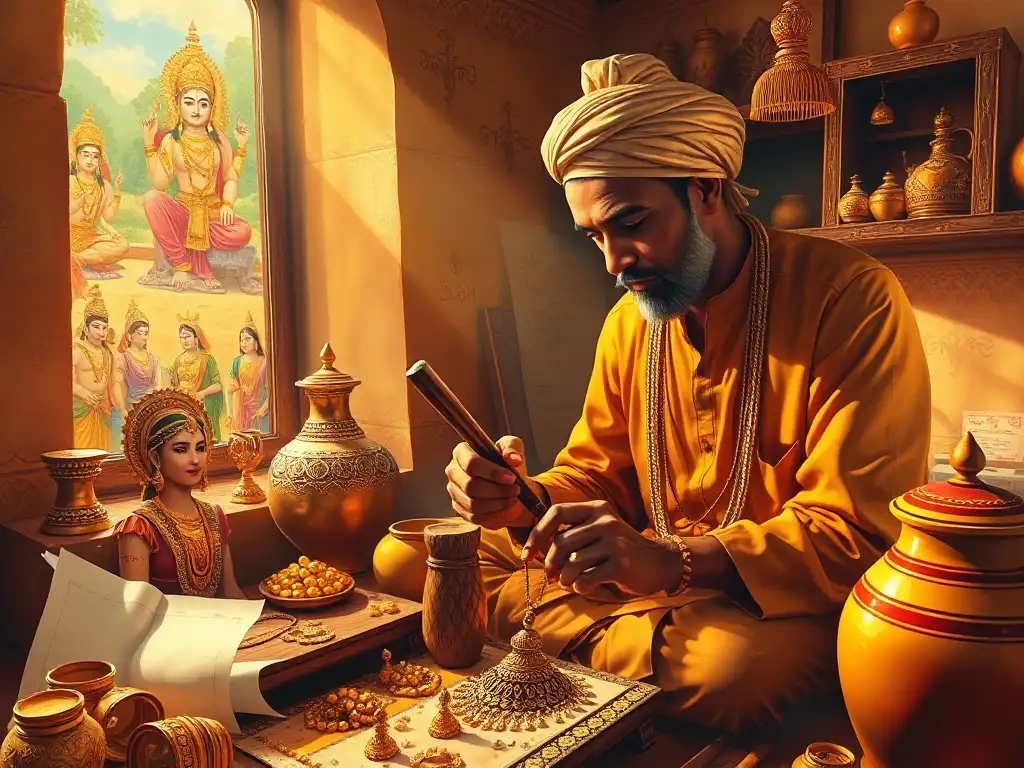
Goldsmithing in Religious and Ceremonial Contexts
Goldsmithing in ancient India was deeply intertwined with religious and ceremonial practices, reflecting the profound significance of gold in various aspects of life. Gold, often associated with purity and divinity, played a pivotal role in rituals and offerings. Temples served as centers for goldsmiths, where skilled artisans crafted intricate jewelry and ornaments for deities, symbolizing devotion and reverence.
- Sacred Ornaments: Goldsmiths created a range of sacred ornaments such as mukut (crowns), necklaces, and armlets that adorned idols during festivals and special ceremonies. The craftsmanship involved in these pieces was not only a testament to the artisans' skills but also a means to express spiritual beliefs and cultural identity.
- Ritualistic Uses: In many rituals, gold items were used as offerings to deities. The act of presenting gold symbolized wealth and prosperity, as well as an appeal for blessings. This practice was common across various regions, with local variations reflecting distinct cultural influences.
- Cultural Identity: Different regions of ancient India had unique styles and techniques in goldsmithing, showcasing local traditions. For instance, the intricate filigree work of Odisha and the heavy, temple-style jewelry of South India highlight regional identities and craftsmanship.
The Economic Impact of Goldsmithing on Ancient Indian Society
The art of goldsmithing not only contributed to the beauty of ancient Indian culture but also played a crucial economic role. Goldsmiths were integral to the trade ecosystem, influencing both local and long-distance trade networks.
- Wealth Generation: Goldsmithing served as a significant source of wealth for many families. Artisans often operated within guilds, sharing knowledge and resources, which fostered a thriving economy. This community structure allowed for the specialization of skills and techniques, further enhancing the quality of craftsmanship.
- Trade and Commerce: Goldsmiths participated in extensive trade networks, exchanging gold and gold artifacts for other commodities. Ancient texts, such as the Arthashastra, indicate that gold was a standard for currency and trade, emphasizing its economic importance. The export of gold jewelry to regions such as Persia and Southeast Asia also played a role in enhancing India's economic stature.
- Social Hierarchy: The wealth generated by goldsmithing contributed to the social stratification of society. Goldsmiths often held a respected status within their communities, with their skills being sought after by the elite and royalty. This social standing was reflected in the patronage they received from kings and temples, which further solidified their influence.
Preservation and Transmission of Techniques Through Generations
The techniques of ancient Indian goldsmiths have not only survived but also evolved through generations, thanks to a rich tradition of knowledge transmission and apprenticeship.
- Oral Traditions and Apprenticeships: Knowledge of goldsmithing techniques was primarily passed down through oral traditions. Young apprentices would learn from master artisans, absorbing intricate skills and cultural narratives associated with the craft. This hands-on training was crucial for maintaining the quality and authenticity of the techniques.
- Guild Systems: The establishment of guilds played a vital role in the preservation of goldsmithing techniques. These guilds functioned as protective communities, where members shared resources, techniques, and innovations. The guilds also ensured the ethical practice of goldsmithing, maintaining standards that upheld the quality of craftsmanship.
- Adaptation and Innovation: As societies evolved, so did the techniques of goldsmithing. Ancient Indian goldsmiths adapted their methods to incorporate new materials and styles, influenced by cultural exchanges with neighboring civilizations. This adaptability ensured that goldsmithing remained relevant and continued to flourish, preserving its significance in Indian culture.
The techniques of ancient Indian goldsmiths, rich in cultural significance, economic impact, and a legacy of knowledge transmission, continue to resonate in contemporary practices, making them a vital aspect of India's historical and cultural tapestry.
Comparison of Ancient Indian Goldsmith Techniques with Global Practices
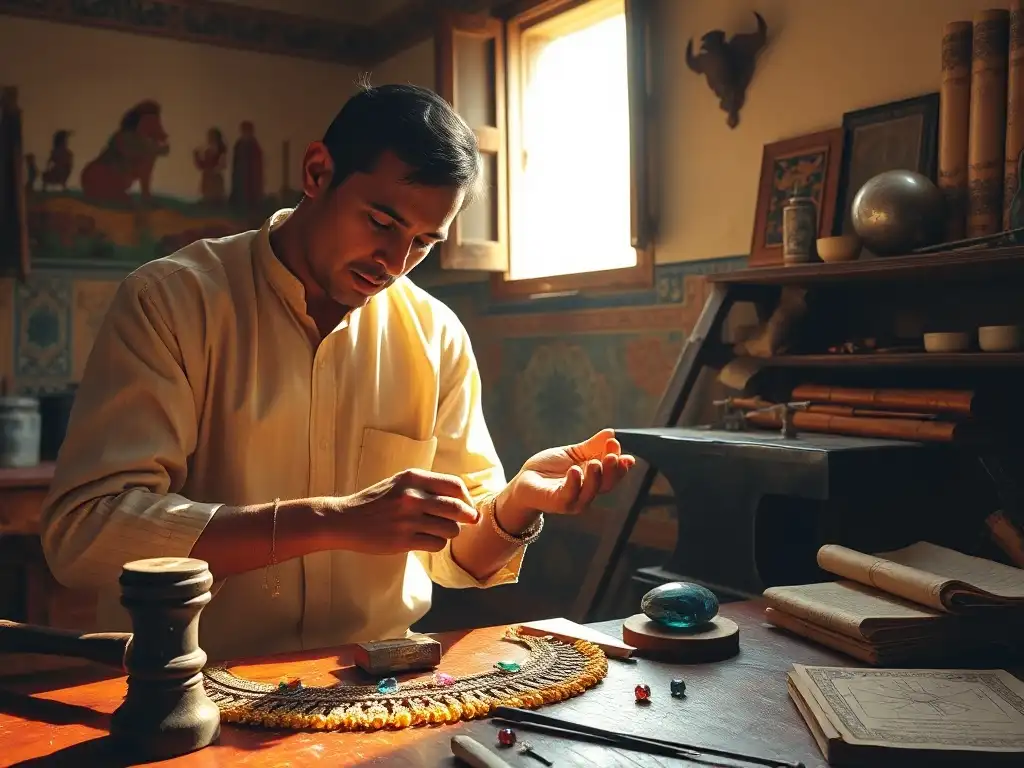
Similarities and Differences with Ancient Egyptian Goldsmithing
Ancient Indian goldsmith techniques share both similarities and distinct differences when compared to the practices of their contemporaries, such as ancient Egyptian goldsmithing. Both civilizations revered gold not only for its beauty but also for its symbolic significance, often associating it with divinity and royalty.
Similarities:
- Use of Tools: Both ancient Indian and Egyptian goldsmiths employed similar hand tools like chisels, hammers, and anvils. These tools facilitated intricate designs and precise craftsmanship.
- Techniques: Techniques such as granulation, filigree, and inlay work were common in both cultures. Granulation, which involves the fusing of tiny gold beads onto a surface, was a technique that flourished in both Indian and Egyptian jewelry making.
- Cultural Significance: Jewelry produced in both civilizations was not merely ornamental; it held cultural and religious significance. For instance, both societies used gold ornaments in burial practices, reflecting beliefs in the afterlife.
Differences:
- Alloy Composition: Ancient Indian goldsmiths often utilized a variety of alloys, including copper and silver, to create different hues and properties in their gold, allowing for a wider range of decorative possibilities. In contrast, Egyptian goldsmithing primarily focused on pure gold, emphasizing its natural luster and color.
- Artistic Styles: The aesthetic styles of jewelry also differed significantly. Indian goldsmiths frequently incorporated motifs inspired by flora and fauna, while Egyptian designs were characterized by geometric patterns and symbolic representations, such as the scarab and the ankh.
- Technique Diversity: Indian goldsmiths were known for their advanced techniques such as the 'Kundan' method, where gemstones are set in gold foil, a method less prevalent in Egyptian practices.
Overall, while the foundational practices of goldsmithing in ancient India and Egypt exhibit notable similarities, the nuances in technique, materials, and design reveal the unique identities of each culture.
Influence of Ancient Indian Techniques on Other Cultures
The ancient Indian goldsmith techniques had a profound impact on various cultures, particularly in regions that engaged in trade with India. As Indian artisans traveled and exchanged goods, they brought their sophisticated techniques with them, influencing local craftsmanship.
Key Influences:
- Southeast Asia: The spread of ancient Indian goldsmithing techniques significantly impacted the jewelry-making practices in Southeast Asia, particularly in countries like Indonesia and Thailand. Techniques such as intricate filigree work became staples in local craftsmanship.
- Middle Eastern Cultures: The Arab traders who interacted with Indian goldsmiths in coastal cities like Surat and Kochi adopted techniques such as Kundan setting and intricate engraving. This exchange enriched the jewelry styles in the Middle East, leading to a fusion of designs that incorporated both Indian and Islamic elements.
- Trade Routes: The Silk Road facilitated the exchange of not only goods but also techniques. Goldsmiths in regions along this route, from Central Asia to the Mediterranean, adopted Indian methods, leading to a diversification of jewelry styles that combined local traditions with Indian artistry.
Lasting Legacy:
The legacy of ancient Indian goldsmith techniques can still be seen today in modern jewelry practices across the globe. The intricate craftsmanship and unique designs continue to inspire contemporary jewelers, emphasizing the enduring influence of ancient Indian artisans.
The techniques developed by ancient Indian goldsmiths not only defined their own cultural identity but also left an indelible mark on the global landscape of metallurgy and material science, showcasing the interconnectedness of ancient civilizations.
Legacy of Ancient Indian Goldsmithing Techniques
Goldsmithing in ancient India has a rich legacy that dates back thousands of years, showcasing an intricate blend of artistry, engineering, and cultural significance. The techniques employed by ancient Indian goldsmiths not only highlight their expertise in metallurgy but also their ability to innovate in designing intricate jewelry and artifacts.
Historical Context
The roots of goldsmithing in India can be traced to the Indus Valley Civilization (circa 3300-1300 BCE), where early evidence of metalworking has been discovered. Artifacts such as beads, ornaments, and tools demonstrate the advanced skills of these early artisans. As time progressed, various dynasties and empires, including the Mauryas and Guptas, further refined these techniques, leading to a sophisticated understanding of gold metallurgy.
Key Techniques
Ancient Indian goldsmiths utilized several notable techniques, each contributing to the uniqueness of their craftsmanship:
- Lost Wax Casting (Cire Perdue): This method involved creating a wax model of the desired piece, which was then encased in clay or plaster. Once heated, the wax melted away, leaving a mold for molten gold. This technique allowed for intricate designs and detailed ornamentation.
- Granulation: This technique involved fusing tiny granules of gold to a surface, creating a textured design. Granulation not only added beauty but also enhanced the structural integrity of the jewelry.
- Filigree Work: This technique showcased fine, delicate threads of gold twisted and woven into intricate patterns, often forming lace-like designs. Filigree work was especially prized for its aesthetic appeal.
- Inlay Techniques: Goldsmiths often incorporated other materials, such as gemstones, into their designs. Inlay techniques involved setting these materials into gold, enhancing the visual depth and richness of the pieces.
Cultural Significance
The work of ancient Indian goldsmiths transcended mere ornamentation; it was deeply intertwined with cultural practices, religious rituals, and social status. Gold jewelry was often used in ceremonies, signifying prosperity and auspiciousness. The craftsmanship was not only a means of livelihood but also a form of artistic expression, reflecting the values and beliefs of the society.
Modern Applications of Ancient Techniques in Contemporary Jewelry
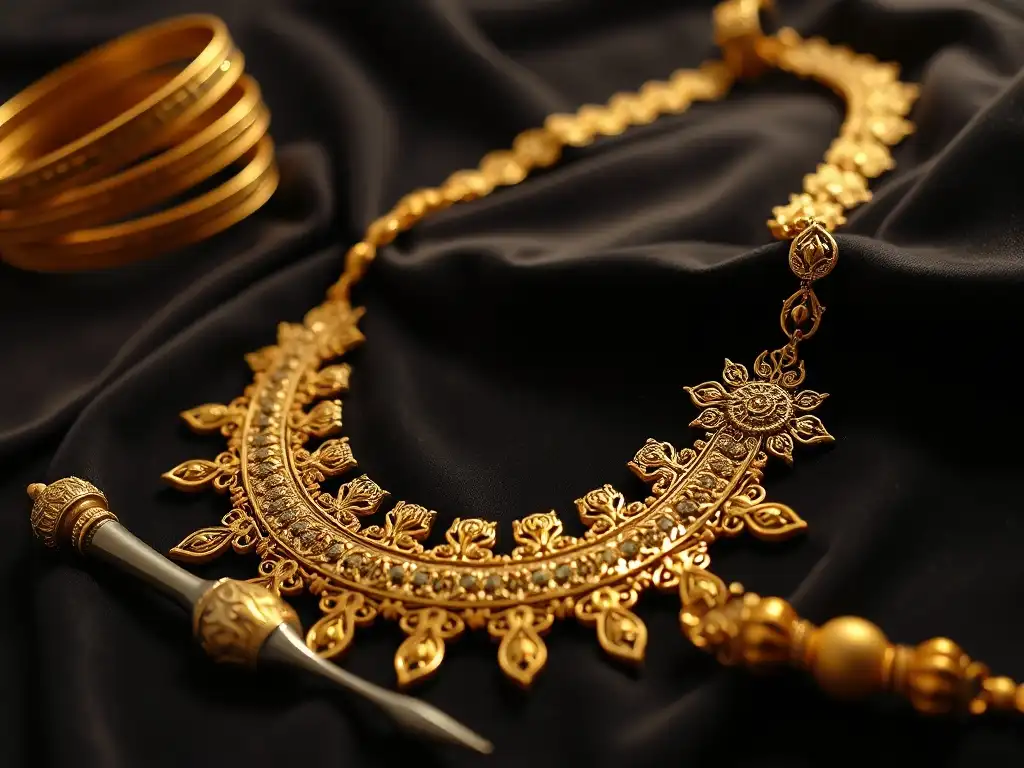
The timeless appeal of ancient Indian goldsmith techniques has found a renewed interest in contemporary jewelry design. Many modern jewelers are revisiting these age-old methods to create pieces that resonate with both traditional aesthetics and modern sensibilities.
Revival of Techniques
Today's artisans are increasingly recognizing the value of incorporating ancient techniques into their work. By blending traditional methods with contemporary design, they create unique pieces that reflect a rich heritage. For example:
- Sustainable Practices: Many modern goldsmiths are adopting the eco-friendly practices of ancient artisans, focusing on sustainable sourcing of materials and minimizing waste during the crafting process.
- Customization: The ancient practice of bespoke jewelry is making a comeback, with clients seeking personalized pieces that tell a story or commemorate significant life events.
Market Demand
The growing consumer interest in artisanal and handcrafted jewelry has led to a resurgence in the demand for pieces that utilize ancient techniques. This trend has created opportunities for goldsmiths to showcase their skills in local and international markets, bridging the gap between tradition and modern fashion.
Reviving Ancient Techniques: Craftsmen and Artisans Today
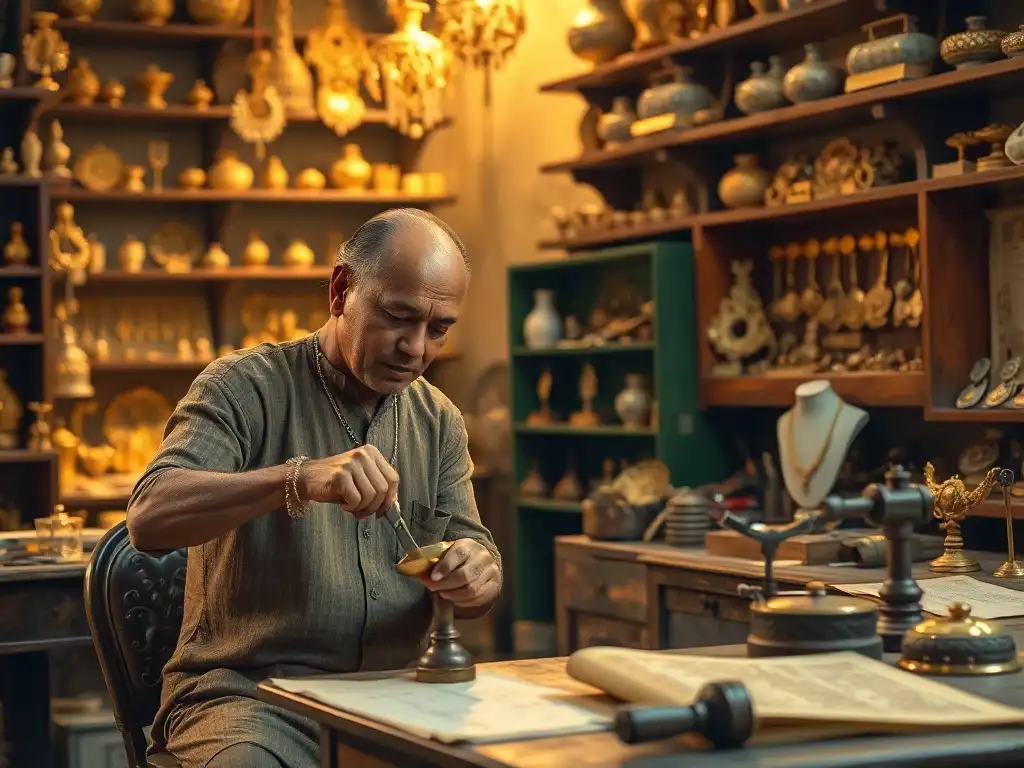
The revival of ancient Indian goldsmithing techniques is not only a testament to the craftsmanship of past generations but also a vital part of preserving cultural heritage in the modern era. Today, artisans and craftsmen are dedicated to keeping these techniques alive, often through mentorship and workshops.
Training and Workshops
Many craftsmen are working to educate the next generation of goldsmiths by offering training programs that emphasize traditional methods. These workshops often focus on:
- Hands-On Experience: Participants learn through direct engagement, mastering techniques like lost wax casting and granulation.
- Cultural Heritage: Beyond technical skills, these programs often include lessons on the cultural significance of goldsmithing, ensuring that artisans understand the historical context of their craft.
Challenges and Opportunities
While there is a growing interest in ancient techniques, artisans face challenges such as competition from mass-produced jewelry and the need for modern marketing strategies. However, by leveraging social media and e-commerce, many are finding innovative ways to reach a broader audience.
Conclusion
The legacy of ancient Indian goldsmithing techniques continues to thrive through the dedication of contemporary artisans. By embracing and reviving these methods, they not only honor the skills of their predecessors but also contribute to the vibrant tapestry of India's cultural and artistic heritage.
Conclusion: The Enduring Influence of Ancient Indian Goldsmith Techniques
The legacy of ancient Indian goldsmith techniques extends far beyond mere craftsmanship; it is a profound expression of cultural identity and technological innovation that has influenced various aspects of society throughout history. The intricate methods employed by these artisans not only reflect their exceptional skills but also demonstrate a deep understanding of materials, which contributed to the rich tapestry of Indian art and commerce.
Ancient Indian goldsmiths were pioneers in metallurgy, employing sophisticated techniques such as lost-wax casting, filigree work, and granulation that produced exquisite jewelry and artifacts. Their creations were often steeped in symbolism and spirituality, showcasing the fusion of artistry and cultural significance. The enduring appeal of these techniques is evident in contemporary jewelry-making practices that still draw inspiration from ancient designs and methods.
Reflection on the Cultural Heritage of Goldsmithing
The art of goldsmithing in ancient India is woven into the cultural fabric of the region, serving as a testament to the skill and creativity of its practitioners. Goldsmiths were not merely artisans; they were custodians of tradition, passing down their knowledge through generations. This oral tradition ensured that techniques such as kundan (stone setting) and meena (enamel work) remained vibrant and relevant.
The cultural heritage surrounding goldsmithing is also reflected in the various regional styles across India. For instance, the intricate Temple Jewelry of South India and the elegant Rajasthani Jewelry, characterized by vibrant colors and elaborate designs, showcase the diverse influences and regional variations in goldsmithing practices. Such diversity highlights how local customs, beliefs, and available materials shaped the techniques and artistry of goldsmiths throughout history.
Future Research Directions in Ancient Indian Metallurgy
As we continue to explore the fascinating world of ancient Indian metallurgy, several areas present opportunities for further research:
- Archaeological Studies: Excavations at historical sites like Harappa and Taxila may yield artifacts that reveal more about the techniques used by ancient goldsmiths. This could help establish links between different regions and their metallurgical practices.
- Material Analysis: Advanced techniques such as X-ray fluorescence (XRF) and scanning electron microscopy (SEM) can be employed to analyze ancient jewelry and artifacts. This analysis may uncover the composition of alloys and the methods of metal extraction and processing used by ancient artisans.
- Cultural Interactions: Investigating the influences of trade routes on ancient Indian goldsmith techniques could provide insights into how these artisans adapted their methods in response to foreign influences and materials.
- Revival of Techniques: Documenting and preserving ancient techniques through workshops and educational programs can help revive interest in traditional goldsmithing. This not only honors the past but also supports contemporary artisans in maintaining these valuable skills.
By delving deeper into these areas, researchers can shed light on the rich history of ancient Indian goldsmith techniques and their lasting impact on modern metallurgy and cultural practices. The knowledge gained can contribute to a greater appreciation of India's contributions to the field of metallurgy and the arts, ensuring that the legacy of these ancient artisans continues to inspire future generations.
Frequently Asked Questions
What were the primary techniques used by ancient Indian goldsmiths?
Ancient Indian goldsmiths employed intricate techniques such as lost-wax casting, filigree work, and granulation to create exquisite jewelry and artifacts.
How did ancient Indian goldsmiths influence modern jewelry making?
The artistic skills and innovative techniques developed by ancient Indian goldsmiths laid the groundwork for modern jewelry design, influencing styles and methods used today.
What materials did ancient Indian goldsmiths typically use?
Goldsmiths primarily used gold, silver, and precious gemstones. They skillfully combined these materials to enhance the aesthetic appeal of their creations.
What cultural significance did goldsmithing hold in ancient India?
Goldsmithing was not only a craft but also a status symbol, often associated with wealth, rituals, and marriage ceremonies in ancient Indian society.
How can one learn about ancient Indian goldsmith techniques today?
Many institutions and workshops focus on traditional craftsmanship, offering courses that teach the heritage techniques of ancient Indian goldsmiths, preserving this rich cultural legacy.
Final Reflection: The Timeless Artistry of Ancient Indian Goldsmith Techniques
The exploration of ancient Indian goldsmith techniques reveals not only the remarkable craftsmanship of a bygone era but also their enduring relevance in today's world. As we navigate a landscape increasingly dominated by mass production and digital innovation, the intricate methods and philosophies of these artisans remind us of the value of patience, skill, and cultural heritage. The artistry of ancient goldsmiths is not merely a relic of history; it is a vibrant thread that continues to weave through our contemporary understanding of craftsmanship and identity.
The influence of ancient Indian goldsmith techniques extends far beyond the realm of jewelry making; it resonates deeply within our cultural and social fabric. These techniques embody a rich narrative of tradition, artistry, and community that has shaped generations.
The meticulous attention to detail and the spiritual significance embedded in each piece reflect a profound connection to heritage that many seek to reclaim today. As Mahatma Gandhi once said, “The best way to find yourself is to lose yourself in the service of others.” This sentiment echoes the ethos of these artisans, who dedicated their lives to their craft, serving not only their communities but also preserving a legacy that speaks to the soul of Indian culture.
As we reflect on the lessons from ancient Indian goldsmith techniques, let us embrace the call to honor and preserve our own traditions while fostering creativity in our lives. Consider how you can incorporate the values of craftsmanship, patience, and cultural appreciation into your daily practices.
Whether through supporting local artisans, learning a craft, or simply appreciating the beauty in handmade creations, each of us has the power to contribute to a richer, more meaningful narrative. Take a moment to reflect on what you can do to keep the spirit of these ancient techniques alive in your own life, and let that inspiration guide your journey forward.
Unveil the Secrets of Ancient Goldsmithing!
Thank you for diving into the fascinating world of ancient Indian goldsmithing! Your curiosity about these timeless techniques not only enriches your knowledge but also keeps the legacy of these artisans alive. Now that you've explored their craftsmanship, it's time to take meaningful steps to further your journey.
Here are some actionable suggestions to get you started:
- Explore local artisans: Seek out goldsmiths in your area or online who practice traditional methods, and learn about their techniques firsthand.
- Join a workshop: Participate in a jewelry-making class that focuses on ancient techniques, allowing you to connect with like-minded enthusiasts.
- Share your insights: Post on social media about what you've learned, using the hashtag #AncientGoldsmithing to inspire others to appreciate this art form.
Which new techniques or stories from ancient Indian goldsmiths resonate with you the most? How do you plan to incorporate these insights into your own creative journey?