
The Role of Alchemy in Ancient Indian Metallurgy: Myths and Realities

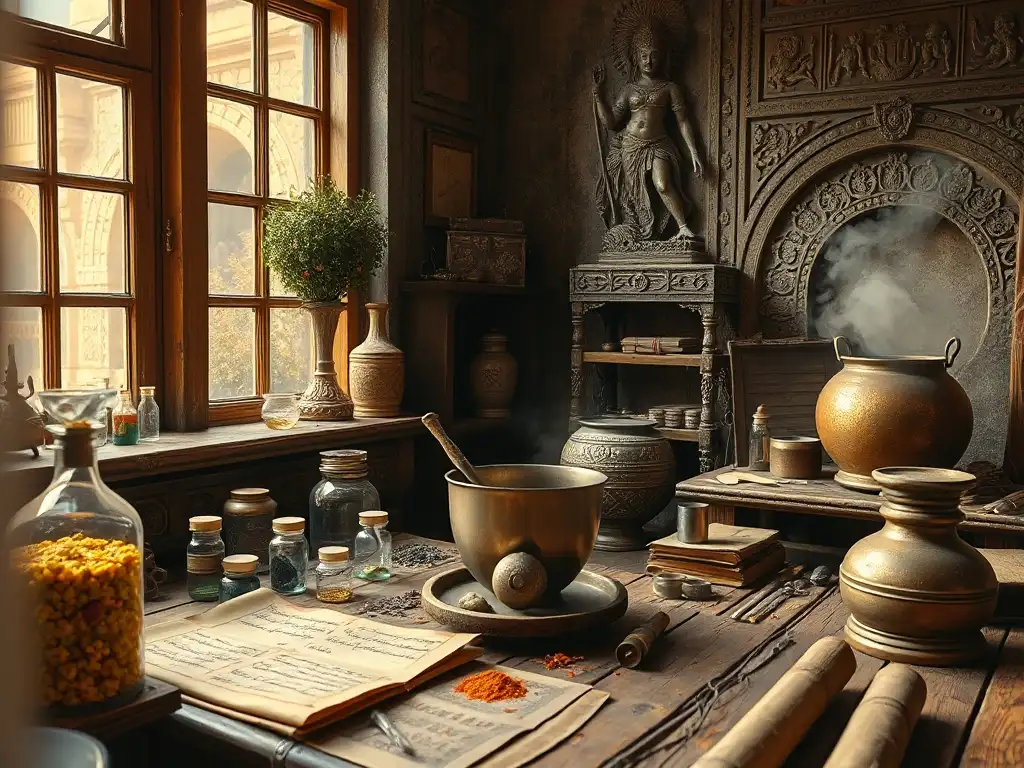
Welcome to Ancient India History, where we delve into the fascinating tapestry of India's rich and diverse past. Today, we invite you to explore the intriguing world of ancient Indian alchemy practices, a cornerstone of innovation that shaped metallurgy and technology in ancient civilizations. What secrets lie within the myths and realities of these alchemical traditions? Join us as we unravel the mysteries that have influenced not only the metals of their time but also the very essence of ancient Indian culture. Your journey into the depths of history begins here—let's discover together!
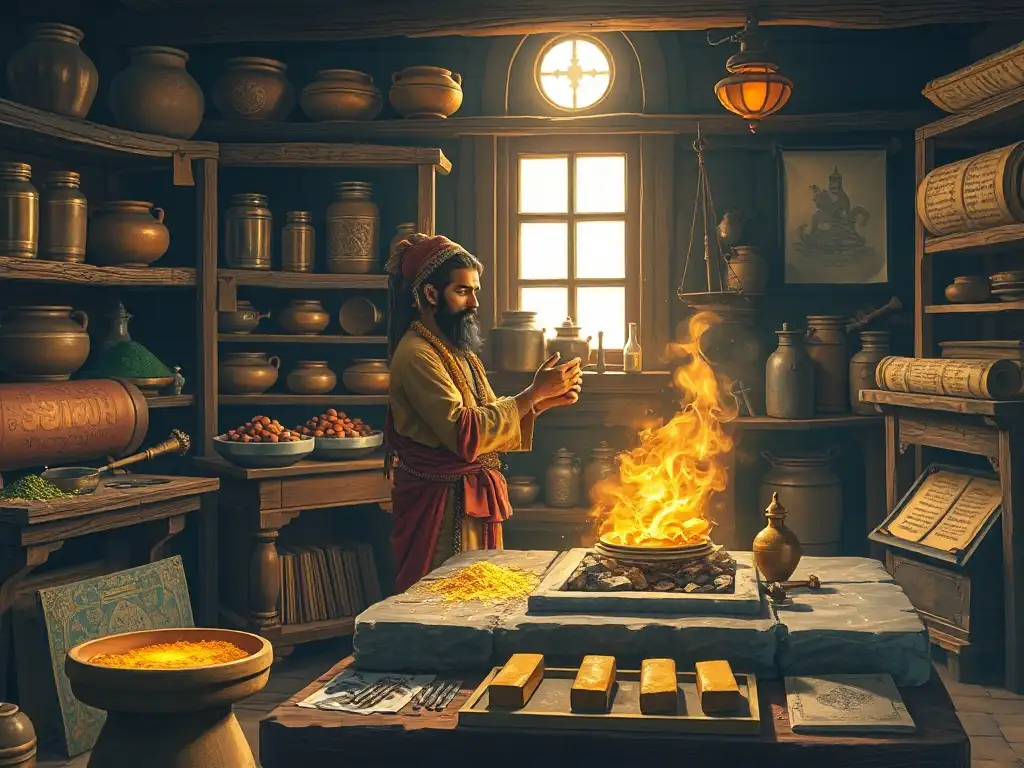
Introduction to Ancient Indian Alchemy Practices
The exploration of ancient Indian alchemy practices reveals a fascinating intersection of science, philosophy, and spirituality that significantly influenced metallurgy in the region. Alchemy, often romanticized as a mystical endeavor, was deeply rooted in the pursuit of knowledge and technological advancement in ancient India. This practice extended beyond mere metalworking; it encompassed a holistic understanding of nature, combining elements of chemistry, medicine, and metaphysics.
In the context of metallurgy, alchemy played a pivotal role in the development of advanced techniques and the creation of extraordinary materials. The ancient Indian alchemists were not just focused on transforming base metals into gold; they were also concerned with achieving perfection in their craft, which included the pursuit of Rasa (the essence) and Siddhi (perfection). Understanding these principles is essential to grasp the broader implications of ancient Indian alchemy on metallurgy and its contribution to civilization.
Definition of Alchemy in Ancient India
Alchemy in ancient India, known as Rasa Vidya, was a complex discipline that combined elements of spirituality and practical science. It aimed at not only the transformation of materials but also the attainment of spiritual enlightenment. Key aspects included:
- Transmutation: The process of converting base metals into noble metals, primarily gold.
- Philosophical Foundations: The belief that materials contained inherent qualities that could be altered through various methods.
- Medicinal Applications: The use of alchemical processes to create medicines, emphasizing the connection between health and metallurgy.
This intricate interplay between spirituality and technical prowess distinguishes ancient Indian alchemy from its counterparts in other cultures.
Importance of Metallurgy in Ancient Indian Civilization
Metallurgy was a cornerstone of ancient Indian civilization, impacting various aspects of daily life, trade, and warfare. The significance of metallurgy can be summarized as follows:
- Economic Growth: The production of high-quality metals facilitated trade both locally and with distant civilizations, boosting economic prosperity.
- Cultural Advancements: Metal artifacts, including tools, weapons, and art, reflect the rich cultural heritage and technological advancements of the time.
- Military Strength: The development of superior weapons and armaments played a crucial role in the defense and expansion of states.
The advancements in metallurgy not only highlight the technical skills of ancient Indian artisans but also underscore the broader societal implications of their work.
Historical Context of Alchemy and Metallurgy in Ancient India
To fully appreciate the role of alchemy in metallurgy, it is essential to understand the historical context in which these practices developed.
Overview of Ancient Indian Metallurgical Techniques
Ancient Indian metallurgists employed a variety of techniques that showcased their expertise and innovation. Key techniques included:
- Smelting: The extraction of metals from ores using high-temperature furnaces.
- Alloying: The combination of different metals to enhance properties such as strength and resistance to corrosion.
- Casting and Forging: Techniques used to shape metals into tools, ornaments, and weapons, demonstrating both artistic and practical skills.
These techniques laid the foundation for advancements in metallurgy that would influence subsequent generations.
Key Historical Texts on Alchemy and Metallurgy
Several ancient texts provide insight into the practices and philosophies surrounding alchemy and metallurgy in India. Notable texts include:
- Rasa Ratna Samuccaya: A comprehensive treatise on alchemy and medicine, detailing various techniques and formulations.
- Rasendra Chudamani: Focused specifically on alchemical processes, this text offers a glimpse into the sophisticated understanding of materials.
- Arthashastra: While primarily a political treatise, it also addresses the economic implications of metallurgy and trade.
These texts reflect the depth of knowledge and the systematic approach to alchemical and metallurgical practices in ancient India.
Prominent Figures in Ancient Indian Alchemy
Ancient Indian alchemy was shaped by several influential figures whose contributions remain significant today. Some of these figures include:
- Bhaskara I: A renowned mathematician and astronomer who also contributed to alchemical knowledge.
- Nagarjuna: A pivotal figure in Buddhist philosophy and alchemy, known for his works on the transmutation of metals.
- Vagbhatta: An important physician and alchemist whose texts integrated medical and alchemical practices.
The legacy of these individuals highlights the rich tapestry of knowledge that existed in ancient Indian civilization, merging science, philosophy, and art.
Myths Surrounding Ancient Indian Alchemy Practices
Ancient Indian alchemy practices have often been shrouded in mystery, leading to a plethora of myths and misconceptions. These myths not only obscure the historical significance of alchemy but also misrepresent its contributions to metallurgy and material science. The romanticized view of alchemy, often depicted as a magical or mystical pursuit, detracts from its scientific foundations and practical applications in ancient Indian societies.
Common Misconceptions About Alchemical Processes
One prevalent misconception is that alchemy was purely an esoteric practice aimed at the transmutation of base metals into gold. While the search for gold, or rasa, was indeed a goal for some alchemists, the primary focus of ancient Indian alchemy encompassed a broader scope, including medicinal formulations, the enhancement of materials, and the understanding of elemental properties. Furthermore, many believe that alchemical processes were solely mystical, ignoring the empirical methods and observations that characterized these practices.
Another common myth is the assumption that ancient Indian alchemy lacked any experimental basis. In reality, alchemical texts often included detailed descriptions of procedures, substances, and outcomes, indicating a systematic approach to experimentation. The alchemical tradition in India was deeply intertwined with the philosophical and spiritual beliefs of the time, but it was also grounded in practical metallurgy and the quest for material improvement.
Myths of Transmutation in Ancient Indian Alchemy
The myth of transmutation—the idea that one substance could be transformed into another, particularly the conversion of lead into gold—has been a cornerstone of alchemical lore. In the context of ancient Indian alchemy, this concept is frequently exaggerated. While texts such as the Rasa Shastra mention the transformation of metals, these references often pertain to the purification and enhancement of existing materials rather than literal transmutation.
Moreover, the philosophical interpretations of these transformations have led to misinterpretations. Alchemical texts often served as allegories for spiritual transformation rather than literal processes. The focus was on achieving the highest purity and efficacy of substances, which was sometimes misconstrued as a quest for gold.
The Legend of Rasa Shastra and Its Interpretations
Rasa Shastra, one of the foundational texts of Indian alchemy, is rich in lore and has inspired numerous interpretations over the centuries. Often regarded as a mystical work, it is essential to recognize that Rasa Shastra encompasses extensive knowledge of chemistry and metallurgy, detailing processes for creating various alloys, medicines, and even elixirs.
Legends surrounding Rasa Shastra often emphasize the supernatural abilities of its practitioners, suggesting they could create miraculous substances. However, a more nuanced interpretation reveals that these legends reflect the high value placed on knowledge and expertise in metallurgy. The text serves as a testament to the sophistication of ancient Indian scientific thought, merging practical applications with spiritual aspirations.
Realities of Ancient Indian Alchemy in Metallurgy
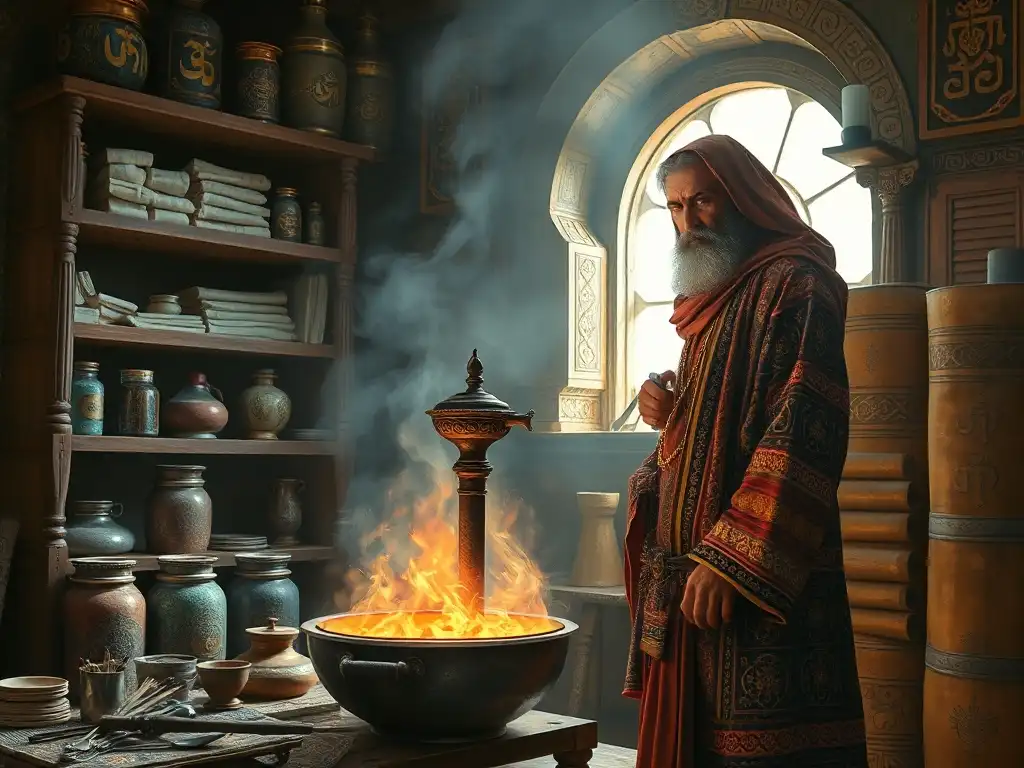
Understanding the realities of ancient Indian alchemy practices provides a clearer picture of their significance in metallurgy and material science. The practical applications of alchemical knowledge were pivotal in advancing metalworking techniques, contributing to both everyday life and the development of sophisticated tools and artifacts.
The Scientific Basis of Alchemical Practices
Ancient Indian alchemy was underpinned by a rich understanding of the properties of various substances and their interactions. Alchemists employed systematic methods for purifying metals, creating alloys, and developing processes like distillation and sublimation. These practices were not merely theoretical; they were based on empirical observations and the results of experimentation.
For instance, the method of calcinating metals to remove impurities illustrates the scientific approach of ancient Indian alchemists. They understood the importance of temperature control and the effects of different materials on the quality of the final product. This scientific basis laid the groundwork for the advancements in metallurgy that characterized ancient Indian civilization.
Contributions of Alchemy to Metallurgical Advancements
The contributions of ancient Indian alchemy to metallurgy are profound and multifaceted. The alchemical practices led to the development of high-quality steel, notably the famous Wootz steel, known for its durability and sharpness. This steel was highly sought after globally, demonstrating the international influence of Indian metallurgical techniques.
Additionally, alchemical knowledge facilitated the production of various alloys, such as brass and bronze, which were essential for tools, weapons, and decorative items. The techniques developed through alchemical practices not only improved the quality of these materials but also expanded their applications across different sectors, including agriculture, warfare, and trade.
Case Studies: Successful Metallurgical Innovations
Several case studies exemplify the successful innovations originating from ancient Indian alchemical practices. One notable example is the creation of Rasayana, a process involving the combination of metals with herbal substances to enhance their properties. This method not only improved the strength of metals but also imparted medicinal qualities, showcasing the interdisciplinary nature of ancient Indian alchemy.
Another significant case involves the production of Ashoka Pillar, a free-standing column made of iron that remains rust-free even after centuries. This remarkable feat of metallurgy is attributed to the advanced knowledge embedded within alchemical practices, highlighting the effectiveness of ancient techniques in creating durable materials.
The realities of ancient Indian alchemy practices reveal a rich tapestry of scientific inquiry, practical applications, and cultural significance, challenging the myths that have often overshadowed this remarkable aspect of history.
The Influence of Ancient Indian Alchemy on Modern Metallurgy
Ancient Indian alchemy, known as Rasa Shastra, plays a pivotal role in the development of metallurgical practices that have influenced modern techniques. This ancient discipline combined philosophy, spirituality, and practical chemistry, focusing on the transformation of metals and the creation of elixirs and medicines. Practitioners, known as alchemists, engaged in extensive experimentation, which laid the groundwork for various metallurgical processes still relevant today.
The ancient texts, such as the 'Rasa Ratna Samuccaya' and 'Rasa Siddhanta', document a wealth of knowledge regarding the extraction and purification of metals. Techniques such as calcination, distillation, and sublimation were meticulously detailed, showcasing a sophisticated understanding of material properties. This knowledge not only contributed to the production of high-quality metals but also inspired contemporary metallurgists to explore these ancient methods, thus creating a bridge between ancient practices and modern metallurgy.
Continuation of Alchemical Traditions in Modern Practices
In modern times, the influence of ancient Indian alchemy can still be seen in various practices, particularly in the field of Ayurveda and traditional medicine. The principles of Rasa Shastra continue to inform the preparation of medicinal compounds, where metal-based remedies are crafted with the intent of enhancing health and longevity. Moreover, the meticulous processes of purification and transformation described in ancient texts resonate with contemporary practices in pharmaceuticals, where precision and purity are paramount.
Additionally, modern metallurgists are revisiting ancient techniques for potential applications in nanotechnology and material science. The understanding of alloys and the manipulation of elemental properties in ancient texts are now being explored for their relevance in developing advanced materials with specific properties, such as strength, conductivity, and corrosion resistance. This cyclical return to ancient knowledge underscores the enduring legacy of alchemical traditions.
Comparative Analysis: Ancient Indian and Contemporary Metallurgical Techniques

When comparing ancient Indian metallurgical techniques with contemporary methods, several key differences and similarities emerge. Ancient techniques emphasized the spiritual and philosophical aspects of metallurgy, often intertwining with religious beliefs and holistic practices. For instance, the Rasa Shastra approach included rituals and incantations, which were believed to enhance the efficacy of the metallurgical processes.
In contrast, modern metallurgy is largely driven by scientific principles and empirical evidence. Techniques such as smelting, casting, and forging utilize advanced technologies and machinery, focusing on efficiency and reproducibility. However, certain principles from ancient practices persist, such as the importance of alloying and heat treatment, which are fundamental to both ancient and contemporary metallurgy.
Furthermore, the ancient Indian understanding of metallurgical properties, including the significance of purity and temperature control, remains relevant. Contemporary metallurgical science often revisits these foundational concepts to enhance material performance and sustainability.
Conclusion: The Legacy of Ancient Indian Alchemy Practices
Summary of Myths and Realities
The myths surrounding ancient Indian alchemy often elevate it to a mystical status, portraying alchemists as magicians capable of transmuting base metals into gold or creating elixirs of immortality. However, the reality is that these practices were grounded in rigorous experimentation and a profound understanding of chemistry and materials. While some claims may have been exaggerated, the systematic methodologies developed by ancient alchemists have undeniably contributed to the evolution of metallurgy.
The Lasting Impact on Cultural and Technological Development
The impact of ancient Indian alchemy extends beyond metallurgy into various cultural and technological domains. The integration of alchemical principles into traditional medicine has influenced health practices throughout history, particularly in South Asia. Additionally, the philosophical inquiries of ancient alchemists have inspired fields such as chemistry, philosophy, and art, fostering a culture of inquiry and innovation.
As modern scientists and metallurgists explore ancient texts and techniques, the legacy of ancient Indian alchemy continues to shape our understanding of materials and their applications, demonstrating that the wisdom of the past can inform the technologies of the future. This interplay between ancient practices and modern science not only enriches our cultural heritage but also propels advancements in technology and material science, ensuring that the contributions of ancient Indian alchemy remain relevant in today's world.
References and Further Reading on Ancient Indian Alchemy and Metallurgy
The exploration of ancient Indian alchemy practices reveals a rich tapestry of knowledge that transcends mere metallurgy. To delve deeper into this fascinating subject, researchers and enthusiasts alike can turn to a variety of academic sources and literature that elaborate on the intersection of alchemy and metallurgy in ancient India. Below, we outline some suggested academic sources and notable books that can further enhance understanding of this intricate field.
Suggested Academic Sources
-
Journal of the History of Science and Technology in India
This journal features articles that explore the historical development of science and technology in India, including the role of alchemy in metallurgical practices.
-
Indian Journal of History of Science
This is a comprehensive resource for scholars interested in the historical aspects of science and technology in India, with numerous articles focusing on ancient alchemical texts and practices.
-
The Journal of Indian Philosophy
Offers insights into the philosophical underpinnings of ancient Indian alchemy and its practical applications in metallurgy, providing a broader context for the development of these practices.
-
Archaeological Reports on Indian Metallurgy
Published by various archaeological societies, these reports include findings related to ancient metallurgical sites and the materials used, often discussing the alchemical methods employed.
Notable Books and Journals on Ancient Indian Metallurgy
| Title | Author(s) | Description |
|---|---|---|
| The Alchemy of Ancient India | N. V. S. Raghavan | This book provides a comprehensive overview of alchemical practices in ancient India, linking them to metallurgical innovations. |
| Metallurgy in Ancient India | R. S. Sharma | A detailed examination of ancient Indian metallurgy, including the techniques and materials used, with references to alchemical methods. |
| Alchemy and Metalworking in Ancient India | K. S. Shukla | This work discusses the integration of alchemical principles in metalworking practices, highlighting real case studies from archaeological findings. |
| Indian Metallurgy: A Historical Perspective | P. K. Mishra | Provides a historical narrative of metallurgy in India, detailing various alchemical processes and their contributions to the field. |
| The Philosophical Foundations of Alchemy in India | A. C. Bhattacharya | This book delves into the philosophical aspects of alchemy and its relationship with early scientific practices in metallurgy. |
Each of these resources offers valuable insights into the myths and realities of ancient Indian alchemy practices, enriching our understanding of how these traditions influenced metallurgical advancements throughout history. By exploring these academic sources and notable books, one can gain a deeper appreciation for the intricate relationship between alchemy and metallurgy in ancient Indian civilization.
- Introduction to Ancient Indian Alchemy Practices
- Historical Context of Alchemy and Metallurgy in Ancient India
- Myths Surrounding Ancient Indian Alchemy Practices
- Realities of Ancient Indian Alchemy in Metallurgy
- The Influence of Ancient Indian Alchemy on Modern Metallurgy
- Continuation of Alchemical Traditions in Modern Practices
- Comparative Analysis: Ancient Indian and Contemporary Metallurgical Techniques
- Conclusion: The Legacy of Ancient Indian Alchemy Practices
- References and Further Reading on Ancient Indian Alchemy and Metallurgy
Frequently Asked Questions
What is ancient Indian alchemy?
Ancient Indian alchemy refers to the early practices of transforming materials, particularly metals, using various techniques and philosophies that were rooted in spiritual and mystical beliefs.
How did alchemy influence metallurgy in ancient India?
Alchemy played a crucial role in metallurgy by introducing various chemical processes aimed at refining metals, enhancing their qualities, and creating alloys that were used in tools and ornaments.
What are some key texts on ancient Indian alchemy?
Key texts include the Rasa Shastra and Siddha Medicine, which not only discuss alchemical processes but also incorporate elements of philosophy, medicine, and spirituality in their teachings.
Were there any significant figures in ancient Indian alchemy?
Yes, notable figures include Nagarjuna and Bhaskara, who contributed to the development of alchemical practices and metallurgical techniques that influenced later traditions in both India and beyond.
How does ancient Indian alchemy compare to Western alchemy?
While both traditions aimed at transmutation and the pursuit of the philosopher's stone, ancient Indian alchemy emphasized spiritual purification and holistic approaches, whereas Western alchemy often focused on material transformation.
Final Reflection: The Enduring Legacy of Ancient Indian Alchemy
The exploration of ancient Indian alchemy practices reveals a profound connection between myth and reality that continues to resonate today. In an era where science and spirituality often seem at odds, the synthesis found in these ancient practices reminds us that knowledge is multifaceted and deeply intertwined with cultural beliefs. The legacy of alchemy in metallurgy not only showcases the ingenuity of ancient civilizations but also challenges us to reconsider the boundaries of science and philosophy in our modern understanding.
The influence of ancient Indian alchemy extends far beyond the realm of metallurgy; it has shaped cultural narratives and philosophical discourses that persist in contemporary society. The stories of sages and their transformative experiments serve as a testament to human curiosity and the quest for knowledge. As we reflect on these practices, we are reminded of the words of Carl Jung: Alchemy is the art of transformation, a metaphor for the process of self-discovery.
This perspective invites us to recognize that the principles of alchemy can still inform our personal and collective journeys, urging us to seek transformation in our own lives.
As we conclude this exploration, I invite you to reflect on the lessons of ancient Indian alchemy practices and consider how they can inspire your own path. Embrace the idea that transformation is not just a historical concept but a continuous process that can enrich your life. Whether through the pursuit of knowledge, the blending of diverse ideas, or the quest for personal growth, let the spirit of alchemy guide you toward a deeper understanding of yourself and the world around you.
Unveil the Mysteries of Ancient Indian Metallurgy
Thank you for exploring the fascinating world of alchemy and metallurgy in ancient India! We hope you uncovered the intriguing interplay between myth and reality that shaped the technological advancements of that era. Now, it's time to take your newfound knowledge further with these engaging steps:
- Dive deeper: Explore additional resources on ancient methodologies and experiments in metallurgy.
- Join the conversation: Share your insights or interesting facts about Indian metallurgy in the comments below!
- Inspire others: Engage with friends or family and discuss how ancient practices can inform modern innovations!
What aspect of ancient Indian metallurgy do you find most captivating, and in what ways do you believe it influences today's technologies?