
The Artistic Techniques of Indus Valley Pottery

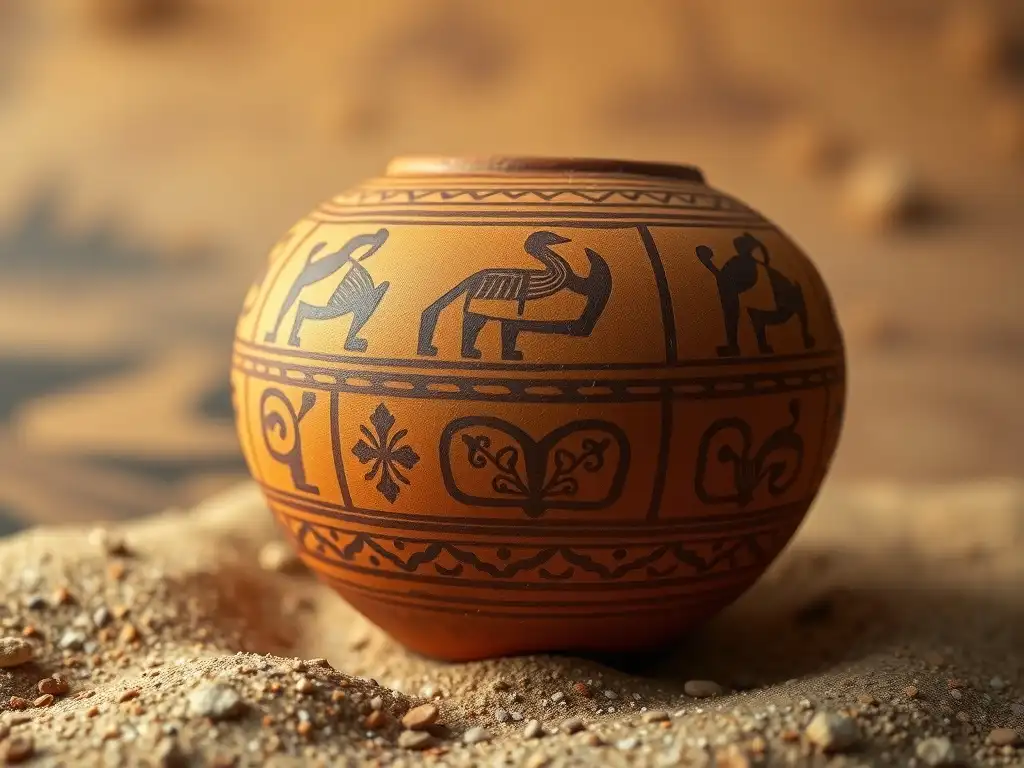
Welcome to Ancient India History, where we take you on a fascinating journey through the rich and diverse tapestry of ancient Indian civilizations. From the Indus Valley to the Gupta Empire, each era unveils a world of culture, innovation, and artistry. In our featured article, we delve into the intricacies of Indus Valley pottery techniques, exploring the craftsmanship that not only shaped everyday life but also reflected the artistic spirit of its people.
Prepare to uncover the secrets behind these ancient practices and discover how they continue to influence art and culture today. Join us as we unlock the past and spark your curiosity about the remarkable contributions of ancient India!
- Introduction to Indus Valley Pottery Techniques
- Historical Context of Indus Valley Pottery
- Key Indus Valley Pottery Techniques
- Materials Used in Indus Valley Pottery
- Artistic Styles and Motifs in Indus Valley Pottery
- Comparison of Indus Valley Pottery Techniques with Other Ancient Civilizations
- The Role of Pottery in Daily Life and Trade
- Preservation and Legacy of Indus Valley Pottery
- Conclusion: The Enduring Impact of Indus Valley Pottery Techniques
-
Frequently Asked Questions
- What were the main characteristics of Indus Valley pottery?
- How did the pottery techniques evolve in the Indus Valley?
- What materials were used in Indus Valley pottery?
- How did pottery reflect the culture of the Indus Valley civilization?
- What impact did Indus Valley pottery have on later civilizations?
- Final Reflection: The Enduring Legacy of Indus Valley Pottery Techniques
- Unveil Your Creativity Through Indus Valley Pottery!
Introduction to Indus Valley Pottery Techniques
Exploring the Indus Valley pottery techniques offers a fascinating glimpse into one of the most advanced civilizations of ancient India. The Indus Valley Civilization, flourishing around 2500 BCE, is renowned not only for its urban planning and architecture but also for its remarkable artistic achievements, particularly in pottery.
This article delves into the various artistic techniques employed by artisans of the time, shedding light on their significance and the cultural context in which these artifacts were created. Understanding these techniques not only enriches our knowledge of ancient Indian craftsmanship but also highlights the aesthetic sensibilities and technological innovations that characterized this ancient society.
Overview of the Indus Valley Civilization
The Indus Valley Civilization, also known as the Harappan Civilization, was one of the world's earliest urban cultures, primarily located in present-day Pakistan and northwest India. It thrived between approximately 3300 BCE and 1300 BCE, encompassing major sites such as Harappa, Mohenjo-Daro, and Dholavira. The civilization is distinguished by its well-planned cities, advanced drainage systems, and remarkable trade networks.
Key Features of the Indus Valley Civilization:
- Urban Planning: Cities were meticulously planned with grid patterns, sophisticated drainage systems, and standardized fired-brick structures.
- Trade and Economy: The civilization engaged in extensive trade with contemporary cultures, including Mesopotamia, indicating a robust economy.
- Art and Craftsmanship: Artisans produced a wide array of goods, including jewelry, seals, and, notably, pottery.
Indus Valley pottery, with its intricate designs and varied forms, reflects the technological prowess and aesthetic values of its creators. The techniques used in pottery production, including wheel-throwing and hand-building, played a crucial role in the daily life and rituals of the Indus people.
Importance of Pottery in Ancient Indian Culture
Pottery served multiple functions in the daily lives of the Indus Valley inhabitants, making it an essential aspect of their culture. It was not merely a utilitarian object but also a medium of artistic expression and cultural identity.
Functions and Significance of Pottery:
- Practical Uses: Pottery was used for cooking, storage, and serving food and liquids, showcasing the daily practices of the people.
- Artistic Expression: The decorative techniques, such as painting and incising patterns, reveal the aesthetic preferences and artistic skills of the artisans.
- Cultural Identity: Pottery styles varied across regions within the civilization, reflecting local traditions and customs, thus contributing to a shared cultural heritage.
The study of Indus Valley pottery techniques not only provides insights into the craftsmanship of the time but also enhances our understanding of the social and cultural dynamics of one of history's most intriguing civilizations. Through examining these techniques, we can appreciate how art and function intertwined in ancient Indian culture, leaving a lasting legacy that continues to inspire scholars and artists today.
Historical Context of Indus Valley Pottery
Origins of Pottery in the Indus Valley
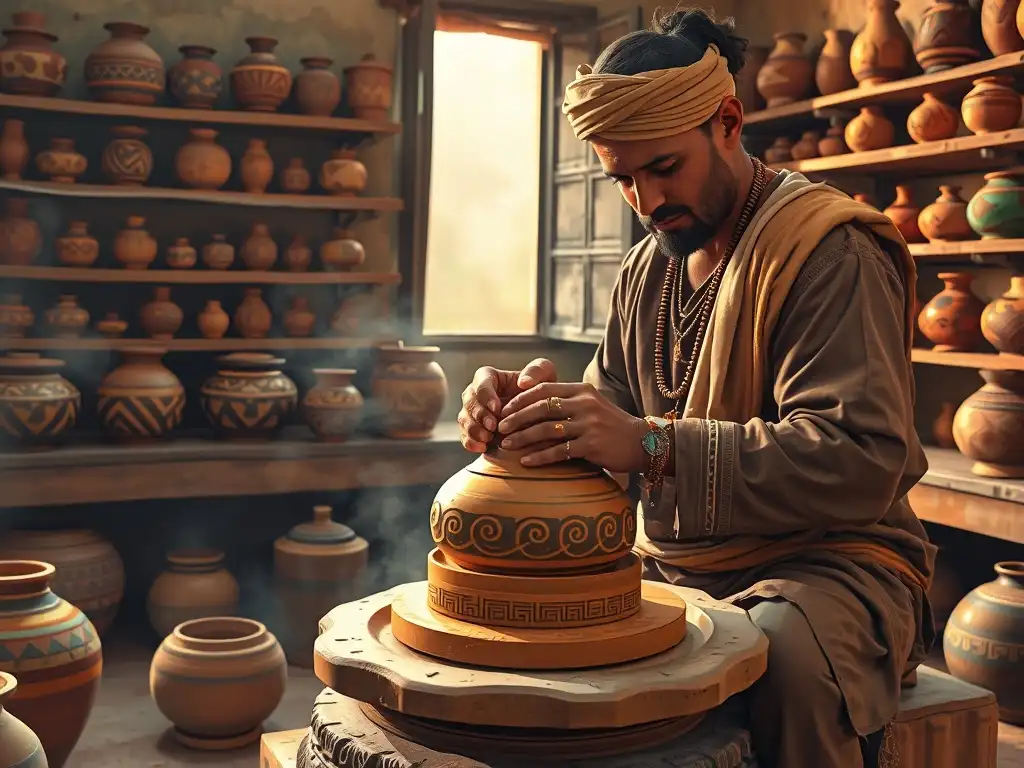
The origins of pottery in the Indus Valley can be traced back to around 7000 BCE, significantly preceding the emergence of the Indus Valley Civilization itself, which flourished between 2600 and 1900 BCE. Archaeological evidence indicates that the earliest pottery was hand-made and often used for functional purposes such as storage and cooking. The advent of agriculture in the region played a crucial role in the demand for pottery, as communities required vessels to store surplus grains and other food products.
The initial pottery was predominantly made from clay, shaped by hand, and fired at low temperatures. This resulted in a range of earthenware that varied in color and texture. As societies became more complex, the production methods evolved, leading to the introduction of the potter's wheel around 3000 BCE. This innovation allowed for more uniform shapes and sizes, enhancing both the aesthetic appeal and utility of the pottery.
The decoration of pottery began to emerge as a significant aspect of its production. Early designs were simple and geometric, often created using finger impressions or incised patterns. As the civilization progressed, these techniques became more sophisticated, with intricate motifs featuring flora and fauna, which reflected the rich environment of the Indus Valley.
Evolution of Pottery Techniques Over Time
The evolution of Indus Valley pottery techniques can be categorized into several distinct phases, each showcasing advancements in technology and artistry.
- Early Pottery (7000 - 5000 BCE):
- Hand-built Techniques: Pottery was primarily constructed using coiling and pinching methods.
- Simple Designs: Decorations were minimal, often consisting of basic geometric shapes.
- Mature Harappan Period (2600 - 1900 BCE):
- Potter's Wheel Introduction: The introduction of the potter’s wheel revolutionized pottery production, allowing for greater consistency in shape and size.
- High-fired Ceramics: Pottery began to be fired at higher temperatures, resulting in stronger and more durable vessels. This allowed for a broader range of colors and finishes, including polished red and black wares.
- Elaborate Decoration: The emergence of complex designs featuring intricate motifs such as animals, trees, and human figures became prevalent. These decorations were often applied using slip (a liquid mixture of clay and water) or paint.
- Decline and Transition (1900 - 1300 BCE):
- Simplification of Techniques: Following the decline of the Indus Valley Civilization, pottery techniques became less elaborate. The use of the potter's wheel diminished, and many communities reverted to hand-building methods.
- Cultural Influences: As new cultures emerged in the region, pottery styles began to show influences from neighboring civilizations, leading to a blend of artistic expressions.
The Indus Valley pottery techniques not only reflect the daily life and practices of ancient societies but also serve as a testament to their artistic achievements. The transition from simple utilitarian objects to finely crafted works of art highlights the dynamic nature of cultural expression in the ancient world.
The history of pottery in the Indus Valley showcases a remarkable journey of innovation and creativity, underscoring the significance of pottery as both functional items and artistic expressions within one of the world's earliest urban civilizations.
Key Indus Valley Pottery Techniques
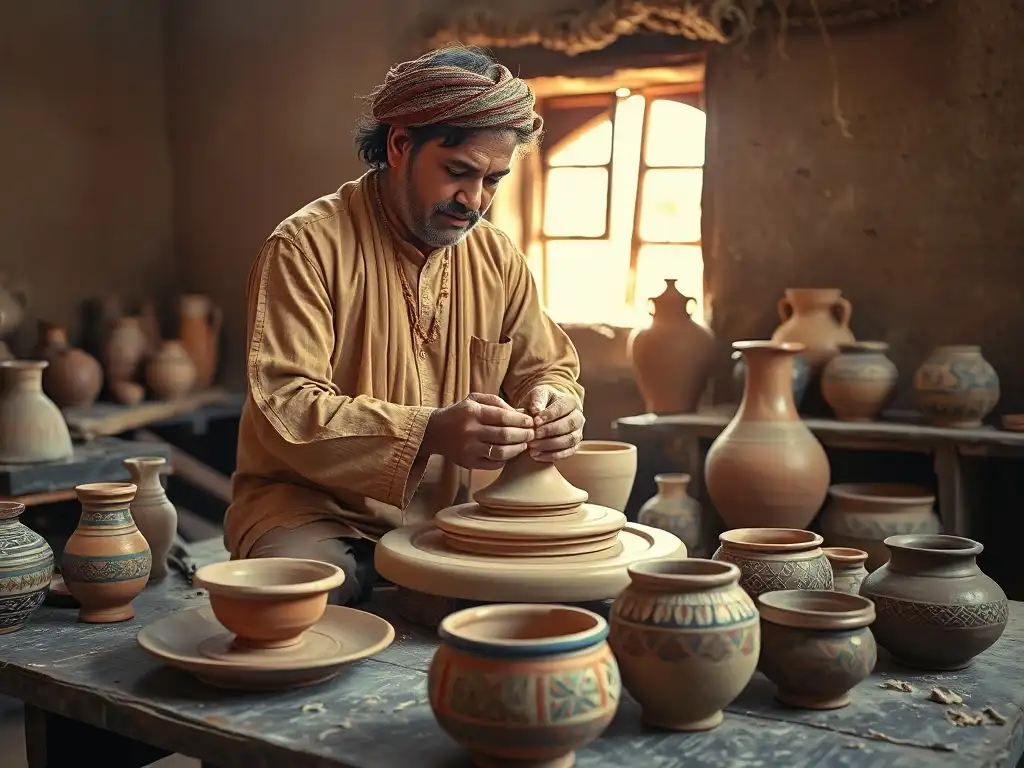
The Indus Valley Civilization, known for its advanced urban planning and engineering, also showcased remarkable artistic expression through pottery. The techniques employed in the production of pottery during this period reflect not only the technological advancements but also the aesthetic values of the society. This section will explore the key pottery techniques, including wheel-made and hand-formed pottery, as well as surface decoration techniques that defined the artistry of the Indus Valley.
Wheel-Made Pottery: Innovations and Impacts
The introduction of the potter's wheel around 2500 BCE marked a significant advancement in Indus Valley pottery techniques. This innovation allowed artisans to produce pottery with greater uniformity and precision.
- Efficiency in Production: The wheel enabled the mass production of pottery, which met the increasing demand for functional and decorative items within urban centers.
- Design Versatility: Artisans could create various shapes and sizes, from simple storage jars to intricate ceremonial vessels. The wheel also facilitated the creation of thin-walled pottery, which was both lighter and more aesthetically pleasing.
- Standardization of Forms: The use of the wheel contributed to the standardization of pottery forms, which can be seen in the similarity of styles across different sites within the Indus Valley, indicating a shared cultural identity.
The impact of wheel-made pottery extended beyond functionality; it symbolized the technological prowess of the Indus Valley people and their ability to innovate in the arts.
Hand-Formed Pottery: Traditional Methods and Styles
While wheel-made pottery revolutionized production, hand-formed pottery remained integral to the artistic practices of the Indus Valley. This technique involved shaping clay by hand, often using tools such as paddles and anvils.
- Cultural Significance: Hand-formed pottery often reflected local traditions and individual craftsmanship. Each piece could carry personal touches and regional characteristics, making it unique.
- Methods Used: Common methods included coiling, pinching, and slab construction. These techniques allowed artisans to create a diverse range of pottery styles, from everyday utilitarian wares to elaborate ritual pieces.
- Stylistic Diversity: The hand-formed pottery of the Indus Valley is characterized by various forms, such as globular jars, cooking pots, and storage vessels, often adorned with intricate designs and motifs.
Despite the rise of wheel-made pottery, hand-formed techniques persisted, demonstrating the value placed on tradition and individuality within the artistic landscape of the Indus Valley.
Surface Decoration Techniques in Indus Valley Pottery
Surface decoration played a vital role in the aesthetic appeal of Indus Valley pottery. The techniques employed reveal much about the cultural and artistic priorities of the civilization.
- Incised Designs: One of the most common decoration methods involved incising patterns into the wet clay. These designs often featured geometric shapes, floral motifs, and animal representations, showcasing the artisans' skills and creativity.
- Painted Pottery: After firing, pottery was frequently painted with natural pigments. Designs were typically applied in red or black, enhancing the visual impact of the vessels. The choice of color and design often held symbolic meanings.
- Glazing Techniques: Although less common, some pottery featured glazing, which provided a glossy finish and additional durability. This technique indicated a level of sophistication in pottery production and a desire for aesthetic enhancement.
The surface decoration techniques of the Indus Valley not only served to beautify everyday objects but also acted as a medium for cultural expression, reflecting the community's values and beliefs.
The pottery techniques of the Indus Valley Civilization, encompassing both wheel-made and hand-formed methods, along with intricate surface decorations, illustrate a rich tapestry of artistic innovation and cultural significance that continues to fascinate historians and archaeologists today.
Materials Used in Indus Valley Pottery
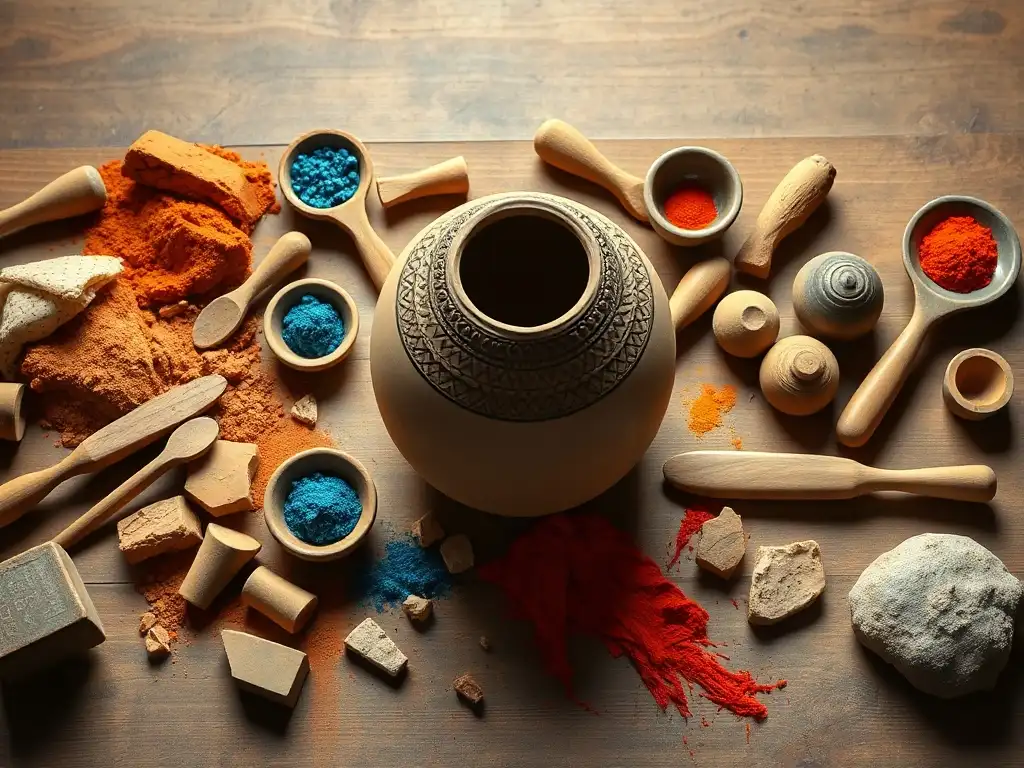
The artistry of Indus Valley pottery is deeply rooted in the selection and use of various materials. The primary materials utilized in the creation of these ceramics include different types of clay, pigments, and glazes. Each component plays a crucial role in defining the aesthetic, durability, and functionality of the pottery, ultimately reflecting the culture and technological advancements of the Indus Valley Civilization.
Types of Clay and Their Significance
The Indus Valley potters predominantly used several types of clay, each contributing unique characteristics to the finished product. The two primary types of clay identified are:
- Natural Clay: This is the most common type used in pottery. Natural clay was sourced from riverbanks and alluvial deposits, characterized by its fine texture and malleability. The potters would mix different clay types to achieve optimal workability and desired firing properties.
- Coarse Clay: Coarser clays were often used for making larger vessels or utilitarian items. These clays, while less refined, provided strength and durability, making them suitable for everyday use.
The significance of these clay types goes beyond mere functionality. For instance, the choice of clay often reflected the potter's knowledge of local geology and resource availability, showcasing the sophisticated understanding of materials that existed in the Indus Valley. Additionally, the natural hues of the clay contributed to the overall color palette of the pottery, which was further enhanced by the application of various pigments.
Pigments and Glazes: Color in Indus Valley Ceramics
Color played an integral role in the aesthetics of Indus Valley pottery, achieved through the use of natural pigments and glazes. The following outlines the key aspects of pigments and glazing techniques prevalent in this civilization:
- Natural Pigments: The potters sourced pigments from local minerals and plants. Common pigments included:
- Iron Oxide: Used to create reddish-brown hues, iron oxide was a staple in pottery decoration.
- Manganese Oxide: This pigment yielded dark shades and was often used to create intricate designs and motifs.
- Glazing Techniques: Indus Valley potters applied glazes to enhance the visual appeal and functional properties of their ceramics. Techniques included:
- Slip Glazing: A mixture of clay and water (slip) was applied to the pottery before firing, resulting in a smooth and glossy finish.
- Lead Glazes: Some evidence suggests that the potters experimented with lead-based glazes to achieve vibrant colors and a glass-like surface. This technique not only beautified the pottery but also improved water resistance.
The use of these pigments and glazes not only reflects the aesthetic preferences of the Indus Valley civilization but also their innovative spirit in exploring new artistic techniques. The combination of natural materials and skilled craftsmanship resulted in pottery that was not only utilitarian but also a canvas for artistic expression.
The artistic techniques of Indus Valley pottery are characterized by a rich interplay of materials, with specific attention to the types of clay, pigments, and glazing methods used. This attention to detail highlights the cultural significance and technological prowess of the Indus Valley Civilization, making their pottery a remarkable testament to their artistic legacy.
Artistic Styles and Motifs in Indus Valley Pottery
The art of pottery during the Indus Valley Civilization (IVC) reflects a vibrant intersection of functionality and aesthetic beauty. Indus Valley pottery techniques are characterized by a variety of artistic styles that showcase the civilization's cultural richness and social complexity. The pottery was not merely utilitarian; it served as a canvas for intricate designs that conveyed social status, religious beliefs, and community identity.
Common Designs and Patterns Found in Pottery
Indus Valley pottery features a range of designs that are both striking and significant. Some of the most common patterns include:
- Geometric Patterns: These are perhaps the most ubiquitous designs found on Indus pottery, often featuring triangles, circles, and squares arranged in symmetrical compositions. Such geometric motifs suggest a sophisticated understanding of mathematics and aesthetics.
- Floral and Faunal Motifs: Many pottery pieces are adorned with images of plants and animals. Common motifs include lotus flowers, peacocks, and elephants. These designs often symbolize fertility, prosperity, and connection to nature.
- Spiral and Wave Patterns: Spiral motifs and wave-like designs are frequently observed, creating a dynamic visual effect. These patterns may reflect the natural environment and could also have spiritual significance.
- Human Figures and Scenes: Some pottery exhibits depictions of human figures engaged in various activities, possibly representing rituals or daily life. These scenes provide valuable insights into the social practices and cultural values of the IVC.
The color palette of Indus Valley pottery is equally noteworthy. The use of natural pigments resulted in a range of colors, from earthy reds and browns to vibrant blacks and whites. The contrast created by these colors enhances the visual impact of the patterns.
Symbolism in Pottery Art: What the Designs Represent
The designs found in Indus Valley pottery are more than decorative; they serve as symbols imbued with meaning. Understanding the symbolism behind these motifs offers insight into the beliefs and values of the Indus people.
- Geometric Patterns: Often seen as symbols of order and harmony, geometric designs may reflect the civilization's worldview, emphasizing balance in life and nature. The precision of these patterns indicates a developed sense of aesthetics and mathematics.
- Floral Motifs: The representation of flora in pottery is frequently associated with fertility and agricultural prosperity. Flowers, especially the lotus, are often linked to spiritual themes, symbolizing purity and rebirth.
- Faunal Imagery: Animals depicted on pottery can denote various attributes. For instance, the peacock symbolizes beauty and grace, while elephants might signify strength and wisdom. These creatures were not just part of the natural world but also played roles in the mythology and spirituality of the civilization.
- Human Figures: The inclusion of human figures in pottery art suggests the importance of community and social interaction. These depictions can represent various aspects of daily life, including rituals, trade, and familial connections, highlighting the complex social structure of the IVC.
The artistic techniques of Indus Valley pottery reveal a civilization that valued both beauty and meaning. The intricate designs and motifs are not only aesthetically pleasing but also rich in symbolism, providing a window into the collective identity and cultural heritage of one of the world's earliest urban societies. By exploring these artistic styles and their significance, we gain a deeper appreciation of the Indus Valley Civilization's contributions to the history of art and culture.
Comparison of Indus Valley Pottery Techniques with Other Ancient Civilizations
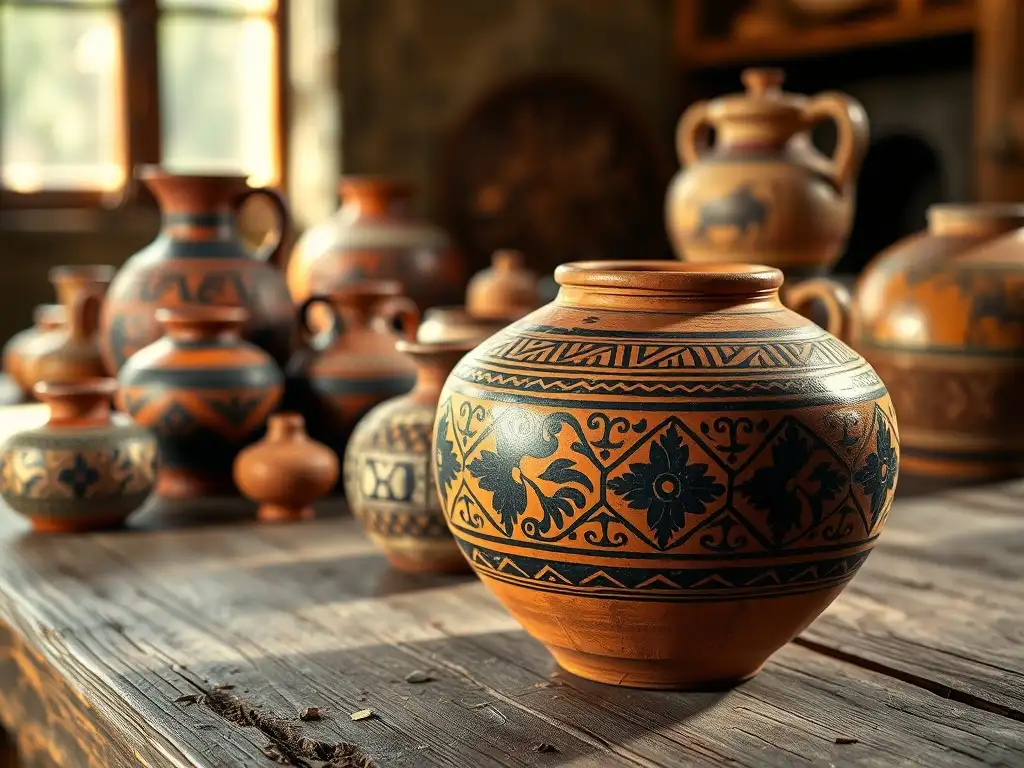
The Indus Valley Civilization, known for its highly developed urban centers and intricate craftsmanship, also showcased remarkable pottery techniques. When we examine the pottery of the Indus Valley, it becomes evident that there are both similarities and differences when compared to pottery from other ancient civilizations, particularly Mesopotamia and Egypt.
Similarities with Mesopotamian Pottery Techniques
The pottery techniques of the Indus Valley share several notable similarities with those found in Mesopotamia, reflecting cultural exchanges and common practices in ancient craftsmanship.
-
Use of Kiln-Fired Ceramics:
Both civilizations utilized kiln-firing techniques, which allowed for the production of durable and weather-resistant pottery. This method involved firing clay at high temperatures, leading to the creation of functional and decorative vessels.
-
Decorative Motifs:
Mesopotamian and Indus Valley potters often employed similar decorative motifs, including geometric patterns and stylized animal figures. These motifs were not merely aesthetic; they often held symbolic meanings tied to the cultural beliefs of the societies.
-
Functionality:
Pottery in both regions served practical purposes, including storage, cooking, and ritualistic activities. For instance, large storage jars were common in both civilizations, indicating a shared need for food preservation and resource management.
-
Trade and Cultural Exchange:
Evidence suggests that trade routes existed between the Indus Valley and Mesopotamia, facilitating the exchange of goods and techniques. This interaction likely influenced the stylistic features of pottery in both cultures, as artisans adopted and adapted practices from one another.
Differences with Egyptian Pottery Styles
While there are striking similarities with Mesopotamian pottery, the Indus Valley techniques also exhibit distinct differences when compared to the pottery styles of ancient Egypt.
-
Form and Shape:
Indus Valley pottery is characterized by its unique forms, such as the hallmark “pot-belly” shapes, which differ from the more cylindrical and flatter pottery styles prevalent in ancient Egypt. The diversity in shapes in Indus Valley pottery reflects a more experimental approach to form.
-
Surface Treatment:
The Egyptians often employed a glossy finish on their pottery, achieved through a technique known as "slip glazing." In contrast, Indus Valley pottery is frequently found with a matte finish and intricate painted designs that were applied before firing. This resulted in a different aesthetic quality and tactile experience.
-
Color Palette:
Egyptian pottery often showcased a limited color palette, primarily hues of red, brown, and black. In contrast, the Indus Valley potters exhibited a broader range of colors, utilizing natural pigments to create vibrant hues, including reds, creams, and blacks, often enhanced with intricate designs.
-
Cultural Symbolism:
The thematic content of pottery in these civilizations also differed. Egyptian pottery often depicted scenes from mythology and daily life, while Indus Valley pottery featured more abstract designs and motifs, suggesting a different approach to symbolism and representation.
The Indus Valley pottery techniques reflect a rich tapestry of influences and innovations. By comparing these techniques with those of Mesopotamia and Egypt, we gain insights into the cultural exchanges and unique artistic expressions that characterized ancient civilizations.
The Role of Pottery in Daily Life and Trade
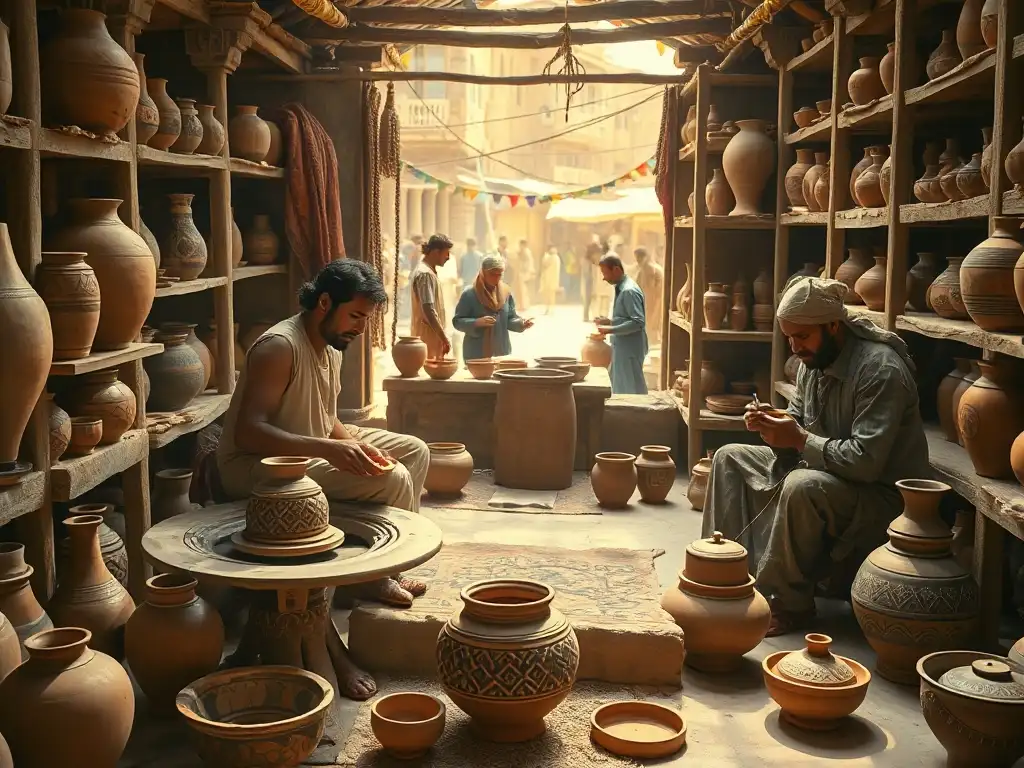
The role of pottery in the Indus Valley Civilization was multifaceted, serving both practical and economic purposes that were essential to daily life. The people of this ancient civilization relied heavily on pottery for a wide range of activities, from cooking and storing food to trade and cultural expression. The artistic techniques employed in Indus Valley pottery not only reflect the aesthetic values of the society but also provide insight into their everyday lives.
Functional Uses of Indus Valley Pottery
Indus Valley pottery was primarily utilitarian, designed to meet the needs of its users. Common forms of pottery included:
- Storage Vessels: Large jars and pots were crafted to store grains, water, and other essential resources. These vessels often featured wide mouths and sturdy bases, allowing for easy access and stability.
- Cooking Pots: The inhabitants used specially designed cooking pots that were heat-resistant and facilitated various cooking methods, including boiling and baking. The shapes of these pots often varied, indicating different cooking techniques and food storage practices.
- Tableware: Plates and bowls were created for serving food during communal meals. The variety of shapes and sizes suggests a rich culinary culture, indicating that meals were often shared among families and communities.
- Religious and Ritual Items: Pottery also played a crucial role in religious practices, with many artifacts found at archaeological sites suggesting their use in rituals. Specially crafted pots were often associated with ceremonial activities, showcasing the spiritual significance of pottery.
The diversity of functional pottery demonstrates the advanced understanding of materials and techniques by Indus Valley artisans. These techniques included the use of wheel-throwing, which allowed for the production of uniform shapes and sizes, and the application of various decorative elements that enhanced the aesthetic appeal without compromising functionality.
Trade and Economic Significance of Pottery in the Indus Civilization
Pottery also held considerable economic significance in the Indus Valley Civilization, serving as a key commodity in trade networks that extended beyond regional boundaries.
- Trade Goods: Pottery was a vital trade good, with many Indus Valley sites, such as Mohenjo-Daro and Harappa, being central hubs of commerce. The quality and craftsmanship of the pottery made it an attractive item for trade with neighboring regions, including Mesopotamia and Persia.
- Standardization and Mass Production: The use of mass production techniques facilitated the creation of standardized pottery shapes and sizes, which not only streamlined the crafting process but also increased the volume of goods available for trade. This standardization is indicative of a sophisticated economic system where artisans could produce pottery in large quantities to meet market demand.
- Cultural Exchange: The exchange of pottery styles and techniques with other cultures fostered a rich environment of cultural interaction. This exchange included the introduction of new materials and designs, contributing to the evolution of Indus Valley pottery techniques over time.
- Economic Indicators: The presence of pottery in archaeological sites can serve as an indicator of economic activity within a community. For instance, the discovery of large quantities of pottery in a specific area often correlates with trade prosperity, suggesting that pottery production was a significant economic driver in the Indus Valley.
The artistic techniques of Indus Valley pottery played a vital role in both daily life and trade, reflecting the culture's ingenuity and adaptability. The functional uses of pottery ensured its place as a staple in households, while its significance in trade contributed to the economic landscape of one of the world's earliest urban civilizations.
Preservation and Legacy of Indus Valley Pottery
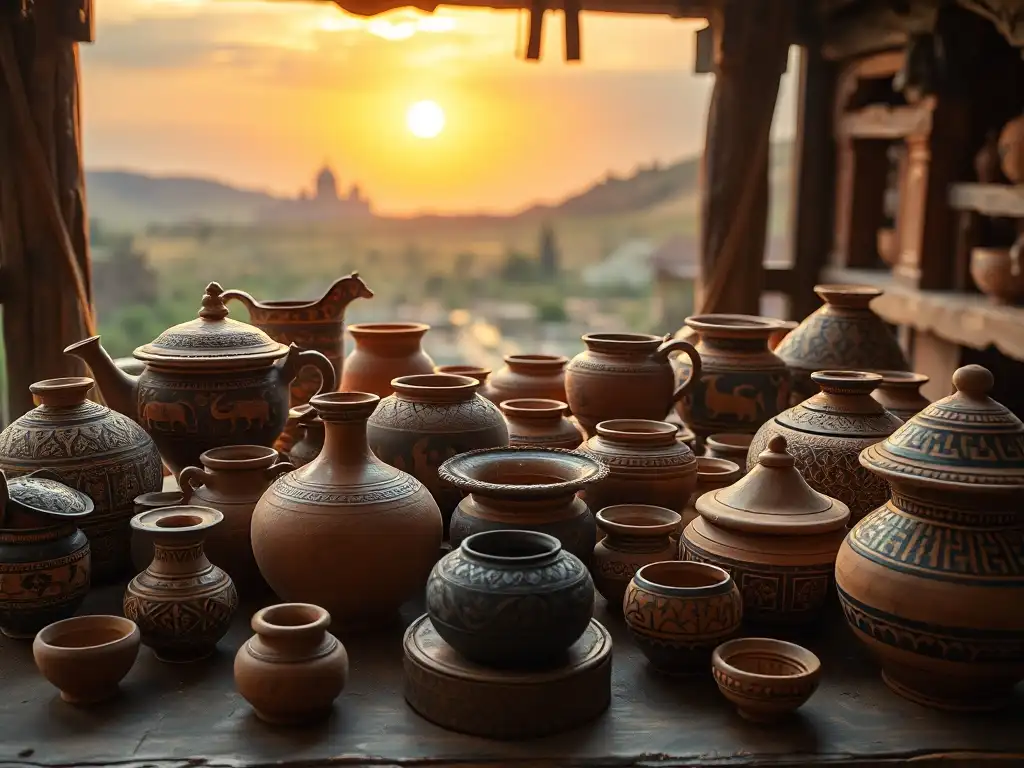
The preservation of Indus Valley pottery provides invaluable insights into the daily lives, culture, and artistic capabilities of one of the world's earliest urban civilizations. Archaeological investigations have uncovered a rich trove of pottery artifacts, which not only reveal the functional aspects of these objects but also their aesthetic qualities and techniques of production.
Archaeological Discoveries and Their Implications
Archaeological excavations at key sites such as Harappa and Mohenjo-Daro have yielded a remarkable variety of pottery, ranging from simple utilitarian wares to intricately designed ceremonial pieces. These discoveries underscore the advanced craftsmanship and artistic techniques employed by the Indus Valley artisans.
- Types of Pottery: The pottery of the Indus Valley Civilization includes:
- Red and Black Ware: Characterized by its distinctive two-tone coloration, this pottery often features intricate designs and motifs.
- Painted Pottery: Decorated with geometric patterns and stylized representations of animals, showcasing the aesthetic sensibilities of the time.
- Terracotta Figurines: While primarily not pottery in the conventional sense, these figurines reflect the artistic techniques and cultural narratives of the civilization.
The implications of these finds are profound. They suggest a highly organized society with specialized craftsmen, trade networks for raw materials, and a rich cultural life. The presence of pottery with both practical and decorative purposes indicates a dual focus on functionality and artistry, shedding light on the social and economic structures of the time.
Influence of Indus Valley Pottery Techniques on Later Indian Art
The techniques utilized in Indus Valley pottery laid the groundwork for subsequent artistic traditions in India. The legacy of these early artisans is evident in various forms of Indian ceramics and art that developed in the centuries following the decline of the Indus Valley Civilization.
- Continuity of Style: Many motifs and decorative styles found in Indus Valley pottery reappear in later Indian pottery, illustrating a continuity of artistic expression.
- Technological Advancements: The firing techniques and use of glazes in Indus Valley pottery influenced later pottery traditions, particularly during the Mauryan and Gupta periods, where advancements led to even more refined ceramics.
- Cultural Significance: The themes depicted on Indus pottery, such as animals and nature, continued to resonate in Indian art, influencing sculptures, textiles, and paintings throughout the ages.
The artistic techniques of Indus Valley pottery not only reflect the sophistication of its creators but also serve as an enduring legacy that shaped the evolution of artistic practices in the Indian subcontinent. The continued study of these artifacts allows for a deeper understanding of the cultural and historical contexts from which they emerged, ensuring that the contributions of the Indus Valley Civilization remain an integral part of India's rich heritage.
Conclusion: The Enduring Impact of Indus Valley Pottery Techniques
The Indus Valley Civilization, one of the earliest urban cultures, exhibited remarkable artistic techniques in pottery that have left an indelible mark on the history of art and craftsmanship. The intricate designs, innovative manufacturing methods, and the symbolic meanings behind the pottery of this civilization reflect a sophisticated understanding of aesthetics and functionality.
Reflection on the Artistic Heritage of the Indus Valley Civilization
The artistic heritage of the Indus Valley Civilization is characterized by its unique pottery styles, which showcase a blend of practicality and artistry. Pottery from this era often featured naturalistic motifs, including flora and fauna, as well as geometric patterns that exhibit a high level of skill and creativity. The use of red and black slip to paint these designs not only enhanced the visual appeal but also demonstrated the technological advancements in pottery techniques.
- Symbolism and Functionality: Each piece of pottery served a dual purpose—whether it was for storage, cooking, or ceremonial uses, it also conveyed cultural values and beliefs. For example, pots decorated with mythological scenes or ritual symbols indicate their significance in religious or social contexts.
- Regional Variations: The diversity of pottery styles across different sites within the Indus Valley, such as Harappa and Mohenjo-Daro, highlights the regional variations influenced by local resources and cultural practices. This regionalism adds to the richness of the artistic heritage, allowing for a broader understanding of the civilization's social structure and trade relationships.
The legacy of Indus Valley pottery techniques continues to inspire contemporary artisans and serves as a testament to the innovative spirit of ancient Indian civilizations.
Future Research Directions in Indus Valley Pottery Studies
As researchers delve deeper into the study of Indus Valley pottery techniques, several promising avenues for future exploration emerge:
- Technological Analysis: Advanced scientific methods, such as petrographic analysis and chemical composition studies, can provide insights into the materials and methods used in pottery production. This research can reveal trade routes and interactions with neighboring cultures.
- Cultural Contextualization: Investigating the social and cultural contexts in which pottery was produced and used can enhance our understanding of the daily lives and beliefs of the Indus Valley people. Ethnoarchaeological studies could offer comparative insights by examining traditional pottery-making practices in contemporary communities.
- Digital Reconstruction: Utilizing digital technologies to reconstruct pottery forms and designs can facilitate a better understanding of their functionality and aesthetic value. Virtual reality and 3D modeling may allow for immersive educational experiences that showcase the intricacies of Indus Valley pottery techniques.
- Interdisciplinary Approaches: Collaborating with historians, anthropologists, and art historians can foster a comprehensive understanding of the Indus Valley Civilization. By integrating various perspectives, researchers can elucidate the broader implications of pottery within the context of ancient Indian society.
The ongoing study of Indus Valley pottery techniques not only enriches our knowledge of this ancient civilization but also underscores the importance of preserving and celebrating its artistic contributions. As we continue to uncover new findings, the legacy of Indus Valley pottery will undoubtedly remain a focal point in the exploration of ancient Indian history.
Frequently Asked Questions
What were the main characteristics of Indus Valley pottery?
Indus Valley pottery is known for its intricate designs, glazed surfaces, and variety of forms, including bowls, jars, and dishes. These features reflect the artistic skills and cultural significance of the time.
How did the pottery techniques evolve in the Indus Valley?
The pottery techniques in the Indus Valley evolved through different phases, showcasing advancements in firing methods, decorative styles, and the use of natural pigments. This evolution highlights the innovative spirit of the civilization.
What materials were used in Indus Valley pottery?
Indus Valley artisans primarily used clay, which was often mixed with temper to enhance durability. They also utilized local minerals for creating vibrant colors in their pottery.
How did pottery reflect the culture of the Indus Valley civilization?
Pottery served as a medium for expressing cultural identity through design motifs and functional uses. It played a crucial role in daily life and rituals, illustrating the social practices of the time.
What impact did Indus Valley pottery have on later civilizations?
Indus Valley pottery techniques influenced subsequent cultures in the region, contributing to artistic traditions and craftsmanship. This legacy is evident in the pottery styles of later Indian civilizations, showcasing the enduring impact of their innovations.
Final Reflection: The Enduring Legacy of Indus Valley Pottery Techniques
The artistic techniques of Indus Valley pottery are not just relics of the past; they are a testament to the ingenuity and creativity of a civilization that thrived thousands of years ago. Today, as we explore these ancient methods, we uncover not only the aesthetic values of the Indus Valley people but also their sophisticated understanding of materials and craftsmanship. This connection to our shared human history reminds us that art transcends time, serving as a bridge between cultures and generations.
The influence of Indus Valley pottery techniques continues to resonate in contemporary art and craft practices around the world. From the intricate designs to the innovative firing methods, these ancient techniques inspire modern artisans to explore new dimensions of creativity. As noted by art historian Dr. Anjali Rao, The legacy of ancient craftsmanship is a source of inspiration that fuels contemporary artistic expression, reminding us of our roots and the beauty of our shared heritage.
This ongoing dialogue between the past and present highlights the importance of preserving and celebrating these artistic traditions.
As we reflect on the significance of Indus Valley pottery techniques, I invite you to consider how these lessons can be applied in your own life. Embrace the creativity that lies within you and explore the artistic expressions that resonate with your identity. Whether through pottery, painting, or any other form of art, let the techniques of the past inspire you to create something meaningful today. Remember, the art we create now will become the legacy of future generations, just as the pottery of the Indus Valley continues to inspire us.
Unveil Your Creativity Through Indus Valley Pottery!
Thank you for exploring the fascinating world of Indus Valley pottery with us! We hope you’ve gained valuable insights into the artistic techniques that shaped this incredible ancient culture. Now, it’s time to take action and channel your own creativity!
Here are a few ways you can connect with this rich heritage:
- Dive into a local pottery workshop to experience hands-on creation, inspired by the techniques of the past.
- Visit a museum or an online exhibit showcasing Indus Valley artifacts to deepen your understanding and appreciation of their artistry.
- Share your artwork on social media, using the hashtag #IndusArtistry. Let’s celebrate and inspire others with our personal interpretations!
Which unique technique or style will you experiment with in your own creative projects today?