
From Prehistory to Civilization: The Evolution of the Indus Valley Society

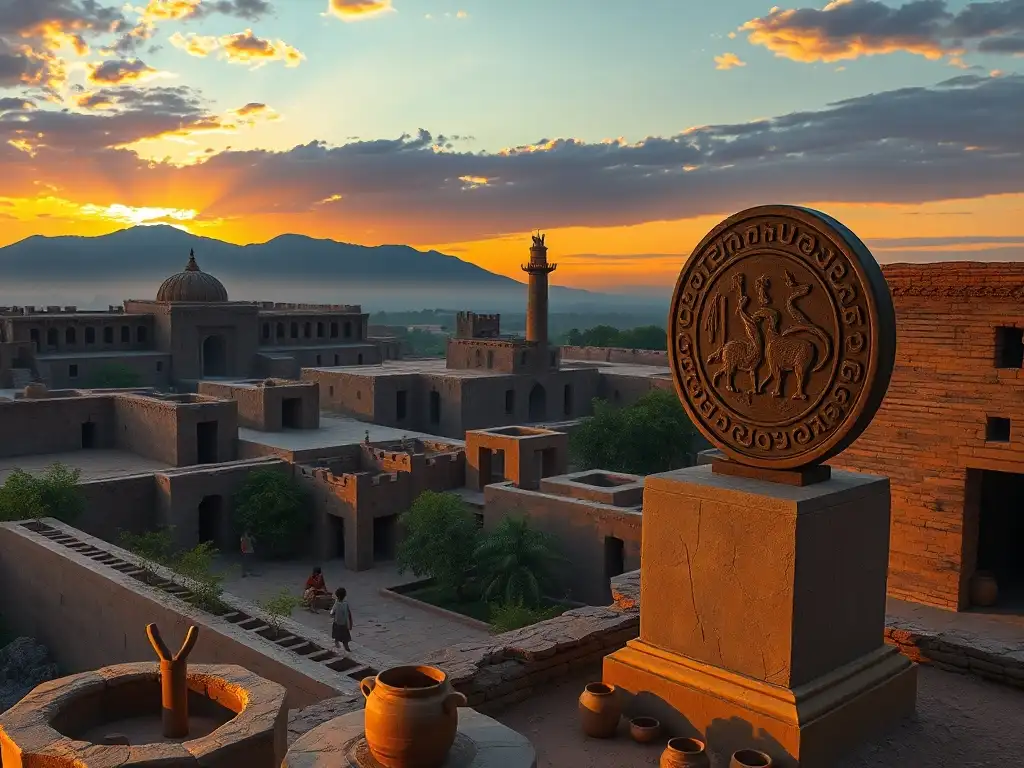
Welcome to Ancient India History, where we embark on a captivating journey through time to uncover the rich and diverse tapestry of ancient Indian civilizations. Our exploration begins with the Indus Valley civilization history, a remarkable era that laid the foundation for one of the world's earliest urban societies. What secrets lie within the remnants of this enigmatic civilization?
Dive into our featured article, "From Prehistory to Civilization: The Evolution of the Indus Valley Society," and discover the incredible innovations, cultural dynamics, and legacies that continue to shape our understanding of the past. Join us as we unravel the mysteries of ancient India and ignite your curiosity about its extraordinary heritage!
Introduction to Indus Valley Civilization History
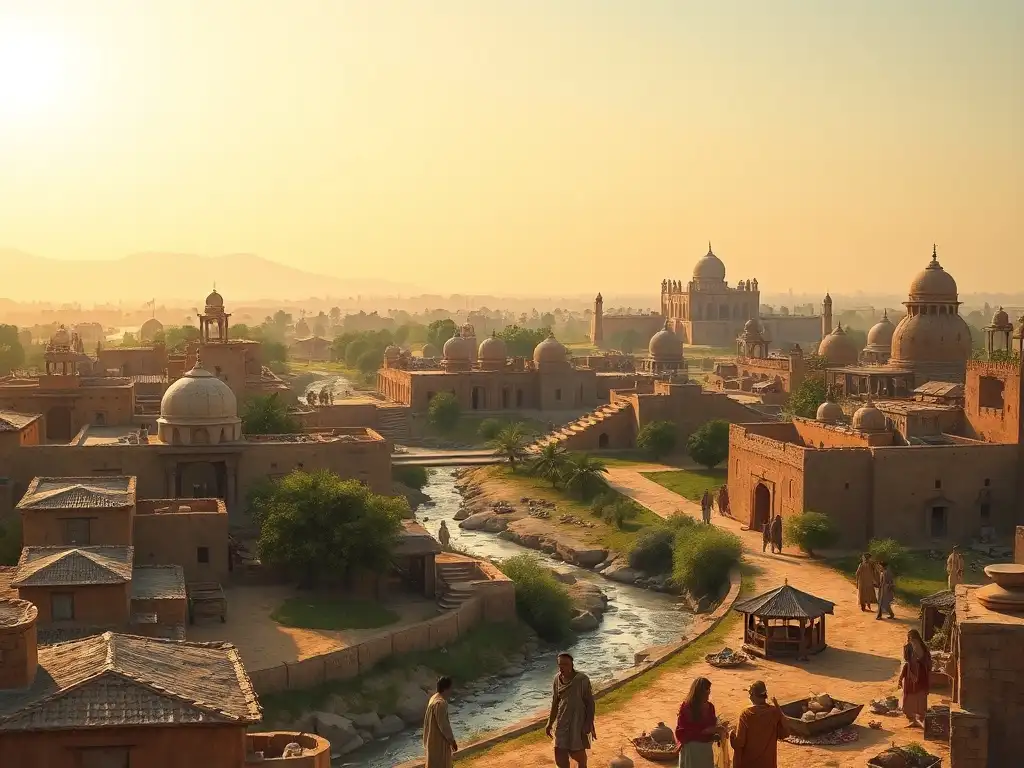
The history of the Indus Valley civilization is a fascinating journey through time, marked by remarkable developments in urban planning, trade, and social organization. Emerging around 3300 BCE, this ancient civilization flourished in the fertile plains of the Indus River, encompassing parts of present-day Pakistan and northwest India.
As one of the world's earliest urban cultures, the Indus Valley civilization showcases the ingenuity and sophistication of its people, who built advanced cities such as Harappa and Mohenjo-Daro. Understanding the Indus Valley civilization history provides profound insights into the cultural and technological achievements that laid the foundation for subsequent Indian civilizations.
Overview of the Indus Valley Civilization
The Indus Valley civilization, also known as the Harappan civilization, is celebrated for its impressive urban centers, intricate drainage systems, and standardized weights and measures. Spanning approximately 1,250,000 square kilometers, it was one of the largest ancient civilizations, contemporaneous with Mesopotamia and Ancient Egypt. The civilization reached its zenith around 2600 BCE, with a population that may have exceeded five million.
- Key features of the Indus Valley civilization include:
- Urban Planning: Cities were meticulously planned with grid patterns, sophisticated drainage systems, and public baths.
- Trade Networks: The civilization engaged in extensive trade with neighboring regions, including Mesopotamia, as evidenced by seals and weights used for commerce.
- Agricultural Practices: The fertile land supported the cultivation of crops such as wheat, barley, and cotton, which were central to the economy.
Importance of Studying Indus Valley Civilization History
Studying the Indus Valley civilization history is crucial for several reasons:
- Cultural Heritage: It offers a glimpse into the early cultural practices and lifestyle of a highly developed society.
- Technological Innovations: The advancements in urban infrastructure and trade practices highlight the technological prowess of the civilization.
- Understanding Ancient Interactions: The interactions between the Indus Valley civilization and other ancient cultures provide insights into the dynamics of trade, influence, and migration in the region.
The Prehistoric Roots of the Indus Valley Civilization
Early Settlements in the Indus River Basin
The roots of the Indus Valley civilization trace back to several prehistoric settlements along the Indus River basin. Evidence suggests that these early communities engaged in agriculture and trade, gradually evolving into more complex societies.
- Notable early sites include:
- Mehrgarh: Dating back to around 7000 BCE, it is one of the earliest known farming villages in the region, showcasing the transition from hunter-gatherer societies to settled agricultural communities.
- Kot Diji: Located in Sindh, this site reflects early urbanization trends with its fortified structures and advanced pottery techniques.
Archaeological Findings: Evidence of Early Human Activity
Archaeological excavations have unearthed a wealth of artifacts that provide critical insights into early human activity in the Indus Valley.
- Key findings include:
- Terracotta Figurines: These artifacts depict various forms, possibly representing deities or social roles within the community.
- Tools and Implements: Stone tools and agricultural implements reveal the technological capabilities of early inhabitants, emphasizing their adaptation to the environment.
Through these findings, researchers continue to piece together the narrative of the Indus Valley civilization, shedding light on its evolution from prehistoric roots to a prominent urban society.
The Rise of the Indus Valley Civilization
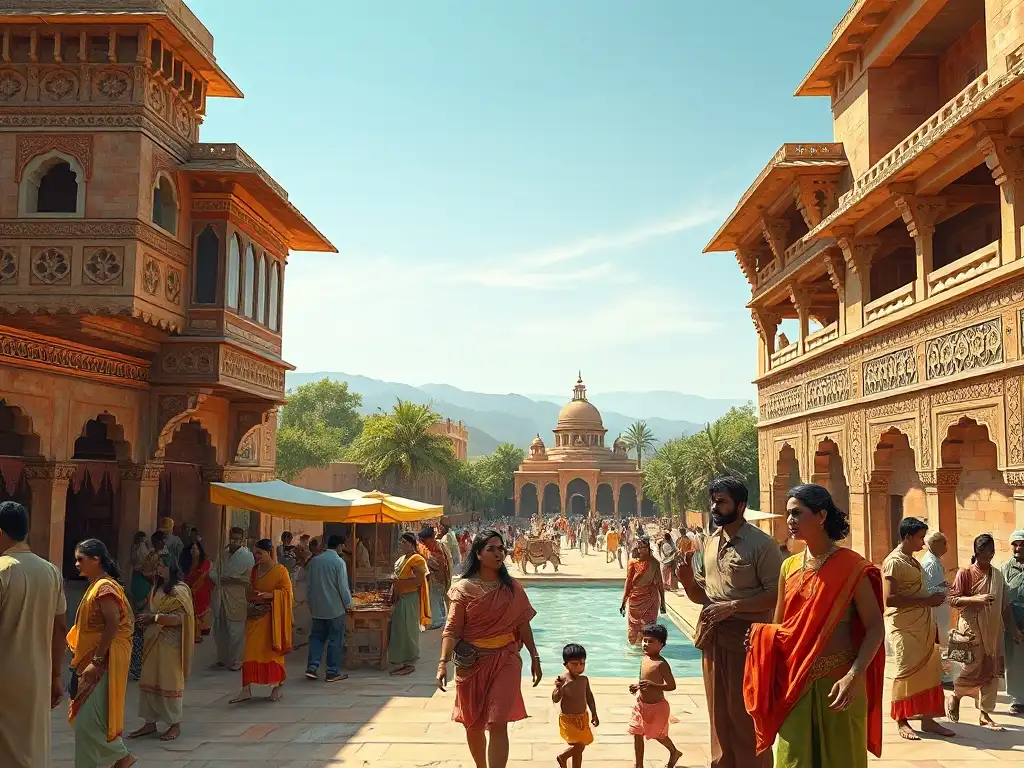
The Indus Valley Civilization, one of the earliest urban cultures in the world, emerged around 3300 BCE in the northwestern region of South Asia, primarily in present-day Pakistan and northwest India. This civilization flourished along the fertile banks of the Indus River and its tributaries, benefiting from the region's agricultural potential. The rise of this civilization is marked by significant advancements in urban planning, trade, and social organization.
The transition from small agricultural communities to complex urban centers was gradual and driven by several factors. As agriculture became more productive, populations grew, necessitating better organization and resource management. The surplus of crops allowed for specialized labor, leading to the development of crafts, trade, and complex societal structures.
Key Factors Contributing to the Emergence of Civilization
Several key factors contributed to the emergence of the Indus Valley Civilization:
- Geographical Advantages: The Indus River provided fertile soil and a reliable water supply, fostering agricultural growth. The surrounding mountain ranges and deserts offered natural barriers against invasions, allowing the civilization to develop relatively peacefully.
- Agricultural Innovations: The introduction of advanced agricultural techniques, such as irrigation and crop rotation, enabled the cultivation of crops like wheat, barley, and cotton, which supported larger populations.
- Trade Networks: The Indus Valley Civilization established extensive trade networks with neighboring regions, including Mesopotamia. Trade in commodities such as textiles, metals, and semi-precious stones facilitated economic growth and cultural exchange.
- Technological Advances: Innovations in metallurgy, pottery, and textile production contributed to the civilization's prosperity. The use of standardized weights and measures promoted trade efficiency.
Major Sites: Harappa and Mohenjo-Daro
Two of the most significant archaeological sites of the Indus Valley Civilization are Harappa and Mohenjo-Daro. These cities are considered the cornerstone of our understanding of this ancient civilization.
- Harappa: Located in the Punjab province of Pakistan, Harappa was one of the first cities to be excavated in the 1920s. The site revealed a well-planned city layout, with streets arranged in a grid pattern, advanced drainage systems, and large public baths, indicating a high level of urban planning.
- Mohenjo-Daro: Situated near the Indus River in Sindh, Mohenjo-Daro is another prime example of Indus Valley urban architecture. Notably, the Great Bath, a large public water reservoir, suggests the importance of ritual bathing and possibly communal activities. The city's layout, featuring residential and commercial areas, highlights the organized nature of Indus society.
Urban Planning and Architecture in Indus Valley Cities
The urban planning of Indus Valley cities is a remarkable aspect of their civilization. Cities were characterized by:
- Grid Layout: Streets were systematically laid out in a grid pattern, providing organized access and efficient movement throughout the city.
- Advanced Drainage Systems: The cities featured sophisticated drainage systems, with covered drains running along the streets and connecting to individual houses. This level of sanitation was unprecedented for its time.
- Public Structures: Large public buildings, such as granaries and baths, indicate centralized planning and communal activities. The uniformity in brick size and construction techniques across different cities suggests a well-regulated society.
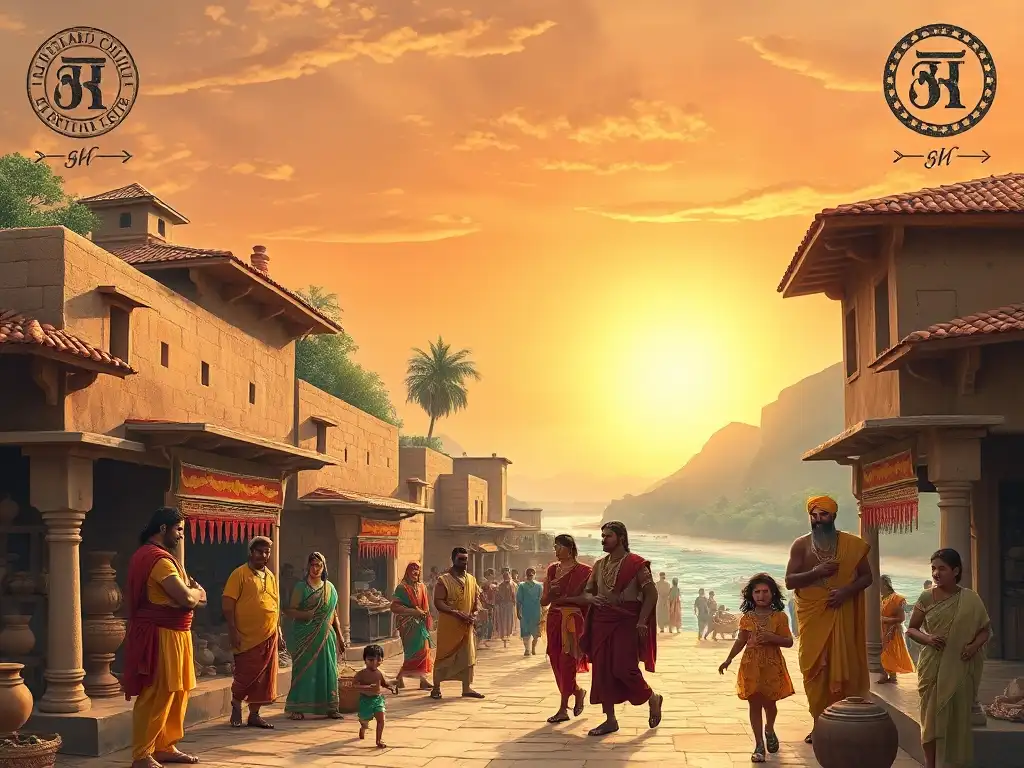
The Indus Valley Civilization exhibited a complex social structure that reflects a high degree of cultural sophistication and organization.
The Social Hierarchy in Indus Valley Society
While specific details about the social hierarchy remain elusive due to the undeciphered script, archaeological evidence suggests a stratified society:
- Elites: A ruling class likely comprised of wealthy merchants and landowners who controlled trade and resource distribution.
- Artisans and Laborers: Skilled craftspeople produced goods for trade, while laborers contributed to agriculture and construction.
- Farmers: The majority of the population were engaged in agriculture, providing sustenance for the urban centers.
Cultural Practices: Art, Religion, and Daily Life
Cultural practices in the Indus Valley Civilization were rich and diverse:
- Art: The civilization is renowned for its intricate pottery, seals, and figurines, often depicting animals and deities, indicating a connection to their spiritual beliefs.
- Religion: Although the specifics of their religious practices are not well-documented, evidence of ritual bathing, fire altars, and figurines suggest a polytheistic belief system centered around fertility and nature.
- Daily Life: The discovery of toys, games, and tools indicates a vibrant daily life among the inhabitants. The presence of standardized weights implies a well-organized economy focused on trade.
Language and Script: The Indus Valley Writing System
The Indus Valley Civilization developed a unique writing system composed of pictographic symbols. However, this script remains undeciphered, restricting our understanding of their language and culture. Key features include:
- Seals and Inscriptions: Seals found at archaeological sites often feature the Indus script, used for trade and possibly for administrative purposes.
- Lack of Bilingual Texts: Unlike other ancient scripts, there are no known bilingual texts to assist in deciphering the Indus script, complicating efforts to understand their language and communication.
The Indus Valley writing system remains one of the greatest mysteries of ancient history, and unlocking its secrets could shed light on the civilization's social, political, and cultural dynamics.
Economic Activities and Trade in the Indus Valley
The Indus Valley Civilization, one of the earliest urban societies, thrived between approximately 3300 and 1300 BCE, primarily in what is now Pakistan and northwest India. Its economy was diverse and sophisticated, characterized by agricultural production, trade networks, and craftsmanship. The economic activities of the Indus Valley not only sustained its urban centers but also facilitated interactions with neighboring cultures, contributing to its longevity and influence.
Agriculture and Food Production in Indus Society
Agriculture formed the backbone of the Indus Valley economy. The fertile plains of the Indus River supported the cultivation of various crops, including wheat, barley, peas, and cotton. Archaeological evidence suggests that the people of the Indus Valley practiced advanced agricultural techniques, including crop rotation and irrigation, which allowed them to maximize yields.
The domestication of animals also played a crucial role in food production. Cattle, sheep, goats, and pigs were commonly raised, providing meat, milk, and other products. The surplus of agricultural produce not only fed the urban population but also supported trade, as surplus goods could be exchanged for other necessities. The reliance on agriculture, coupled with the region's favorable climate and river systems, enabled the Indus Valley society to flourish.
Trade Networks: Connecting with Neighboring Civilizations
Trade was a vital component of the Indus Valley Civilization, facilitating the exchange of goods and ideas with neighboring regions. The civilization established extensive trade networks that connected it to Mesopotamia, Persia, and even distant areas like the Arabian Peninsula. Goods such as beads, textiles, and pottery were commonly traded, with the famous Indus seals serving as identifiers of trade transactions.
The presence of standardized weights and measures indicates that trade was organized and regulated, promoting fair exchanges. Maritime trade routes along the Arabian Sea allowed for the transportation of goods, while overland routes connected the Indus Valley with other civilizations. This interaction not only enriched the economy but also led to cultural exchanges that influenced art, technology, and social structures.
Craftsmanship and Industry: Goods Produced in the Indus Valley
The Indus Valley Civilization was renowned for its craftsmanship and industrial production. Artisans specialized in creating a wide range of goods, including jewelry, pottery, textiles, and metalwork. The use of advanced techniques in crafting, such as the production of intricate beadwork and pottery with distinctive designs, showcased the artistic skills of the Indus people.
Evidence of advanced metallurgy is also prominent, with findings of copper, bronze, and even early iron artifacts. The production of high-quality terracotta figurines reflects the artistic capabilities and cultural expressions of the society. The industrial sector played a significant role in the economy, fostering both local consumption and trade with neighboring regions.
Decline of the Indus Valley Civilization
The decline of the Indus Valley Civilization is a complex topic that has intrigued historians and archaeologists. While the civilization flourished for centuries, around 1300 BCE, it began to experience significant decline, leading to the eventual abandonment of urban centers. Various theories have emerged to explain this phenomenon, highlighting the interplay of environmental, socio-political, and economic factors.
Theories on the Collapse of the Indus Valley Civilization
Several theories attempt to explain the collapse of the Indus Valley Civilization. One prominent hypothesis is the decline in trade due to shifts in regional power dynamics and the emergence of new trade routes. As neighboring civilizations like the Aryans began to rise, the Indus Valley's economic influence waned.
Another theory suggests that internal factors, such as social upheaval and economic instability, contributed to the decline. The increasing complexity of urban life may have led to social stratification and conflicts among different groups, undermining the cohesion of the society.
Environmental Factors: Climate Change and River Dynamics
Environmental factors have also been considered critical in the decline of the Indus Valley Civilization. Archaeological studies indicate that climate change may have led to a decrease in rainfall and alterations in river dynamics. The Indus River and its tributaries were crucial for irrigation and agriculture; significant changes in their course could have impacted food production.
The gradual drying of the region and the shifting of river paths might have forced communities to relocate, leading to the abandonment of major urban centers. This environmental stress would have compounded existing socio-economic challenges, ultimately contributing to the civilization's decline.
Socio-Political Factors: Internal Conflicts and Invasions
Socio-political factors, including potential internal conflicts and invasions, further complicated the decline of the Indus Valley Civilization. The emergence of smaller, localized communities may have led to competition for resources, fostering conflicts that weakened the society's cohesion.
Moreover, some scholars suggest that invasions by external groups, such as the Indo-Aryans, could have played a role in the civilization's downfall. While evidence for large-scale invasions remains debated, the presence of new cultures and technologies indicates that interactions with outside groups were significant during this period of transition. The combination of these socio-political pressures likely contributed to the eventual transformation of the Indus Valley into a less centralized and more fragmented society.
Legacy of the Indus Valley Civilization
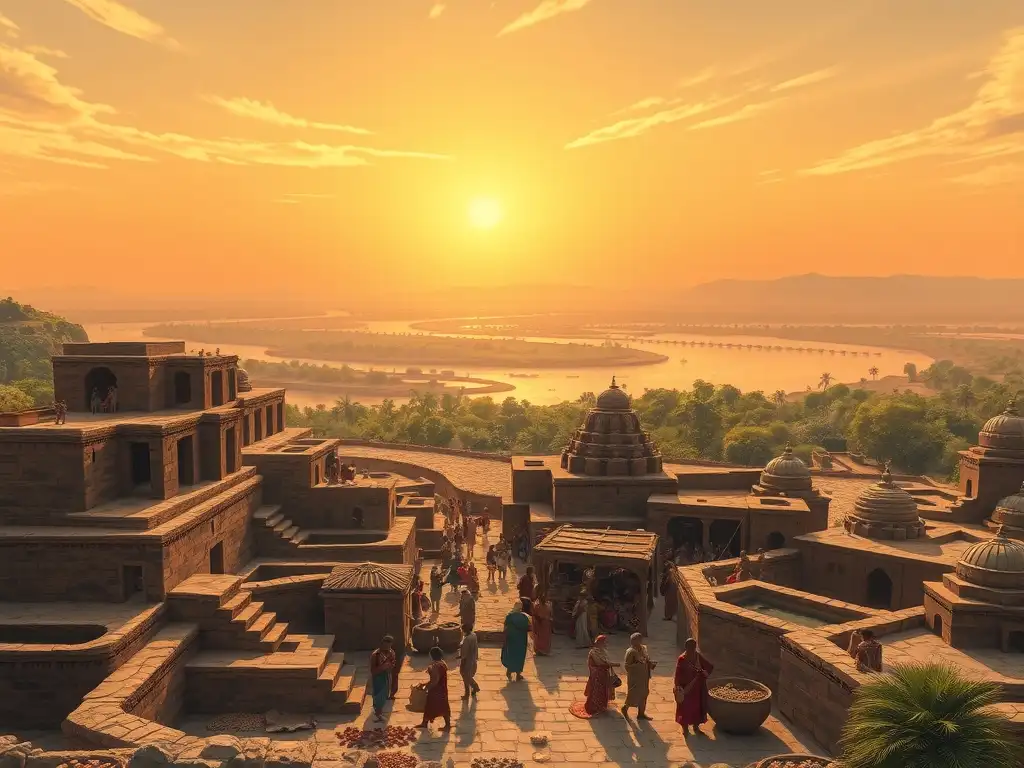
The legacy of the Indus Valley Civilization (IVC) is profound, extending far beyond its geographical confines and time frame. This ancient civilization, which thrived around 2500 BCE in what is now Pakistan and northwest India, laid the foundation for various aspects of urban planning, social organization, and cultural practices that resonate through subsequent Indian history.
The city's sophisticated layout, featuring advanced drainage systems, grid patterns, and standardized fired bricks, exemplifies a remarkable understanding of urban infrastructure. Such innovations influenced later urban settlements in South Asia. Furthermore, the IVC's use of weights and measures facilitated trade, paving the way for commercial practices that would be adopted by future civilizations.
Additionally, the IVC's artistic expressions, such as seals, pottery, and terracotta figurines, reflect a rich cultural heritage. These artifacts not only provide insights into the daily lives of the people but also indicate a complex belief system, possibly integrating elements of proto-Hinduism. The legacy of this civilization is not just in its achievements but also in its enduring influence on the cultural landscape of India.
Contributions to Later Indian Cultures
The contributions of the Indus Valley Civilization to later Indian cultures are manifold. One of the most significant influences is found in the areas of urban planning and architecture. The principles of city design established by the IVC, including the emphasis on hygiene and public health, can be observed in later urban centers like those during the Maurya and Gupta periods.
Moreover, the IVC's trade networks set a precedent for economic interactions in the Indian subcontinent. The standardization of weights and measures developed during this civilization provided a model that later cultures would adopt, facilitating trade across vast distances.
Culturally, the artistic styles and motifs originating from the IVC can be traced in later Indian art, particularly in the figurines and pottery styles that emerged in subsequent eras. Furthermore, the spiritual and religious elements, possibly including early forms of Hindu practices, suggest that the societal frameworks of the IVC had a lasting impact on the spiritual evolution of India.
Influence on Subsequent Civilizations in South Asia
The influence of the Indus Valley Civilization on subsequent civilizations in South Asia is evident in various domains, including governance, commerce, and cultural practices. As the Vedic civilization emerged in the subsequent centuries, elements of urban organization and trade practices from the IVC were likely integrated into their societal structures.
The Mauryan Empire, which arose several centuries after the decline of the IVC, exhibited advanced administrative practices that can be traced back to the efficient governance structures seen in the IVC cities. The emphasis on central authority and urban centers in the Mauryan administration reflects a continuity of the urban legacy established by the IVC.
In terms of cultural influence, the religious texts and practices that surfaced later in Indian history, particularly in Hinduism and Buddhism, may have roots in the spiritual traditions of the IVC. The presence of seals depicting animals and human figures suggests a complex belief system that could have influenced the mythologies and iconography of later Indian religions.
Preservation of Indus Valley Heritage in Modern India
The preservation of Indus Valley heritage in modern India is a vital aspect of understanding the nation's historical narrative. Archaeological sites like Harappa and Mohenjo-Daro have been designated as UNESCO World Heritage Sites, emphasizing their significance in global history. Efforts to conserve these sites not only protect the physical remnants of the civilization but also promote awareness of its contributions to human development.
Cultural festivals and educational programs centered around the IVC are increasingly being organized, helping to revive interest in this ancient civilization. The integration of Indus Valley themes in modern art, literature, and education serves to keep the legacy alive among contemporary audiences.
Moreover, the study of the Indus Valley Civilization has implications for modern urban planning, as its principles of sustainability and efficient resource management can inform current practices. By recognizing the achievements of the IVC, modern India can draw valuable lessons that resonate with today’s challenges.
Conclusion: Understanding Indus Valley Civilization History
The history of the Indus Valley Civilization is a key chapter in the broader narrative of ancient Indian civilizations. Its intricate social structures, advanced urban planning, and rich cultural expressions highlight the sophistication of society during this period. Understanding this history is essential for appreciating the foundations upon which later Indian cultures were built.
Summary of Key Points on the Evolution of Indus Valley Society
The evolution of the Indus Valley Society is marked by significant advancements in urban planning, trade, and cultural expression. The civilization's remarkable achievements laid the groundwork for subsequent Indian cultures, influencing governance, economic practices, and spiritual beliefs. The preservation of its heritage continues to shape modern understandings of India's past.
The Relevance of Indus Valley Civilization History Today
The history of the Indus Valley Civilization remains relevant today as it offers insights into urbanization, sustainability, and cultural continuity. By studying this ancient society, contemporary scholars and citizens can glean important lessons about community, innovation, and resilience that resonate in the context of today’s challenges. The IVC's legacy is not merely a relic of the past; it is a vital part of the ongoing story of human civilization, emphasizing the importance of understanding our shared heritage.
Further Reading and Resources on Indus Valley Civilization History
To deepen your understanding of the Indus Valley civilization history, a variety of books, articles, and online resources are available. These materials provide insights into the archaeological findings, cultural practices, and societal structures that characterized one of the world's earliest urban cultures.
Recommended Books and Articles
-
"The Indus Civilization: A Contemporary Perspective" by Gregory L. Possehl
This book offers a comprehensive overview of the Indus Valley civilization, discussing archaeological discoveries and their implications for understanding this ancient society. Possehl's work emphasizes the significance of the Indus civilization in the broader context of ancient Indian history.
-
"Indus Valley Civilization: A Historical Overview" by R.S. Sharma
Sharma’s book provides a detailed analysis of the socio-economic and political aspects of the Indus Valley civilization. It also explores the interactions between the Indus Valley and neighboring cultures, highlighting its role in shaping early Indian history.
-
"The Archaeology of Ancient India" by N. G. Majumdar
This scholarly work delves into the archaeological evidence of ancient Indian civilizations, with a focused section on the Indus Valley. Majumdar discusses excavation sites and artifacts, providing insights into daily life in this ancient society.
-
"The Indus Valley Civilization: A Comprehensive Guide" by Rani P. Singh
This guide offers an accessible introduction to the Indus Valley civilization, making it suitable for both beginners and those seeking more in-depth information. Singh covers various aspects, including urban planning, trade, and art.
-
"Indus Script: What It Tells Us About the Civilization" by Iravatham Mahadevan
Mahadevan’s analysis of the Indus script provides crucial insights into the writing system of this civilization, discussing its significance and the ongoing efforts to decipher it.
Online Resources for Exploring Indus Valley Civilization History
-
Archaeological Survey of India (ASI) Website
The ASI website provides access to a wealth of information, including excavation reports, research articles, and educational resources related to the Indus Valley civilization. This official site is invaluable for anyone interested in the archaeological aspects of ancient India.
-
Digital Indus Project
The Digital Indus Project offers a platform for sharing research, artifacts, and archaeological data related to the Indus Valley civilization. It includes interactive maps and databases that allow users to explore various sites and findings.
-
The Ancient Indian Civilizations Portal
This online portal features articles, timelines, and multimedia resources dedicated to ancient Indian civilizations, including the Indus Valley. It serves as an excellent starting point for students and enthusiasts alike.
-
YouTube Documentaries and Lectures
Numerous documentaries and academic lectures are available on platforms like YouTube, providing visual insights into the Indus Valley civilization. Channels dedicated to archaeology and history often feature expert discussions and site explorations.
-
Scholarly Journals
Online journals such as the "Journal of Archaeological Science" and "Ancient India" regularly publish articles on recent discoveries and research findings related to the Indus Valley civilization, contributing to ongoing academic discourse.
These resources collectively enhance the understanding of the Indus Valley civilization history and its significance in the broader narrative of ancient Indian civilizations.
- Introduction to Indus Valley Civilization History
- Overview of the Indus Valley Civilization
- Importance of Studying Indus Valley Civilization History
- The Prehistoric Roots of the Indus Valley Civilization
- The Rise of the Indus Valley Civilization
- Key Factors Contributing to the Emergence of Civilization
- Major Sites: Harappa and Mohenjo-Daro
- Urban Planning and Architecture in Indus Valley Cities
- Social Structure and Culture of the Indus Valley Civilization
- Economic Activities and Trade in the Indus Valley
- Decline of the Indus Valley Civilization
- Legacy of the Indus Valley Civilization
- Conclusion: Understanding Indus Valley Civilization History
- Further Reading and Resources on Indus Valley Civilization History
Frequently Asked Questions
What is the Indus Valley civilization history?
The Indus Valley civilization is one of the world's oldest urban cultures, dating back to around 2500 BCE. It is known for its advanced city planning, architecture, and sophisticated drainage systems.
What were the major contributions of the Indus Valley civilization?
The Indus Valley civilization contributed significantly to urban planning, trade, and agriculture. Their use of standardized weights and measures facilitated trade and economic growth.
How did the Indus Valley civilization influence later Indian cultures?
The Indus Valley civilization laid the foundation for future Indian cultures through its innovations in art, trade, and urban living. Many aspects of their society influenced the subsequent Vedic culture.
What were the key features of the Indus Valley cities?
Cities like Mohenjodaro and Harappa featured well-planned streets, advanced drainage systems, and public baths. These features highlight the sophistication of urban life in the Indus Valley civilization.
What led to the decline of the Indus Valley civilization?
The decline of the Indus Valley civilization is attributed to factors such as climate change, river shifts, and possible invasions. These changes resulted in a significant reduction in trade and urban activity.
Final Reflection: The Enduring Legacy of Indus Valley Civilization History
The exploration of the Indus Valley civilization history reveals not only the remarkable achievements of an ancient society but also its profound relevance in today's world. As we delve into the intricate urban planning, advanced trade systems, and rich cultural practices of the Indus Valley, we uncover lessons that resonate with contemporary issues such as sustainability, community living, and the importance of cultural heritage. The echoes of this civilization remind us that our past is not merely a collection of dates and events, but a foundation upon which we can build a more informed future.
Culture is a living thread that connects us to our ancestors, and the Indus Valley civilization serves as a testament to human ingenuity and resilience. The influence of this ancient society can be seen in modern urban planning and community organization, where the principles of harmony with nature and efficient resource management are more crucial than ever. As historian John Keats once said, "> A thing of beauty is a joy forever." This sentiment rings true as we reflect on the beauty and sophistication of the Indus Valley, inspiring us to appreciate and preserve our own cultural legacies.
As we conclude this journey through the Indus Valley civilization history, I invite you to reflect on how the lessons from this ancient society can be applied to your own life. Consider how you can embrace sustainability, foster community connections, and honor your cultural heritage in your daily actions. By doing so, we not only pay homage to the past but also pave the way for a future that values the wisdom of those who came before us. Let us carry forward the spirit of the Indus Valley, ensuring that its legacy continues to inspire generations to come.
Unveil the Depths of Indus Valley History!
Thank you for diving into the fascinating journey of the Indus Valley Society! Your exploration of its evolution not only enriches your understanding but also connects you to the roots of ancient civilization. Now, it's time to take action and deepen your engagement with this captivating topic.
Here’s how you can continue your journey:
- Dive Deeper: Explore a book or article that highlights the impact of the Indus Valley civilization on contemporary society. You might be amazed at how their innovations influence us today!
- Share Your Insights: Engage in discussions about this topic with friends or on social media. Inspiring conversations can spark new ideas and perspectives.
- Join a Community: Participate in a group or forum focused on ancient history. Connect with others who share your passion and exchange knowledge about the Indus Valley and other fascinating cultures.
What aspect of the Indus Valley Society intrigued you the most, and how do you think it shapes our understanding of ancient cultures today?